High-precision internal fixation solutions designed for critical trauma management and advanced osteosynthesis.
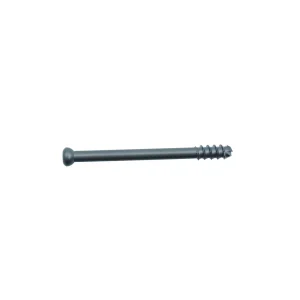
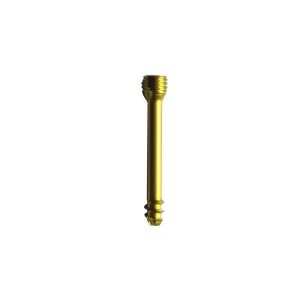
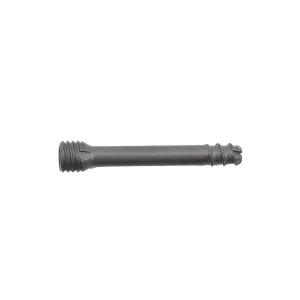
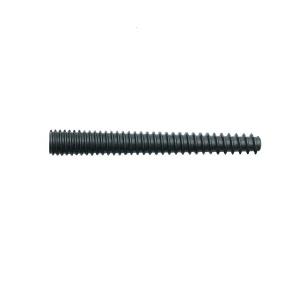
As Central Africa accelerates the modernization of its clinical infrastructure, the demand for world-class orthopedic trauma systems in Equatorial Guinea—particularly within the metropolitan health hubs of Malabo, Bata, and the emerging medical facilities in Oyala (Ciudad de la Paz)—has reached an unprecedented scale. Driven by national healthcare initiatives and private sector medical expansion, hospitals and regional procurement agents are shifting from legacy external fixation systems to highly stable, low-profile internal osteosynthesis materials. Among these, cannulated compression screw systems represent the benchmark for anatomical reduction and stable internal fixation of bone fractures.
The tropical coastal environment and logistics nodes of West-Central Africa demand materials that resist biological corrosion while maintaining structural integrity during prolonged storage. Titanium alloys (Ti-6Al-4V ELI) manufactured according to ASTM F136 stand out as the premium choice. For distributors and biomedical procurement officers operating under the INSESO framework or supplying private clinics such as La Paz Medical Center, securing a direct manufacturing partnership with an ISO 13485 certified manufacturer is crucial for mitigating delivery delays and clinical product failures.
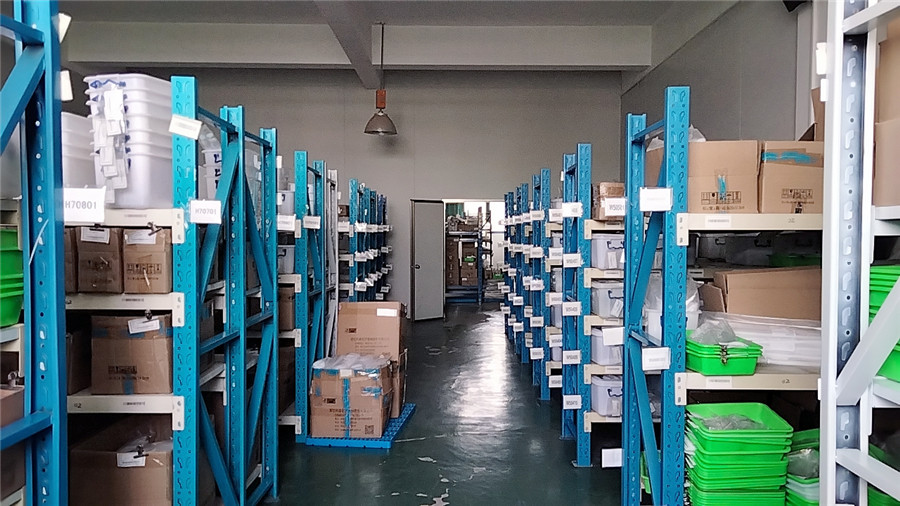
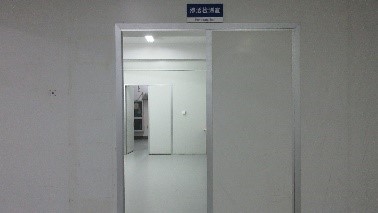
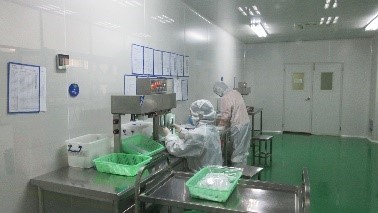
Globally, the orthopedics implant sector is experiencing a technological evolution, moving towards micro-machined, self-tapping, and headless compression screws (Herbert type). The primary challenge for international healthcare providers lies in establishing a reliable pipeline that offers both regulatory compliance (such as CE MDR and FDA alignment) and volume scalability. In response to this, advanced manufacturing hubs have integrated strict material traceability protocols. From incoming titanium bar stocks to final cleanroom packaging, every phase must satisfy international biocompatibility standards, eliminating the risks of peri-implant infection or metallosis in postoperative environments.
How automated precision CNC machining delivers surgical reliability and structural integrity to West African healthcare markets.
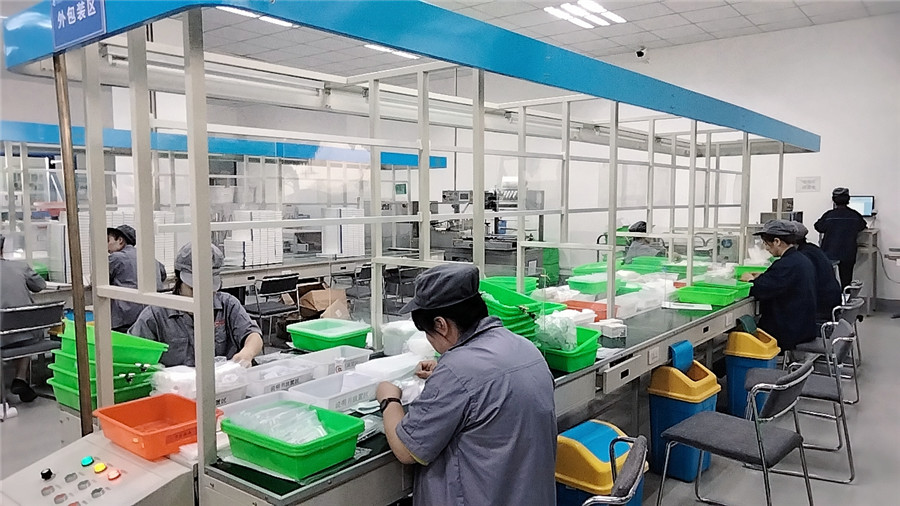
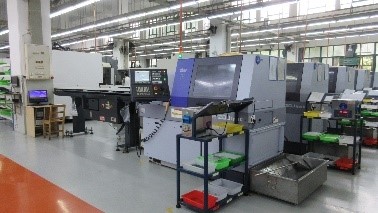
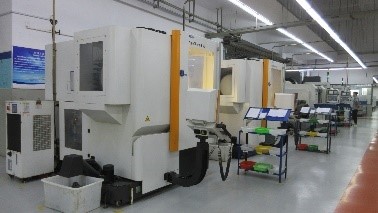
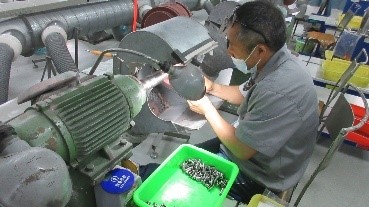
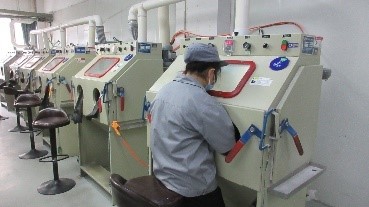
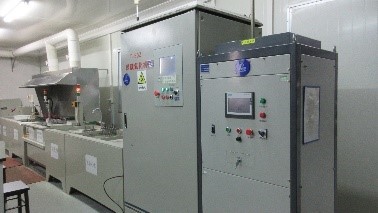
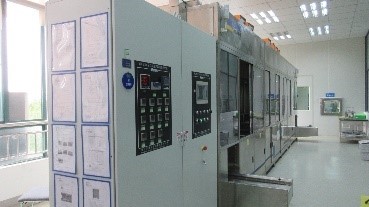
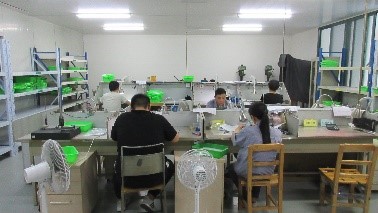
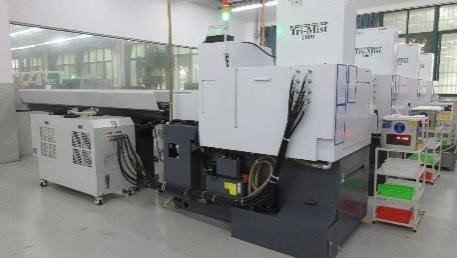
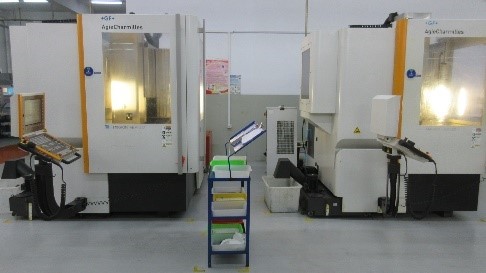
Operating at the intersection of robotic automation and biological engineering, our Factory 4.0 manufacturing floor utilizes advanced Citizen Swiss-type CNC lathes and automated optical inspection systems to guarantee micron-level thread accuracy. For the complex geometries required in headless compression screws and self-drilling cortical/cancellous models, this mechanical precision determines the ultimate success of the osteosynthesis procedure. By removing human variation from critical machining processes, we achieve a consistent yield rate exceeding 99.8% across production batches destined for international markets.
| Screw Type / Diameter | Anatomical Indications | Design Highlights | Standard Lengths |
|---|---|---|---|
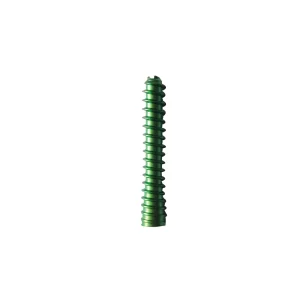
| 2.4mm / 3.0mm Herbert Screw | Scaphoid fractures, small bone osteotomy, carpal/tarsal arthrodesis. | Headless design, countersunk compression, dual pitch thread geometry. | 10mm - 40mm |
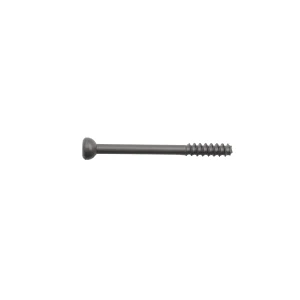
| 3.5mm / 4.0mm Cannulated | Phalangeal, metacarpal, radial head, and malleolar ankle fixation. | Self-tapping, partially/fully threaded, guidewire-driven channel. | 12mm - 50mm |
| 4.5mm / 6.5mm Cannulated | Tibial plateau, calcaneus, talus, patella fractures. | Low-profile head, deep cancellous thread profile, washer compatible. | 30mm - 110mm |
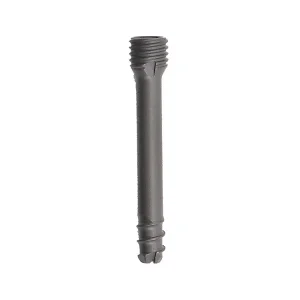
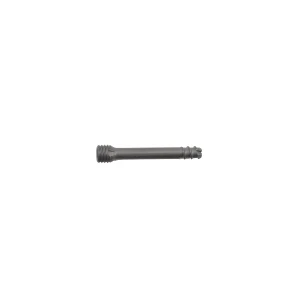
| 7.3mm Heavy Cannulated | Femoral neck fractures, slipped capital femoral epiphysis, sacroiliac joints. | High torsional strength, optimized thread transition, deep cannulation. | 40mm - 180mm |
Ensuring global compliance and strict QA validation for West African healthcare supply networks.
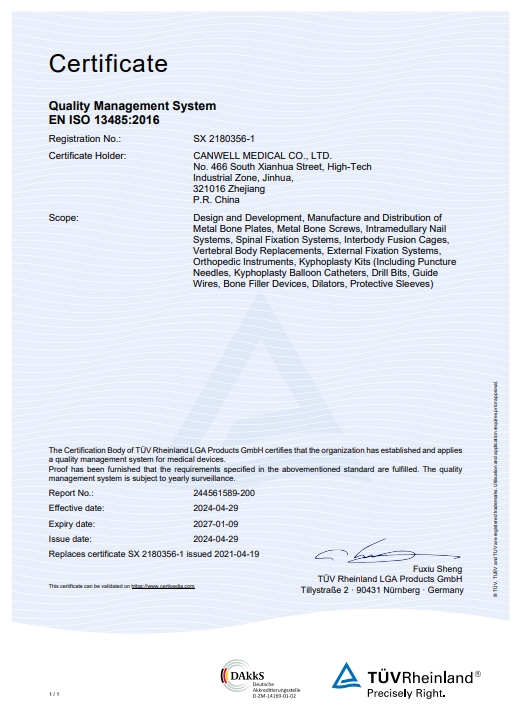
 ISO 13485
Cert No: SX 2180356-1
ISO 13485
Cert No: SX 2180356-1
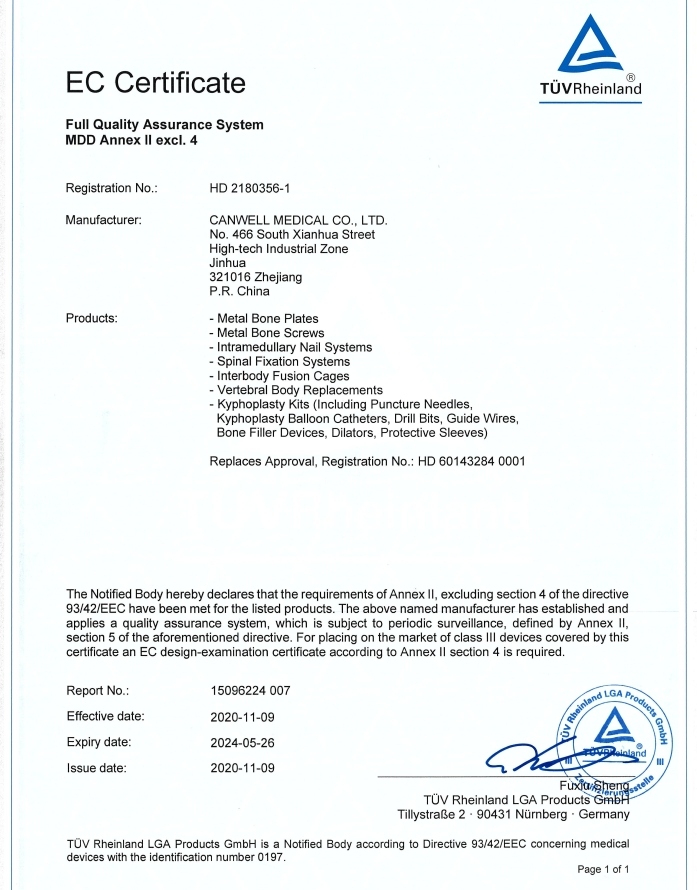
 93/42/EEC CE
Cert No: HD 2180356-1
93/42/EEC CE
Cert No: HD 2180356-1
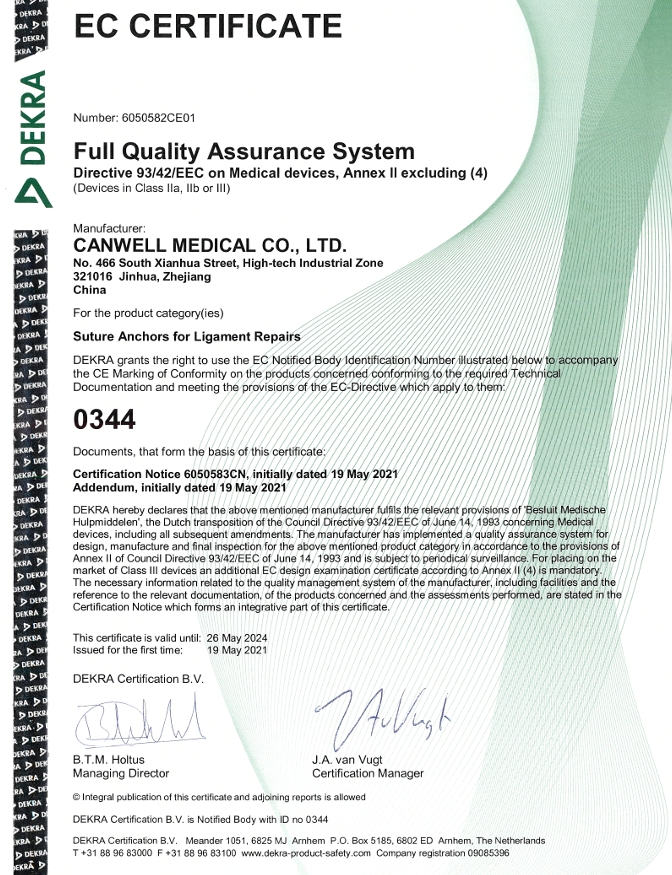 CE 0197 Certified
Cert No: 6050582CE01
CE 0197 Certified
Cert No: 6050582CE01
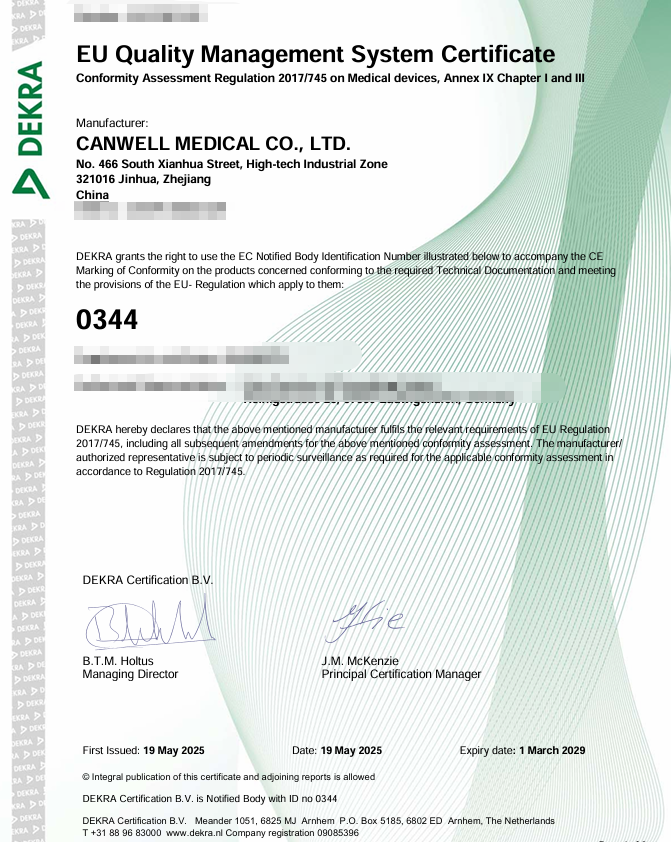
 MDR Compliant
Cert No: 6142788CE02
MDR Compliant
Cert No: 6142788CE02
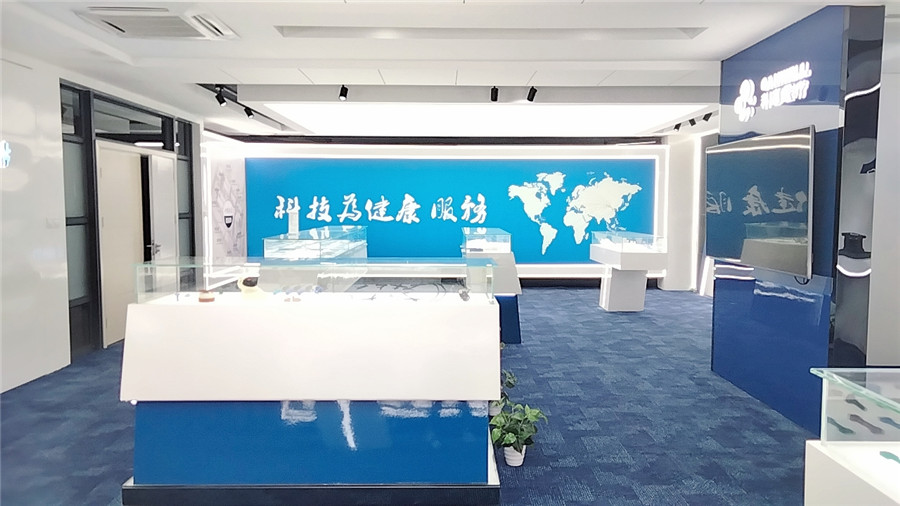
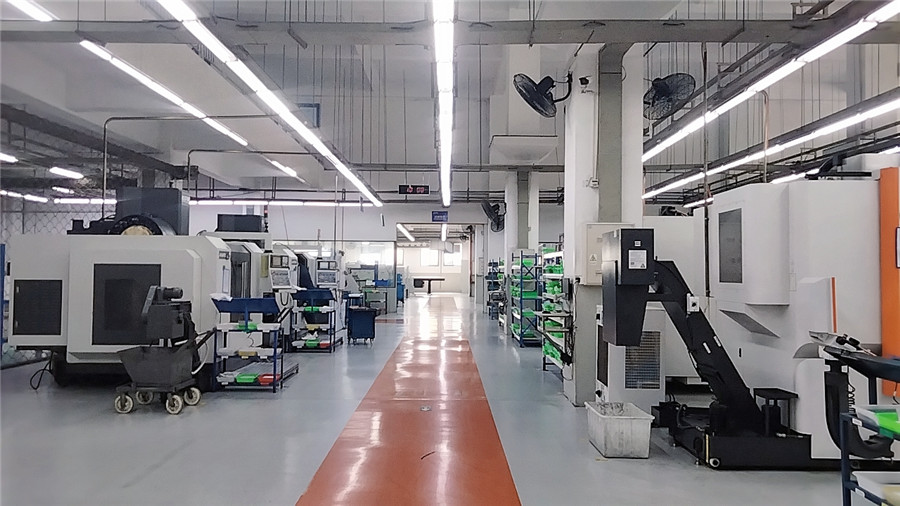
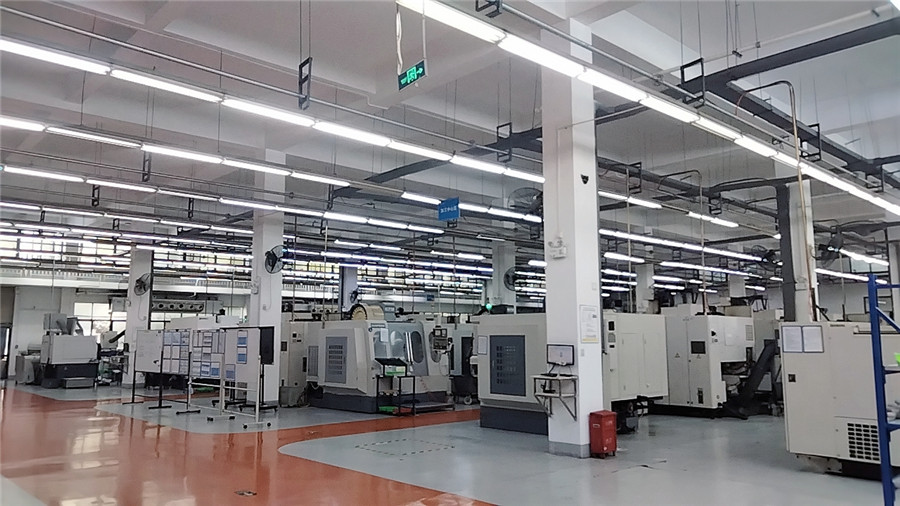
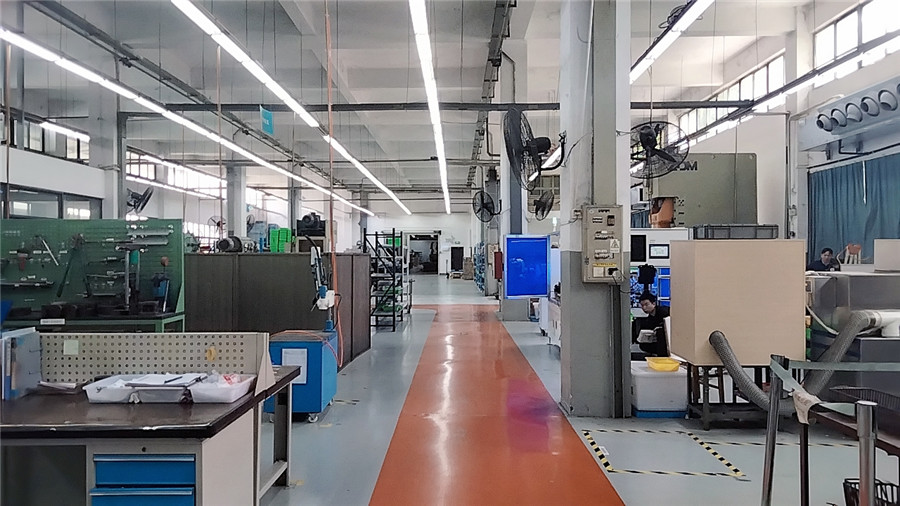
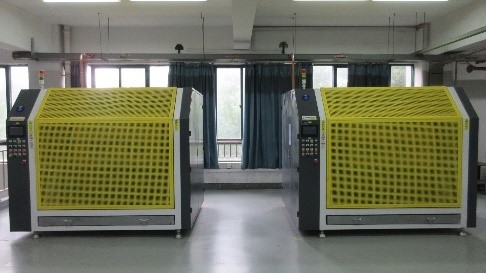
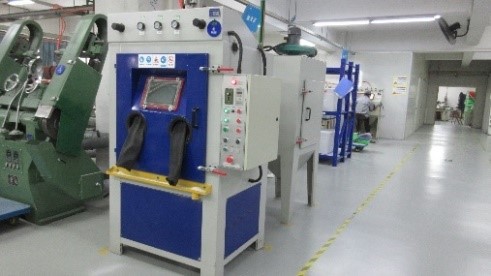
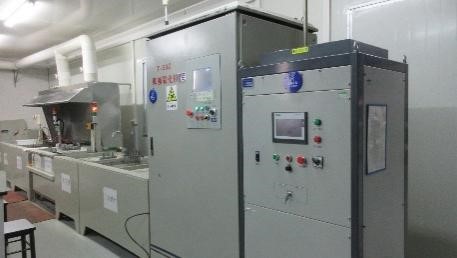
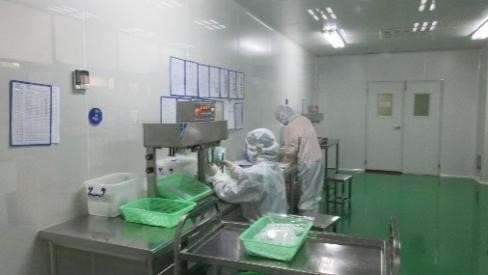
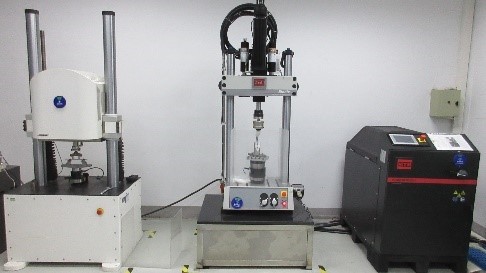
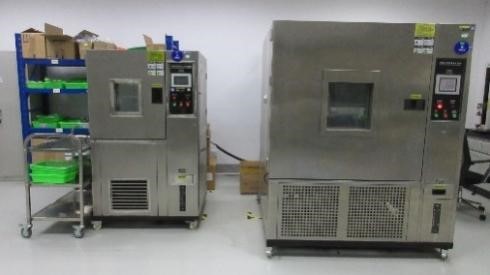
Understanding the clinical superiority of cannulated screw configurations in surgical osteosynthesis.
Cannulated screws have transformed orthopedic trauma care, offering a minimally invasive alternative to classic open reduction and internal fixation (ORIF). By placing a guidewire under fluoroscopic control, surgeons can precisely locate the insertion path before threading the screw. This reduces soft tissue trauma, mitigates intraoperative complications, and ensures accurate anatomical alignment.
For bone repairs in regions with limited blood supply, such as the scaphoid or the femoral neck, headless compression screws (often referred to as Herbert screws) provide key clinical benefits. Featuring varying thread pitches at the proximal and distal ends, these screws apply controlled compression across the fracture gap as they are advanced. The headless profile allows the screw to be fully countersunk below articular surfaces, protecting adjacent tendons and cartilage from friction or wear.
The choice between Medical-Grade Titanium Alloy (Ti-6Al-4V ELI) and Stainless Steel (316LVM) depends on patient-specific biomechanics and implant duration. Titanium features a lower elastic modulus (closer to cortical bone), which reduces the risks of stress shielding. It also creates a highly stable passive oxide layer, offering superior corrosion resistance and biocompatibility—essential for mitigating implant-related complications in warm, humid coastal regions.
In Equatorial Guinea's regional medical centers, where resources and post-op rehabilitation care can vary, choosing titanium implants helps lower the incidence of secondary surgeries due to tissue irritation or late-stage rejection. Partnering with a supplier that maintains rigorous testing logs—covering grain size, chemical composition, tensile strength, and thread pull-out forces—ensures clinical reliability at every stage.
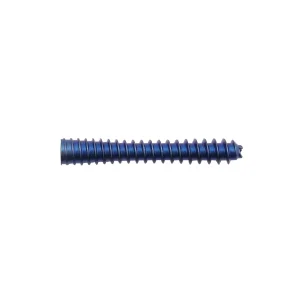
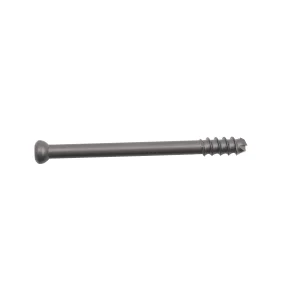
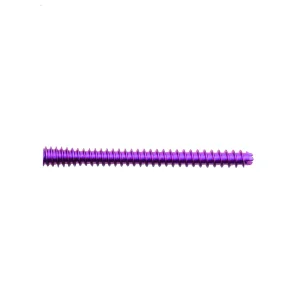
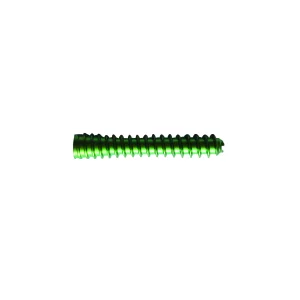
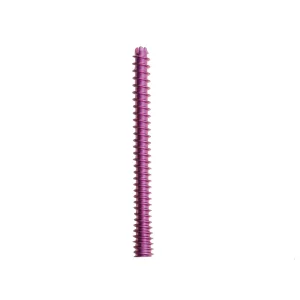
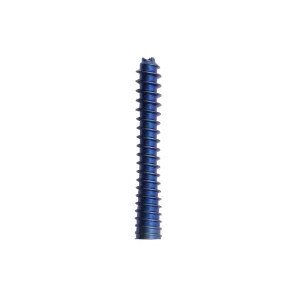
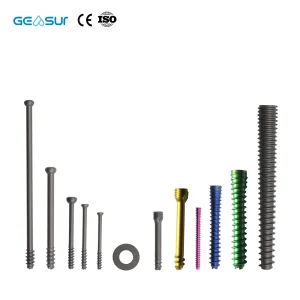
Extensive range of implant systems, tools, and accessories engineered to international medical standards.
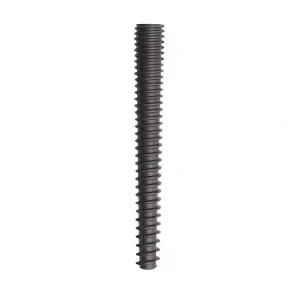
Expert technical answers regarding regulatory compliance, metallurgical choice, and regional shipping logistics.
Implant products must be manufactured under strict quality systems, such as ISO 13485. While local regulatory bodies under the Ministry of Health and Social Welfare (Ministerio de Sanidad y Bienestar Social) review registrations, presenting CE certificates (complying with the latest Medical Device Regulation - MDR 2017/745) and an updated ISO certificate provides direct proof of regulatory compliance, simplifying customs clearance at Malabo and Bata.
Titanium alloys show high compatibility with human bone and resist corrosion in humid tropical climates. Their lower density helps avoid stress-shielding, reducing bone resorption. Titanium also causes minimal artifacts under diagnostic imaging, allowing for cleaner post-op scans.
Headless compression screws (such as the Herbert variant) feature a wider thread pitch at the tip and a narrower pitch near the base. As the screw is driven in, the distal threads pull the bone fragment towards the proximal section faster than it enters, creating stable compression across the fracture line to support primary healing.
We supply complete instrument sets, which include guidewires, drill bits, countersinks, and hex drivers, matched to the screw sizes. For volume distributors in Malabo and Bata, we also offer custom sterilization box layouts, laser-engraved labels, and specific drill sizes to fit existing hospital equipment.
Standard production runs take 15 to 30 days, depending on batch sizes. Shipments are handled via express air freight (landing at Malabo-Eloy Ela Nguema Airport) for urgent needs, or via sea container transport to the Port of Malabo or Port of Bata for bulk stocking orders.
Partner with a leading global manufacturer to supply Equatorial Guinea's hospitals with reliable, high-precision titanium cannulated screws. Contact our regulatory and sales engineering team for a detailed quote.
Request Samples & Wholesale Pricing KaiSo Medical