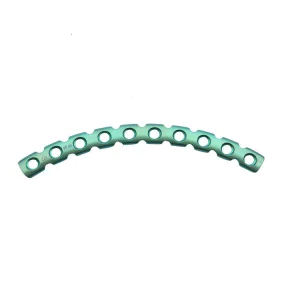
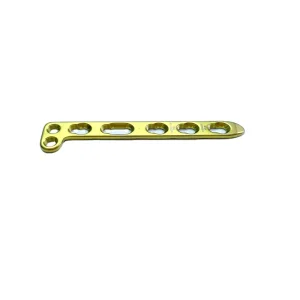
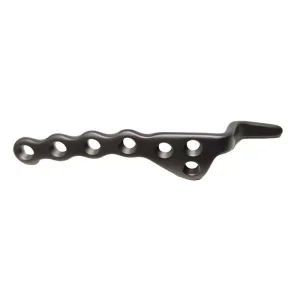
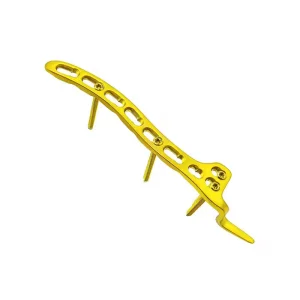
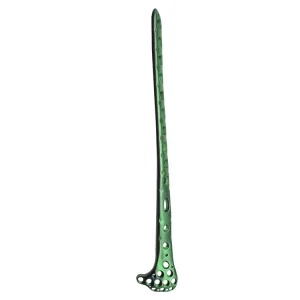
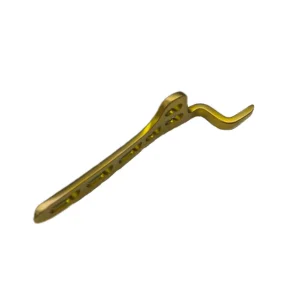
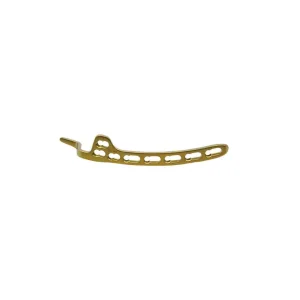
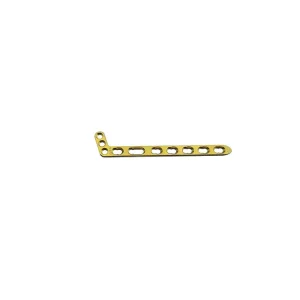
In the contemporary landscape of musculoskeletal healthcare, the demand for Orthopedic Trauma Implants has transitioned from basic fixation to biological integration. As a leading supplier and exporter with over 22 years of industry expertise, KaiSo (Geasure) stands at the forefront of this evolution. Our mission is to provide high-performance osteosynthesis solutions that address the complexities of modern fracture management—ranging from high-energy poly-trauma to fragility fractures in aging populations.
The global orthopedic market is currently navigating a pivotal shift toward Patient-Matched Technology and Minimally Invasive Surgery (MIS). To meet these needs, our R&D team, comprising 59 dedicated engineers, focuses on the biomechanical optimization of titanium alloys (Ti6Al4V ELI), ensuring that every locking plate and compression screw provides the requisite stability while preserving the periosteal blood supply essential for bone healing.
With 30% of our market in South America and 20% in Southeast Asia and Western Europe, we understand the logistical nuances of medical device exportation. We provide end-to-end supply chain transparency, ensuring that hospitals and distributors receive implants with full traceability of raw materials.
Navigating the transition from MDD to MDR is critical for any global exporter. Our facilities are ISO13485 certified, and our products carry CE marking (93/42/EEC), meeting the stringent safety and performance requirements of the European and North American markets.
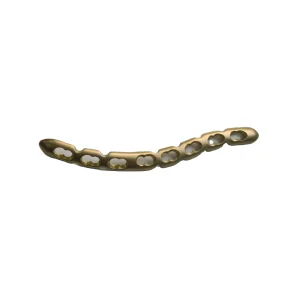
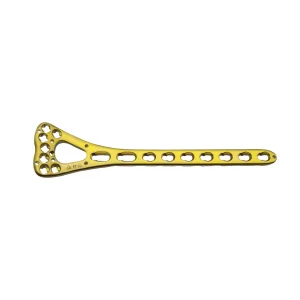
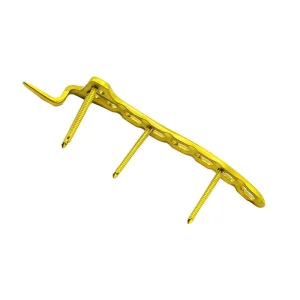
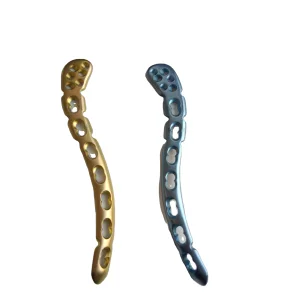
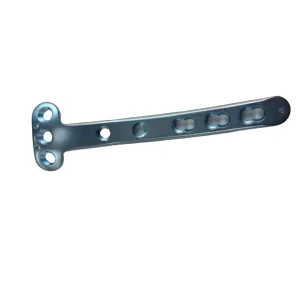
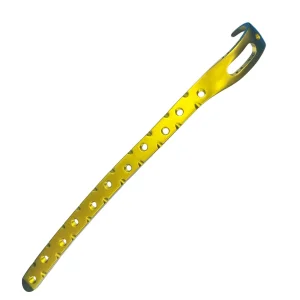
Our trauma plates are engineered using extensive morphometric data to match the anatomical curvature of specific bones (e.g., distal radius, proximal humerus, clavicle), reducing the need for intraoperative bending and shortening surgical time.
The core of our trauma line is Grade 5 Titanium (Ti6Al4V). This material offers the highest strength-to-weight ratio and superior fatigue resistance. We are currently exploring surface modification techniques, such as Type II Anodization, to further reduce the risk of infection and implant-to-tissue adhesion, facilitating easier hardware removal if required.
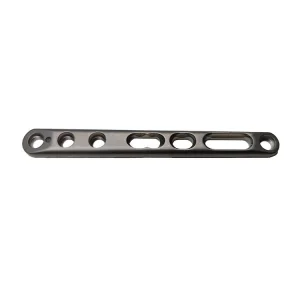
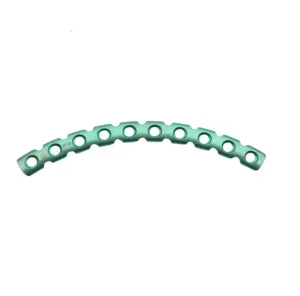
Our "Combi-holes" design allows surgeons to choose between axial compression and dynamic locking within the same plate. This versatility is vital for treating complex intra-articular fractures where stable internal fixation is paramount for early mobilization.
The future of orthopedic trauma lies in the integration of digital planning software. KaiSo is investing in graphic processing and 3D modeling to support "Light Customization," allowing for patient-specific solutions in extreme deformity or revision cases.
Refining mass production of ISO-compliant locking plates with 100% inspection protocols.
Developing low-profile instrumentation for minimally invasive percutaneous plate osteosynthesis (MIPPO).
Implementing antibacterial and osteoconductive coatings to accelerate bone-to-implant interface healing.
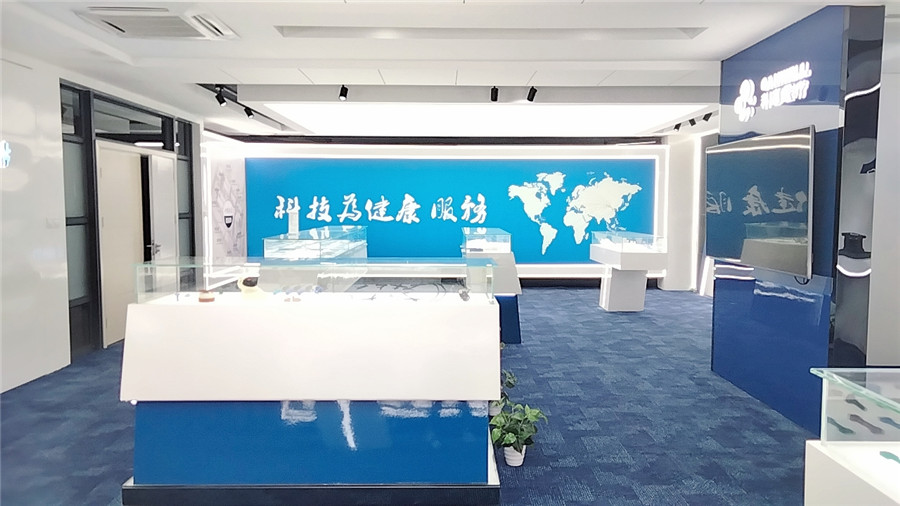
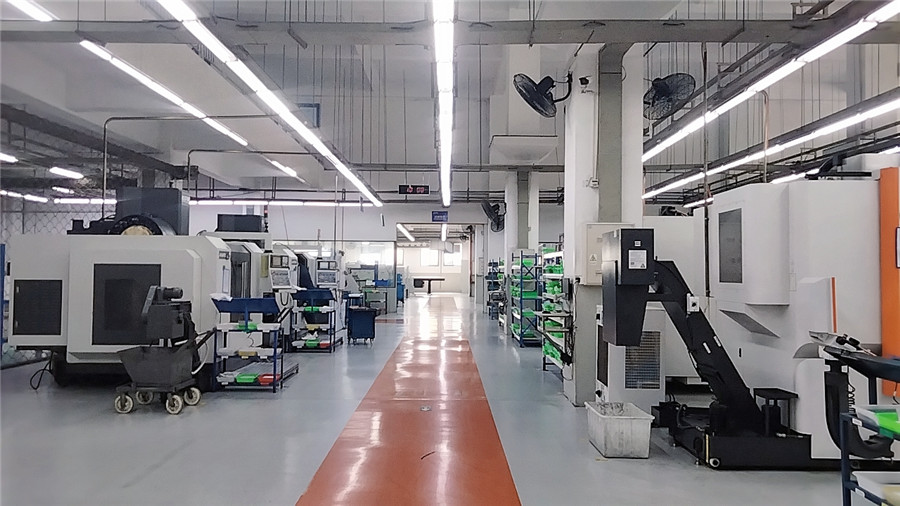
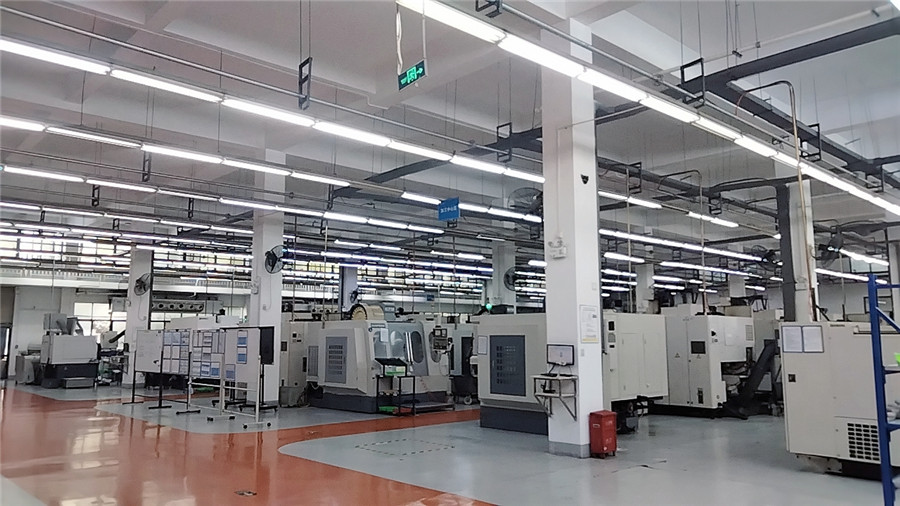
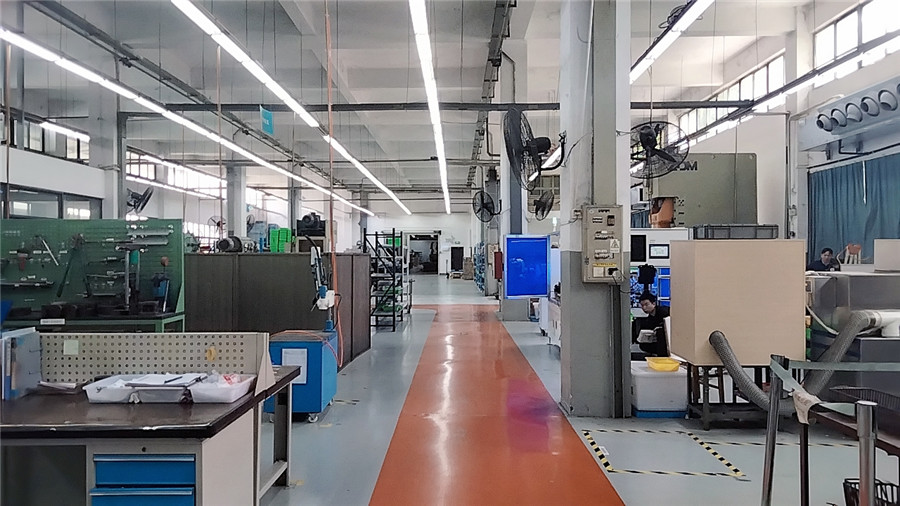
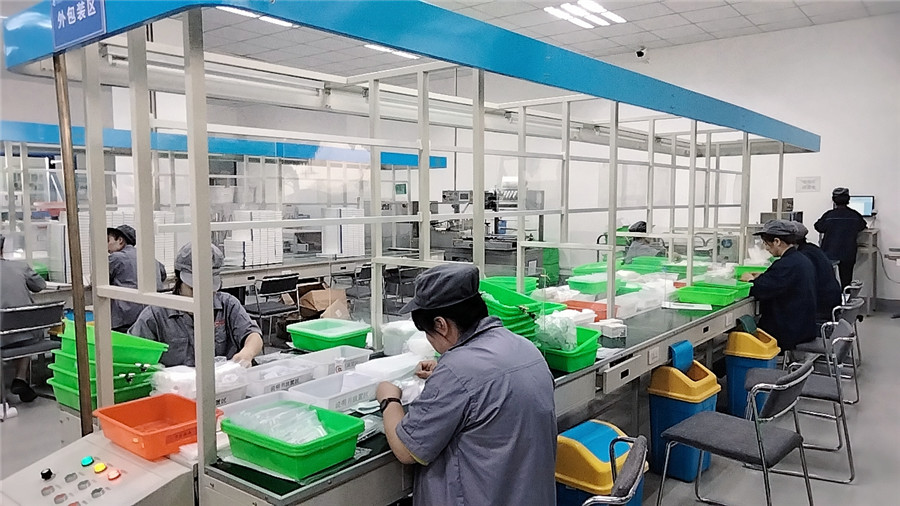
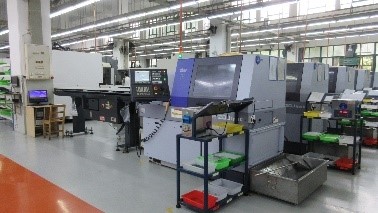
Established in 2004, KaiSo operates across 29,523 square meters of state-of-the-art manufacturing space. Our "Total Quality Management" system involves 69 specialized QC inspectors who monitor every stage of production—from the ultrasonic cleaning of implants to final sterile packaging.
| Feature | Technical Specification | Clinical Benefit |
|---|---|---|
| Material | Ti6Al4V ELI (Grade 5) | Excellent biocompatibility & high fatigue limit |
| Plate Profile | 1.5mm - 4.5mm Tapered | Reduced soft tissue irritation & cold welding prevention |
| Screw Interface | Multi-directional Locking | Enhanced stability in osteoporotic bone |
Titanium alloys offer a lower modulus of elasticity, which is closer to human bone, thereby reducing "stress shielding." Additionally, titanium is MRI-compatible and has superior biocompatibility, minimizing the risk of adverse immune responses.
Yes. As indicated in our R&D capabilities, we provide light customization, sample processing, and graphic processing. Our 59 graduate engineers can assist in developing customized implants based on specific demand profiles.
We implement 100% inspection of all products or random inspection based on client requirements. Our quality assurance system follows ISO9001, 13485, and CE protocols, covering every step from material procurement to automated production.
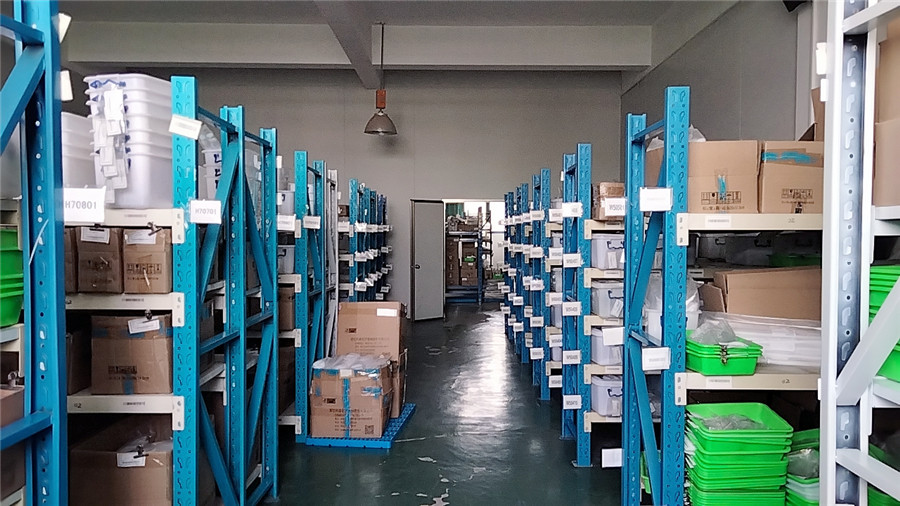
With 22 years of export experience, we have optimized our logistics. Lead times vary depending on order volume and customization, but our large floor space (29,523㎡) allows for significant stock holding to ensure rapid fulfillment for standard trauma lines.
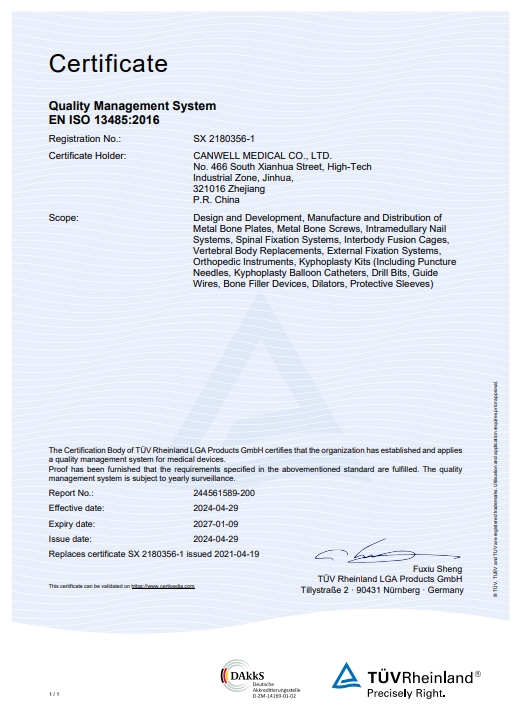
ISO13485
Quality Management for Medical Devices
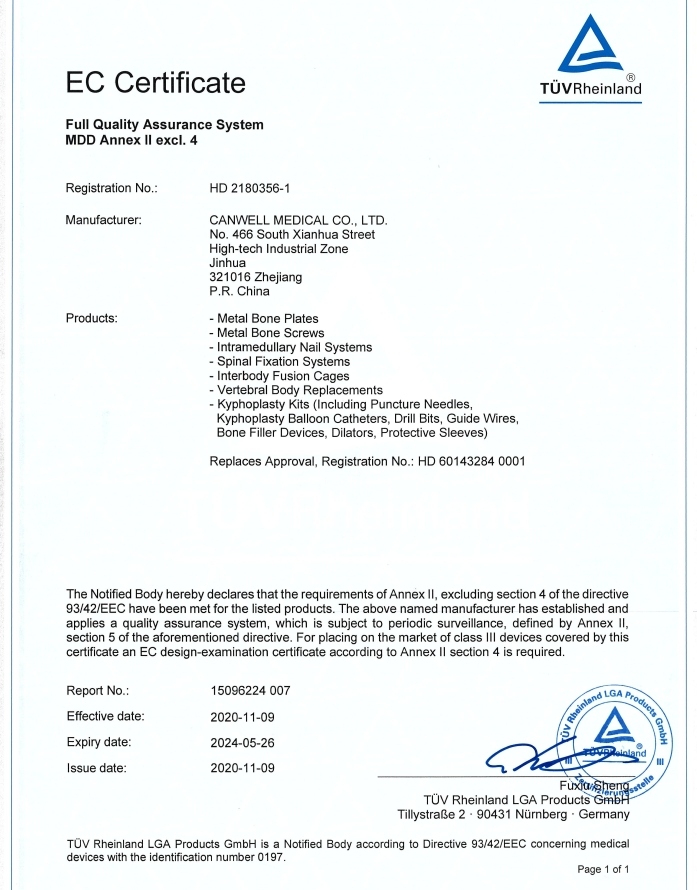
CE 93/42/EEC
European Medical Device Directive
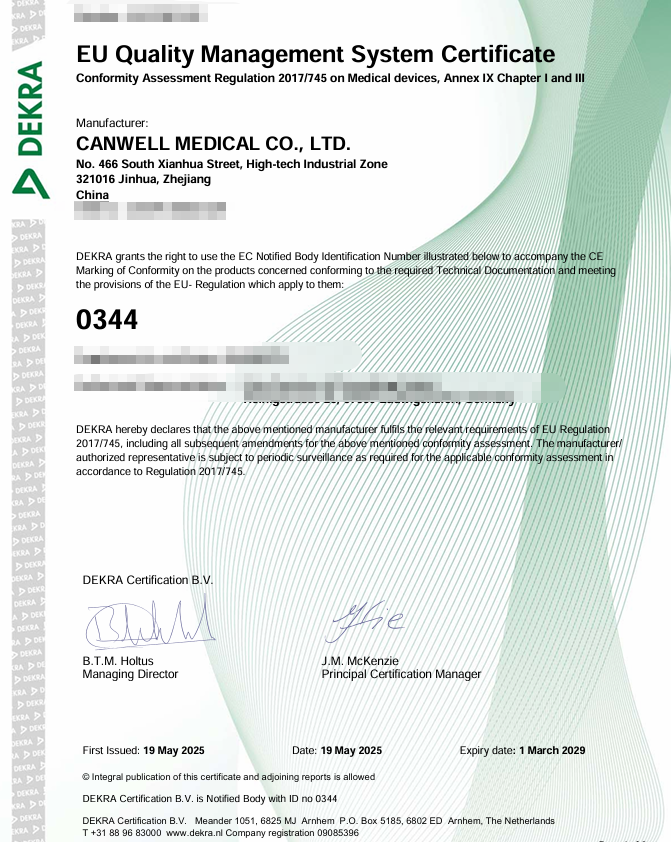
MDR Compliance
Latest EU Regulatory Standards
 KaiSo Medical