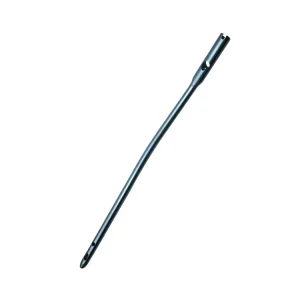
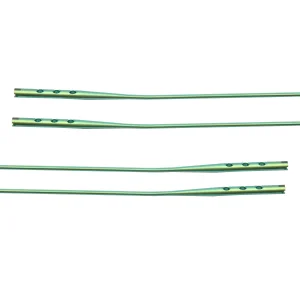
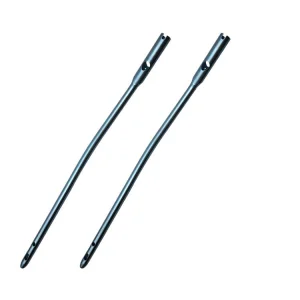
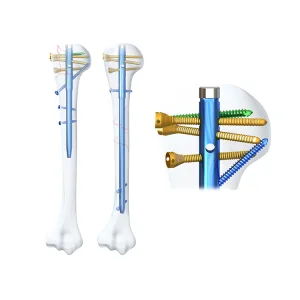
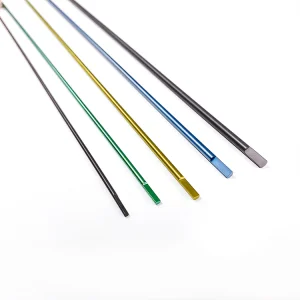
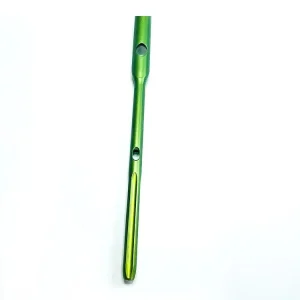
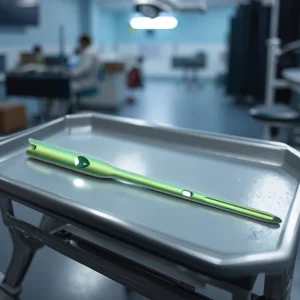
The global orthopedic intramedullary (IM) nail market is witnessing a paradigm shift, driven by an aging population and the increasing incidence of high-velocity trauma. As a premier Intramedullary Nails Factory & Exporter, we analyze the current landscape through the lens of surgical efficiency and patient outcomes. Today, the demand for "Internal Splinting" has surpassed traditional plating for long-bone fractures due to the load-sharing nature of IM nails, which promotes rapid callus formation.
The shift toward Minimally Invasive Percutaneous Osteosynthesis (MIPO) has made intramedullary nails the gold standard. High-growth markets in Southeast Asia and South America are increasingly demanding CE and MDR-certified implants that offer both cost-effectiveness and premium titanium grade durability.
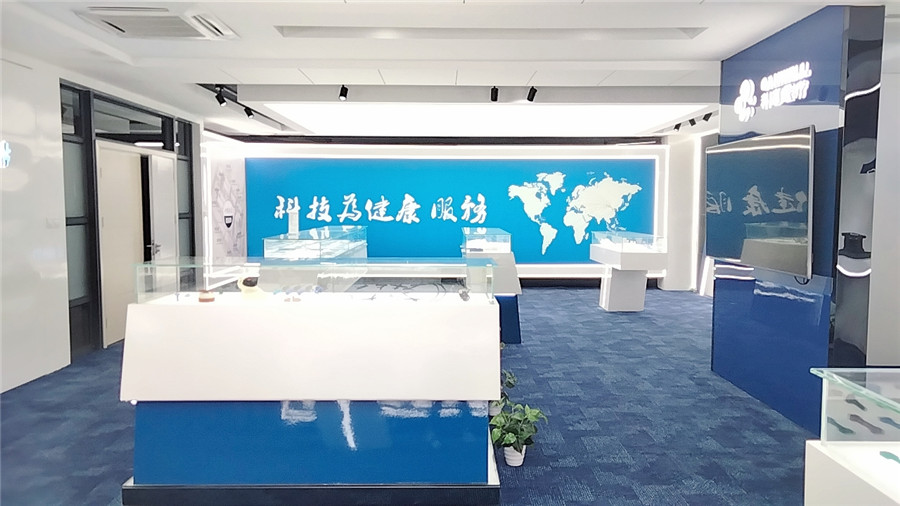
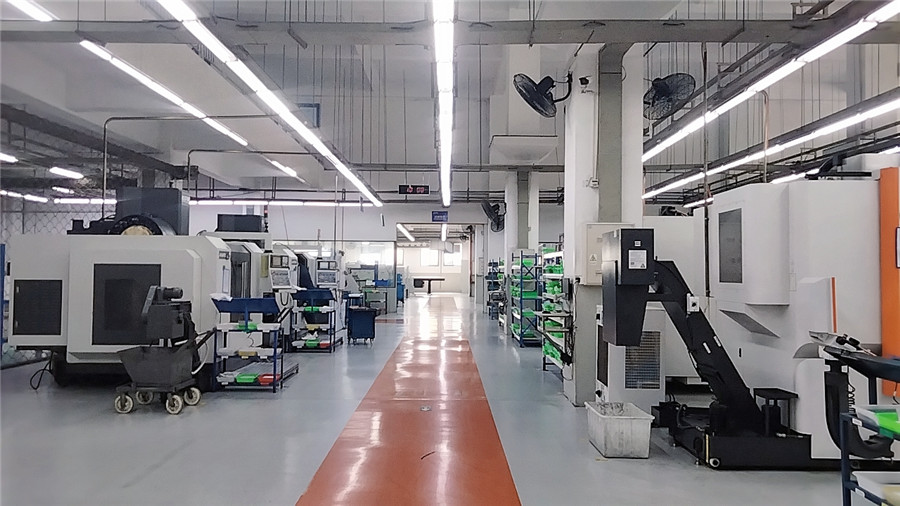
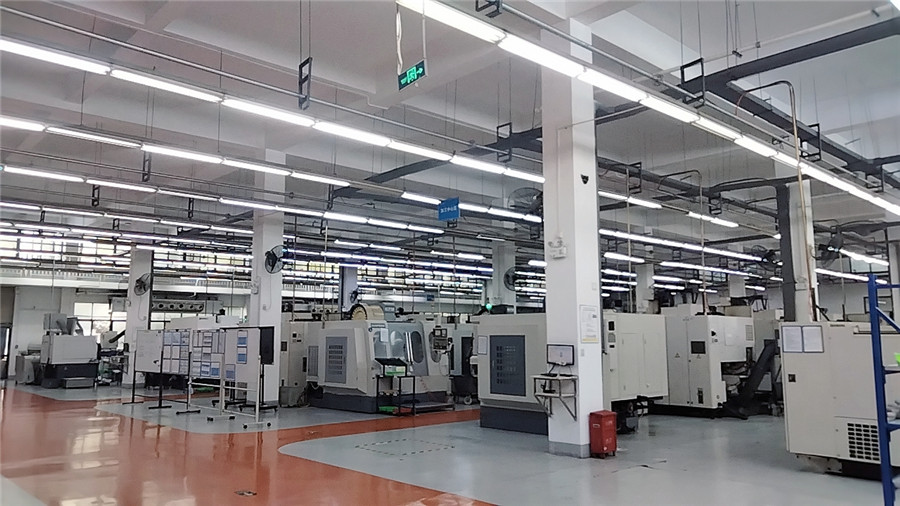
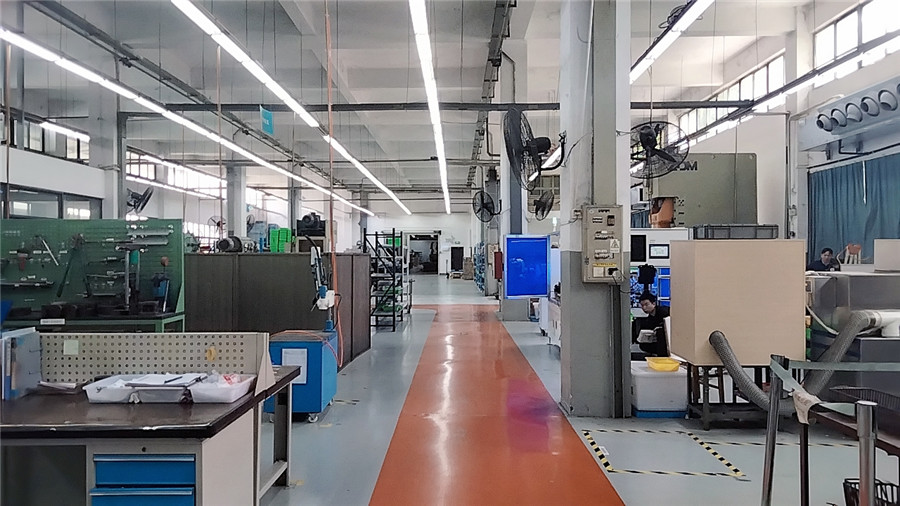
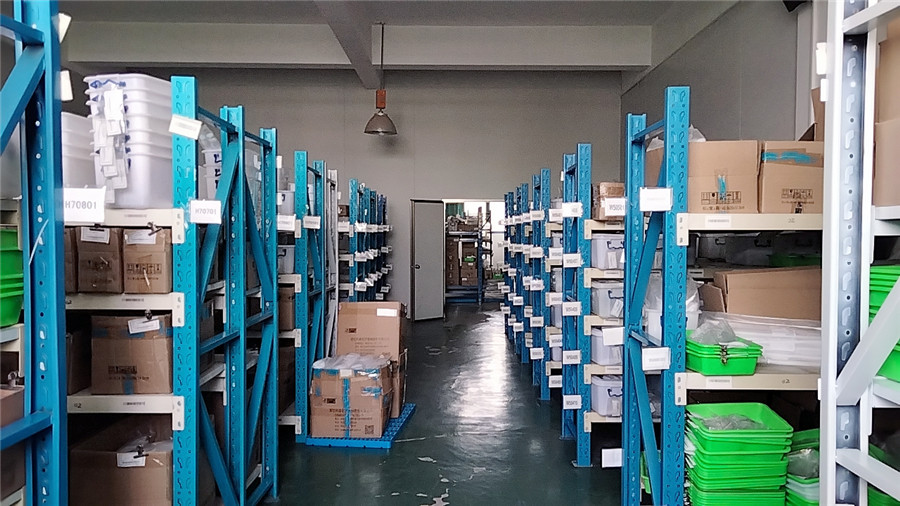
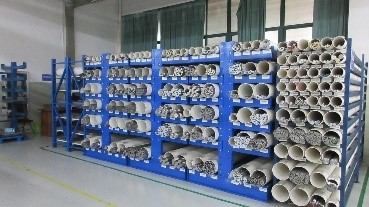
With 22 years of exporting experience, we have optimized our supply chain to withstand global logistics volatility. Our production facilities maintain a 29,523㎡ floor space, ensuring a consistent supply for large-scale hospital tenders and private medical groups worldwide.
Providing "Information Gain" in the SEO landscape means diving deeper than surface-level specifications. At Geasure, our technical route is defined by the synergy between biomechanics and material science.
While stainless steel (316L) offers high stiffness, our focus has shifted toward Titanium Alloy (Ti-6Al-4V). Titanium offers a lower elastic modulus, closer to human bone, which significantly reduces the "Stress Shielding" effect, preventing post-operative bone resorption and promoting healthier remodeling.
Our Proximal Femoral Antirotation Nails (PFNA) utilize a helical blade design rather than standard screws. This provides better compaction of cancellous bone, which is critical for osteoporotic patients, increasing the resistance to "cut-out" by over 30%.
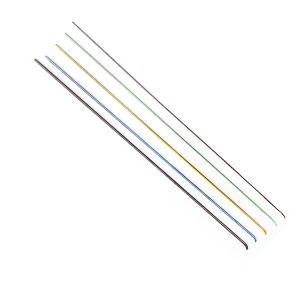
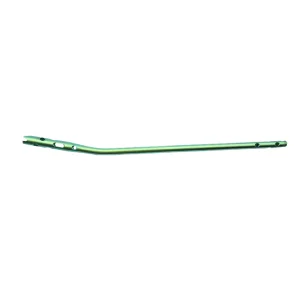
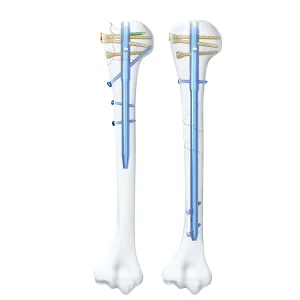
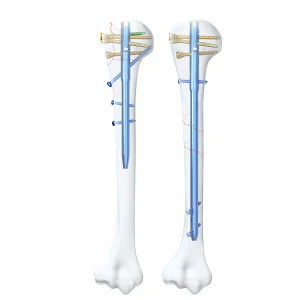
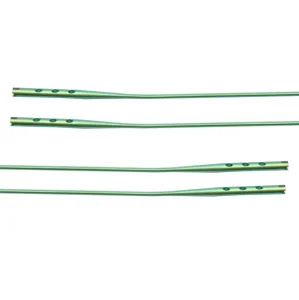
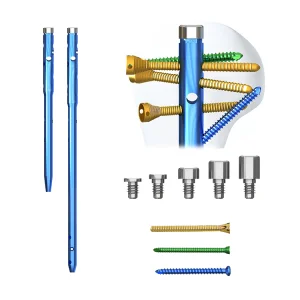
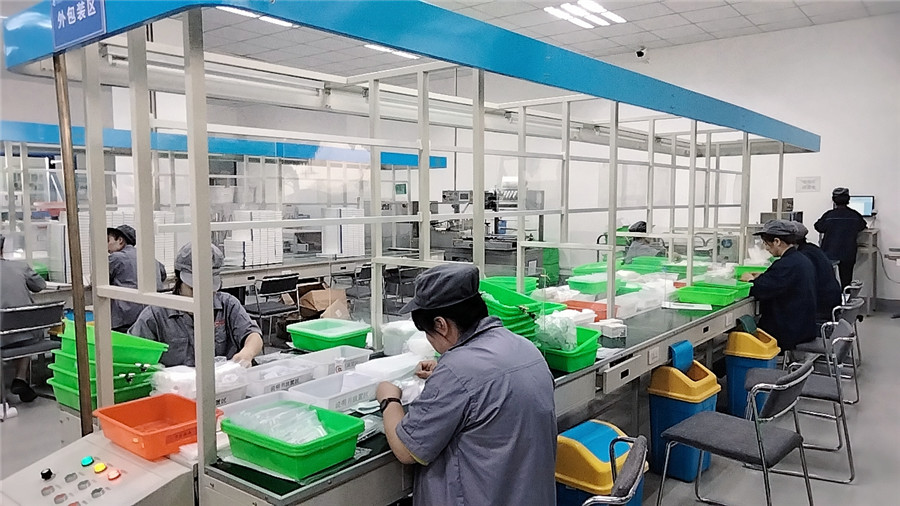
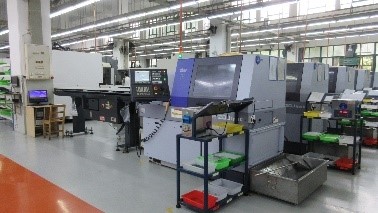
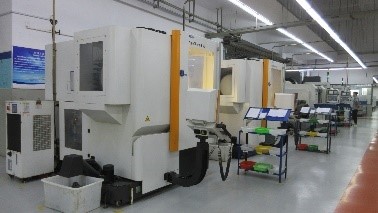
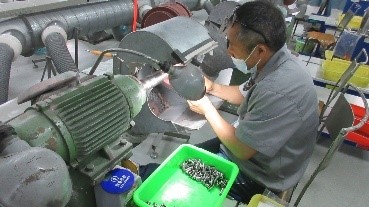
KaiSo has established a complete Quality Assurance System to continuously fulfill the requirements according to ISO9001, 13485, and CE. Our automated production processes ensure that every nail, from the pediatric elastic nail to the complex humeral interlocking system, meets rigorous Class III medical device standards.
We provide comprehensive support for:
The horizon of intramedullary nailing is shifting toward Smart Implants and Biological Enhancement. As an industry leader, our technical roadmap includes the following developments:
Integrating hydroxyapatite (HA) coatings onto titanium nails to enhance osseointegration, particularly in elderly patients with poor bone quality.
Researching sensor-integrated nails that can monitor strain and healing progress in real-time, sending data to surgeons via tele-medicine platforms.
Utilizing SLM (Selective Laser Melting) technology to produce patient-specific nails for complex non-union cases or severe deformities.
Titanium Alloy (Ti-6Al-4V) offers superior biocompatibility and a lower elastic modulus (110 GPa) compared to Stainless Steel (200 GPa). This reduces the risk of stress shielding and is better suited for MRI compatibility.
Yes, we have updated our Quality Assurance System to comply with MDR requirements, ensuring that our products meet the latest safety and performance standards for the European market.
Most of our intramedullary nails are provided non-sterilized to allow for hospital-specific autoclaving protocols. They have a documented shelf life of 5 years when stored in appropriate conditions.
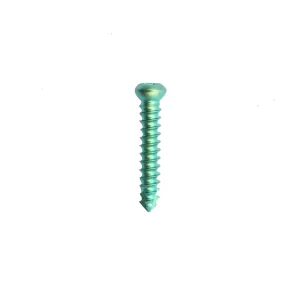
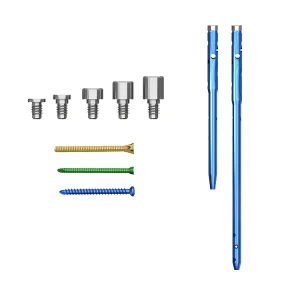
Our interlocking screws are manufactured using high-precision CNC machining with a tolerance of ±0.01mm, ensuring a perfect fit with the nail to prevent toggle or secondary displacement.
 KaiSo Medical