KaiSo Medical
1 / 5
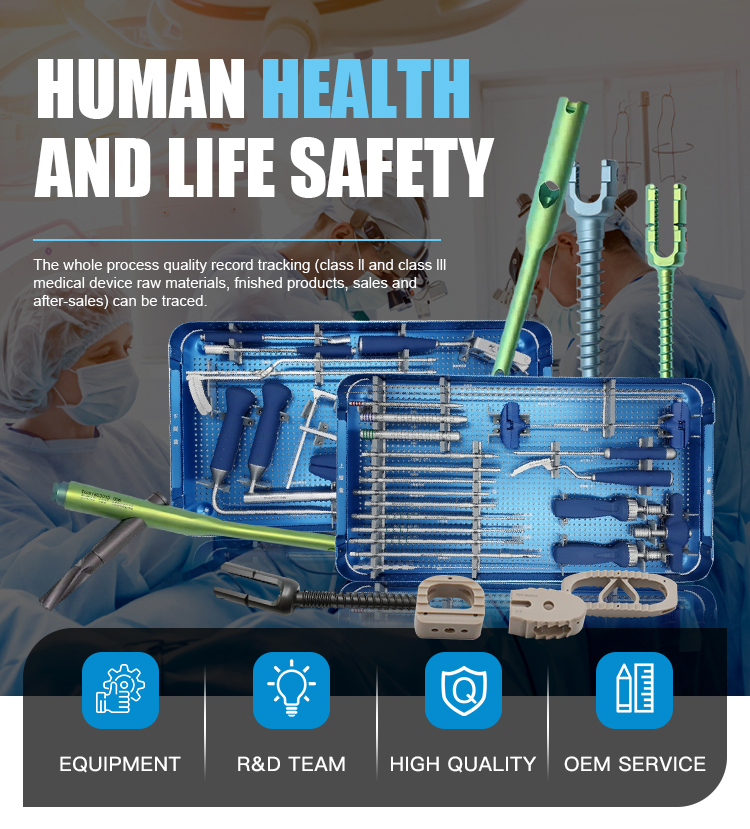

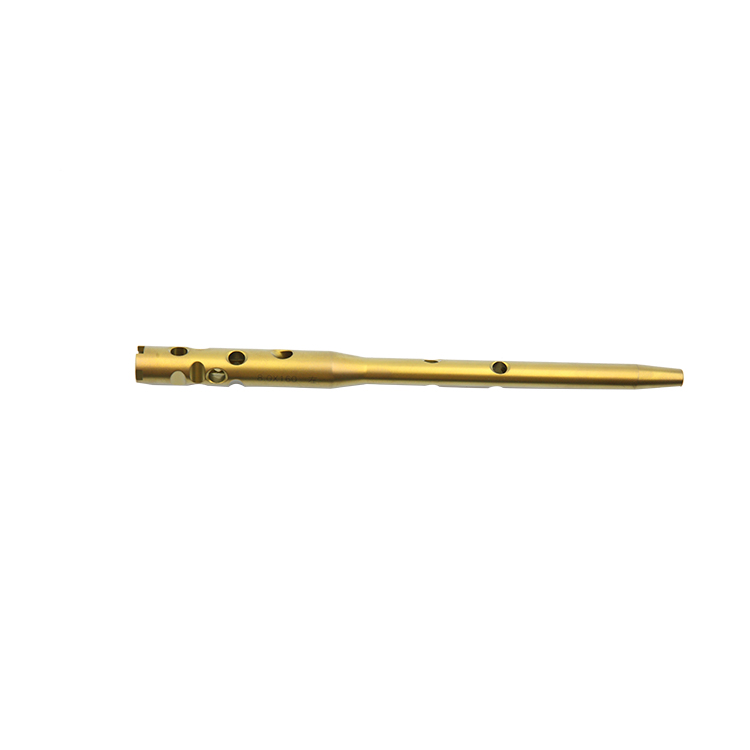
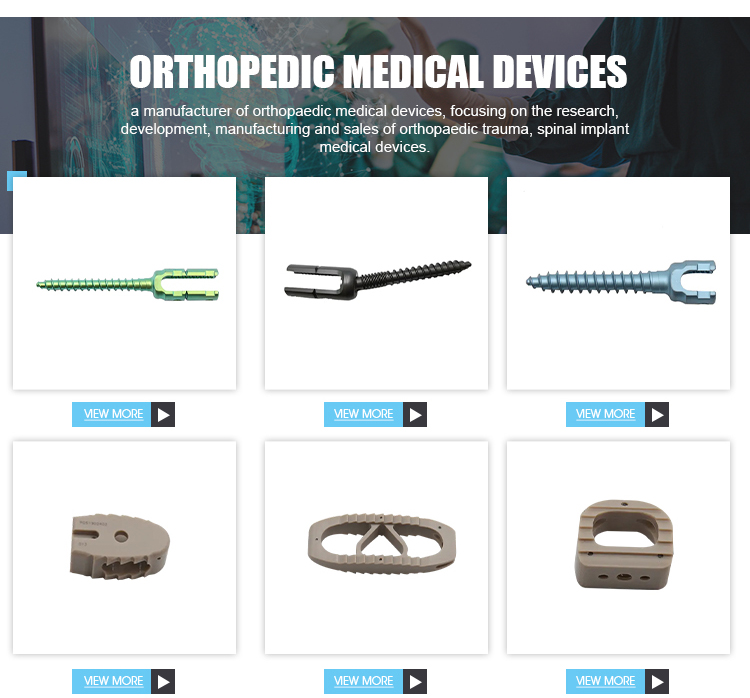
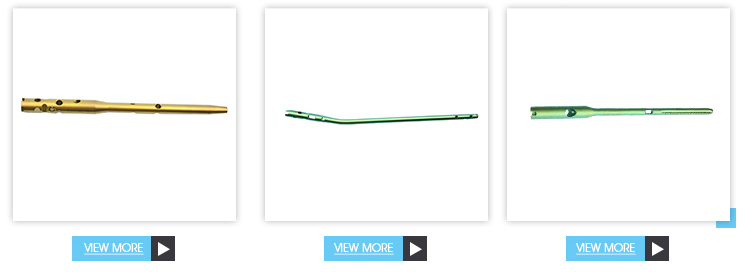
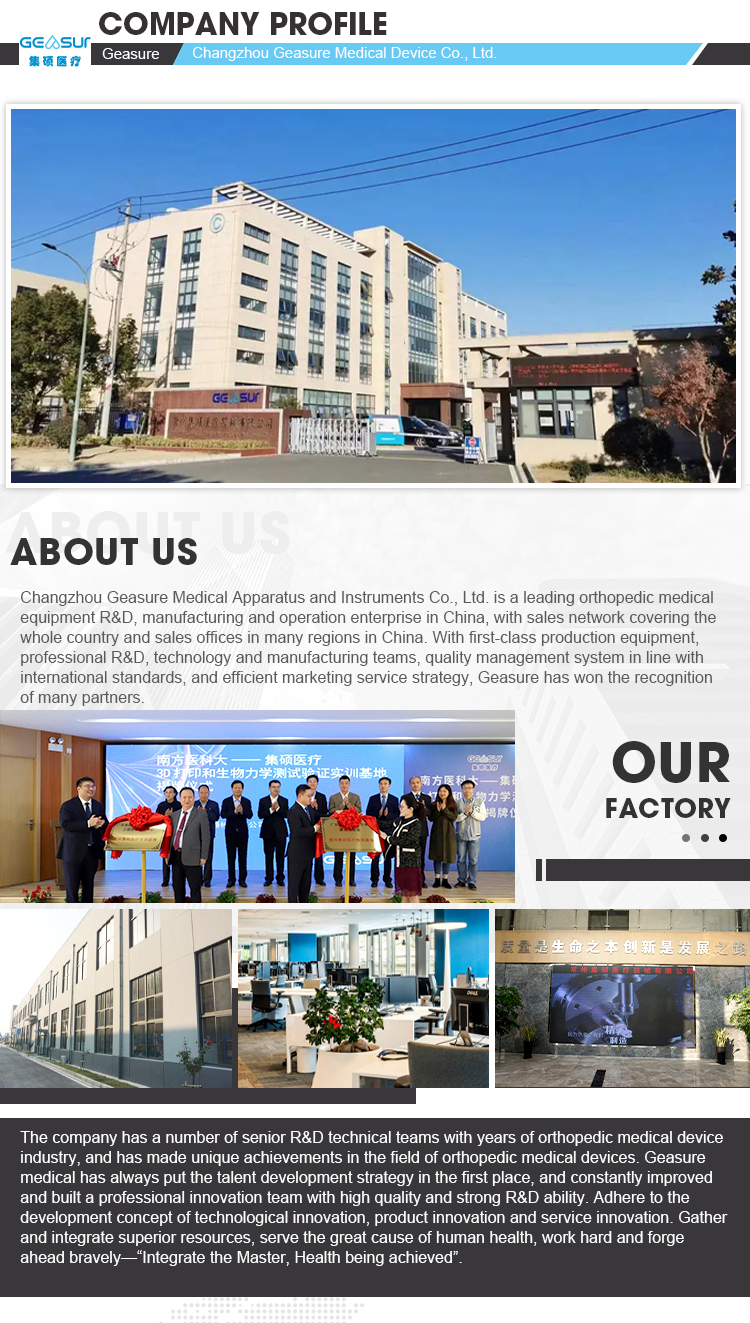
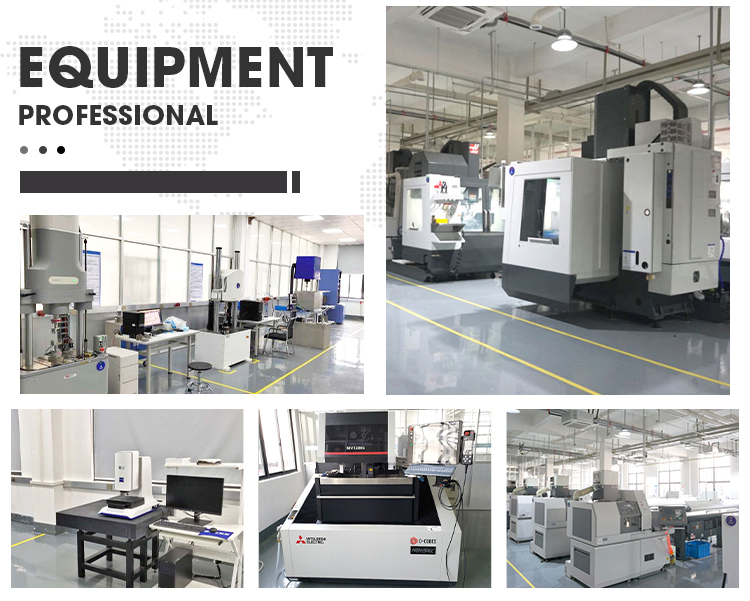
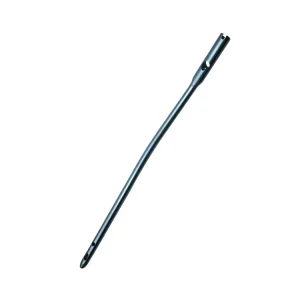
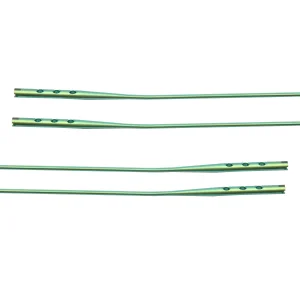
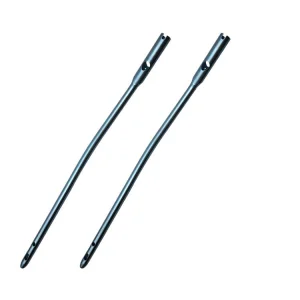
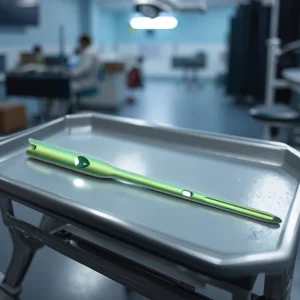
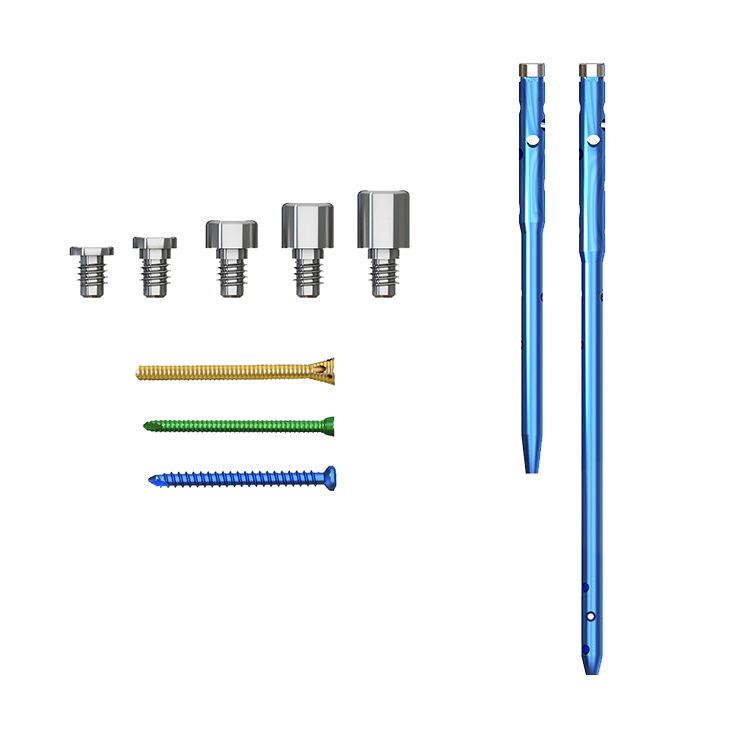
Our intramedullary nails are designed for easy insertion and extraction. Made from premium Titanium Alloy, these implants reduce the risk of outer wall impact and main nail inward movement. The diameter range is suitable for all clinical applications, ensuring simple operation and minimally invasive implantation.
| Product Name | Model | Material | Specification | Code |
|---|---|---|---|---|
| Proximal Femoral Nail Antirotation Intramedullary Nail | SGM-IIK | Titanium Alloy | 9.0×170×130° | 15649170 |
| Proximal Femoral Nail Antirotation Intramedullary Nail | SGM-IIK | Titanium Alloy | 9.0×200×130° | 15649200 |
| Proximal Femoral Nail Antirotation Intramedullary Nail | SGM-IIK | Titanium Alloy | 9.0×240×130° | 15649240 |
| Proximal Femoral Nail Antirotation End Cap | SGM-IIK | Titanium Alloy | 10×15 | 15601115 |
| Proximal Femoral Nail Antirotation End Cap | SGM-IIK | Titanium Alloy | 10×20 | 15601120 |
| Proximal Femoral Nail Antirotation Blade | SGM-IIK | Titanium Alloy | 10.5×70 | 15600570 |
| Proximal Femoral Nail Antirotation Blade | SGM-IIK | Titanium Alloy | 10.5×80 | 15600580 |
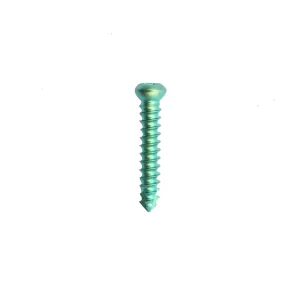
| Proximal Femoral Nail Antirotation φ4.9 locking screw | SGM-IIK | Titanium Alloy | 4.9×30--72 | 15604930 |
| Femoral Nail locking screw I | SGG-IIIK | Titanium Alloy | 6.5×75 | 15246575 |
| Femoral Nail Intramedullary Nail | SGG-IIIK | Titanium Alloy | 9.0-13.0 | 15249340 |
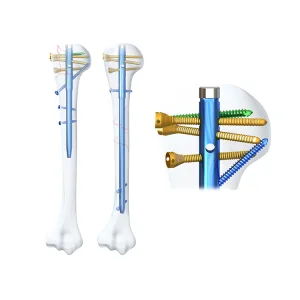
| Humeral nail Intramedullary Nail | SHG-IK | Titanium Alloy | 8 | 15728160 |
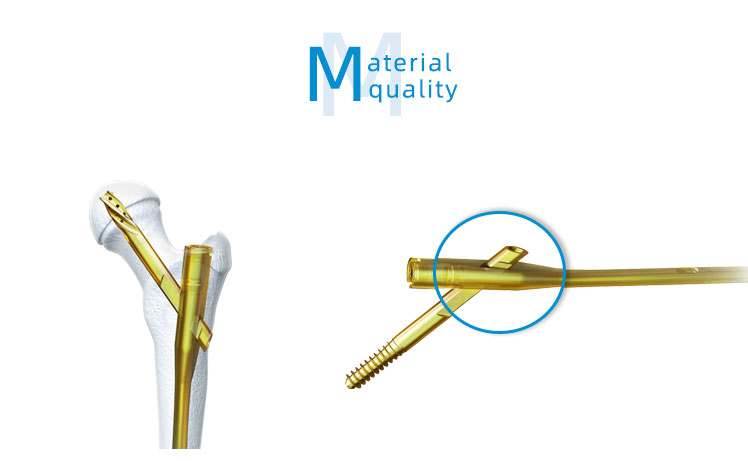
The nail length is perfectly consistent with the anatomy of the FEMORAL medullary cavity, optimizing fit and stability.
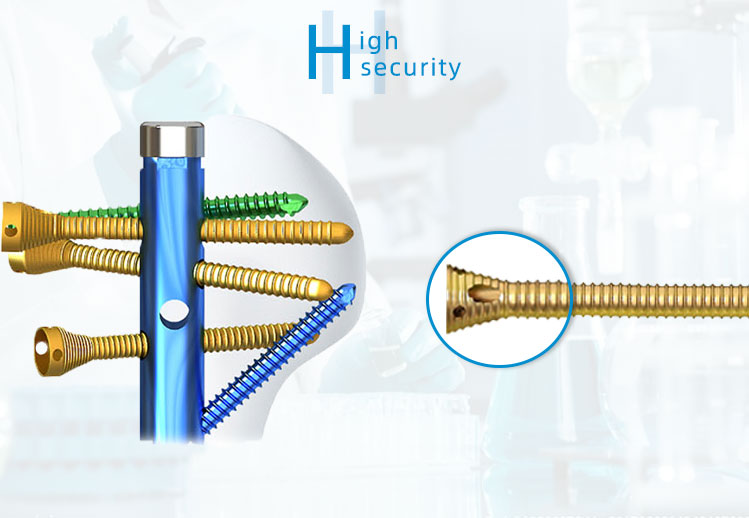
Designed to further improve fixation strength for osteoporosis patients. The blunt end design of the locking screw reduces the risk of excessive penetration.
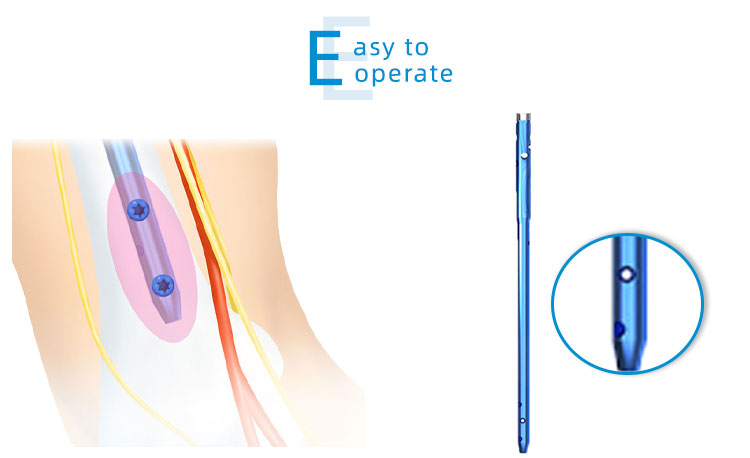
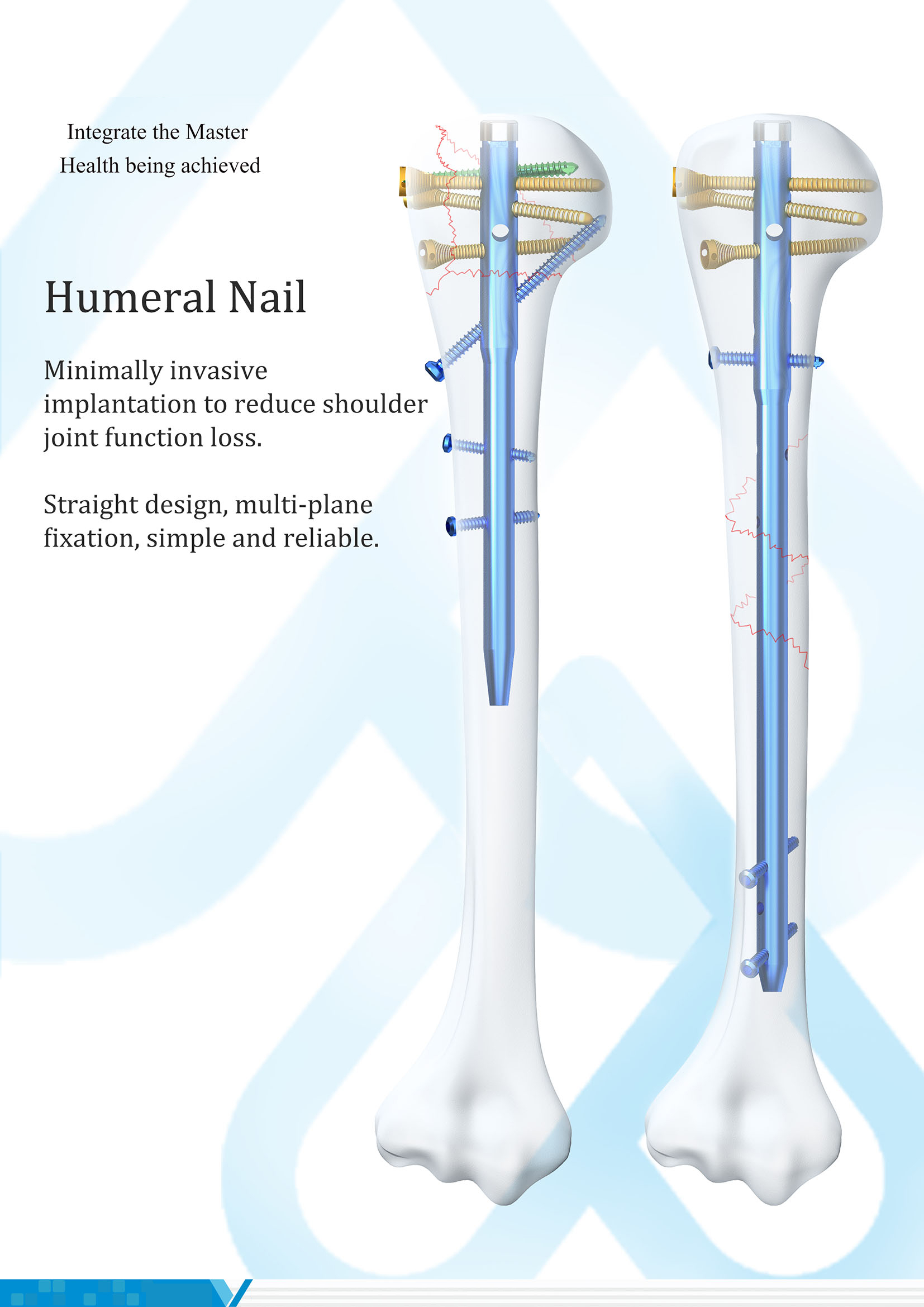
Short Nail: Diameter 8.0/9.5mm, Length 160mm.
Long Nail: Diameter 7.0/8.5mm, Length 180-315mm (15mm intervals).
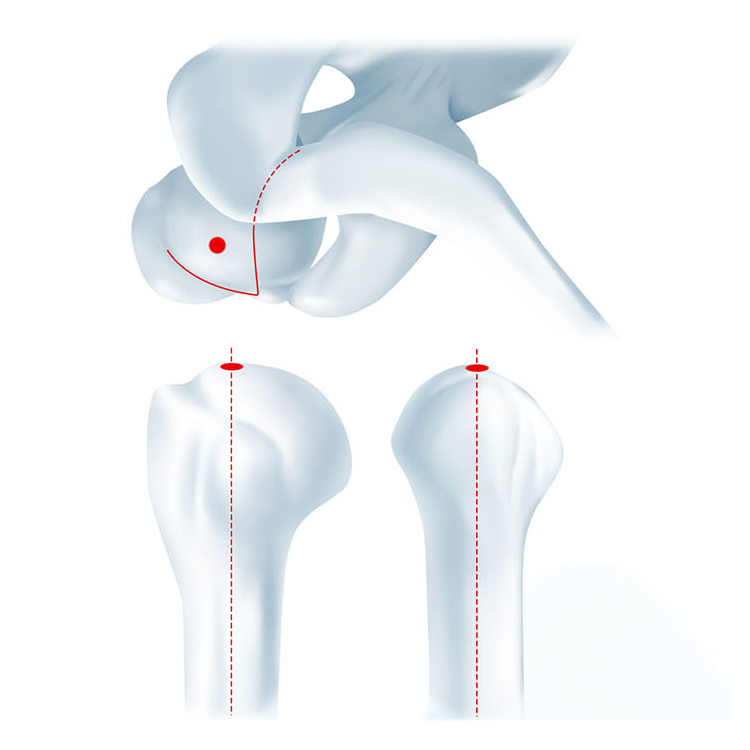
All nails include left and right types, suitable for all clinical applications via minimally invasive implantation.
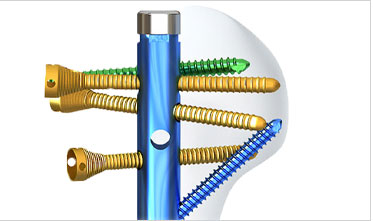
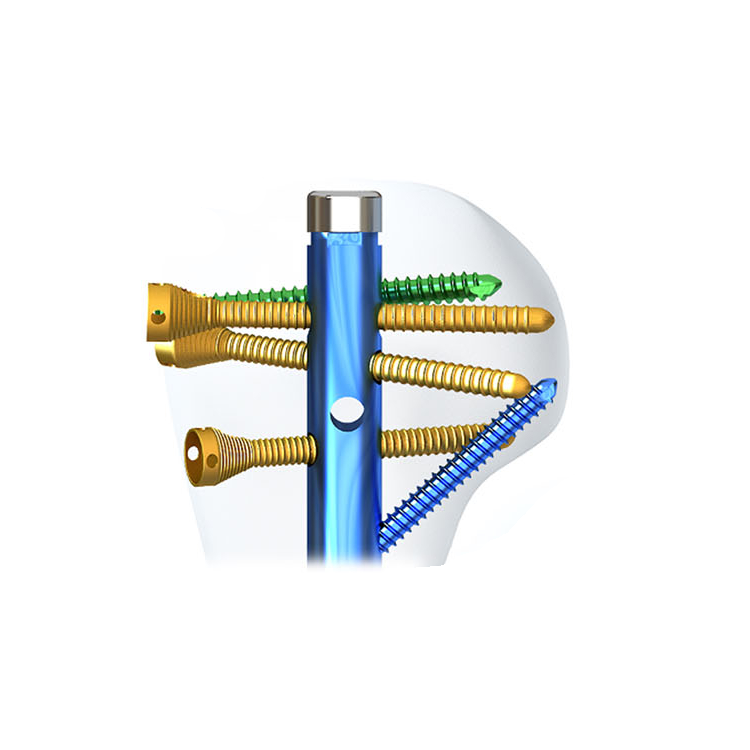
Proximal Fixation:
Multi-plane and multi-locking screw options for optimal stability. Screw-in-screw design improves fixation in osteoporotic bone. Features a locking screw countersinking design to reduce soft tissue irritation.
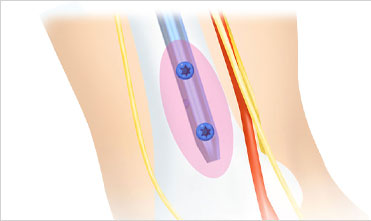
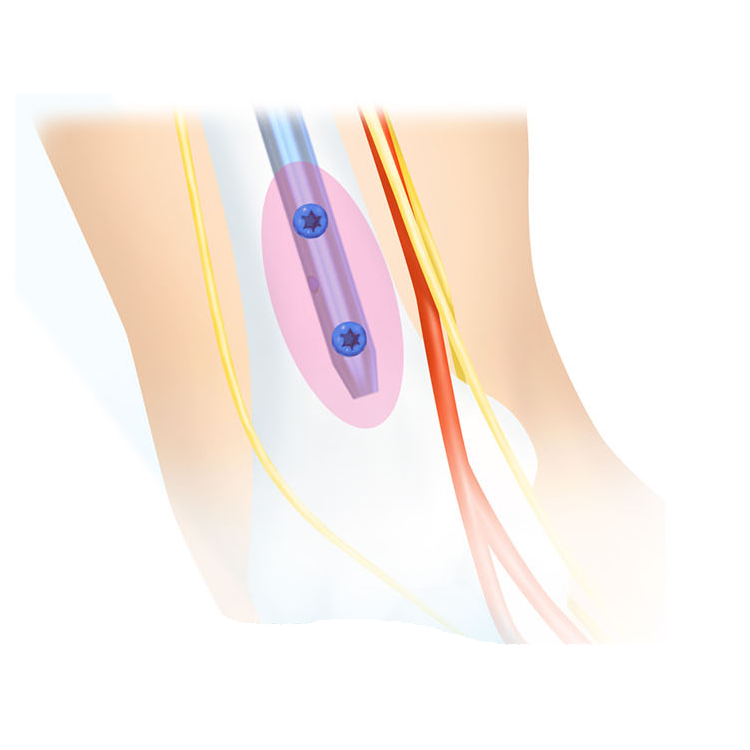
Distal Fixation:
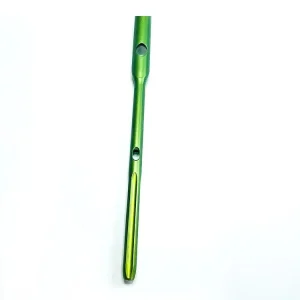
Short screws utilize two different plane holes. Long screws use three locking holes strategically placed to avoid important blood vessels and nerves (median and radial nerves), minimizing distal fracture rotation.
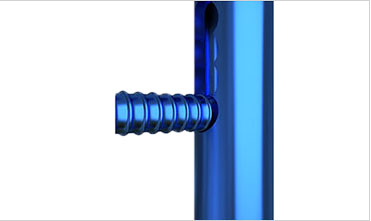
Compression Mechanism:
Special design of compression holes helps increase stability for transverse or short oblique fractures. Features a self-sustaining compression mechanism that requires no static screw to maintain compression.