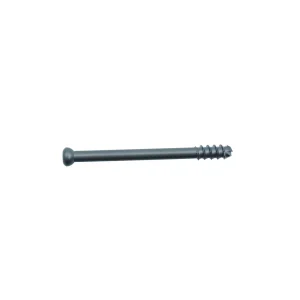
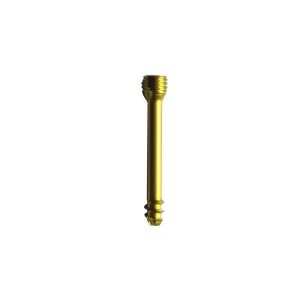
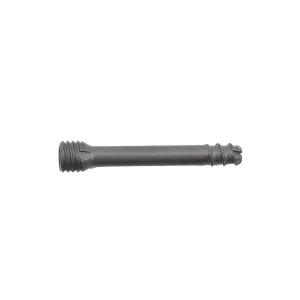
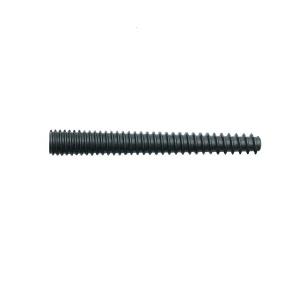
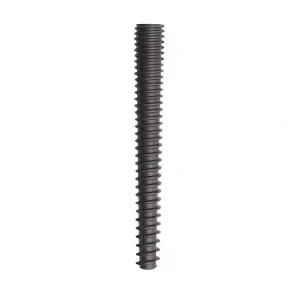
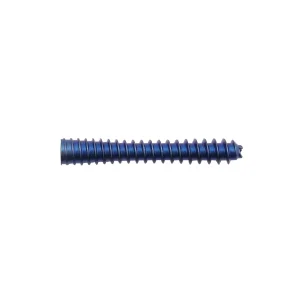
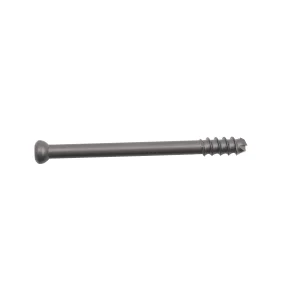
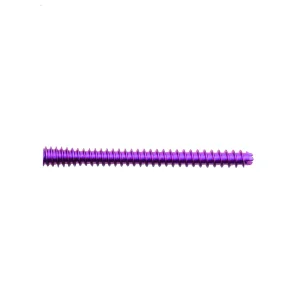
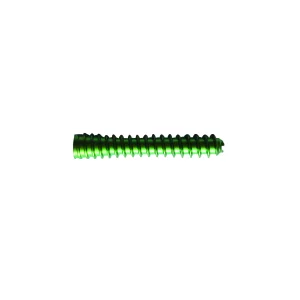
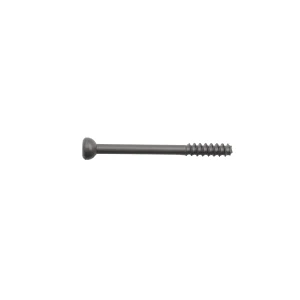
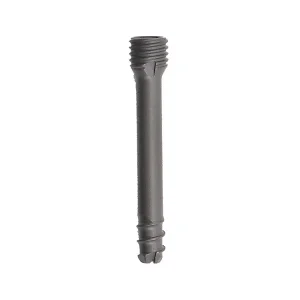
In the landscape of orthopedic trauma surgery, the cannulated screw serves as a cornerstone for percutaneous fixation. As a leading Cannulated Screws Manufacturer, KaiSo integrates over 22 years of industrial expertise with cutting-edge titanium alloy technology to deliver implants that meet the rigorous standards of Class III medical devices. This white paper explores the technical nuances, supply chain advantages, and global regulatory compliance essential for hospital procurement and orthopedic distribution.
The primary advantage of a cannulated screw lies in its hollow core, which allows it to be inserted over a K-wire (Kirschner wire). This ensures maximum precision in placement, especially in complex fracture sites such as the femoral neck, scaphoid, or tibial pilon. Our manufacturing process utilizes Grade 5 Titanium (Ti-6Al-4V ELI), offering superior biocompatibility, fatigue resistance, and MRI compatibility compared to traditional stainless steel.
Sourcing from a specialized cannulated screw factory in China provides more than just cost-efficiency. It offers a vertically integrated supply chain capable of agile production and deep customization.
We provide comprehensive localized support, including multi-lingual clinical documentation, surgical technique guides, and region-specific regulatory dossiers (MDR, FDA-ready data) to facilitate hospital listings.
Our Quality Assurance System (ISO 9001/13485) monitors every stage from raw material melt-source traceability to the final sterile packaging, ensuring zero-defect delivery for critical implants.
With 59 graduate R&D engineers, we offer "Light Customization" and "Graphic Processing," allowing distributors to adapt screw thread pitches or head profiles to local clinical preferences.
| Feature | KaiSo Standard | Clinical Benefit |
|---|---|---|
| Material | Titanium Alloy (Ti-6Al-4V) | High Strength-to-Weight Ratio, Biocompatibility |
| Thread Type | Self-Tapping / Cancellous / Cortical | Reduced Surgical Time, Optimized Purchase Power |
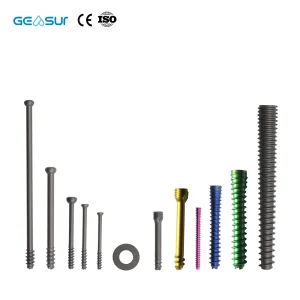
| Diameter Range | 2.4mm to 7.3mm | Versatility for Small & Large Fragment Fixation |
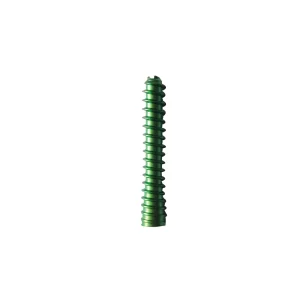
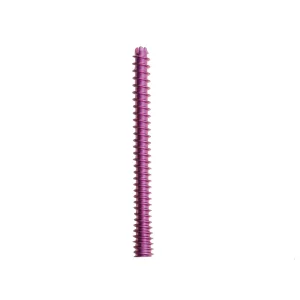
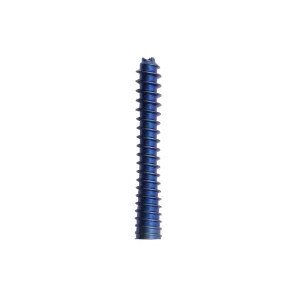
| Surface Treatment | Anodic Oxidation | Color Coding for Easy Identification & Wear Resistance |
The global trend in trauma surgery is moving toward Headless Compression Screws (HCS) and Herbert Screws. These designs eliminate the hardware prominence in intra-articular fractures, allowing the screw to be buried beneath the cartilage surface. This "Information Gain" is crucial for modern surgeons who prioritize early mobilization and reduced secondary surgeries.
Global hospital chains and wholesalers are no longer just looking for "low price." The search intent has shifted toward "Reliable Traceability" and "EDR (Enhanced Recovery After Surgery) Compatible Implants." KaiSo meets these needs by providing products that support inter-fragmentary compression, which accelerates primary bone healing.
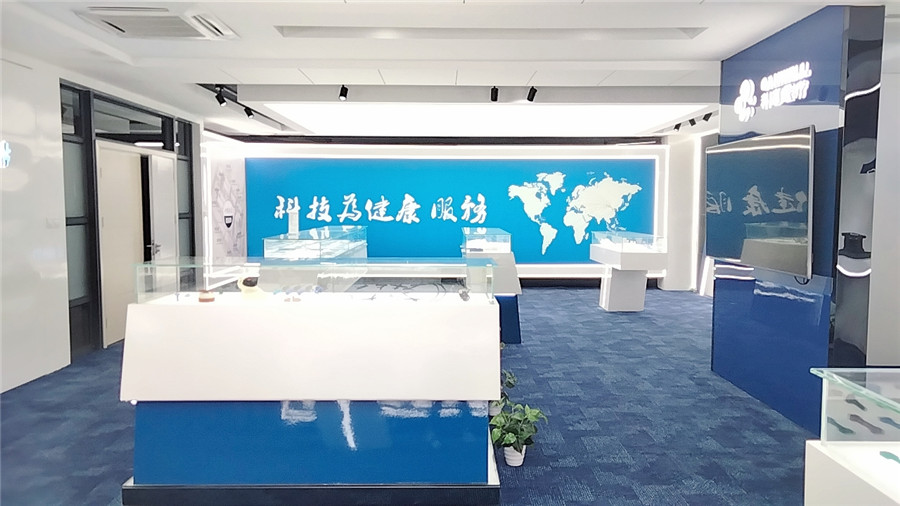
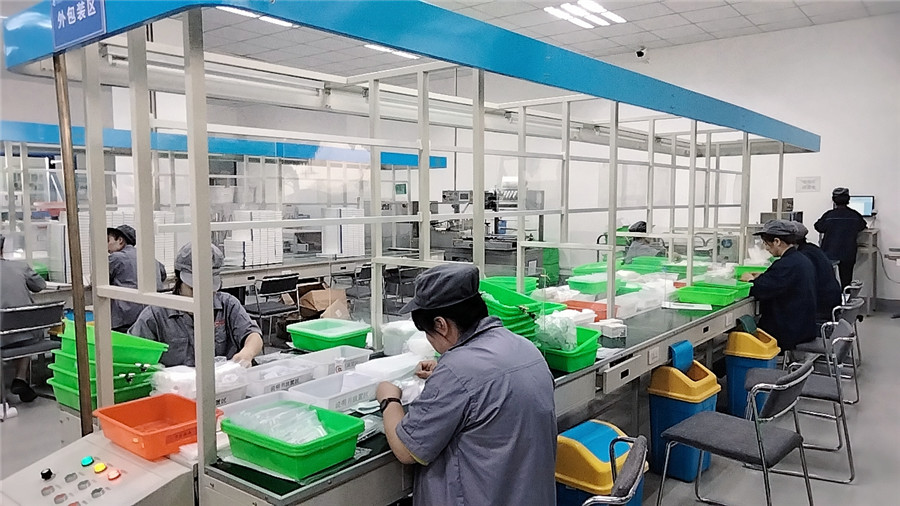
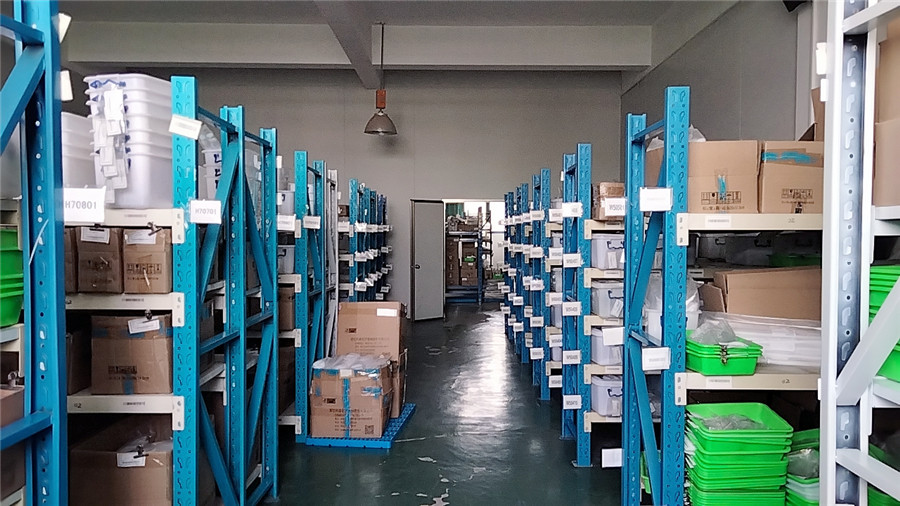
Establishment: 2004-11-03
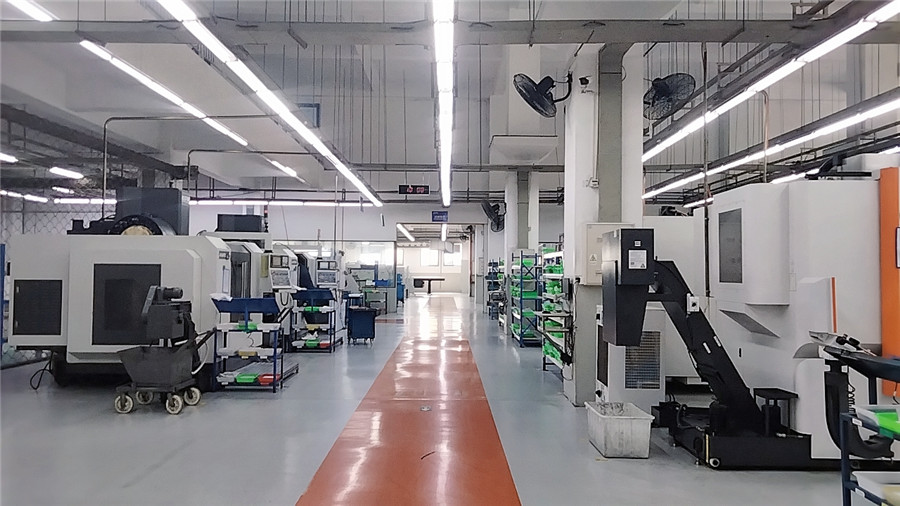
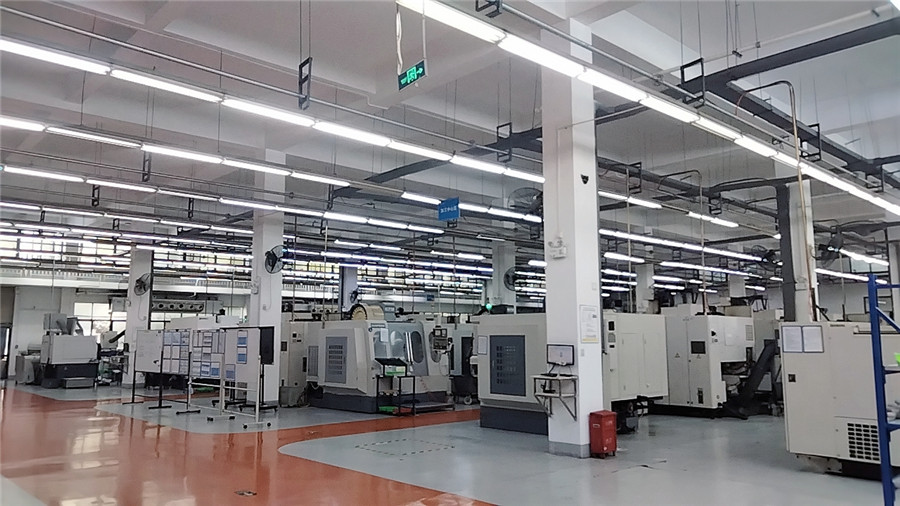
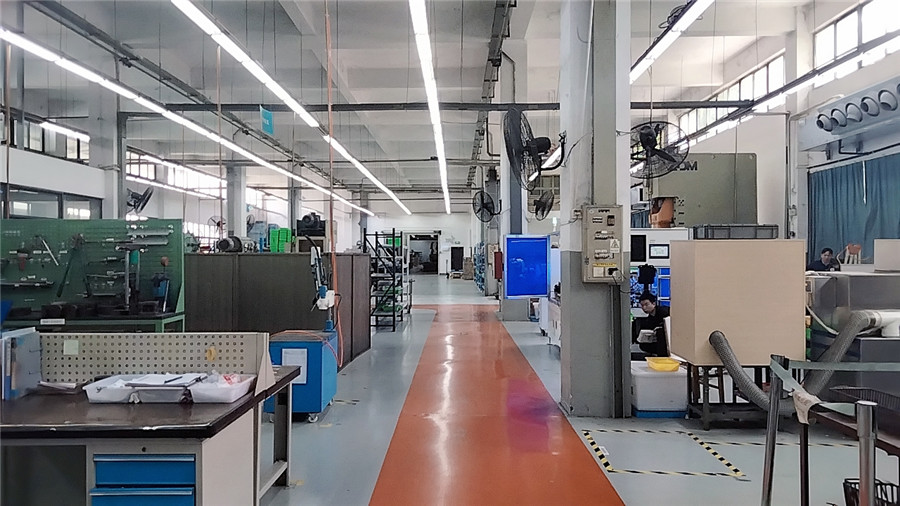
Floor Space: 29,523 ㎡
Export Experience: 22 Years
Main Markets: South America (30%), SE Asia (20%), W. Europe (20%)
QC Staff: 69 Inspectors
R&D Staff: 59 (All Graduate Levels)
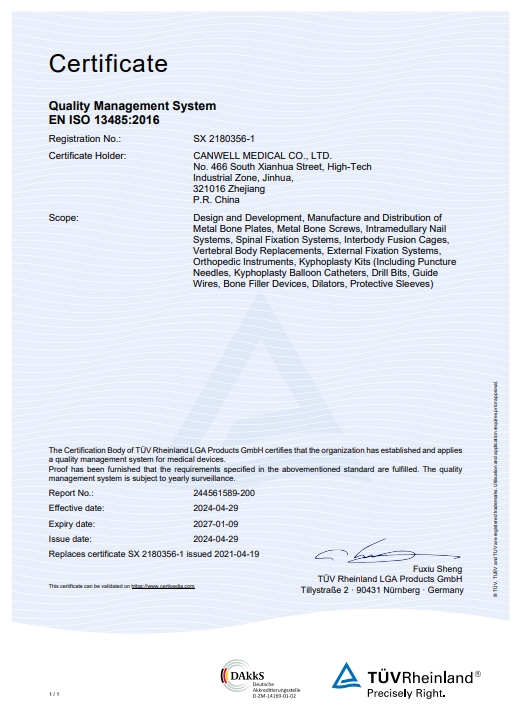
ISO 13485 & CE MDR Certified
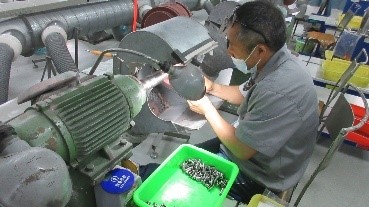
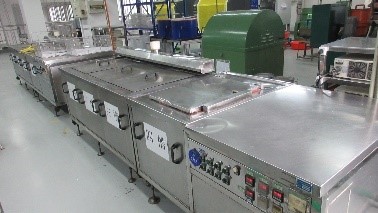
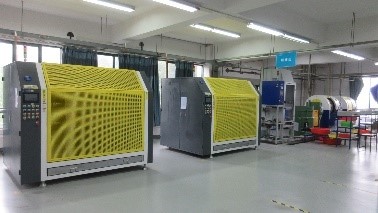
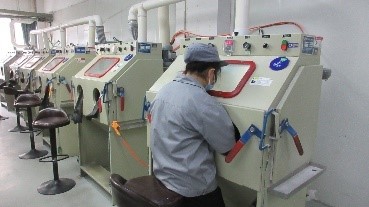
KaiSo has established a complete Quality Assurance System to continuously fulfil the requirements according to ISO9001, 13485, CE, ranging from material procurement to design development and automated production processes. Our facility is equipped with high-precision CNC multi-axis machines to ensure the perfect pitch and concentricity of each cannulated screw.
A: The 7.3mm screw is designed for large fragment fixation, such as femoral neck fractures and sacroiliac joint disruptions. The larger diameter provides maximum pull-out strength in cancellous bone.
A: We only source medical-grade titanium that meets ASTM F136 standards. Each batch undergoes chemical analysis and mechanical testing before entering production.
A: Yes, we offer complete instrument sets, including guide wires, cannulated drills, taps, and depth gauges, specifically calibrated for our screw systems.
A: Absolutely. Our "Customized on Demand" service allows for partial or full-thread variations to suit specific inter-fragmentary compression requirements.
As the orthopedic world moves toward robotic-assisted surgeries and patient-specific implants, the Cannulated Screw Manufacturer of the future must prioritize digital integration and micro-precision. KaiSo is committed to providing "Information Gain" through our ongoing clinical research partnerships, ensuring that every screw we produce—whether for a scaphoid fracture or a complex femoral neck reconstruction—contributes to better patient outcomes and surgical excellence.
 KaiSo Medical