Precision-engineered implants for cervical and thoracolumbar stabilization.
The global spinal implant market has transitioned from basic mechanical stabilization to a "Biologically Active" paradigm. As a leading Spinal Implants Manufacturer, our factories integrate 22 years of surgical expertise with state-of-the-art manufacturing processes. This document explores the technical roadmap of spinal fusion, the resilience of the Chinese medical supply chain, and the critical importance of E-E-A-T (Expertise, Authoritativeness, Trustworthiness) in medical device production.
Modern spinal surgery demands more than just hardware; it requires a synergy of Biocompatibility, Modulus of Elasticity, and Load-sharing properties. Whether utilizing medical-grade Titanium Alloy (Ti6Al4V) or high-performance polymers like PEEK, our mission is to provide surgeons with the reliability they need to improve patient outcomes in complex degenerative and traumatic spinal conditions.
Advanced Production Floor Space
Senior R&D Graduate Engineers
Dedicated QA/QC Inspectors
From Rigid Fixation to Dynamic Stabilization and MIS Excellence
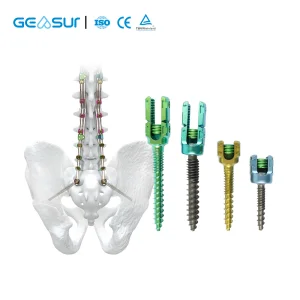
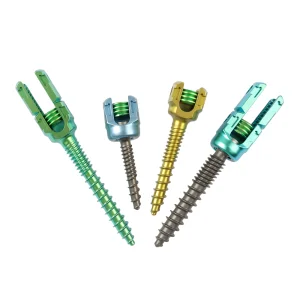
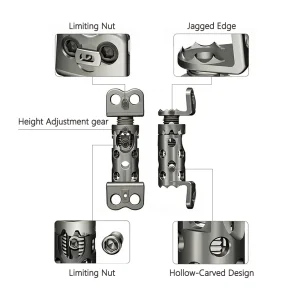
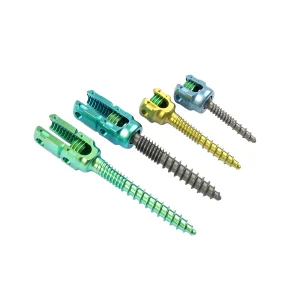
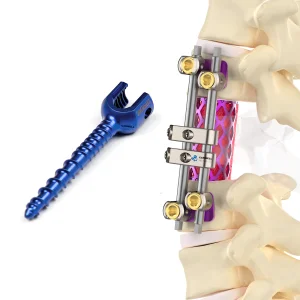
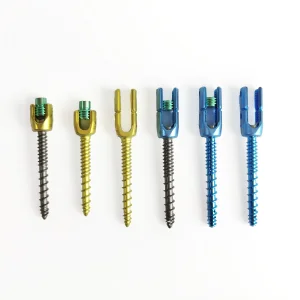
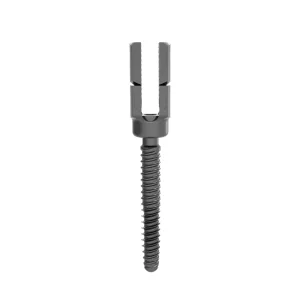
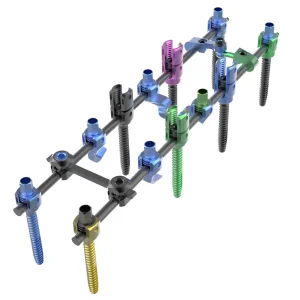
The transition from monoaxial to Polyaxial Reduction Systems (such as the CANWELL 5.5 series) has revolutionized thoracolumbar surgery. High-strength Titanium Alloy provides the necessary torque while maintaining a slim profile for Minimally Invasive Surgery (MIS).
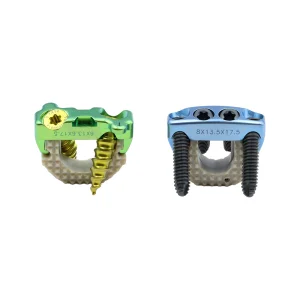
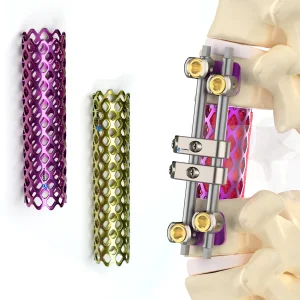
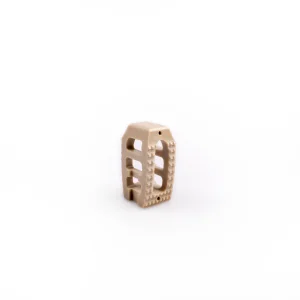
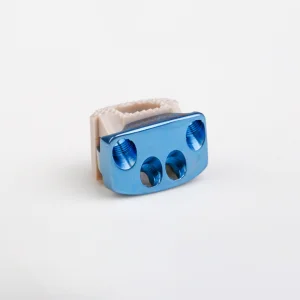
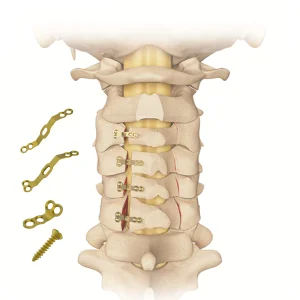
Understanding the "Information Gain" in material choice: PEEK offers a modulus of elasticity similar to cortical bone, reducing stress shielding, while 3D-printed Titanium lattice structures promote rapid osseointegration. We provide both, including Zero Profile Cervical Fusion solutions.
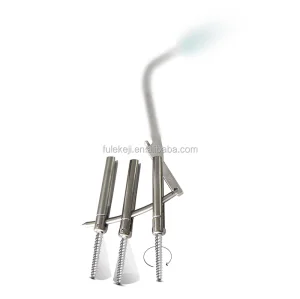
Our VSS I Titanium Spinal MIS System represents the future. Minimally invasive techniques reduce blood loss, hospital stays, and post-operative pain. Our factory focuses on the precision machining of cannulated screws and specialized retractor systems.
How our Chinese factory ecosystem supports the global healthcare infrastructure.
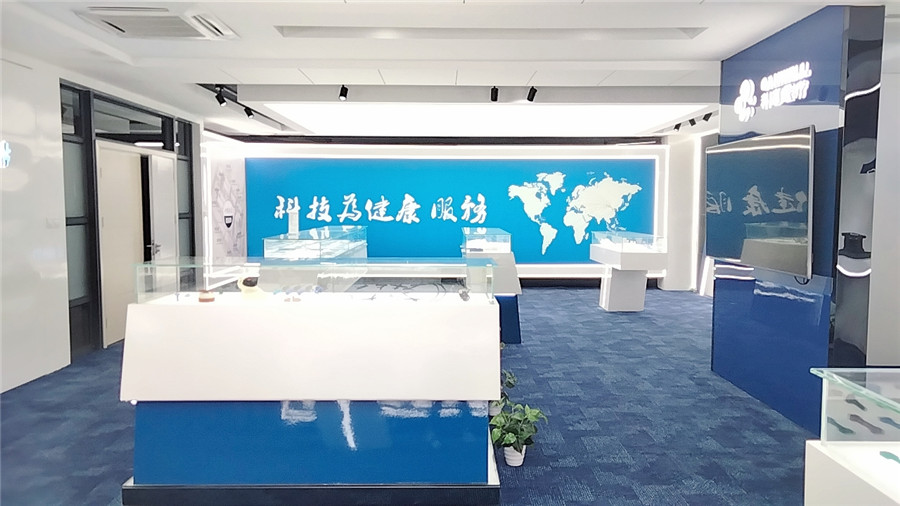
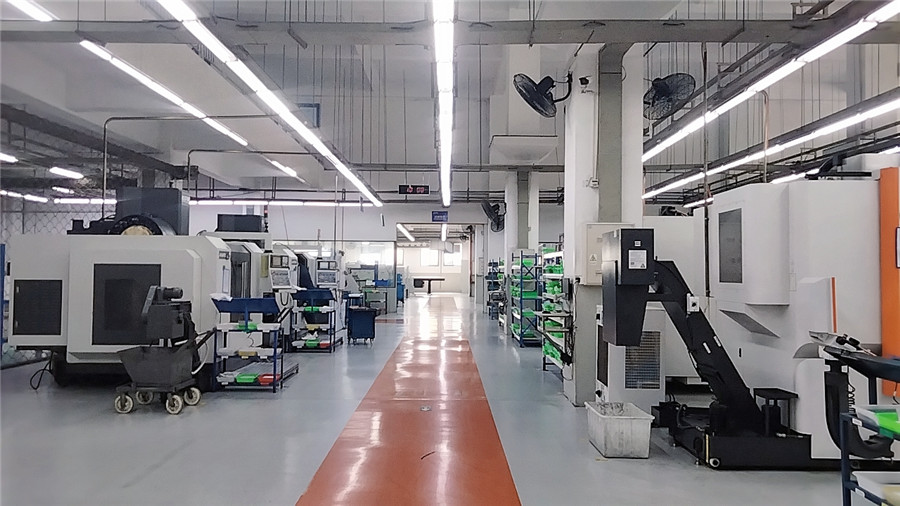
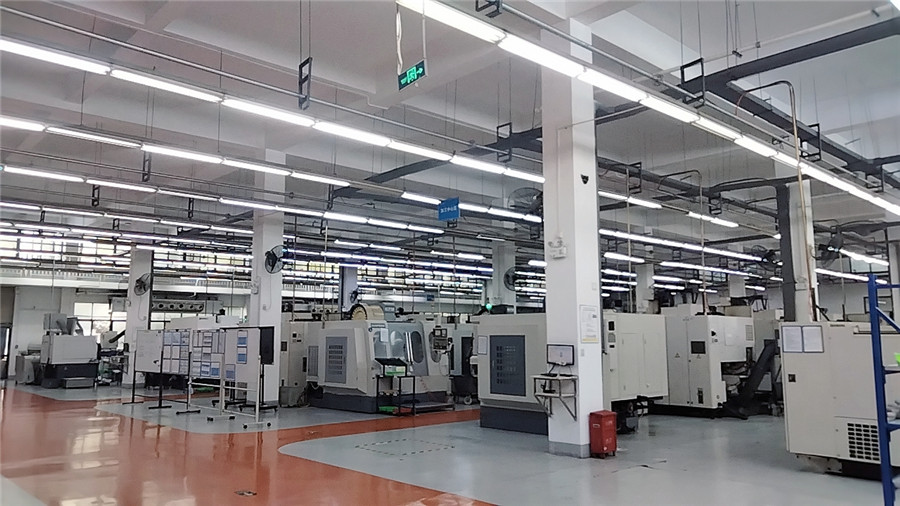
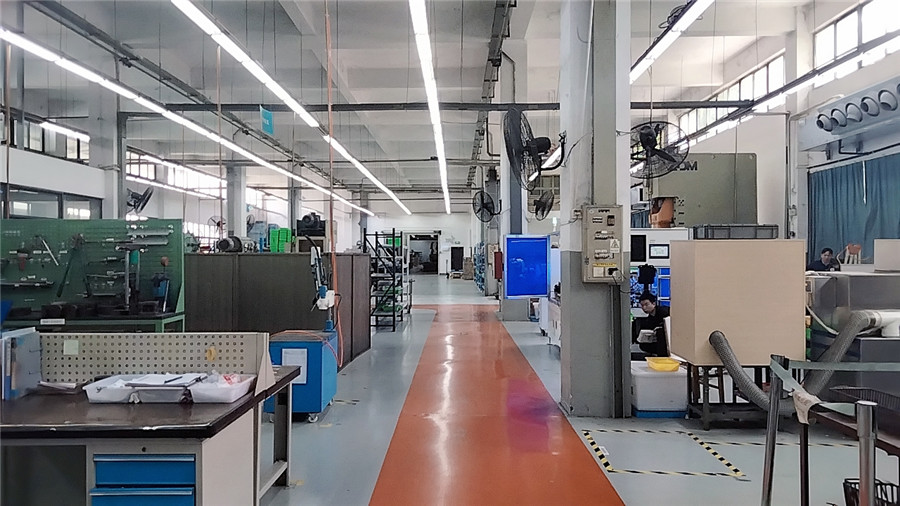
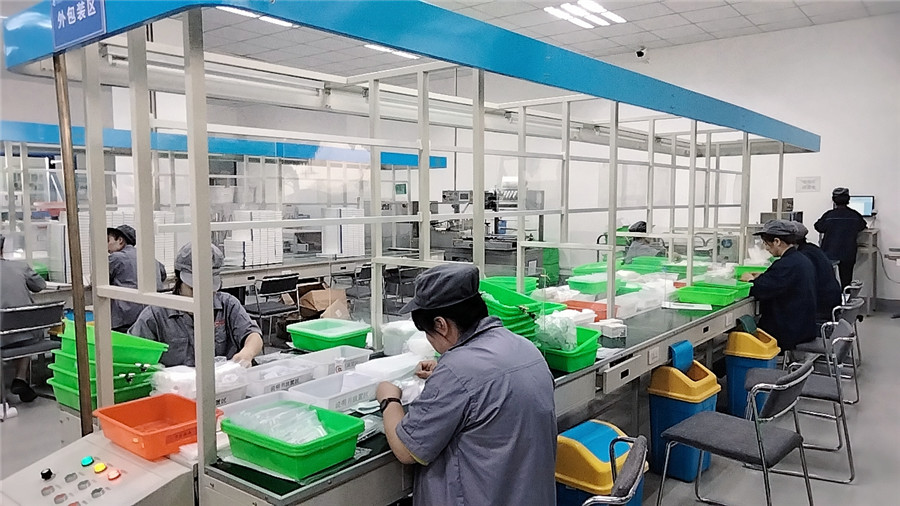
The efficiency of Chinese medical manufacturing lies in "Clusters." Our factory in KaiSo integrates Material Procurement, Automated CNC Machining, Anodization, and Sterile Packaging under one ISO13485 certified roof. This reduces the "Technical Lead Time" by 35% compared to fragmented western supply chains.
Trusted by surgeons in South America, SE Asia, and Western Europe.
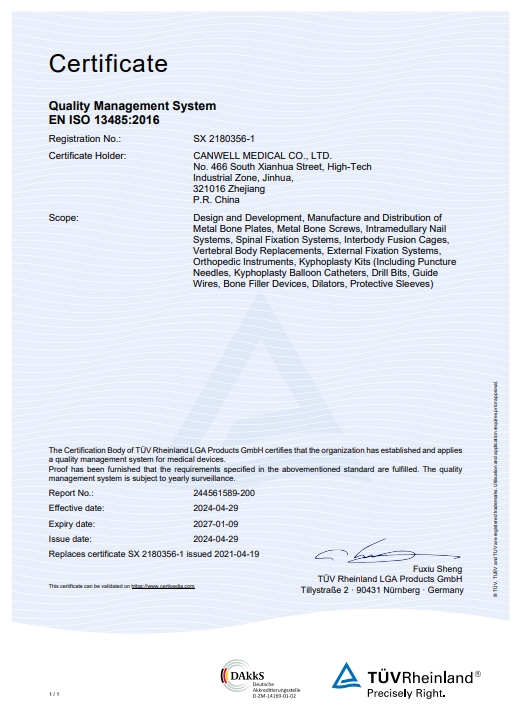
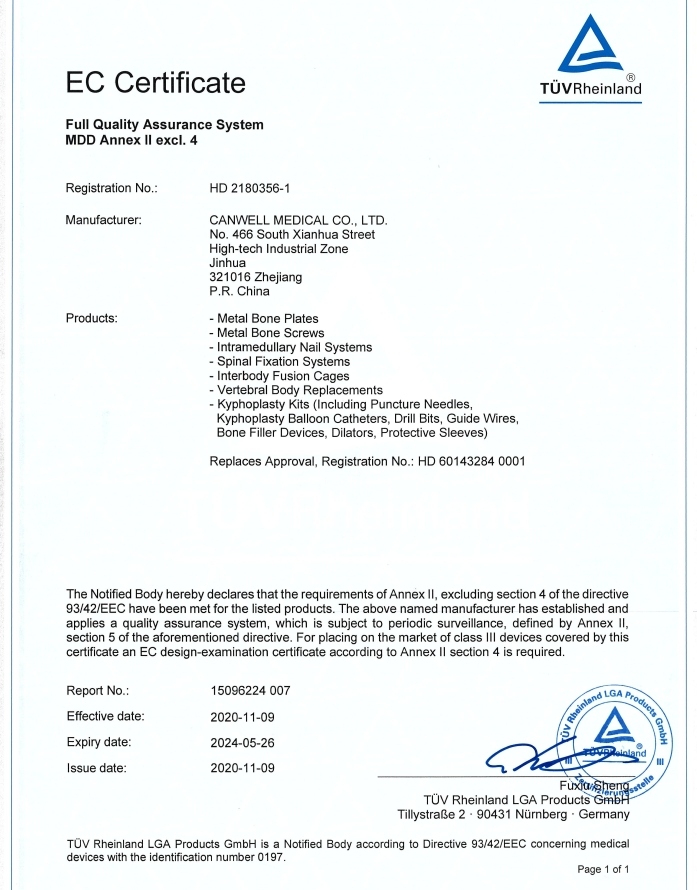
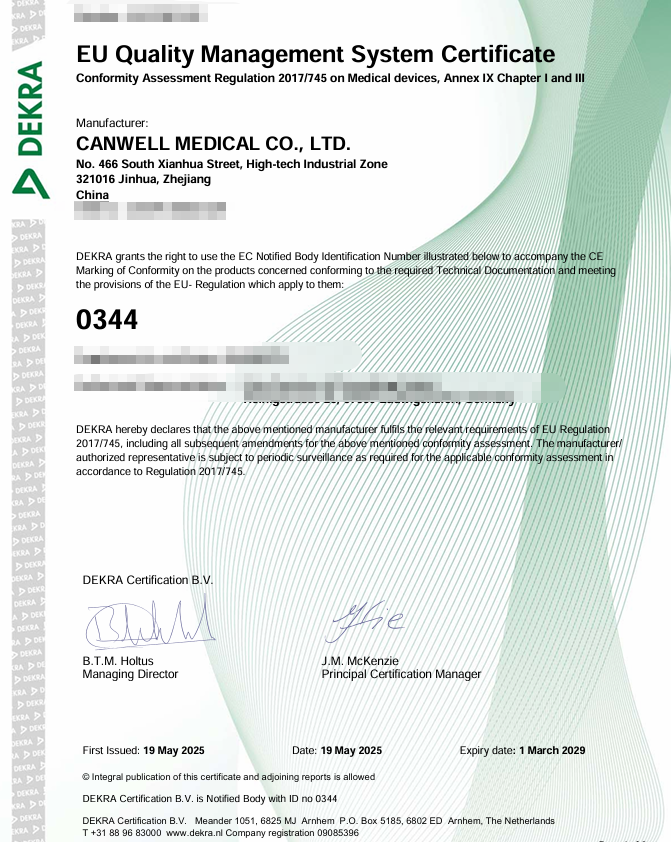
Fully compliant with ISO13485, CE (93/42/EEC), and the new EU MDR regulations. Our rigorous documentation provides the "Reliability" pillar of E-E-A-T.
We provide comprehensive localized support, including graphic processing for customized surgical kits and clinical training for our distributor partners across all continents.
Peek inside our high-precision automated production lines.
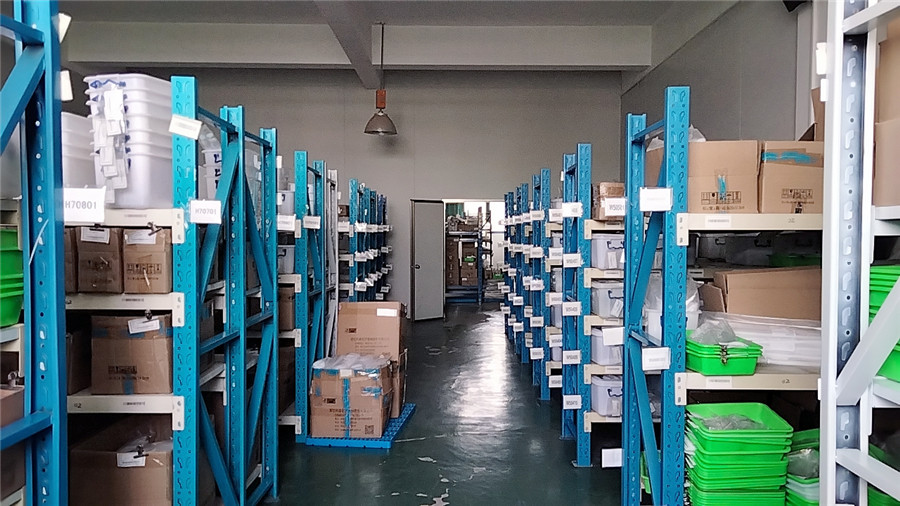
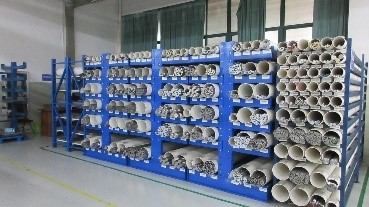
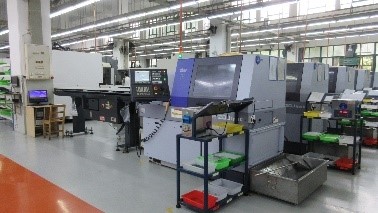
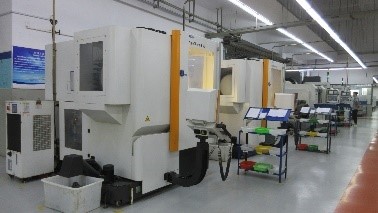
The next decade of spinal surgery will be defined by Digital Integration. As a forward-thinking factory, we are investing in robotic-compatible implants. This involves embedding radiographic markers for AI-guided navigation systems, allowing for sub-millimeter precision in pedicle screw placement. Our tech roadmap includes the development of Bio-absorbable Polymers that provide temporary support during fusion and then safely resorb into the body, eliminating the need for long-term foreign material presence.
Our implants are designed for a variety of localized clinical needs:
Expert insights into spinal implant manufacturing and procurement.
A: Titanium alloy offers a much better strength-to-weight ratio and superior biocompatibility. More importantly, it is MRI-compatible and has a lower modulus of elasticity, which helps in reducing stress shielding compared to traditional 316L stainless steel.
A: All implants are manufactured in Class 100,000 cleanrooms and undergo validated sterilization processes. We follow ISO13485 standards and provide full traceability for every batch of raw material used.
A: Yes. With over 59 R&D engineers, we specialize in "Light Customization" and "Sample Processing." We can adapt current designs or create new ones based on specific clinical feedback or regional regulatory requirements.
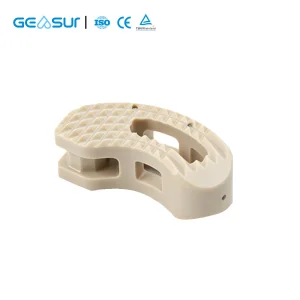
A: The Zero Profile design, like our 2-hole Geasure Cage, stays within the disc space. This prevents contact with the esophagus and pre-vertebral soft tissues, significantly reducing the risk of postoperative dysphagia compared to traditional plate-and-cage systems.
Comprehensive solutions for complex spinal pathologies.
 KaiSo Medical