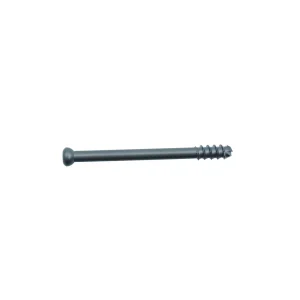
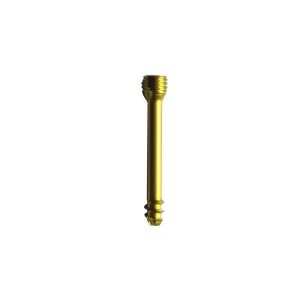
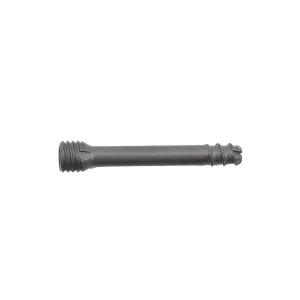
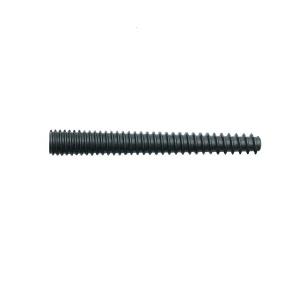
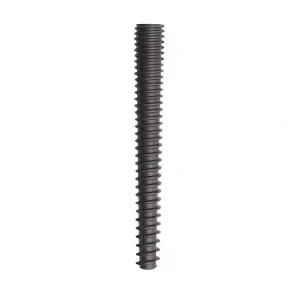
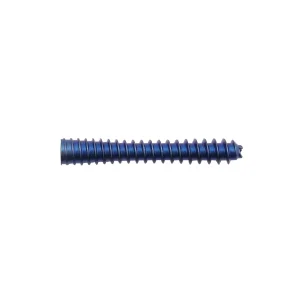
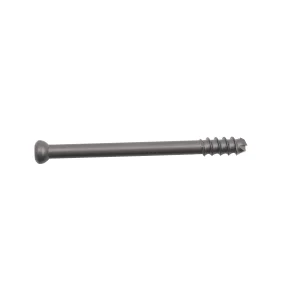
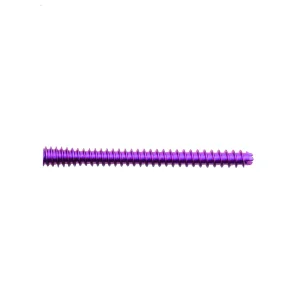
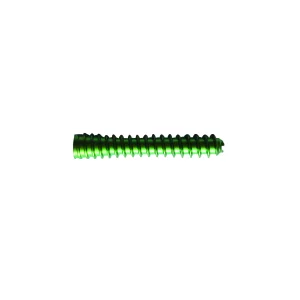
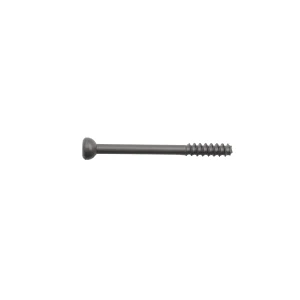
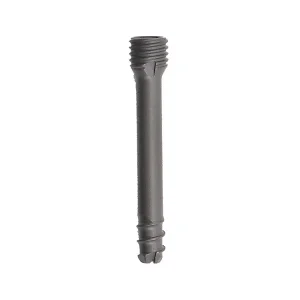
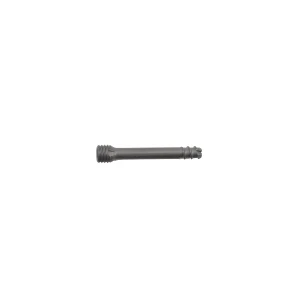
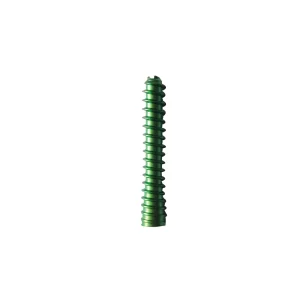
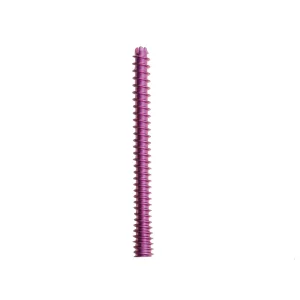
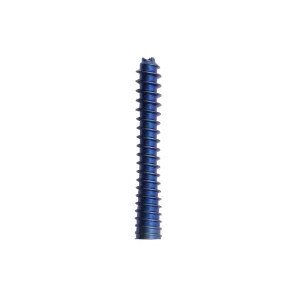
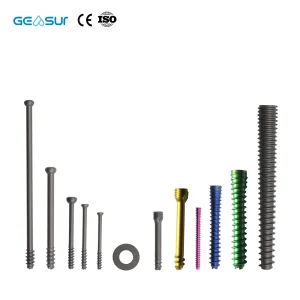
Switzerland stands as a global titan in medical technology, hosting leading clusters in Zurich, Zug, and the Lake Geneva region. As a center for orthopedic innovation, Swiss surgeons demand cannibalized screw systems that offer not just fixation, but superior biomechanical performance. In Switzerland, the shift toward minimally invasive surgery (MIS) has positioned cannulated screws as the gold standard for femoral neck fractures, scaphoid fixations, and ankle arthrodesis.
The Swiss orthopedic market is characterized by high reimbursement rates and a preference for Titanium Grade 5 (Ti-6Al-4V ELI). Local suppliers and manufacturers prioritize MDR (Medical Device Regulation) compliance, ensuring that every screw traceable via UDI (Unique Device Identification) meets the stringent safety requirements of Swissmedic.
With an aging population and a high density of sports-related injuries (skiing/hiking), Swiss hospitals utilize cannulated screws extensively in trauma centers across Bern and Lausanne. The demand for headless compression screws (Herbert type) is particularly high for intra-articular fractures where hardware protrusion must be eliminated.
The future of cannulated screw technology is moving beyond simple mechanical fixation. We are witnessing a convergence of materials science and digital surgery. Our R&D roadmap focuses on three core pillars:
Developing hydroxyapatite (HA) coatings and anodic oxidation techniques to enhance osseointegration, reducing the "hidden" risk of screw loosening in osteoporotic bone—a critical factor for the aging demographics in Switzerland.
Enhancing the concentricity of the internal lumen to ensure perfectly smooth guide wire passage, even in ultra-small 2.0mm diameters used in hand and foot surgeries.
Integrating screw geometry data with preoperative planning software to allow Swiss surgeons to simulate compression forces before the first incision is made.
While Switzerland is a hub for design, the global medical supply chain resilience is powered by high-efficiency manufacturing centers like KaiSo. Our facility bridges the gap between massive production capacity and high-end Swiss quality requirements.
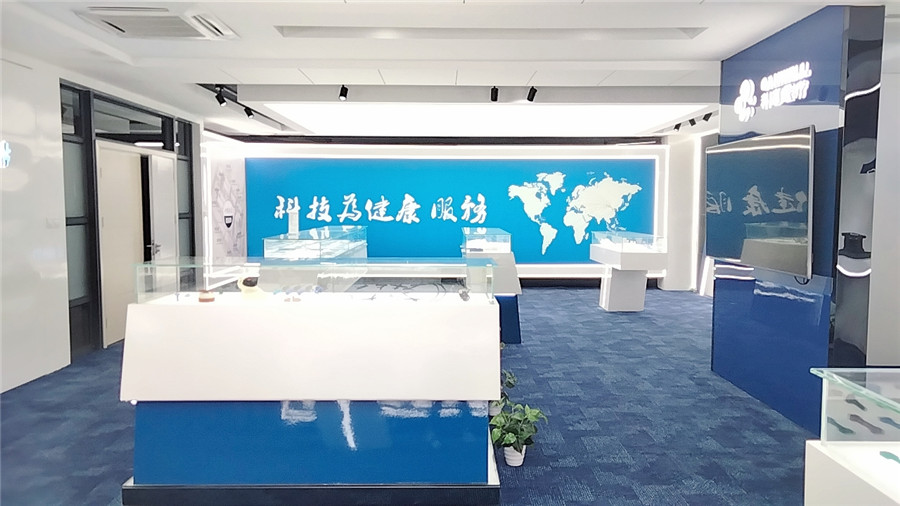
Selling into the Swiss market requires more than just a product; it requires a Trust Ecosystem. Our Quality Assurance System is fully aligned with ISO 13485 and the European MDR.
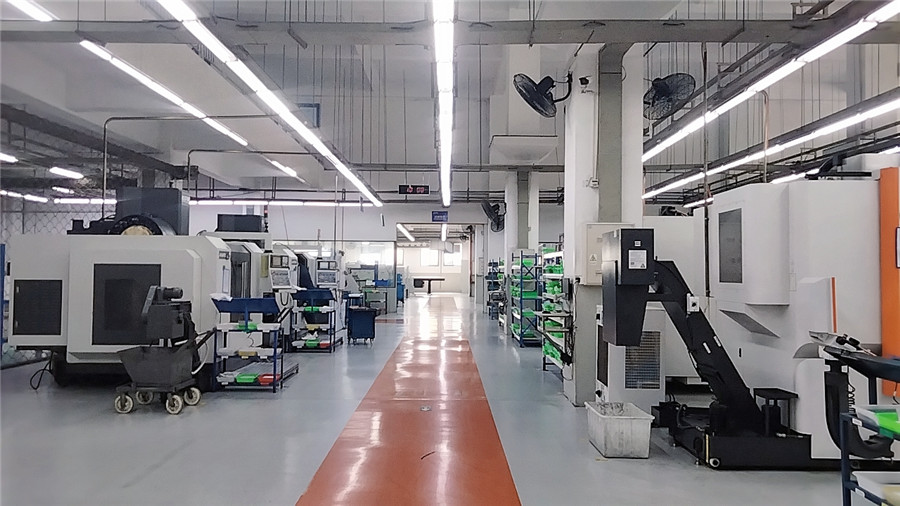
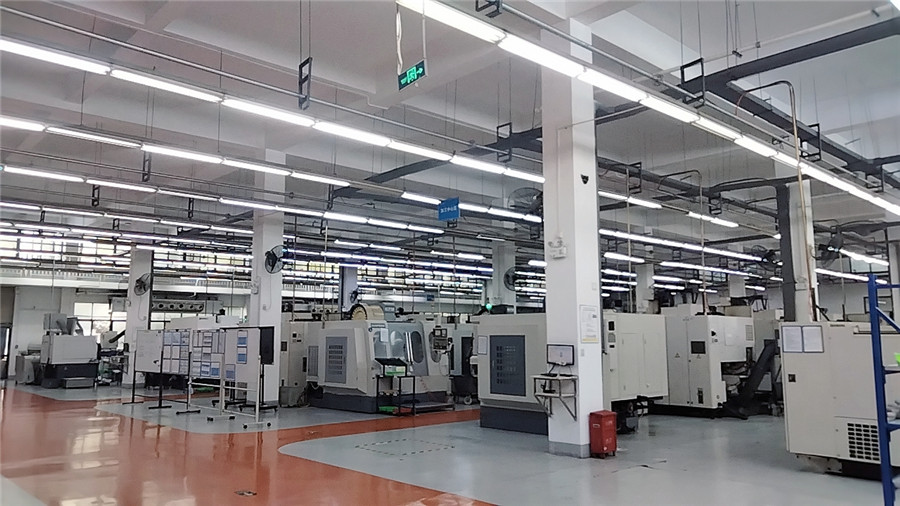
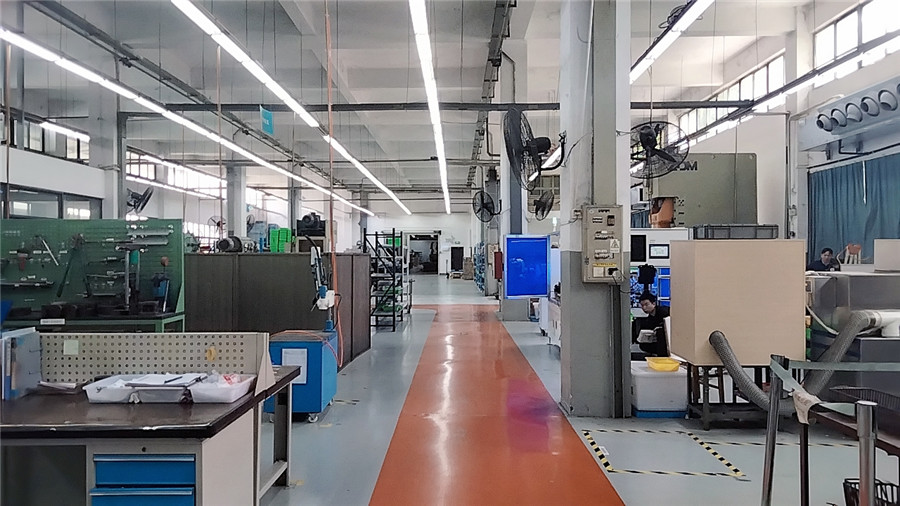
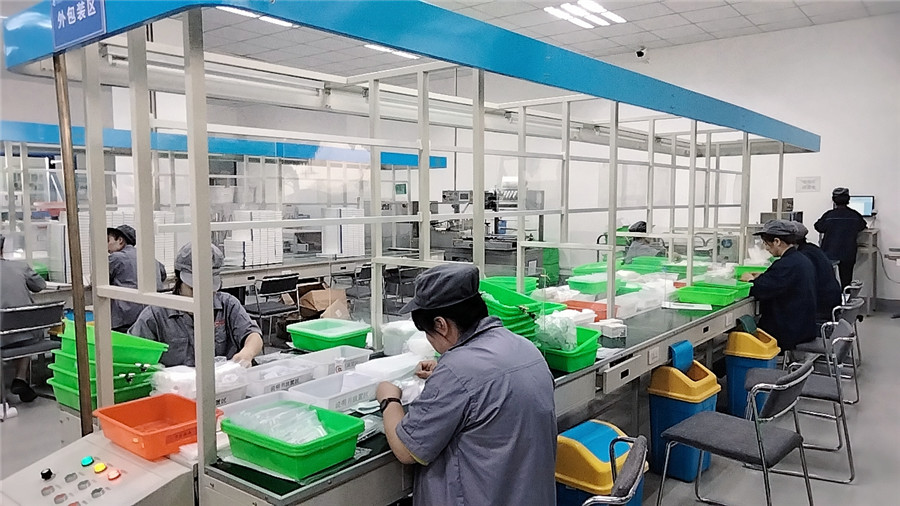
KaiSo Profile Summary: Established in 2004, covering 29,523㎡, with 22 years of export experience. Our dedicated team of 69 QA/QC inspectors ensures that every cannulated screw entering the Swiss market undergoes a 100% inspection protocol.
A: All our cannulated screws are manufactured in ISO 13485:2016 certified facilities. We maintain complete technical files and provide MDR-compliant documentation, including clinical evaluation reports and biological safety assessments required for the Swiss market.
A: We primarily utilize Titanium Grade 5 (Ti-6Al-4V ELI) and Grade 4 pure titanium, adhering to ASTM F136 and ISO 5832-3 standards, which are the preferred materials for Swiss orthopedic surgeons.
A: Yes. With our 59 R&D engineers and advanced CNC capabilities, we offer light customization and sample processing to meet specific technical requirements of Swiss hospital tenders.
A: For standard sizes, we maintain a rolling stock. For customized or large-scale orders, manufacturing typically takes 3-4 weeks, followed by 5-7 days for air freight delivery.
A: Absolutely. We provide a Certificate of Analysis (CoA) and full material traceability from the original titanium ingot to the finished sterilized screw.
Ready to optimize your orthopedic supply chain in Switzerland?
Download Full Whitepaper & Catalog KaiSo Medical