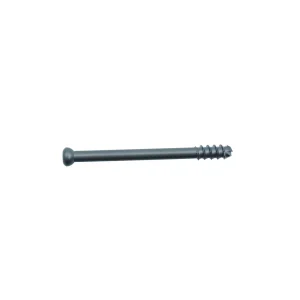
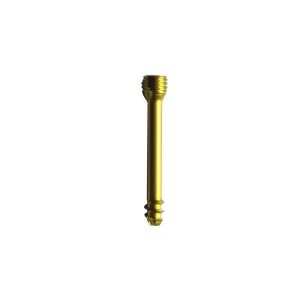
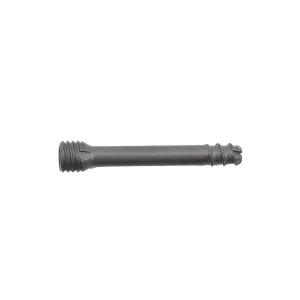
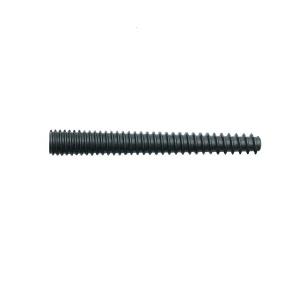
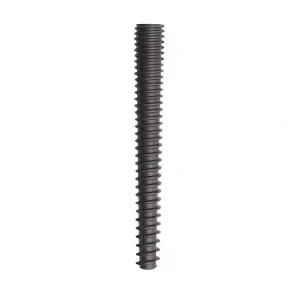
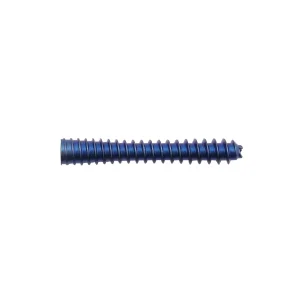
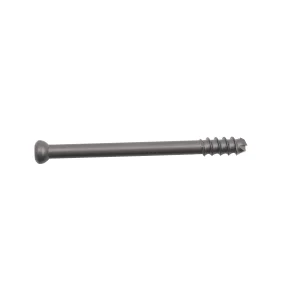
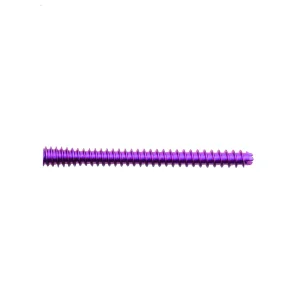
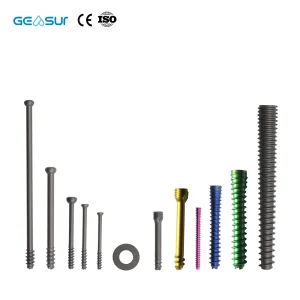
In the United States, the shift toward Ambulatory Surgery Centers (ASCs) has significantly increased the demand for high-efficiency, sterile-packed cannulated screw systems. Surgeons require "one-and-done" instrument sets that minimize cleaning time and maximize outpatient turnover.
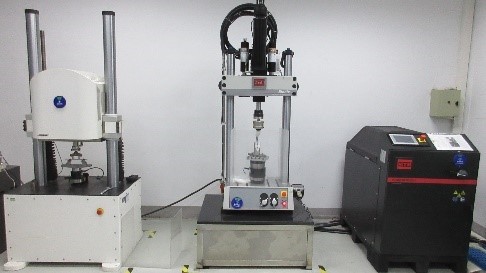
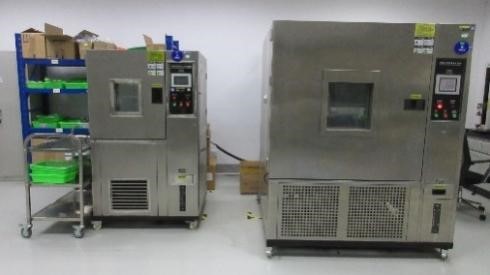
Compliance with ASTM F136 (Titanium alloy for surgical implants) and FDA 510(k) pathways is the baseline. As a leading factory serving the US, we ensure every screw meets rigorous fatigue testing and bio-compatibility standards required by North American Tier-1 trauma centers.
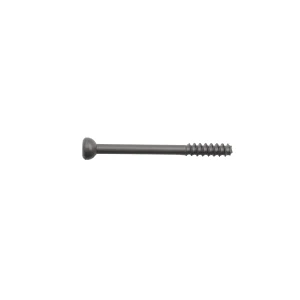
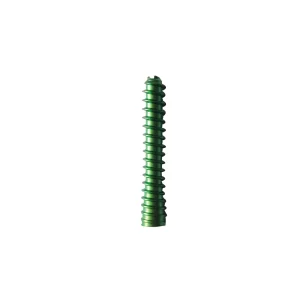
With an aging population in states like Florida, Arizona, and California, hip fracture fixation using large-diameter (6.5mm-7.3mm) cannulated screws is at an all-time high. Our technical roadmap focuses on improved thread-purchase in osteoporotic bone.
The global cannulated screw market is evolving from simple fixation to bio-active and smart-instrumentation integration. Currently, the industry is witnessing a transition toward Headless Compression Screws (HCS) for intra-articular fractures where hardware prominence must be avoided.
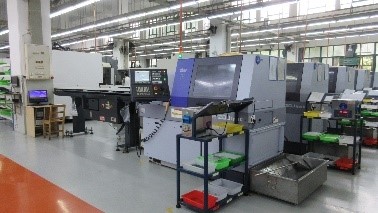
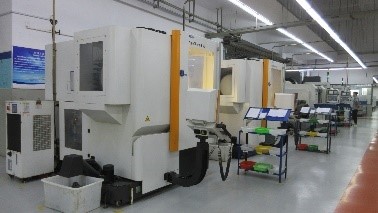
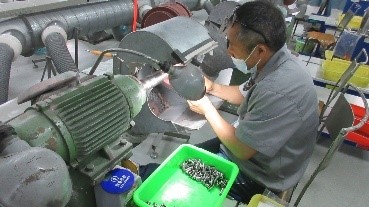
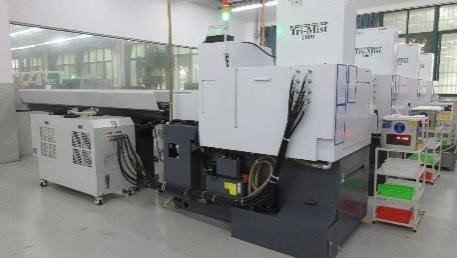
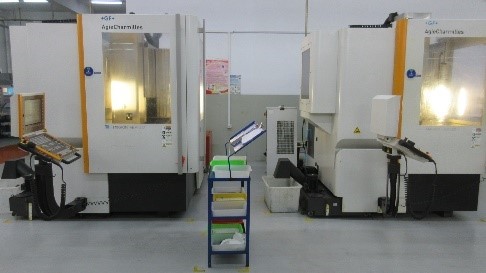
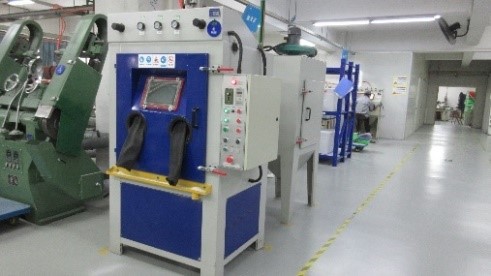
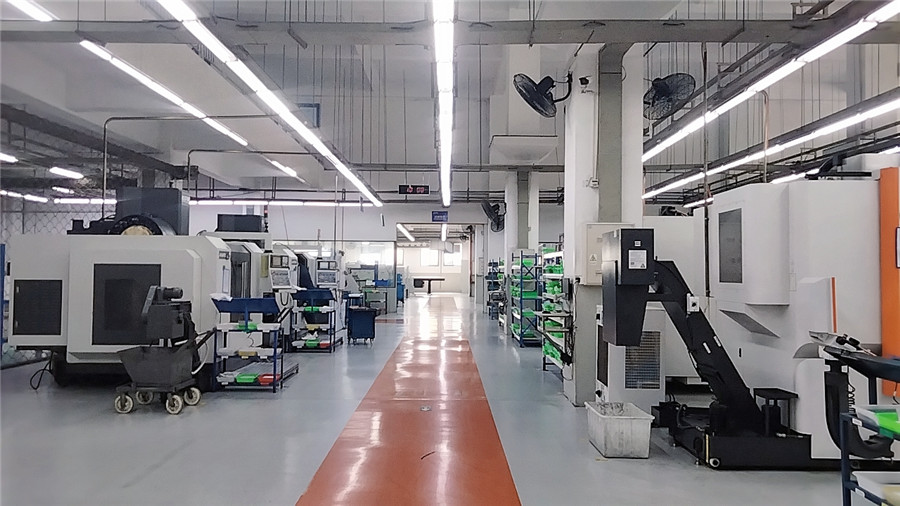
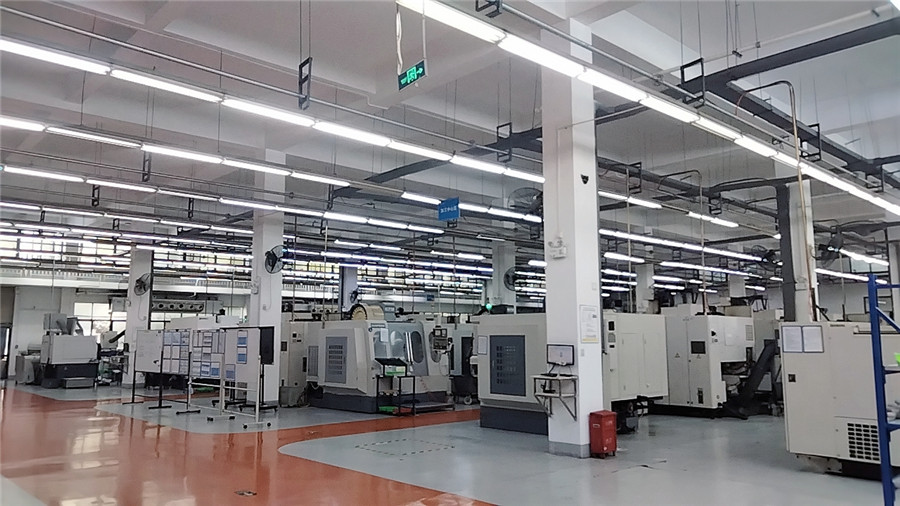
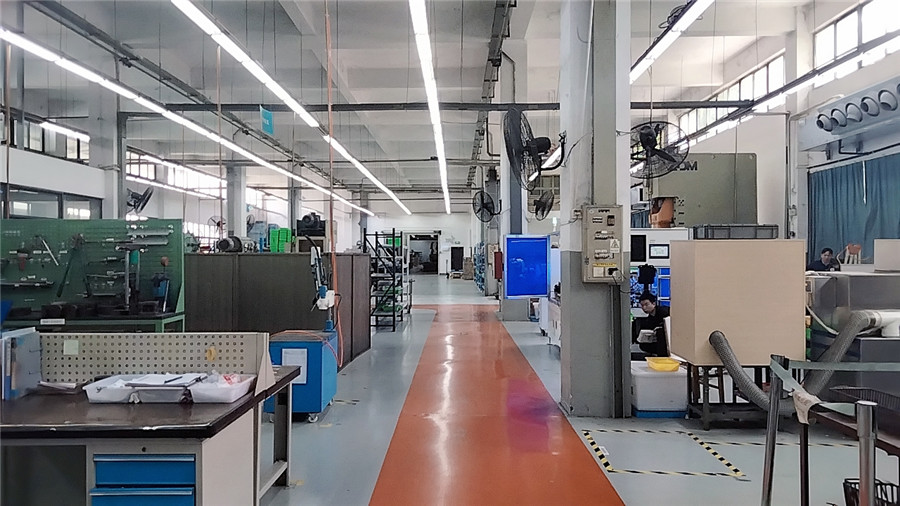
Our manufacturing line utilizes advanced CNC Swiss-turning centers to create proprietary flute designs that eliminate the need for pre-drilling in many trauma scenarios, reducing "OR time" by up to 15%.
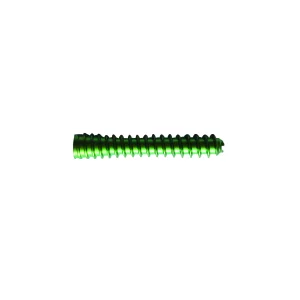
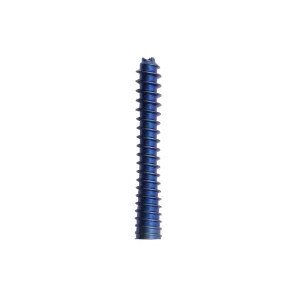
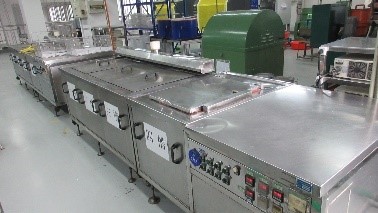
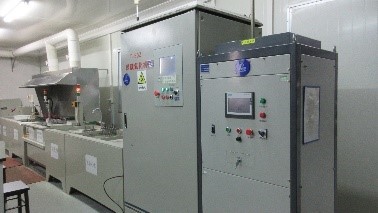
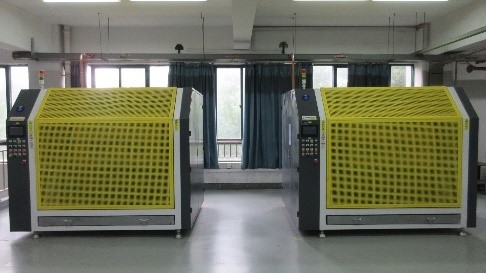
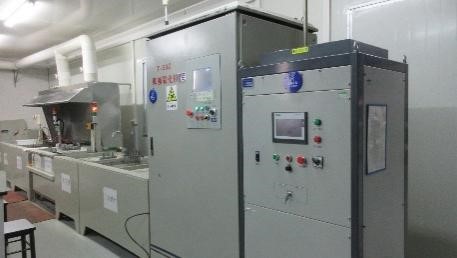
Type II Anodization is applied to our titanium screws to reduce friction and enhance fatigue resistance, a critical factor for long-term implant stability in weight-bearing joints.
Innovation in pitch differential between the proximal and distal threads allows for controlled compression of fracture fragments, particularly in scaphoid and femoral neck fixations.
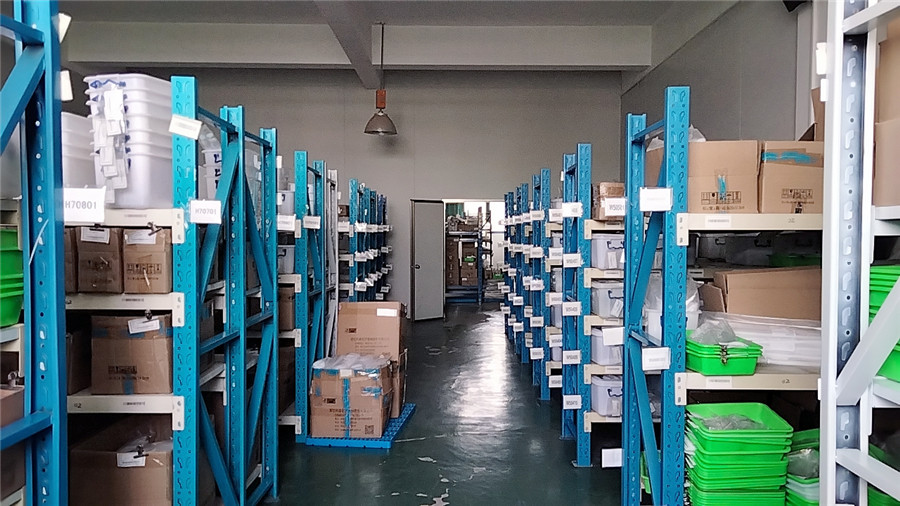
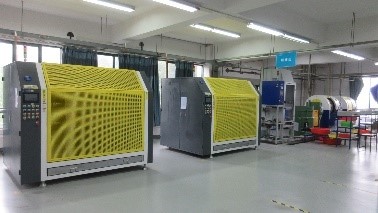
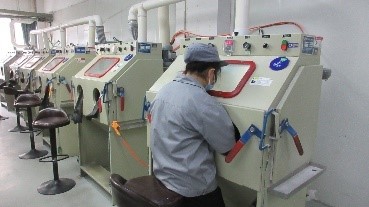
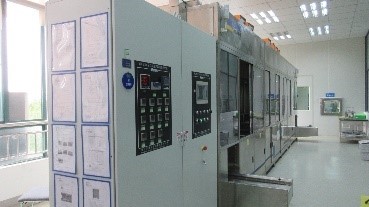
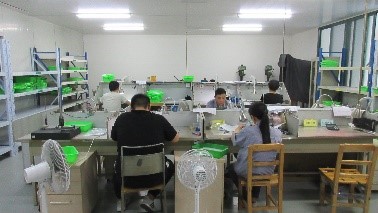
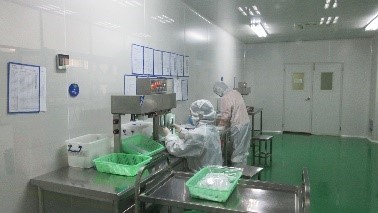
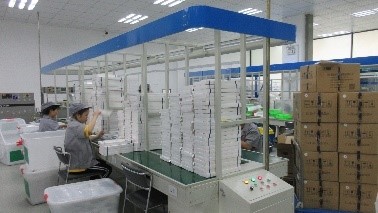
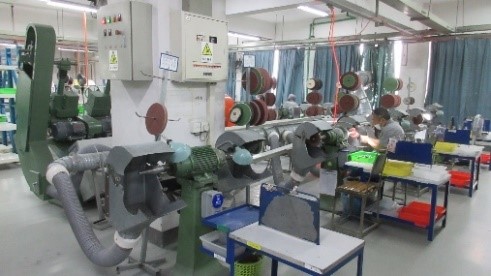
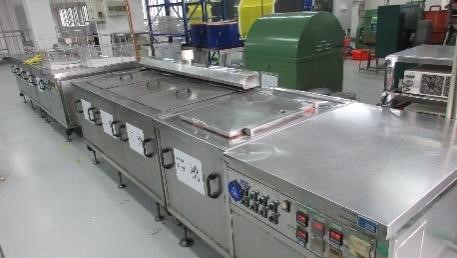
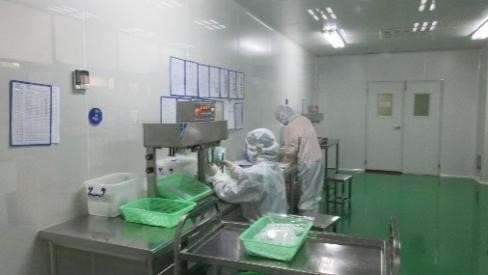
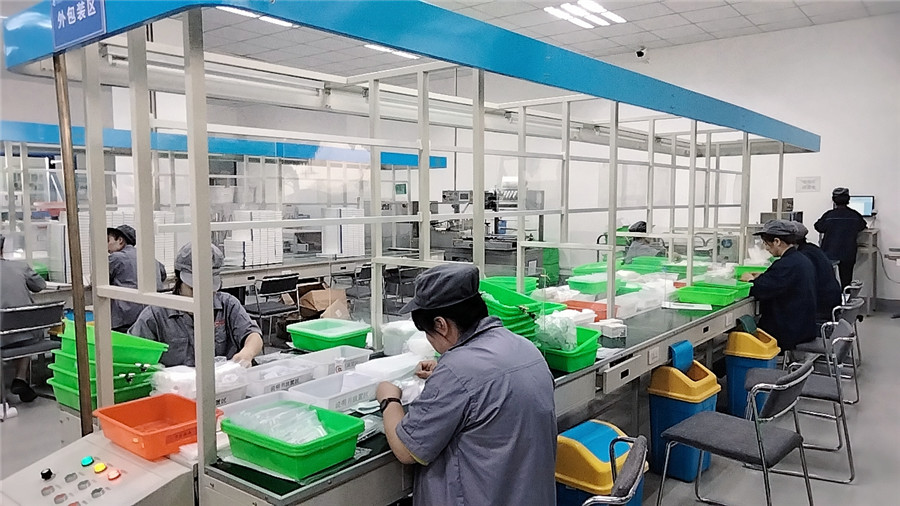
KaiSo has established a complete Quality Assurance System to continuously fulfil the requirements according to ISO9001, 13485, CE, ranging from material procurement to design development and automated production processes.
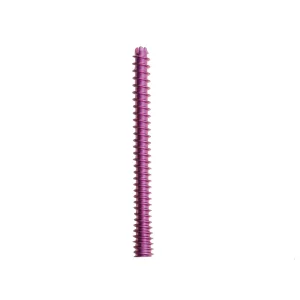
Mini-cannulated screws (2.0mm to 3.5mm) are the gold standard for bunionectomies and ligament reattachments. Our low-profile head designs minimize soft tissue irritation, which is a primary concern for active patients in the US sports market.
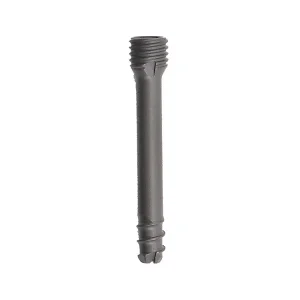
For high-energy trauma (pelvic and acetabular fractures), we provide cannulated locking systems that offer the stability of a plate with the minimally invasive benefits of a percutaneous screw. This solution significantly reduces post-operative infection rates.
Years in Industry
Floor Space (㎡)
R&D Engineers
QA/QC Inspectors
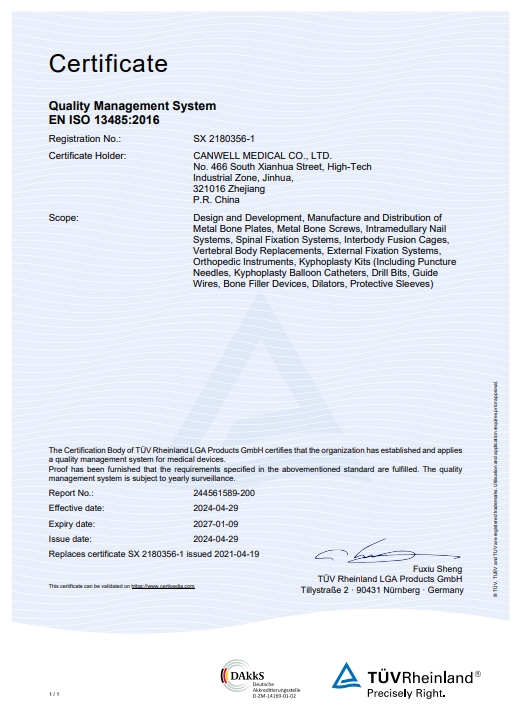
 ISO13485 Certified
 MDR Compliance
We primarily use Ti-6Al-4V (Grade 5 Titanium) compliant with ASTM F136, providing the optimal balance of biocompatibility and mechanical strength for US hospitals.
Yes, we have 59 R&D engineers specialized in sample and graphic processing. We can manufacture cannulated screws to your specific dimensions and thread profiles.
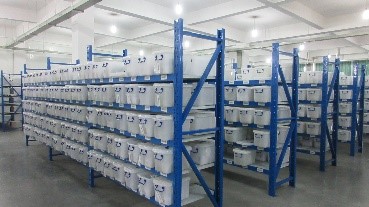
Standard trauma screws are maintained in stock. For customized batch production, our automated production processes allow for efficient turnaround times, typically within 4-6 weeks including QC.
Absolutely. We hold MDR (6142788CE02) and ISO13485 certifications, ensuring our implants are legal for sale and use in the most strictly regulated healthcare markets.
 KaiSo Medical