KaiSo Medical
1 / 5
| Product name | Model | Material | Specification | Code |
|---|---|---|---|---|
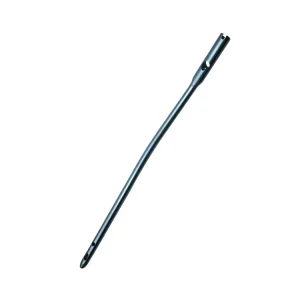
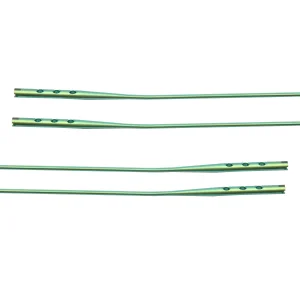
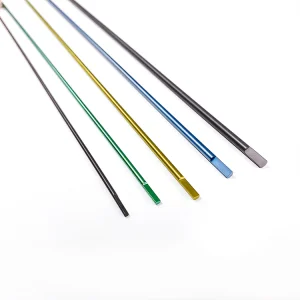
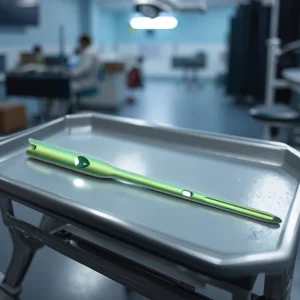
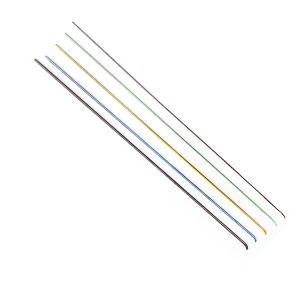
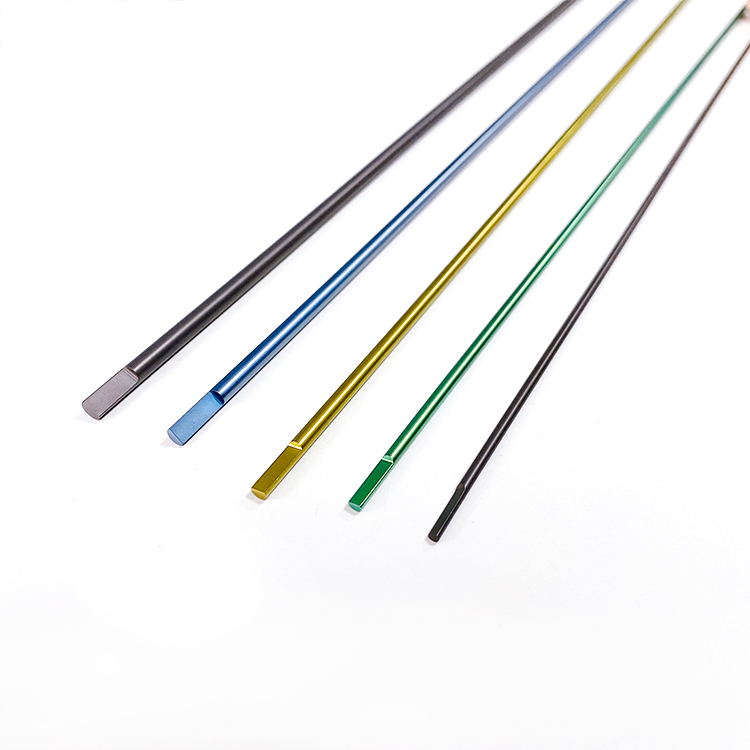
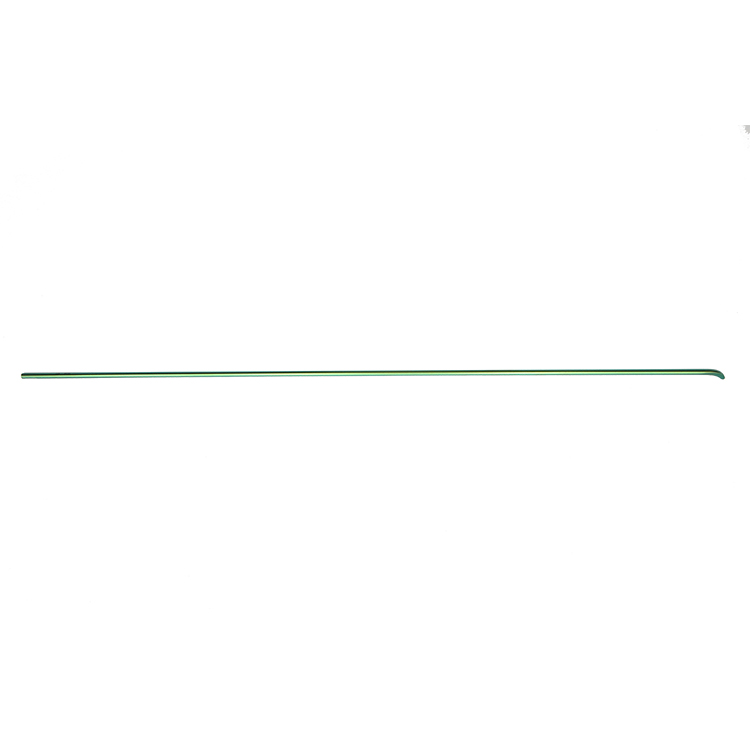
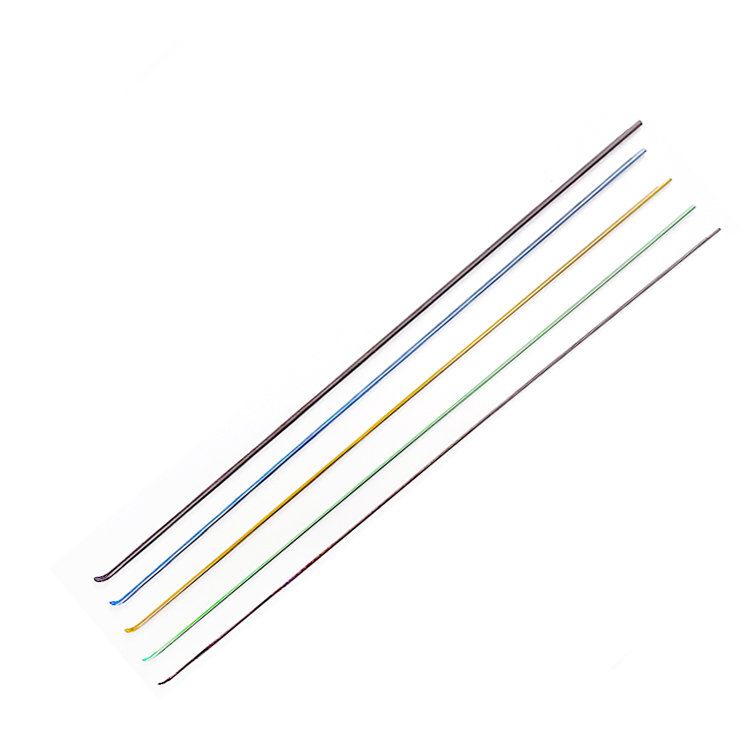
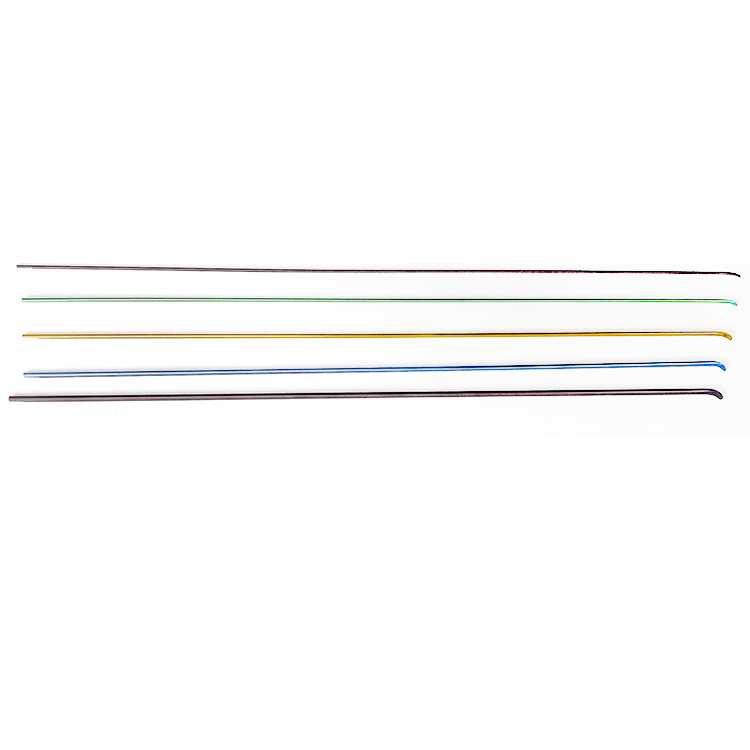
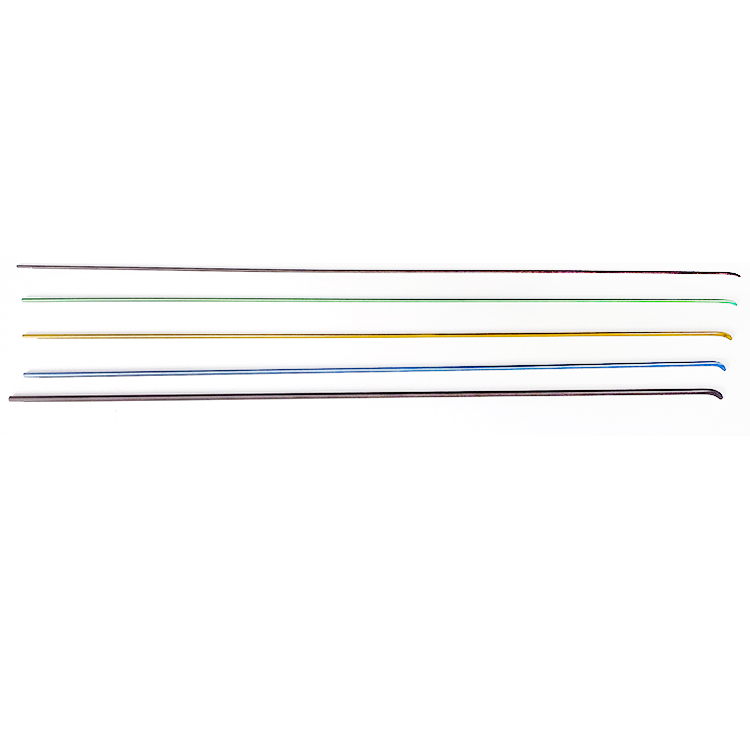
| Elastic Nail Intramedullary Nail | SNXS | Titanium Alloy | 2.5×440 | 15902940 |
| Product name | Model | Specification | Material | Code |
|---|---|---|---|---|
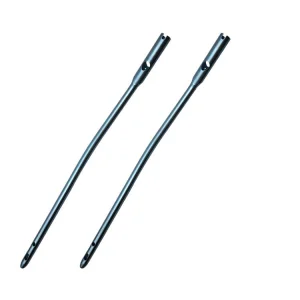
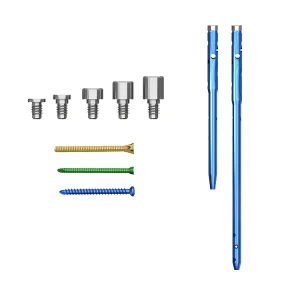
| Proximal Femoral Nail Antirotation Intramedullary Nail | SGM-IIK | 9.0×170×130° | Titanium Alloy | 15649170 |
| Proximal Femoral Nail Antirotation Intramedullary Nail | SGM-IIK | 9.0×200×130° | Titanium Alloy | 15649200 |
| Proximal Femoral Nail Antirotation Intramedullary Nail | SGM-IIK | 9.0×240×130° | Titanium Alloy | 15649240 |
| Proximal Femoral Nail Antirotation End Cap | SGM-IIK | 10×15 | Titanium Alloy | 15601115 |
| Proximal Femoral Nail Antirotation End Cap | SGM-IIK | 10×20 | Titanium Alloy | 15601120 |
| Proximal Femoral Nail Antirotation Blade | SGM-IIK | 10.5×70 | Titanium Alloy | 15600570 |
| Proximal Femoral Nail Antirotation Blade | SGM-IIK | 10.5×80 | Titanium Alloy | 15600580 |
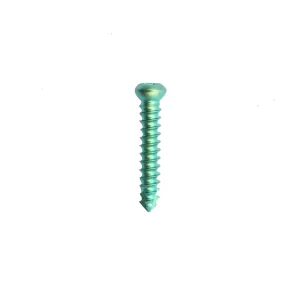
| Proximal Femoral Nail Antirotation φ4.9 locking screw | SGM-IIK | 4.9×30--72 | Titanium Alloy | 15604930 |
| Femoral Nail locking screw I | SGG-IIIK | 6.5×75 | Titanium Alloy | 15246575 |
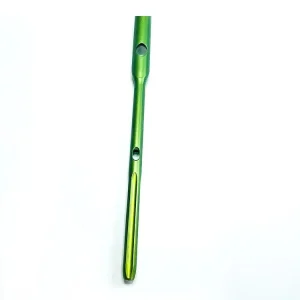
| Femoral Nail Intramedullary Nail | SGG-IIIK | 9.0-13.0 | Titanium Alloy | 15249340 |
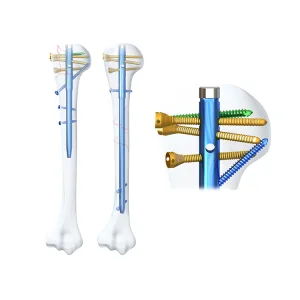
| Humeral nail Intramedullary Nail | SHG-IK | 8 | Titanium Alloy | 15728160 |

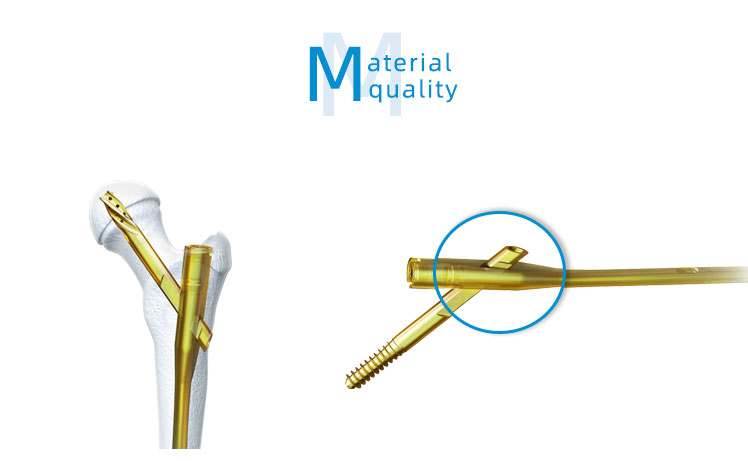
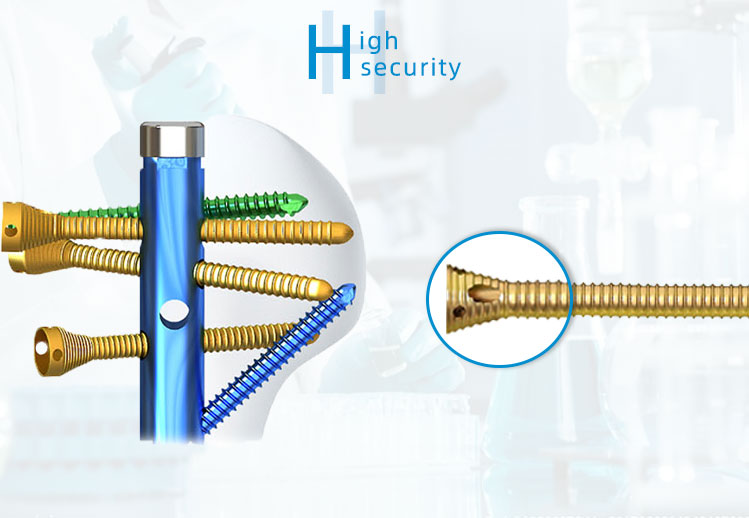
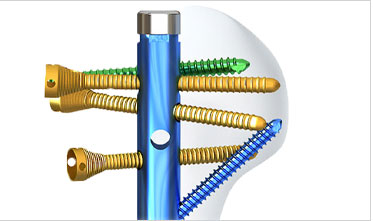
Multi-plane and Multi-locking screw fixation options for optimal stability. Screw-in-screw design improves fixation strength in osteoporosis. Blunt head locking screw design reduces excessive penetration risk and soft tissue irritation.
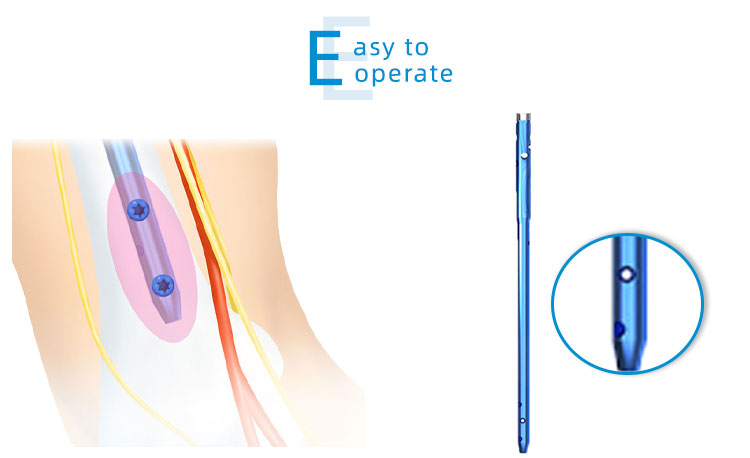
Short screw: two different plane holes for locking. Long screw: three locking holes strategically located to avoid important blood vessels and nerves. Facilitates manual operation and minimizes distal fracture displacement.
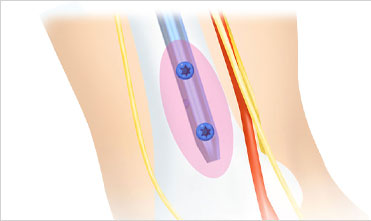
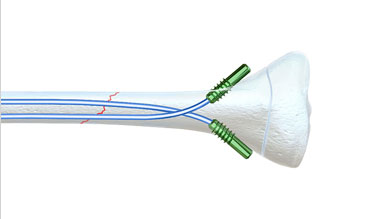
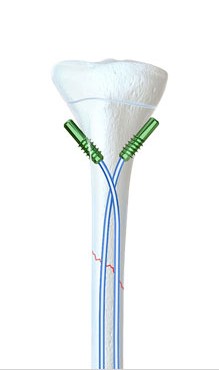
Nail diameter is 30-40% of the medullary cavity's narrowest transverse diameter. Suggested sizes: 3mm for 6-8 years, 3.5mm for 9-11 years, and 4.0mm for 12-14 years.
Special compression hole design increases stability for transverse or short oblique fractures. Features a self-sustaining compression mechanism requiring no static screw.
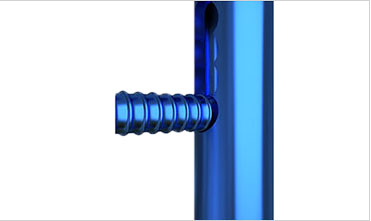
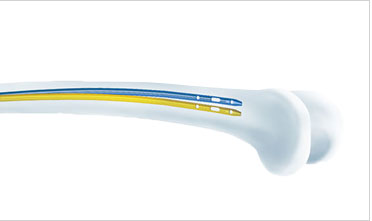
The TFNA system with a 1.0m radian radius offers improved anatomical centering within the medullary cavity compared to previous generations.