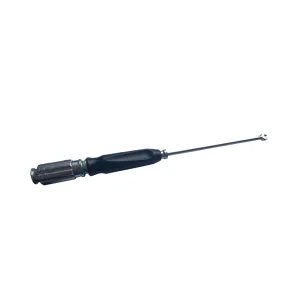
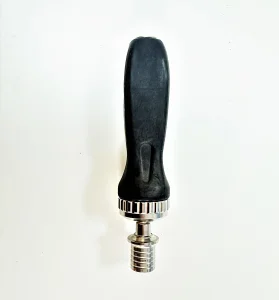
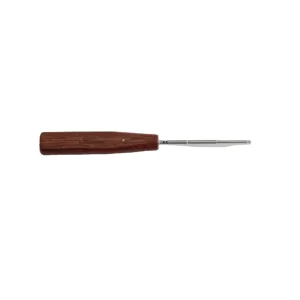
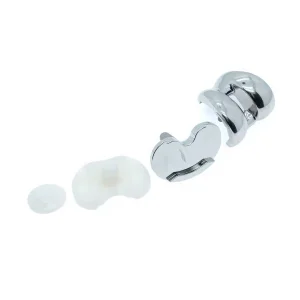
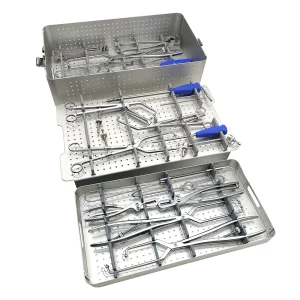
Ethiopia's healthcare sector is undergoing a profound structural transformation, driven by the Health Sector Transformation Plan (HSTP-II). As the second most populous nation in Africa, Ethiopia faces a growing demand for specialized orthopedic and trauma care due to rapid urbanization, increased infrastructure development, and a rising focus on non-communicable diseases. The Ethiopian orthopedic accessory market is no longer just about basic trauma fixation; it is shifting towards precision spinal surgery, joint replacement, and advanced pediatric orthopedics.
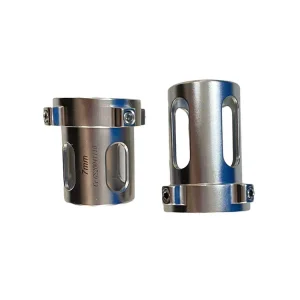
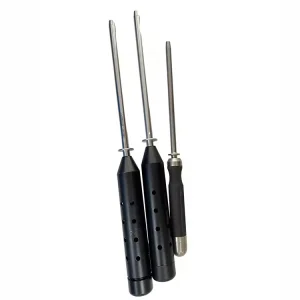
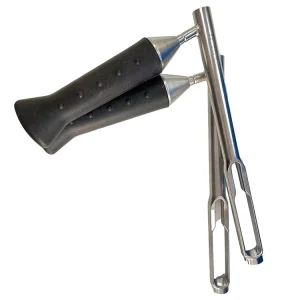
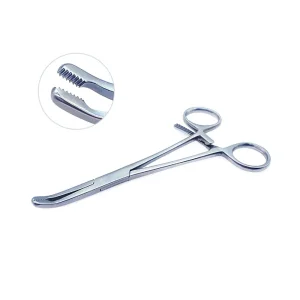
Key medical institutions in Addis Ababa, such as the Tikur Anbessa (Black Lion) Specialized Hospital and various private surgical centers, are increasingly seeking ISO13485 and CE-certified instruments. The bottleneck has historically been the supply chain—specifically, the availability of high-quality "medical consumables" like reset sleeves, pedicle measuring devices, and specialized screwdrivers. As a leading exporter serving Ethiopia, KaiSo bridges this gap by providing high-tensile stainless steel and titanium alloy instruments that withstand the rigors of high-volume surgical environments.
The global orthopedic market has shifted from mass production to "Smart Manufacturing." At KaiSo, our Factory 4.0 initiatives integrate automated production processes with real-time quality tracking. For Ethiopian procurement officers and medical wholesalers, this translates to three critical advantages:
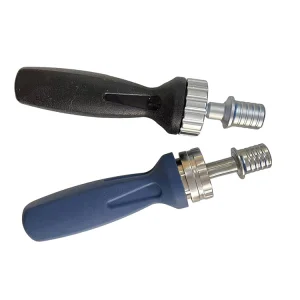
Our commitment to MDR (Medical Device Regulation) standards ensures that every ratchet handle, torque limiter, and spinal probe meets the highest international safety thresholds. This is particularly vital for the Ethiopian market, where long-term implant stability is a key metric for surgical success.
Registration: 2004-11-03
Industry Experience: 22 Years of Specialized Orthopedic Manufacturing
Main Markets: South America (30%), Southeast Asia (20%), Western Europe (20%), and expanding rapidly in East Africa (Ethiopia).
Customization: Light customization, sample processing, and customized on-demand solutions for specific Ethiopian surgical protocols.
KaiSo has established a complete Quality Assurance System to continuously fulfil the requirements according to ISO9001, 13485, CE, ranging from material procurement to design development and automated production processes.
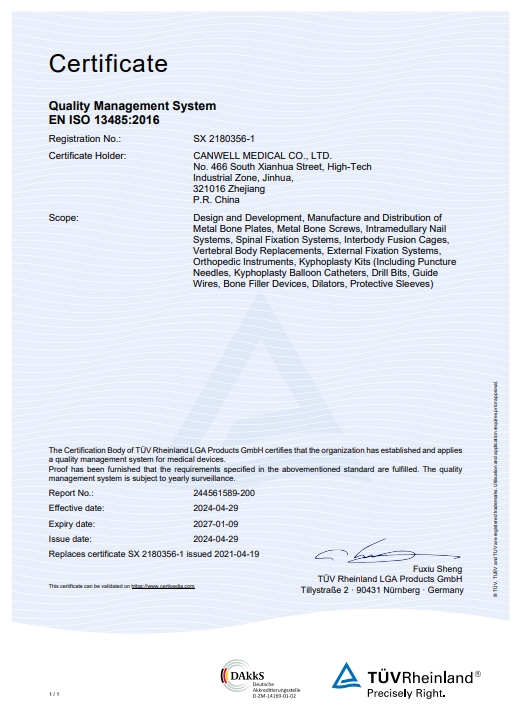
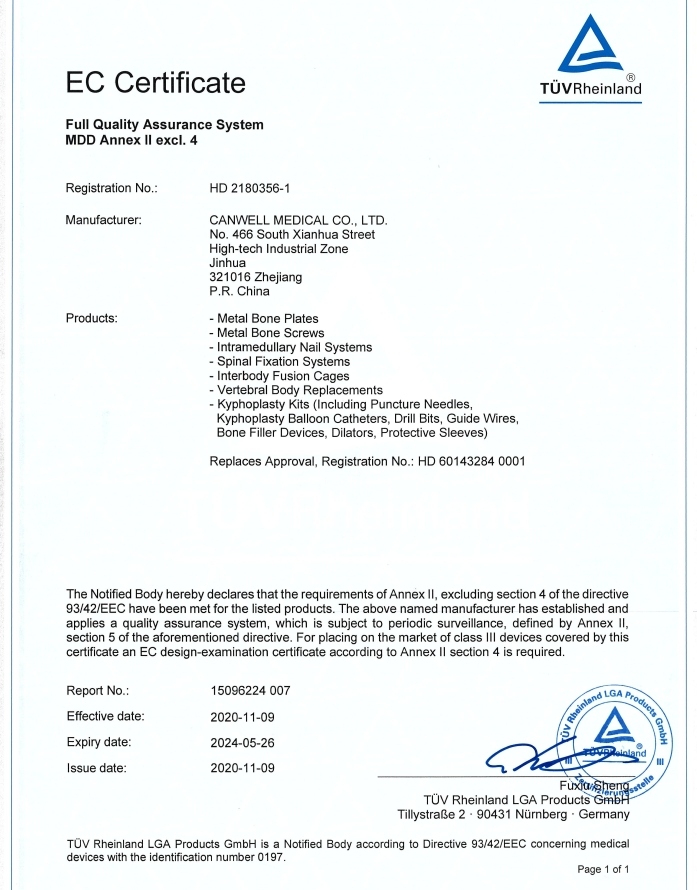
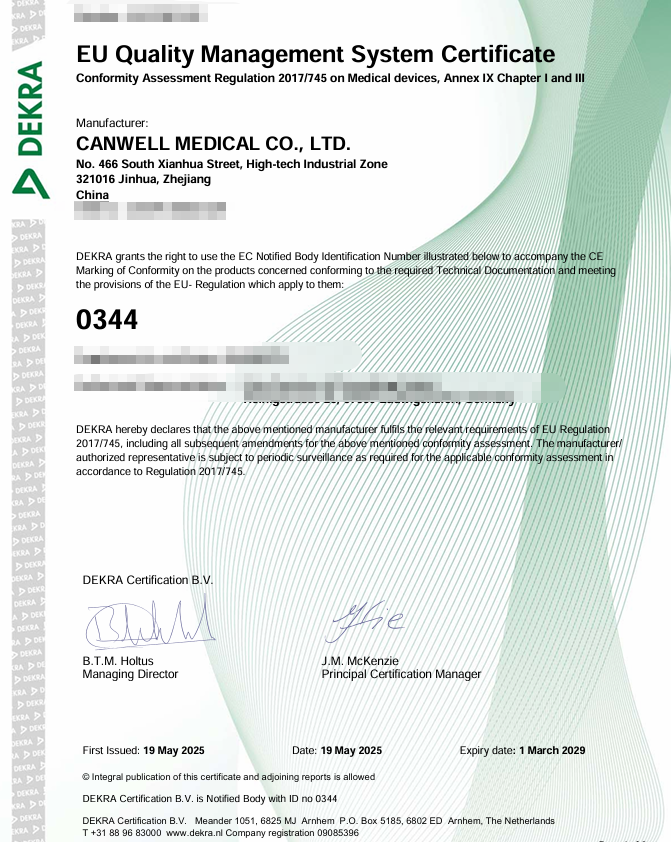
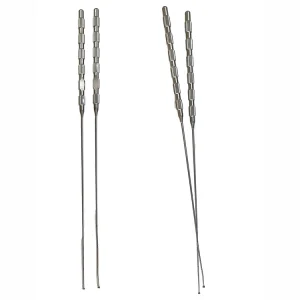
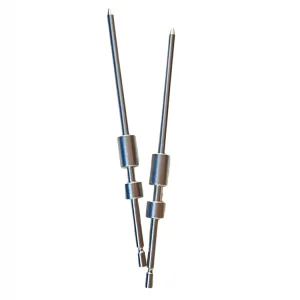
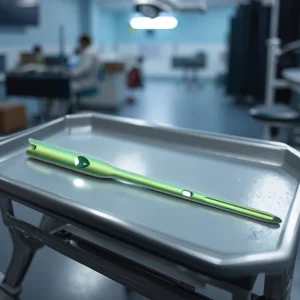
In complex spinal interventions like scoliosis correction or TLIF (Transforaminal Lumbar Interbody Fusion), the margin for error is non-existent. Our instruments are engineered with biomechanical precision. For instance, the Pedicle Positioning Measuring Device is calibrated to ensure optimal screw placement, minimizing the risk of neurological deficit—a critical factor for the growing neurosurgical departments in Addis Ababa.
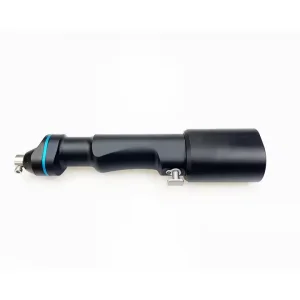
Furthermore, the Torque Limiter technology prevents over-tightening of locking plates, which is essential for the long-term integrity of titanium implants in high-activity patients. By providing these specialized tools, we empower Ethiopian surgeons to perform complex procedures with the same level of confidence as those in Western Europe or the US.
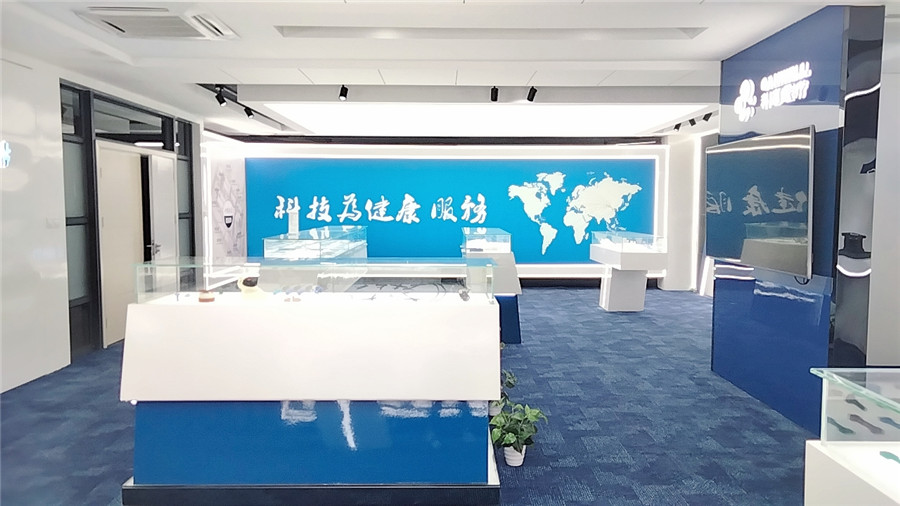
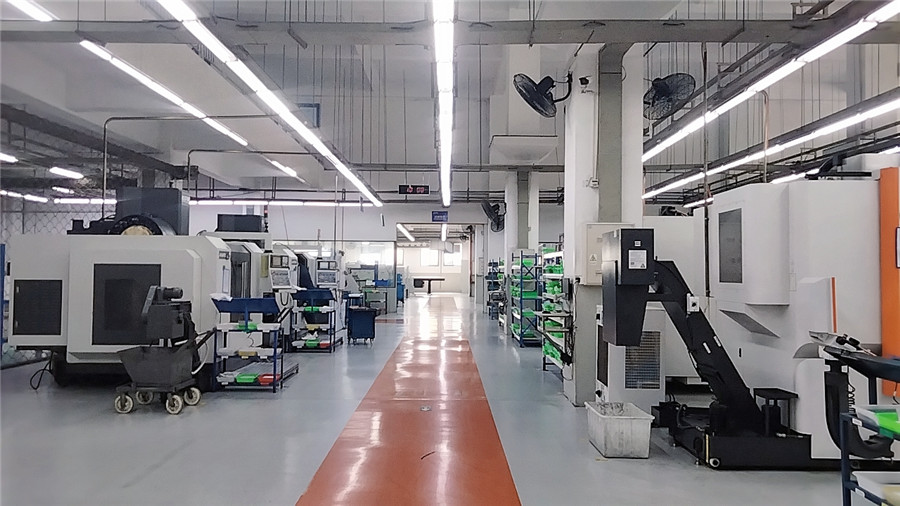
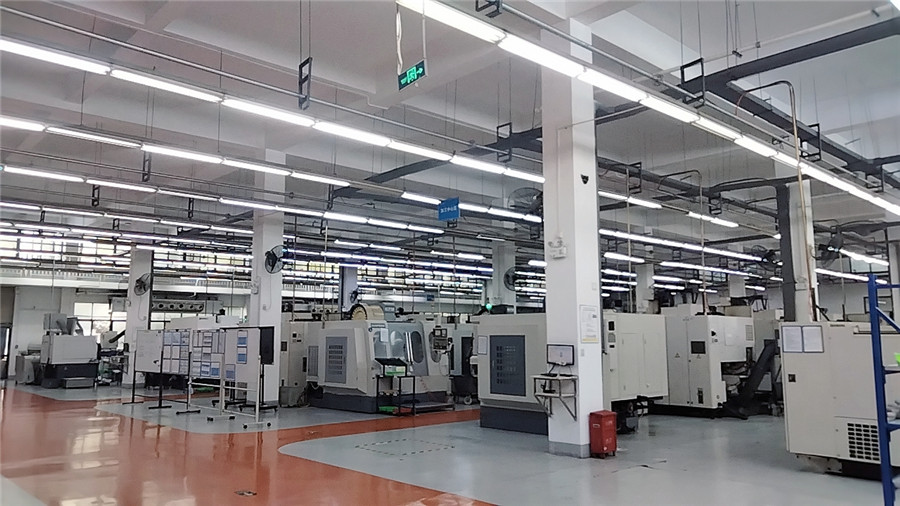
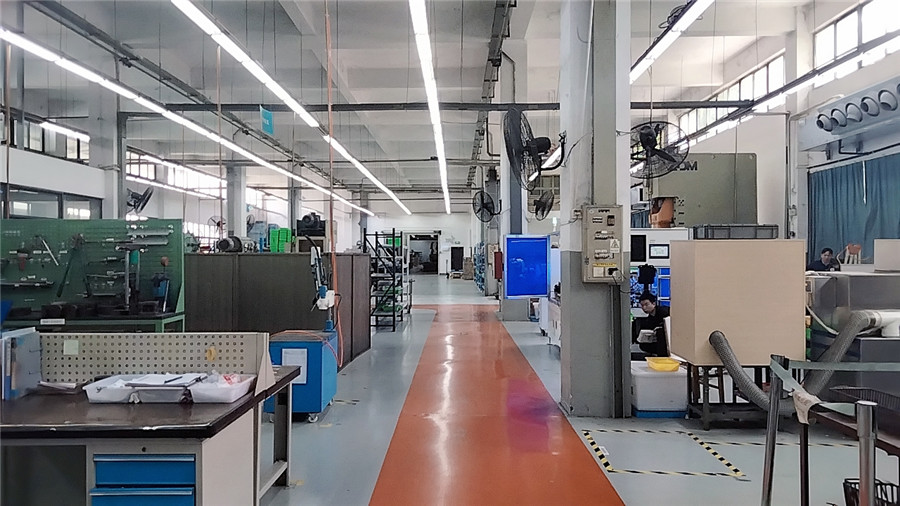
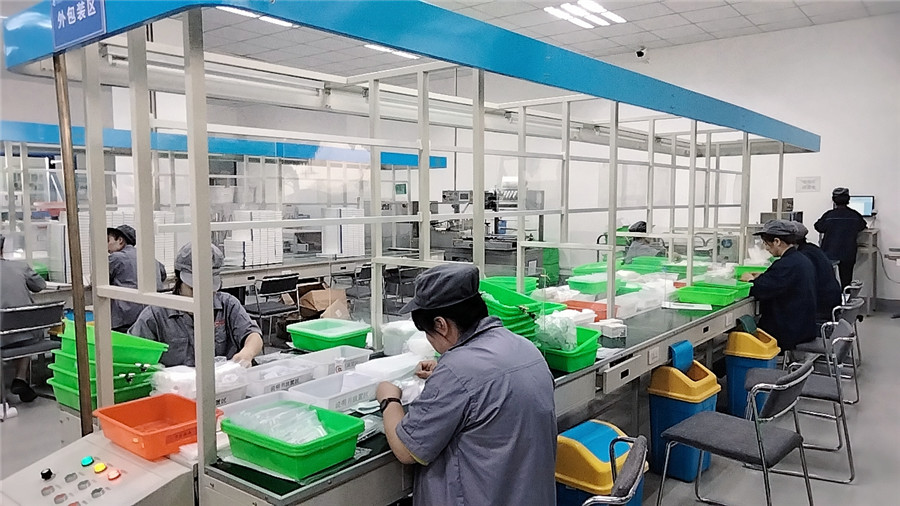
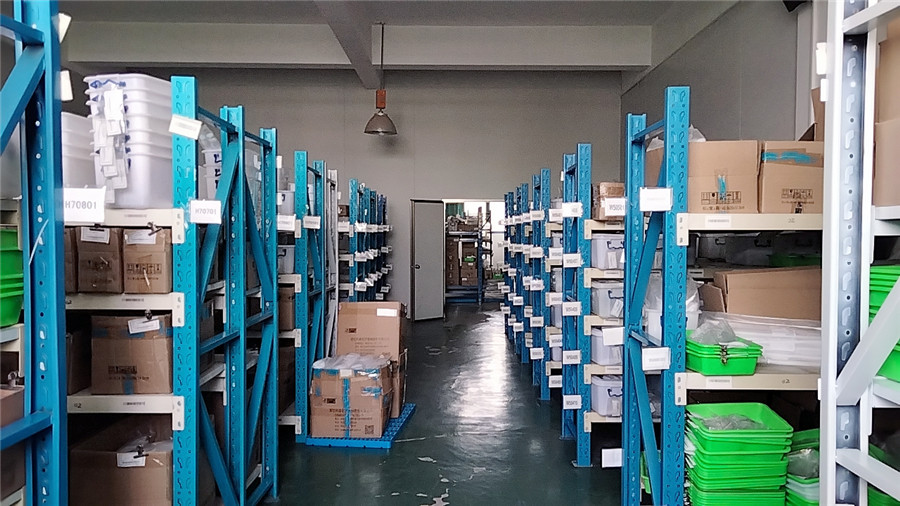
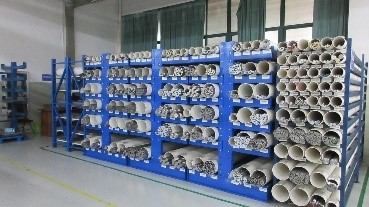
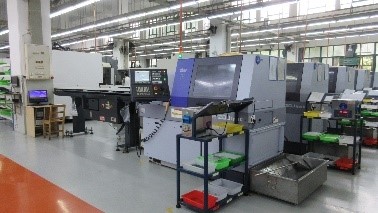
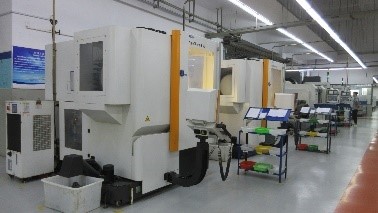
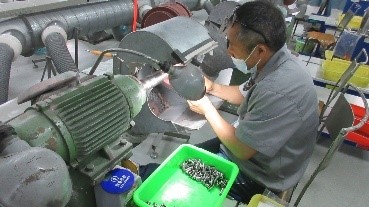
Automated production lines and rigorous QC checkpoints at the KaiSo manufacturing hub.
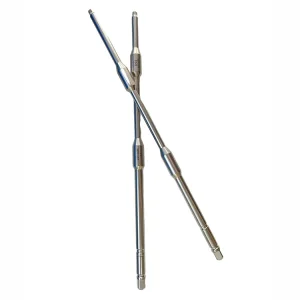
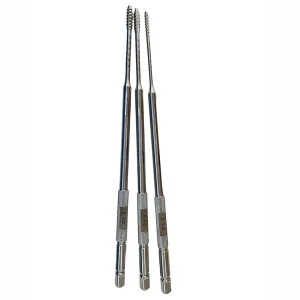
Yes, our ratchet handles, hexagonal screwdrivers, and silk taps are designed according to universal AO/ASIF standards, ensuring seamless compatibility with global implant brands widely used in Ethiopian hospitals.
We provide full documentation including ISO 13485 certificates, CE marking (93/42/EEC), MDR compliance documents, and Certificate of Analysis (COA) for raw materials, facilitating smooth clearance with the Ethiopian Food and Drug Authority (EFDA).
We offer diverse logistics solutions including air freight (for urgent surgical consumables) and sea freight (for bulk bone plate sets and larger equipment). We work with reliable partners to ensure door-to-port or door-to-hospital delivery within Ethiopia.
Absolutely. Our 59 R&D engineers specialize in "customized on demand" requests. We can assemble specialized spinal or trauma kits tailored to the specific requirements of Ethiopian government tenders or private clinic protocols.
 KaiSo Medical