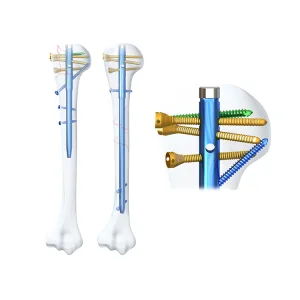
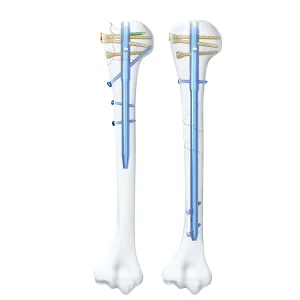
High-precision intramedullary nailing systems designed to meet complex clinical demands and optimize patient recovery times in Malakal hospitals.
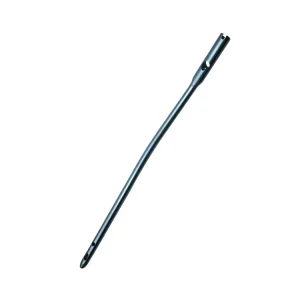
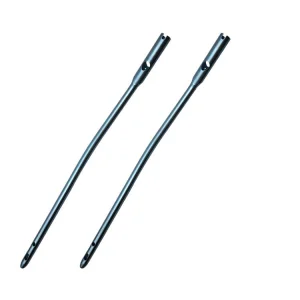
Malakal, as a pivotal hub within the Upper Nile State of South Sudan, experiences a unique set of orthopedic healthcare challenges. The region relies heavily on robust, highly functional trauma implants that can endure extreme stress and minimize the risk of post-operative complications. With limited local intensive healthcare structures, local clinics and humanitarian surgical facilities require orthopedic hardware that offers high mechanical reliability and simplified insertion techniques.
Our intramedullary nails are designed to support immediate, stable internal fixation of long bone fractures (femur, tibia, and humerus). The introduction of interlocking mechanisms ensures rotational stability, preventing secondary limb shortening or malrotation, which is critical for patients who must return to labor-intensive activities to support their families.
How advanced CNC machining, high economies of scale, and stringent quality control systems deliver superior clinical outcomes at optimized price points.
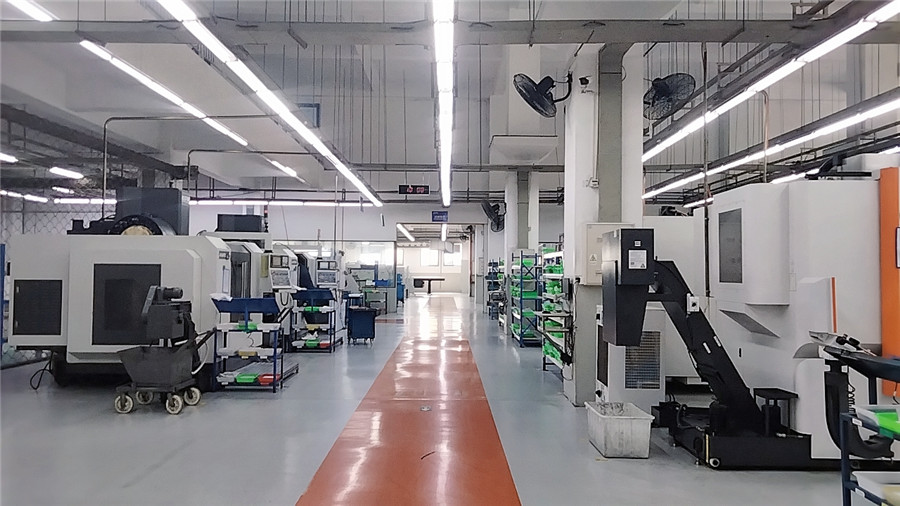
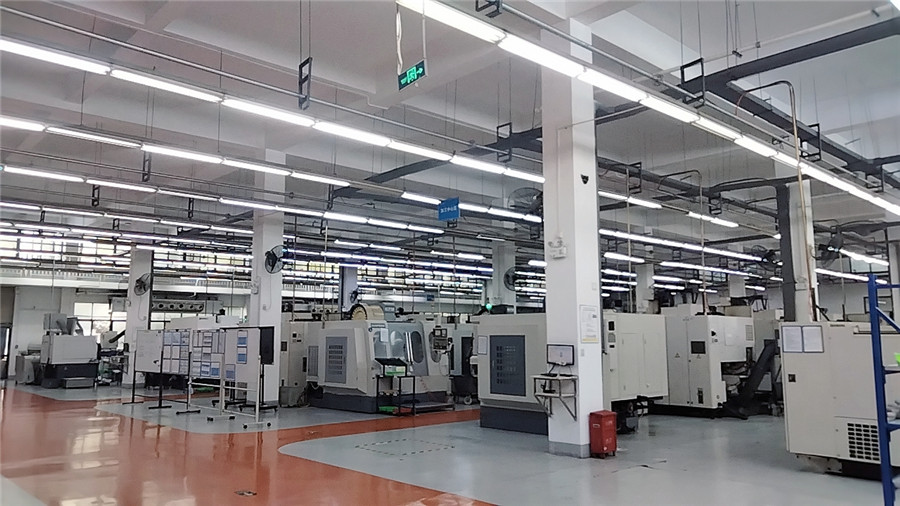
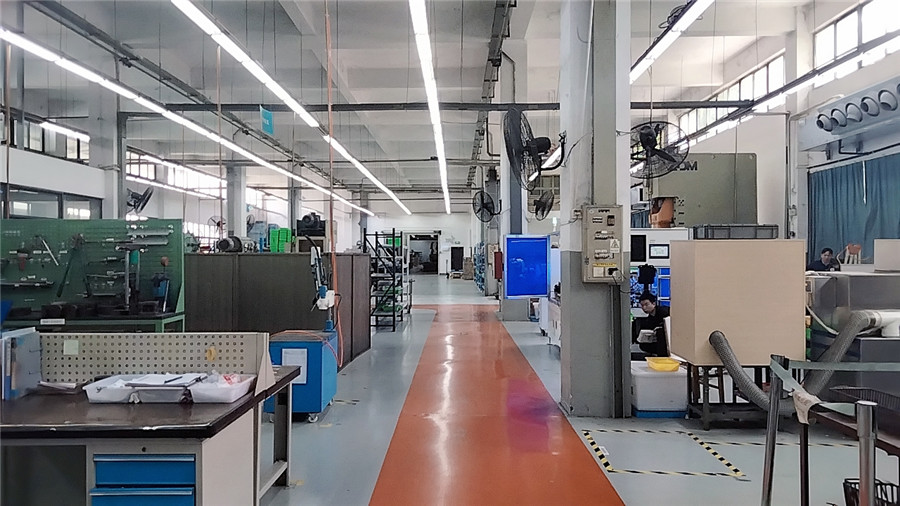
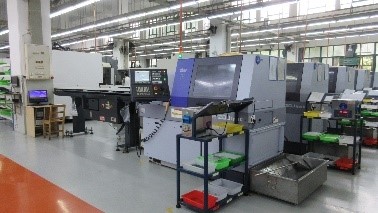
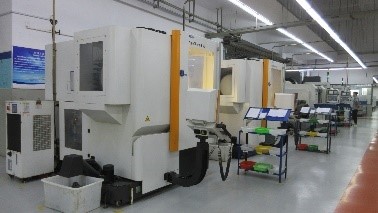
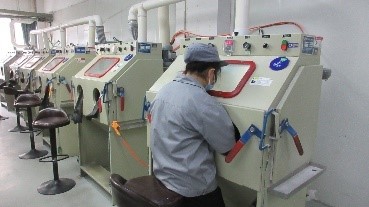
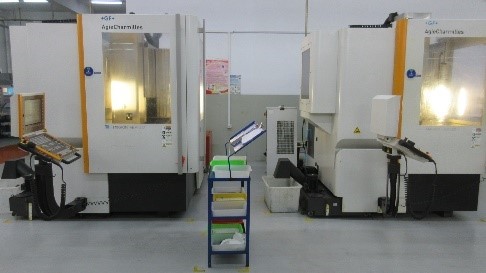
Operating a 29,523 square meter facility, KaiSo leverages specialized automated manufacturing platforms, including high-precision Swiss-type CNC lathes and multi-axis milling machines. These tools allow us to construct intramedullary nails with micron-level tolerances. By optimizing toolpaths and minimizing setup transitions, our factory achieves unmatched production speed, ensuring that large-scale tenders for organizations supplying regions like Malakal are fulfilled ahead of schedule.
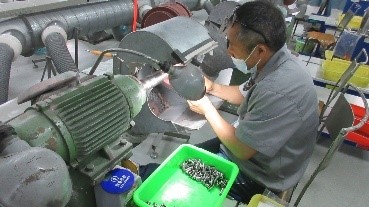
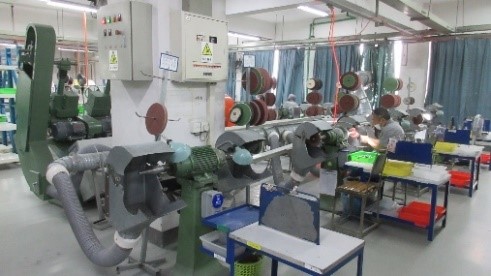
This automated production ecosystem drastically reduces human-introduced variations in surface texture, thread geometries, and mechanical properties. The resultant structural homogeneity ensures that each PFNA, humeral nail, or locking screw possesses identical physical characteristics, maintaining strict mechanical compliance for predictable performance inside the operating theater.
Understanding the biomechanical differences and choosing the ideal implant material for trauma fixation.
| Property / Characteristic | Titanium Alloy (Ti-6Al-4V ELI / ISO 5832-3) | 316L Stainless Steel (ASTM F138 / ISO 5832-1) | Clinical Advantage for Malakal Environment |
|---|---|---|---|
| Biocompatibility & Corrosion | Exceptional. Forms a stable passivation TiO2 oxide layer instantly. | Good, but trace nickel release can cause hypersensitivity in 10-15% of patients. | Titanium minimizes long-term tissue irritation, essential where implant removal is difficult. |
| Modulus of Elasticity | ~110 GPa (Closer to human cortical bone) | ~200 GPa (Much stiffer than bone) | Titanium reduces stress-shielding, encouraging faster callus formation and natural healing. |
| Fatigue Strength | Very high; excellent resistance to cyclic loading under walking weight. | High, but more prone to fatigue failure over extended periods if non-union occurs. | Ensures stability in delayed-healing patients who must walk early without crutches. |
| MRI Compatibility | Non-magnetic. Minimizes imaging artifacts and heating during MRI. | Ferromagnetic properties lead to significant imaging artifacts. | Critical for accurate post-op MRI/CT evaluations if patients travel to larger medical centers. |
Note: Both materials are approved under CE MDR and ISO guidelines. Titanium alloys are highly recommended for permanent or long-term dynamic loading applications, whereas Stainless Steel is commonly selected for short-term external fixation and cost-sensitive pediatric applications.
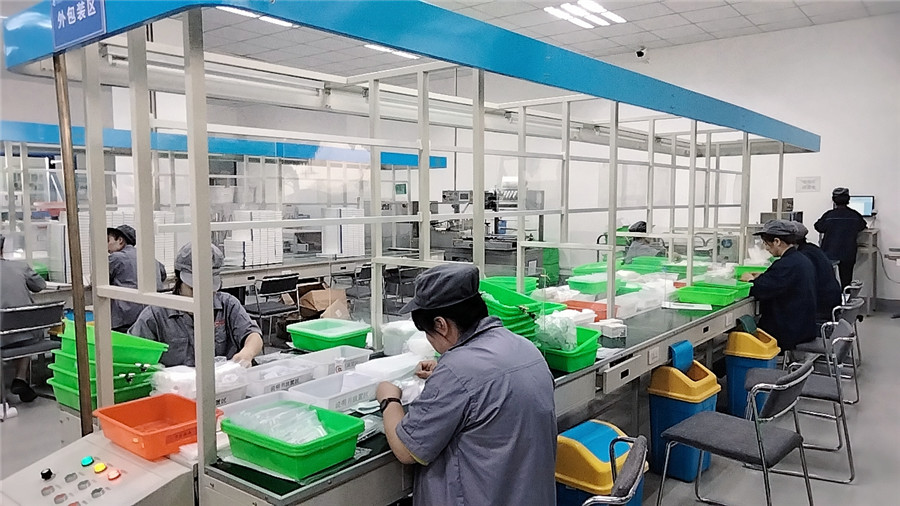
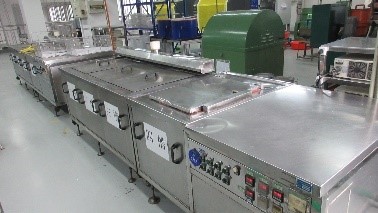
Every raw material batch, CNC toolpath, and finished implant undergoes 100% trace verification to guarantee patient safety.
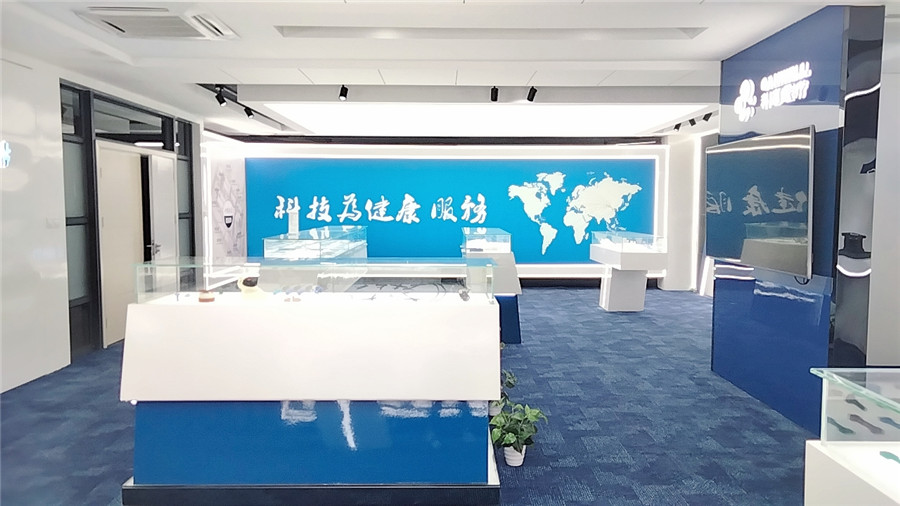
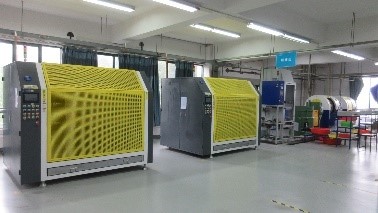
Proven export experience delivering high-volume orthopedic products to global supply companies and distributors.
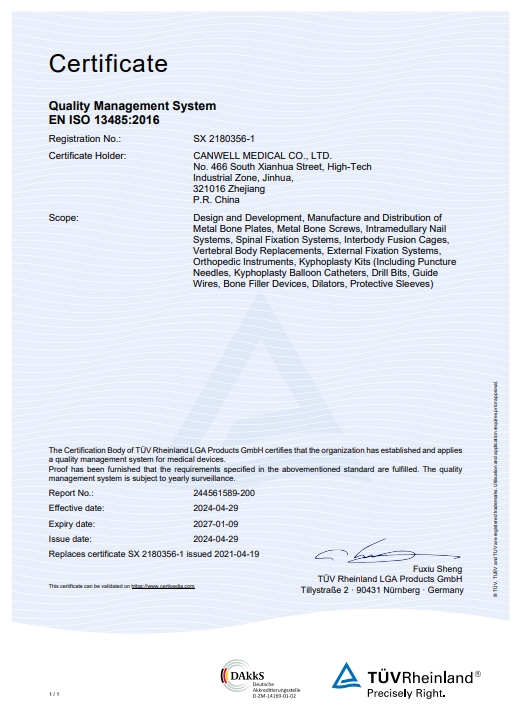 ISO13485
 SX 2180356-1
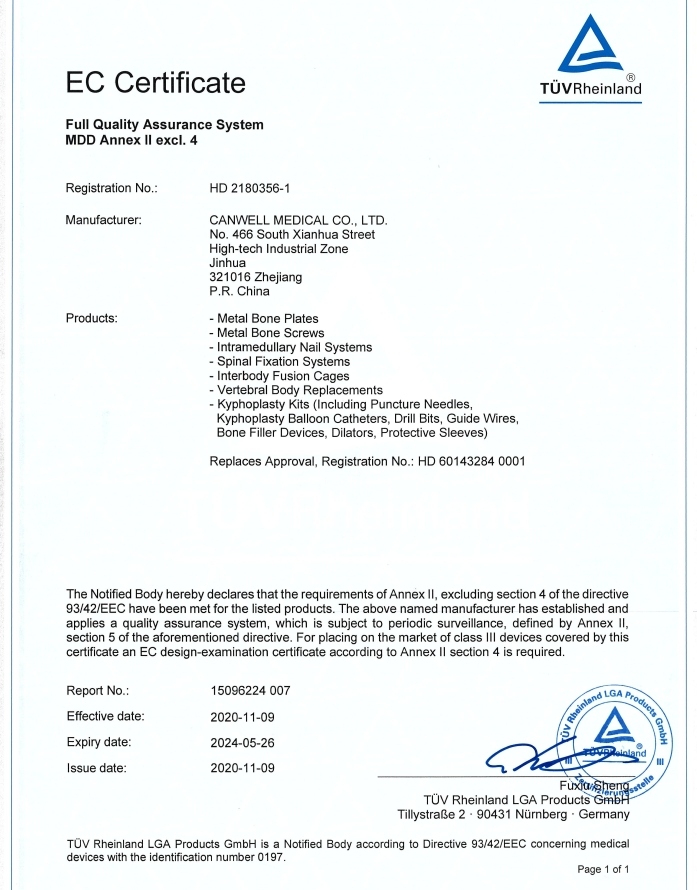 93/42/EEC
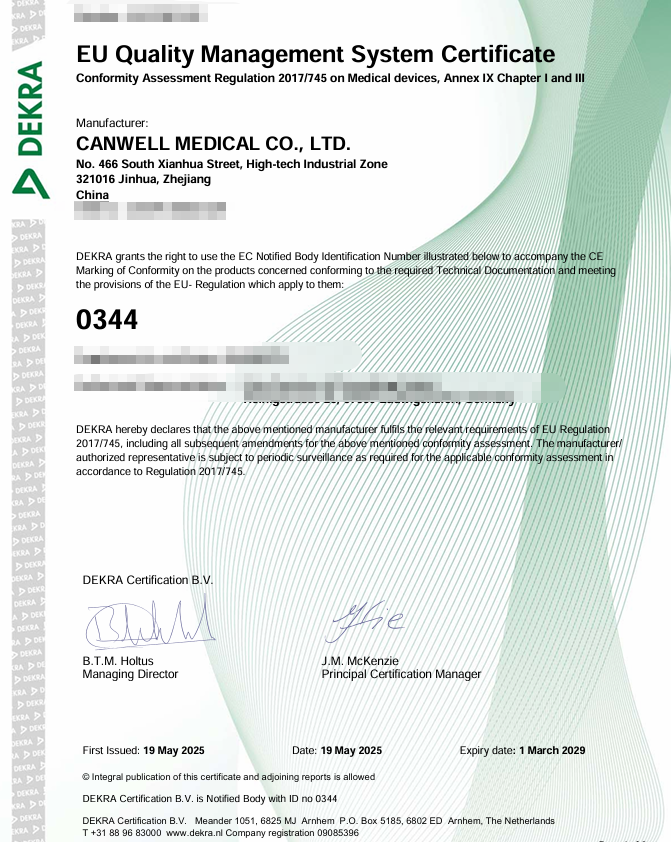 CE MDR
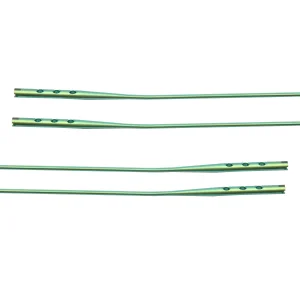
Additional high-grade intramedullary nails, flexible implants, and orthopedic hardware options for pediatric and complex trauma surgeries.
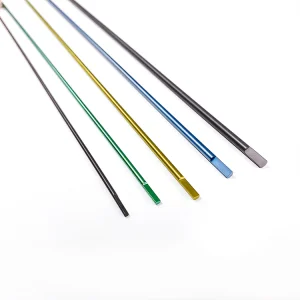
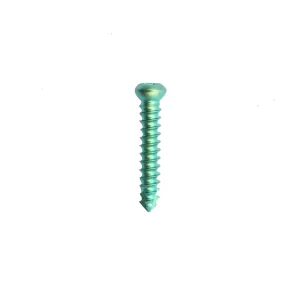
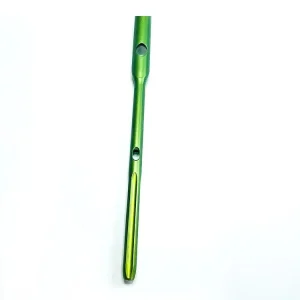
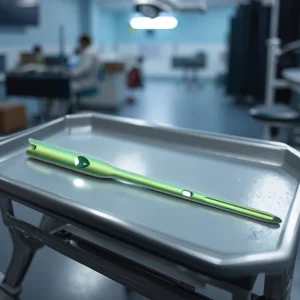
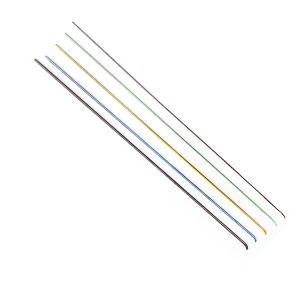
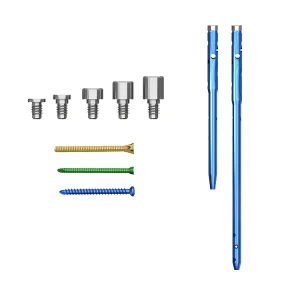
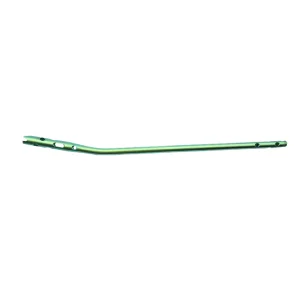
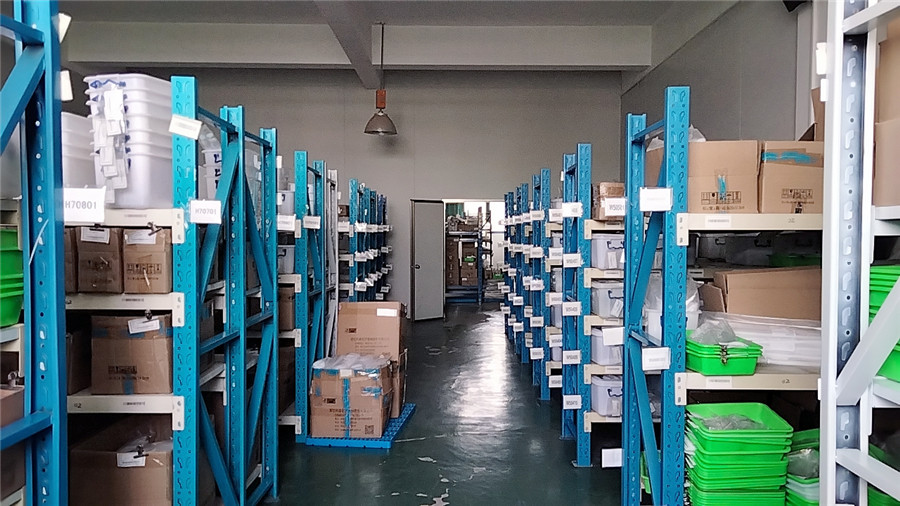
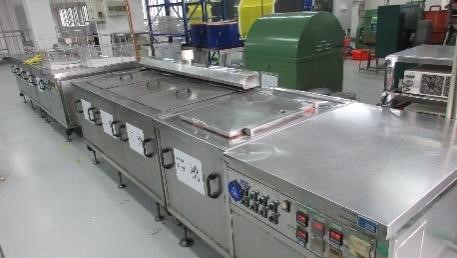
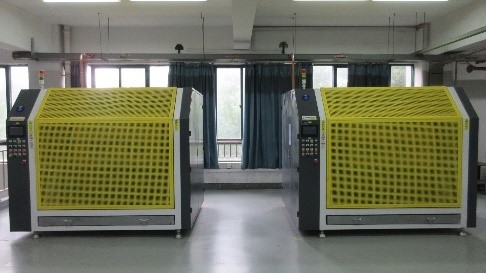
High-end cleanrooms, material warehouses, and testing departments operating under strict international regulations.
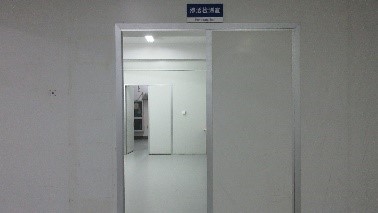
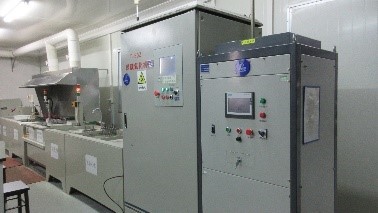
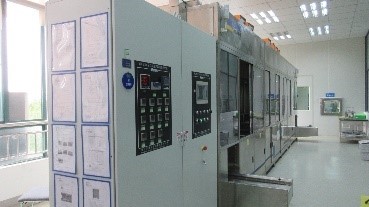
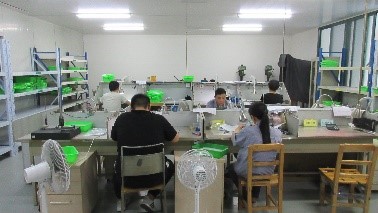
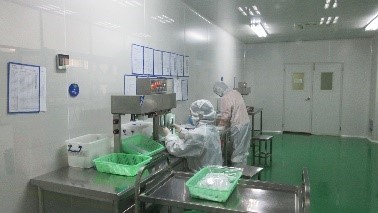
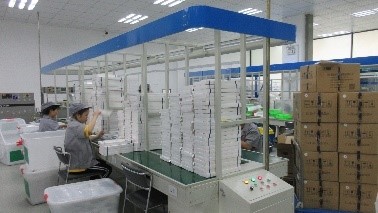
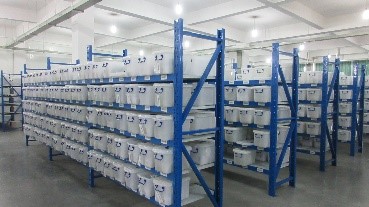
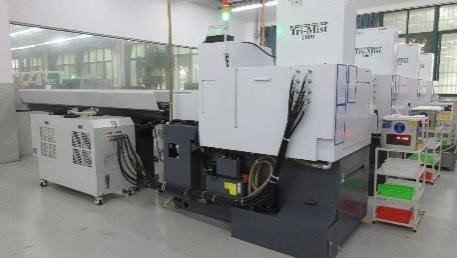
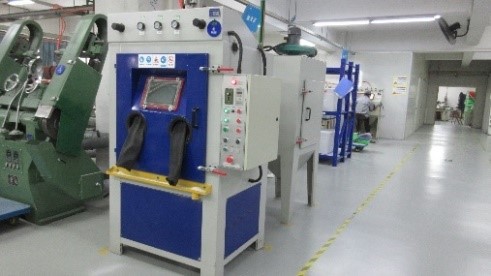
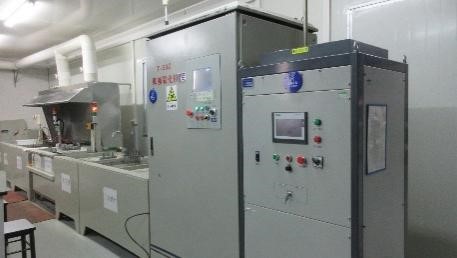
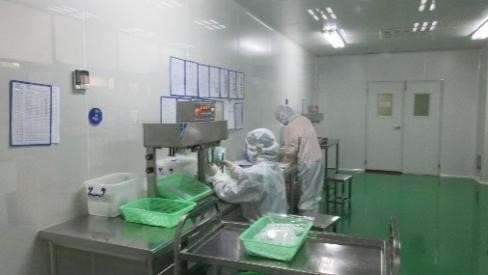
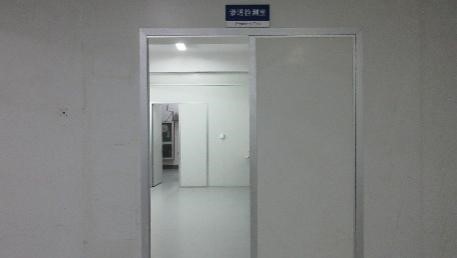
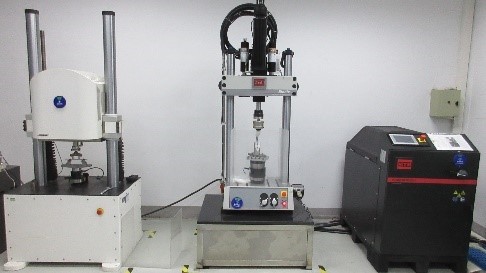
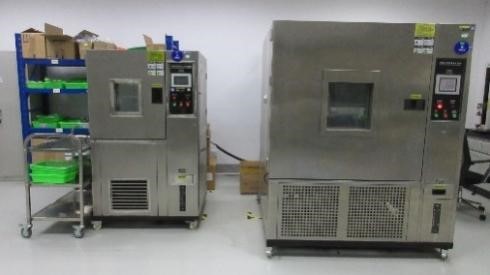
Secure supply chains optimized for humanitarian zones and regional healthcare centers in South Sudan.
Orders are dispatched from major export hubs in China (Shanghai or Ningbo Port). Shipping routes typically transit via the Red Sea/Gulf of Aden to Port Sudan or the Port of Mombasa (Kenya). From these portals, overland freight transport moves inland through Uganda/Kenya borders directly to central custom terminals in Juba, South Sudan.
Given regional infrastructure conditions in Upper Nile State, last-mile delivery to Malakal relies on domestic cargo charter flights departing from Juba International Airport directly to Malakal Airport. Alternatively, during favorable seasons, barges run secure river routes along the White Nile. All shipments are packed in heavy-duty, water-resistant containers to protect against environmental degradation.
Detailed technical and commercial information for orthopedic procurement managers and clinicians.
Partner with an established manufacturer. Get instant technical catalogs, bulk pricing structures, and raw material certificates for your hospital or government tenders.
Send Inquiry Now → KaiSo Medical