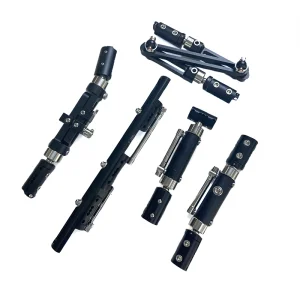
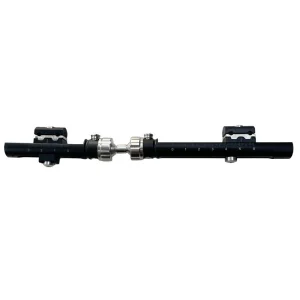
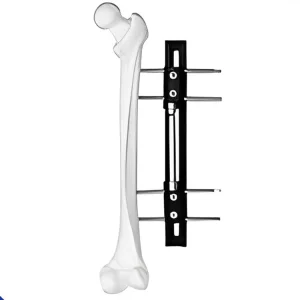
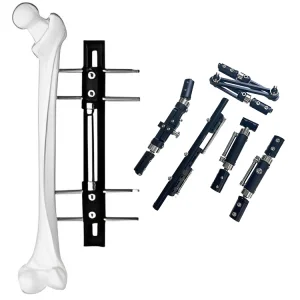
In the heart of the Philippines, Manila has emerged as a critical hub for advanced orthopedic interventions. As the National Capital Region (NCR) continues its rapid urbanization, the demand for high-integrity External Fixation (EF) systems has surged. Local healthcare providers, ranging from the Philippine General Hospital (PGH) to private institutions like St. Luke's Medical Center, are increasingly prioritizing modularity and biocompatibility in trauma surgery. The "Manila Market" is no longer just a destination for legacy stainless steel fixators; it has shifted toward titanium alloys and radiolucent carbon fiber materials to support the growing complexity of periarticular fractures and limb reconstruction.
Globally, the external fixation market is witnessing a CAGR of approximately 5.4%, driven by the rising incidence of road traffic accidents and diabetic foot complications. For exporters, the Manila market represents a gateway to Southeast Asia, requiring a deep understanding of the Universal Health Care (UHC) Act and the specific procurement protocols of the Philippine Department of Health (DOH). Our systems are engineered to bridge the gap between high-end international performance and local clinical affordability.
The roadmap for external fixation in the Manila market focuses on three core pillars: Precision, Modularity, and Early Mobilization. Current trends show a pivot toward:
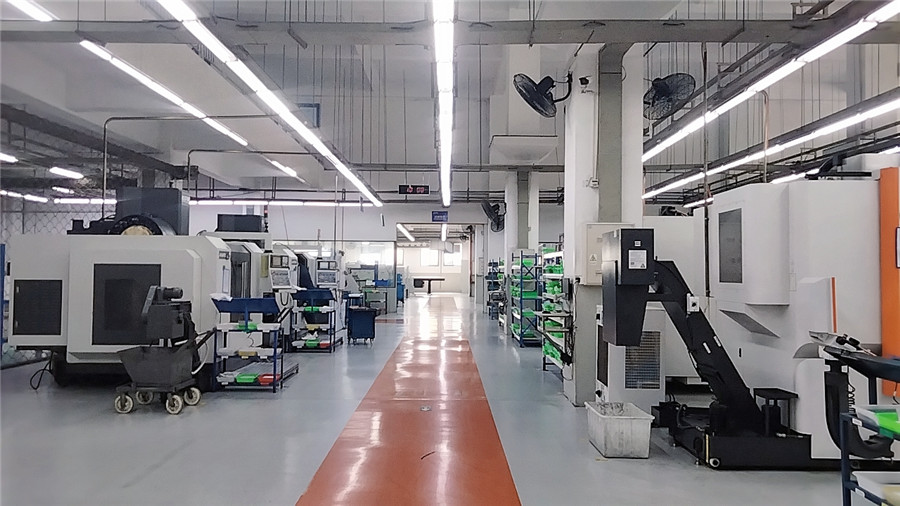
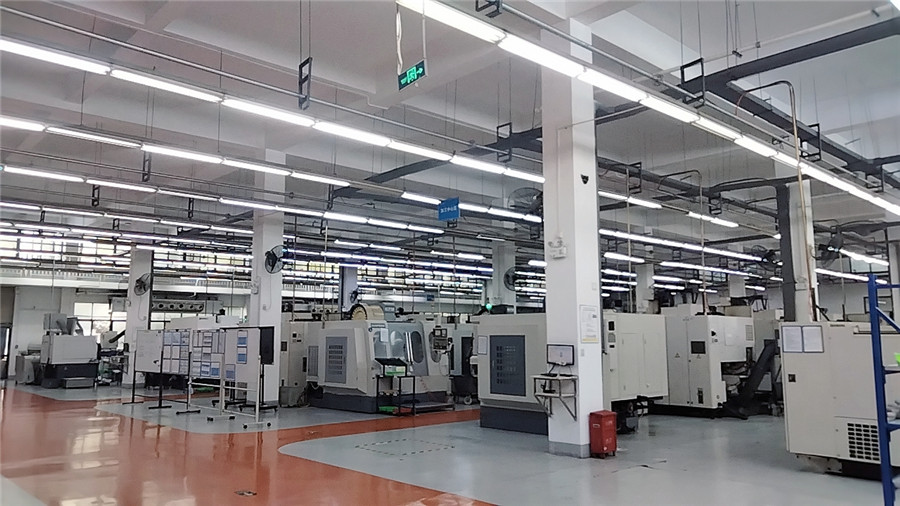
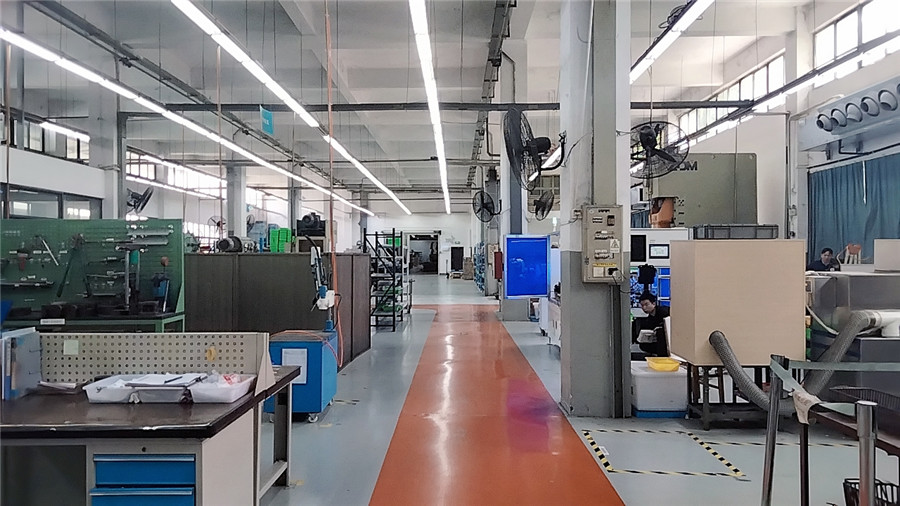
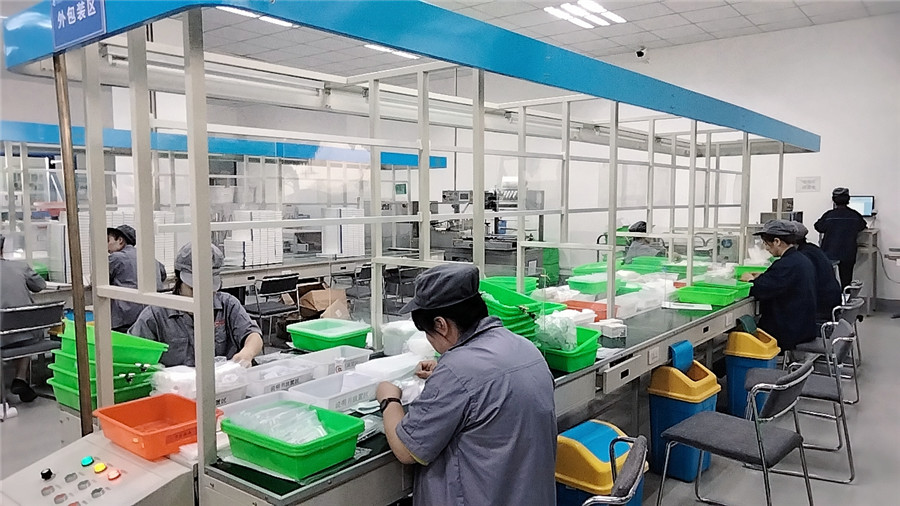
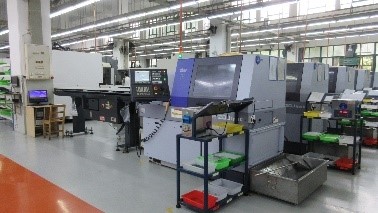
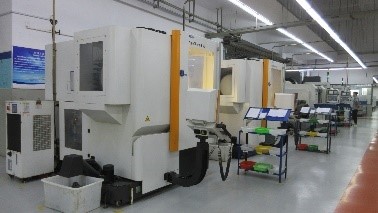
KaiSo has established a complete Quality Assurance System to continuously fulfil the requirements according to ISO9001, 13485, CE, ranging from material procurement to design development and automated production processes.
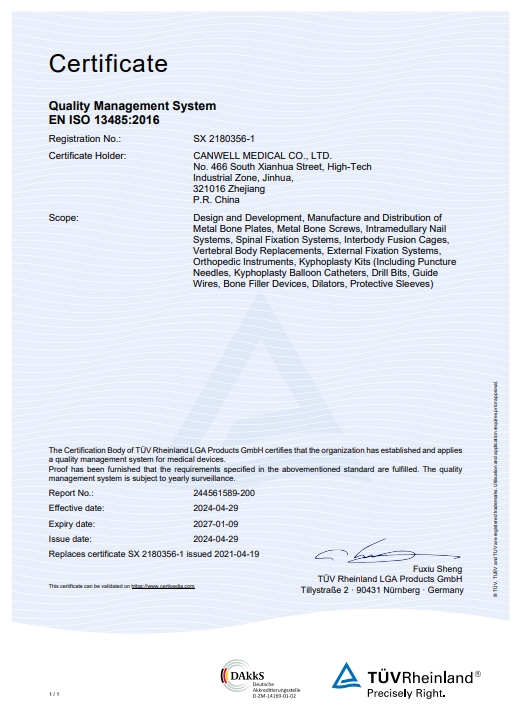 ISO13485
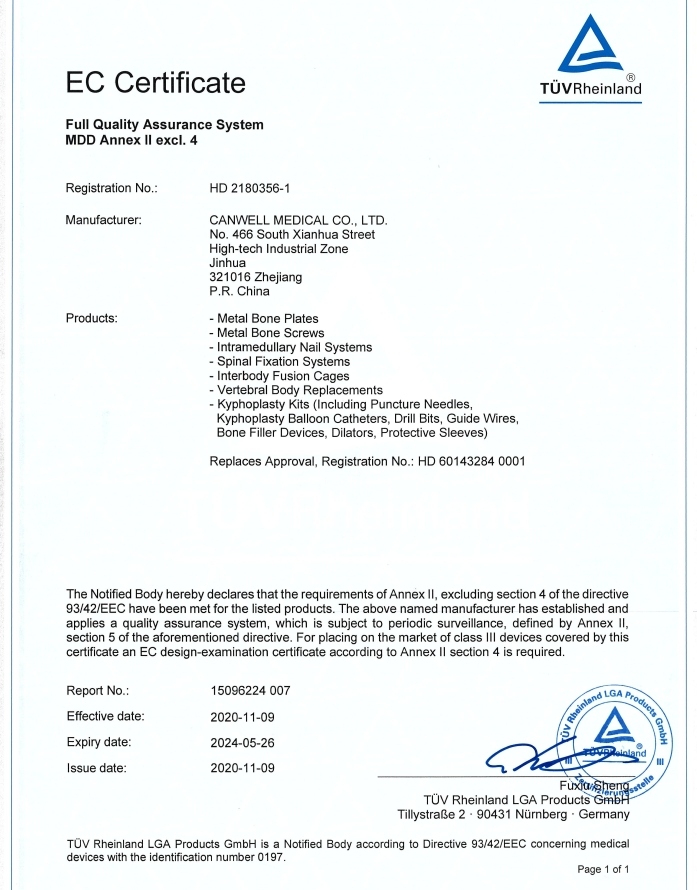 CE 93/42/EEC
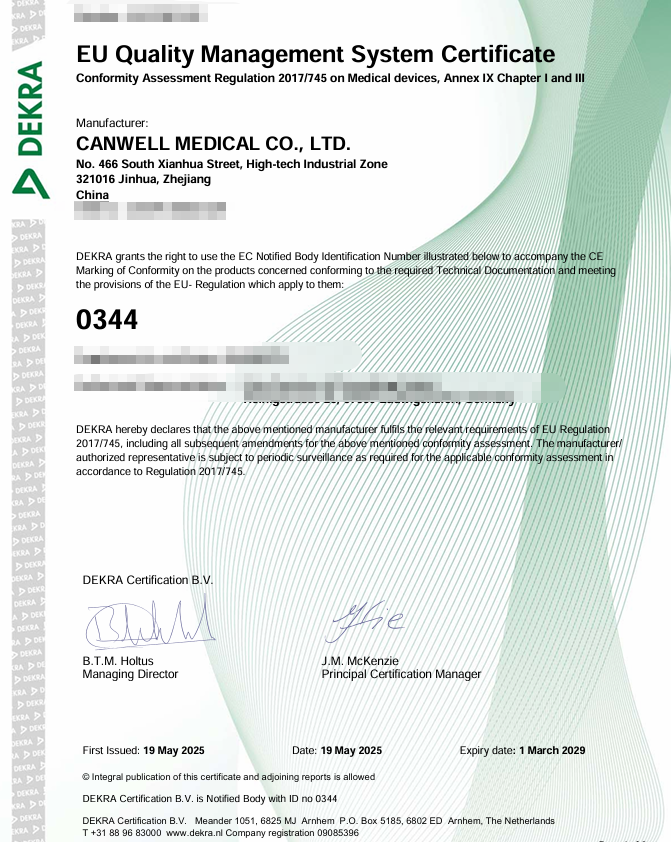 MDR Compliant
Pre-sterilized, rapid-deployment fixator kits tailored for the busy trauma centers in Quezon City and Manila.
Providing technical workshops for orthopedic residents at the University of the Philippines College of Medicine.
Graphic processing and sample processing to meet specific Philippine anatomical requirements.
Our titanium and stainless steel fixators undergo rigorous passivation and electrochemical polishing to ensure maximum corrosion resistance in high-humidity environments like Manila.
Yes, we manufacture high-quality pin-to-rod and rod-to-rod couplings that are fully compatible with standard Hoffmann systems widely used in Philippine hospitals.
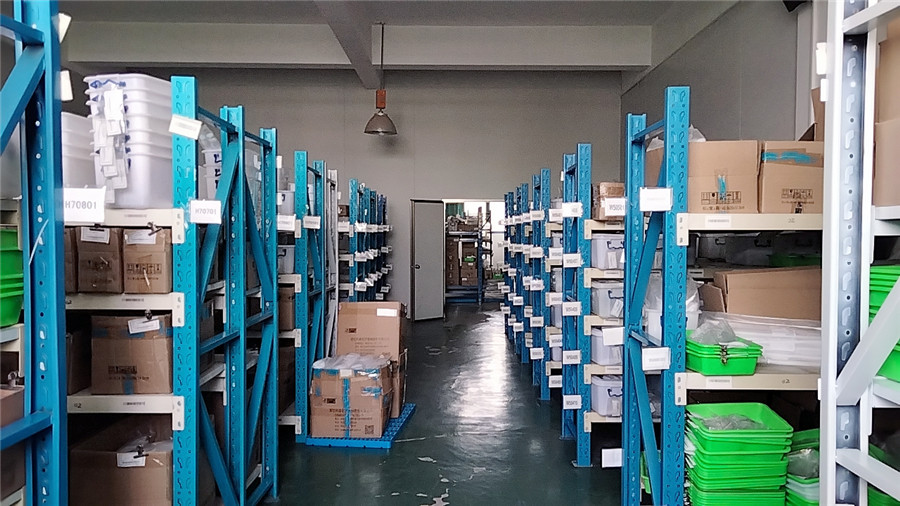
For standard external fixation systems, we maintain a robust inventory, with shipping times to the Port of Manila typically ranging from 7 to 14 business days via sea or 3-5 days via air freight.
We provide comprehensive digital manuals, video tutorials, and can arrange for onsite technical support for large-scale hospital procurement programs in the NCR.
 KaiSo Medical