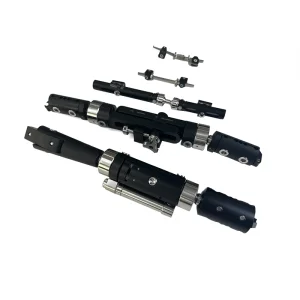
Primary clinical solutions optimized for high-energy road trauma, disaster damage control orthopedics, and elective limb reconstruction in Kathmandu healthcare centers.
As the surgical administrative epicenter of Nepal, Kathmandu handles an extraordinary volume of severe trauma cases transferred from neighboring hilly and mountainous districts. Facilities such as National Trauma Center, Bir Hospital, Tribhuvan University Teaching Hospital (TUTH), and Patan Hospital operate at the frontlines of complex orthopedic management. High-energy motorcycle crashes on challenging mountain highways, urban traffic incidents, and agricultural or construction accidents result in high incidences of open comminuted long-bone fractures, severe soft-tissue compromise, and peri-articular dislocations.
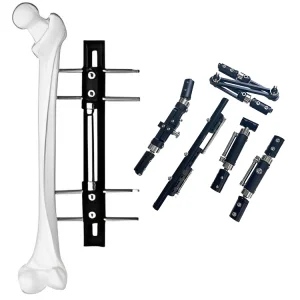
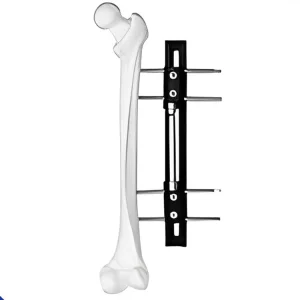
In these severe cases, immediate internal fixation (ORIF) is often contraindicated due to skin contamination, massive swelling, or systemic patient instability. High-rigidity external fixation systems serve as the critical line of defense—offering temporary bridging fixation for Damage Control Orthopedics (DCO) or definitive stabilization until bony union is achieved.
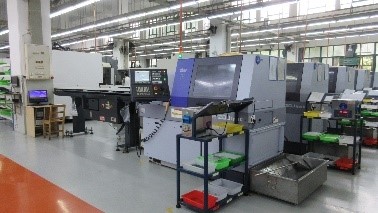
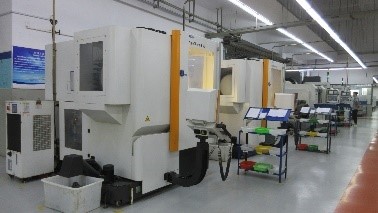
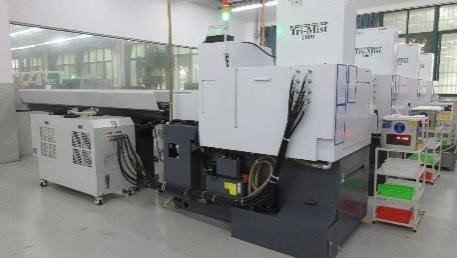
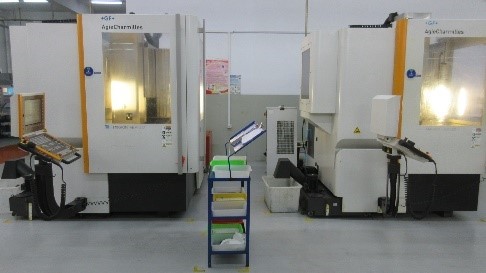
Combining high-speed Swiss 5-axis CNC machining, rigorous automated quality inspection, and direct logistics integration to support Kathmandu's medical supply continuity.
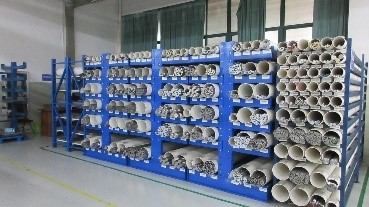
We utilize certified Grade 5 Titanium Alloy (Ti-6Al-4V ELI) according to ASTM F136 standards and high-yield 316L Stainless Steel. Materials undergo ultrasonic flaw detection and spectrographic verification to eliminate micro-inclusions that lead to fatigue failure.
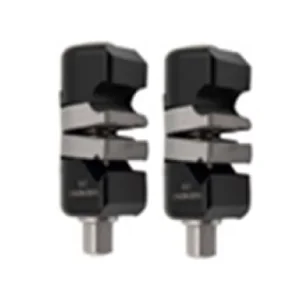
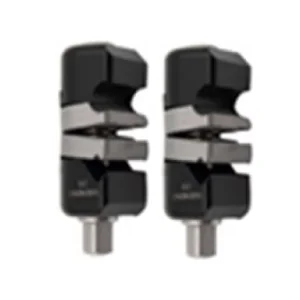
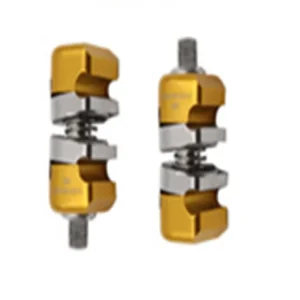
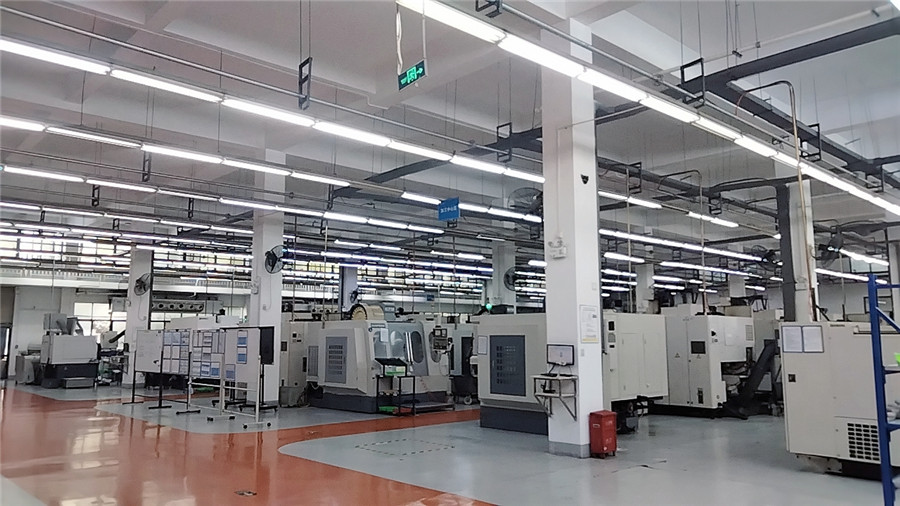
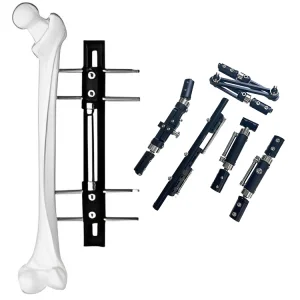
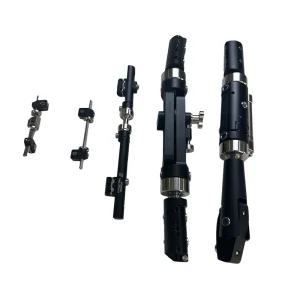
Machined on multi-axis Japanese and Swiss CNC turning centers, our Pin-to-Rod and Rod-to-Rod clamps offer ultra-precise thread pitch tolerances (±0.005mm), ensuring zero rotational slippage when tightened under high torque loads.
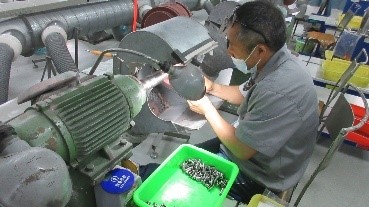
Type II electrochemical anodization provides corrosion protection during repeated autoclave cycles (up to 134°C), preserving clamp friction coefficients and visual color-coding systems across long product life cycles.
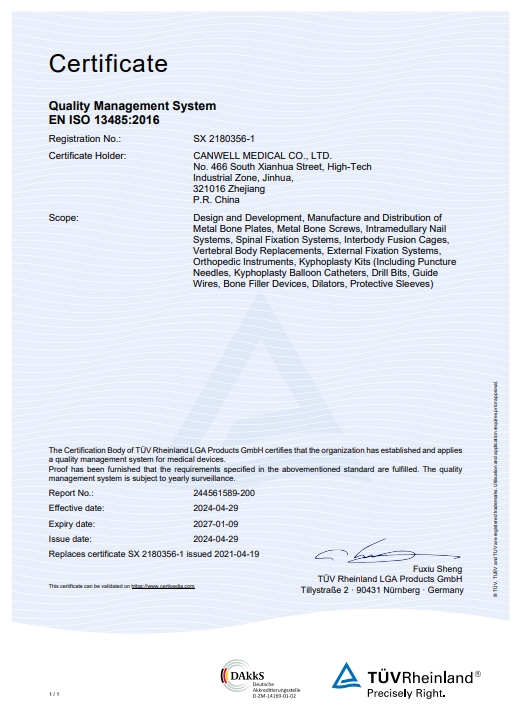
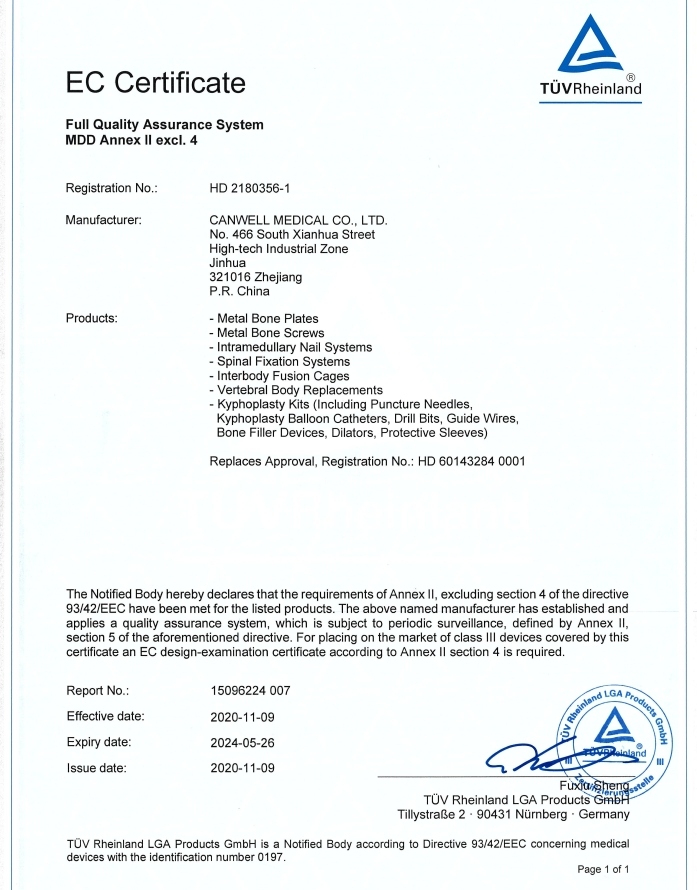
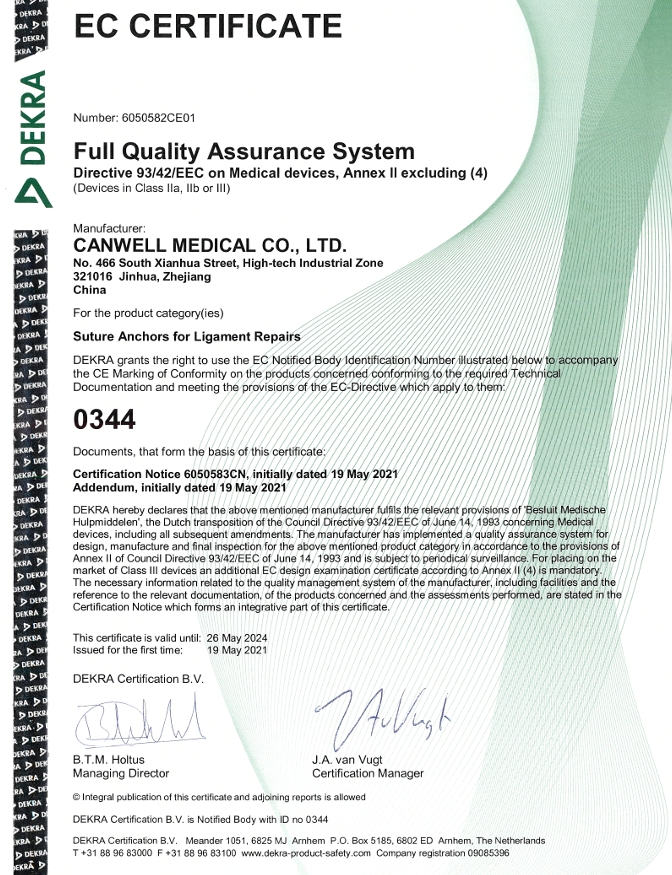
KaiSo Orthopedics operates a state-of-the-art facility backed by comprehensive international medical regulatory standards. Our quality assurance framework guarantees 100% material batch traceability for all shipments entering the Kathmandu customs corridor.
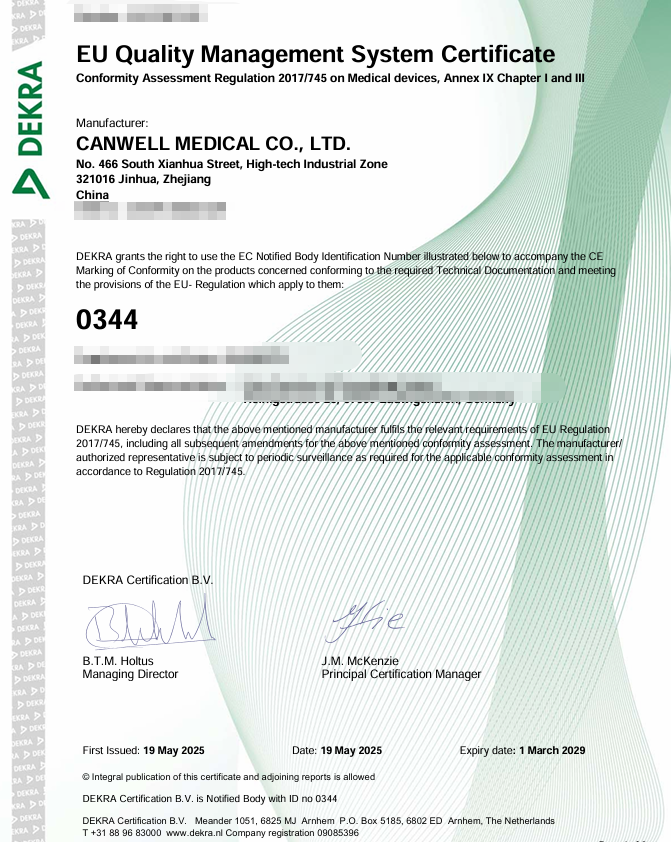
KaiSo has established a complete Quality Assurance System to continuously fulfill the requirements according to ISO9001, 13485, CE, ranging from material procurement to design development and automated production processes.


Severe Gustilo-Anderson Grade IIIB/IIIC injuries resulting from mountain road transport accidents require spanning anatomical bridging. Our modular titanium pin-to-rod systems allow dynamic adjustment during tissue debridement without compromising bony alignment.
For intra-articular distal radius fractures treated in acute trauma settings, our micro wrist joint external fixators provide ligamentotaxis distraction, preserving joint spacing while allowing immediate finger mobility.
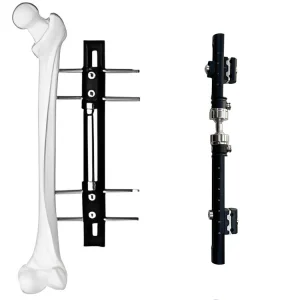
Utilizing Ilizarov distraction-osteogenesis mechanics, our specialized bone lengthening fixator sets enable precise millimeter-scale daily adjustment for congenital limb length discrepancies and post-traumatic bone defects.
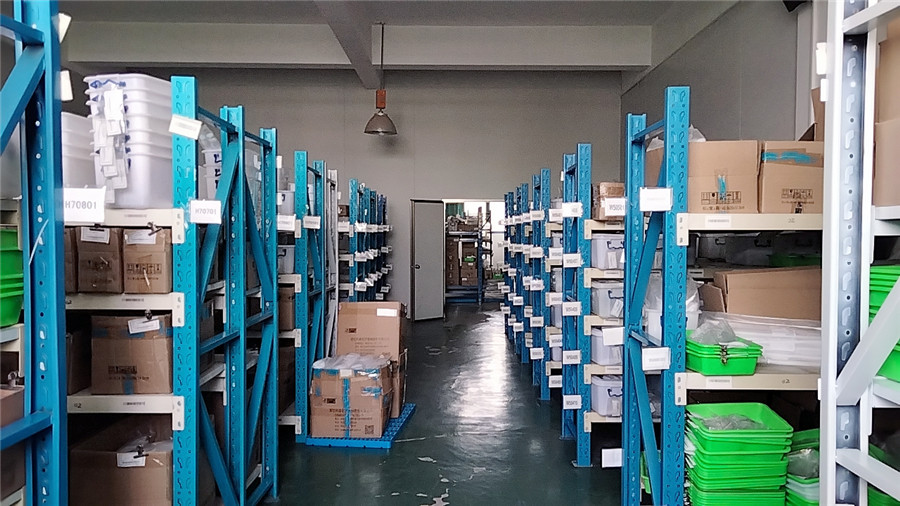
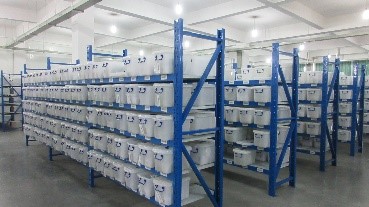
Full inventory options available for immediate export dispatch to Kathmandu importers, government tender contractors, and surgical hospital suppliers.
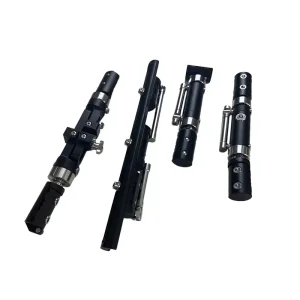
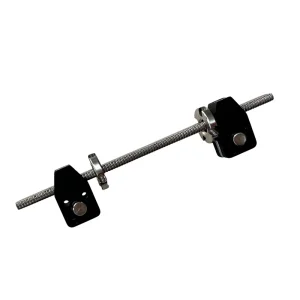
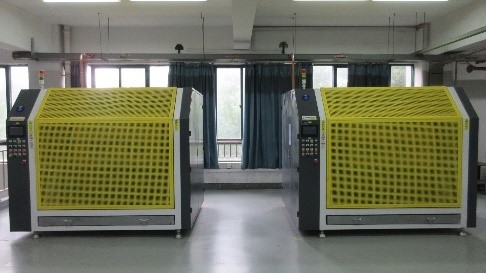
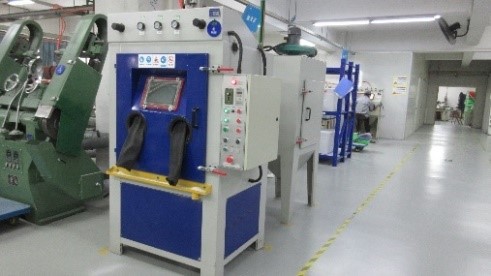
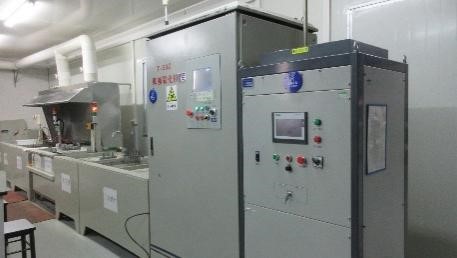
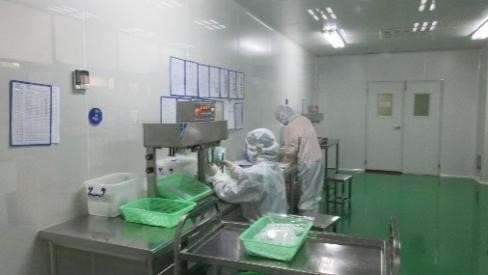
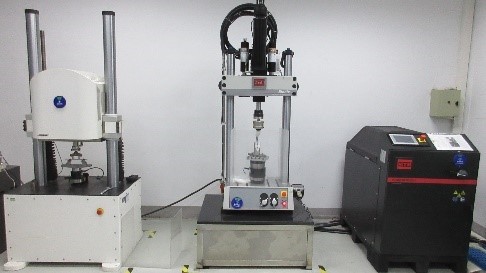
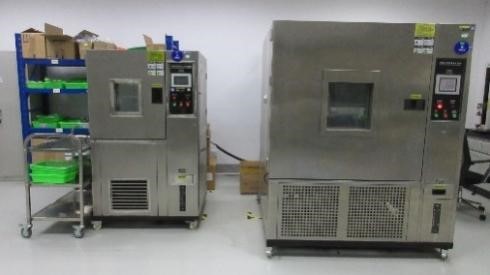
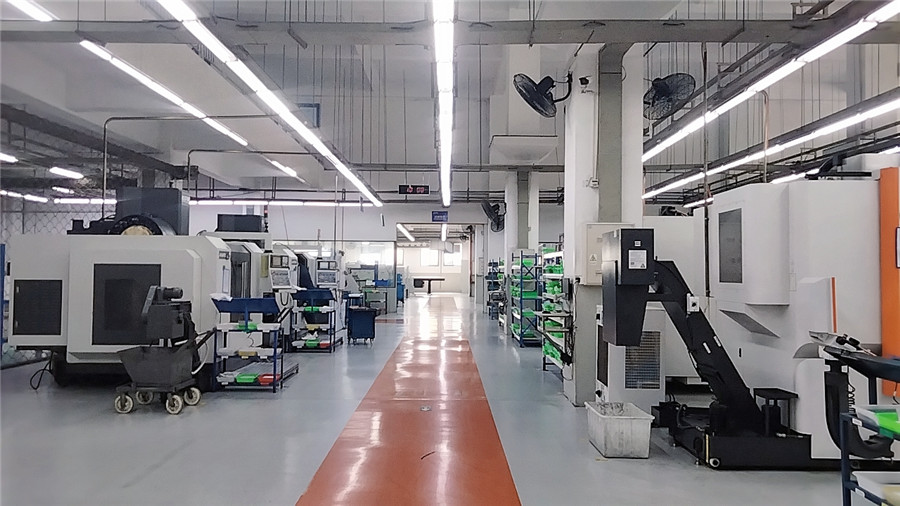
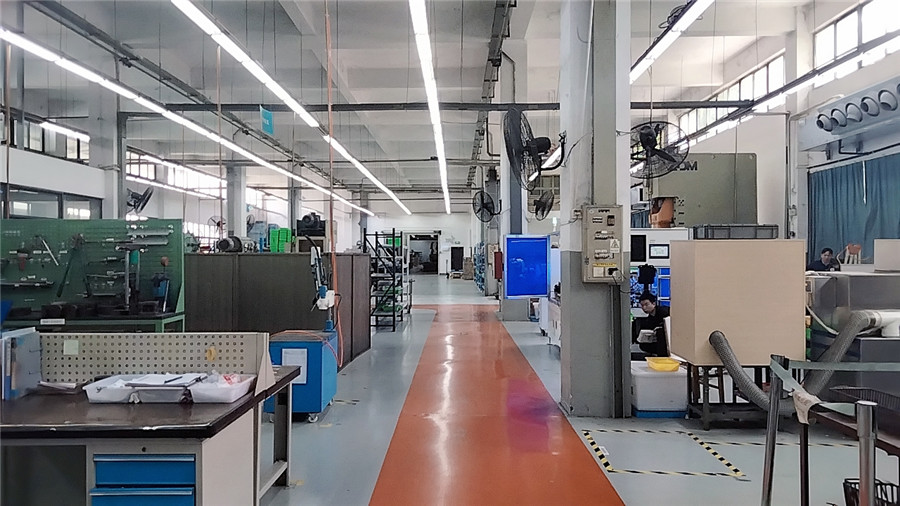
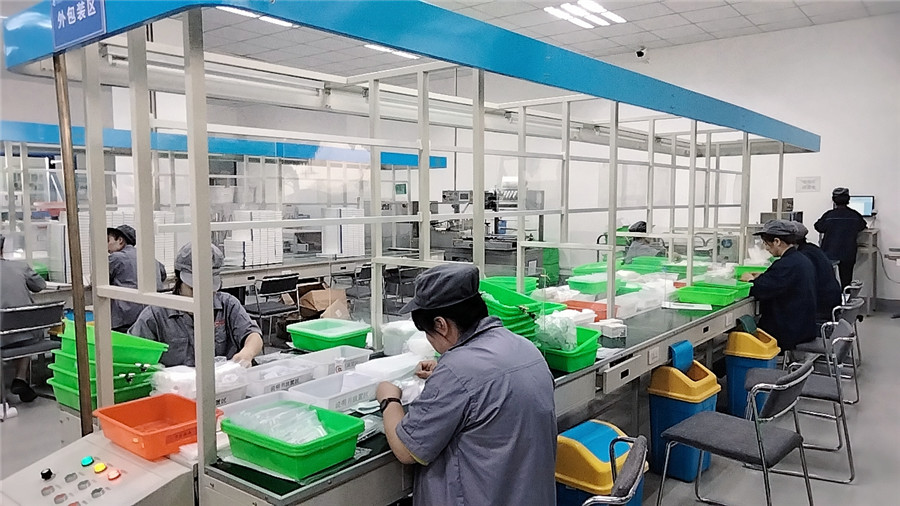
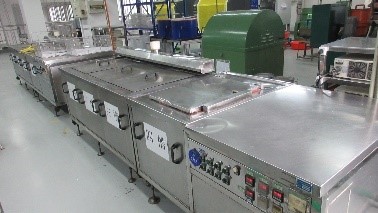
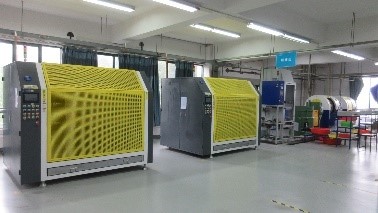
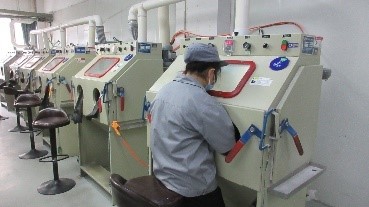
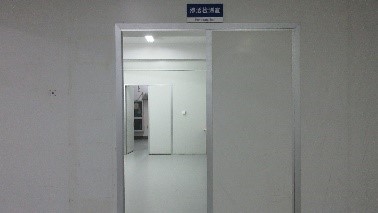
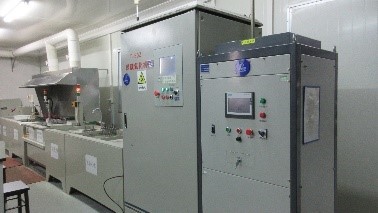
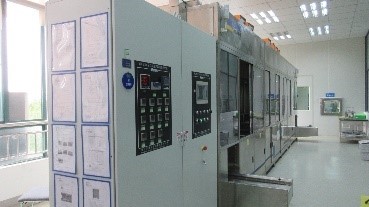
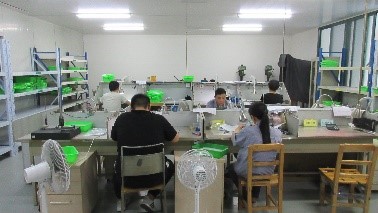
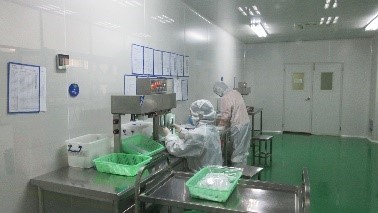
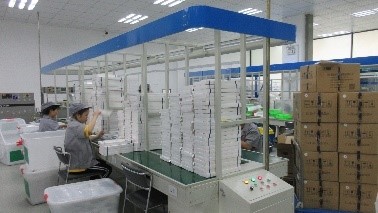
Our 29,523 square meter smart manufacturing plant incorporates automated CNC lines, Ultrasonic Washing Systems, Class 100,000 Cleanroom Packaging, and rigorous mechanical tension/torsion testing equipment.
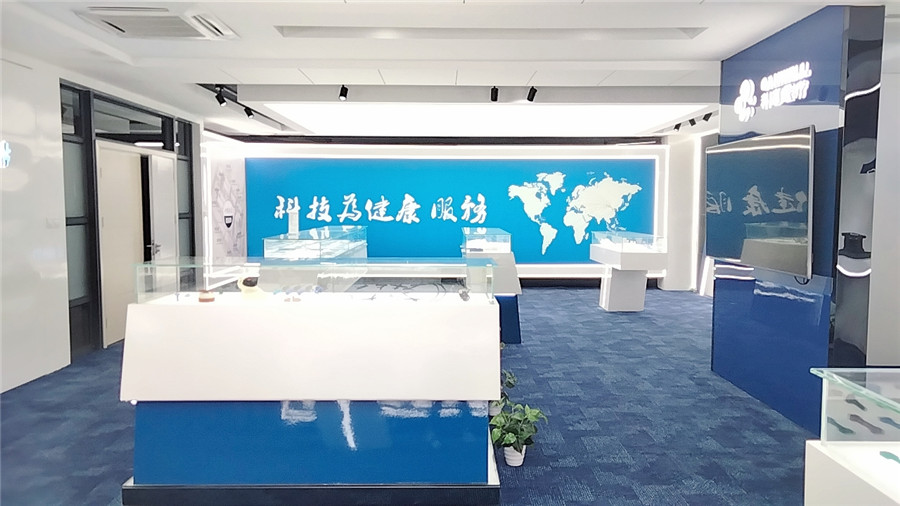
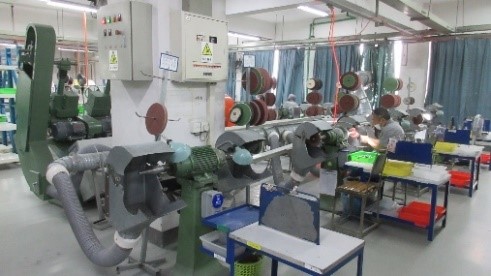
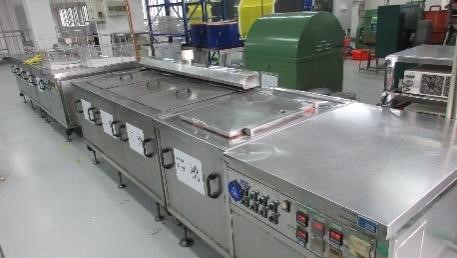
Addressing regulatory compliance, shipping logistics to Nepal, material selection, and hospital tender compatibility.
Explore our full line of Class II and Class III orthopedic external fixation components engineered for extreme durability and intra-operative versatility.
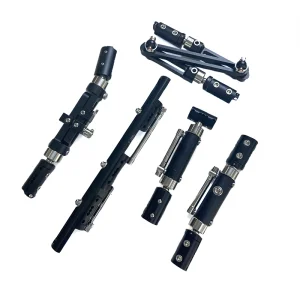
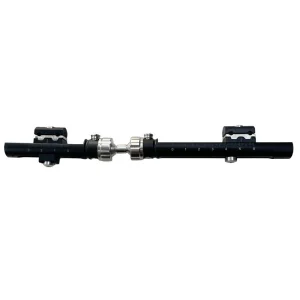
Equip Kathmandu hospitals, trauma centers, and clinical surgical teams with world-class, ISO 13485 certified external fixation devices. Get factory-direct wholesale quotes and technical spec sheets today.
 KaiSo Medical