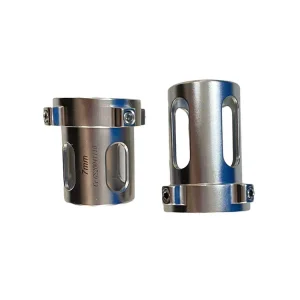
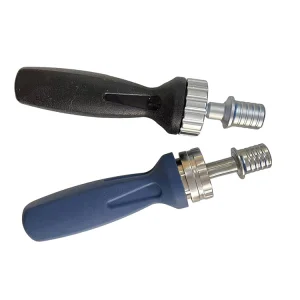
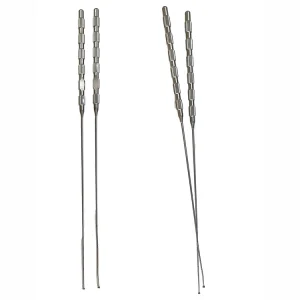
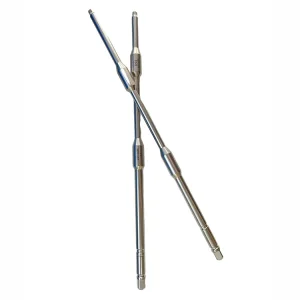
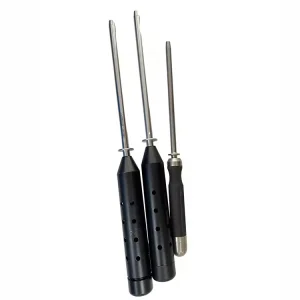
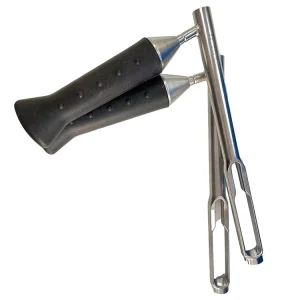
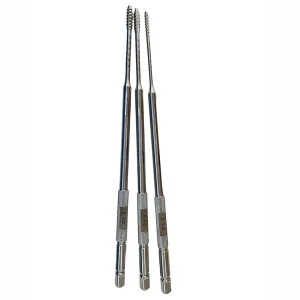
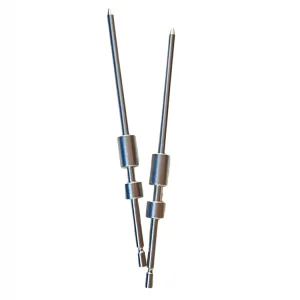
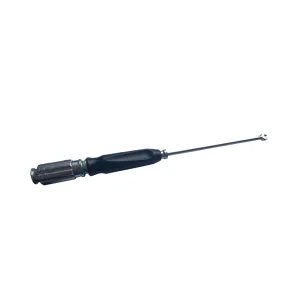
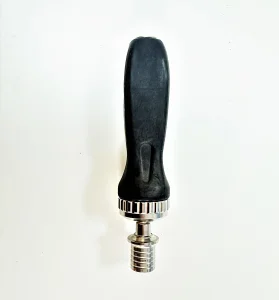
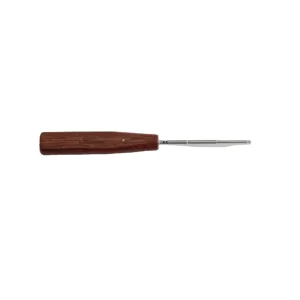
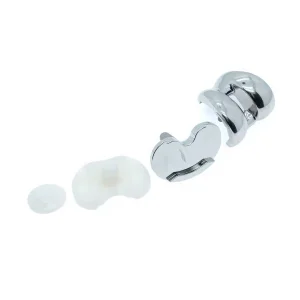
High-performance instruments optimized for scoliosis surgery and complex spinal reconstruction.
Australia's orthopedic market is witnessing a significant transformation driven by an aging population and a high prevalence of musculoskeletal conditions. With over 6.1 million Australians currently affected by these conditions, the demand for precision orthopedic accessories in cities like Sydney, Melbourne, and Brisbane has surged. The Australian Therapeutic Goods Administration (TGA) maintains rigorous standards, necessitating manufacturers to provide high-level "Information Gain" regarding biocompatibility and mechanical durability.
Local healthcare providers are increasingly seeking partners who understand the nuances of the Australian private and public hospital systems, where efficiency and surgical outcomes are paramount.
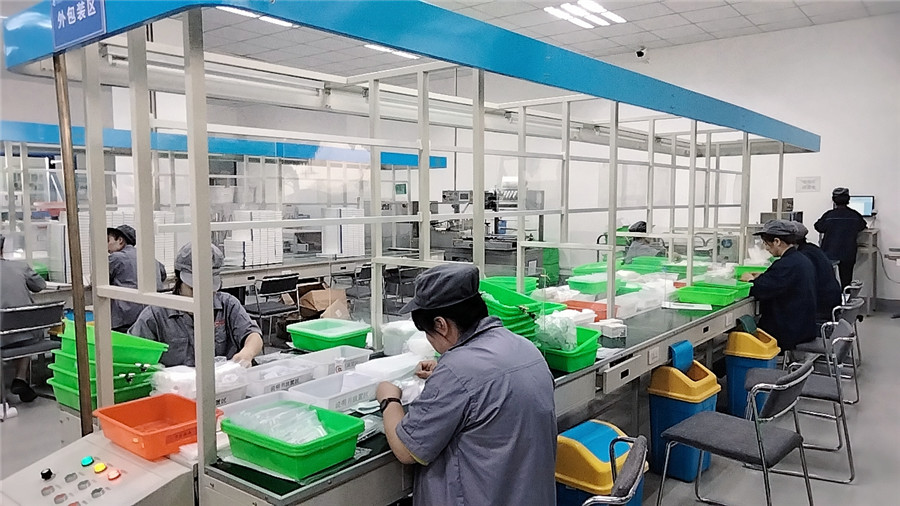
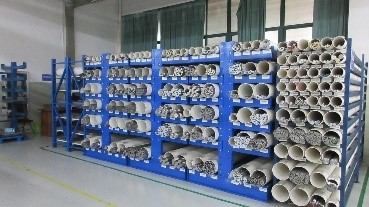
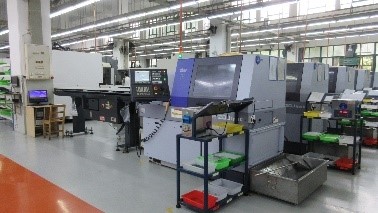
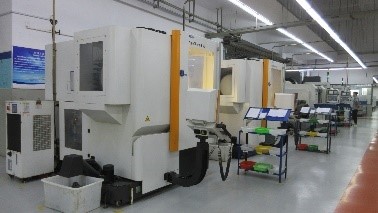
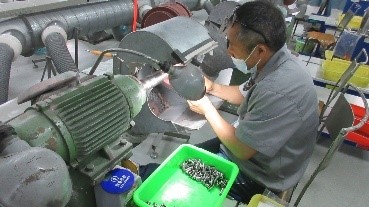
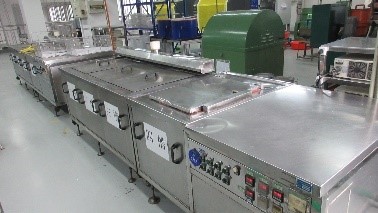
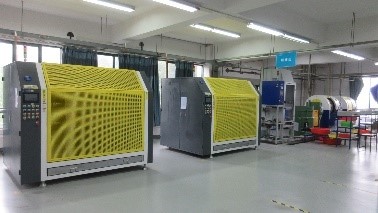
As a leading global manufacturer, KaiSo integrates Industry 4.0 principles to ensure supply chain resilience. By employing automated precision CNC machining and AI-driven quality inspection, we bridge the gap between high-volume production and customized surgical requirements. Our "Factory 4.0" approach ensures that Australian distributors receive orthopedic accessories with consistent tolerances, reducing intra-operative risks and enhancing surgeon confidence.
There is a global shift towards MIS techniques which require smaller, more precise instruments. Our R&D team focuses on developing accessories that minimize soft tissue trauma and accelerate patient recovery times in Australian clinical settings.
Utilization of Titanium Grade 5 ELI and surgical-grade PEEK materials is becoming standard. Our manufacturing processes are optimized for these high-performance alloys to ensure longevity and osseointegration.
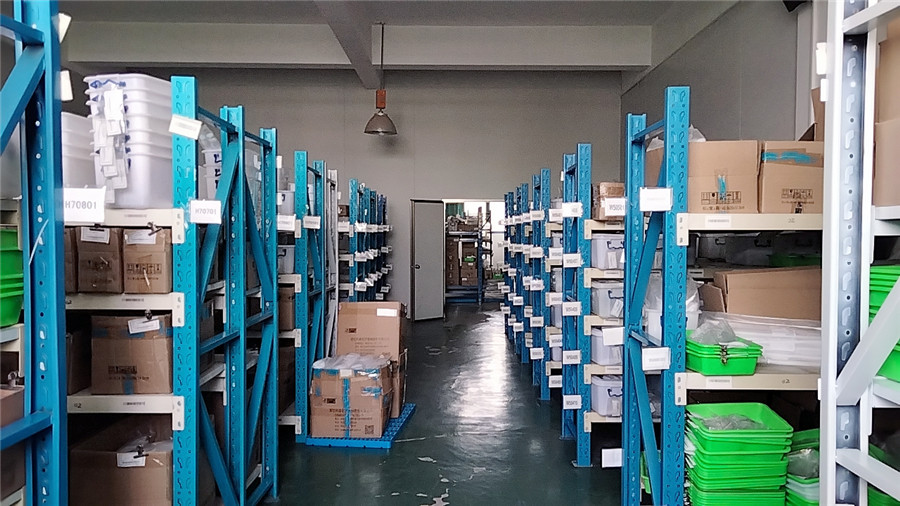
Real-time tracking and digital twins of orthopedic instruments are the future. We offer full traceability from raw material procurement to final sterilization, aligning with Australia's digital health strategy.
KaiSo has established a complete Quality Assurance System to continuously fulfil the requirements according to ISO9001, 13485, CE, ranging from material procurement to design development and automated production processes.
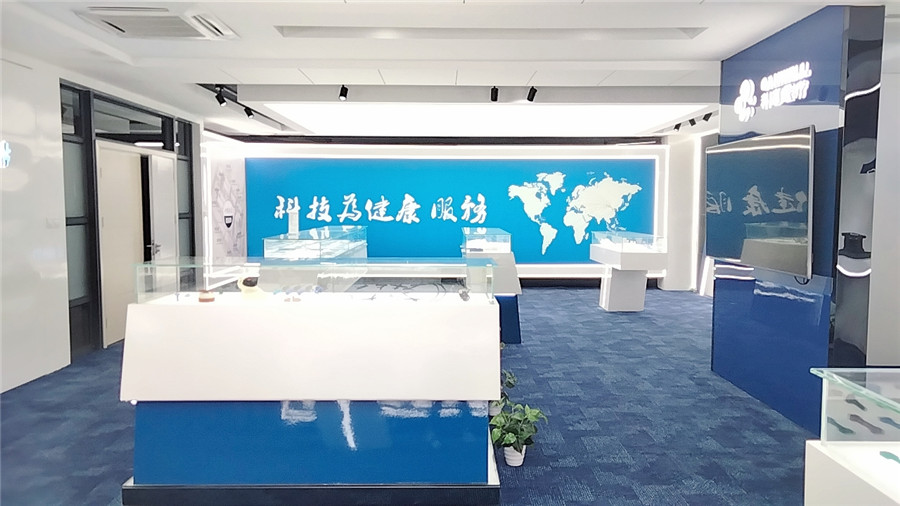
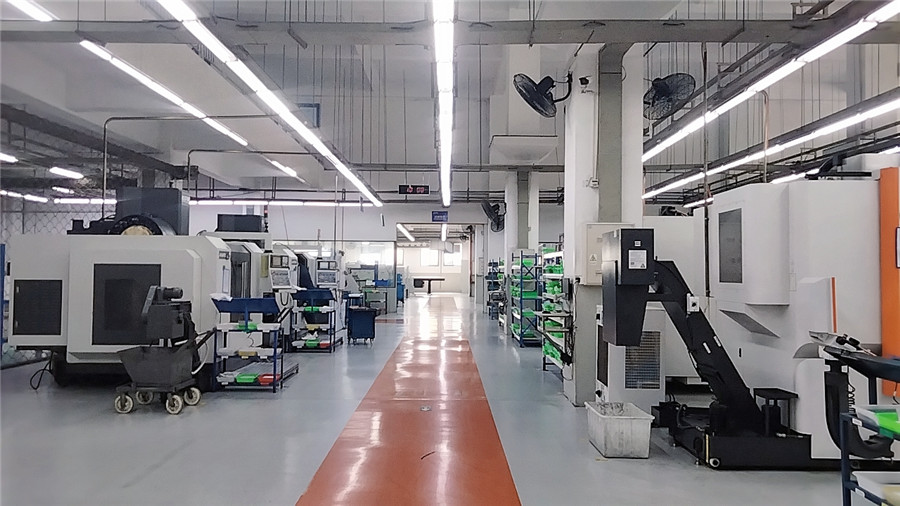
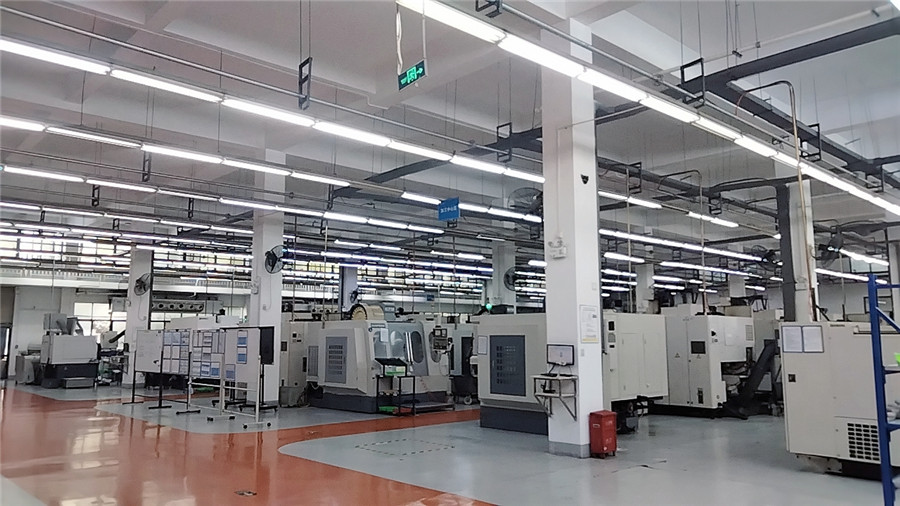
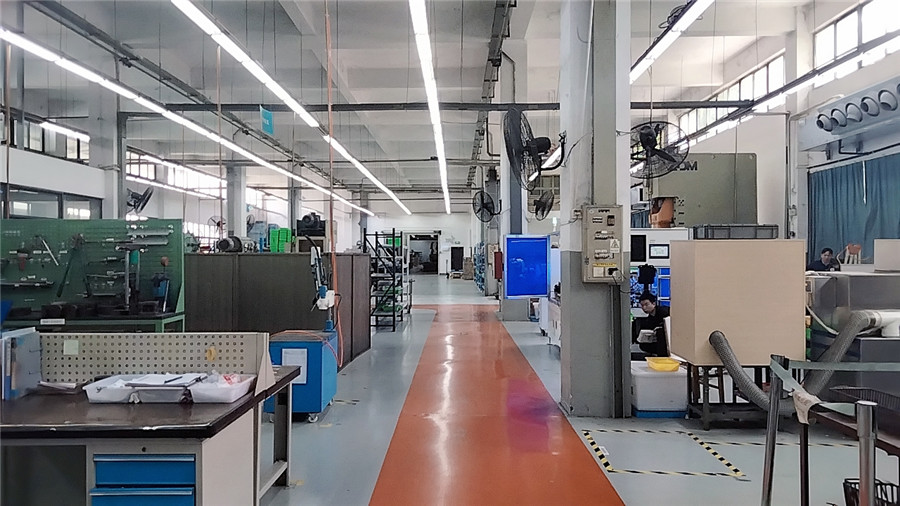
Floor space: 29,523 ㎡
Years in Industry: 22 Years
Quality Control: 69 Professional QA/QC Inspectors
R&D Staff: 59 Graduate Engineers
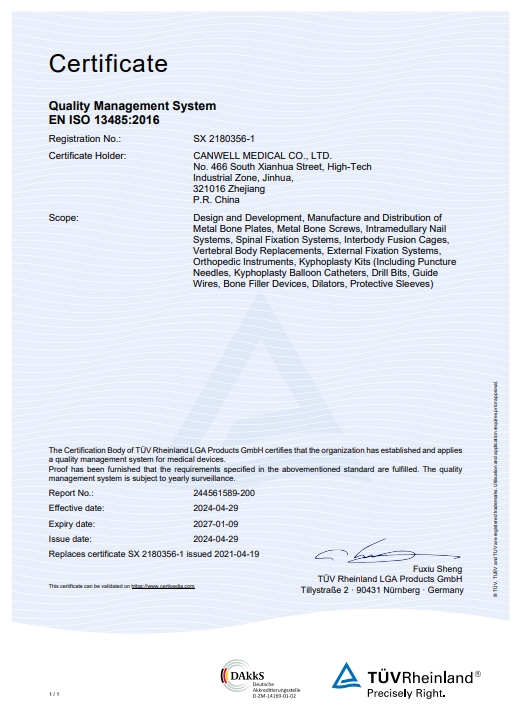
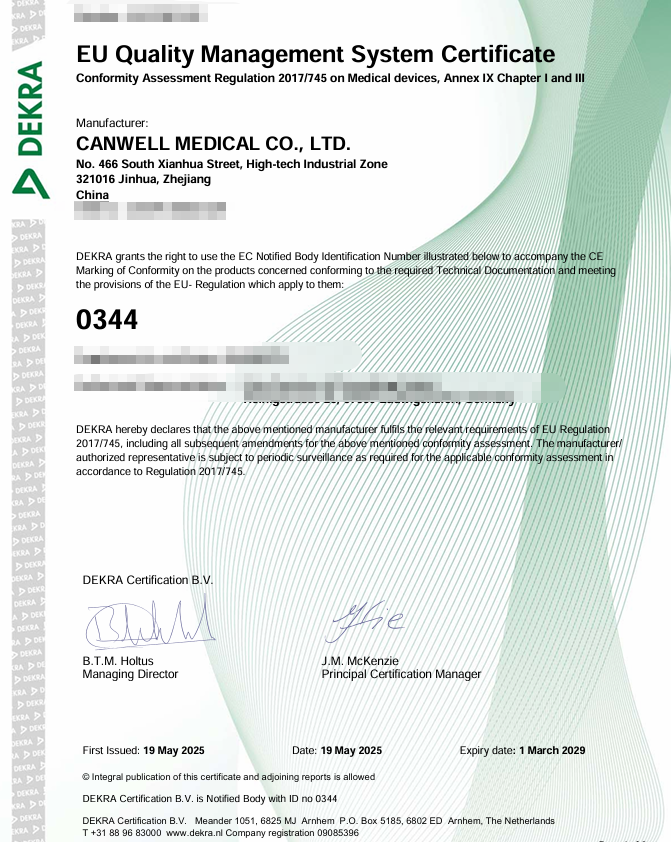
Certified for ISO13485, 93/42/EEC (CE), and MDR requirements, ensuring seamless entry into the Australian orthopedic market.
Serving specialized hospitals in Adelaide, Hobart, and Canberra with localized surgical support.
Expert insights for Australian surgical procurement managers.
 KaiSo Medical