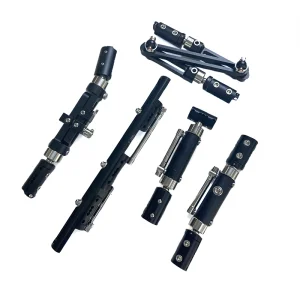
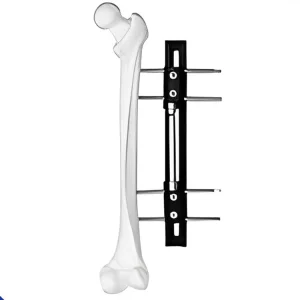
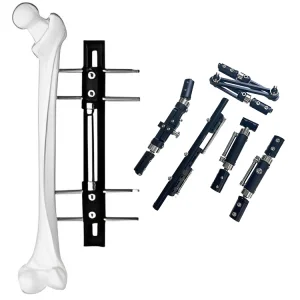
The global external fixation market is witnessing a paradigm shift from traditional static frames to dynamic, computer-assisted hexapod systems. As of 2024, the integration of bio-compatible materials like Grade 5 Titanium and Carbon Fiber has become the industry benchmark. Manufacturers are no longer just component suppliers; they are partners in the surgical workflow, providing holistic systems that minimize soft-tissue interference and maximize patient mobility.
Global trends indicate a 6.8% CAGR in the orthopedic fixation segment, driven by an aging population and the rise in high-energy trauma cases. For a Munich-based hospital, these global movements dictate the necessity for instruments that are not only durable but also compatible with advanced imaging and robotic-assisted surgical suites.
Munich stands as a central pillar of European medical excellence, anchored by world-class institutions such as the LMU Klinikum and Klinikum rechts der Isar. The "Isar Valley" medical cluster demands a level of precision that exceeds standard international requirements. In the Munich market, "Reliability" translates to MDR (Medical Device Regulation) compliance and seamless integration with existing European surgical protocols.
Local orthopedic surgeons are increasingly focusing on minimally invasive external fixation to reduce infection risks—a critical KPI for German health insurance providers. Our supply chain for Munich ensures that local trauma centers have immediate access to specialized clamps and rod systems that meet the rigorous DIN standards (Deutsches Institut für Normung).
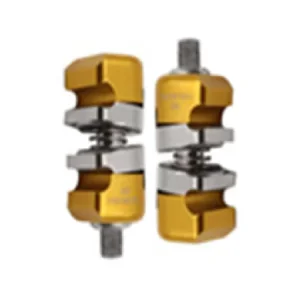
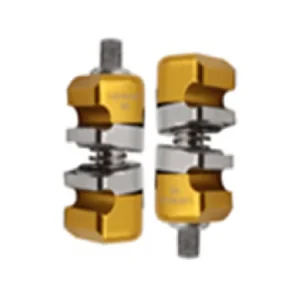
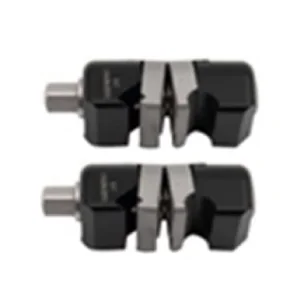
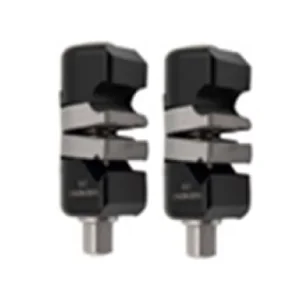
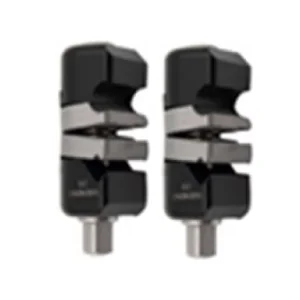
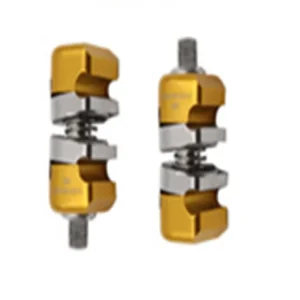
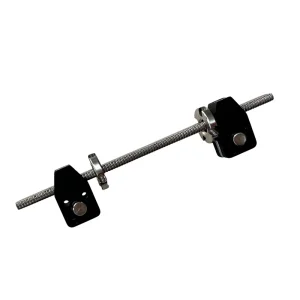
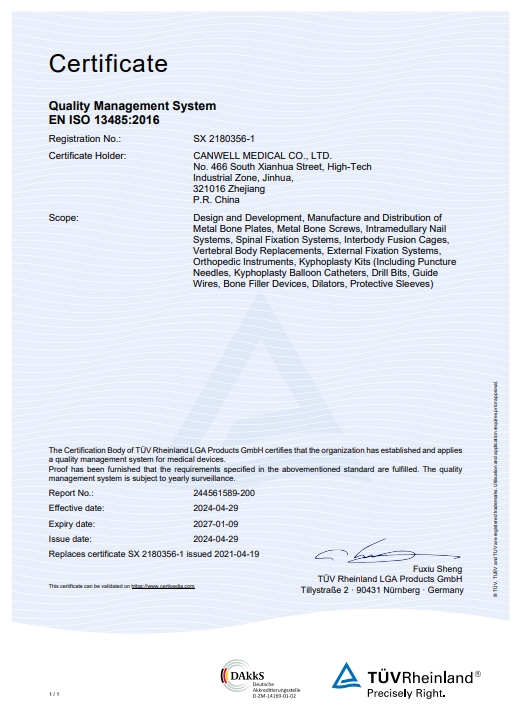
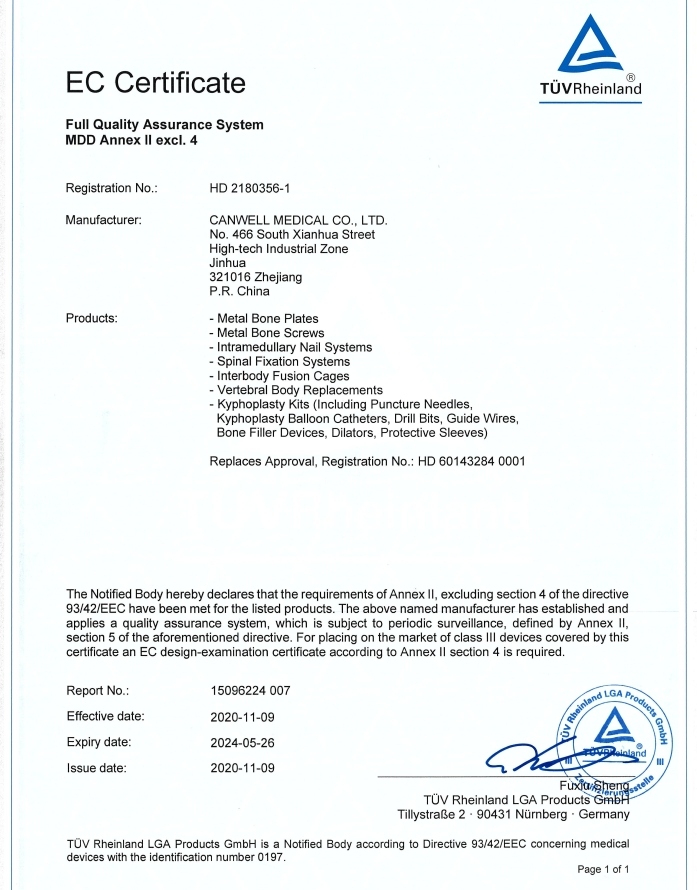
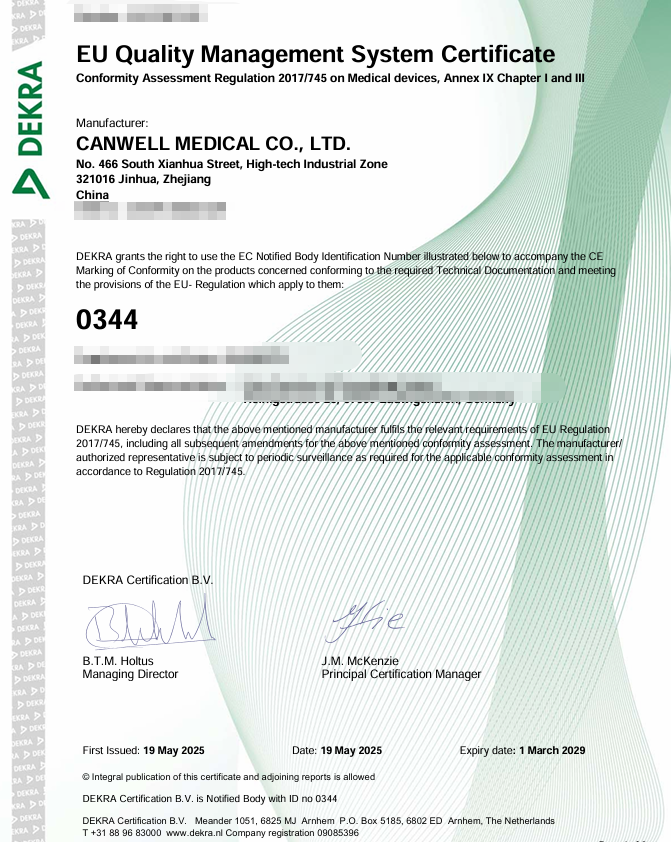
KaiSo has established a complete Quality Assurance System to continuously fulfill the requirements according to ISO9001, 13485, and CE (93/42/EEC & MDR). Our production line spans from raw material procurement to automated CNC processing, ensuring every Rod-to-Rod coupling and Orthopedic clamp offers micron-level precision.
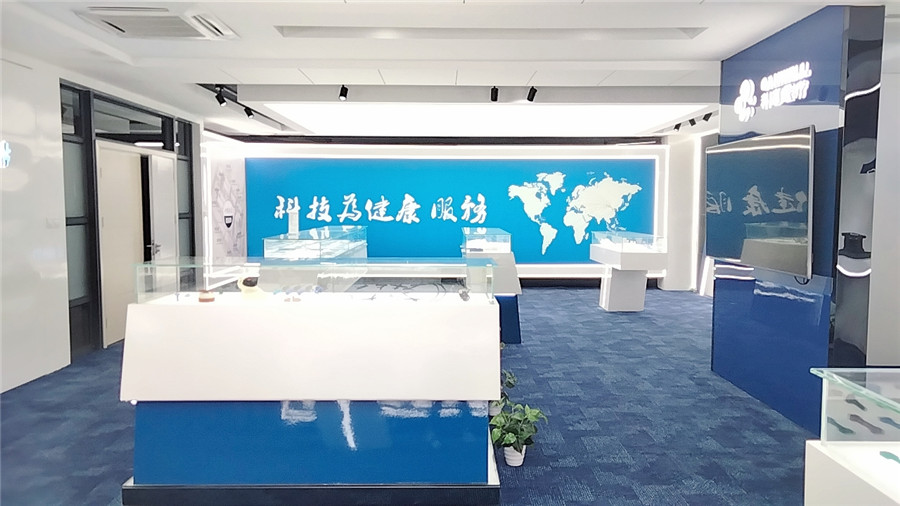
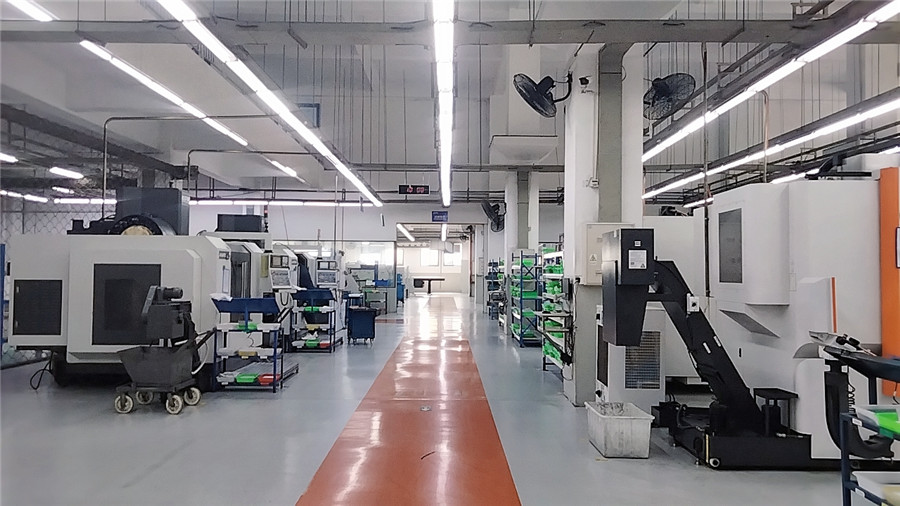
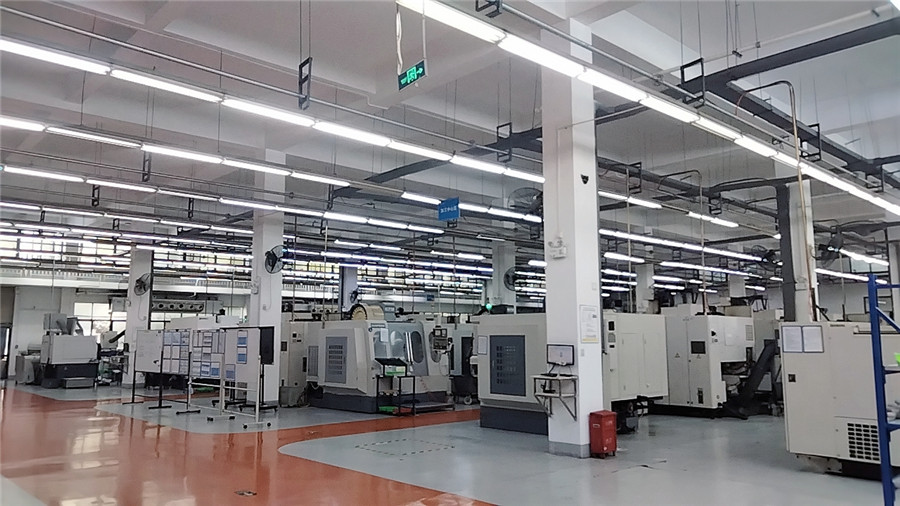
Our quality control is not just reactive; it is proactive. With 69 dedicated inspectors, we conduct 100% inspection on Class III implants, utilizing spectroscopic analysis to verify the titanium alloy composition before a single cut is made.
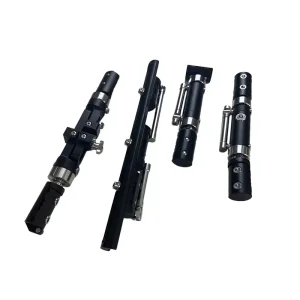
In high-speed accidents on the A8 or A9 autobahns, our rapid-assembly Hoffmann-style systems allow Munich emergency teams to stabilize femoral and tibial fractures in under 15 minutes.
Utilizing our micro-external fixators for precise limb lengthening procedures at Munich’s specialized pediatric orthopedic wards, ensuring minimal scarring and maximum growth potential.
Providing low-profile wrist and ankle fixators for Munich’s aging demographic, prioritizing immediate weight-bearing and reduced hospital stay duration.
A: Yes, we are actively transitioning all our certifications to the MDR 2017/745 standards. Our current products hold valid CE 93/42/EEC certificates which are recognized throughout the Munich healthcare system during the transition period.
A: For standard components like Rod-to-Rod couplings and pin clamps, we maintain a safety stock that allows for delivery within 7-10 business days to Munich-based distributors.
A: Absolutely. With 59 R&D engineers, we offer "Light Customization" and "Customized on Demand" services based on specific surgical requirements or anatomical challenges presented by Munich’s leading surgeons.
 KaiSo Medical