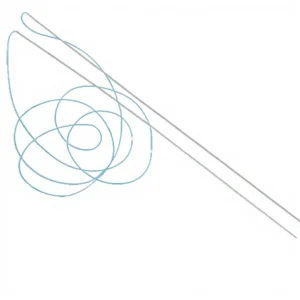
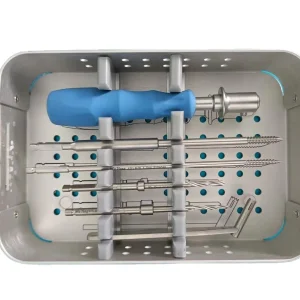
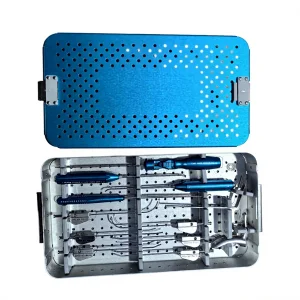
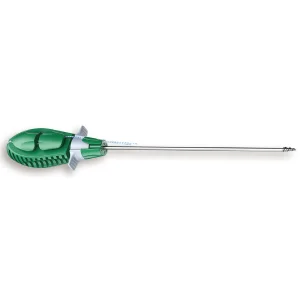
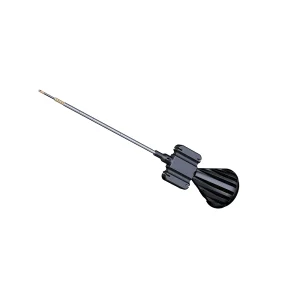
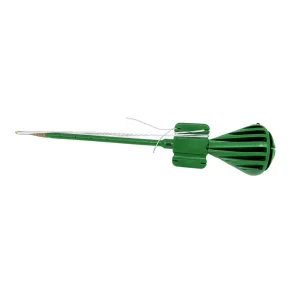
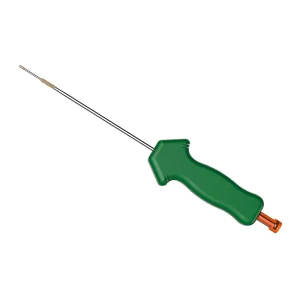
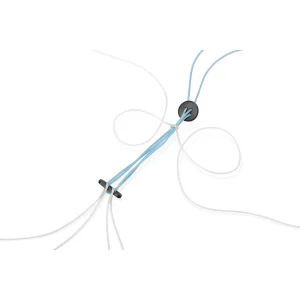
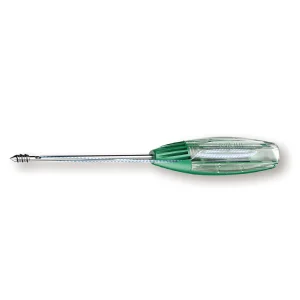
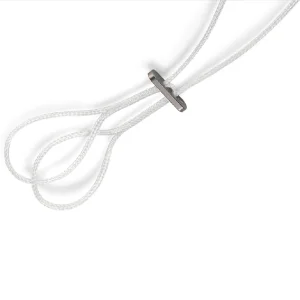
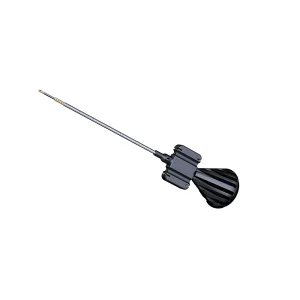
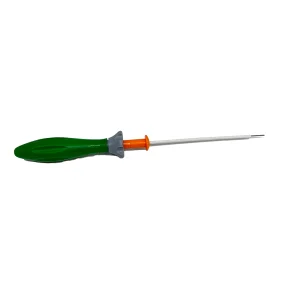
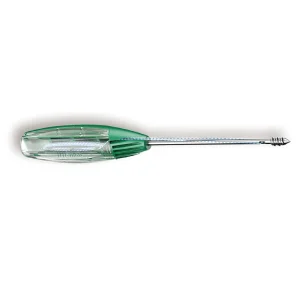
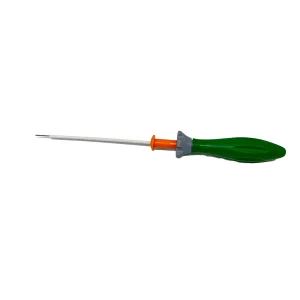
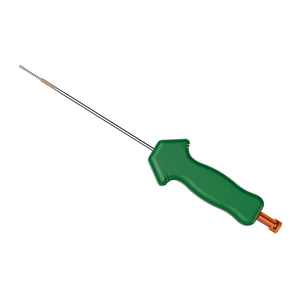
Engineered for immediate arthroscopic applications across Australian sports clinics and public healthcare departments.
The Australian Capital Territory (ACT), with Canberra at its core, presents a highly specialized clinical landscape. As Australia's capital, Canberra boasts the nation’s highest per capita participation in high-impact recreational activities, including rugby league, AFL, cycling, and mountain biking. Additionally, the presence of the Australian Institute of Sport (AIS) in Bruce establishes the region as a hotbed for elite athletic training and sports science research. Consequently, local medical facilities—ranging from public entities like Canberra Hospital and Calvary Public Hospital Bruce to premier private centers such as the National Capital Private Hospital—require access to cutting-edge orthopedic and sports medicine implants.
Clinical Insight: Soft tissue injuries, particularly Anterior Cruciate Ligament (ACL) ruptures, meniscus tears, and Anterior Talofibular Ligament (ATFL) damage, form the bulk of orthopedic surgeries in Canberra. The local healthcare market relies heavily on imports that meet both strict Australian Therapeutic Goods Administration (TGA) standards and the surgical preferences of elite-level orthopedic specialists.
Canberra's medical supply chain has traditionally depended on overseas multinational manufacturers. However, the paradigm is shifting toward strategic OEM/ODM partnerships. High-performance clinics demand direct communication with manufacturers to optimize implant sizing, tensile profiles, and insertion tool ergonomics. This localized commercial landscape requires orthopedic sports medicine manufacturers to provide high agility, responsive sterilization options, and certified compliance guarantees.
Large-scale medical procurement networks across Australia, Europe, and South America face complex regulatory and structural pressures. Procurement managers prioritize structural stability, bio-absorbability index conformity, and seamless instrument compatibility. The demand for Knotless PEEK (Polyetheretherketone) and Biocomposite suture anchors has surged due to their excellent radiological clarity, reducing artifacts under MRI and X-ray during post-operative patient tracking.
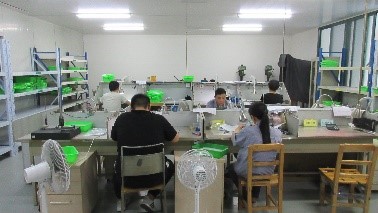
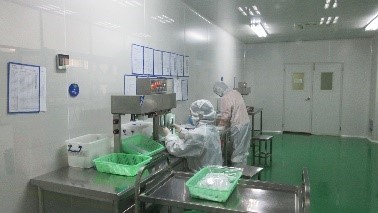
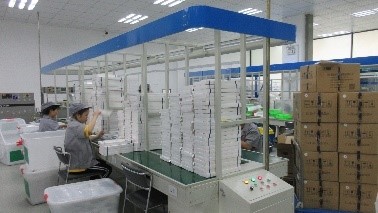
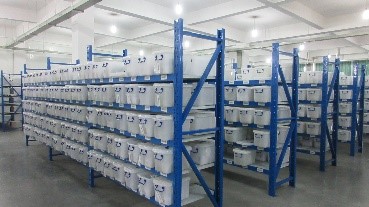
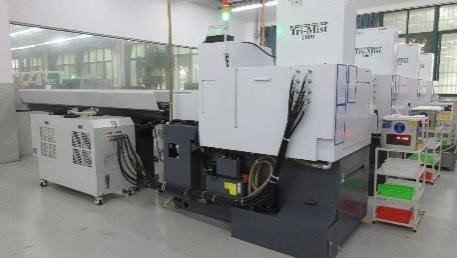
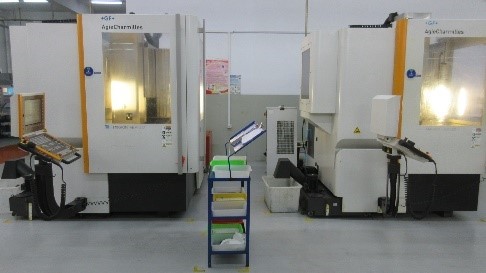
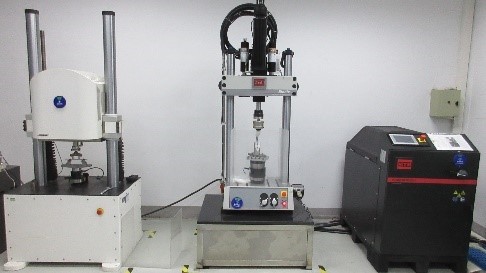
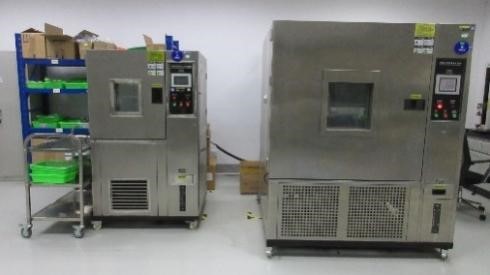
KaiSo has established a robust Quality Assurance System to fulfill the stringent requirements of ISO9001, ISO13485, CE, and MDR directives, spanning from raw material procurement to automated cleanroom production lines. The company's production environment utilizes high-precision CNC machining centers, automated injection moulding, and comprehensive mechanical testing protocols to guarantee consistent pull-out strength and torque limits on all sports medicine hardware.
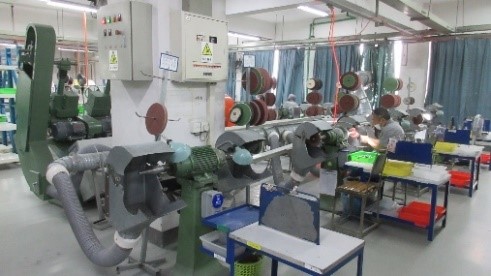
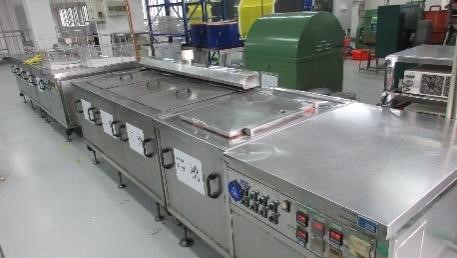
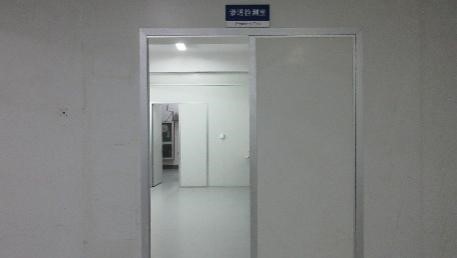
Authorized manufacturing visual log validating cleanroom operations and strict compliance pipelines.
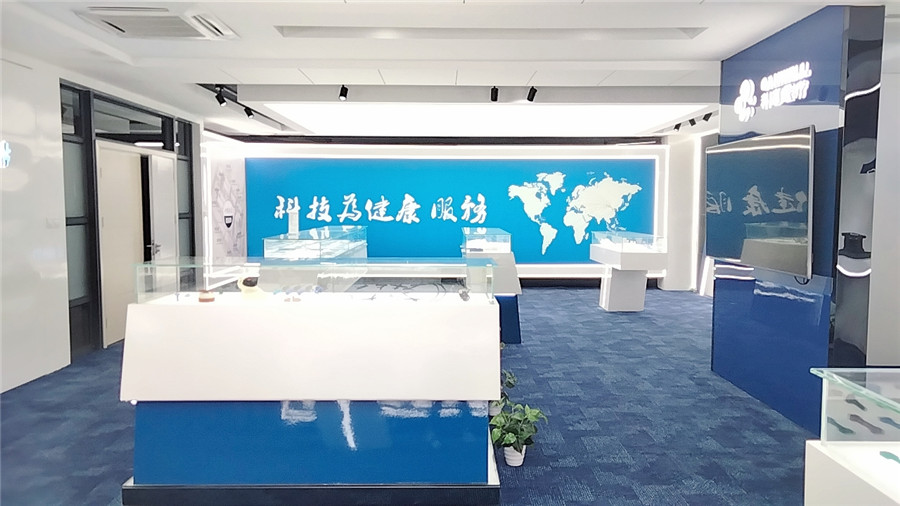
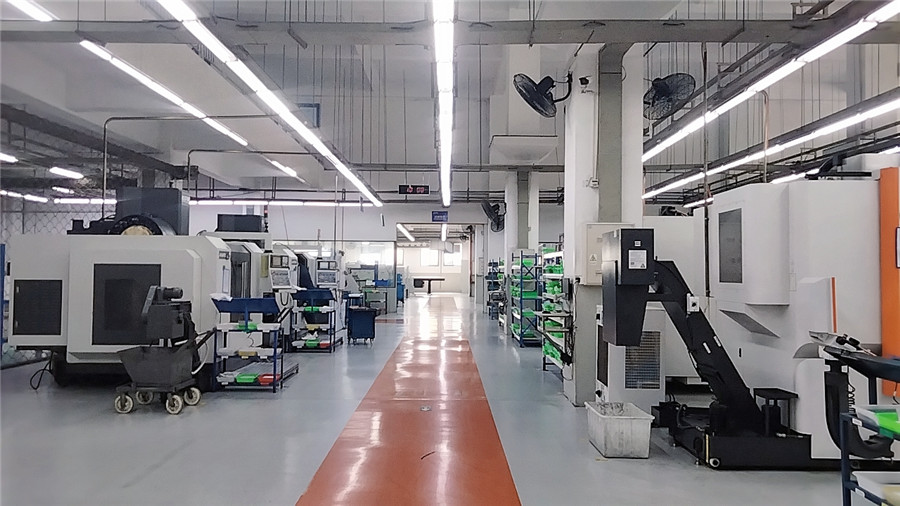
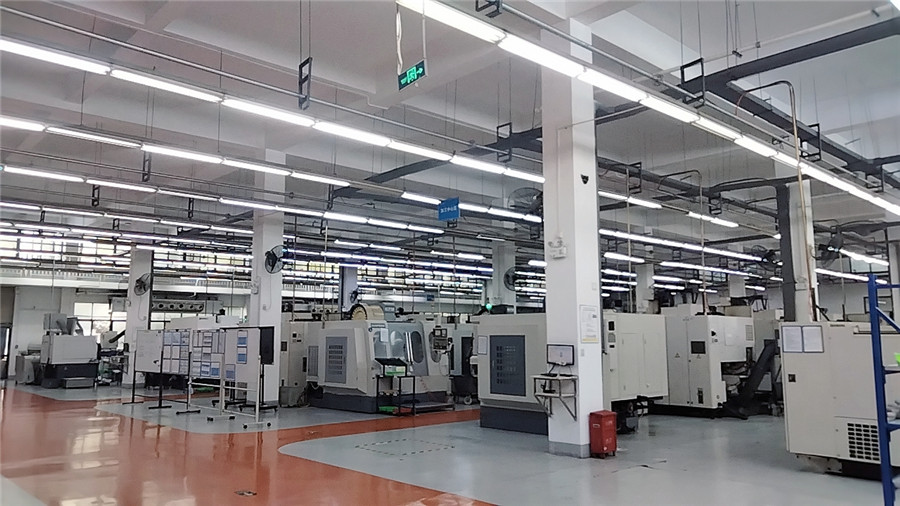
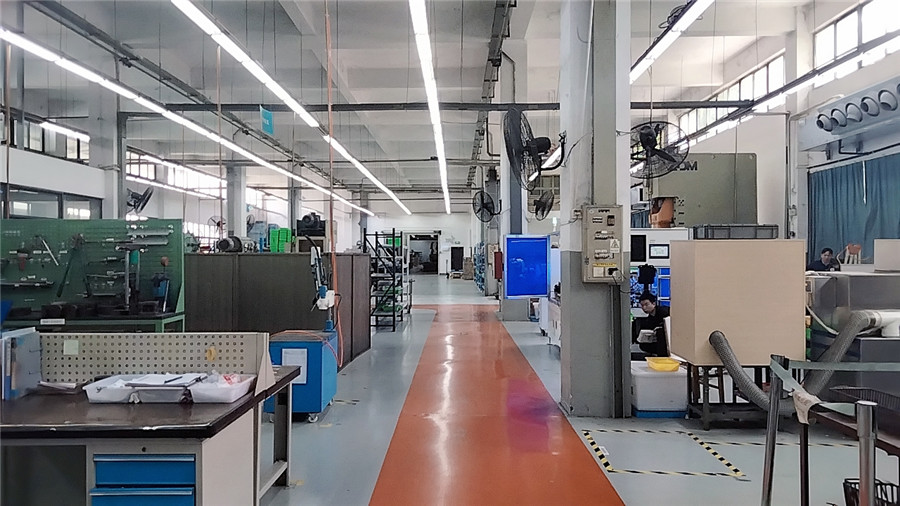
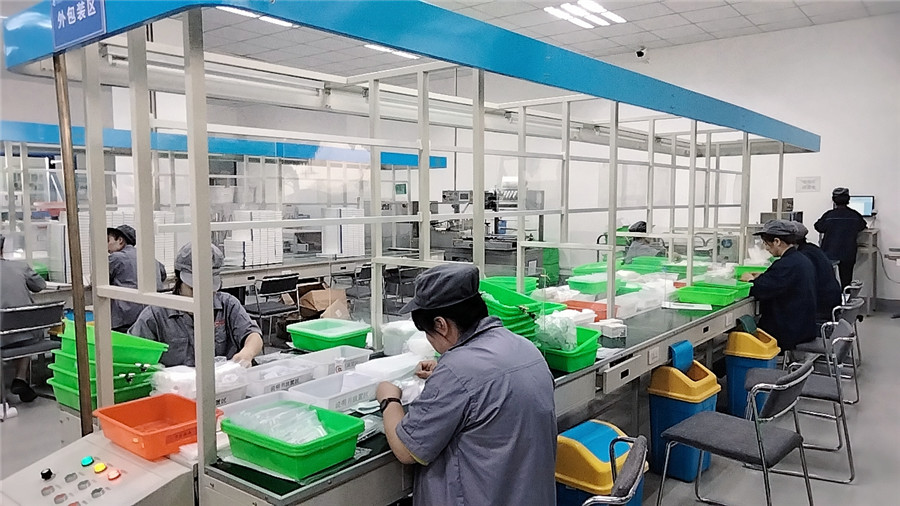
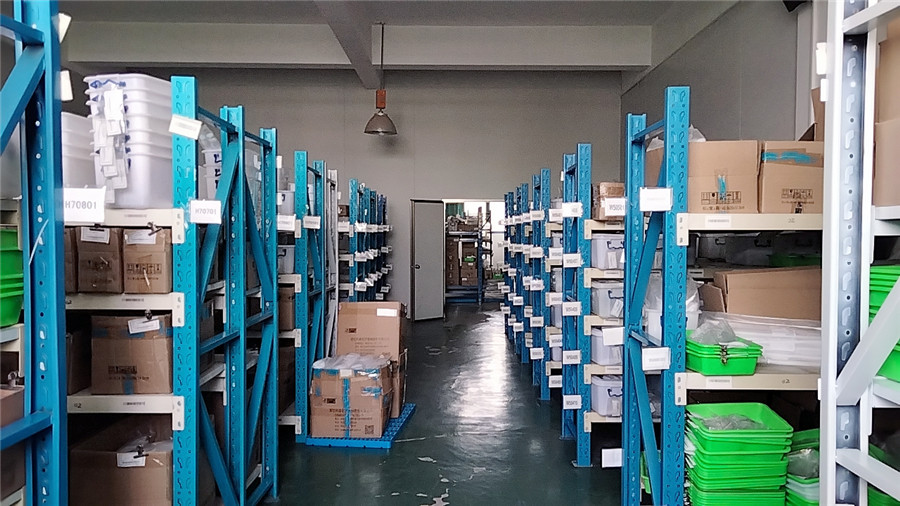
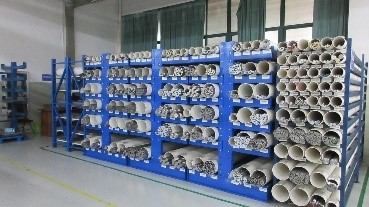
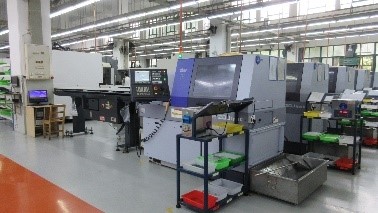
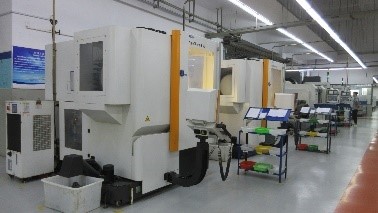
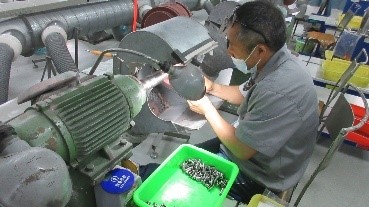
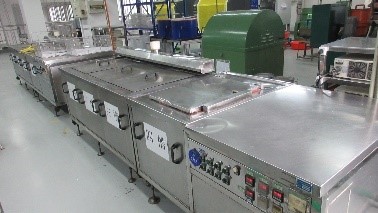
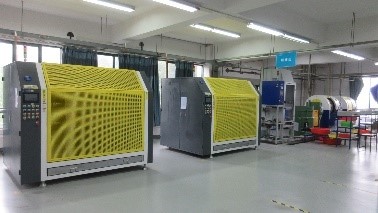
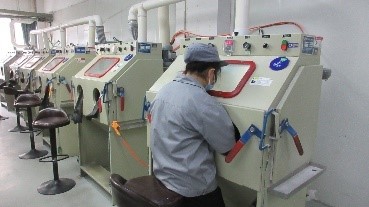
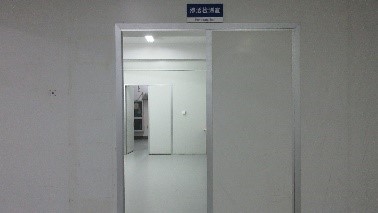
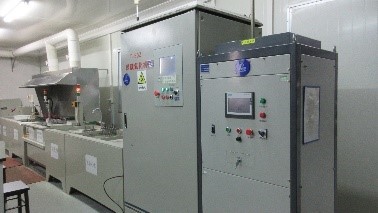
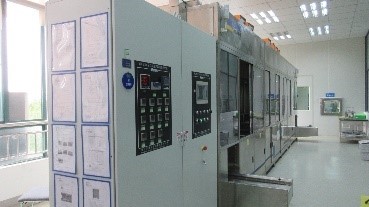
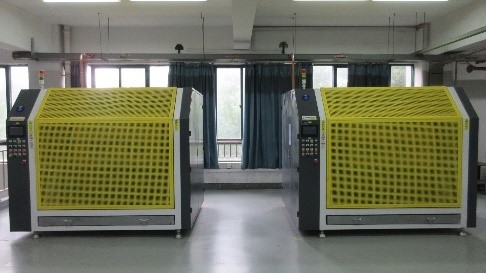
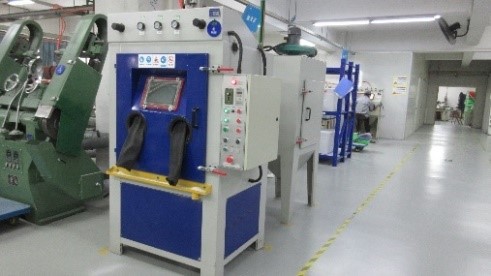
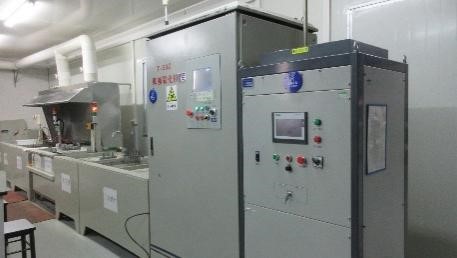
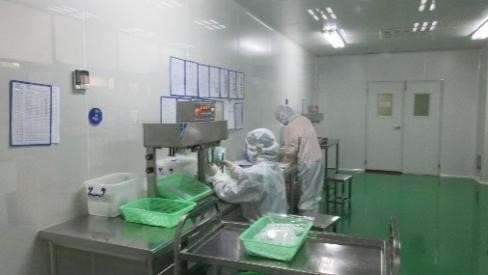
Knotless systems and bio-absorbable configurations optimizing rehabilitation cycles.
Importing orthopedic medical devices into Australia requires navigating the Therapeutic Goods Administration (TGA) conformity assessment rules. As Class III medical devices, suture anchors and reconstructive loops undergo rigorous audits of their manufacturing design dossier. The clinical efficacy, biocompatibility validation, and sterility assurance level (SAL 10-6) must align perfectly with standard regulatory codes.
For Canberra-based medical distributors and hospital procurement boards, this validation means significant risk mitigation. KaiSo provides complete documentation support, design historical files (DHF), and validation reports (including ISO 10993 testing results for cytotoxicity, systemic toxicity, and implantation effects) to accelerate local ARTG (Australian Register of Therapeutic Goods) listings.
The next decade of orthopedic sports medicine will focus on bio-inductive interfaces and smart fixation systems. We are currently researching the incorporation of osteoconductive trace elements like silicon and magnesium into our polymer formulations to accelerate local bone remodeling around the anchor site. This technology is designed to help local Canberra athletes return to high-impact activities faster and with a lower risk of post-operative failure.
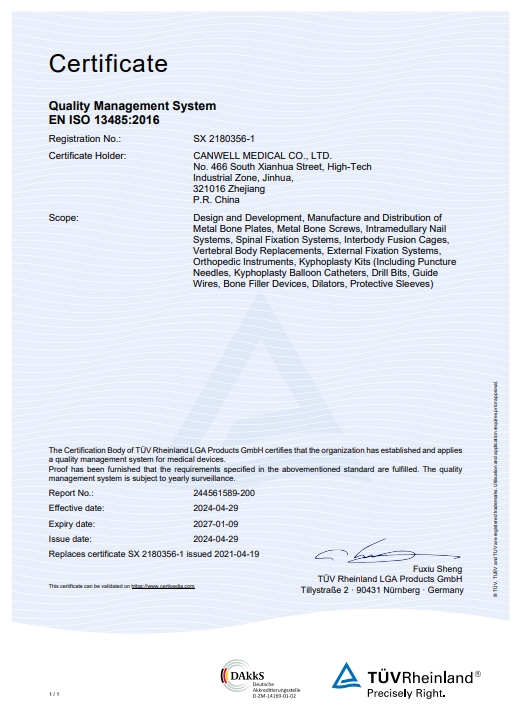
Quality Assurance System Audit

ISO13485
SX 2180356-1
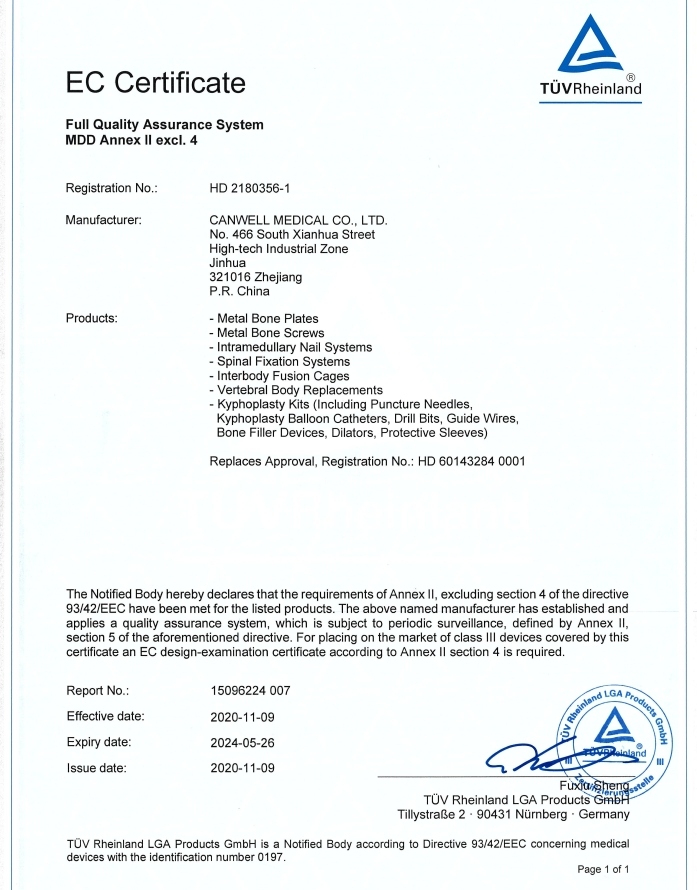
93/42/EEC CE
HD 2180356-1
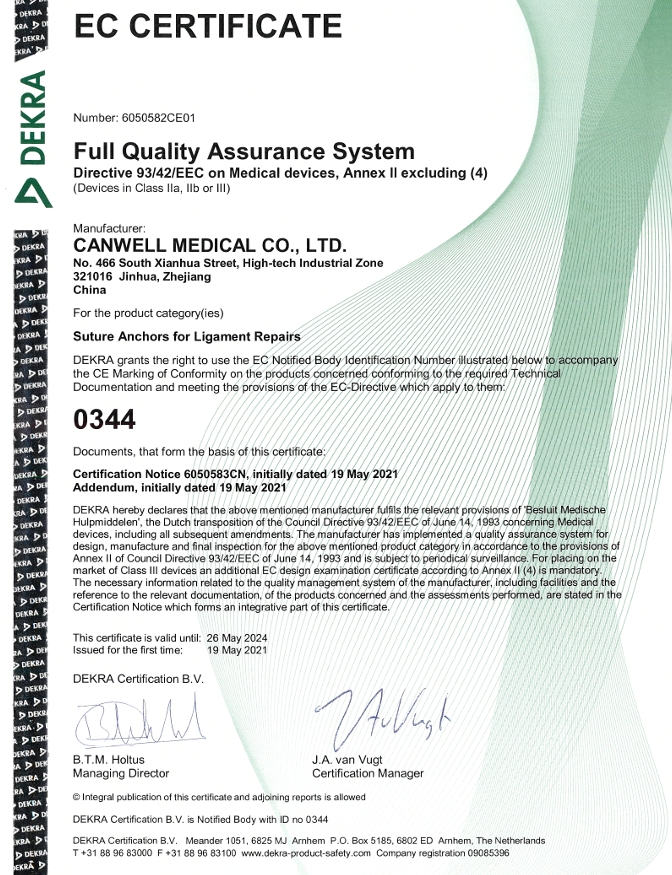
CE Certification
6050582CE01
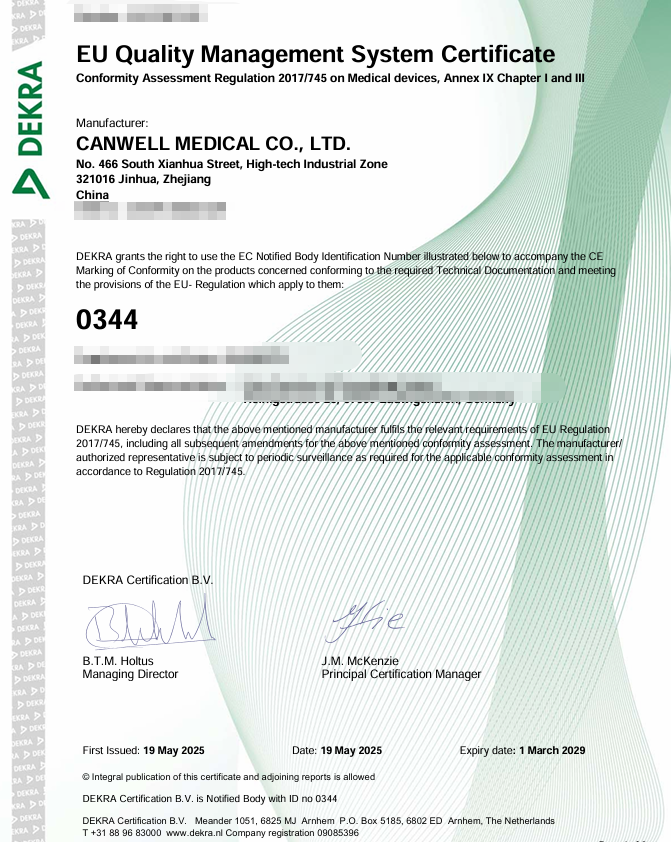
MDR Certified
6142788CE02
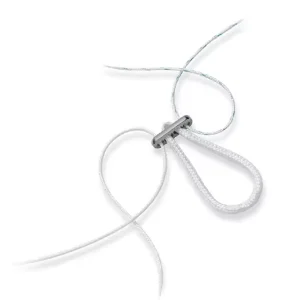
All-inside meniscal staplers, acromioclavicular loops, and joint reconstruction technologies.
Addressing regulatory compliance, raw material provenance, and logistical pipelines for Australian buyers.
 KaiSo Medical