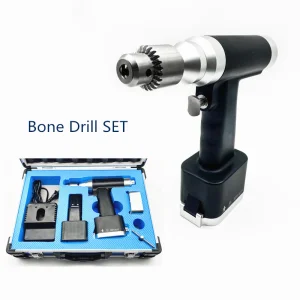
 Electric Drill for Trauma Surgery Orthopedic Veterinary Surgical Drill
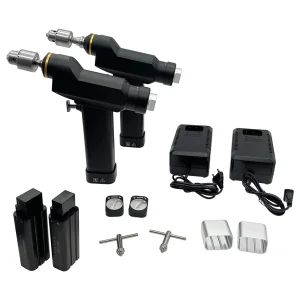 Orthopedic Trauma Surgery Cannulated Bone Drill Hollow Bone Drill
 Orthopedic Surgical Spinal Titanium Pedicle Pyroplasty Kit
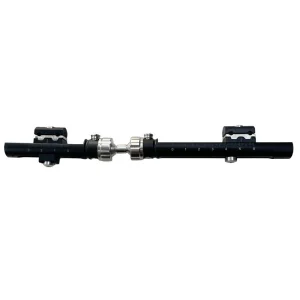 Small Fragment Orthopedic Clamp Ulna Radius External Fixator
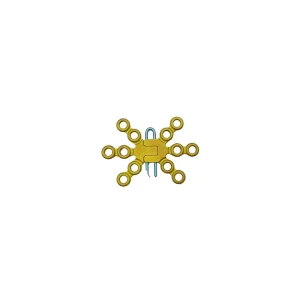 Titanium Plate and Screw Distal Clavicle Locking Plate
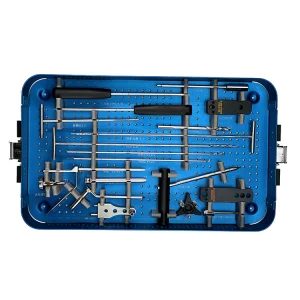 Radius and Ulna Miniature Intramedullary Nails Specialized Instruments
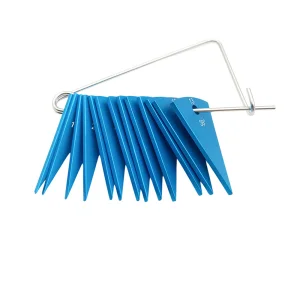 Osteotomy Angle Ruler Measuring Ruler Pet Orthopedic Instruments
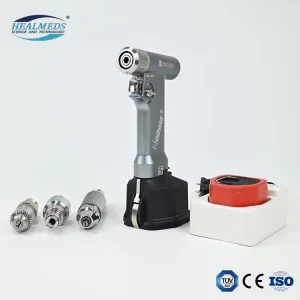 Well Priced Medical Drill Surgical Power Tools Orthopedic Saws
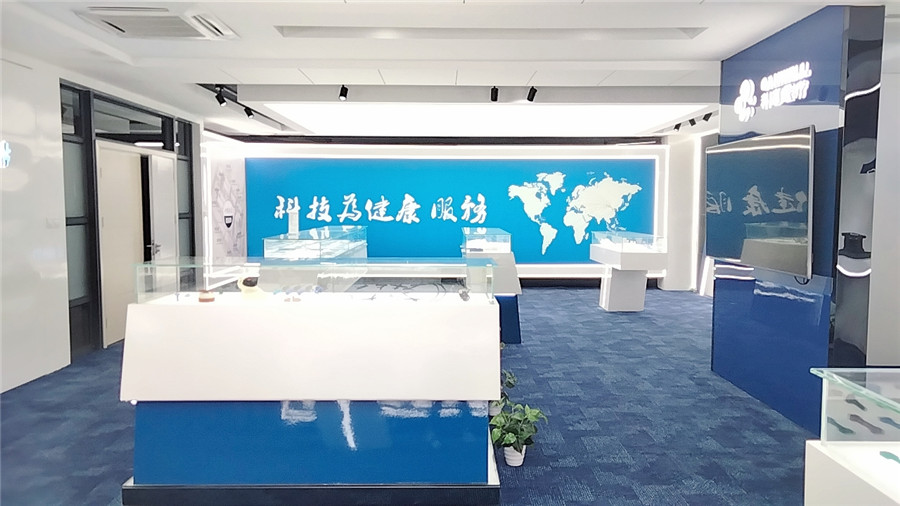
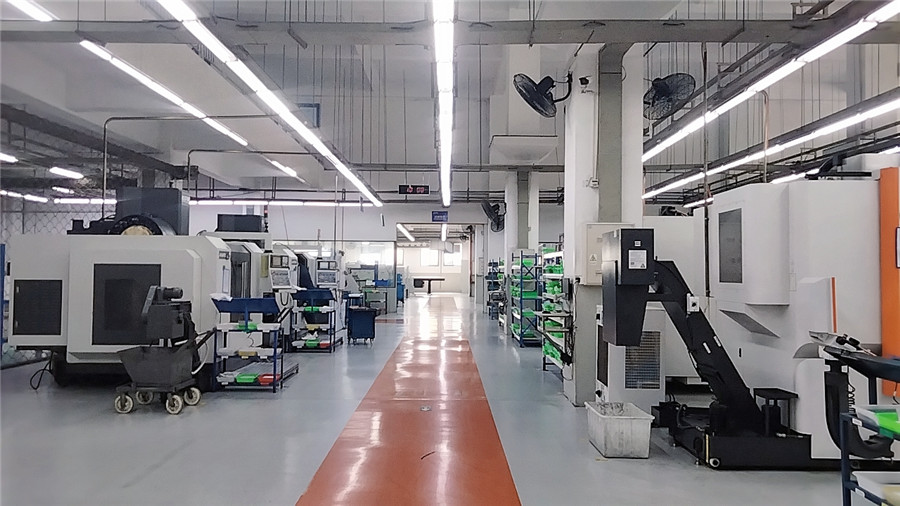
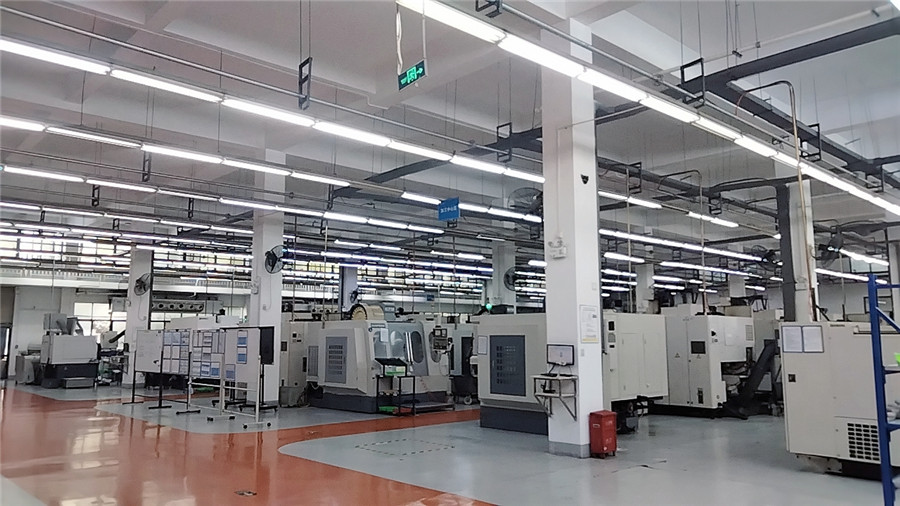
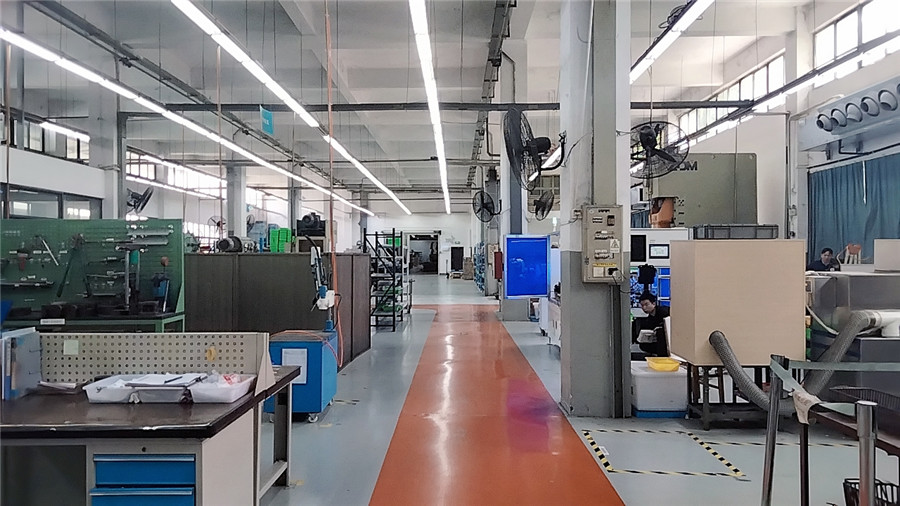
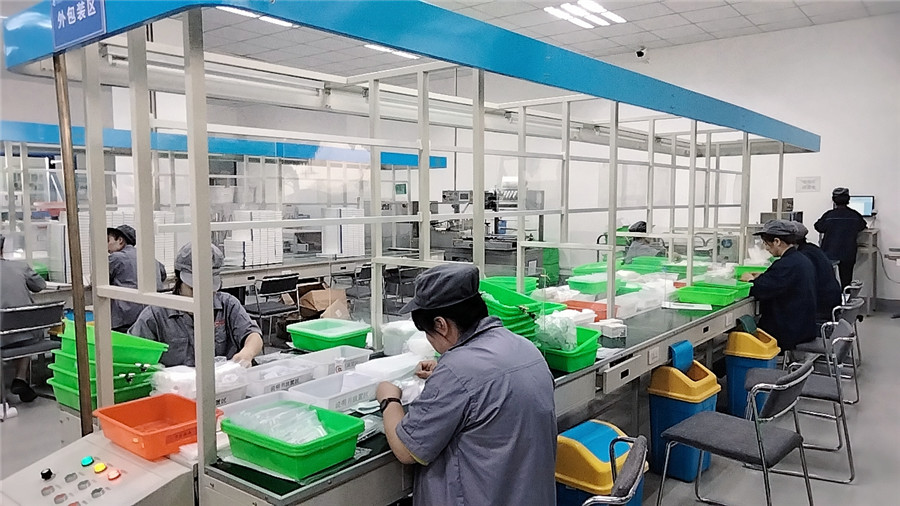
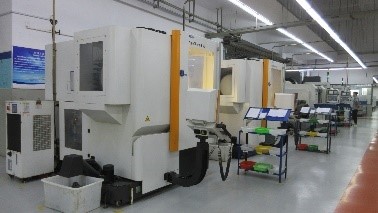
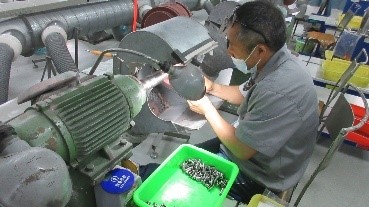
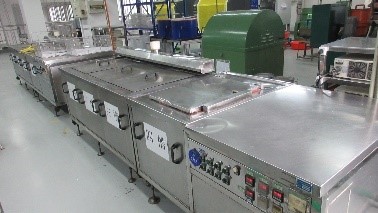
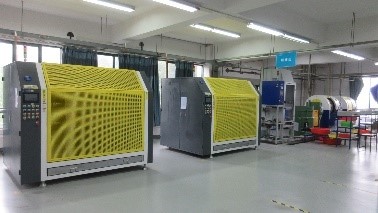
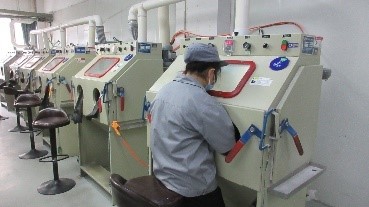
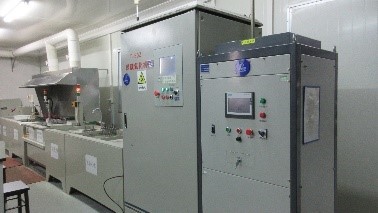
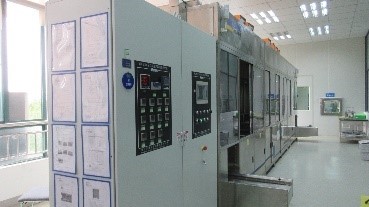
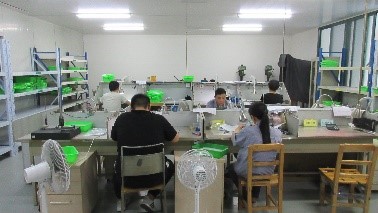
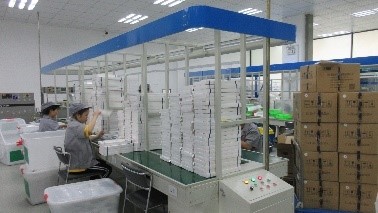
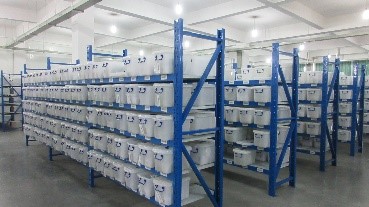
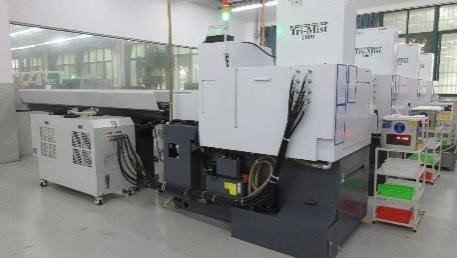
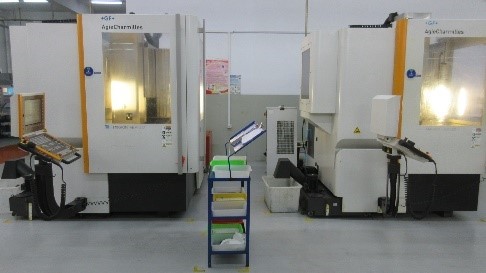
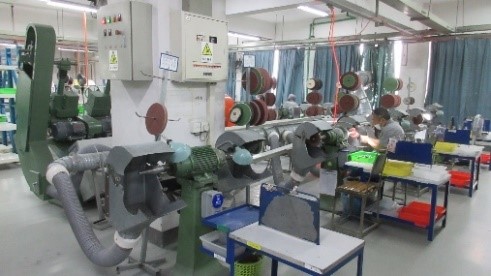
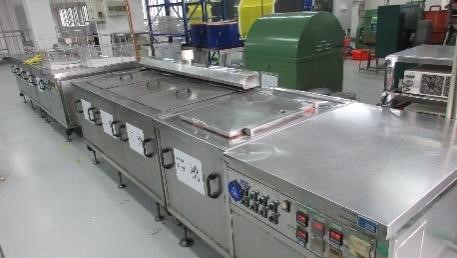
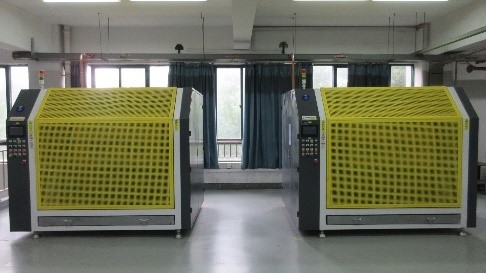
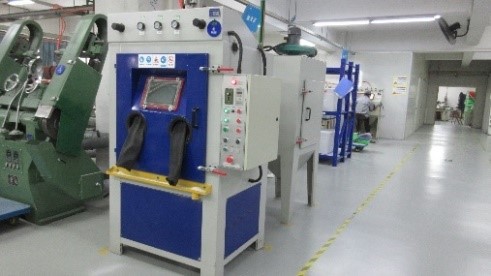
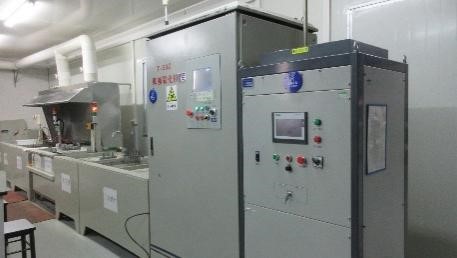
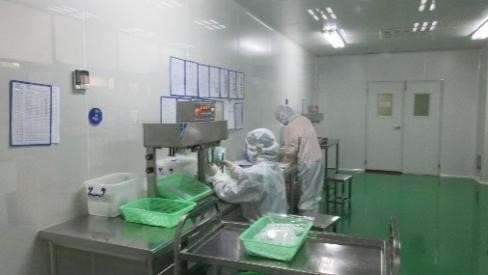
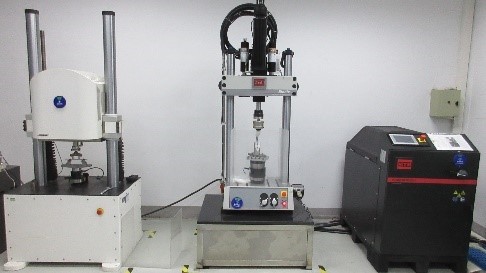
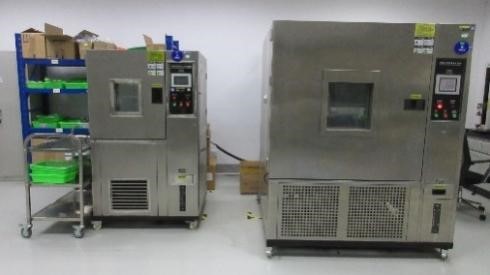
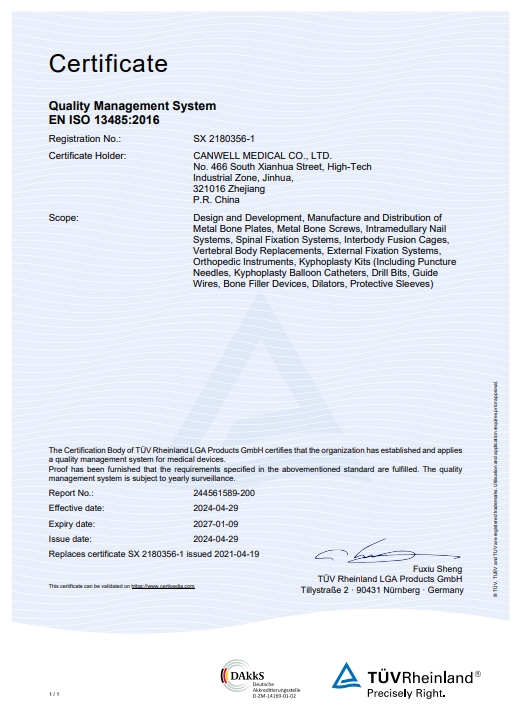
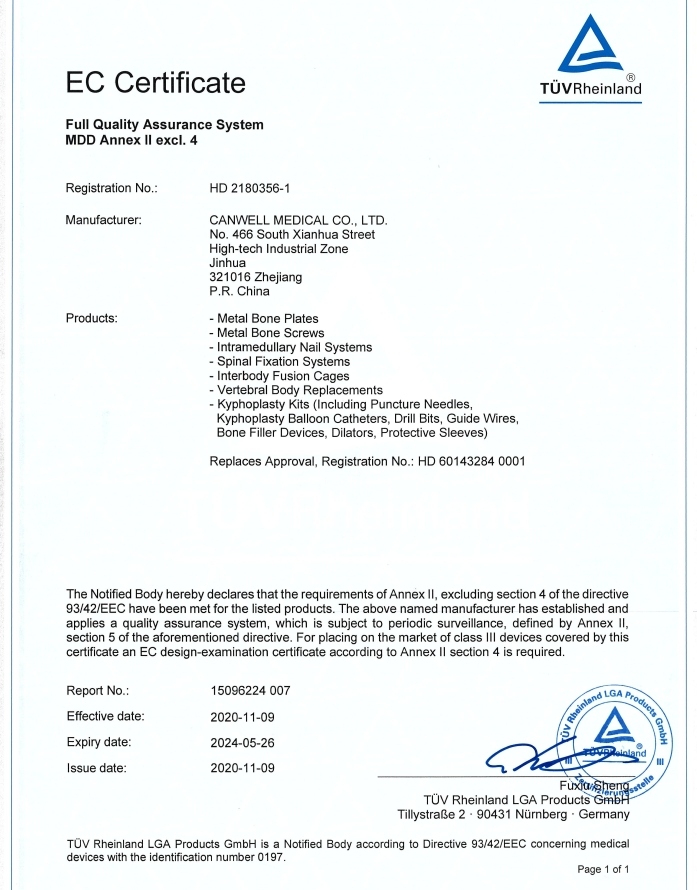
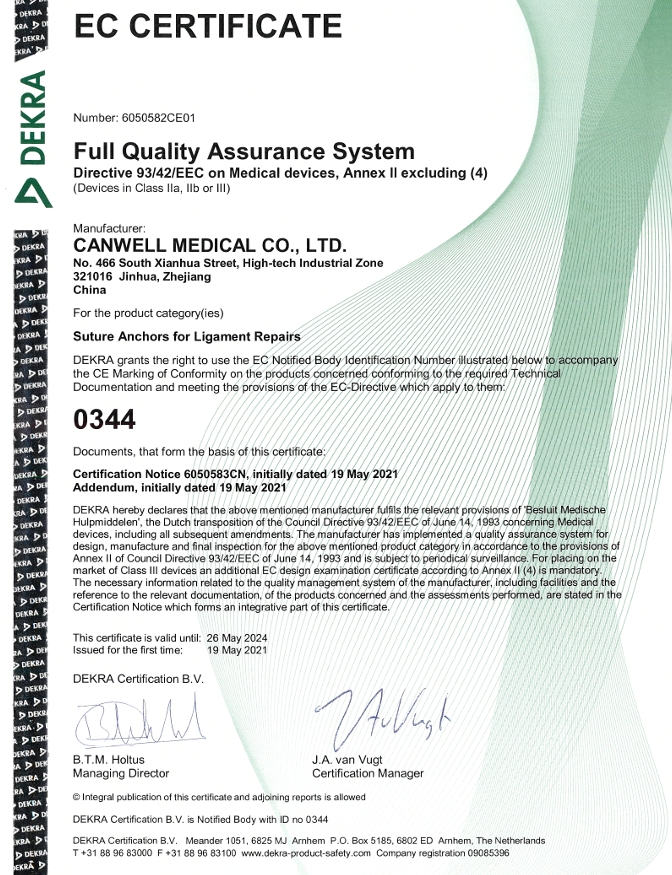
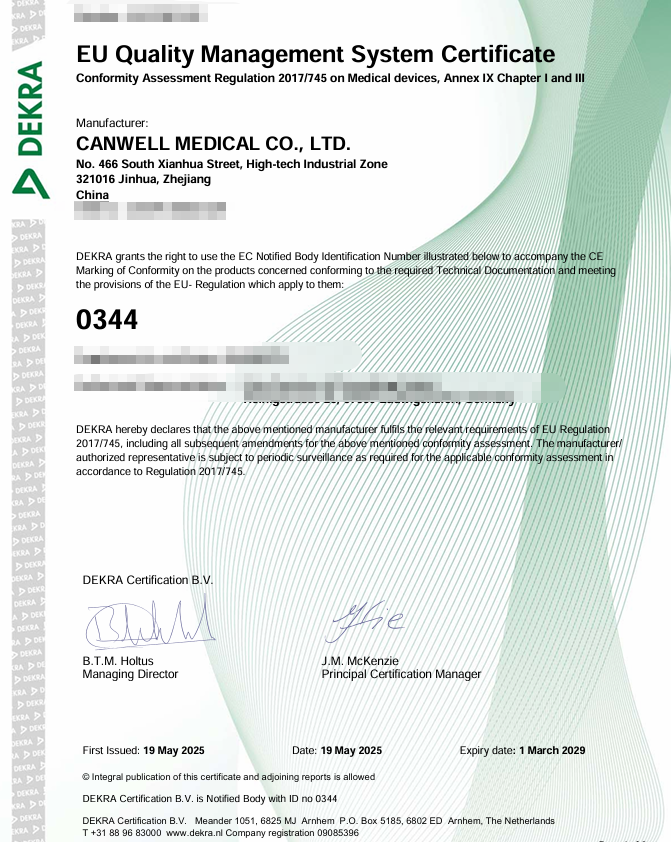
In the high-precision world of orthopedic trauma surgery, Proximal Humeral Plates represent the pinnacle of anatomical engineering. As a leading manufacturer established in 2004, KaiSo has dedicated over two decades to perfecting internal fixation systems. Our facility operates under a rigorous Quality Assurance System, meeting ISO9001, ISO13485, and CE (MDR) requirements. This ensures that every implant, from material procurement to automated production, adheres to the highest bio-mechanical standards.
Understanding the complexity of humerus fractures—often characterized by poor bone quality in elderly patients or high-energy trauma in younger individuals—requires a manufacturer that provides more than just hardware. We provide Information Gain through anatomical contouring and multi-planar locking screw technology that preserves vascularity while ensuring stability.
Utilization of Ti-6Al-4V ELI (Extra Low Interstitial) offers superior biocompatibility and fatigue resistance, essential for long-term implant success.
Low-profile plate design reduces soft-tissue irritation and eliminates the need for intra-operative bending, preserving the plate's structural integrity.
Fixed-angle stability provided by locking screws allows for better "bridge plating" in comminuted fractures and osteoporotic bone.
When searching for a trusted proximal humeral plates factory, procurement officers must look beyond the price. The "Information Gain" lies in the subtle design features: blunt plate ends for percutaneous insertion, suture holes for cuff repair, and divergent/convergent screw patterns that maximize pull-out strength. Our R&D team (comprised of 59 graduate-level engineers) focuses on these surgical nuances to improve patient outcomes.
From raw material smelting to final sterile packaging, the Chinese medical manufacturing ecosystem offers unparalleled speed and scalability.
Our ISO13485 and MDR certifications bridge the gap between Asian manufacturing efficiency and Western regulatory rigor.
Achieving a 30-50% cost reduction compared to European tier-1 brands without compromising on the Grade 5 Titanium specifications.
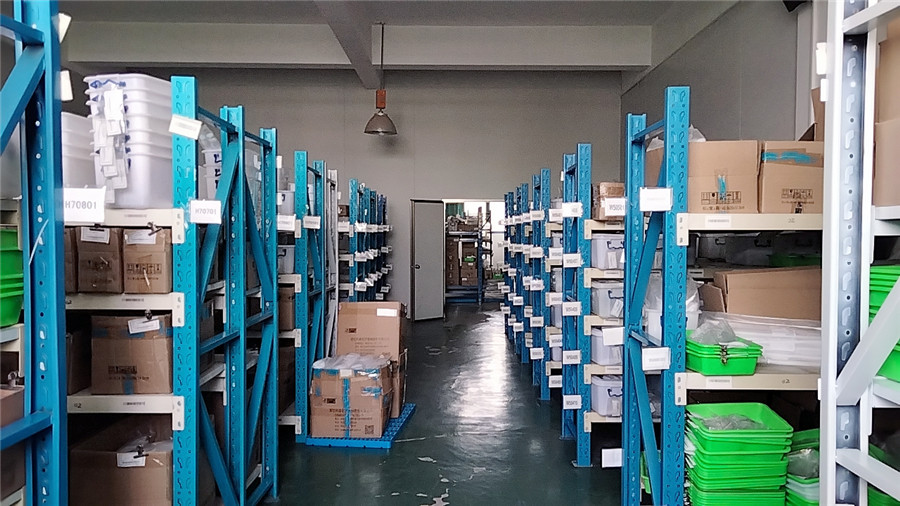
Global enterprises seeking Proximal Humeral Plates manufacturers prioritize supply chain resilience. KaiSo’s 29,523㎡ facility acts as a hub for international logistics, supporting 30% South American, 20% Southeast Asian, and 20% Western European market shares. This diverse footprint proves our capability to handle localized regulatory dossiers and clinical evaluation reports (CERs).
The shift towards radiolucent materials to allow for better post-operative imaging and modulus of elasticity closer to bone.
Minimally Invasive Percutaneous Plate Osteosynthesis is becoming the standard, requiring specialized instrumentation and low-profile plates.
Integration of sensors to monitor healing progress and strain distribution, a field our R&D team is actively exploring.
As the market evolves, Proximal Humeral Plate manufacturers must adapt to the demand for "Value-Based Healthcare." This means not just selling a plate, but a solution that reduces operating room (OR) time through intuitive instrument sets and reduces revision rates through superior biomechanics.
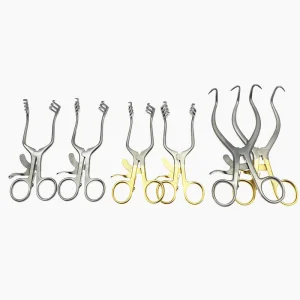 Stainless Steel Weitlaner Retractor Self-Retaining Retractor
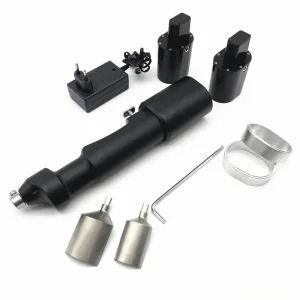 Orthopedic Bone Saw Sagittal Saw Veterinary Surgical Saw
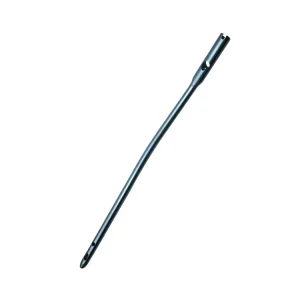 Geasure Proximal Femoral Antirotation Nail Titanium Alloy
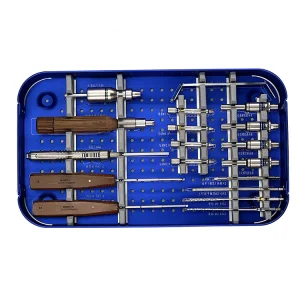 Manufacturer Medical Instruments Small Locking Plate Specialized
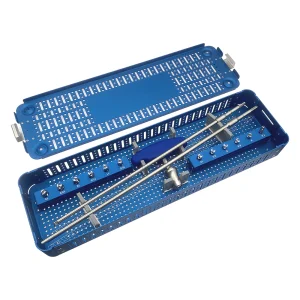 Intramedullary Nail System Flexible Reamer Instrument Set
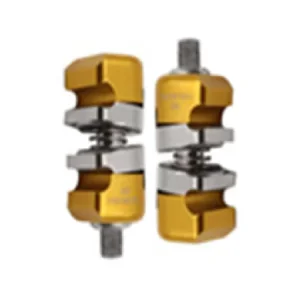 Rod to Rod Coupling Titanium Alloy Lifetime Warranty China
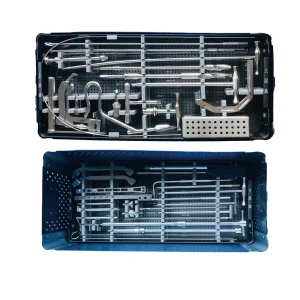 High Quality Titanium Alloy Orthopedic PFNA Reconstruction Nail
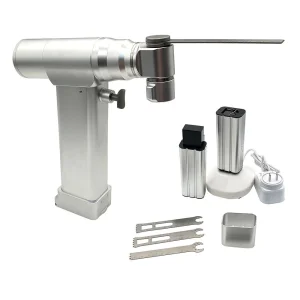 Medical Surgical Orthopedic Saw Veterinary Oscillating Saw



 KaiSo Medical