Malaysia has emerged as a premier hub for medical tourism and advanced healthcare in Southeast Asia. With the Malaysian government's focus on the "Medical Device Authority (MDA)" regulations and the increasing demand for high-quality orthopedic solutions in private hospitals in Kuala Lumpur, Penang, and Johor Bahru, the need for reliable spinal implant manufacturers has never been greater. The market is shifting from traditional open surgeries to Minimally Invasive Surgery (MIS), requiring implants that offer higher precision, better biocompatibility, and faster recovery times.
The technical roadmap for spinal implants in the Malaysia market centers on three pillars: Material Science, Biomechanics, and Digital Integration.
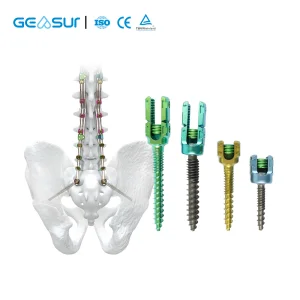
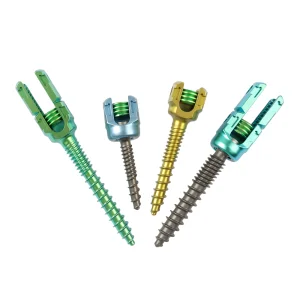
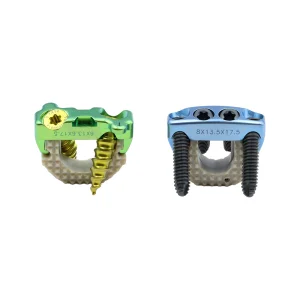
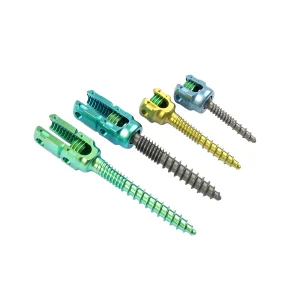
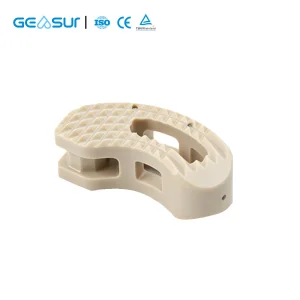
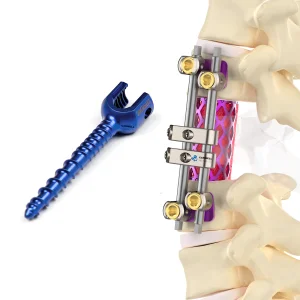
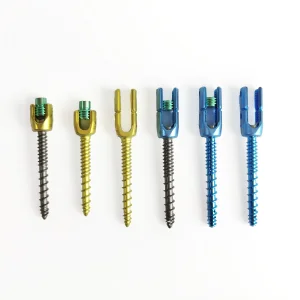
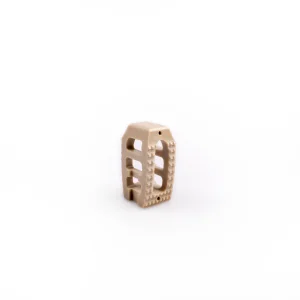
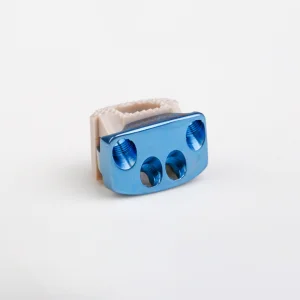
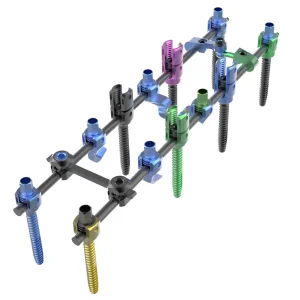
1. PEEK vs. Titanium: While Titanium Alloy (Grade 5) remains the gold standard for load-bearing pedicle screws due to its osseointegration properties, PEEK (Polyetheretherketone) is increasingly favored for interbody fusion cages (PLIF/TLIF) because its elastic modulus mimics human bone, reducing "stress shielding" effects.
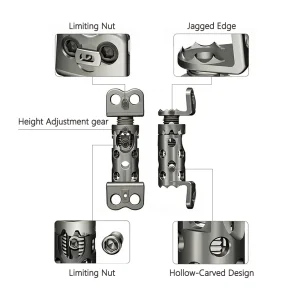
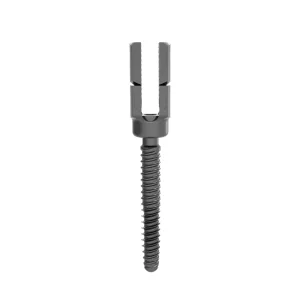
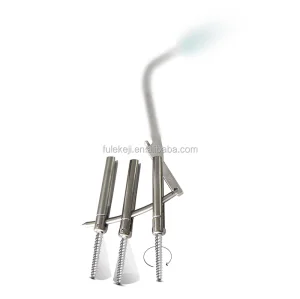
2. MIS (Minimally Invasive Systems): Modern surgeons in Malaysia are demanding MIS systems that minimize soft tissue trauma. Our CanTSP and VSS I systems are engineered specifically for percutaneous placement.
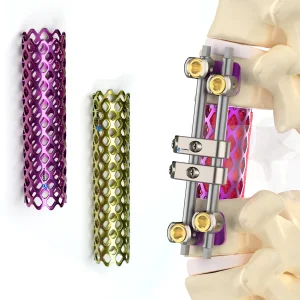
3. 3D Printing (Additive Manufacturing): The future lies in porous titanium structures that allow for superior bone ingrowth, a field where our R&D team is currently investing heavily to serve the next generation of Malaysian orthopedic specialists.
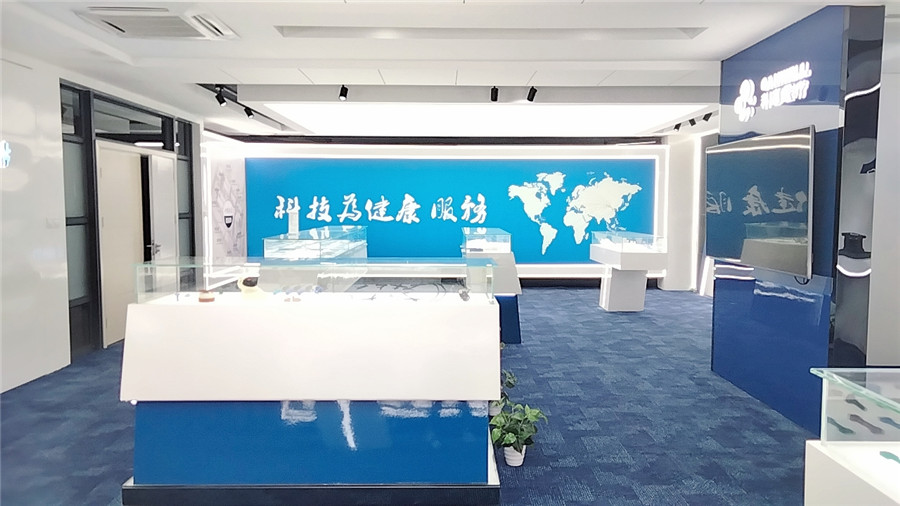
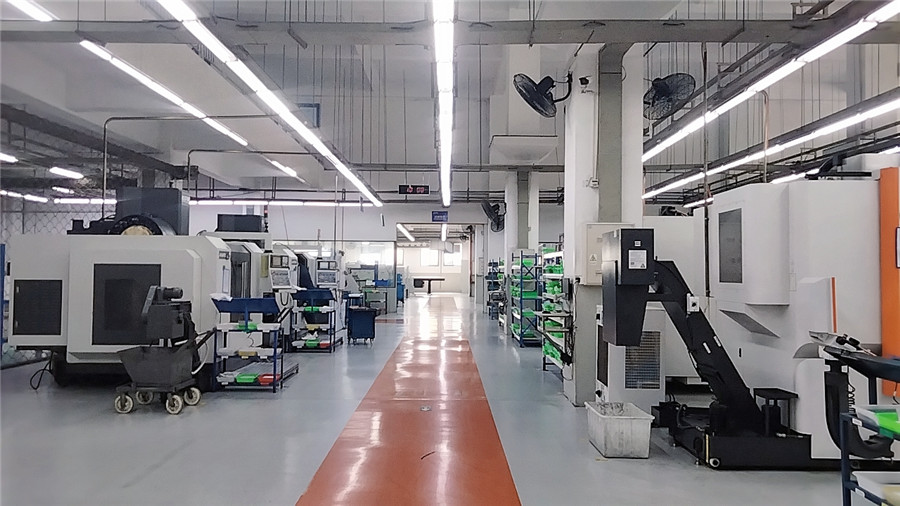
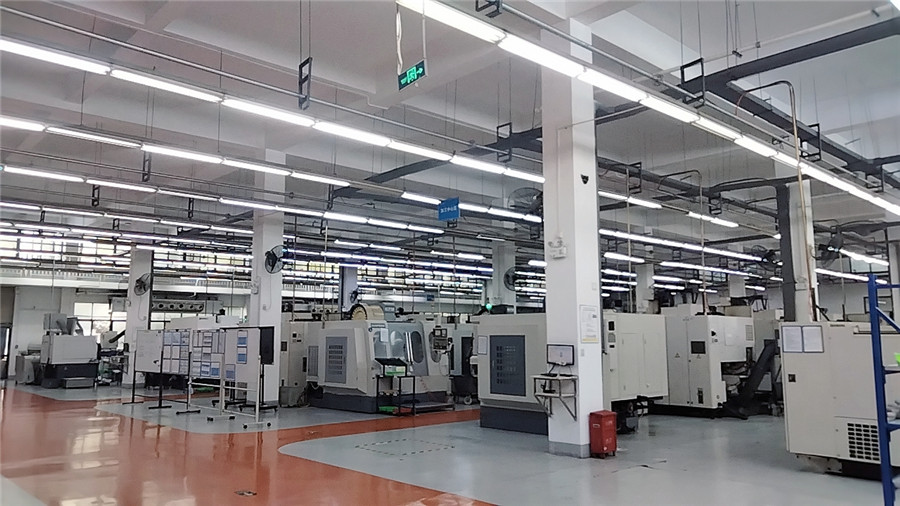
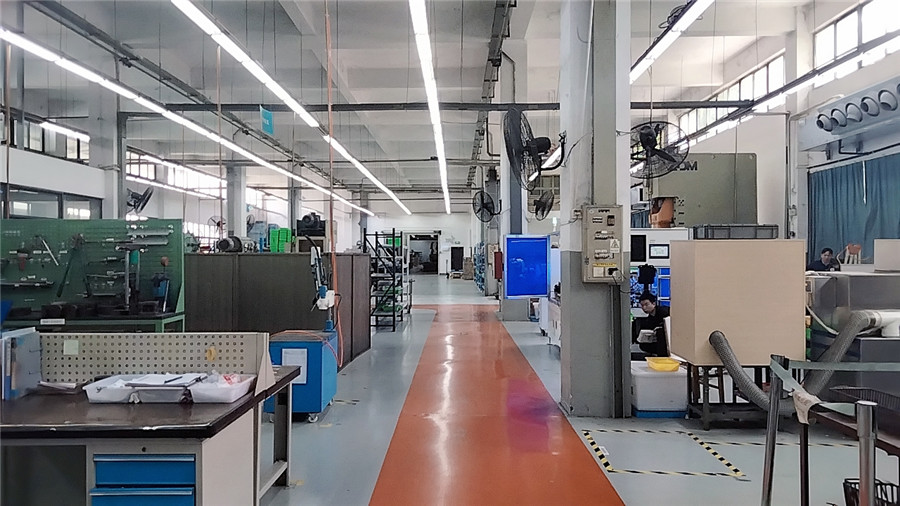
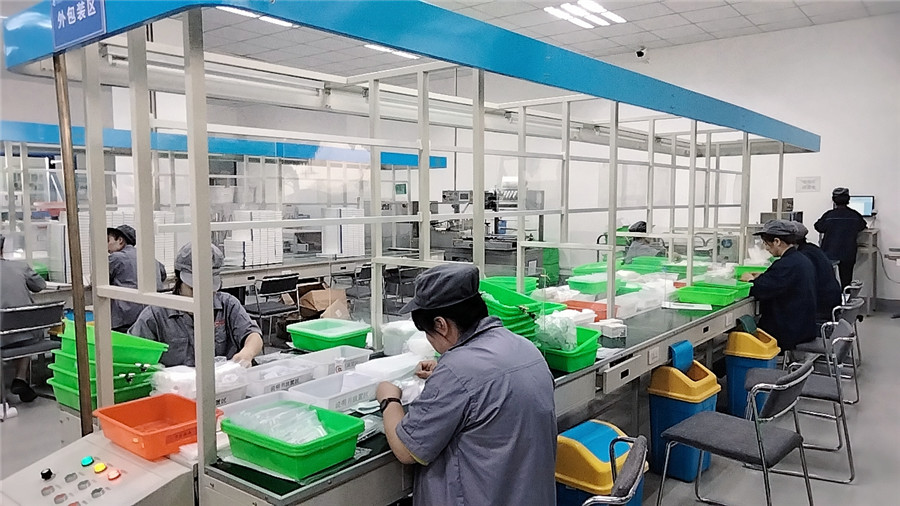
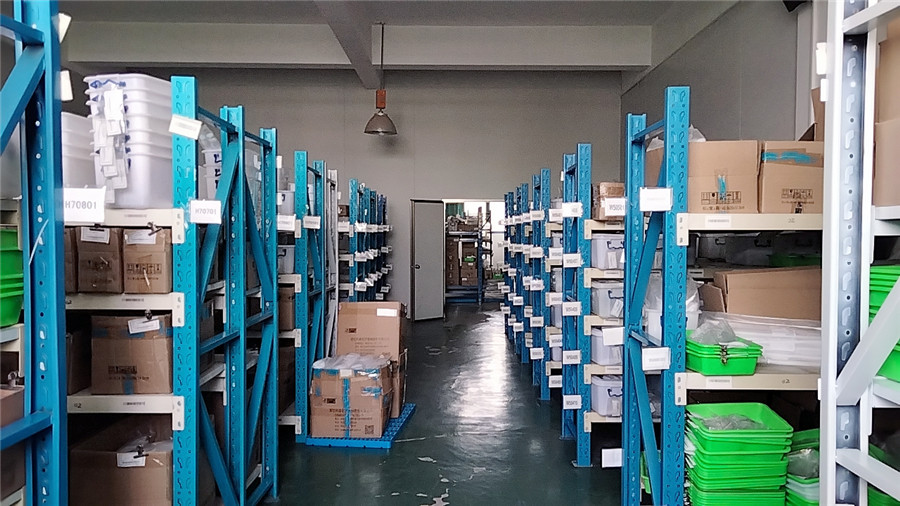
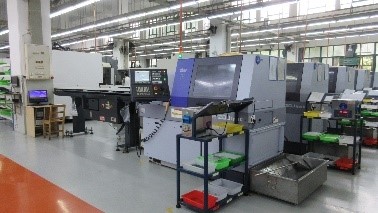
As a leading Chinese manufacturer, KaiSo/CANWELL utilizes Smart Manufacturing (Factory 4.0) to provide Malaysian distributors with a competitive edge. By integrating automated CNC machining centers and real-time traceability, we eliminate the volatility of traditional supply chains. This ensures that even during global logistics disruptions, our Malaysian partners receive consistent, medical-grade implants with full documentation (MDR/CE/ISO).
We understand that entering the Malaysia market requires more than just high-quality products; it requires strict adherence to the Medical Device Act 2012. Our regulatory affairs team provides comprehensive support for MDA registration, offering detailed Technical Files, Clinical Evaluation Reports (CER), and Post-Market Surveillance (PMS) data to ensure our exporters can operate with total confidence and legal security.
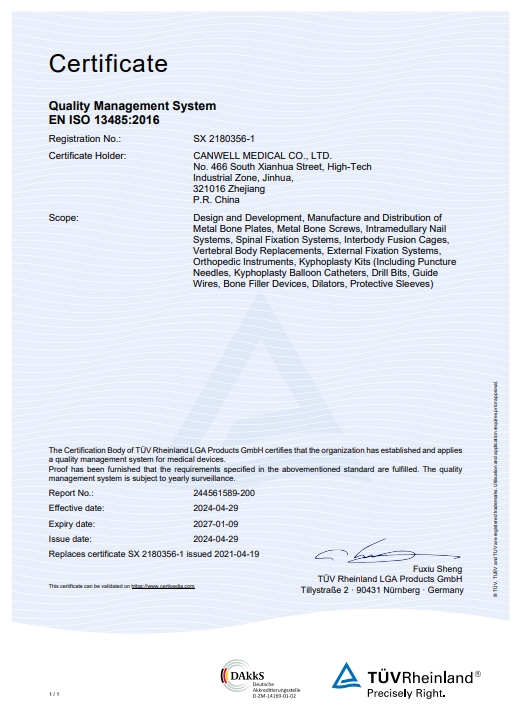 ISO13485
 CE MDR
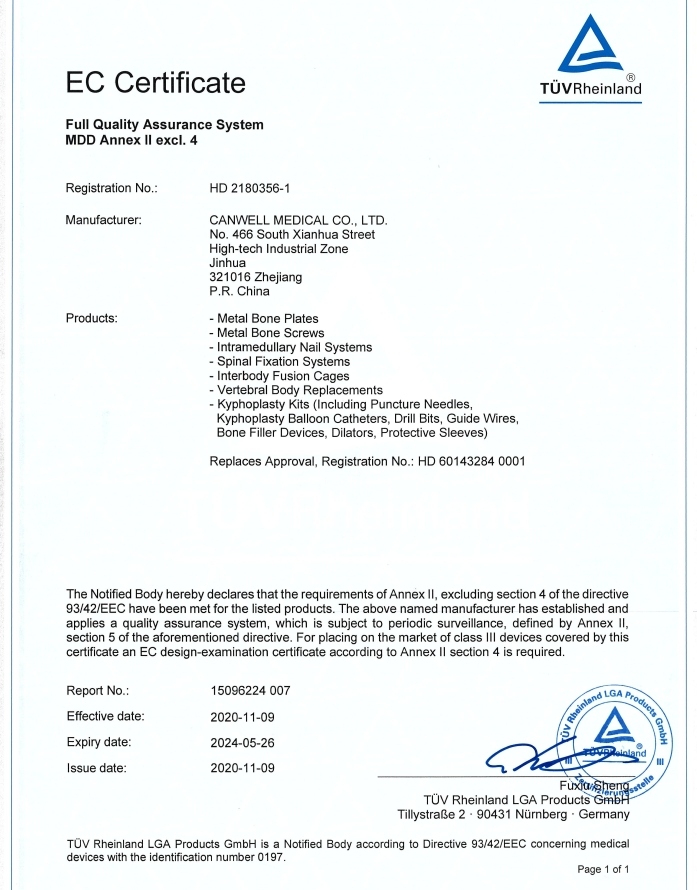 93/42/EEC
 KaiSo Medical