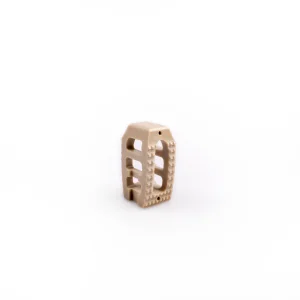
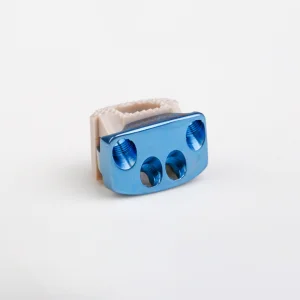
Engineered with medical-grade titanium alloy and PEEK polymers, designed to meet the rigorous demands of private and state hospitals across Windhoek and beyond.
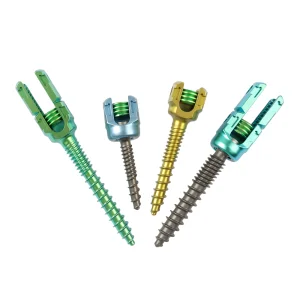
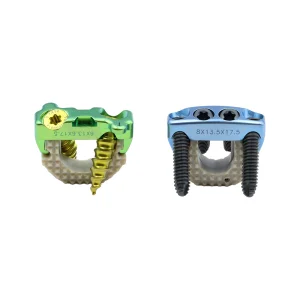
The healthcare system in Namibia, structured under the Ministry of Health and Social Services (MoHSS), is witnessing a pivotal transition toward specialized orthopaedic and neurosurgical procedures. Historically, patients requiring complex spinal reconstructions for degenerative disc disease, high-impact trauma (frequently originating from the B1 road network accidents), and spinal deformities were outsourced to neighbouring South Africa. However, with the establishment of advanced clinical departments at institutions such as the Lady Pohamba Private Hospital, Windhoek Central Hospital, and Mediclinic Welwitschia, localized spinal surgeries have spiked dramatically.
This localized surge creates an urgent mandate for continuous, highly reliable supply chains of clinical-grade implants. Procurement departments face significant constraints: long import lead times, regulatory bottlenecks through the Namibia Medicines Regulatory Council (NMRC), and the high cost of Western-branded implants. Local medical equipment suppliers and distributors are actively seeking direct manufacturing alliances with Tier-1 overseas factories to achieve fiscal balance while maintaining strict patient safety standards.
All implant shipments must comply with the NMRC import permit standards, verifying biocompatibility test reports, sterilization validation, and ISO 13485 registration certificate authenticity.
Namibia is strategically positioned as the gateway to the Southern African Development Community (SADC). Utilizing the Port of Walvis Bay, overseas manufacturers can deliver spinal implants and surgical instrument systems efficiently to landlocked nations like Botswana, Zambia, and Zimbabwe. The Walvis Bay Corridor Group's integrated road transport grid ensures that sterile medical implants arriving from cleanroom operations in China can be quickly dispatched to regional distribution depots within days.
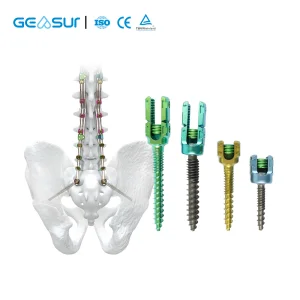
This logistical framework bypasses the congestion often associated with other southern African port entries. By partnering with a factory that manages high-volume production output, Namibian medical supply agents can maintain local buffer stocks of essential polyaxial pedicle screws, PEEK TLIF cages, and cervical plating systems to guarantee next-day delivery to critical care surgical units.
Direct ocean freight from manufacturing hubs in East Asia to Walvis Bay reduces total transit duration by up to 12 days compared to transshipment pathways.
Evaluating high-performance biomaterials, surface treatments, and mechanical safety indicators in modern orthopedic design.
The gold standard in trauma and fixation instrumentation. Offering high strength-to-weight ratios, supreme corrosion fatigue resistance, and an elastic modulus that simulates natural bone tissues closer than stainless steel, reducing stress-shielding risks.
Predominantly applied in interbody fusion cages (PLIF, TLIF, ACDF). PEEK possesses radiolucent characteristics, enabling spinal surgeons to observe bone growth and fusion progress clearly through X-ray without implant artifact shadows.
Next-generation implants integrate 3D-printed porous structures or plasma-sprayed coatings to encourage rapid bony ingrowth (osseointegration) directly into the implant body, establishing long-term secondary stability.
KaiSo has established a complete Quality Assurance System to continuously fulfil the requirements according to ISO 9001, 13485, and CE, spanning from raw material procurement to meticulous design development and automated precision production processes.
Spanning across a modern facility of 29,523 m² with 22 years of export experience, our global R&D and QA engineering teams guarantee that every single pedicle screw, plate, and interbody fusion cage meets class III medical-grade specifications, providing reliable solutions for operating theaters in Namibia and the global market.
Verified factory operations profiles and trade backgrounds for institutional healthcare procurement officers.
| Company Foundation | 2004-11-03 (22 years in the orthopedics implant sector) |
|---|---|
| Production Area | 29,523 square meters of state-of-the-art cleanroom and CNC machining floors |
| Accepted Communication | English (fully integrated sales, logistical, and technical documentation) |
| Quality Audits & Traceability | Full raw material chemical & mechanical traceability (Bar-coded raw inventory) |
| Inspection Methods | 100% video-comparator screening, coordinate measuring machines (CMM), random batch testing |
| R&D Resources | 59 Graduate-level R&D engineers specializing in orthopedic implant load-dynamics |
| Customization Capacities | Full OEM/ODM customization (light customization, sample processing, CAD/CAM blueprint engineering) |
| Target Export Territories | South America (30%), Southeast Asia (20%), Western Europe (20%), expanding African SADC networks |
Accredited certifications confirming safety, design rigor, and manufacturing consistency.
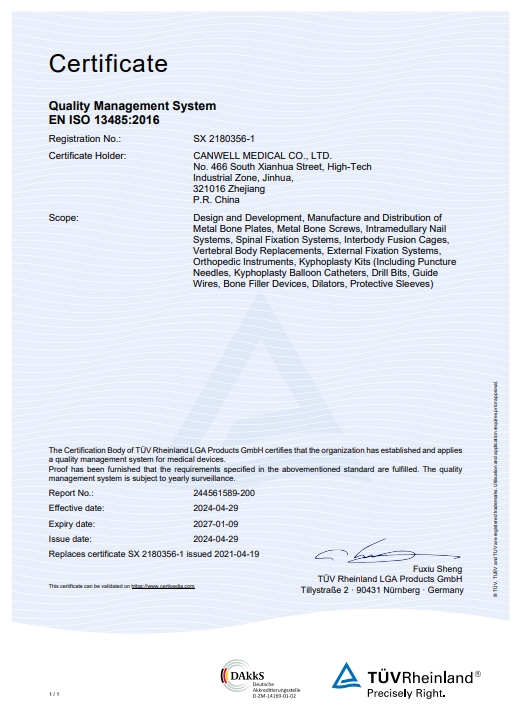

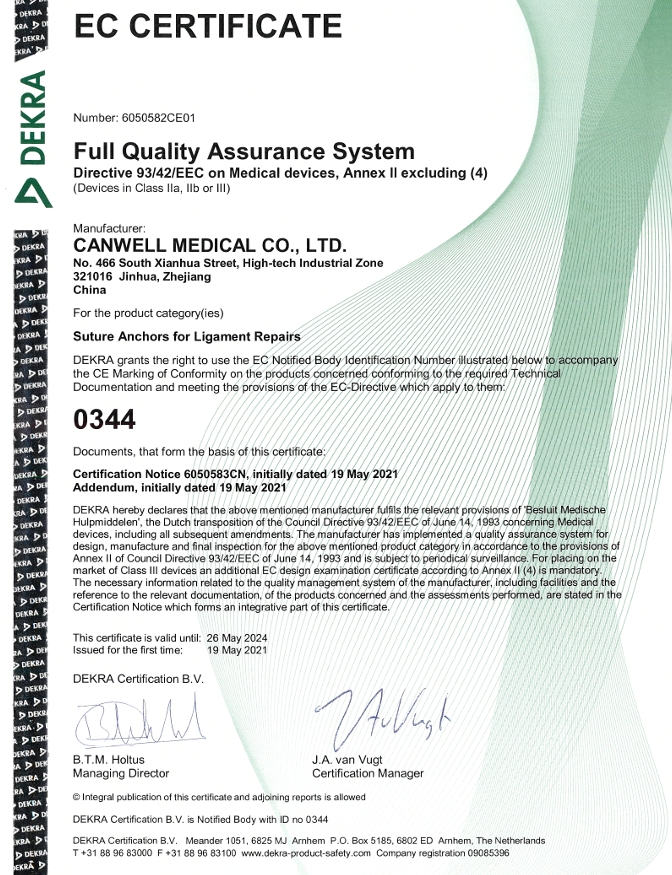
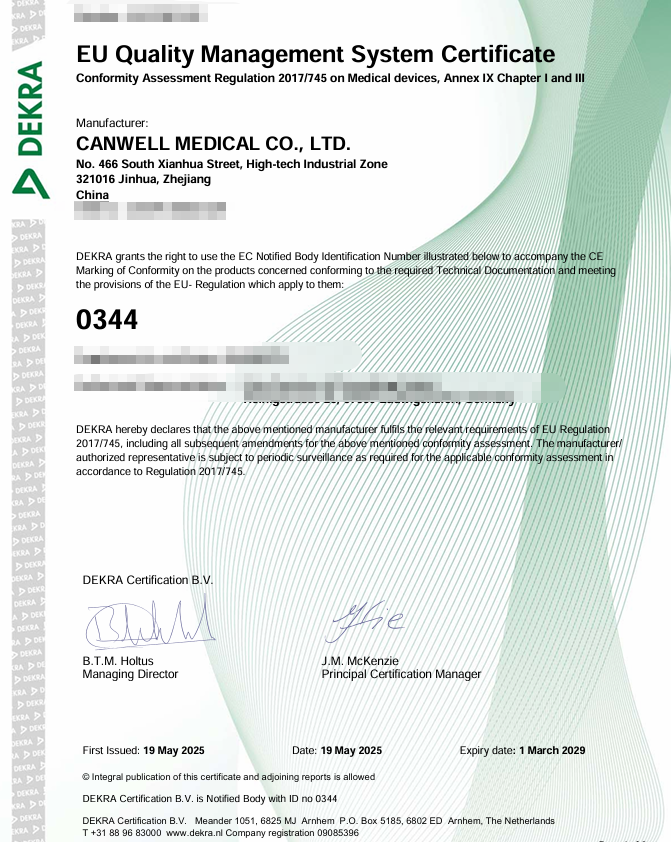
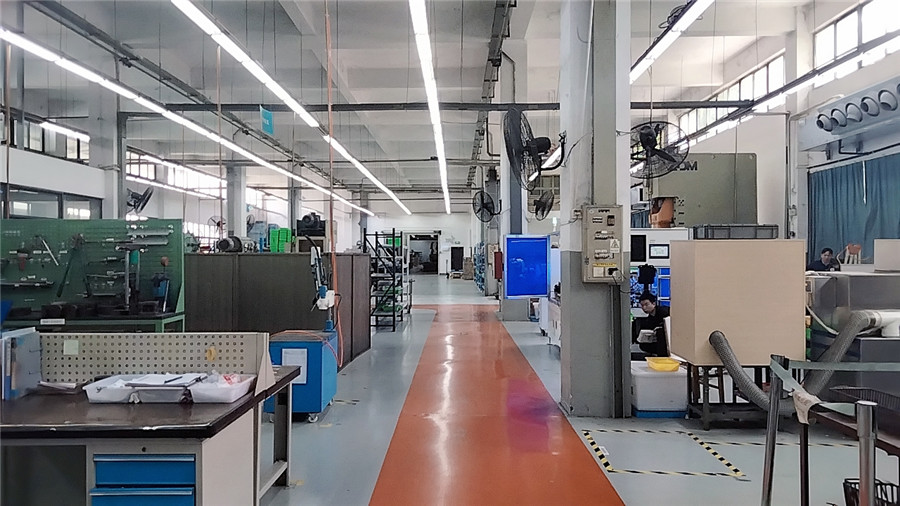
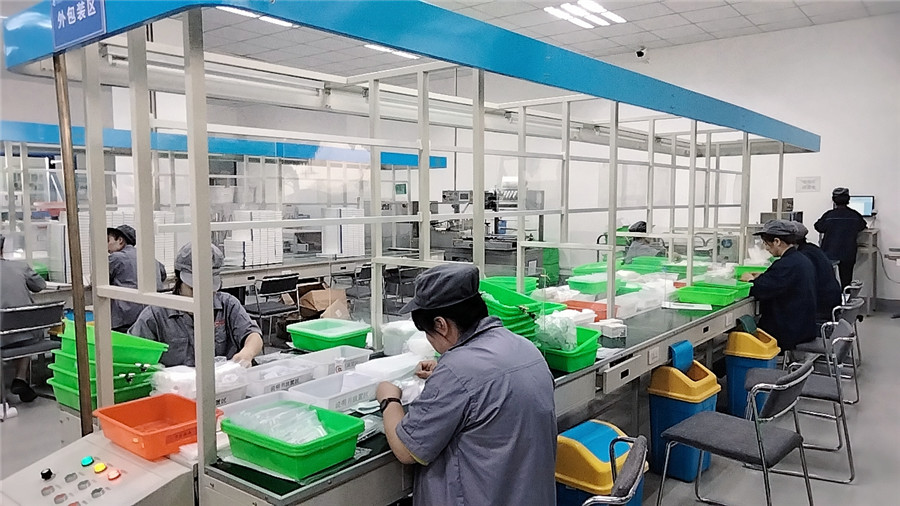
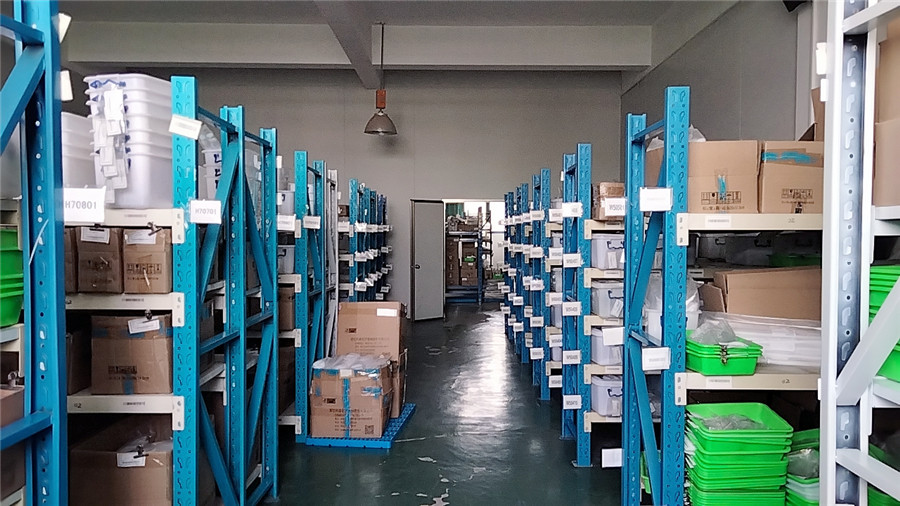
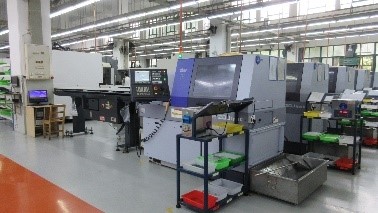
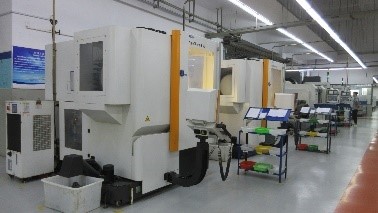
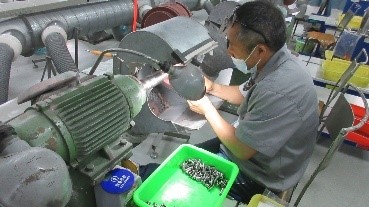
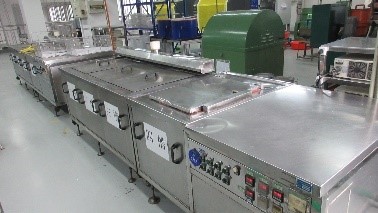
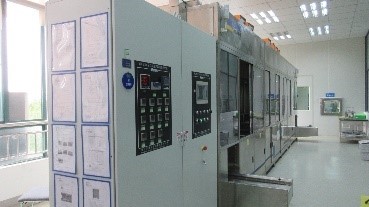
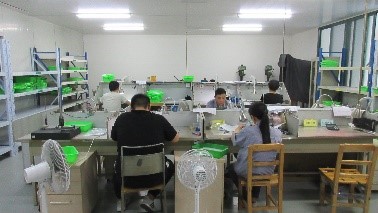
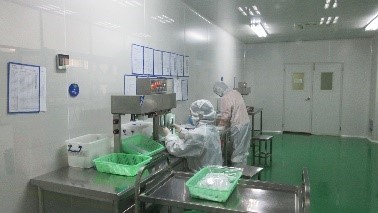
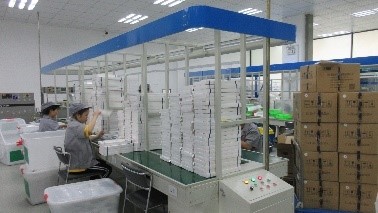
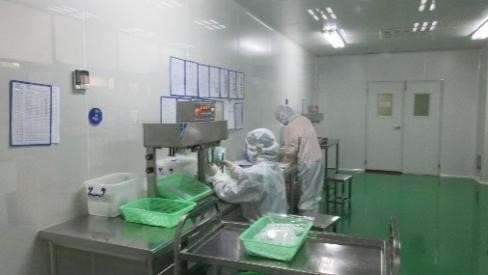
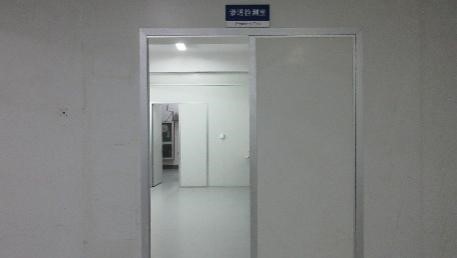
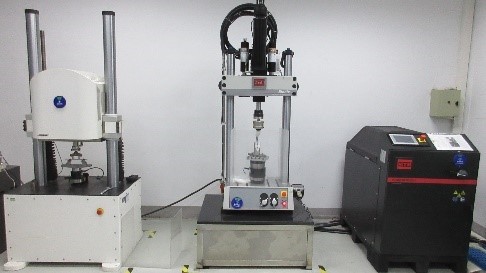
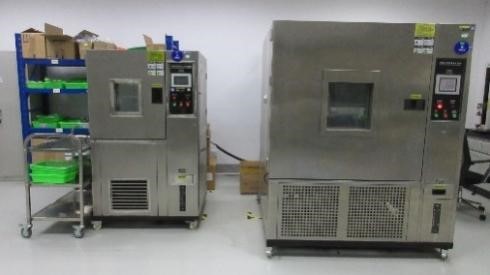
Photo documentation of our processing equipment, packaging, quality control departments, and logistics warehouse.
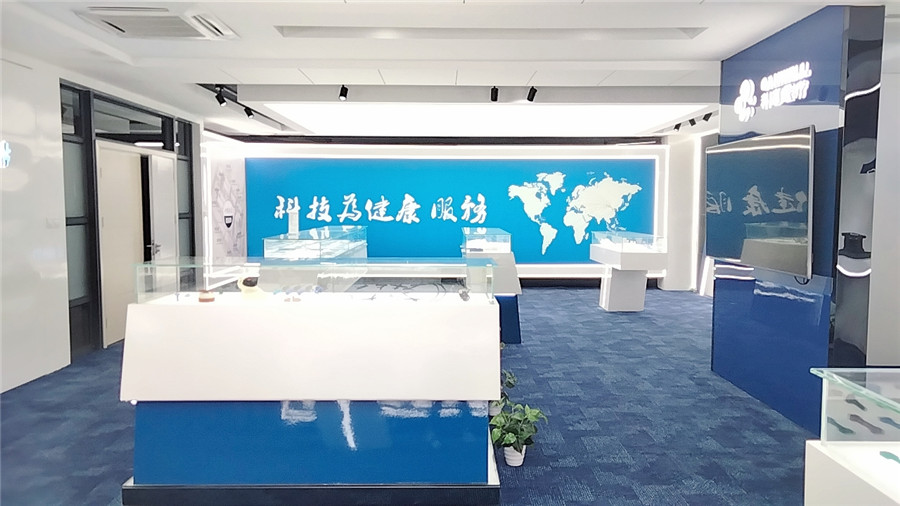
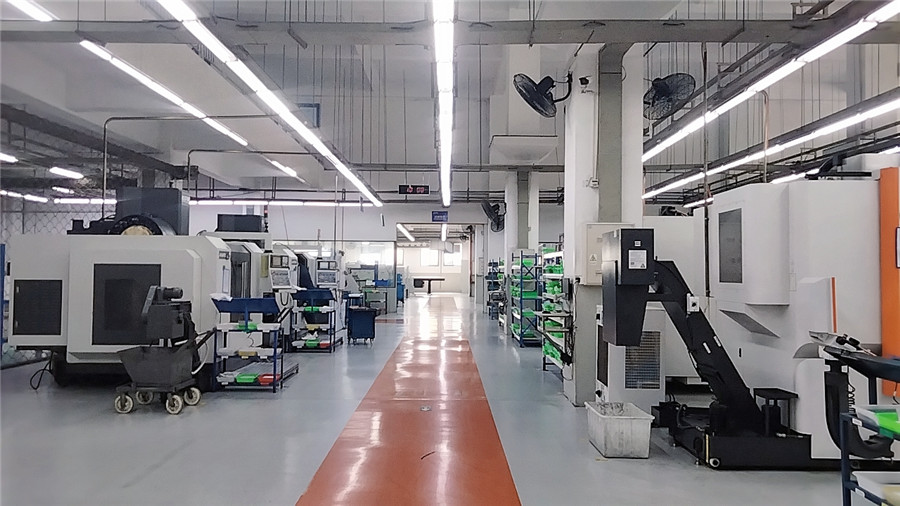
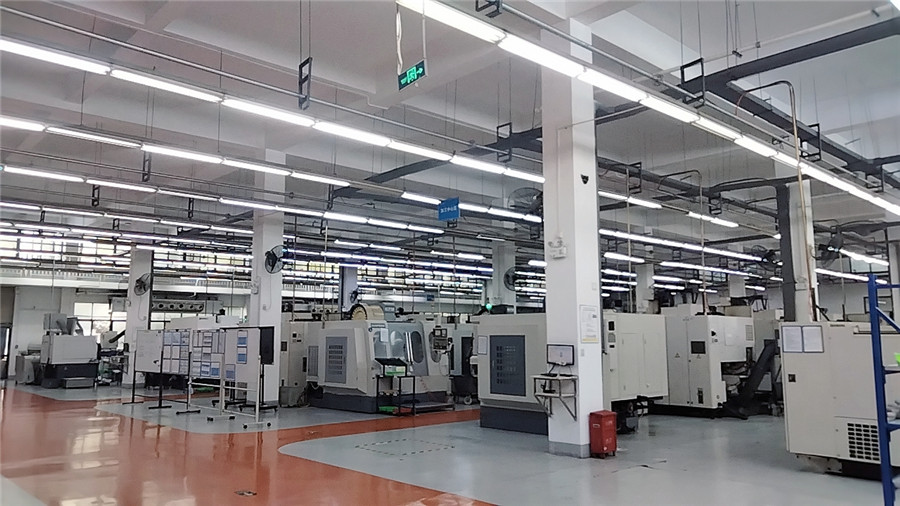
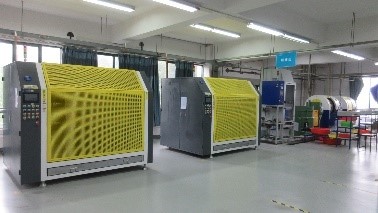
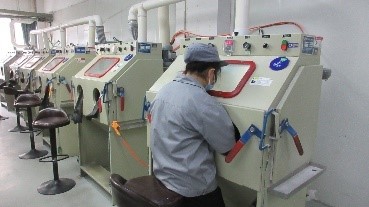
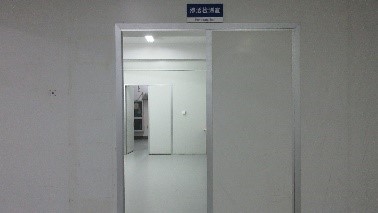
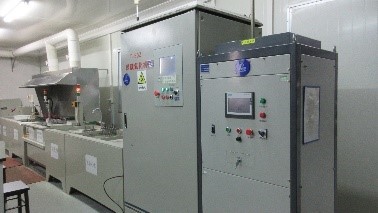
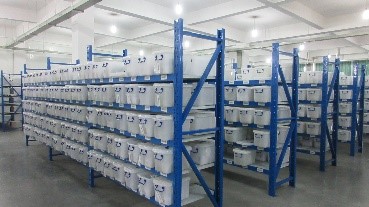
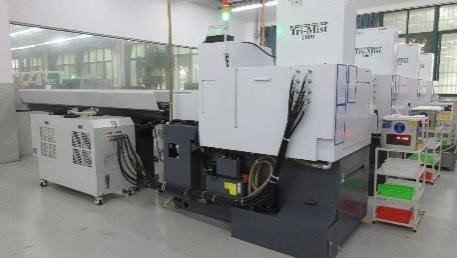
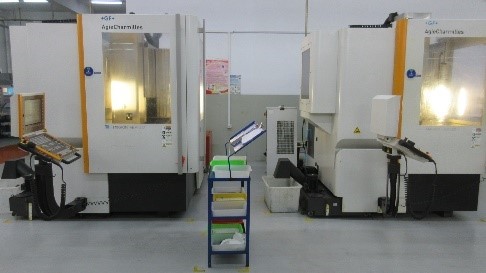
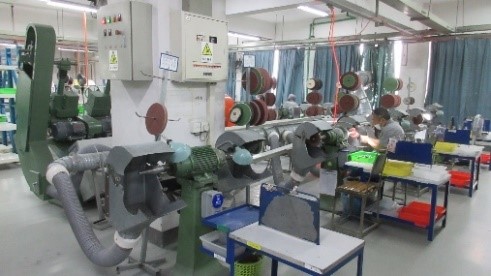
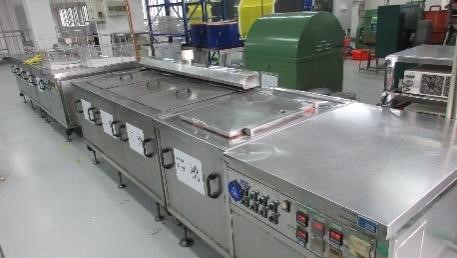
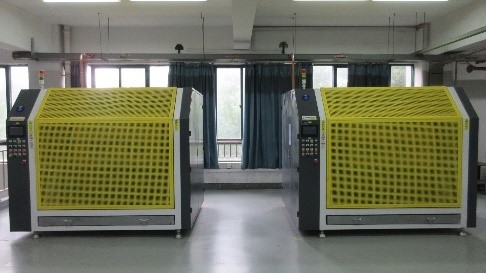
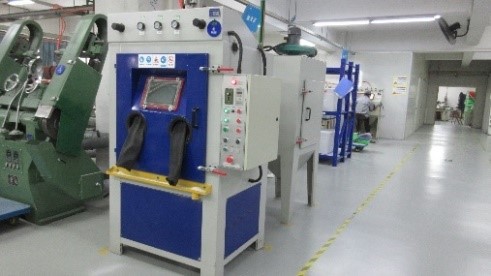
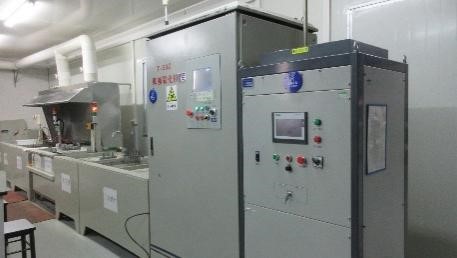
Why leading clinical distributors and healthcare networks choose our high-output manufacturing base.
By implementing CNC Swiss-type multi-axis automatic lathes, our production lines achieve sub-micron dimensional tolerances. Every single screw pitch, driver interface, and self-tapping flute is verified using online visual monitoring systems. This prevents structural variation and ensures that when a surgeon inserts our implant in a Windhoek theatre, the driver seat fits securely without stripping risk.
Additionally, our cleanrooms meet ISO Class 7 configurations, restricting air particulate concentration to prevent post-operative surgical site infections (SSI).
We source raw medical metals and engineering plastics only from aerospace-certified suppliers with verified chemical analysis mill sheets. This trace data is retained in our ERP system for 15 years, allowing us to trace any implant back to its exact raw material batch and heat treatment cycle.
This deep traceability is essential for satisfying both local hospital governance models and international regulatory bodies like the European Medicines Agency (EMA) and the Namibia Medicines Regulatory Council.
Premium cervical and thoracolumbar systems with precise thread pitches, engineered for high fixation strength and anatomical fit.
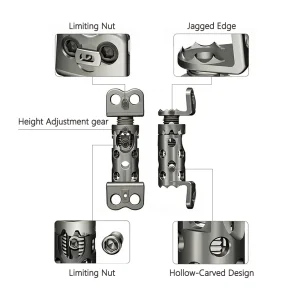
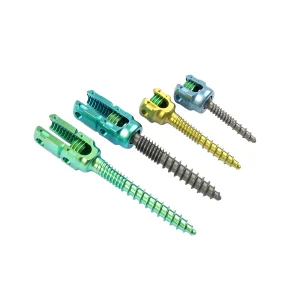
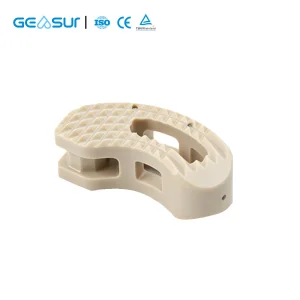
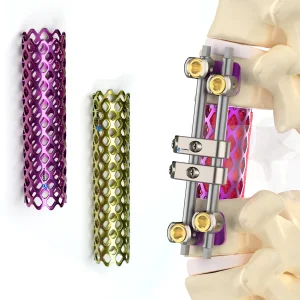
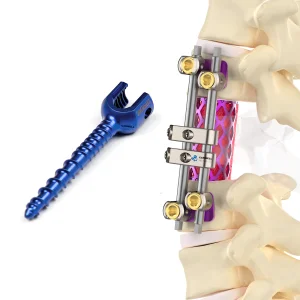
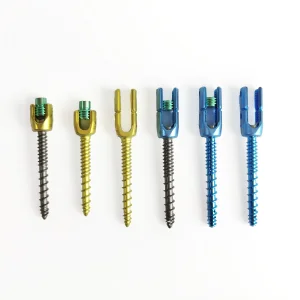
Retaining the complete surgical product series, providing specialized options for scoliosis correction, laminoplasty, and percutaneous screw insertion.
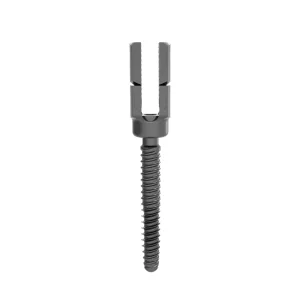
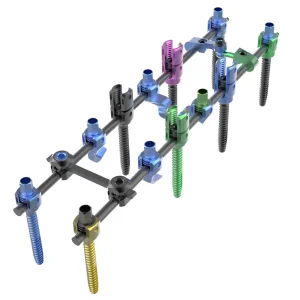
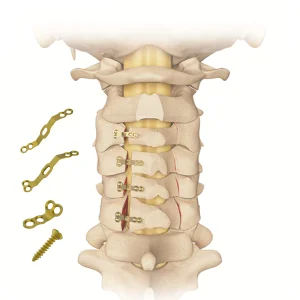
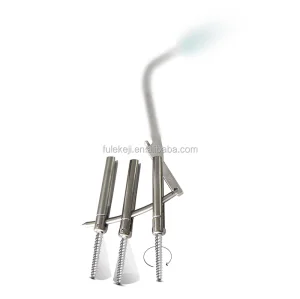
A practical checklist for hospital procurement committees and distributor agents when selecting a spinal implants manufacturer.
For implants shipped directly to sub-Saharan regions like Namibia, double-sterile Tyvek barrier packaging is vital. This packaging prevents contamination during long ocean shipping cycles and high-humidity equatorial crossings. Ensure that sterilization processes match ISO 11137 (Sterilization of health care products) using ethylene oxide (EO) or gamma irradiation.
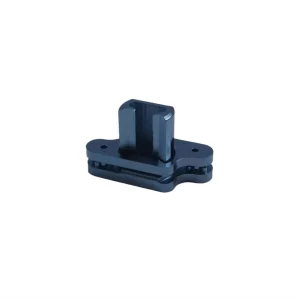
Implants cannot be inserted without corresponding, high-precision surgical instruments. A qualified factory must supply instrument sets (pedicle screw drivers, taps, trials, plate benders) designed specifically for the matching implant tolerances. These instruments must be constructed from surgical-grade stainless steel (AISI 316L or 420) to withstand repeated autoclaving without losing shape or edge sharpness.
Introducing new implant lines requires professional clinical training for local orthopedic registrars and scrub nurses. Factory support should include detailed surgical technique manuals, virtual CAD demonstration walk-throughs, and structural cross-sections showing screw-thread interactions and anatomical compression profiles.
The import permit validation process by the NMRC in Windhoek requires raw material mill sheets, biological safety evaluation reports (ISO 10993), and mechanical test reports (ASTM F1717 for static/dynamic compression and torsion). Direct manufacturer relationships ensure you receive these documents promptly, saving weeks of administration delay.
Clear, technical answers regarding regulatory clearance, material quality, customization, and logistics timelines.
Looking for a reliable manufacturing partner to supply high-quality spinal systems in Namibia and the wider SADC region? Get in touch with our team for bulk pricing, catalog requests, and custom engineering blueprints.
Send Inquiry Now KaiSo Medical