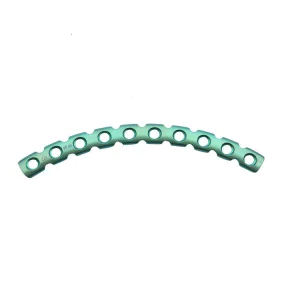
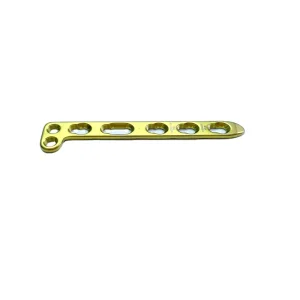
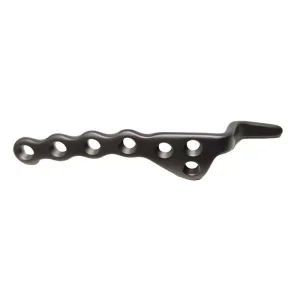
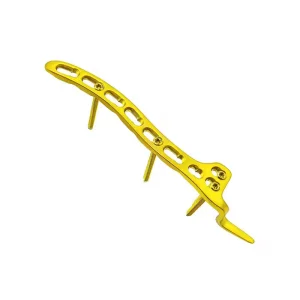
The Chilean orthopedic trauma market is recognized as one of the most sophisticated in South America, characterized by a robust dual healthcare system consisting of public (FONASA) and private (ISAPRE) sectors. As medical infrastructure in Santiago, Concepción, and Valparaíso continues to modernize, the demand for high-quality titanium locking plates and intramedullary nails has surged. Unlike other regional markets, Chile maintains rigorous standards for medical device registration through the Instituto de Salud Pública (ISP), aligning its requirements closely with European CE MDR and International ISO 13485 standards.
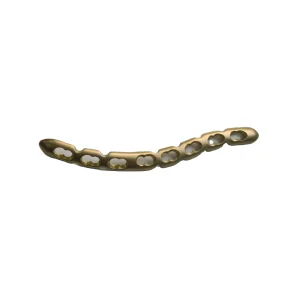
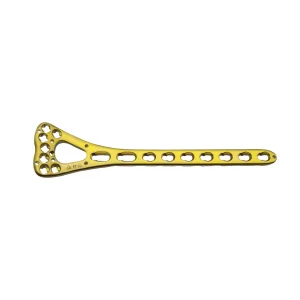
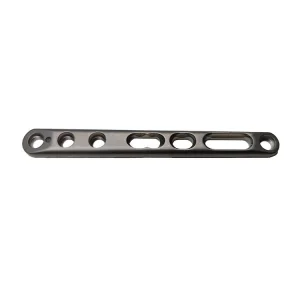
Industrial trends in the region indicate a shift from traditional compression plates to anatomically pre-contoured locking systems. These systems reduce surgical time and improve patient outcomes in complex fracture management. For manufacturers, providing "Information Gain" means not just delivering a product, but offering a complete clinical pathway that includes specialized instrumentation and localized surgical support.
As a leading orthopedic trauma implant manufacturer, our technical roadmap focuses on three core pillars: Biocompatibility, Mechanical Precision, and Surgical Efficiency.
KaiSo maintains a comprehensive Quality Assurance System including:


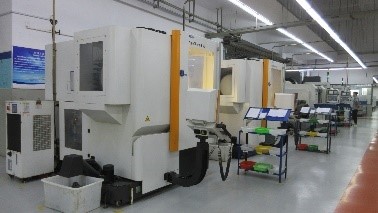
In the post-pandemic era, supply chain stability has become a critical factor for Chilean hospital procurement officers. Our China-based factory offers a unique "Efficiency Advantage." With over 29,523㎡ of floor space and highly automated production lines, we bridge the gap between high-volume demand and artisanal precision.
By leveraging the industrial clusters in China, we ensure a 99.9% material traceability rate, from raw titanium ingots to the final sterile-packaged screw. For our Chilean partners, this translates to reduced lead times (often 30% faster than European competitors) and a highly competitive cost-to-quality ratio, essential for winning tender bids in the public health sector.
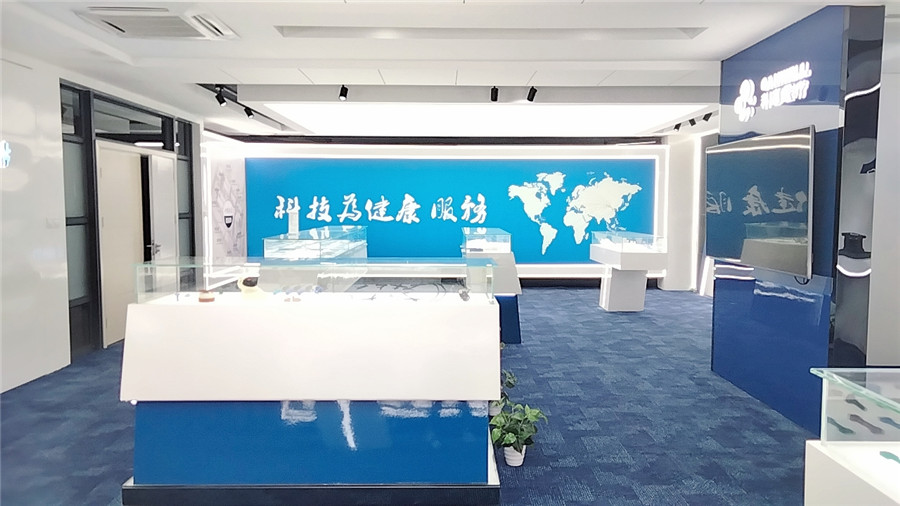
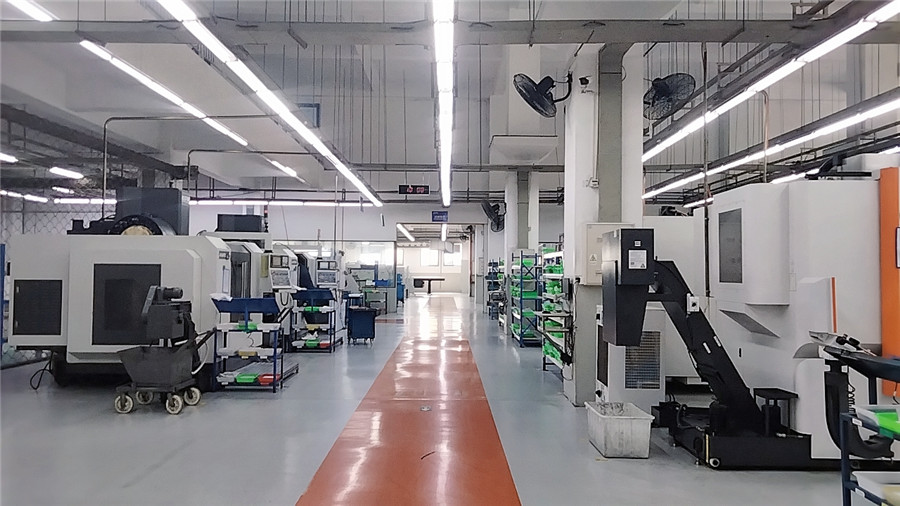
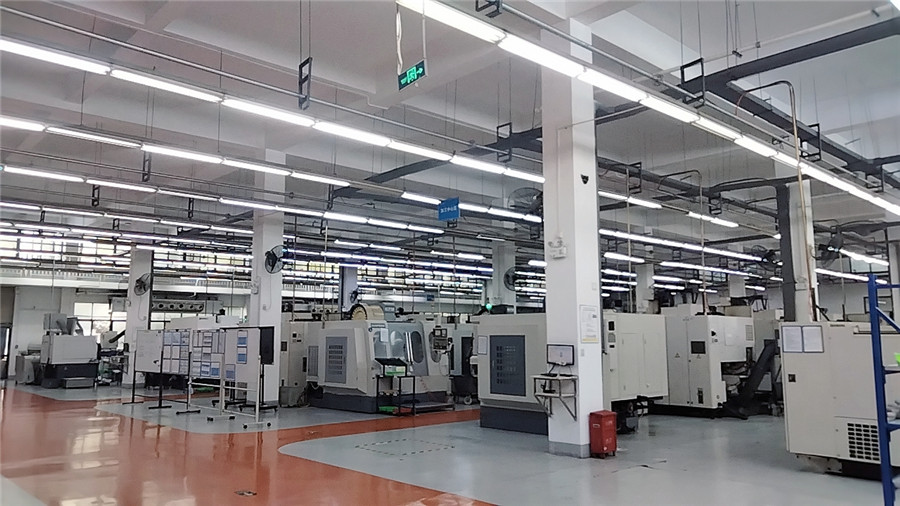
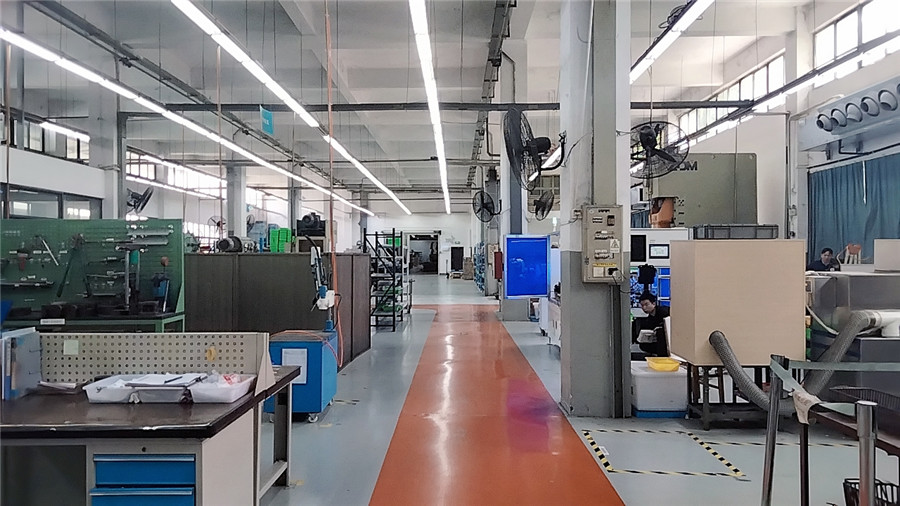
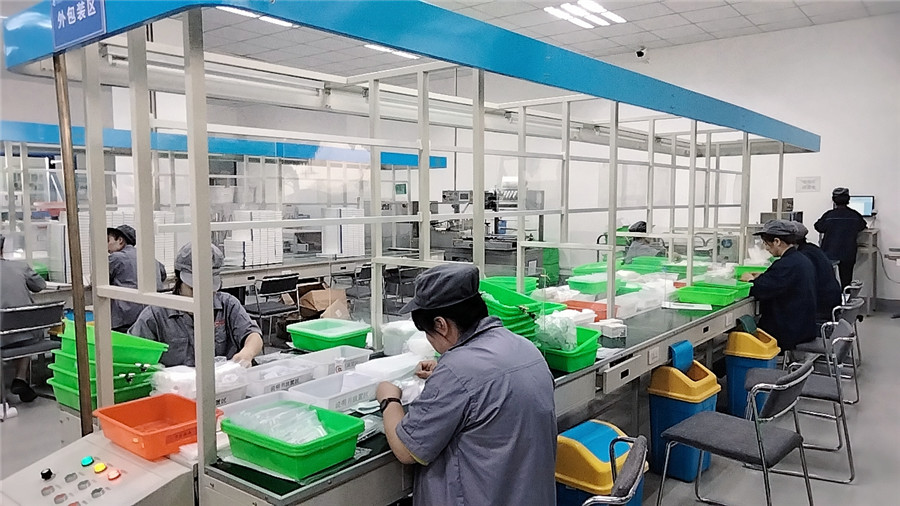
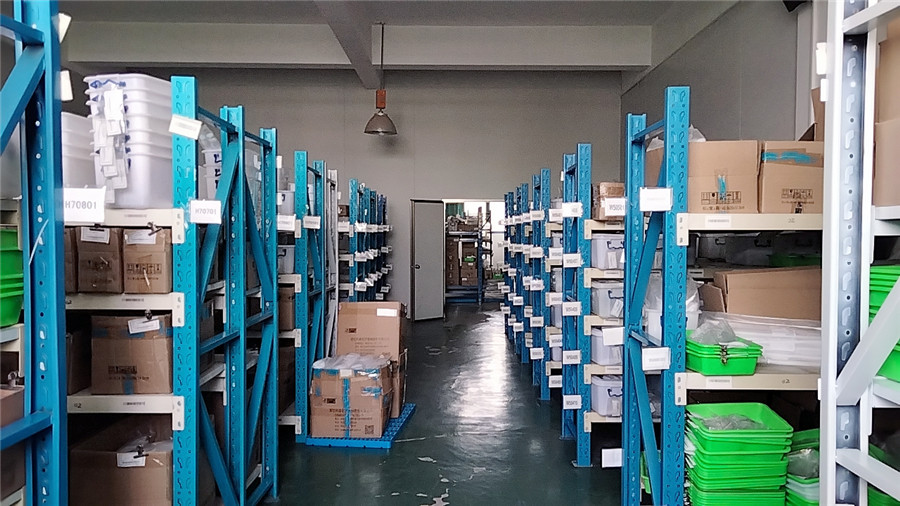
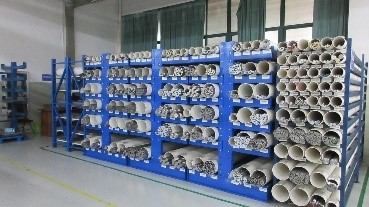
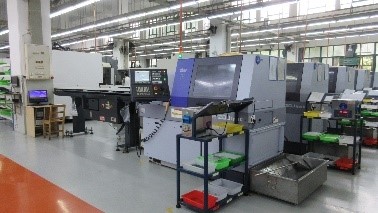
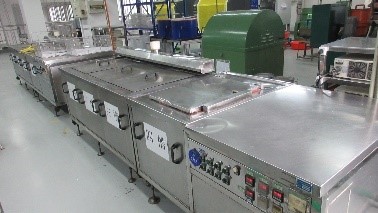
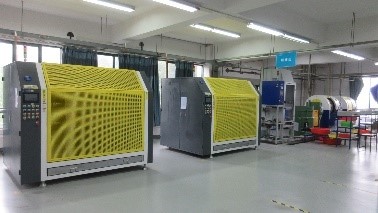
Automated production processes and clean-room facilities ensuring ISO-compliant manufacturing.
KaiSo has established a complete Quality Assurance System to continuously fulfil the requirements according to ISO9001, 13485, CE, ranging from material procurement to design development and automated production processes.
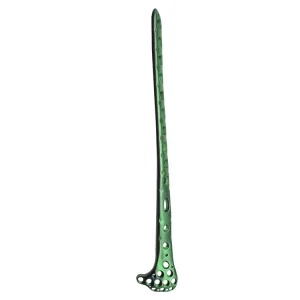
Chile's dominant mining industry leads to specific occupational trauma profiles, including high-energy crush injuries of the lower limbs. Our Proximal Femur Locking Plates and Distal Tibia Systems are designed for the rigid fixation required to allow early mobilization of workers, reducing long-term disability.
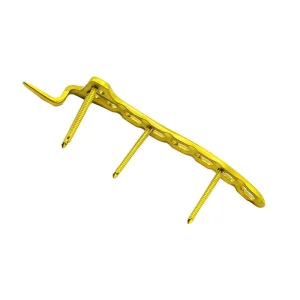
In Santiago, the aging population faces increasing rates of osteoporotic fractures. Our locking screw technology provides superior "purchase" in low-density bone, preventing screw back-out and hardware failure which is common in traditional systems.
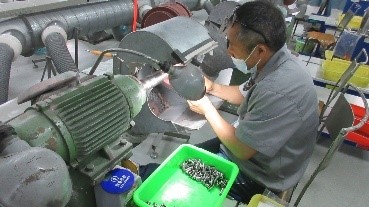
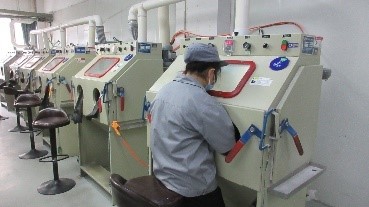
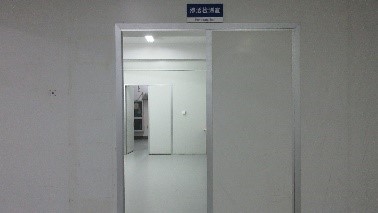
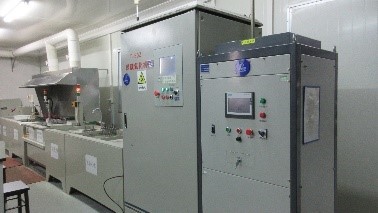
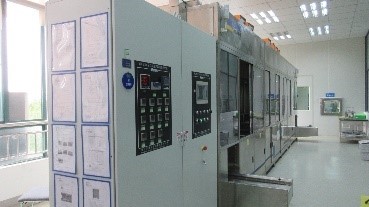
Our commitment to E-E-A-T (Experience, Expertise, Authoritativeness, and Trustworthiness) is reflected in our 22-year history and our team of 69 QC inspectors. Every batch of orthopedic implants destined for the Chile market undergoes rigorous testing for surface roughness, tensile strength, and thread precision to ensure they meet the demands of Chilean surgeons.
 KaiSo Medical