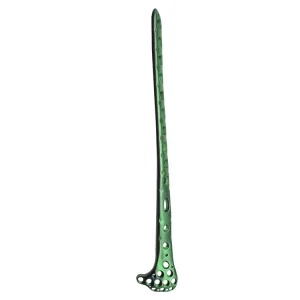
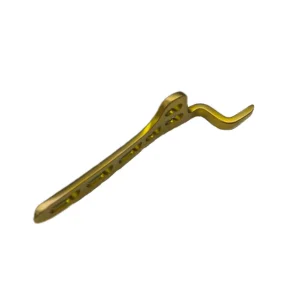
The orthopedic trauma implant market in Portugal has undergone a significant transformation in the last decade. Driven by a combination of an aging demographic—Portugal has one of the highest percentages of elderly citizens in Europe—and a robust public health system (SNS - Serviço Nacional de Saúde), the demand for high-quality, cost-effective fracture fixation solutions is at an all-time high.
Major clinical hubs in Lisbon, Porto, and Coimbra are increasingly seeking manufacturers that provide not just products, but "Information Gain"—detailed biomechanical data, clinical evidence, and technical support. Portuguese orthopedic surgeons are known for their precision and adherence to international protocols, making the EU MDR (Medical Device Regulation) compliance a non-negotiable threshold for any factory entering this market.
The global shift is moving toward biologically active implants and carbon-fiber reinforced PEEK materials. However, Titanium (Ti-6Al-4V ELI) remains the gold standard for trauma due to its unparalleled biocompatibility and modulus of elasticity closer to human bone.
Our technical roadmap includes Additive Manufacturing (3D Printing) for customized trauma solutions and "Smart Implants" integrated with micro-sensors to monitor bone healing progress in real-time, reducing the need for repeated X-rays.
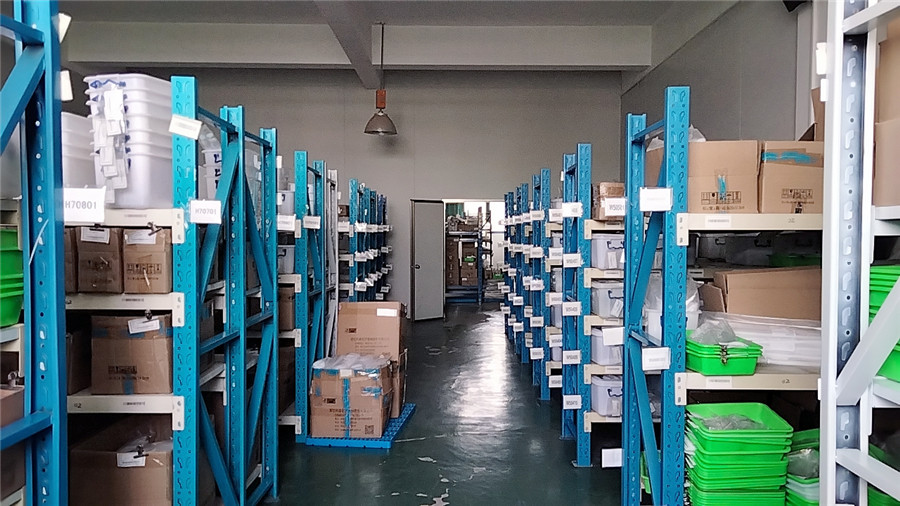
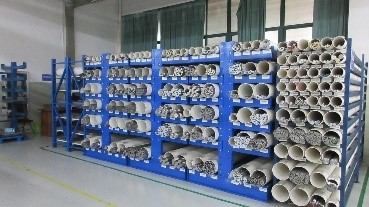
Navigating the transition from MDD to MDR is the biggest challenge for Portuguese importers. Our factory ensures 100% traceability from raw material titanium ingots to the final sterile packaged plate, easing the burden on local distributors.
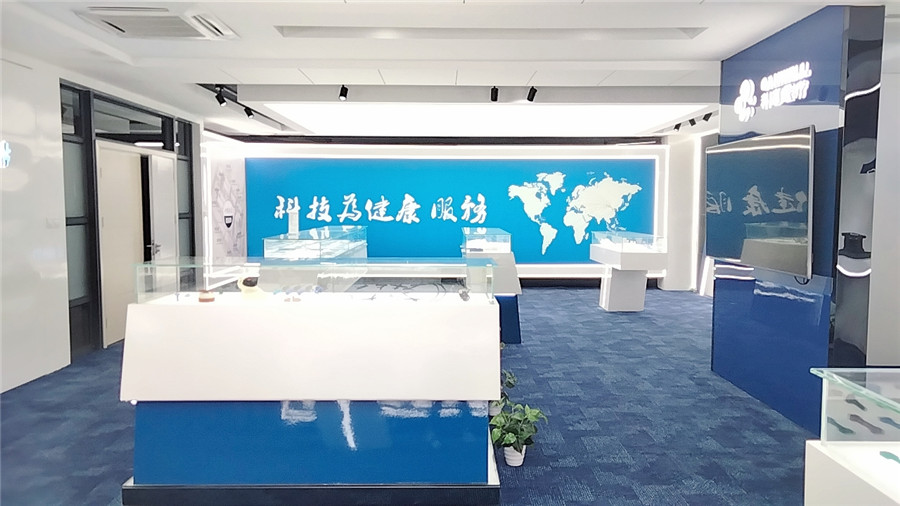
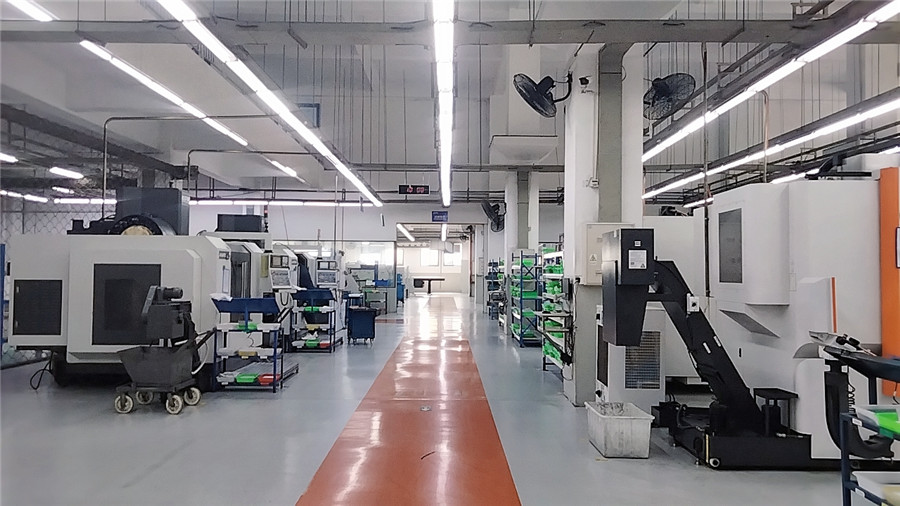
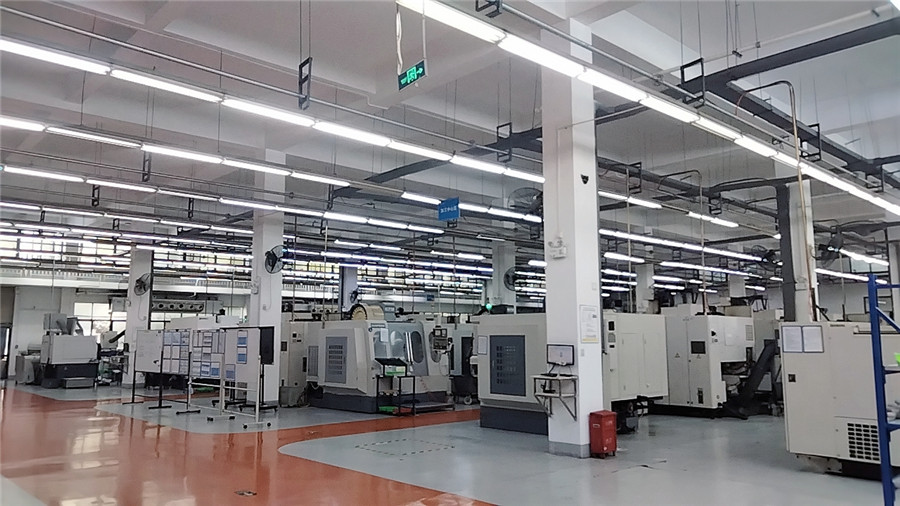
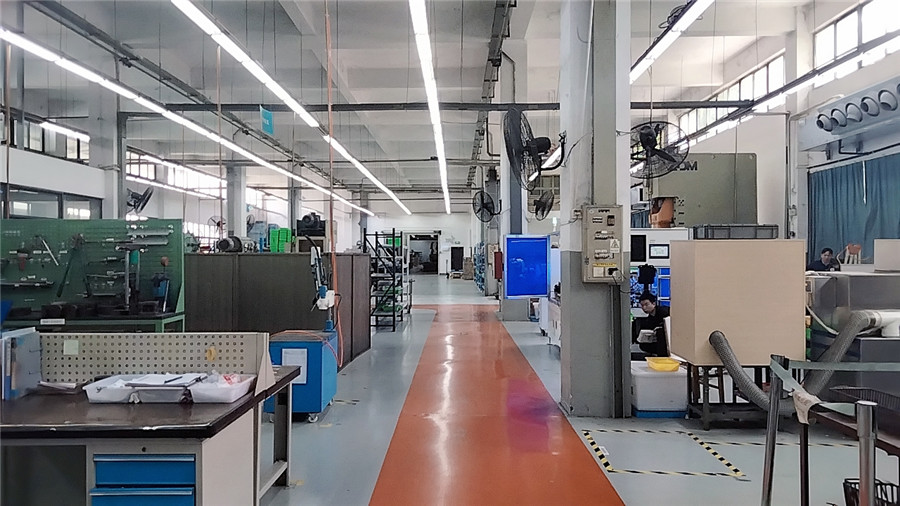
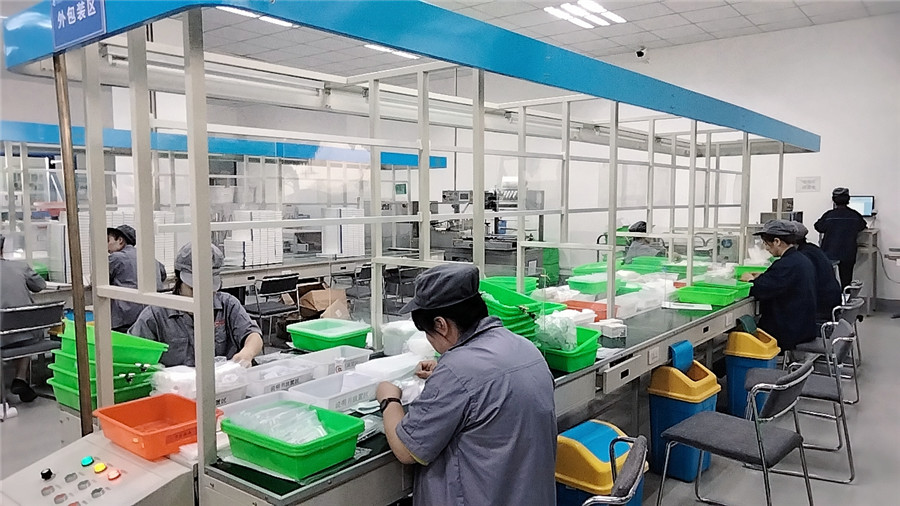
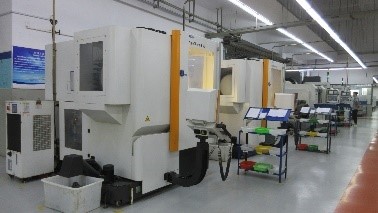
KaiSo has established a complete Quality Assurance System to continuously fulfil the requirements according to ISO9001, 13485, CE, ranging from material procurement to design development and automated production processes. Our 29,523㎡ facility is optimized for the high-volume precision required by the Portuguese orthopedic clusters.
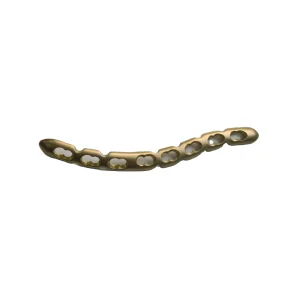
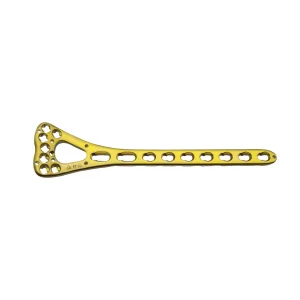
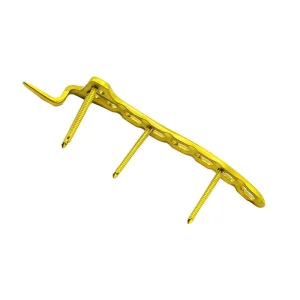
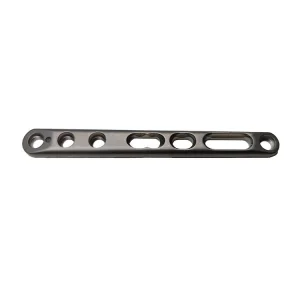
In Portugal, the high incidence of geriatric hip fractures and sports-related clavicle injuries (common in coastal surfing communities and football) dictates the inventory requirements. We provide "Fast-Response Trauma Kits" that include anatomical locking plates specifically designed for the European morphotype.
We don't just ship boxes. We provide 3D surgical simulation software files for our implants, allowing surgeons in Portuguese hospitals to plan complex reconstructions with millimeter precision. This reduces operating theater time—a critical KPI for the Portuguese SNS.
With 22 years of export experience, we have mastered the logistics of the Iberian Peninsula. Our packaging is designed to withstand long-haul shipping while maintaining sterility (Class 10,000 cleanroom standards), ensuring that when a plate arrives in Lisbon, it is ready for immediate use.
Yes, all our orthopedic implants are manufactured in compliance with EU MDR standards, which are the baseline for Infarmed (National Authority of Medicines and Health Products) in Portugal. We provide all necessary CE documentation and ISO certificates.
We primarily use medical-grade Titanium Alloy (Ti-6Al-4V ELI) and Pure Titanium (Grade 2/4), which offer the best balance of strength, weight, and biocompatibility for Portuguese clinical standards.
Absolutely. We offer light customization, sample processing, and full customized-on-demand services. Our 59 R&D engineers can work with your specific design requirements.
Standard trauma implants are typically in stock. For bulk orders or customized plates, the lead time is approximately 2-4 weeks, plus transit time which varies by shipping method (Air/Sea).
69 QA/QC Inspectors conducting inspection of all products. Full traceability of raw materials ensured.
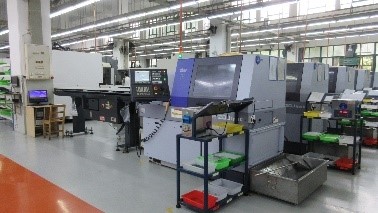
Operating for 22 years in the industry with high-tech automated production lines to ensure precision consistency.
ISO13485, 93/42/EEC, and MDR 6142788CE02. Verified by global certification bodies.
 KaiSo Medical