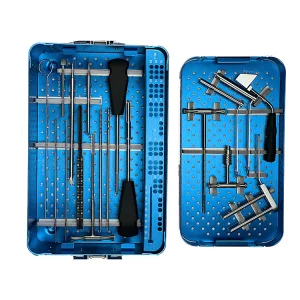
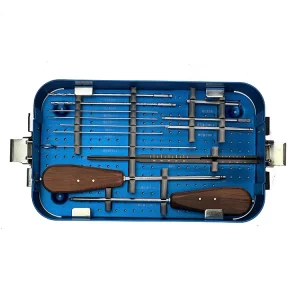
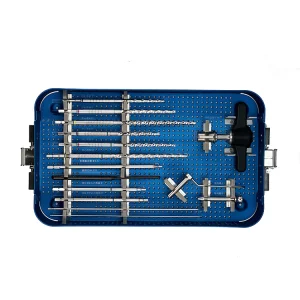
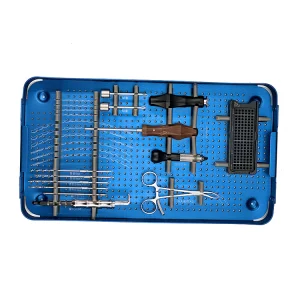
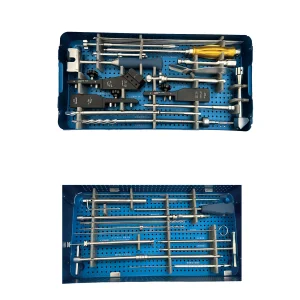
 Philippines Series: Femur Bone Fixation Femoral Interlocking Nail and Instrument Set
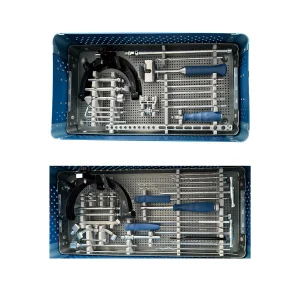 Manila Edition: Tibial Femur Interlocking Intramedullary Nail Orthopedic Instruments Implant Set
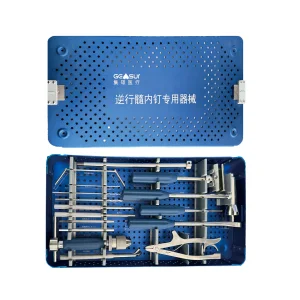 Titanium Alloy Elastic Interlocking Nail Instrument GA6X - Geasure Lifetime Warranty for PH Market
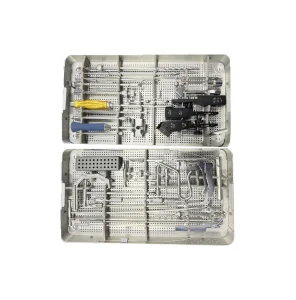 Medical Bone Surgery PFNA Intramedullary Nail Instrument Kit - Optimized for Philippine Trauma Centers
The Philippines medical device market is witnessing an unprecedented transformation. Driven by the Universal Health Care (UHC) Act and an increasing incidence of trauma cases related to vehicular accidents and an aging population, the demand for high-quality orthopedic instruments has reached new heights. In major healthcare hubs like Metro Manila, Cebu, and Davao, public hospitals (such as the Philippine General Hospital) and private medical centers (like St. Luke's Medical Center) are seeking "Information Gain" through cost-effective yet premium-grade surgical solutions.
Our analysis indicates a strategic shift from basic stainless steel implants toward Titanium Alloy (Ti6Al4V ELI) systems, which offer superior biocompatibility and reduced recovery times for Filipino patients. The local market currently faces challenges in supply chain consistency, making the role of a reliable manufacturer-exporter critical for ensuring that orthopedic surgeons have access to the right tools at the right time.
As a leading exporter, our technology roadmap focuses on Minimal Invasive Surgery (MIS). Our intramedullary nails—ranging from femoral to tibial and humeral systems—are designed with anatomical curvatures optimized for the Asian phenotype, ensuring a more precise fit for the Filipino population compared to Western-sized alternatives.
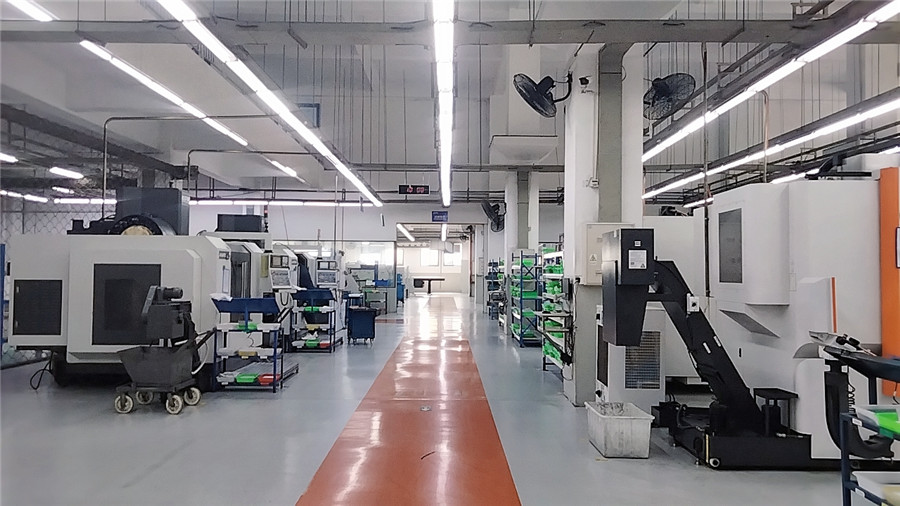
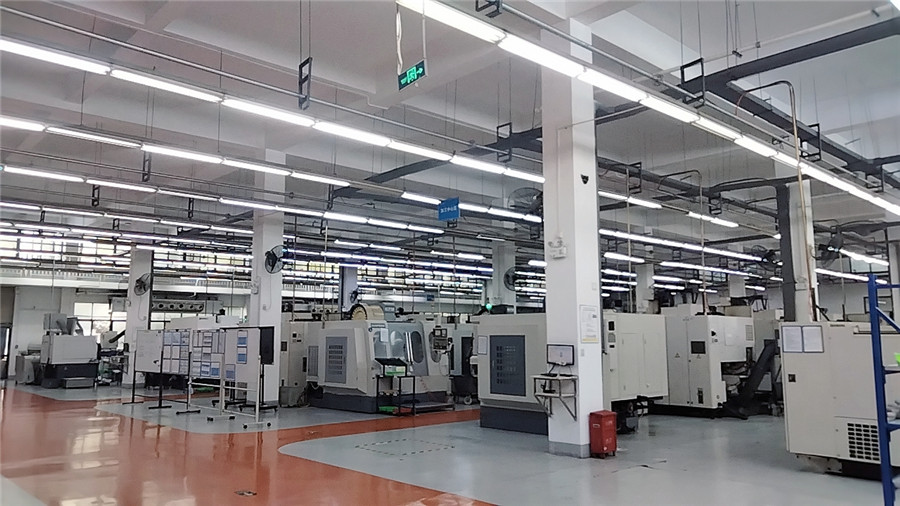
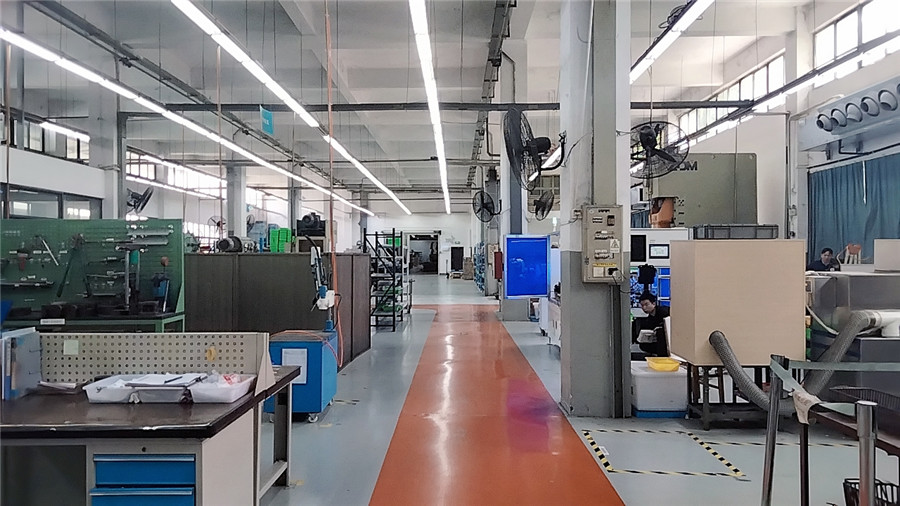
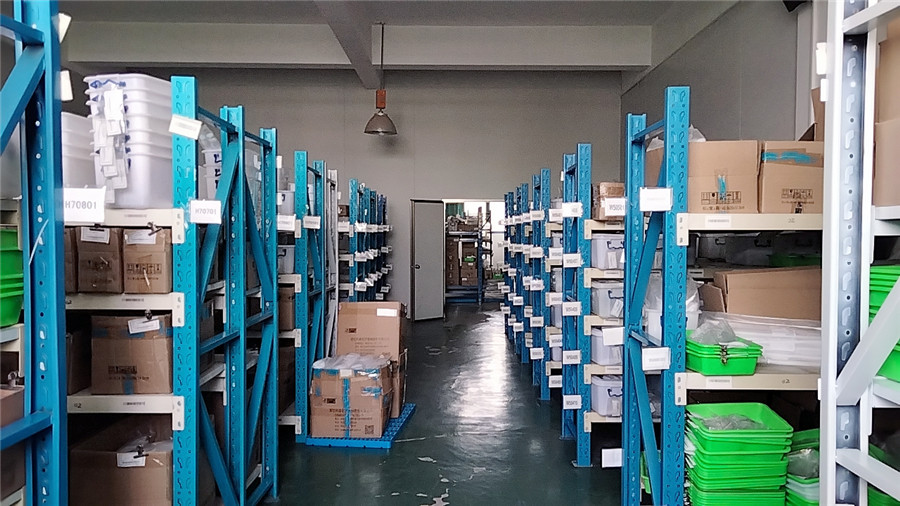
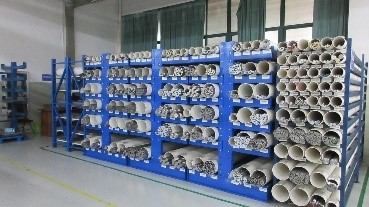
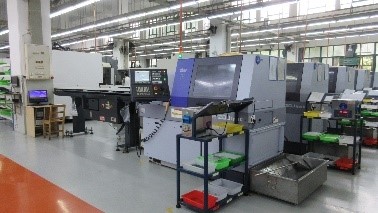
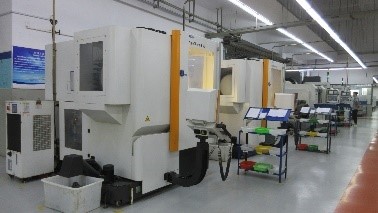
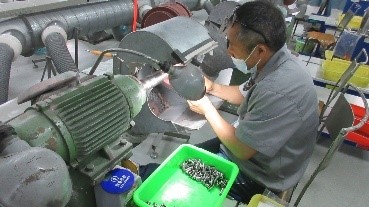
Our production base leverages Industry 4.0 standards. With over 29,523㎡ of floor space, our automated CNC machining centers ensure that every interlocking nail and instrument kit meets sub-micron tolerances. This level of precision is vital for the Supply Chain Resilience required by Philippine distributors who cannot afford product failures or recalls.
We provide a comprehensive macro-industry solution that includes:
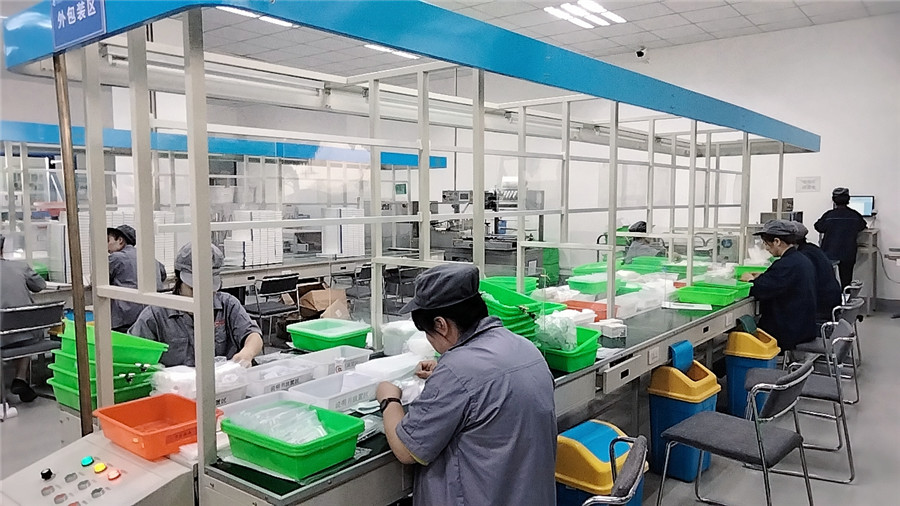
KaiSo has established a complete Quality Assurance System to continuously fulfil the requirements according to ISO9001, 13485, CE, ranging from material procurement to design development and automated production processes.
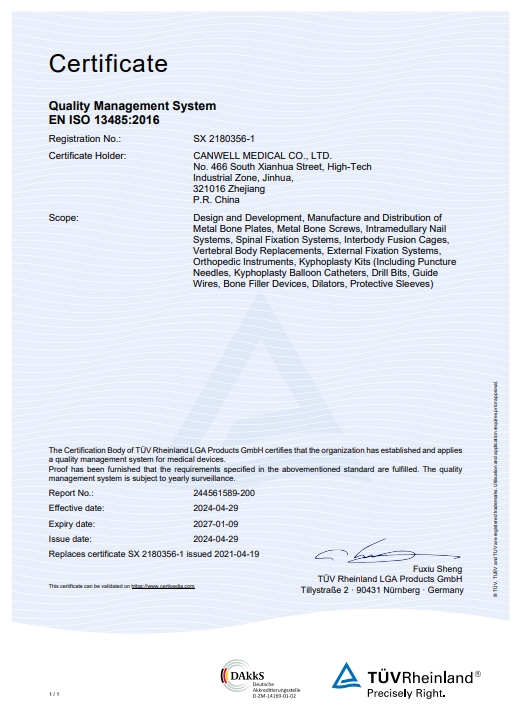
ISO13485
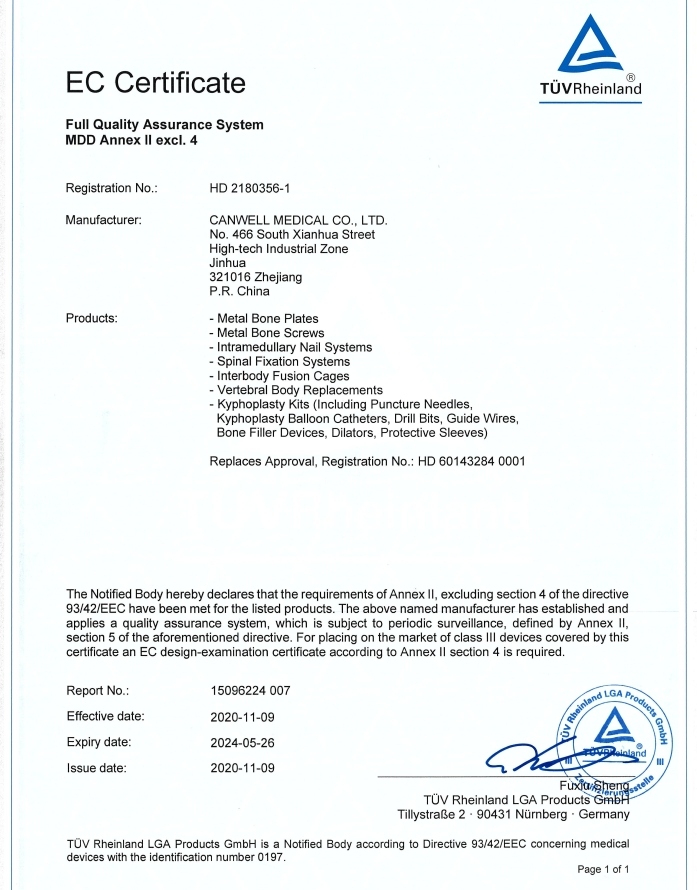
CE 93/42/EEC
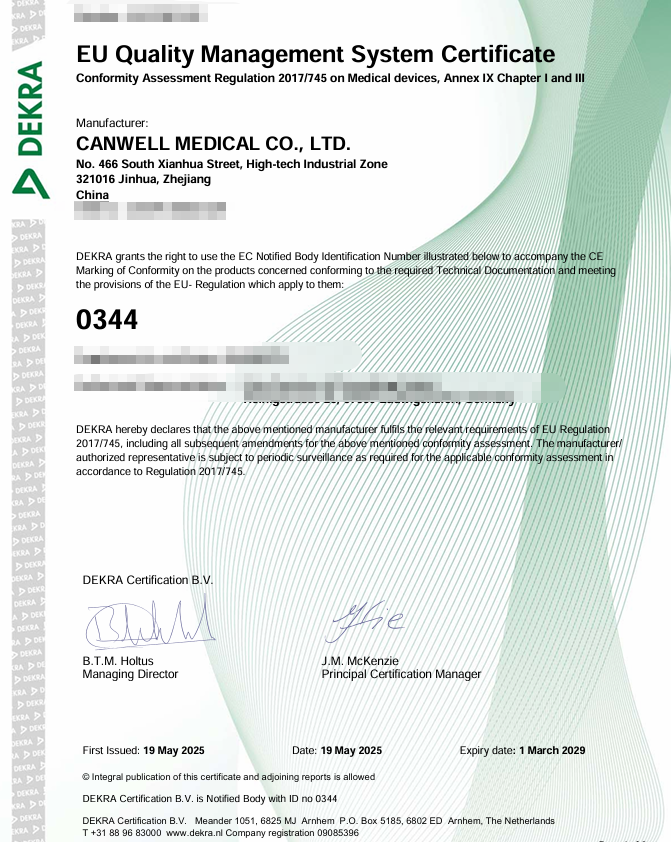
MDR Certified
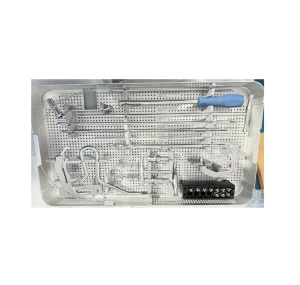 New Tibia Interlocking Intramedullary Nail Set - Philippine Clinical Grade
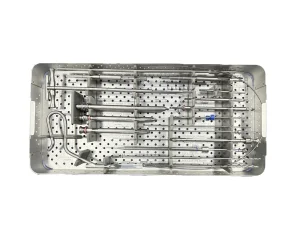 Humeral Nail Instrument Kit - Specialized for Trauma Surgery in Manila
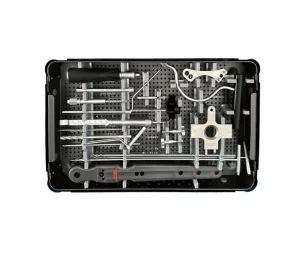 Titanium Fibula Intramedullary Nail Instrument Set - PH Export Edition
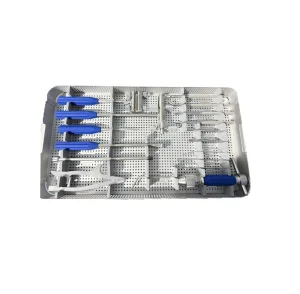 Pediatric Orthopedic Elastic Nail Instrument Set for Philippines Charity Missions
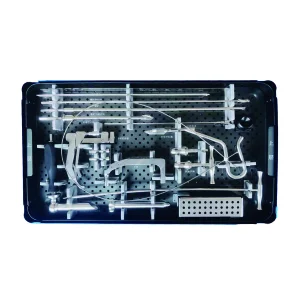 China Factory Interlocking Nail Fixation Set for Femur Nails - Bulk PH Supply
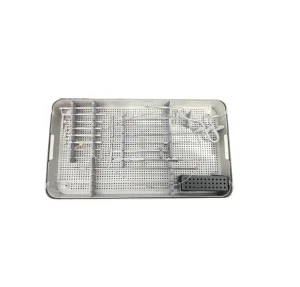 Retrograde Femoral Intramedullary Nail Instrument Set - Titanium Trauma Series
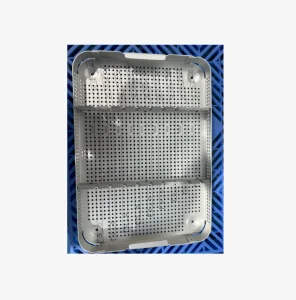 Geasure CE Certified 8mm-11mm Tibia Nail Box for PH Regional Hospitals
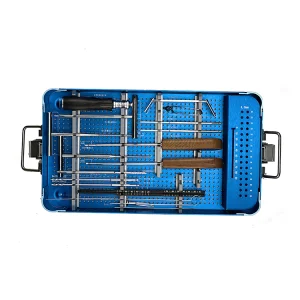 Spinal Hollow Screw Specialized Instruments 3.5/4.0 - Neuro-Ortho PH Series
 KaiSo Medical