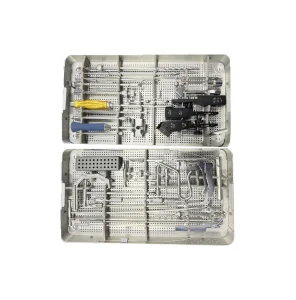
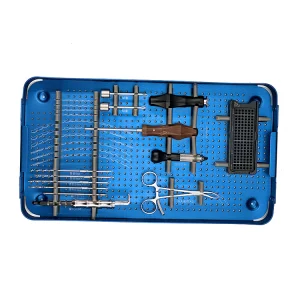
Highly critical osteosynthesis solutions selected for acute fracture fixation workflows in Antigua and Barbuda municipal hospitals.
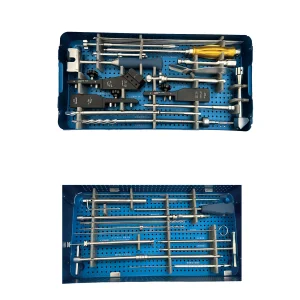
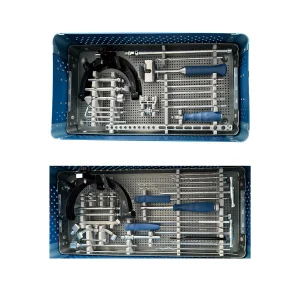
An authoritative analysis of the medical implant procurement pathways, logistical realities, and orthopedic clinical settings in the twin-island nation.
The healthcare landscape of Antigua and Barbuda exhibits a unique structural demand for high-reliability medical devices, particularly orthopedic implants and surgical instruments. Serving as a crucial hub for the Eastern Caribbean, the country's primary public facility—the Sir Lester Bird Medical Centre (SLBMC) in St. John's—alongside private clinics, handles a substantial caseload of orthopedic and trauma surgeries. Because the region relies heavily on tourism, sports, and outdoor activities, the incidence of fractures, high-impact motor vehicle traumas, and degenerative joint conditions calls for an immediate, robust supply of regulatory-certified orthopedic devices.
Historically, Caribbean medical facilities face steep challenges regarding supply chain latency and high importation costs from traditional, fragmented middlemen. With the local surgical needs requiring constant adaptiveness, sourcing directly from audited, international factories is paramount. By bypassing multiple distribution layers, hospitals in Antigua and Barbuda can secure access to critical instruments, such as intramedullary nails, compression plates, and spinal implants, that comply fully with rigorous international regulations (CE MDR, ISO 13485) while optimizing procurement budgets.
Furthermore, local clinical departments are increasingly recognizing the necessity of titanium alloy systems (Ti-6Al-4V ELI) over conventional stainless steel due to superior biocompatibility, lowered corrosion risk, and high fatigue resistance. These parameters are essential in tropical coastal environments like Antigua and Barbuda, where micro-climates place high demands on sterile instrument storage systems. Minimizing instrument rusting and maintaining blade sharpness through superior metallurgical composition directly affects post-operative healing and reduces the risk of implant rejection.
Aligning advanced biomechanical manufacturing technology with the stringent regulatory protocols of modern healthcare systems.
Utilization of Grade 5 Titanium (Ti-6Al-4V ELI) and implant-grade PEEK. These materials match the elasticity modulus of human cortical bone, reducing stress shielding and accelerating post-surgery osseointegration.
Every batch undergoes exhaustive certification sweeps including raw material tracking, dimensional tolerance testing via optical comparators, and automated cleaning validation to meet dynamic regulatory requirements.
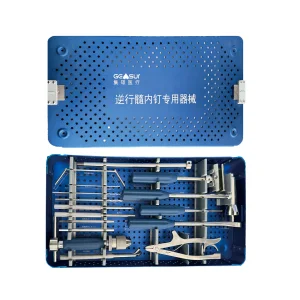
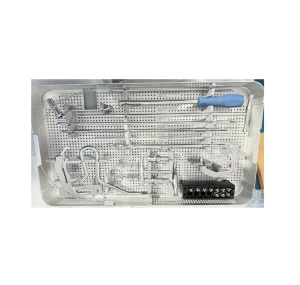
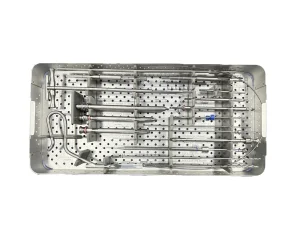
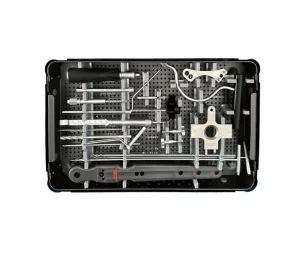
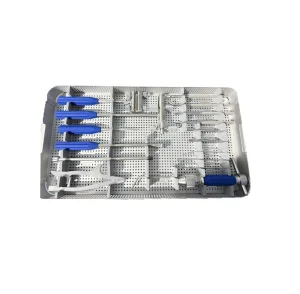
Our advanced instrumentation systems (e.g. PFNA, retrograde femoral systems) feature targeted guidewires and ergonomic screw insertion jigs to minimize soft tissue destruction and reduce operating room time.
In the international orthopedic sector, the shift from conventional manual tooling to intelligent, CAD/CAM integrated CNC manufacturing is now standard. Leading factories ensure that every implant—whether a micro-reconstruction plate or a complex spinal cage—undergoes robotic passivation and cleanroom packaging (Class 10,000 / ISO 7 equivalent). This attention to detail eliminates particulate contaminants that could trigger post-implantation immune responses, securing patient health and preserving the hospital's reputation.
Inside the production center: Continuous compliance to ISO 9001, 13485, and CE criteria across every automated production line.
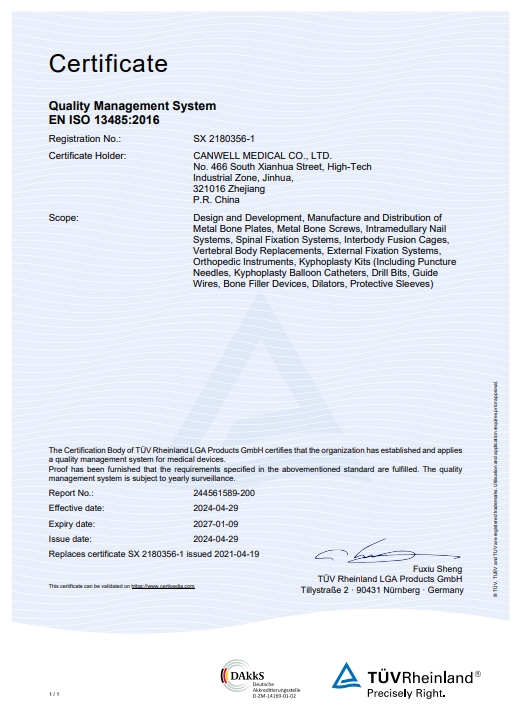
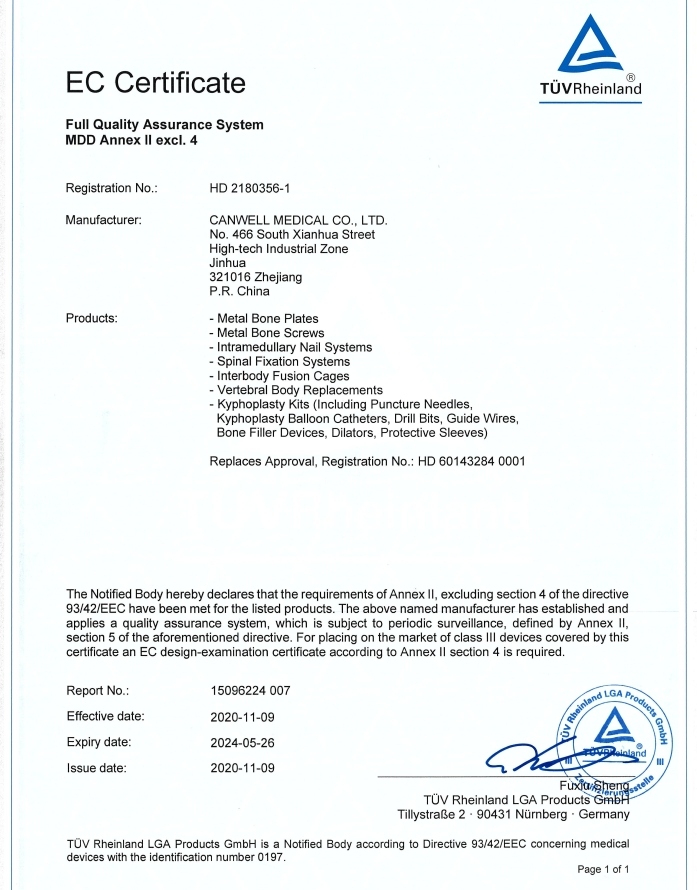
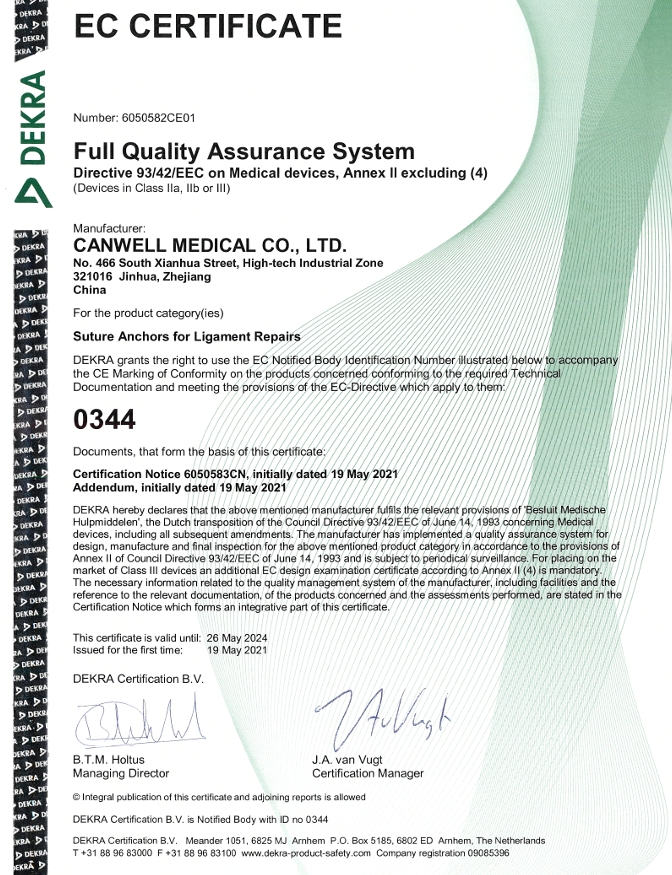
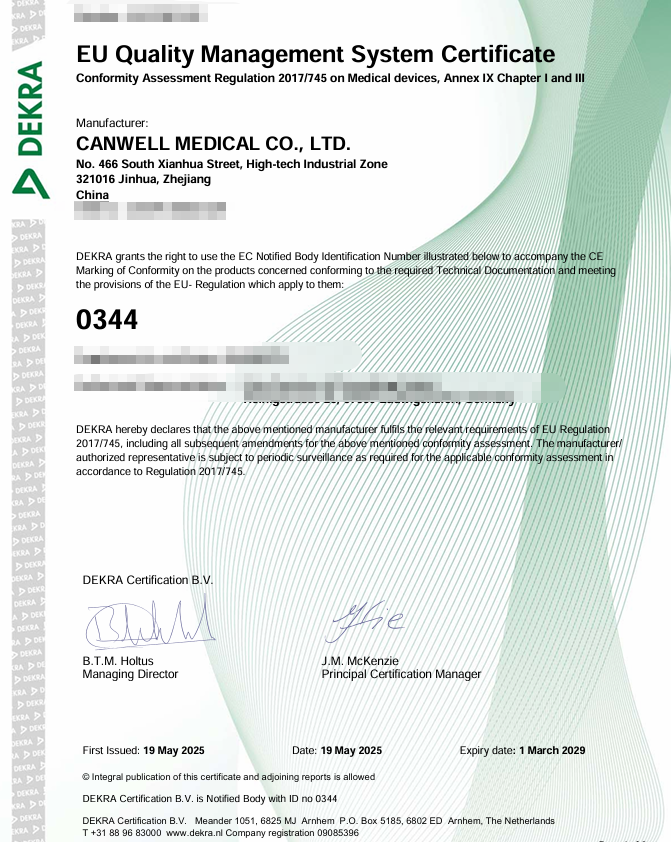
KaiSo has established a complete Quality Assurance System to continuously fulfil the requirements according to ISO9001, 13485, CE, ranging from material procurement to design development and automated production processes. Below is the visual breakdown of our state-of-the-art production floors, advanced testing chambers, CNC tooling stations, and sterile packaging divisions.
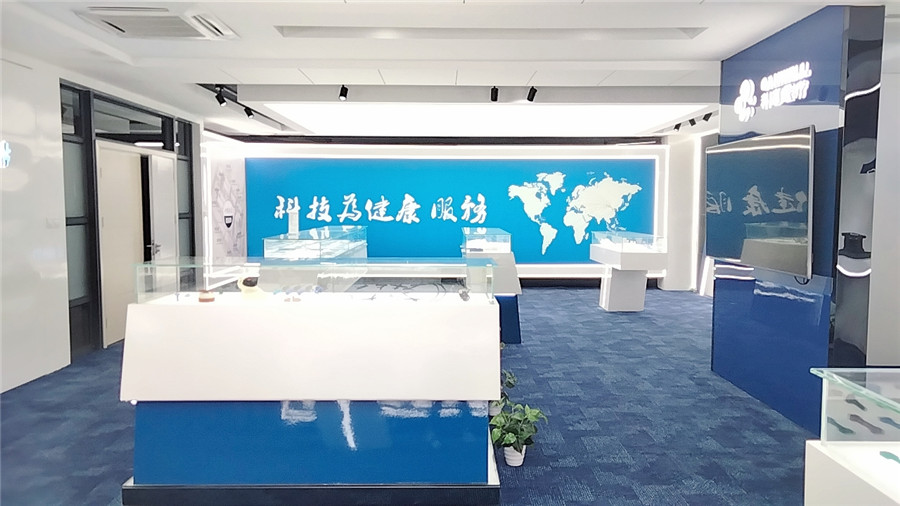
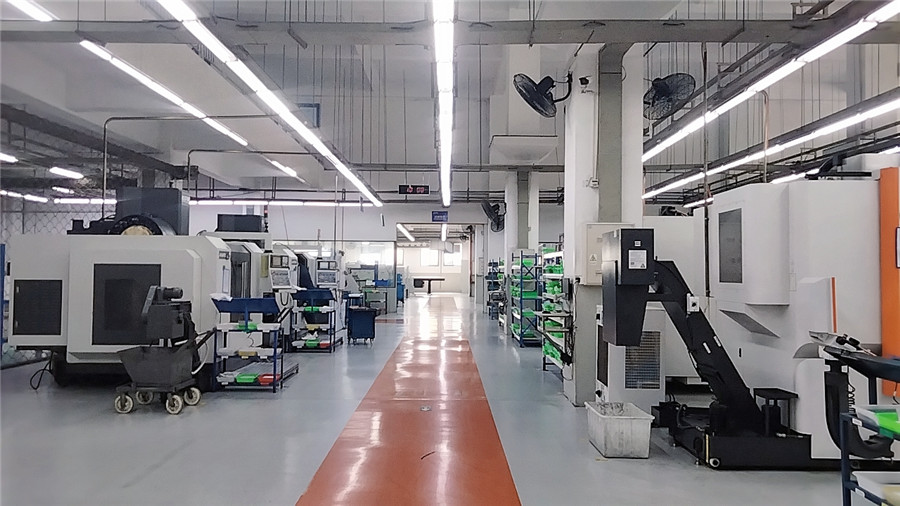
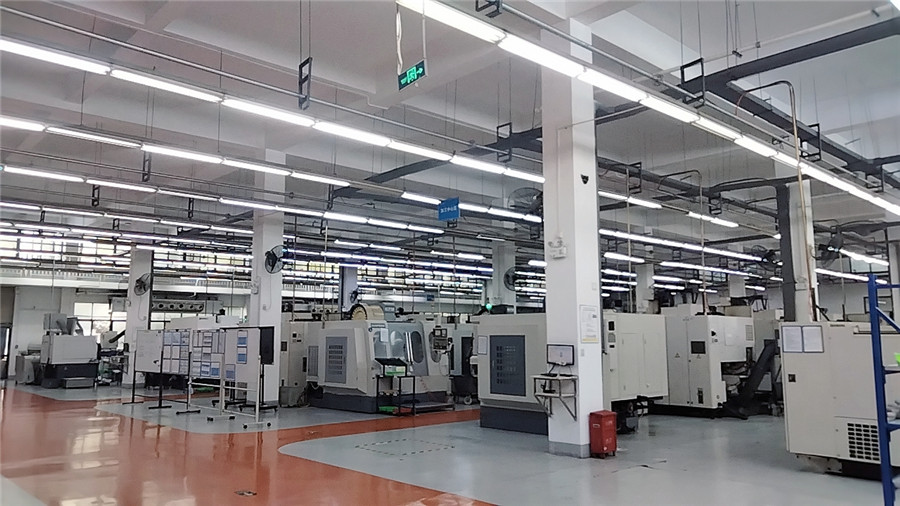
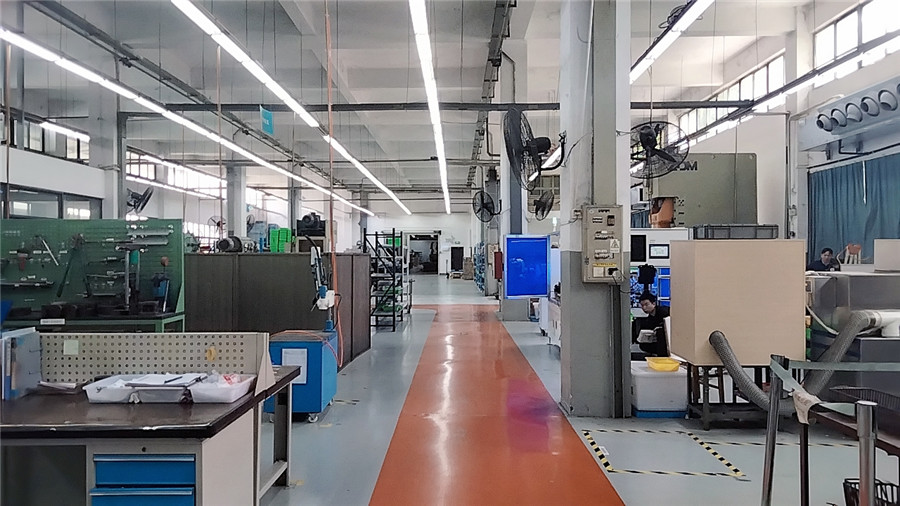
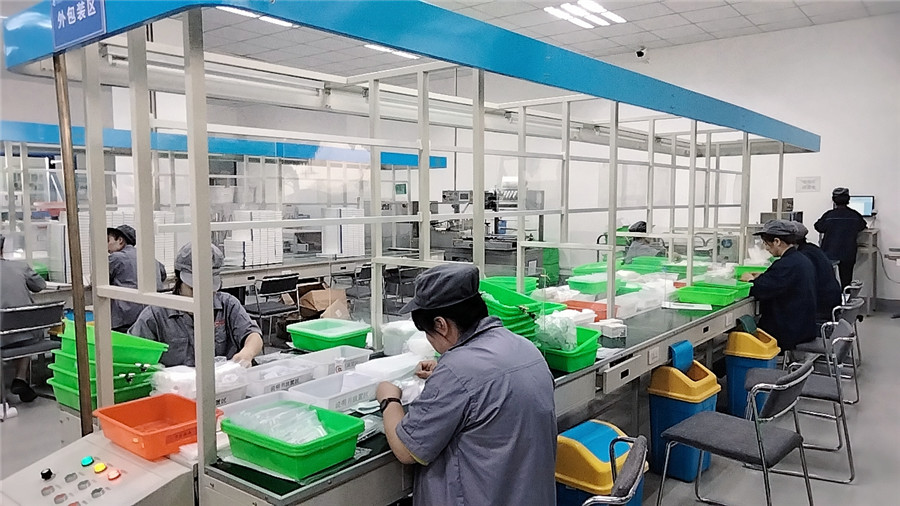
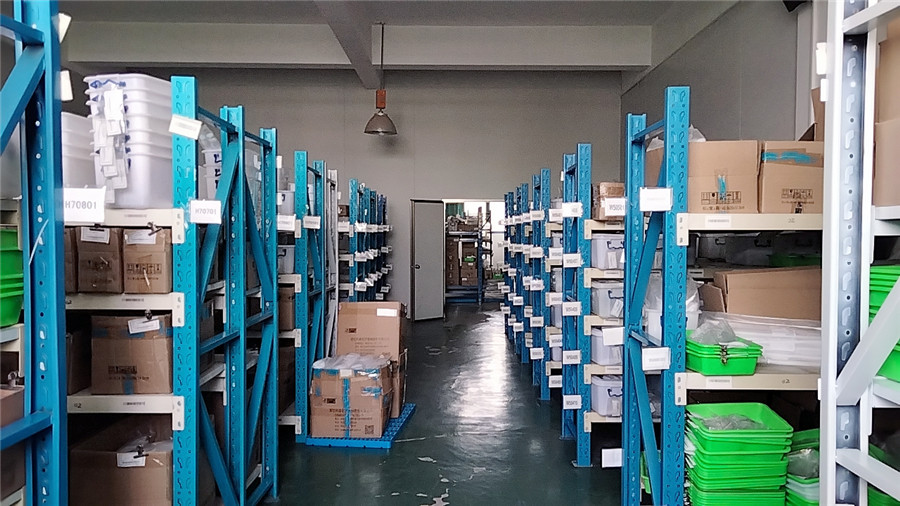
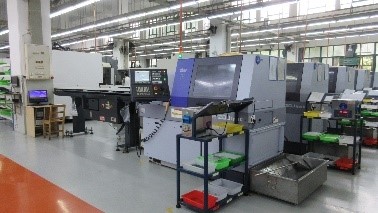
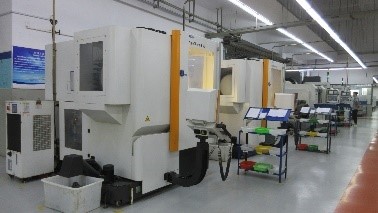
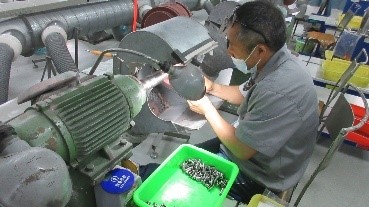
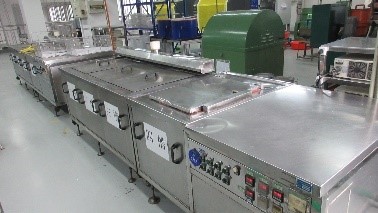
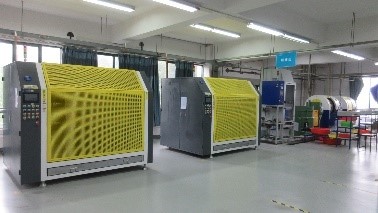
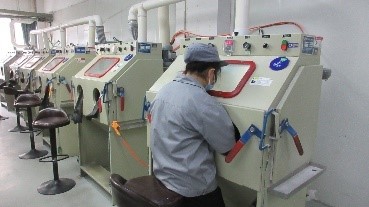
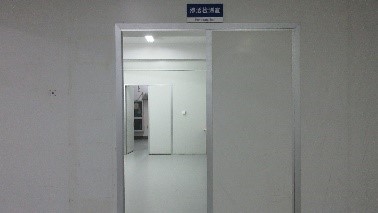
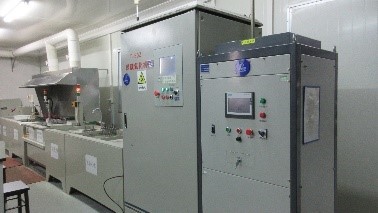
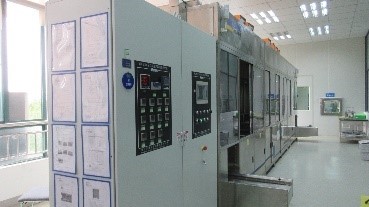
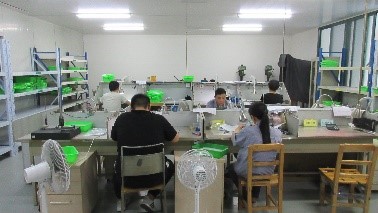
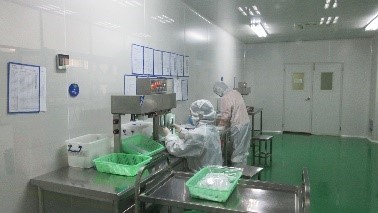
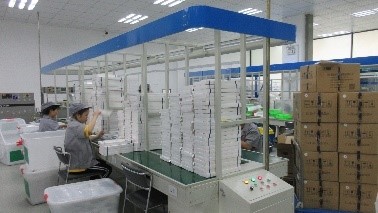
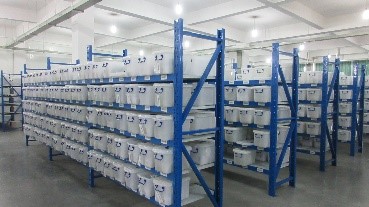
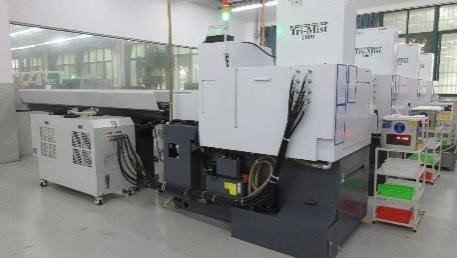
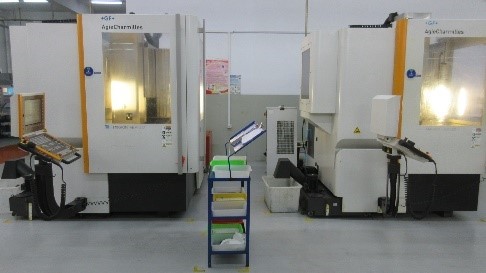
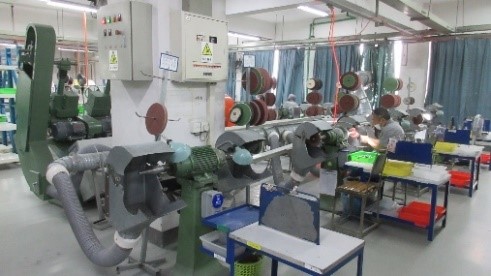
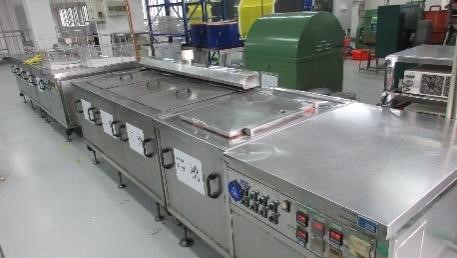
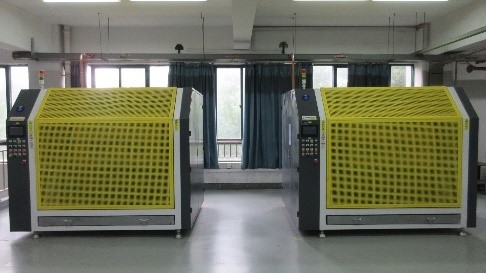
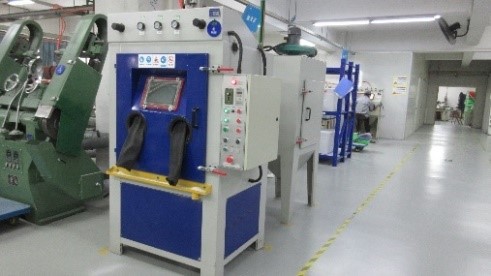
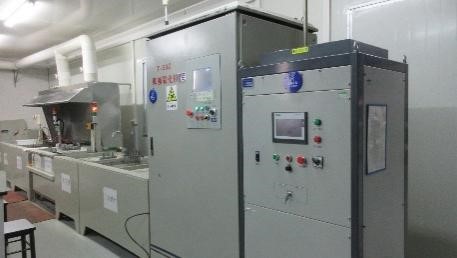
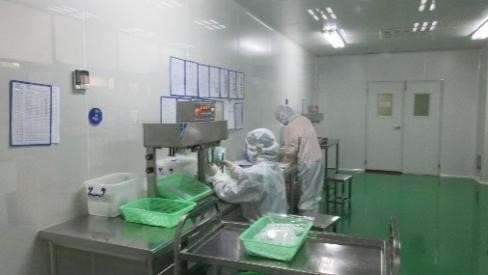
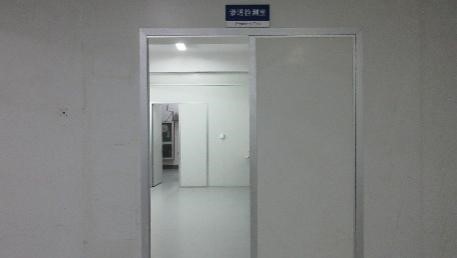
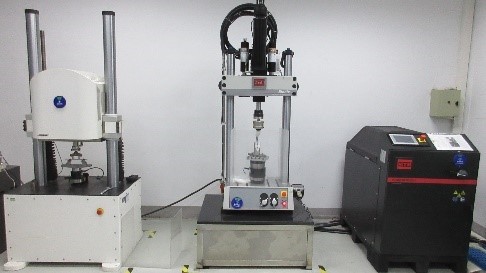
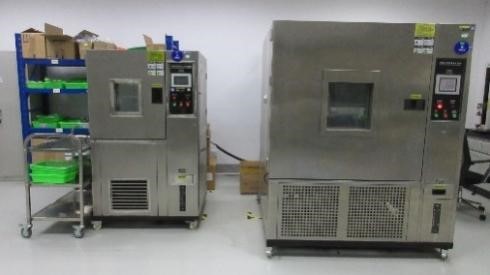
Transparent manufacturer capabilities, operational footprint, and compliance certifications.



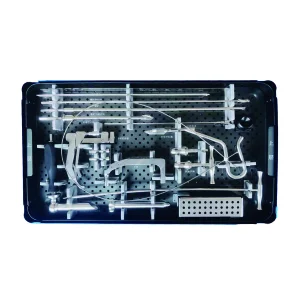
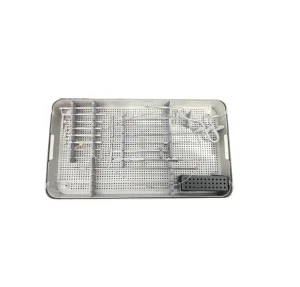
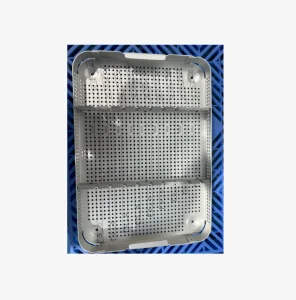
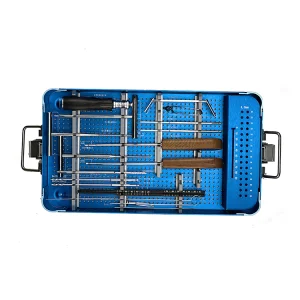
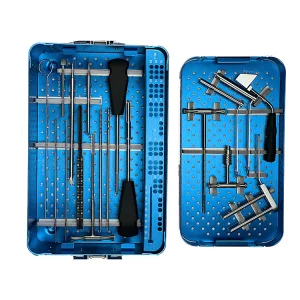
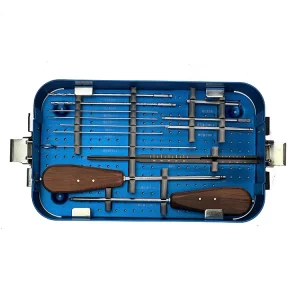
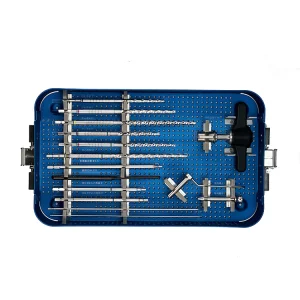
Complete surgical instrument sets and anatomical implants optimized for long-term clinical safety.
How we overcome long-distance supply challenges through structured export protocols.
Shipping precision medical equipment into the Caribbean requires strict adherence to temperature-controlled transit, airtight moisture sealing, and custom clearance readiness. At KaiSo, our international shipping protocols are engineered to comply with the Port Authority of Antigua and Barbuda and local customs protocols at V.C. Bird International Airport. All instruments and implants are shipped using protective packaging configurations that isolate the metal surfaces from the corrosive, salt-heavy Caribbean air.
For large-scale procurements from hospital networks and orthopedic groups in St. John's, we offer tailored container consolidation and rapid air-freight options to prevent backorders. Each dispatch includes mill-run certification logs, batch traceability charts, sterilization indicators, and conformity declarations to expedite the regulatory clearance processes of the OECS (Organisation of Eastern Caribbean States) Pharmaceutical Procurement Service.
Technical and logistical insights for surgeons, clinical procurement managers, and hospital purchasing officers in Antigua and Barbuda.
Optimize your clinical workflows, reduce procurement overheads, and secure certified implant components. Request a comprehensive catalog and custom quote today.
Send Inquiry Now KaiSo Medical