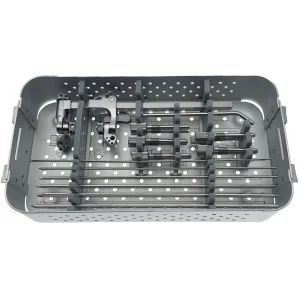
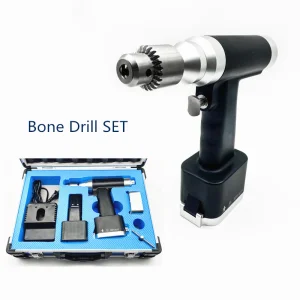
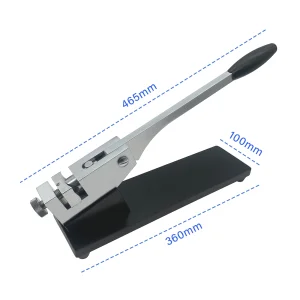
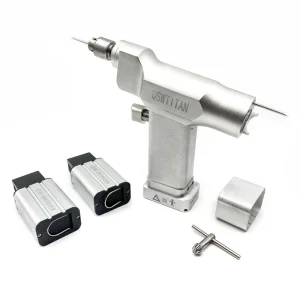
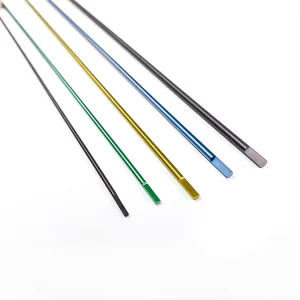
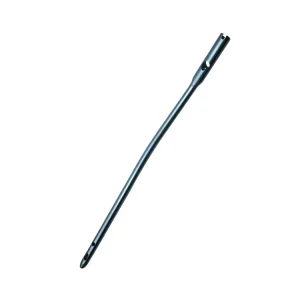
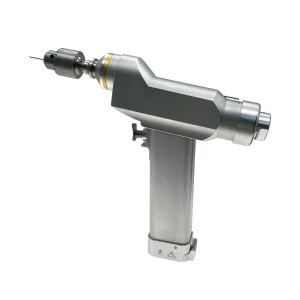
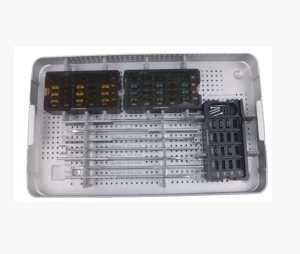
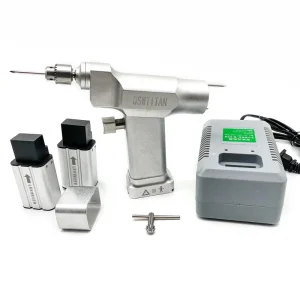
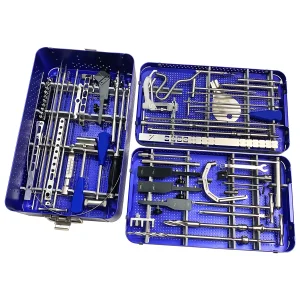
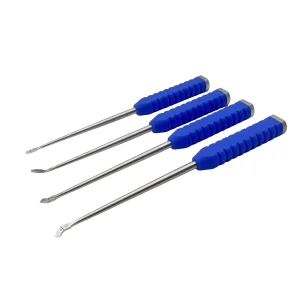
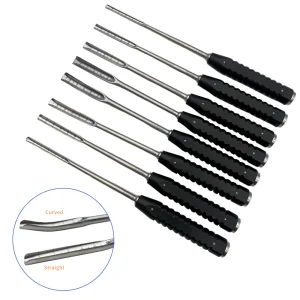
Explore our core engineering capabilities featuring class I, CE, and ISO-certified spinal, trauma, and veterinary surgical equipment.
Analyzing market dynamics, demographic pressures, and the shift towards sophisticated biomaterials.
The global spinal fixation market is experiencing unprecedented commercial growth, driven by a combination of aging global demographics, a rising incidence of degenerative disc disease, and the rapid technological integration of robotic surgery and navigation-guided instrumentation. Spinal fixation systems—primarily consisting of pedicle screws, rods, crosslinks, connectors, and interbody cages—are engineered to stabilize structural segments of the human vertebral column during fusion or correction procedures.
Currently valued at over USD 7.2 billion, the market represents one of the largest segments within the orthopedic implant industry. North America holds the largest revenue share, attributed to advanced surgical infrastructures and high diagnostic rates. However, the Asia-Pacific region, led by China and India, is emerging as the fastest-growing market. This shift is characterized by local manufacturing initiatives, regulatory harmonizations, and high volumes of spinal stabilization procedures associated with trauma and degenerative pathologies.
Transitioning from standard titanium alloys (Ti-6Al-4V ELI) to radiolucent Polyetheretherketone (PEEK) and advanced 3D-printed porous titanium surfaces that enhance osseointegration.
A significant swing from traditional open surgeries to Minimally Invasive Spine Surgery (MISS), demanding tighter instrument dimensional tolerances and micro-retractors.
Transition from 93/42/EEC MDD to European MDR (EU 2017/745) and strict FDA 510(k) standards, requiring rigorous raw material traceability and biocompatibility profiles.
To establish competitive advantages, orthopedic organizations are seeking manufacturers capable of delivering high-quality implants that combine biocompatibility with mechanical fatigue resistance. Dynamic stabilization, posterior dynamic systems, and anterior cervical plating systems are among the primary systems purchased by healthcare groups and distributors globally.
A strategic breakdown of market leaders defining standards for spinal fixation engineering worldwide.
As the industry pioneer, Medtronic dominates with its comprehensive spinal systems portfolio, notably the CD Horizon Solera family. They lead the market through surgical integration, combining implants with navigation and robotic-assisted systems like Mazor X.
Offering one of the broadest product arrays, DePuy Synthes excels in complex deformity solutions and cervical fixation. Their Universe and Symphony systems are renowned for surgical ergonomics and low-profile spinal constructs.
Stryker focuses on 3D-printed metal constructs using their proprietary Tritanium technology, enhancing bone ingrowth. Their Xia spinal system line remains a benchmark for thoracic and lumbar stabilization constructs.
Widely respected for high-speed innovation and responsiveness, Globus Medical excels in minimally invasive hardware and expandable lumbar cages. Their interbody fusion and posterior fixation lines are tightly coupled with the ExcelsiusGPS surgical robot.
With systems like the Vitality Spinal Fixation System, Zimmer Biomet focuses on operational simplicity. They utilize advanced titanium alloys designed to minimize construct stress while facilitating consistent implant alignment.
A European giant bringing German engineering precision. Aesculap specializes in instrumentation durability and surface coating technology, delivering high reliability across cervical and lumbar fixation applications.
Following its merger with SeaSpine, Orthofix is a strong player combining advanced orthobiologics with a versatile range of spinal hardware, specializing in dynamic fixation and cervical disc technology.
ATEC focuses entirely on spine surgery, delivering a continuous stream of procedural solutions. Their focus is on lateral access constructs (LIF) and posterior instrumentation systems designed to reduce operative time.
Providing high-precision spinal implants and surgical systems with a strong footprint in clinical data collection, emphasizing bone regeneration properties in their porous interbody devices.
A manufacturing and supply chain leader representing peak engineering efficiency, combining MDR-compliant facility layouts with massive high-precision CNC capacity and competitive tooling costs.
A comprehensive overview of KaiSo's manufacturing blueprint, quality assurances, and raw material traceability.
KaiSo has established a complete Quality Assurance System to continuously fulfil the requirements according to ISO9001, 13485, CE, ranging from material procurement to design development and automated production processes. Operating since 2004, KaiSo offers high-speed customization, serving OEM clients with medical-grade titanium and high-tensile stainless steel components.
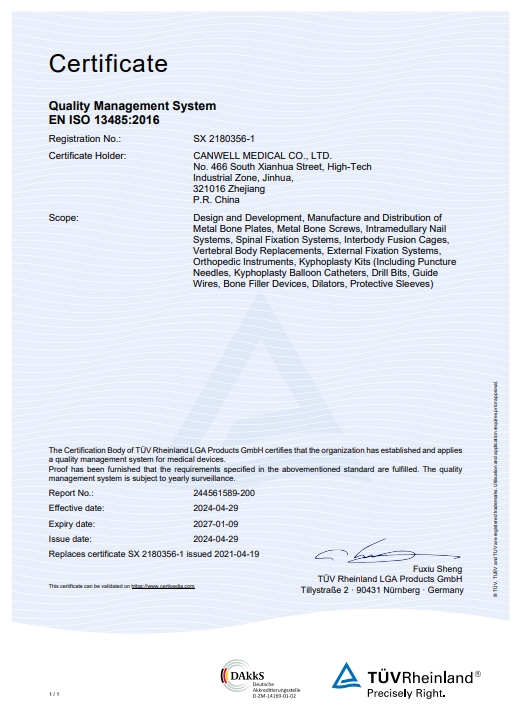 ISO13485 (SX 2180356-1)
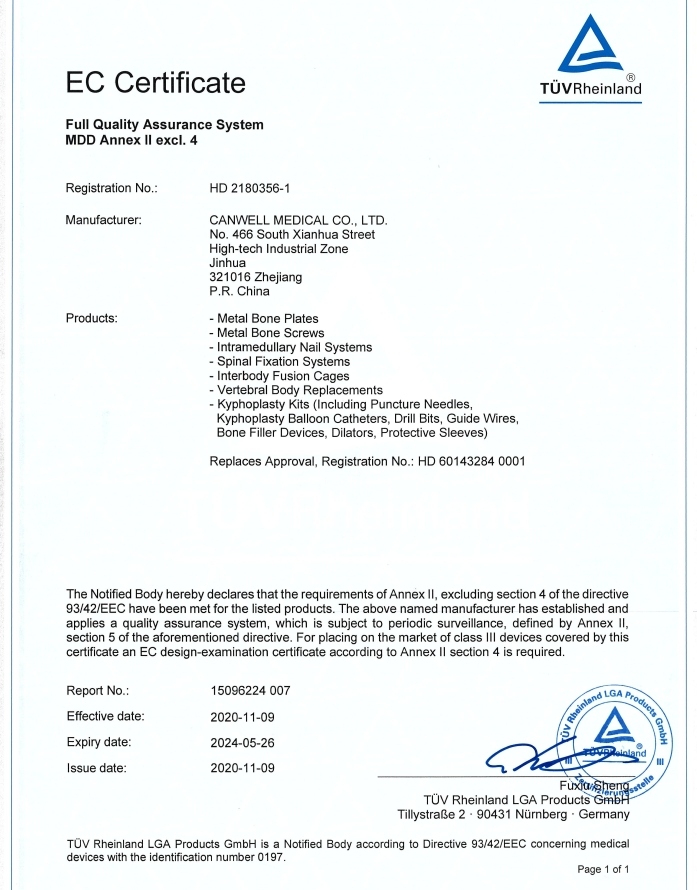 93/42/EEC MDD (HD 2180356-1)
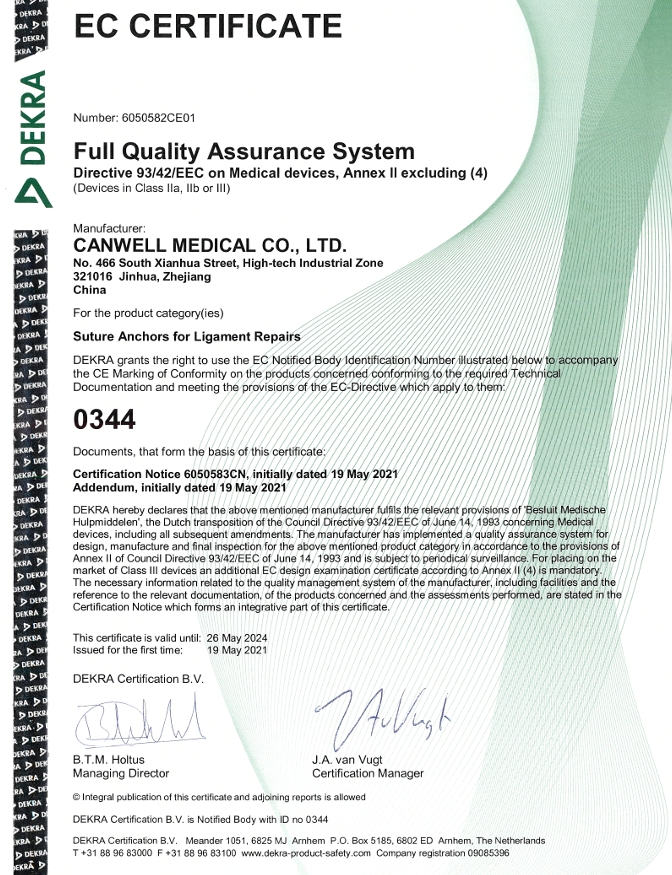 93/42/EEC (6050582CE01)
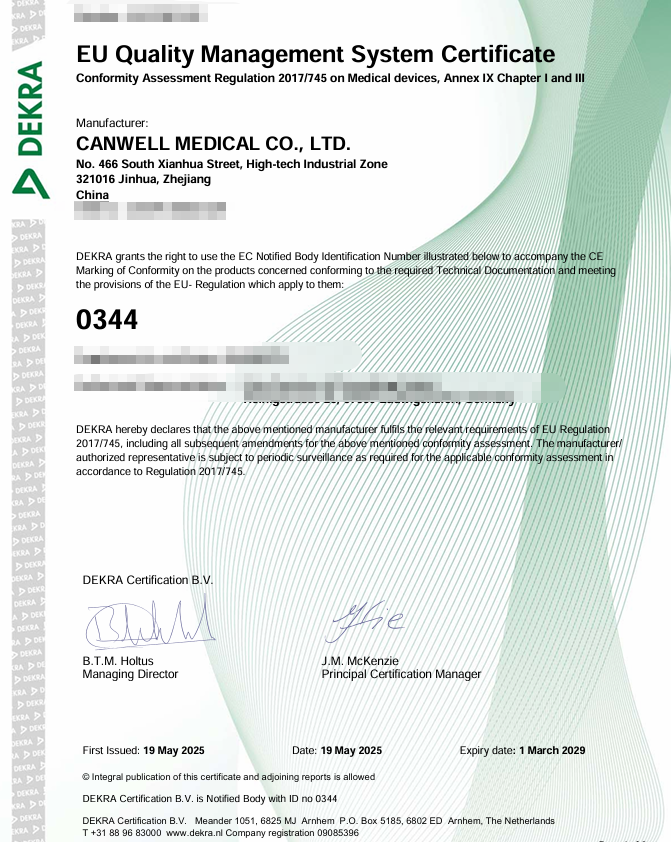 MDR (6142788CE02)
| Metric | Specification Detail |
|---|---|
| Company Registration | 2004-11-03 (22 Years in Industry) |
| Total Floor Space | 29,523 m² (Integrated Cleanrooms & Machining Zones) |
| R&D Engineering Team | 59 Dedicated Graduate Engineers |
| QA/QC Inspectors | 69 Personnel conducting inspection on all lines |
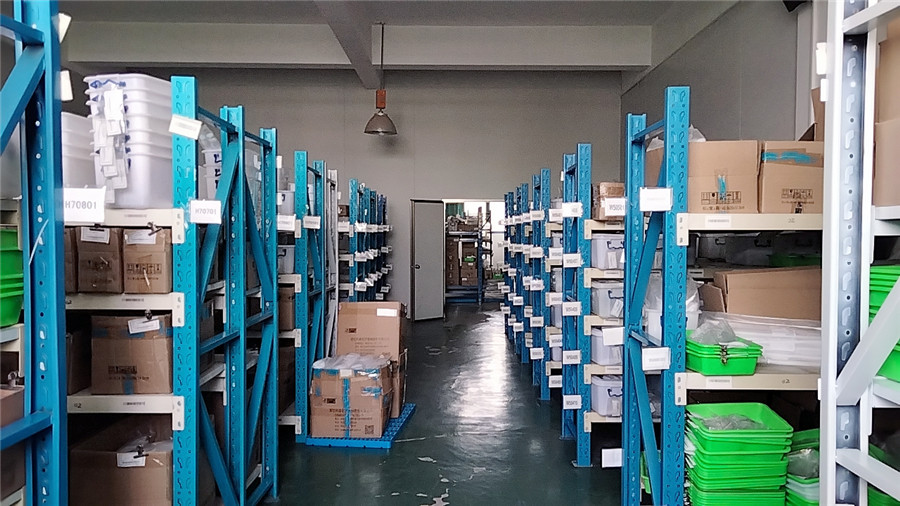
| Traceability | Full raw-material batch-to-construct traceability (Melt source records) |
| Key Target Markets | South America (30%), Southeast Asia (20%), Western Europe (20%) |
| Customization Scope | Light customization, sample processing, graphic and complete ODM solutions |
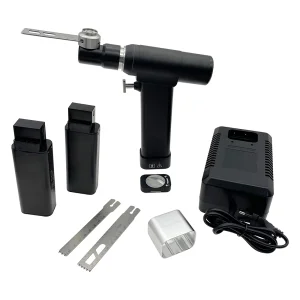
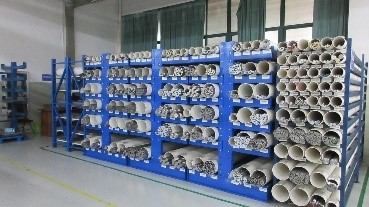
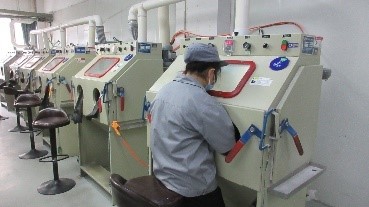
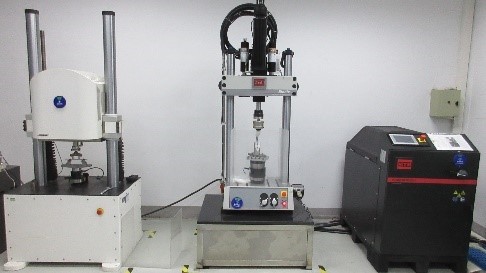
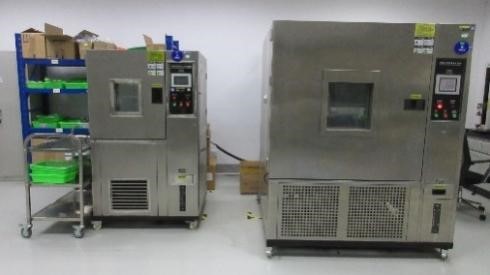
Every step of the manufacturing pipeline is audited. Raw titanium stocks undergo mechanical fatigue profile testing, chemical spectroscopic analysis, and grain boundary structures checks. Orthopedic surgical tools and drills are optimized for wear resistance and electrical insulating performance.


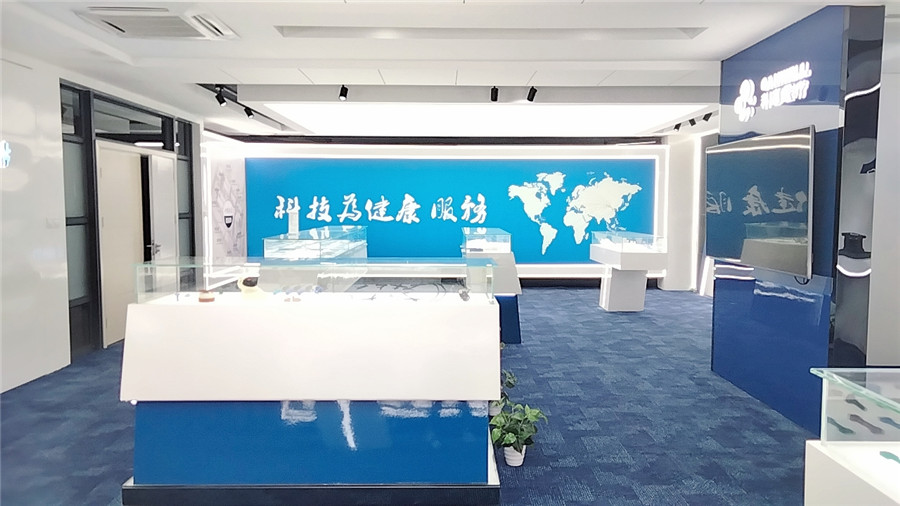
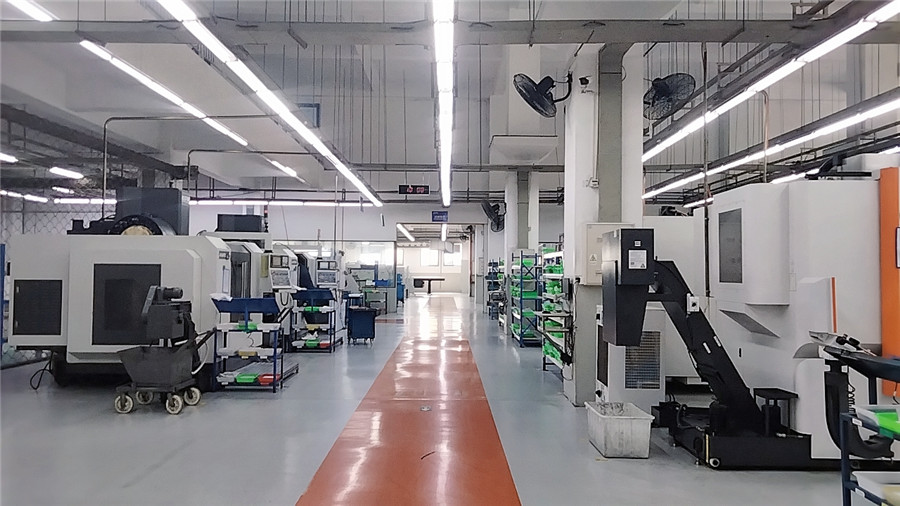
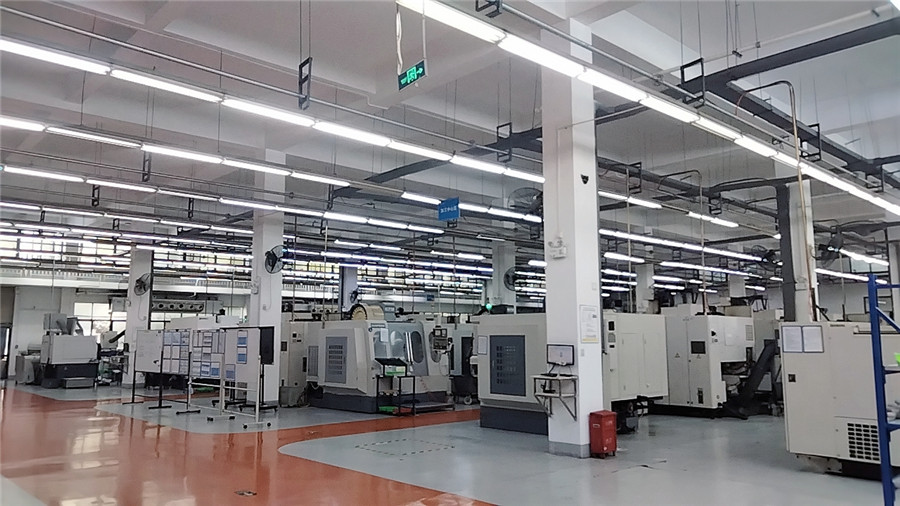
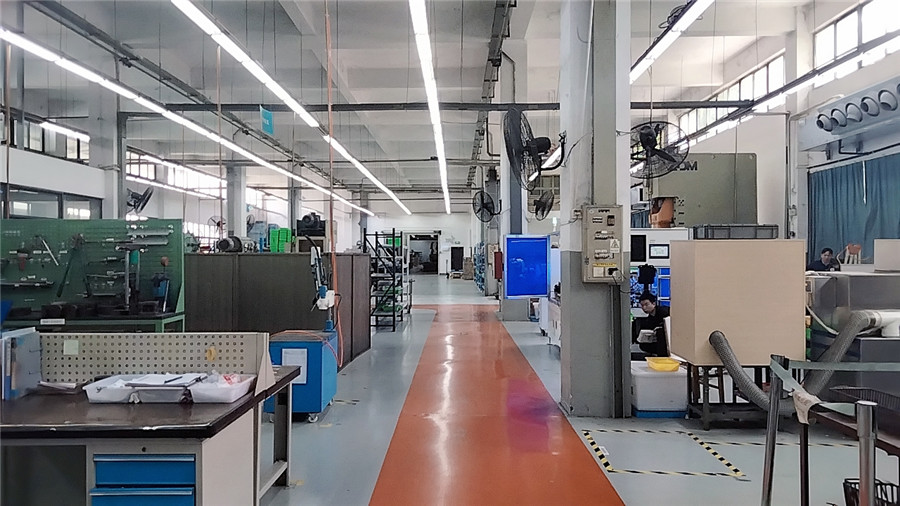
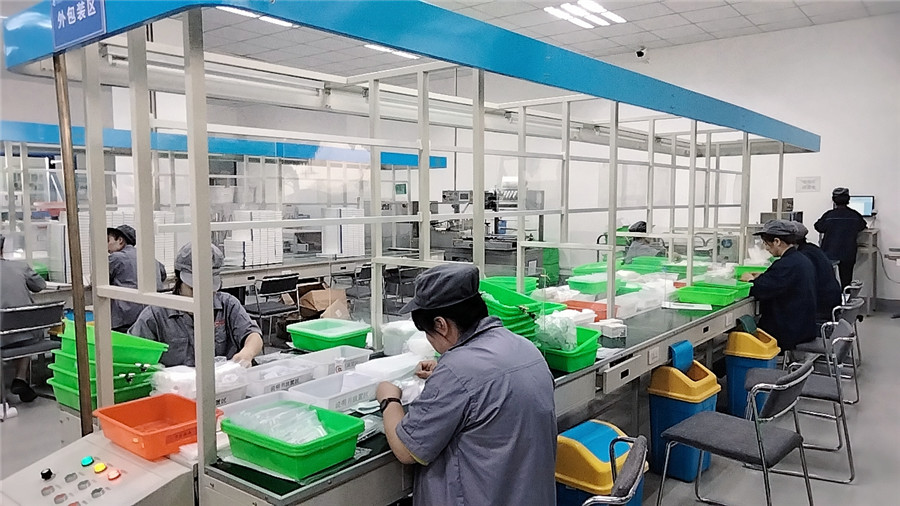
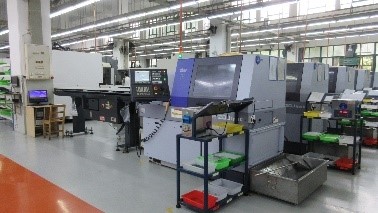
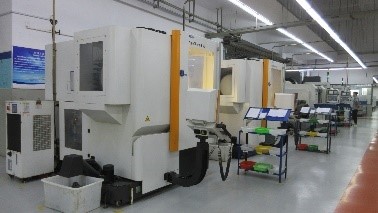
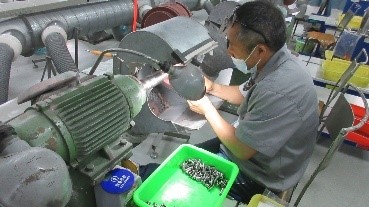
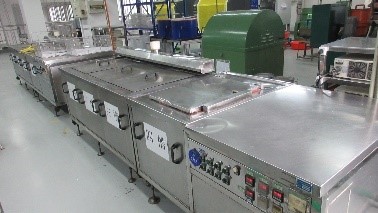
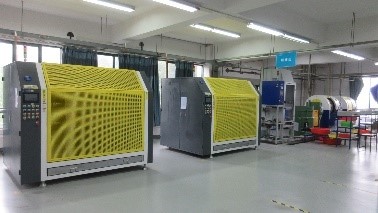
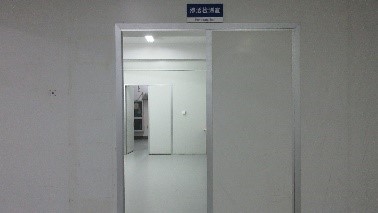
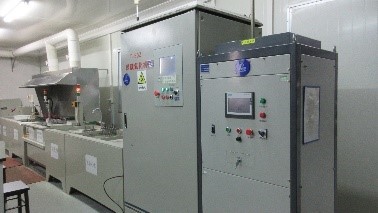
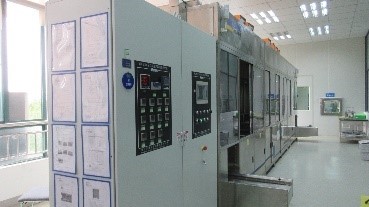
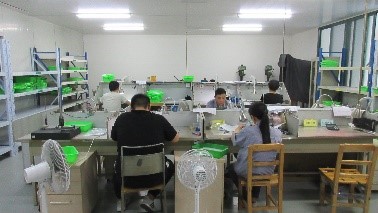
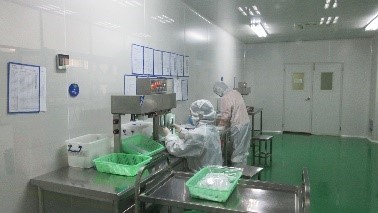
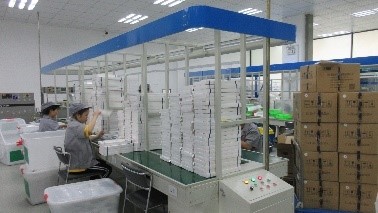
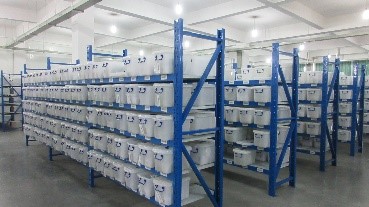
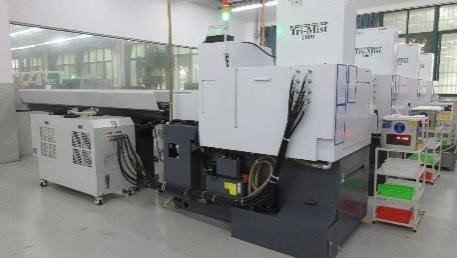
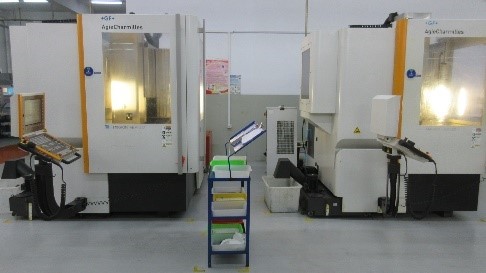
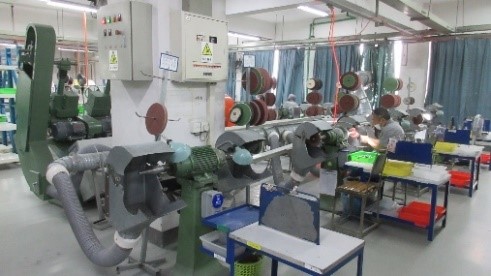
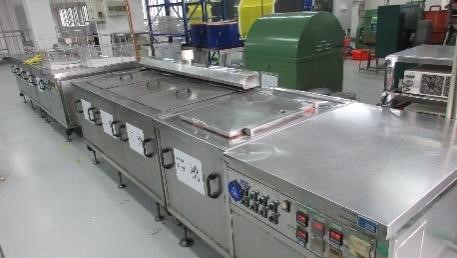
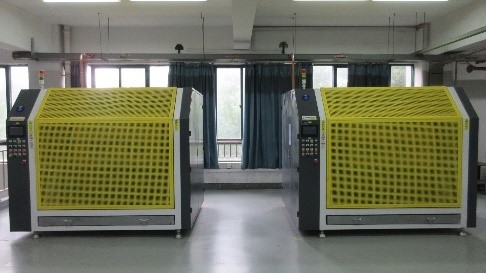
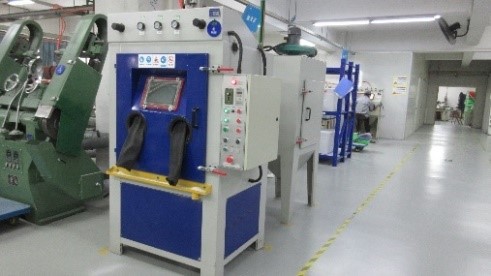
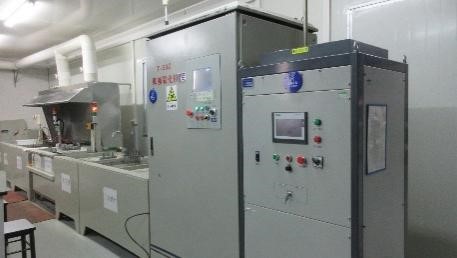
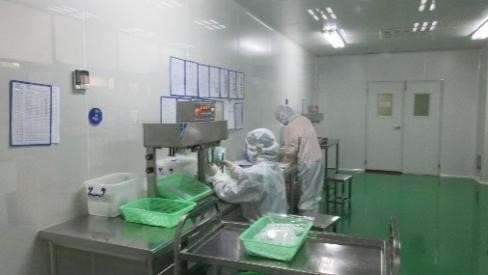
A pictorial walkthrough showing raw material analysis, Swiss-type CNC micro-machining, cleanroom sterile packaging, and multi-axis instrument manufacturing operations.
Why modern global orthopedic brands choose to locate OEM and ODM operations in high-efficiency Chinese corridors.
Modern medical manufacturing requires a balancing act: keeping per-unit costs low while maintaining strict adherence to structural safety standards. Chinese manufacturing facilities have moved beyond simple cost arbitrage. Today, they lead in processing efficiency, industrial clusters, and technical expertise.
By using Swiss-type CNC micro-machining centers, complex spine stabilization components like polyaxial pedicle screw heads and dual-threaded shafts can be fabricated in a single setup. This reduces variance and ensures consistent output across large batches.
From raw titanium smelting (Ti-6Al-4V ELI) to passivation, anodization, sterile-barrier cleaning, and ISO Class 7 packaging, all processes are co-located. This integration minimizes external transportation delays and ensures high quality control.
Equipped with 59 design and R&D engineers, Chinese manufacturing hubs like KaiSo can transition from a client’s CAD drawings to functional, metal 3D-printed or machined physical samples in fraction of the time required in Western facilities.
This cluster-based approach yields a significant competitive advantage for international buyers. Production schedules that typically require six months from tooling design to shipping in Europe can be completed in a shorter timeframe in China, without sacrificing the dimensional accuracy of surgical instruments.
How varying medical environments influence the selection, layout, and configuration of spinal hardware.
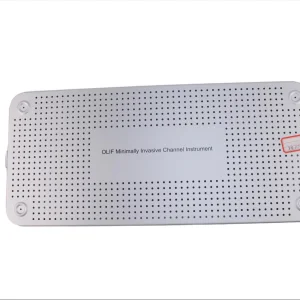
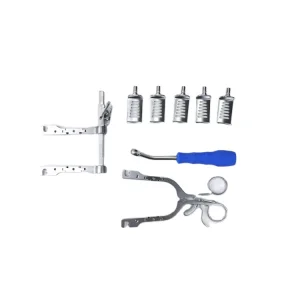
In modern urban medical centers, Minimally Invasive Spine Surgery is the standard. This requires low-profile pedicle screws, percutaneous rod insertion cannulas, and micro-retracting sets (like the Cervical Micro Invasive Retractor) that minimize muscle damage, reduce surgical blood loss, and shorten recovery times.
For pediatric and adult deformity correction, spinal constructs require long, multi-segment rigid fixations. Surgeons use cobalt-chrome (CoCr) or high-grade titanium rods paired with translation connectors and hooks to remodel sagittal balance, requiring high material fatigue limits.
Under acute conditions like vehicular trauma or falls, rapid stabilization is key. Systems like the PFNA (Proximal Femoral Antirotation Nail) or thoracic-lumbar pedicle screw systems are deployed to stabilize bony segments, preventing spinal cord impingement during healing.
Applying human biomechanical designs to veterinary care, specialized implants like micro-cannulated bone drills and mini elastic interlocking nails are utilized for small animals and equine applications, showing the broad range of modern spinal fixation technology.
What to expect in the next generation of spinal stabilization hardware and surgical techniques.
The spinal fixation industry is rapidly evolving, moving beyond simple static mechanical support. The next decade will be defined by the integration of materials science with digital surgical planning:
Implants are increasingly fabricated with lattice structures that mimic trabecular bone. This helps reduce stress shielding and promotes rapid bone integration directly into the implant, minimizing the long-term risk of pseudarthrosis.
Materials that slowly dissolve and are replaced by native bone tissue after stabilizing the target segment are currently in clinical trials. This development could eliminate the need for secondary hardware removal surgeries.
Future spinal constructs may feature micro-sensors capable of measuring post-operative load-bearing metrics, local temperature variation (to detect early infection), and local bone fusion progress, transmitting data directly to clinicians.
A checklist for procurement executives managing hospital network supply chains or importing medical devices.
When purchasing spinal implants and surgical instrument kits, global procurement departments look for reliability, regulatory compliance, and clean supply lines. Key factors to evaluate during manufacturer qualification include:
Ensure the supplier provides material certificates for every batch. Grade 5 titanium (Ti-6Al-4V) must comply with ASTM F136 or ISO 5832-3 standards to prevent adverse tissue reactions.
Manufacturers must maintain individual unit serialization, tracking every implant from raw bar stock to final cleanroom packaging. Sterile implants must provide reliable validation data (Gamma/EtO sterilization).
Verify that the manufacturer operates at least 15+ automated CNC centers and maintains dedicated QA personnel to prevent production bottlenecks during demand surges.
Answering key clinical, technical, and commercial questions for medical device professionals.
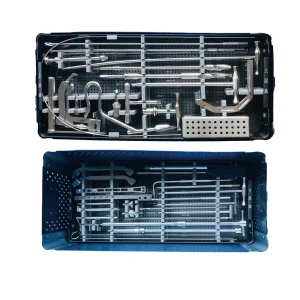
Explore our targeted product range of high-grade surgical instruments, intramedullary nails, and spinal reconstruction sets.
 KaiSo Medical