Modern cementless hip prosthesis relies on osseointegration, where bone grows directly into the porous surface of the implant, providing long-term stability without the use of bone cement.
Utilization of Titanium Alloy (Ti6Al4V) and Tantalum, combined with Hydroxyapatite (HA) coatings, ensures superior biocompatibility and reduces the risk of aseptic loosening.
With an aging global population and rising demand for "active" lifestyle preservation, the shift toward cementless stems is accelerating, particularly for younger patients with high bone quality.
The global orthopedic market is highly specialized. Leading manufacturers are recognized for their R&D in porous coatings and anatomical stem designs. Key players include:
| Manufacturer | Key Technology | Global Market Region | Certification |
|---|---|---|---|
| Zimmer Biomet | Trabecular Metal™ Technology | North America / Europe | FDA / CE / MDR |
| Stryker | Tritanium® 3D Printed Stems | Global | FDA / CE |
| KaiSo (Canwell) | Advanced Surface Coating & Automation | Asia / S. America / Europe | ISO 13485 / CE / MDR |
| DePuy Synthes | Gription® Porous Coating | Global | FDA / CE |
| Smith & Nephew | Oxinium™ Oxidized Zirconium | UK / Global | FDA / CE |
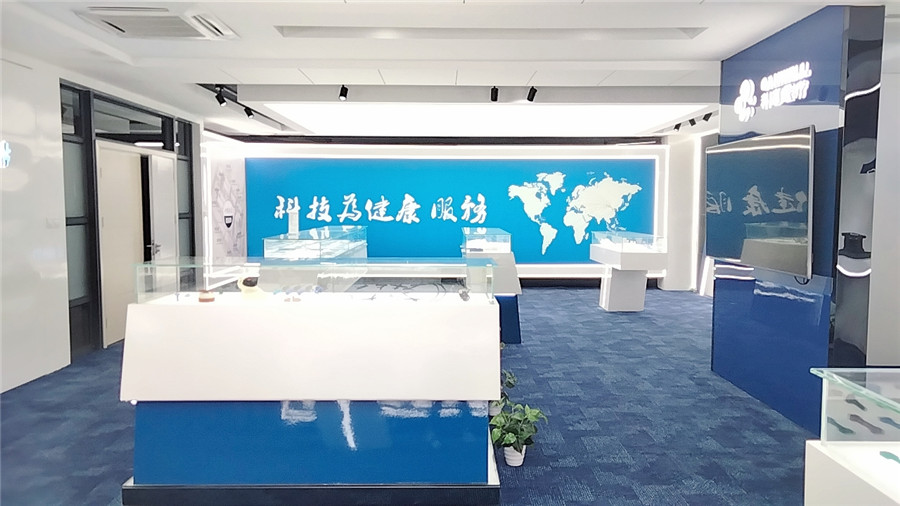
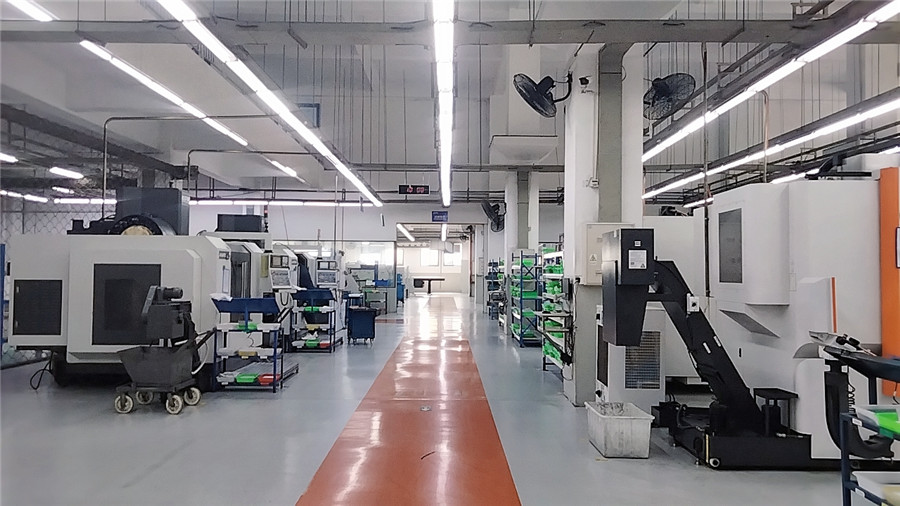
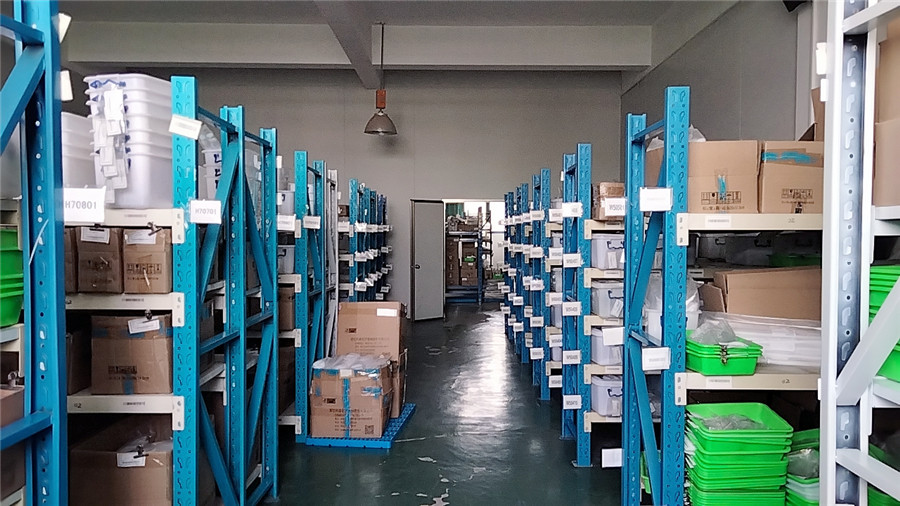
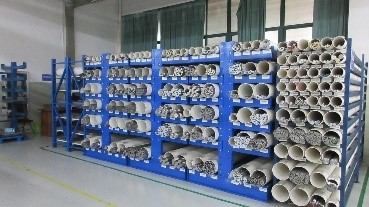
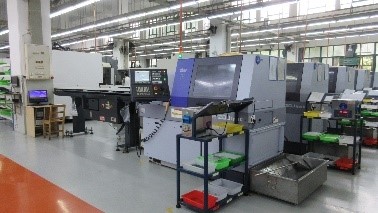
Chinese manufacturers, represented by industry leaders like KaiSo, have revolutionized the orthopedic supply chain. By integrating design, material procurement, and automated production processes, they offer high-performance implants with unparalleled efficiency.
The future lies in 3D-printed titanium structures that mimic the trabecular architecture of natural bone, allowing for immediate "press-fit" stability and accelerated healing.
Integration of sensors within the prosthesis to monitor load distribution and detect early signs of infection or loosening via wireless data transmission.
Using Artificial Intelligence to analyze patient anatomy and create patient-specific stems (PSI) that perfectly match the femoral canal geometry.
Entering international markets requires deep understanding of local medical regulations. Top manufacturers provide extensive support:
Full support for MDR (EU), FDA (USA), and NMPA (China) registration, ensuring legal market entry.
Providing surgical workshops and cadaveric labs for surgeons to master the cementless instrumentation.
Regional distribution hubs to ensure "Just-in-Time" delivery for emergency trauma or scheduled surgeries.
OEM/ODM services for private labels with specific anatomical requirements for different ethnic populations.
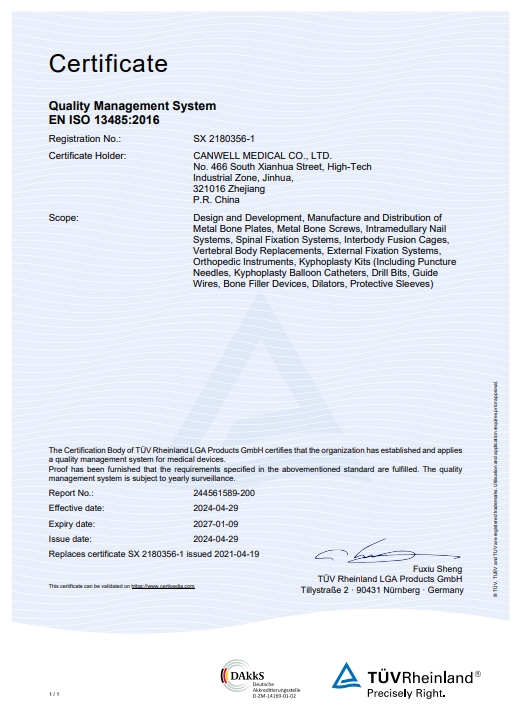
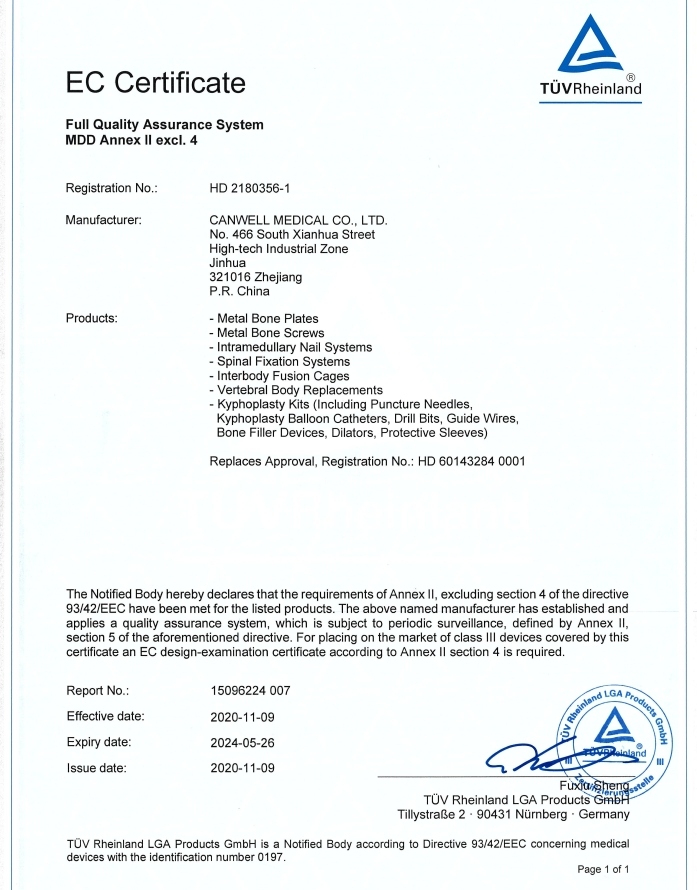
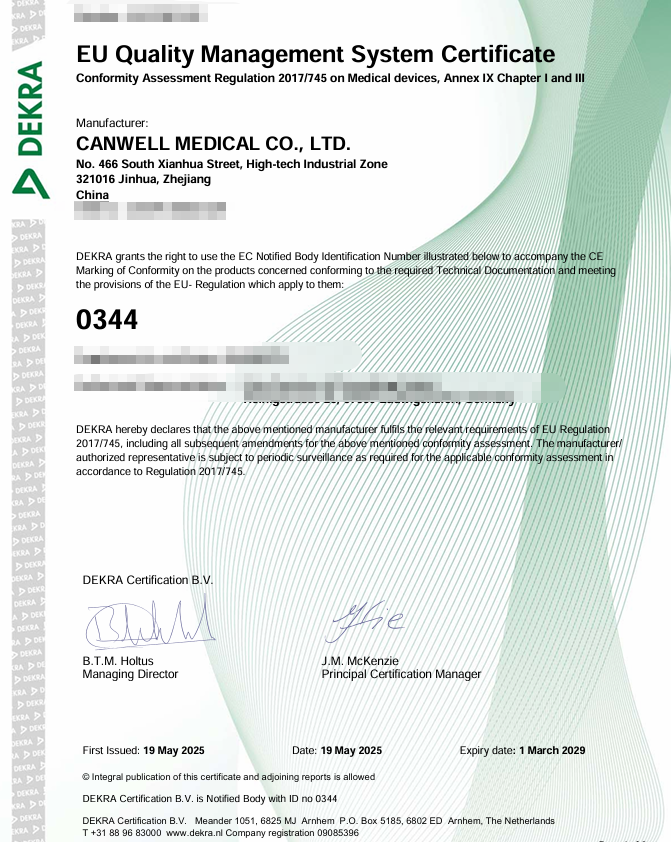
KaiSo has established a complete Quality Assurance System to continuously fulfil the requirements according to ISO9001, 13485, CE, ranging from material procurement to design development and automated production processes.
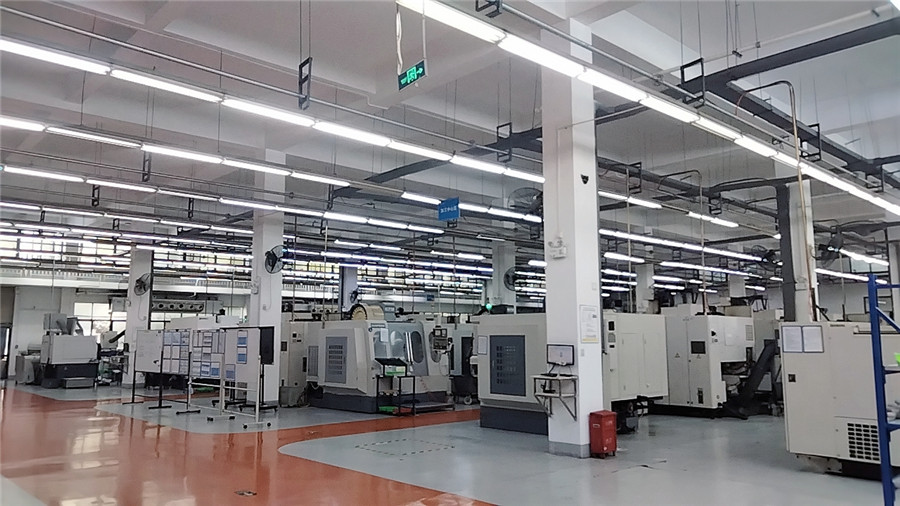
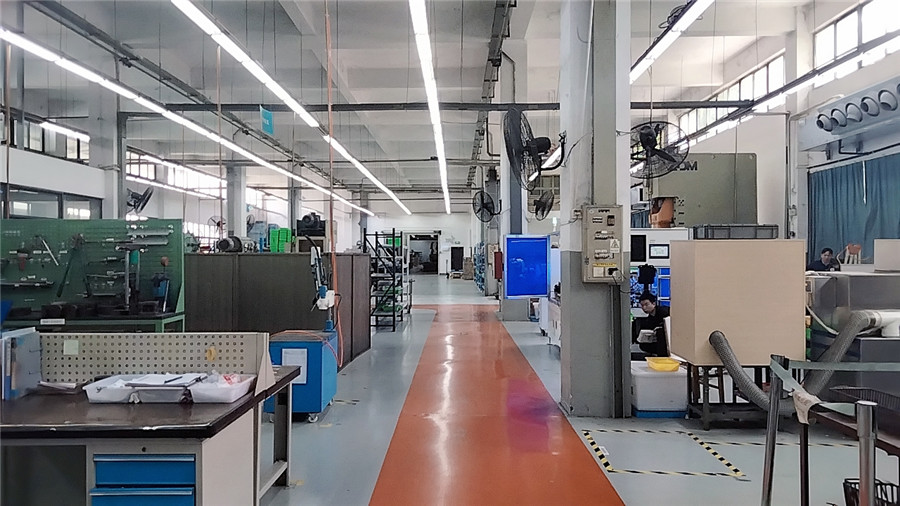
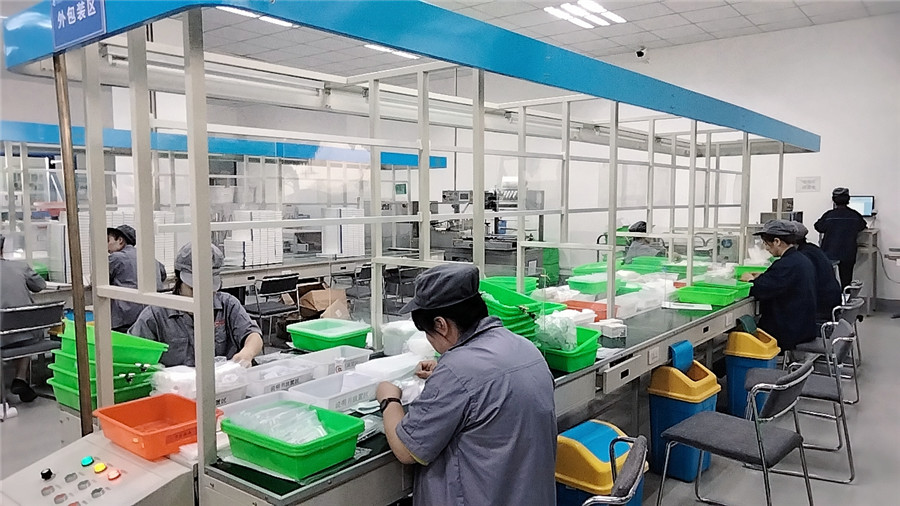
 KaiSo Medical