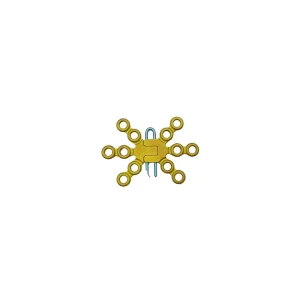
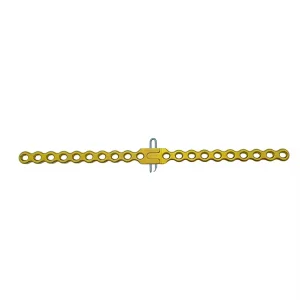
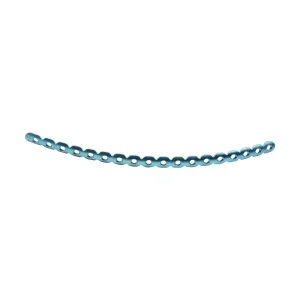
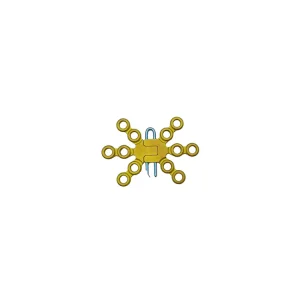
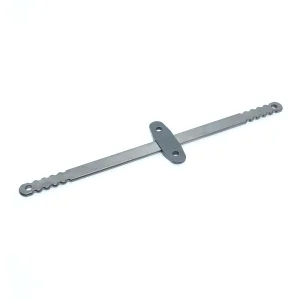
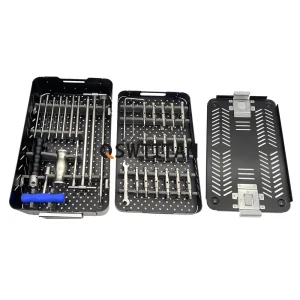
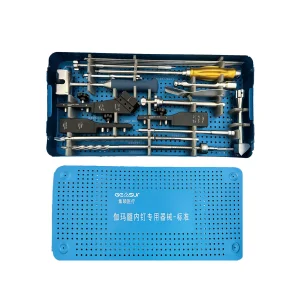
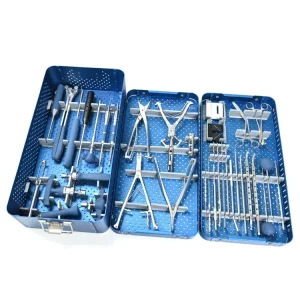
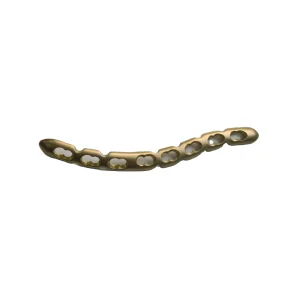
In the evolving landscape of cardiothoracic surgery, the Sternal Fixation System has transitioned from traditional stainless steel wire cerclage to high-performance rigid fixation. Globally, the demand for these systems is propelled by an aging population and a rise in median sternotomy procedures. As a leading hub for medical device innovation, Sternal Fixation System factories are now focusing on biocompatible titanium alloys that offer superior strength-to-weight ratios and MRI compatibility.
Current industrial trends indicate a shift toward Patient-Specific Implants (PSI) and low-profile plate designs that minimize soft tissue irritation. For global exporters, the challenge lies in navigating complex regulatory environments such as the EU MDR and US FDA, ensuring that every sternal plate meets the rigorous safety requirements of Class III medical devices.
Utilization of ELI Grade 23 Titanium for maximum fatigue resistance and osteointegration properties.
Providing 360-degree stability to reduce incidences of sternal dehiscence and post-operative pain.
Compliance with ISO 13485 and CE marking ensures seamless distribution across Western Europe, SE Asia, and the Americas.
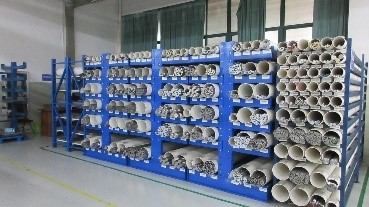
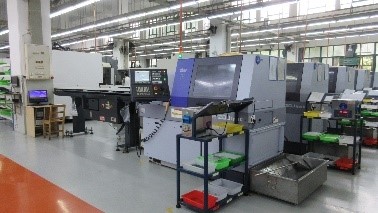
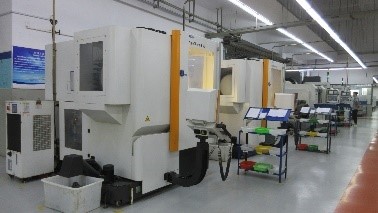
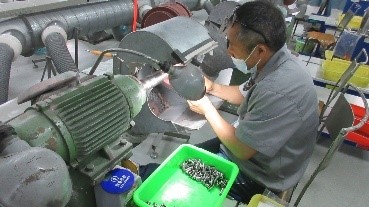
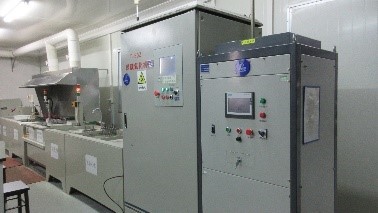
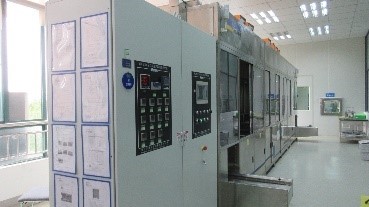
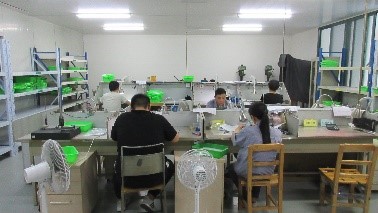
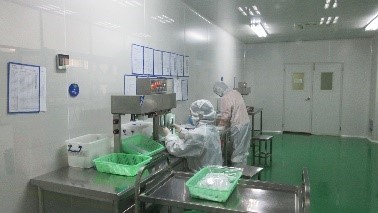
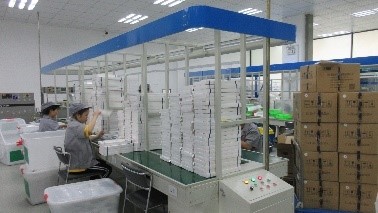
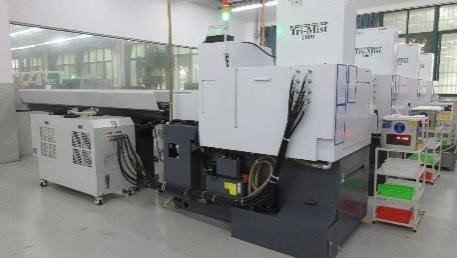
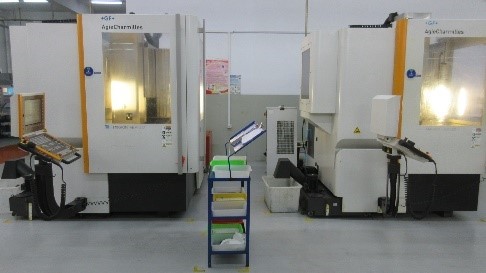
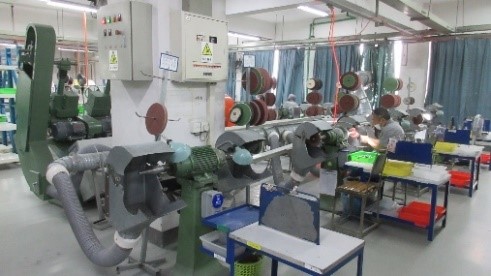
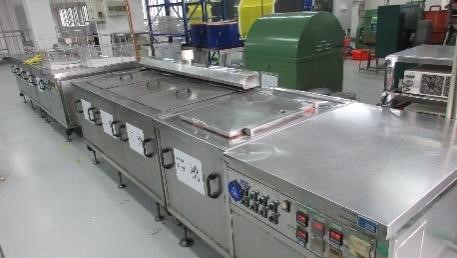
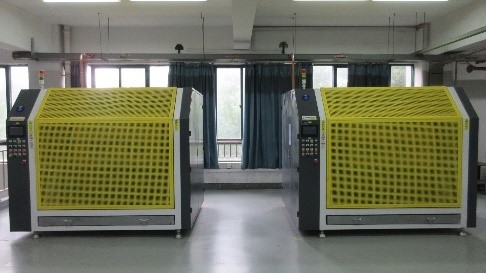
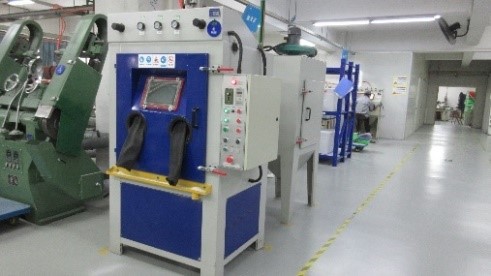
The competitive advantage of Chinese Sternal Fixation System factories lies in the integration of massive industrial scale with precision engineering. By leveraging automated CNC machining and AI-driven quality control, China-based manufacturers like KaiSo (with over 22 years of industry experience) offer unparalleled production efficiency.
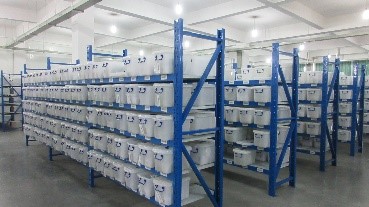
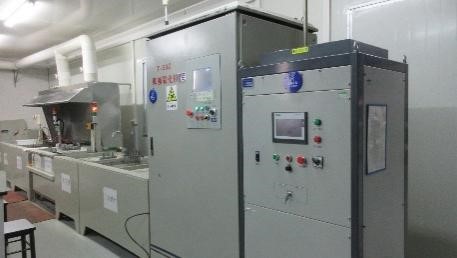
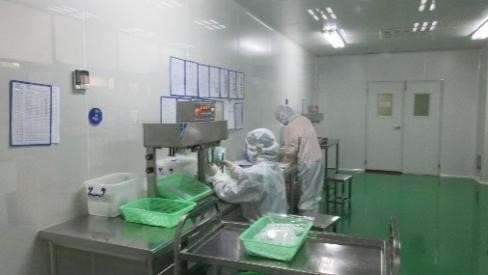
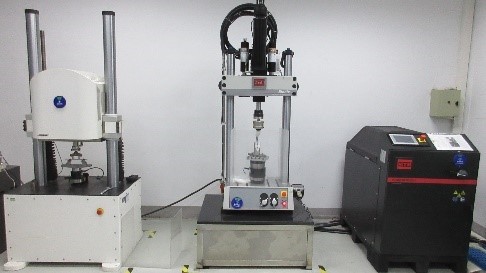
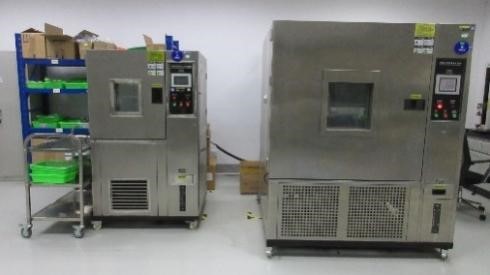
KaiSo has established a complete Quality Assurance System to continuously fulfil the requirements according to ISO9001, 13485, CE, ranging from material procurement to design development and automated production processes.
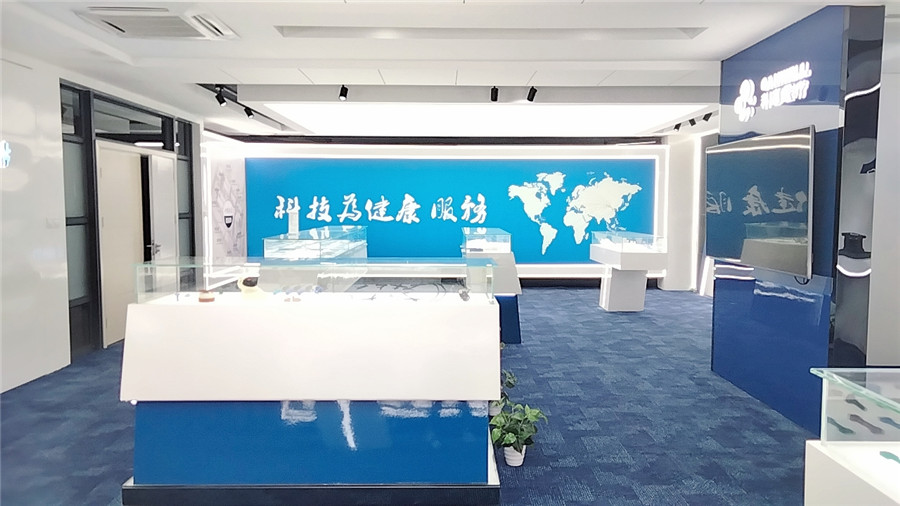
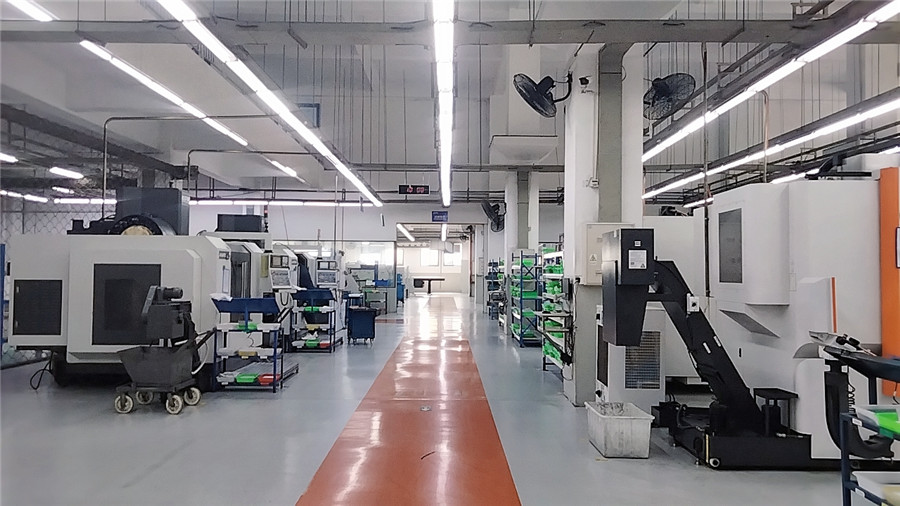
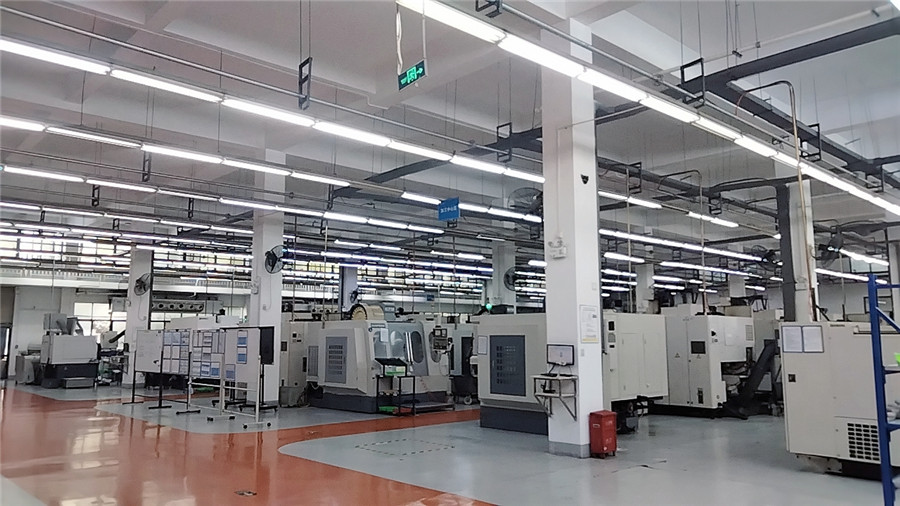
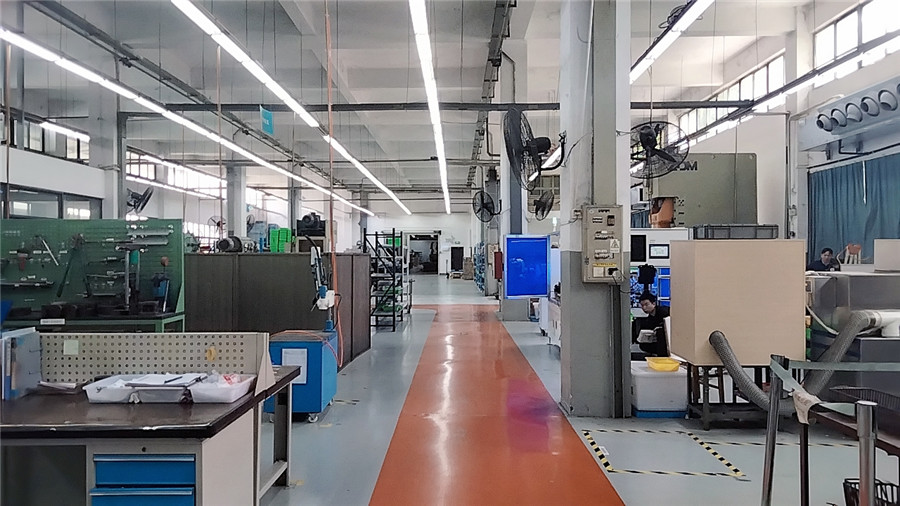
Product Support traceability of raw materials: Yes
Product inspection method: Inspection of all products, Random inspection, According to client's requirement
Quality control conducted on all production lines: Yes
 ISO13485: SX 2180356-1
 MDR / CE Marked: 6142788CE02
Sternal fixation systems are critical in diverse clinical scenarios. For instance, in high-risk patients (obese, diabetic, or those with COPD), rigid plate fixation significantly reduces the risk of sternal non-union. Local exporters must understand the specific anatomical requirements of different ethnicities to provide optimized plate geometries.
Stable fixation allows for earlier physical therapy and reduces hospital stay duration after coronary artery bypass grafting.
Immediate stabilization of sternal fractures due to blunt force trauma or high-impact accidents.
Applications in Pectus Excavatum and other thoracic wall reconstructions requiring long-term structural support.
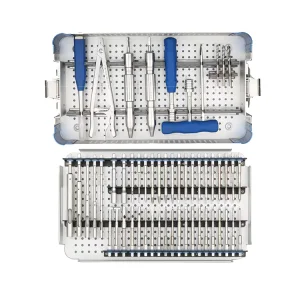
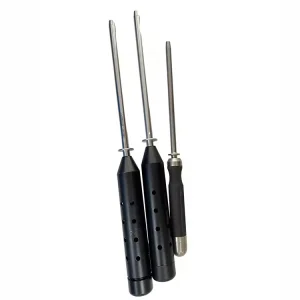
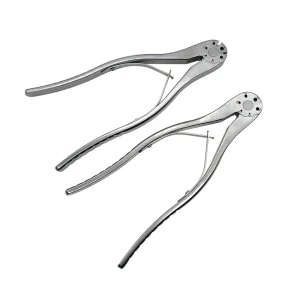
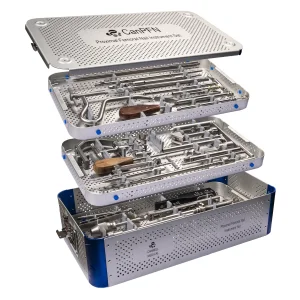
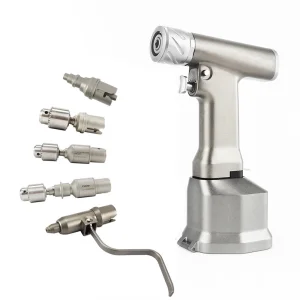
Modern medical procurement directors are no longer looking for just a "product." They are looking for a Partner Ecosystem. This includes the availability of specialized surgical instrument sets, comprehensive technical training, and flexible OEM/ODM capabilities.
The industry is currently moving towards Bio-absorbable materials and Smart Implants that can monitor bone healing. While titanium remains the gold standard, the integration of surface modification technologies (like hydroxyapatite coating) to enhance bone-to-plate bonding is a major trend among top-tier exporters.
 KaiSo Medical