Premium titanium and cobalt-chromium alloys engineered to maximize survivability, biomechanical stability, and anatomical alignment for surgical teams in Benin.
The healthcare system of Benin, with Cotonou as its central medical corridor, is seeing a significant rise in demand for complex orthopedic interventions. Key hospitals, such as the Centre National Hospitalier et Universitaire Hubert Koutoukou Maga (CNHU-HKM) and specialized private clinics, are expanding their surgical capabilities. Factors contributing to this demand include:
For Beninese medical distributors, sourcing implants directly from Western Europe is often cost-prohibitive. By establishing a direct procurement pathway with our Chinese manufacturing facilities, local orthopedic importers can obtain CE-certified, MDR-compliant joint replacement devices at stable prices. This ensures high-quality clinical performance while remaining accessible to the broader population.
Our THR and TKR implants are engineered to international material standards, ensuring outstanding biocompatibility and mechanical wear resistance.
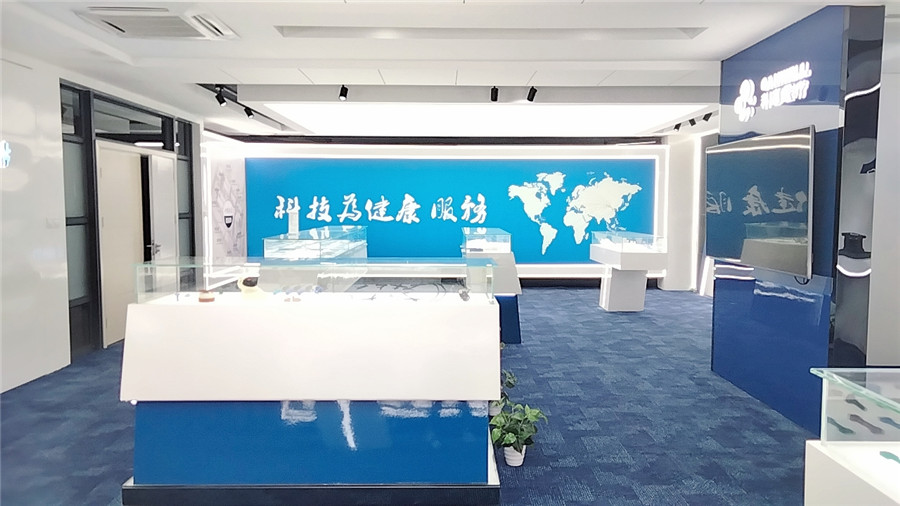
KaiSo has established a complete Quality Assurance System to continuously fulfill the requirements according to ISO9001, 13485, and CE, ranging from raw material procurement to design development and automated production processes.
 ISO13485 (Cert: SX 2180356-1)
 93/42/EEC CE MDD (Cert: HD 2180356-1)
 MDR Compliant (Cert: 6142788CE02)
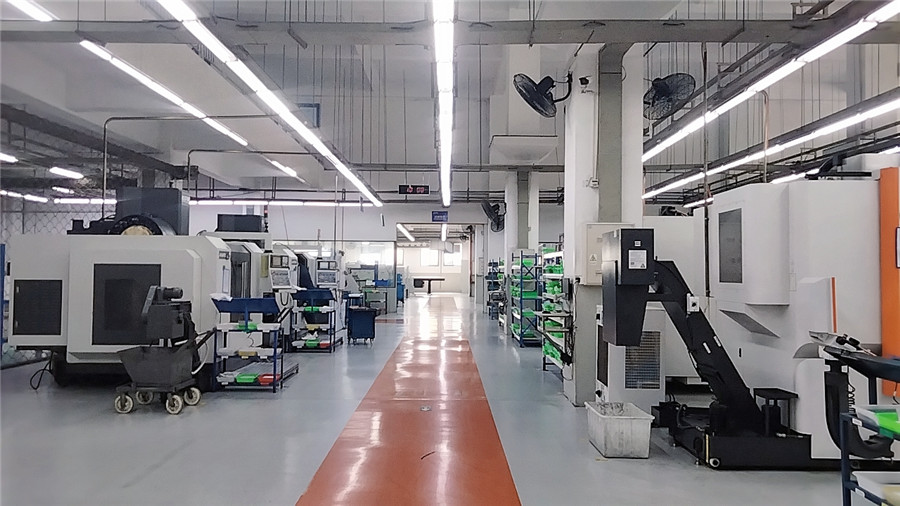
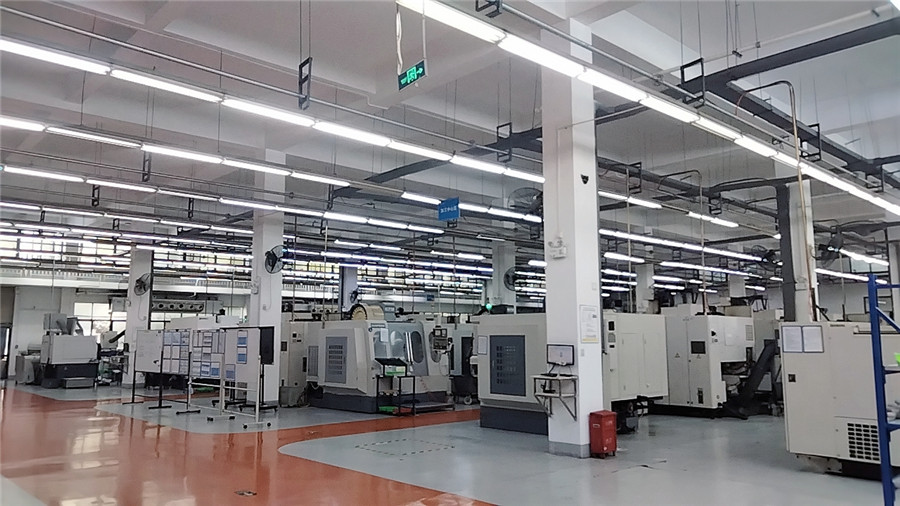
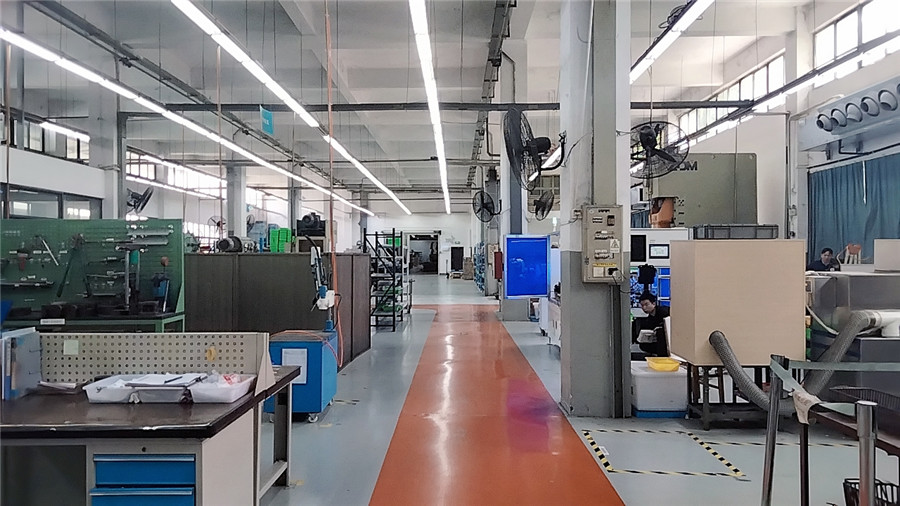
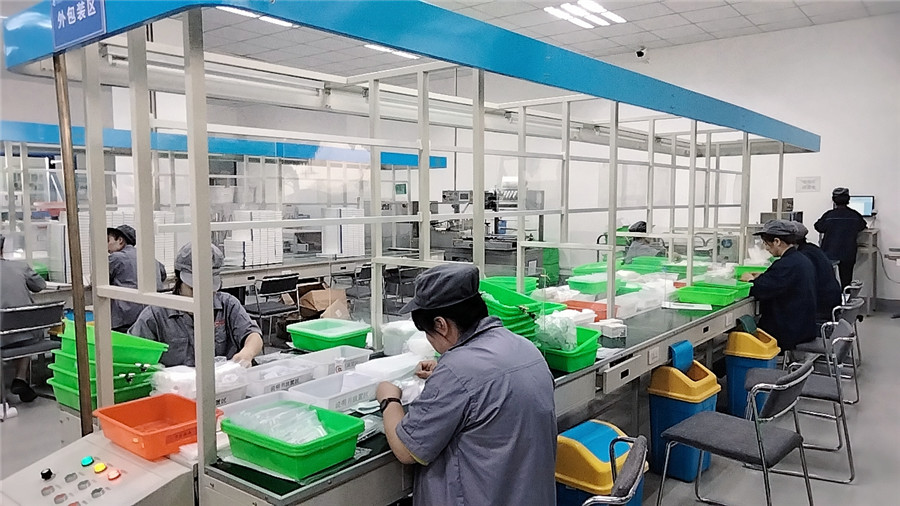
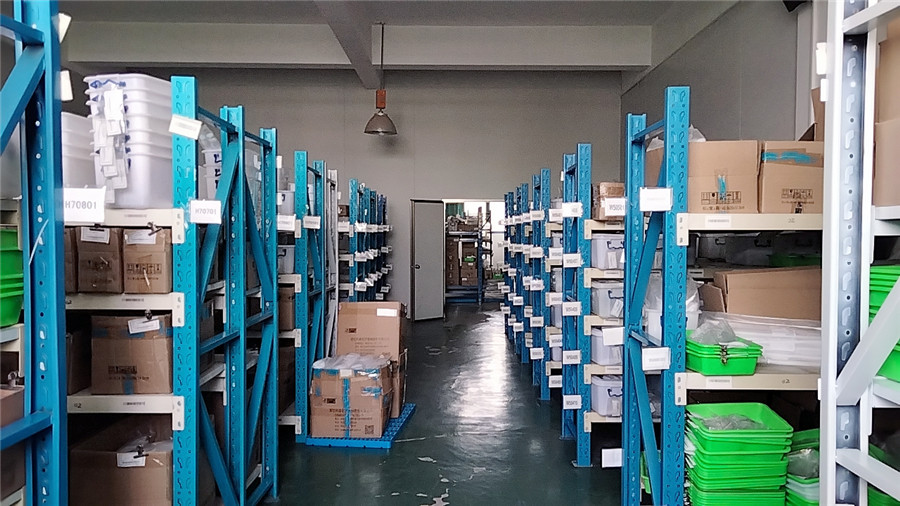
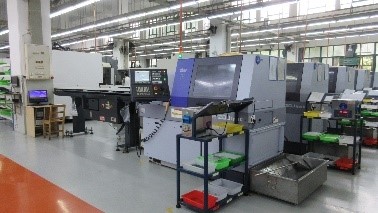
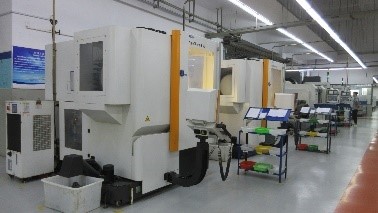
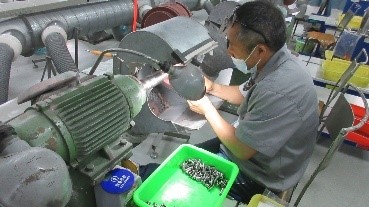
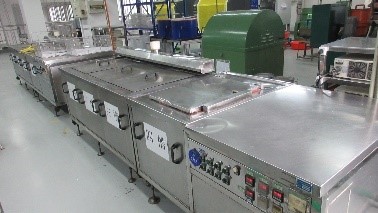
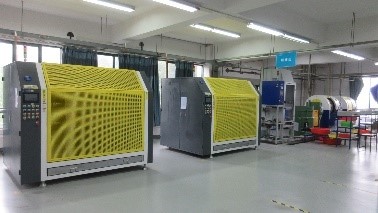
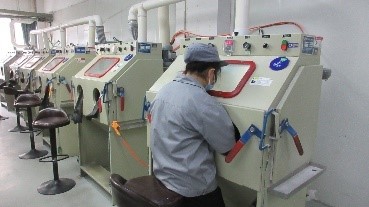
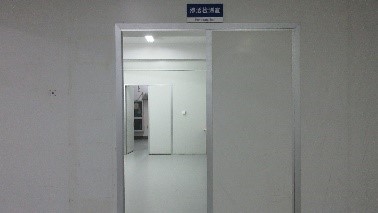
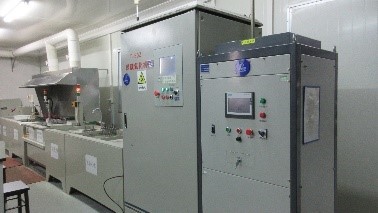
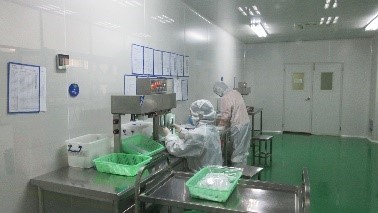
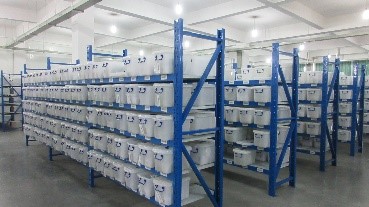
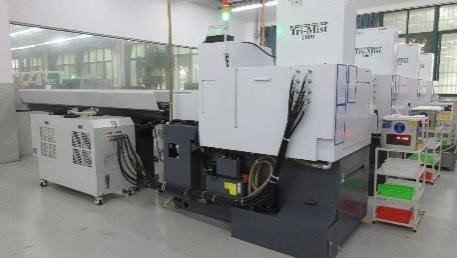
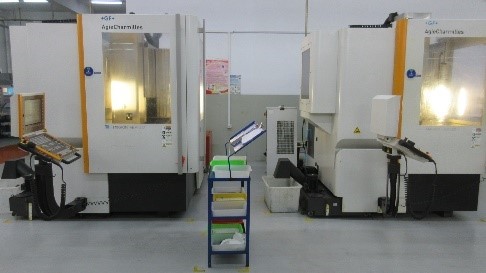
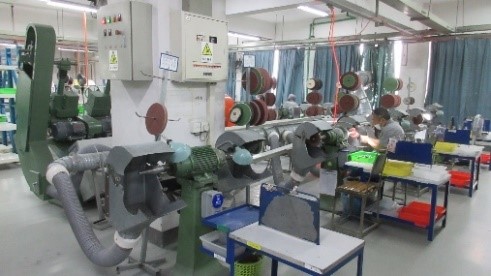
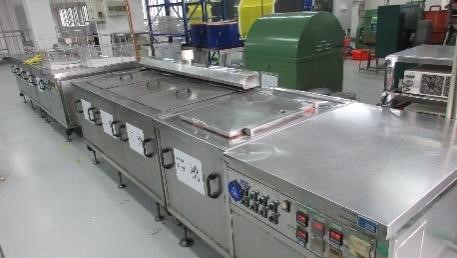
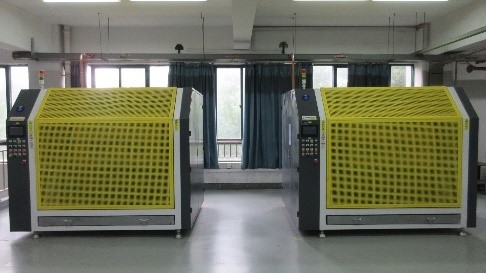
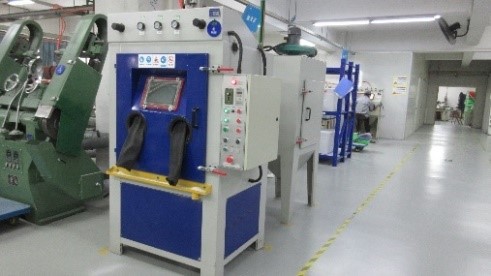
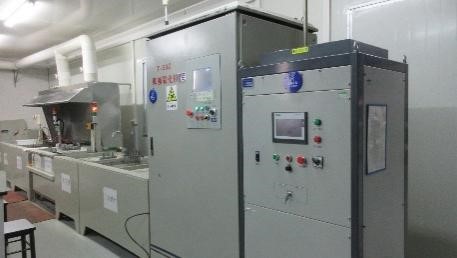
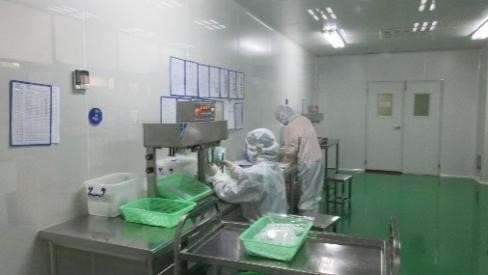
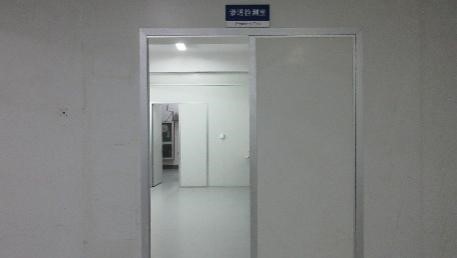
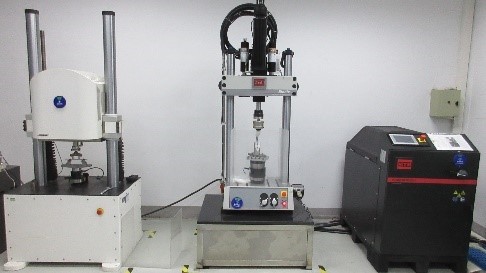
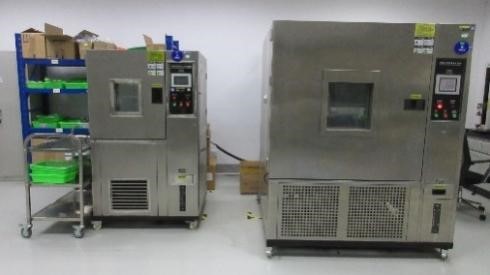
We maintain a rigorous raw material traceability protocol. From precision CNC Swiss machining centers to cleanroom assembly, automated washing lines, and optical inspection, our processes ensure absolute compliance with international standards.
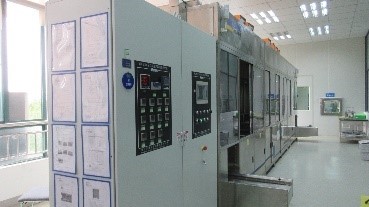
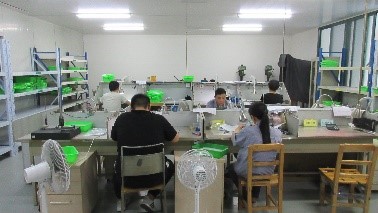
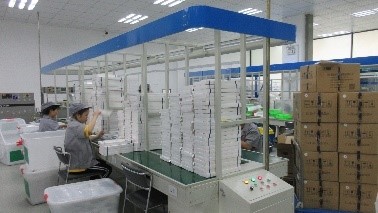
Navigating the medical device regulatory processes in Benin requires careful alignment with the directives of the Direction de la Pharmacie, du Médicament et des Explorations Diagnostiques (DPMED), operating under the Ministry of Health (Ministère de la Santé du Bénin). We support our importers and partners by offering comprehensive, structured regulatory support:
We work closely with logistics teams operating out of the Port Autonome de Cotonou and the Cotonou Cadjehoun Airport (COO), ensuring smooth custom clearance processes with complete commercial documentation, packing lists, and sterilization validation certificates.
Our manufacturing base leverages state-of-the-art automated systems to produce orthopedic components with high dimensional precision. Key capabilities include:
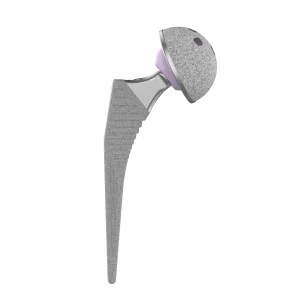
HA Vacuum Plasma Spray Coating: To promote stable osseointegration, our titanium stems undergo vacuum plasma spraying to create a thin layer of hydroxyapatite (HA), which supports biological fixation within the host bone tissue.
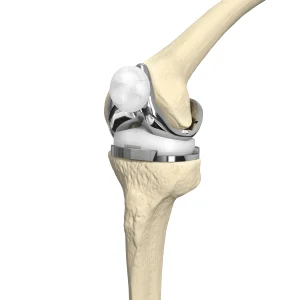
Cobalt-Chromium-Molybdenum (CoCrMo) Forging: High structural integrity and excellent resistance to wear, making it suitable for femoral articulating components to limit bearing wear.
UHMWPE Articulating Bearings: Ultra-High-Molecular-Weight Polyethylene liners and tibial inserts are machined to minimize particulate debris and prolong implant service life.
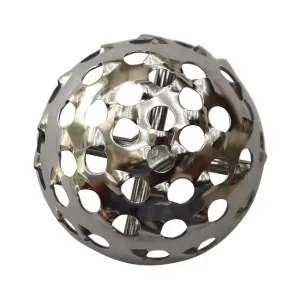
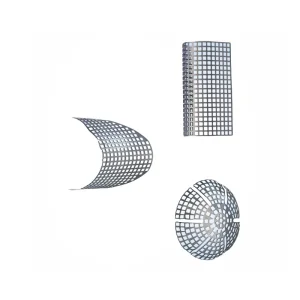
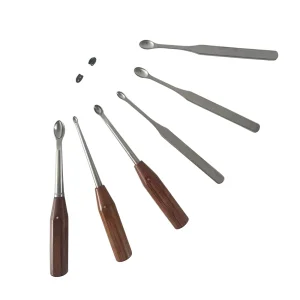
Comprehensive orthopedic replacement systems including acetabular reamers, specialized bone mesh, and veterinary joint prostheses.
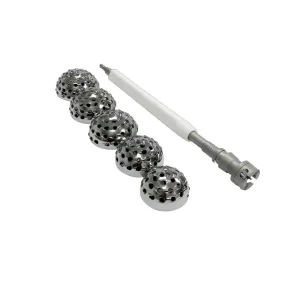
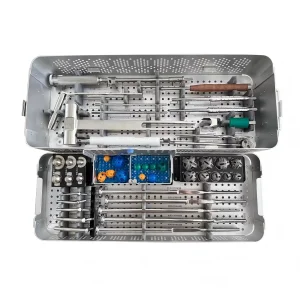
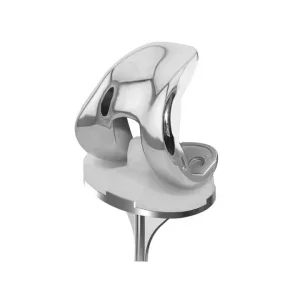
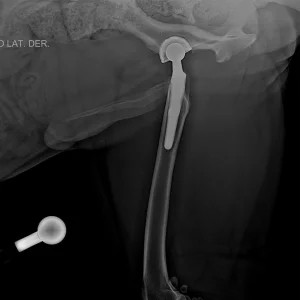
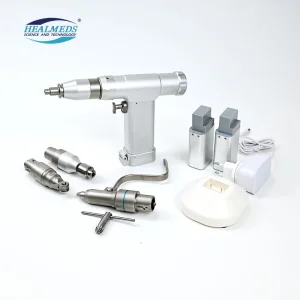
Providing precision engineered veterinary implants, shoulder reconstruction tools, spinal fixation systems, and high-performance power tools for clinical facilities.
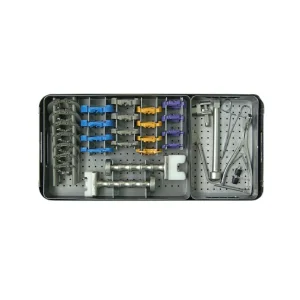
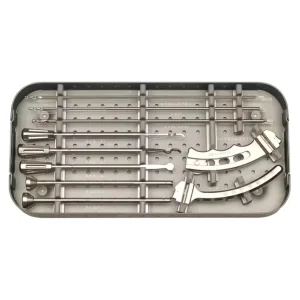
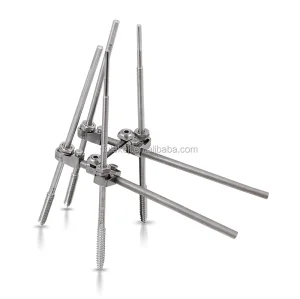
For large-scale medical suppliers, hospital groups, and humanitarian NGOs in West Africa, managing lead times and ensuring product availability is critical. Our export infrastructure is optimized to support these requirements:
We work with international logistics providers to coordinate containerized transport, handle complex customs declarations, and provide end-to-end status tracking from our facility to your warehouse in Benin.
Orthopedic arthroplasty is evolving toward personalized treatment options and improved wear characteristics. Our product development is aligned with these developments:
Cross-Linked Polyethylene (XLPE): Our research focuses on using highly cross-linked polyethylene, treated with vitamin E, to achieve low long-term wear rates and limit osteolytic reactions.
Cemented vs. Cementless Designs: We provide both options to match surgeon preference. Cementless designs feature advanced porous coatings (such as titanium plasma spray) to facilitate early biological fixation. Cemented designs offer high stability in patients with lower bone density.
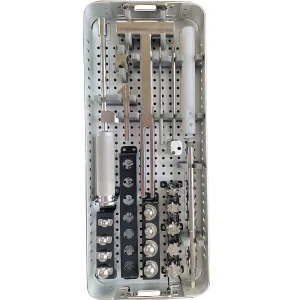
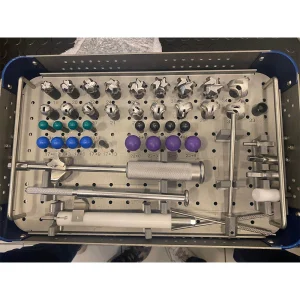
Instrument Sterilization Containers: Surgical kits are provided in anodized aluminum sterilization trays, designed for steam autoclaving protocols in public and private hospitals in Cotonou and Porto-Novo.
Key information regarding compliance, procurement logistics, and technical specifications for orthopedic implants in Benin.
We provide a complete regulatory documentation package, including CE Certificates (under MDD 93/42/EEC or MDR), ISO 13485 Quality certificates, Certificates of Analysis (COA) for raw materials, sterilization verification logs, and product specifications. This dossier contains the technical details required by the Ministry of Health's Direction de la Pharmacie, du Médicament et des Explorations Diagnostiques (DPMED) for importing medical devices.
We use high-grade biocompatible medical alloys conforming to ISO standards: Ti6Al4V ELI (ISO 5832-3) for cementless femoral stems and acetabular cups; Cobalt-Chromium-Molybdenum (CoCrMo, ISO 5832-12) for femoral heads and knee articulating components; and medical-grade Ultra-High-Molecular-Weight Polyethylene (UHMWPE) for liners and insert bearings.
Ocean freight shipping from our primary ports in China to the Port of Cotonou generally takes between 35 to 45 days. For urgent requirements, air cargo via Cotonou Cadjehoun Airport (COO) can be arranged, with transit times typically between 7 to 10 working days, depending on carrier schedules and export clearance times.
Yes. With an R&D department staffed by 59 engineers, we offer customization options. These include light customization, sample processing based on local clinical specifications, custom engraving, and bespoke orthopedic instruments designed for anatomical variations typical of regional populations.
All implants are packaged in cleanroom conditions (Class 10,000 / ISO Class 7 cleanroom area) using double-barrier sterile Tyvek packaging. They are sterilized using Gamma Irradiation or Ethylene Oxide (EO) to ensure long-term sterility, provided they are stored in dry, temperature-controlled conditions.
Have a technical question not answered here?
Submit Technical InquiryPartner with an established Chinese orthopedic manufacturer equipped with CE MDR certification and 22 years of export experience. Protect your clinical supply lines in Benin with high-quality orthopedic implants and dedicated logistical support.
 KaiSo Medical