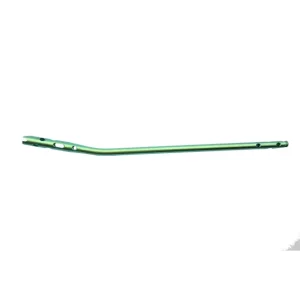
Advanced artificial joint prosthetics engineered for biological fixation and long-term joint survival in local arthroplasty procedures.
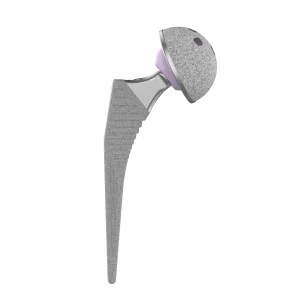
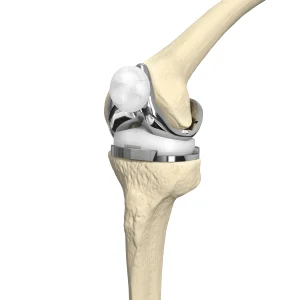
Nepal's unique geographical profile, characterized by mountainous terrain, steep slopes, and high-altitude agricultural activity, creates severe load-bearing demands on the physical health of its population. Studies reveal that Knee Osteoarthritis (OA) and Secondary Hip Osteoarthritis are highly prevalent in Nepal, often exacerbated by a lifetime of carrying heavy loads up steep paths. Additionally, the growing demographic shift toward an aging population and increasing incidents of vehicular trauma in urban centers like Kathmandu, Pokhara, and Lalitpur have driven an unprecedented demand for total joint arthroplasty (THR/TKR).
For Nepalese healthcare providers, securing reliable orthopedic implants is a complex clinical challenge. Hospitals must source prosthetics that conform strictly to MDR/CE/ISO regulations, fit the localized physiological morphology of Nepalese patients (who typically present smaller bone dimensions compared to Western populations), and arrive via cost-effective import channels that bypass excessive supply chain inflation.
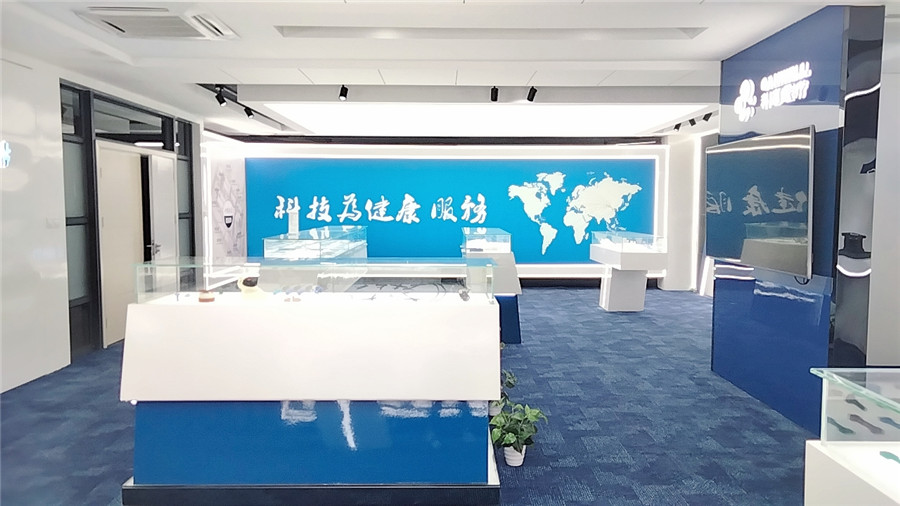
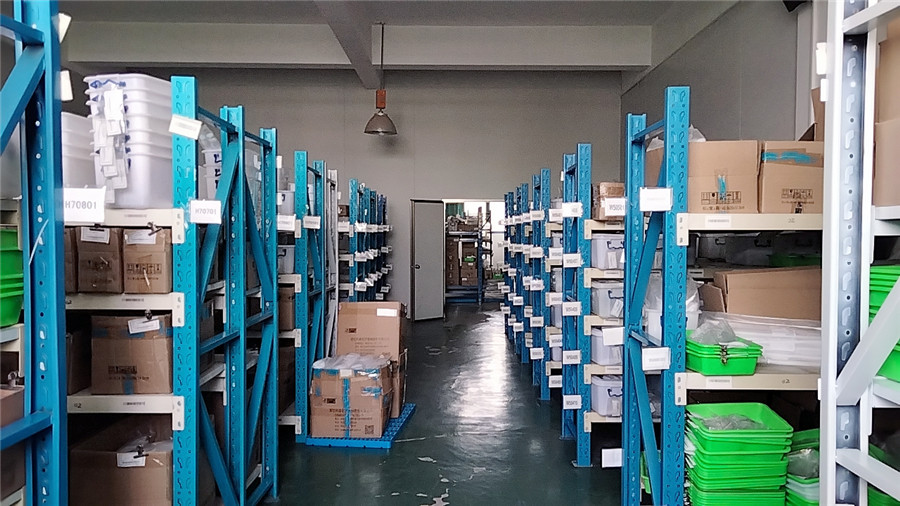
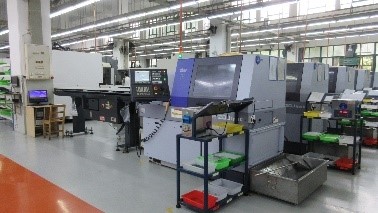
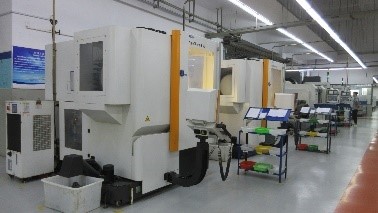
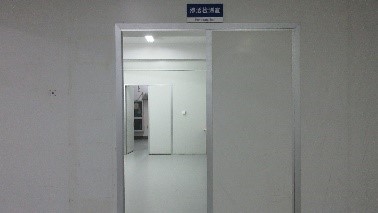
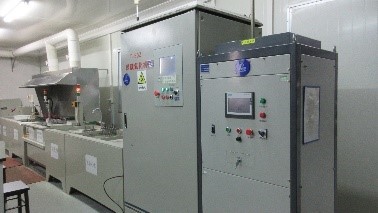
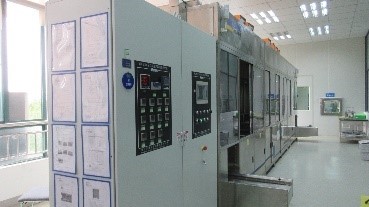
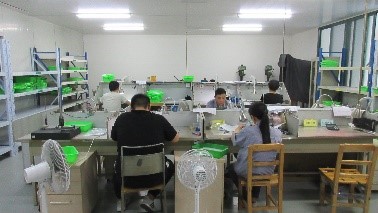
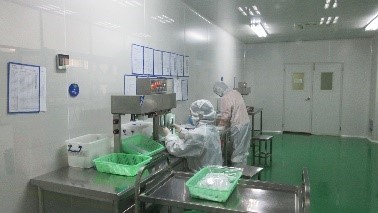
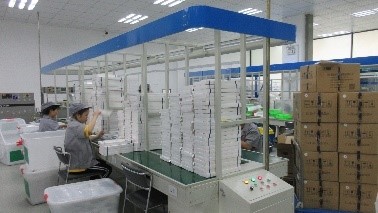
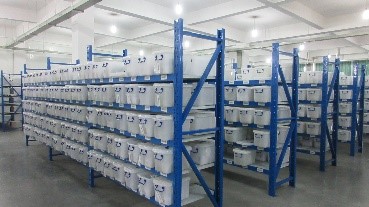
Discuss Nepal Supply PartnershipKaiSo Medical operates a state-of-the-art orthopedics manufacturing plant dedicated to serving global distributors with internationally certified implant systems.
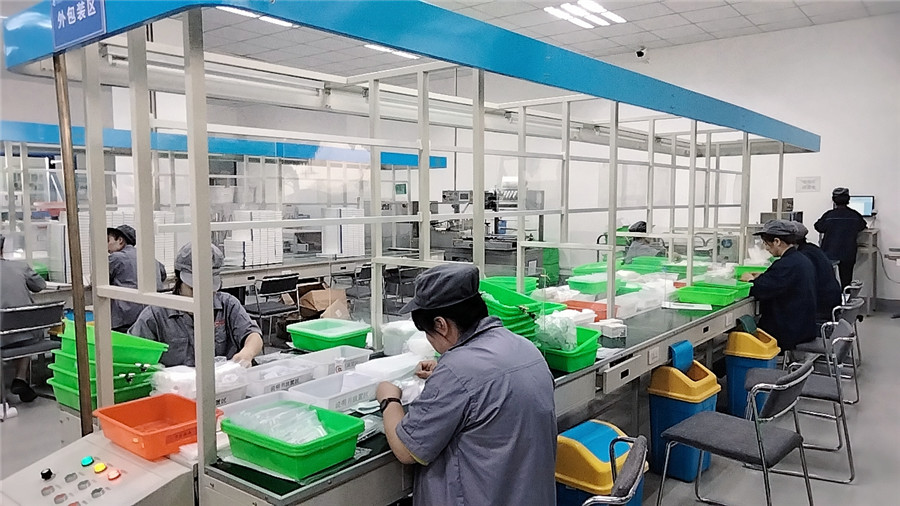
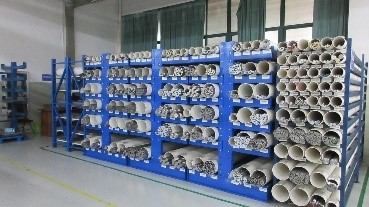
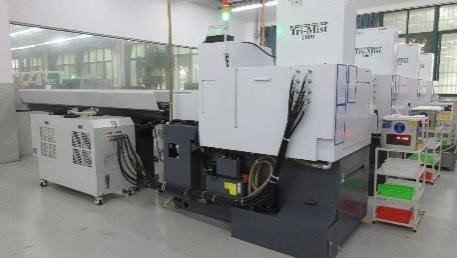
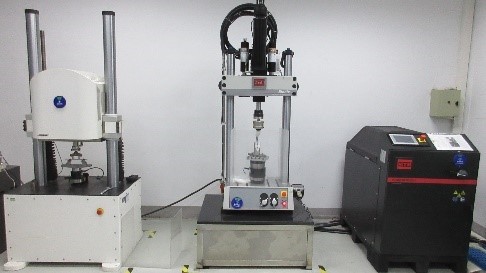
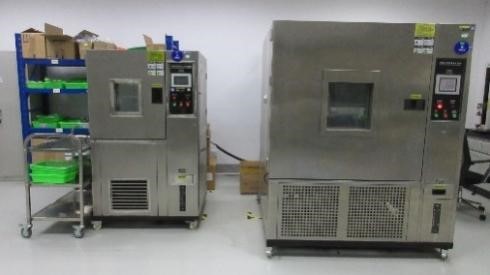
KaiSo has established a complete Quality Assurance System to continuously fulfill the requirements according to ISO9001, ISO13485, and CE/MDR regulatory standards, ranging from raw material procurement to design development and highly automated CNC production processes. Every single batch of raw titanium (Ti6Al4V ELI) and Cobalt-Chromium-Molybdenum (CoCrMo) alloy is traceable, guaranteeing the mechanical fatigue strength and biocompatibility required for long-term clinical safety in primary and revision joint surgeries.
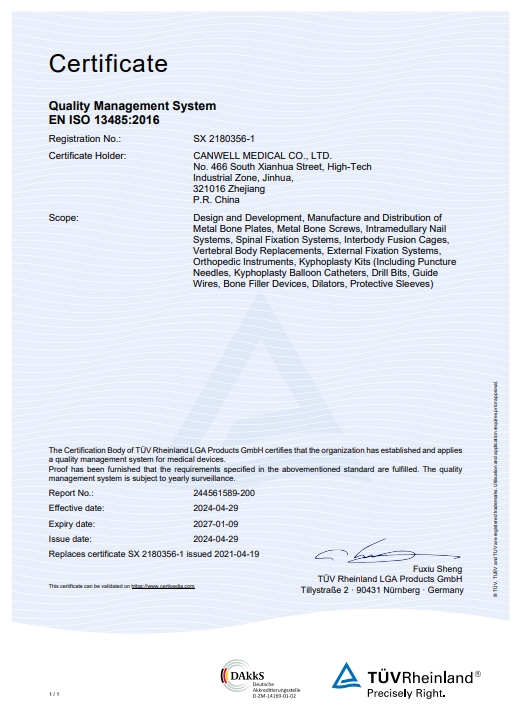

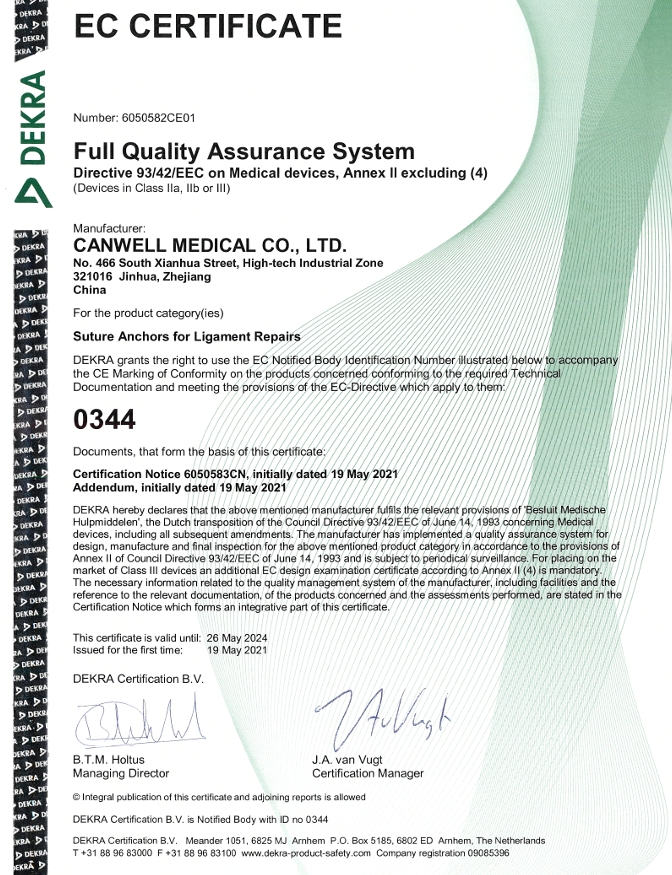
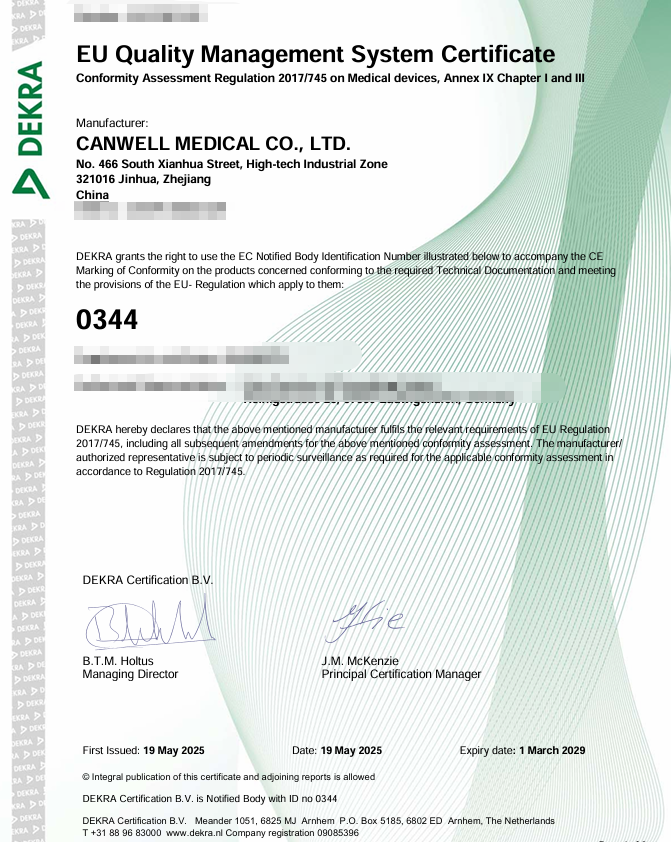
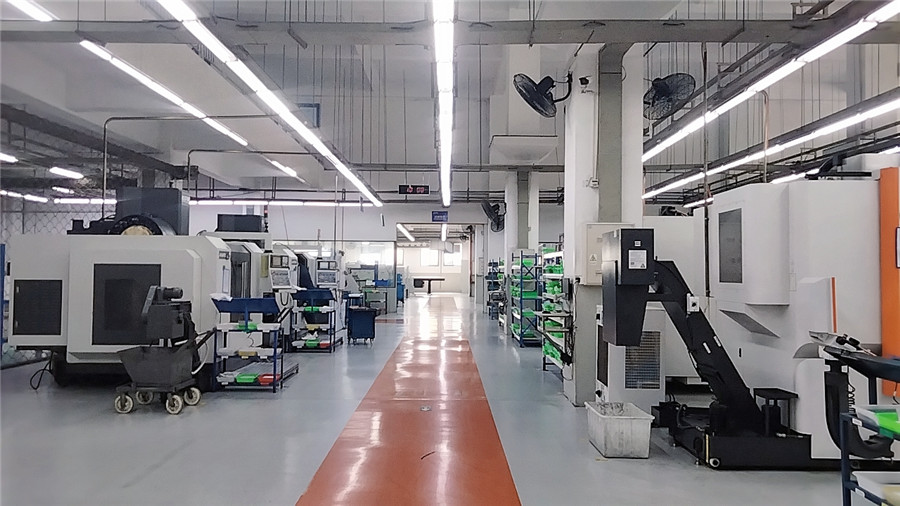
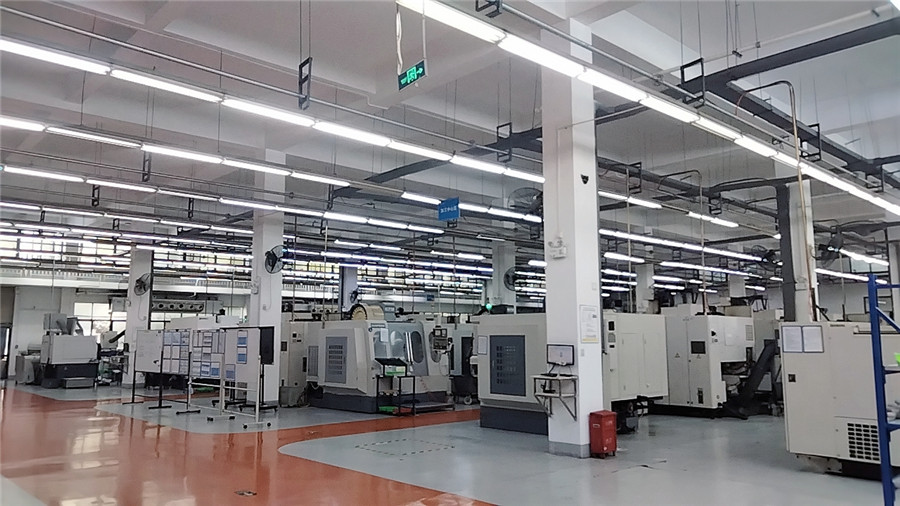
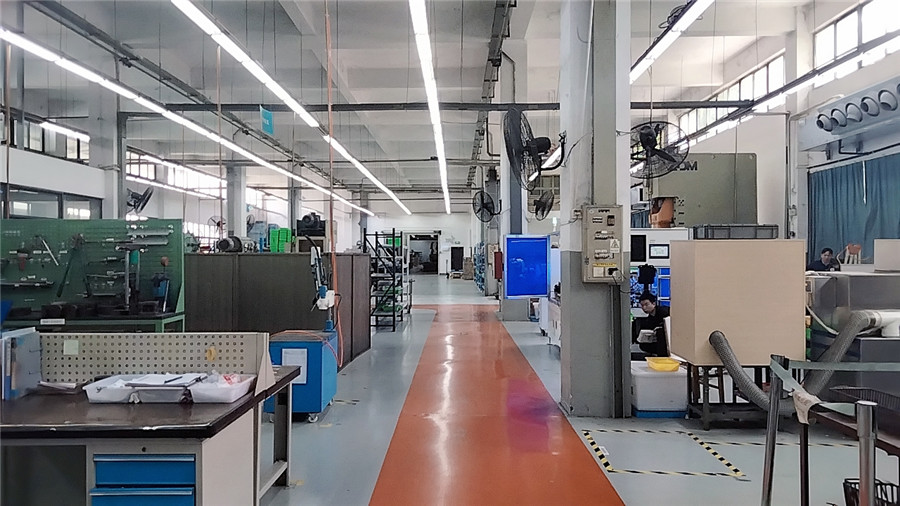
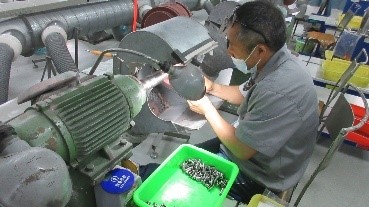
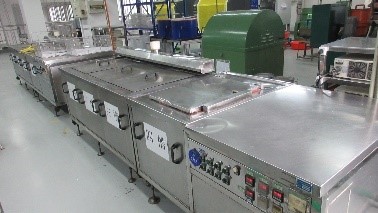
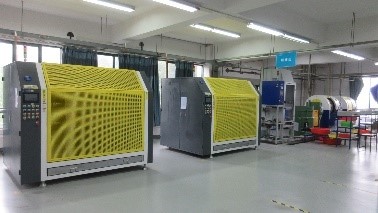
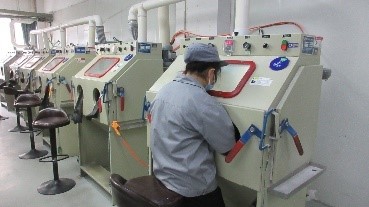
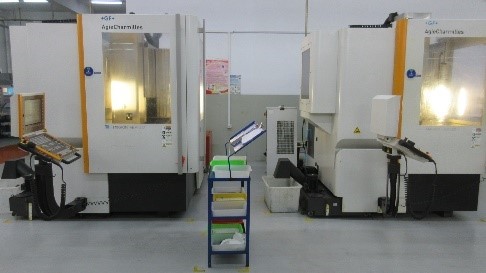
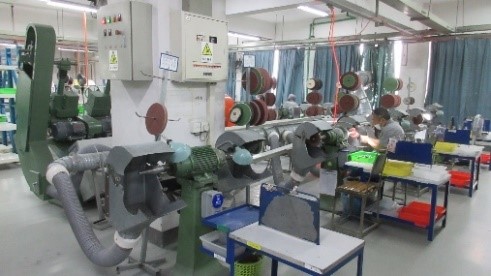
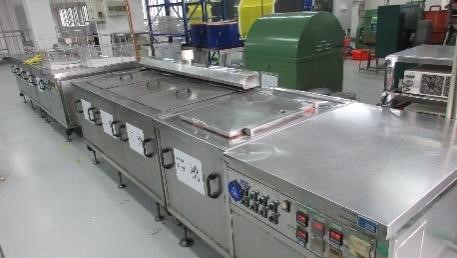
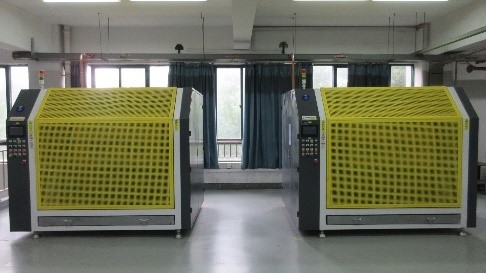
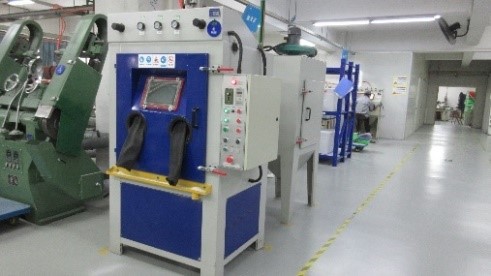
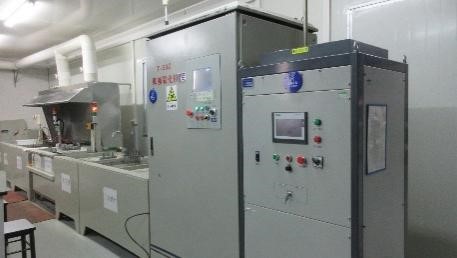
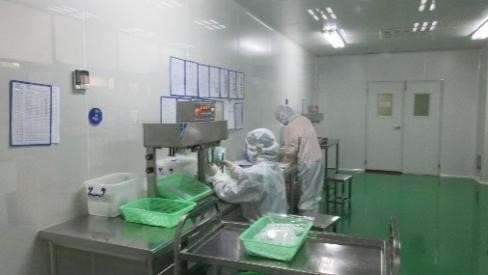
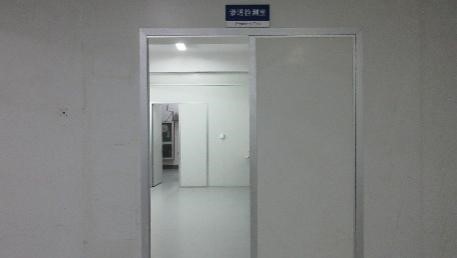
Combining advanced metallurgy, precision design, and anatomical customization to maximize implant survivability.
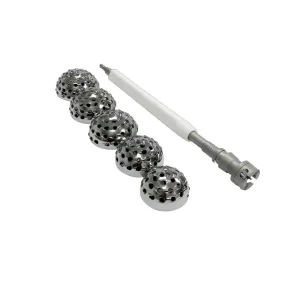
Our implants utilize high-purity Titanium Alloy (Ti6Al4V ELI) for femoral stems and Cobalt-Chromium-Molybdenum (CoCrMo) for articular surface options. Stems are coated with plasma-sprayed Hydroxyapatite (HA) or Titanium plasma spray to facilitate optimal biological osseointegration.
Designed with Asian skeletal morphology databases in mind. Reduced proximal width, optimized medial flare, and smaller nominal diameter options ensure that surgeons in Kathmandu can easily match the patient's natural anatomy without excessive bone removal.
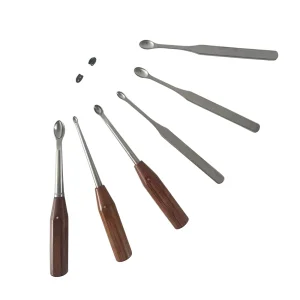
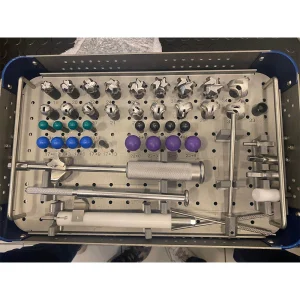
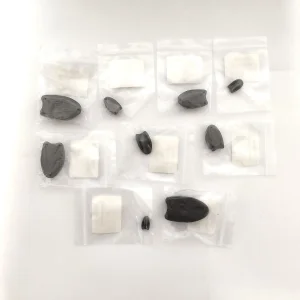
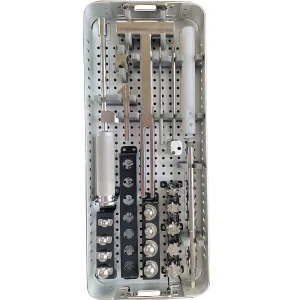
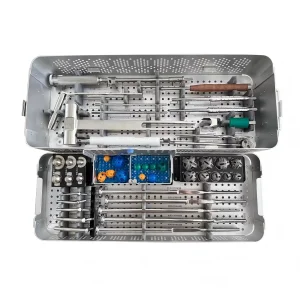
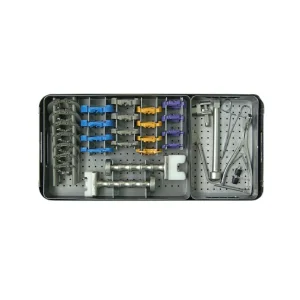
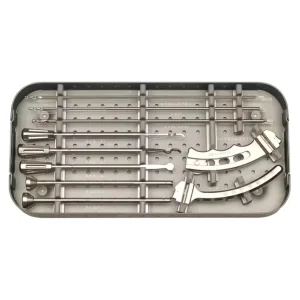
We deliver total hip and knee solutions complete with ergonomic, high-grade stainless steel surgical instrument trays. Trial reduction components are highly calibrated to guarantee seamless intraoperative transitions.
Importing Class III medical devices into Nepal requires strict administrative oversight. We provide Nepalese distributors with a dedicated regulatory affairs team to compile full registration dossiers, including ISO 13485 certificates, Free Sale Certificates (FSC), Declaration of Conformity, and sterilization audit reports, ensuring fast clearance by the Department of Drug Administration (DDA) of Nepal.
Additionally, our global logistics network coordinates shipping directly to Kathmandu (Tribhuvan International Airport) via premium temperature-controlled air freight, safeguarding packaging integrity.
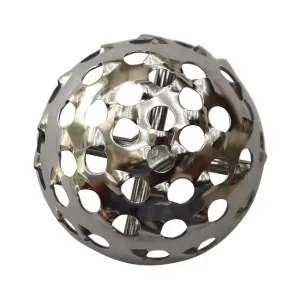
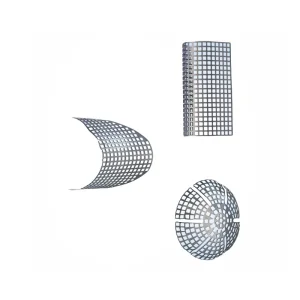
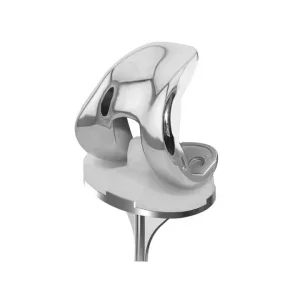
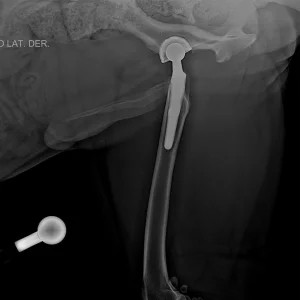
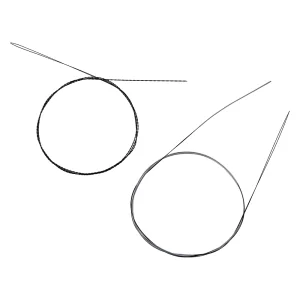
Complete listing of CE-certified implants and specialized surgical instrumentation compatible with regional healthcare tenders in Nepal.
Practical queries regarding shipping, custom medical device registration, and technical support in Nepal.
We compile complete regulatory files containing ISO 13485 certifications, CE marks, and clinical validation studies. These documentation packages are tailored to meet the strict entry guidelines of the Department of Drug Administration (DDA) of Nepal for Class III medical implants.
Yes. Supported by 59 R&D engineers, we offer customization options based on sample templates or graphic processing. This allows hospitals to procure orthopedic stems and knee joints optimized for local physiological characteristics.
Most implant orders are shipped via temperature-monitored air freight direct to Tribhuvan International Airport (KTM) in Kathmandu. The typical shipping transit time is 5-7 working days post-manufacturing clearance.
Our quality department employs 69 certified inspectors. We run complete batch trace inspections of titanium raw materials and coordinate measuring inspections of articulating surfaces. Quality control audits are maintained across all production lines.
Yes, our catalog includes high-durability stainless steel veterinary hip prosthesis instrument sets and associated surgical tools designed for animal hospital use in agricultural and research centers throughout Nepal.
Our primary TKA systems are fabricated from high-grade biocompatible Cobalt-Chromium-Molybdenum (CoCrMo) alloy and Ultra-High Molecular Weight Polyethylene (UHMWPE) inserts, offering low friction and high resistance to articulation wear.
 KaiSo Medical