Japan represents one of the most sophisticated and demanding markets for Total Hip Replacement (THR) and Total Knee Replacement (TKR) globally. With a super-aging society where over 28% of the population is aged 65 or older, the clinical need for durable, high-performance orthopedic implants has never been more critical. Unlike other regions, the Japanese market requires specific localization in terms of anatomical sizing, minimally invasive surgery (MIS) compatibility, and strict adherence to PMDA (Pharmaceuticals and Medical Devices Agency) standards.
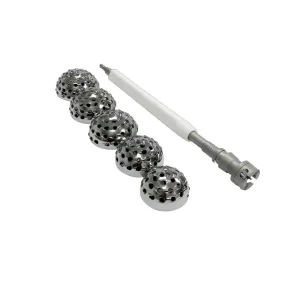
As a leading THR/TKR factory serving the Japanese archipelago—from Tokyo’s high-tech medical centers to rural specialized clinics—we understand that "quality" in Japan is not just a metric, but a baseline. Our production lines utilize vacuum plasma spraying for HA (Hydroxyapatite) coatings and ultra-high-molecular-weight polyethylene (UHMWPE) to ensure longevity that meets the active lifestyle expectations of Japanese seniors.
The future of arthroplasty in Japan is moving toward Digital Orthopedics. Our factory is currently integrating a multi-stage roadmap to support Japanese surgeons:
In an era of global logistical instability, our factory offers Japan-based distributors and hospitals a unique competitive edge: Supply Chain Resilience. Located in China’s high-end medical manufacturing cluster, we provide:
1. Geographical Proximity: Shipping from our factory to major Japanese ports (Kobe, Yokohama, Osaka) takes significantly less time than European or North American suppliers, reducing lead times from months to weeks.
2. Precision Scale: With nearly 30,000 m² of automated production, we handle high-volume orders without compromising the micron-level tolerances required for Class III medical devices.
3. Cost-Efficiency without Quality Compromise: By optimizing our internal R&D and manufacturing processes (ISO 13485 certified), we allow Japanese partners to manage the rising costs of healthcare while maintaining world-class clinical outcomes.
KaiSo has established a complete Quality Assurance System to continuously fulfill the requirements according to ISO9001, 13485, CE, and MDR, ranging from material procurement to design development and automated production processes. Our commitment to E-E-A-T (Experience, Expertise, Authoritativeness, and Trustworthiness) is evidenced by our 22-year track record and our massive investment in R&D.
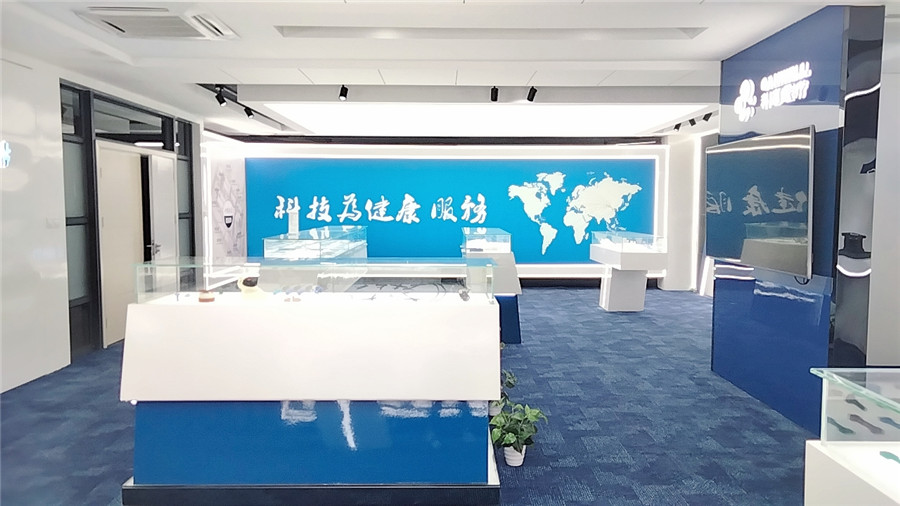
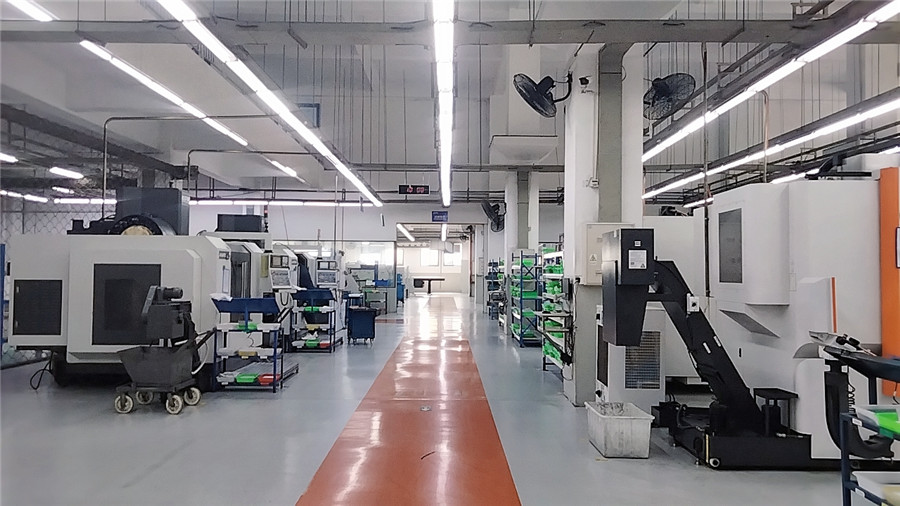
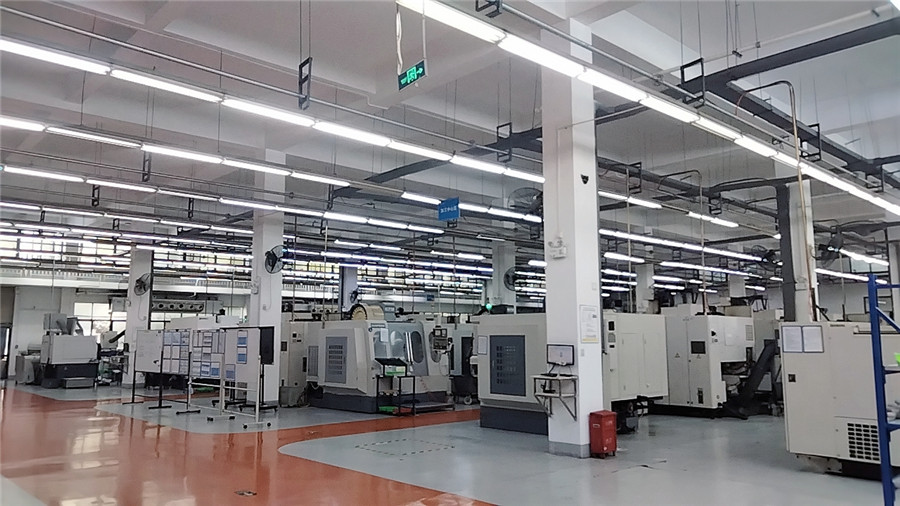
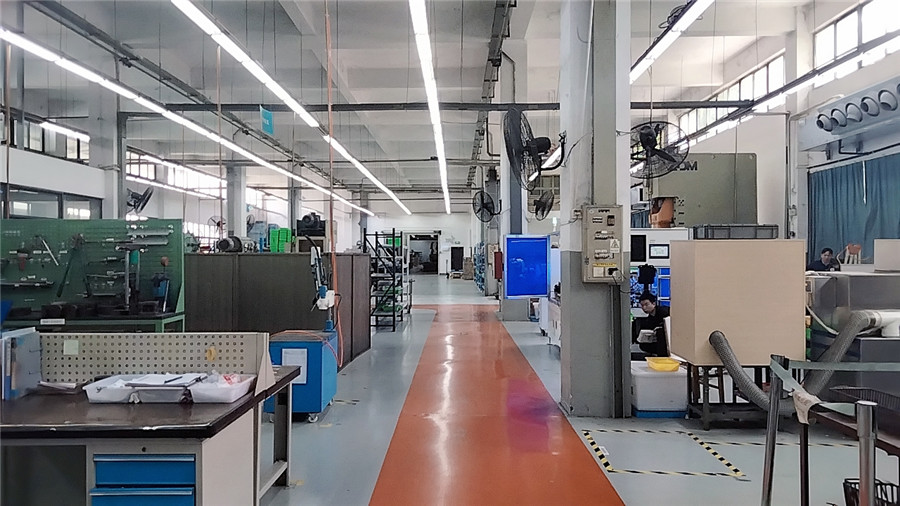
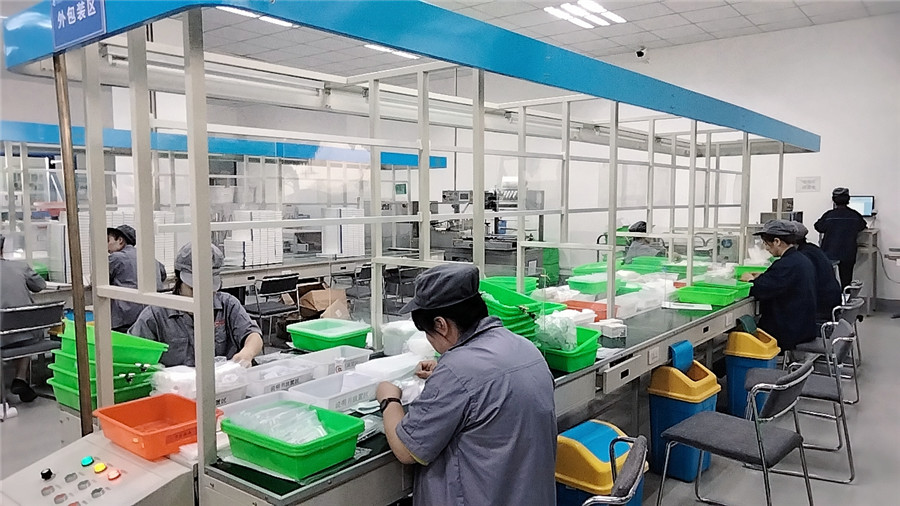
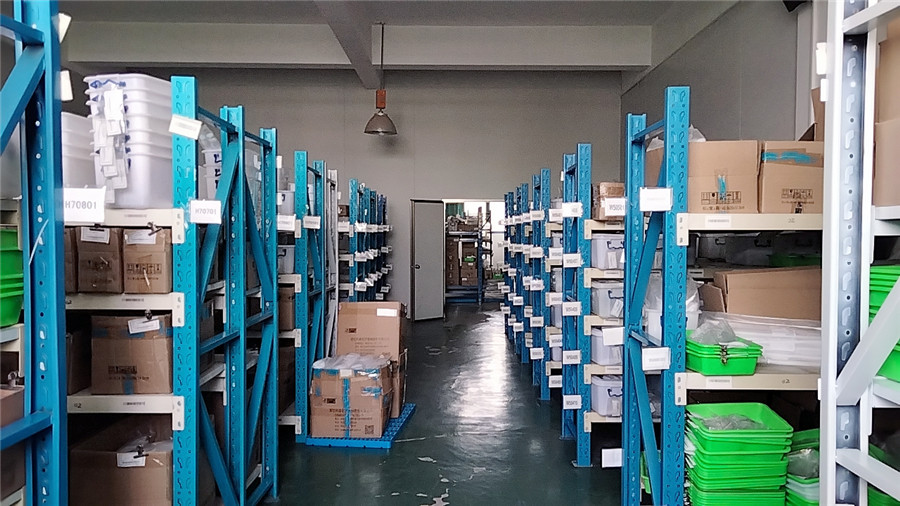
Our products are manufactured under ISO 13485 and CE MDR standards. We provide full technical documentation (STED) and clinical evaluation reports necessary for Japanese partners to facilitate PMDA registration and Shonin approval.
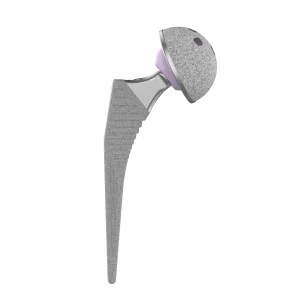
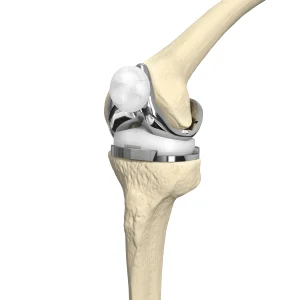
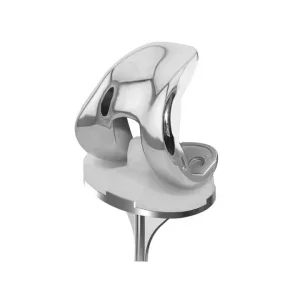
Yes. We specifically design femoral stems and tibial components with smaller dimensions and anatomical bows that cater to the typically smaller bone structures found in Asian patients compared to Western counterparts.
Standard orders are typically processed within 4-6 weeks. Given our proximity to major ports like Shanghai and Ningbo, shipping to Japan is exceptionally fast, often taking only 3-5 days via sea freight or 24 hours via air.
Absolutely. We have 59 R&D engineers who specialize in custom graphic processing and sample-based production. We currently partner with several global brands to provide private-label orthopedic solutions.
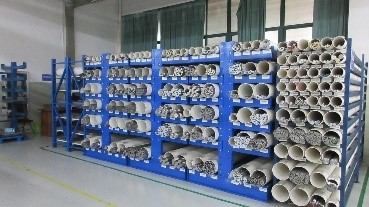
We use medical-grade Titanium Alloy (Ti6Al4V ELI) for stems, Cobalt-Chromium-Molybdenum (CoCrMo) for femoral heads, and BIOLOX® delta compatible ceramics for high-demand cases.
 KaiSo Medical