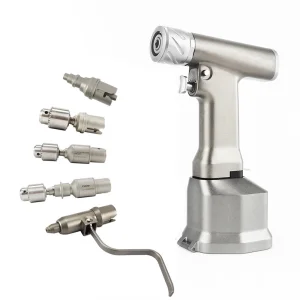
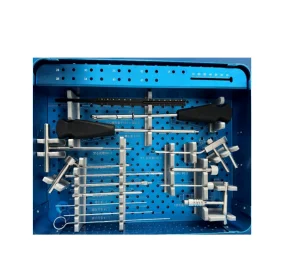
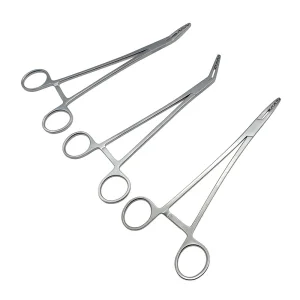
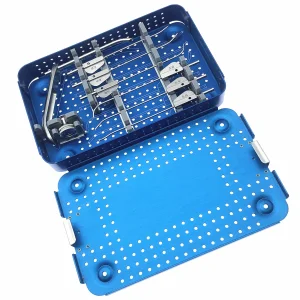
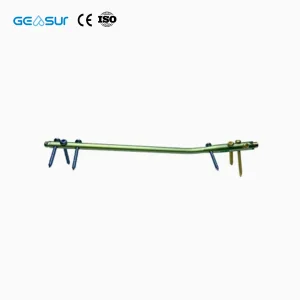
In the specialized field of orthopedic trauma surgery, Unilateral External Fixators (UEFs) represent a cornerstone of modern stabilization techniques. Unlike circular fixators, unilateral systems offer a simplified application process, reduced bulk, and high patient comfort while providing stable fixation for long bone fractures, non-unions, and limb-lengthening procedures. As global healthcare infrastructure matures, the demand for high-precision, E-E-A-T (Experience, Expertise, Authoritativeness, and Trustworthiness) compliant manufacturing has surged.
Today, top manufacturers are not merely suppliers; they are strategic partners in surgical outcomes. This white paper explores the current state of the global industry, the technological roadmap toward "Smart Fixators," and why selecting a certified manufacturer like KaiSo is critical for patient safety and clinical success.
The global external fixators market is projected to reach billions by 2030, driven by an aging population and increasing rates of road traffic accidents (RTAs) in developing regions.
Shift from traditional stainless steel to radiolucent carbon fiber and high-strength titanium alloys to improve X-ray visualization and biocompatibility.
Integration of computer-aided design (CAD) and AI-driven preoperative planning is becoming standard among top-tier manufacturers.
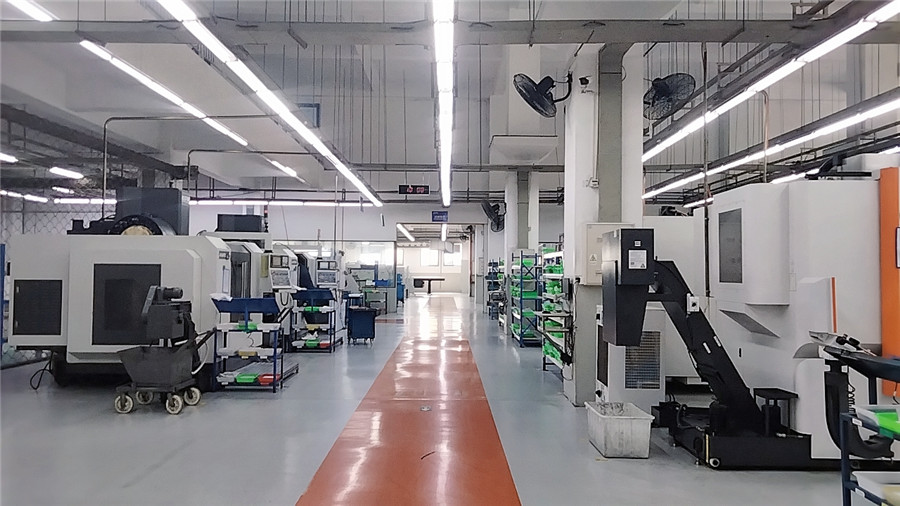
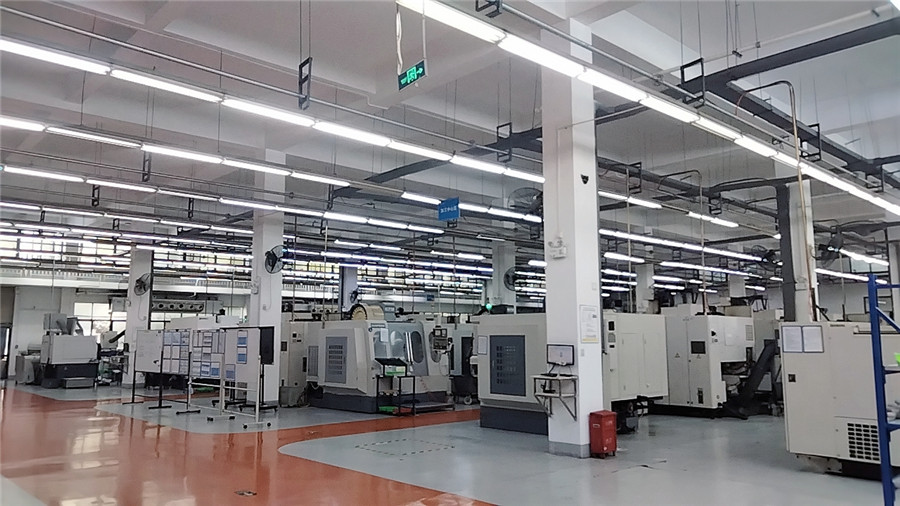
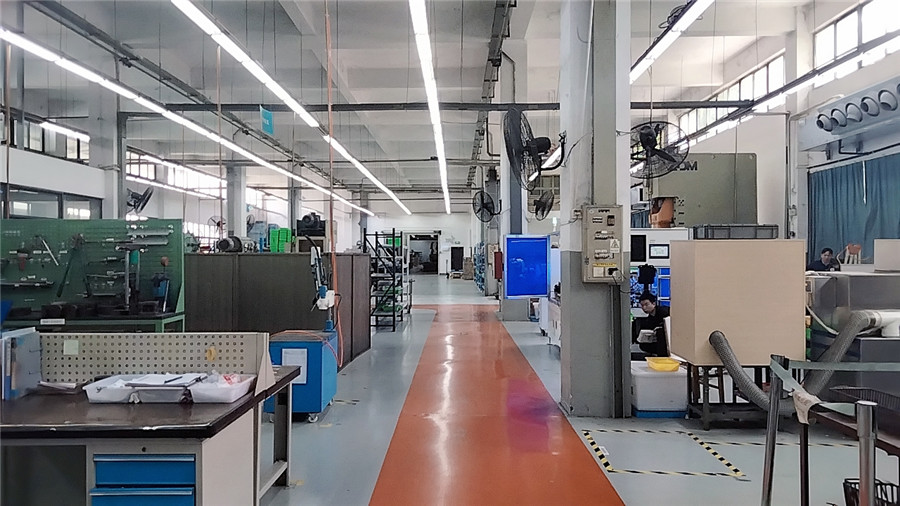
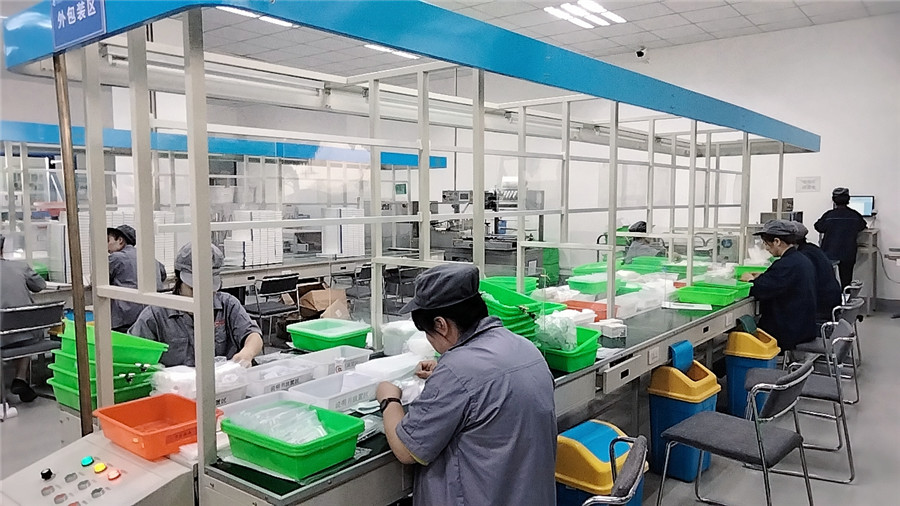
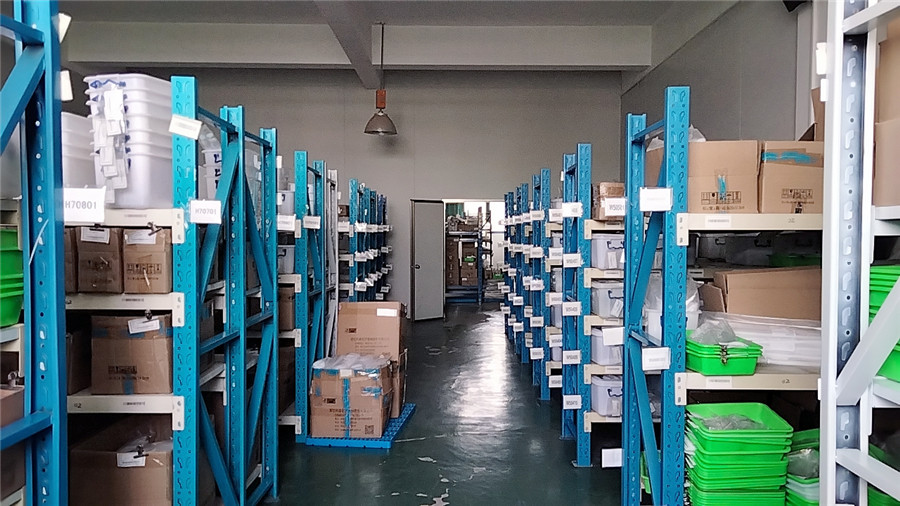
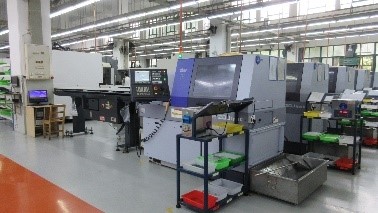
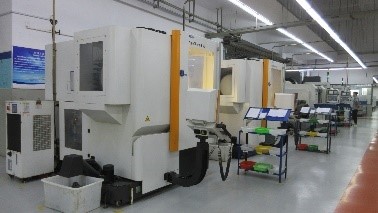
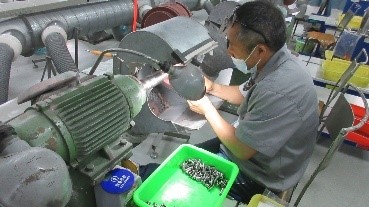
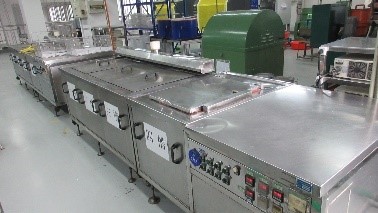
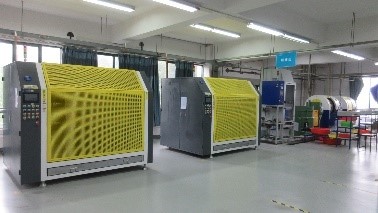
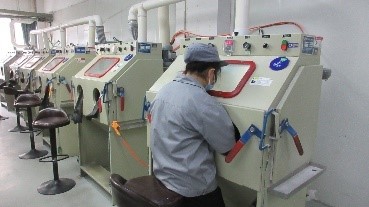
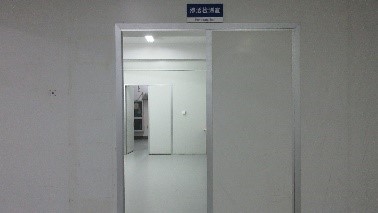
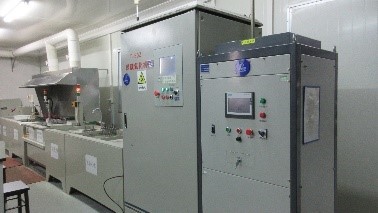
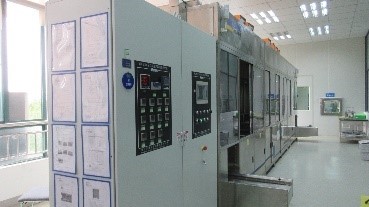
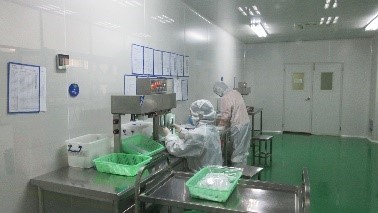
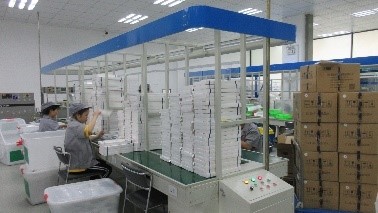
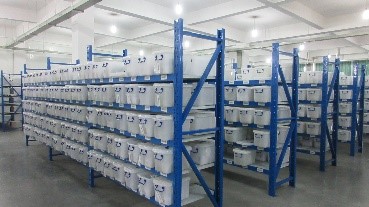
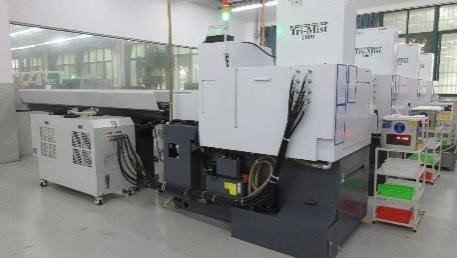
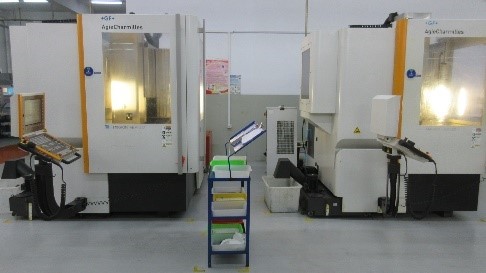
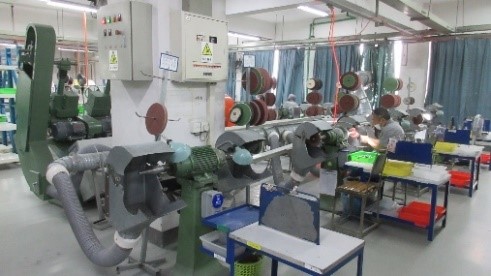
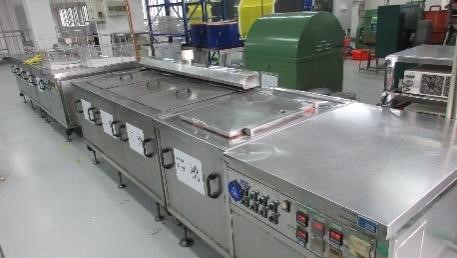
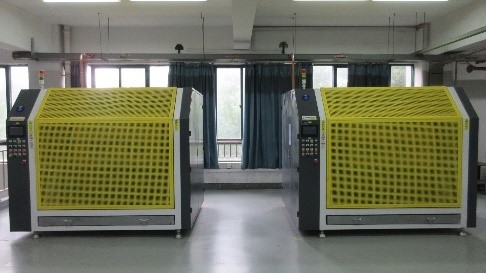
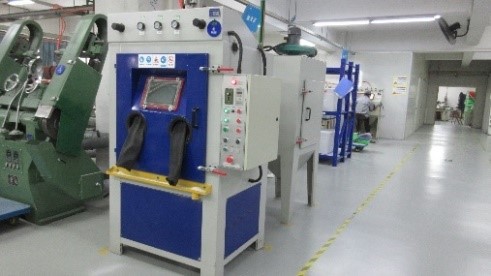
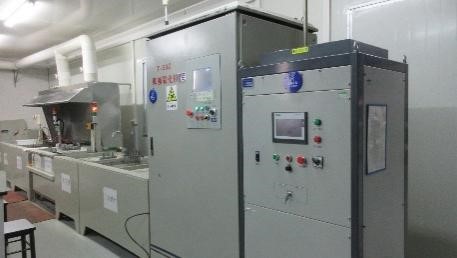
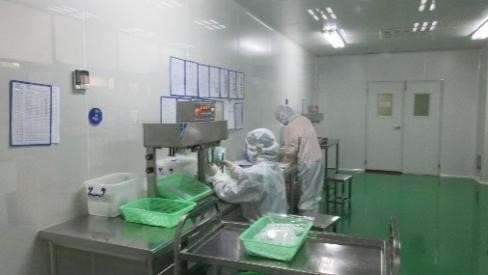
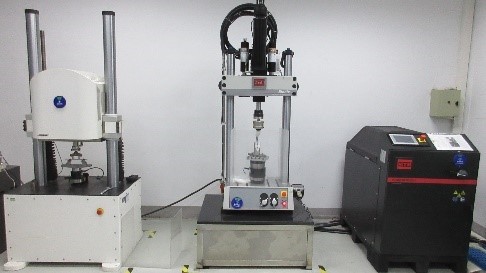
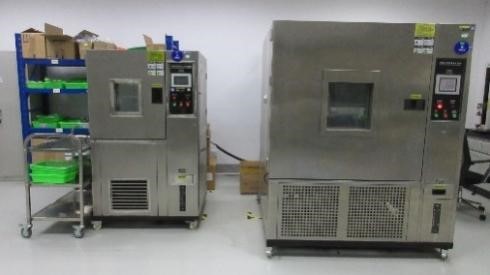
KaiSo has established a complete Quality Assurance System to continuously fulfill the requirements according to ISO9001, 13485, CE, ranging from material procurement to design development and automated production processes.
Traceability: Full support for raw material traceability.
Inspection: Inspection of all products, random inspection, and customized client protocols.
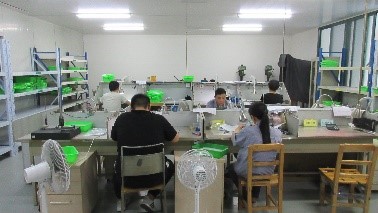
Team: 69 dedicated QA/QC inspectors ensuring zero-defect output.
Our team includes 59 graduate R&D engineers focused on innovation. We offer light customization, sample processing, and graphic processing to meet localized clinical needs.
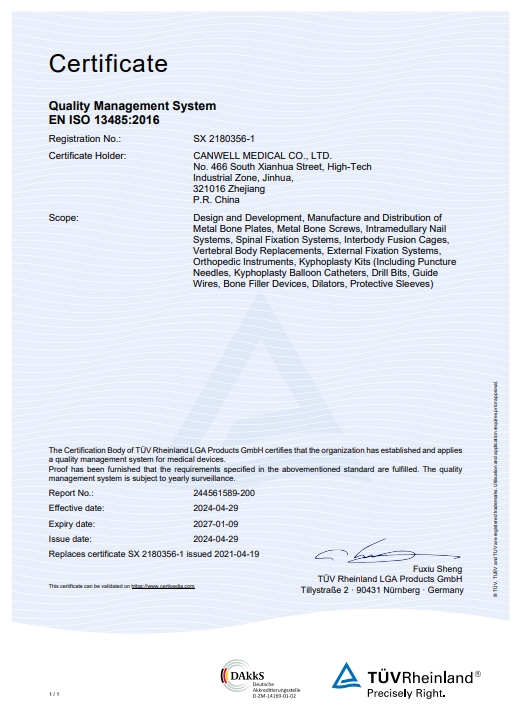
ISO13485
SX 2180356-1
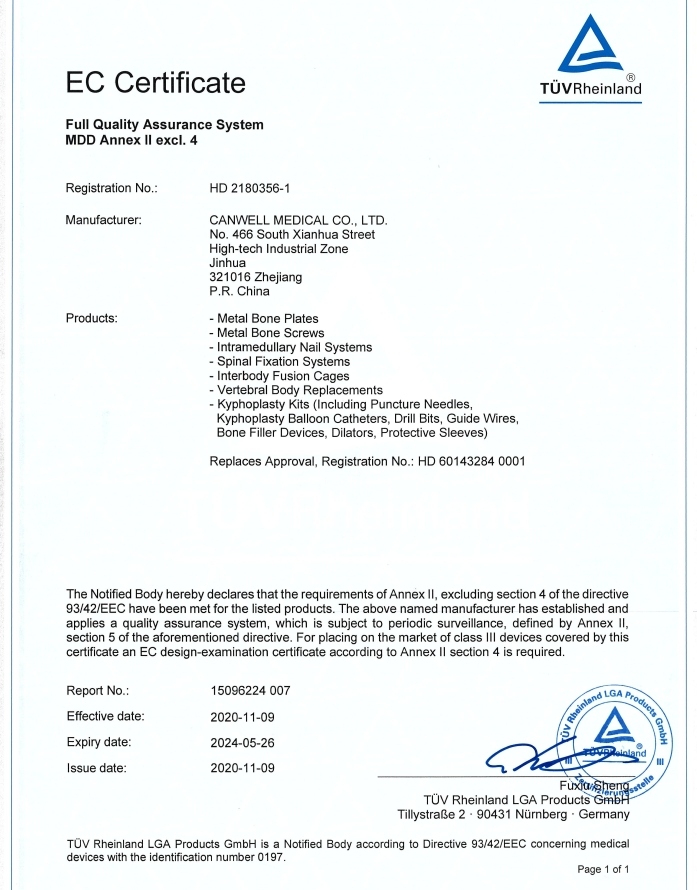
93/42/EEC
HD 2180356-1
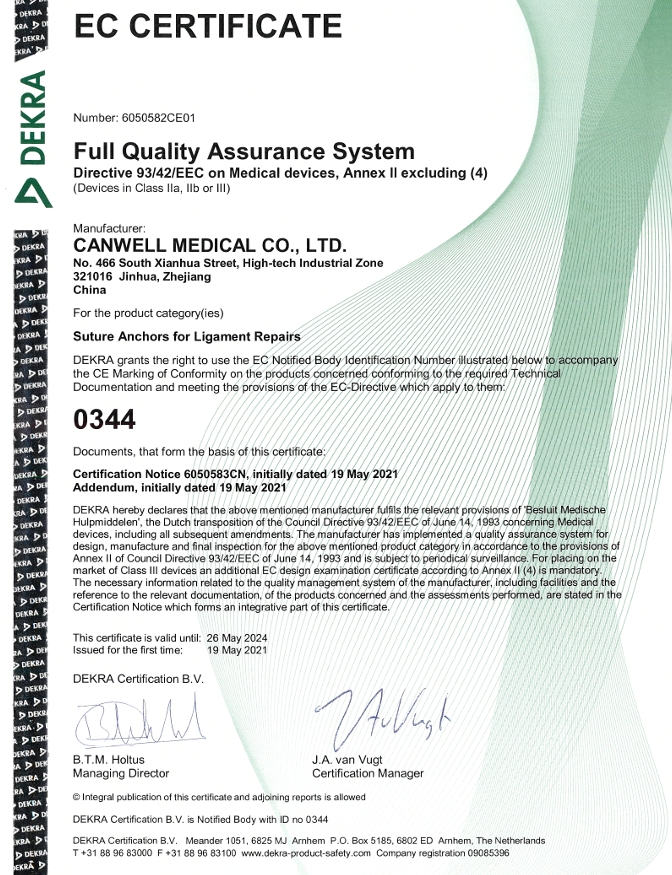
93/42/EEC
6050582CE01

MDR Compliance
6142788CE02
| Feature | Traditional Generation | Modern Era (Current) | Future Horizon (2025+) |
|---|---|---|---|
| Material | Stainless Steel 316L | Titanium Alloy & Carbon Fiber | Bioresorbable Composites & 3D Printed Lattice |
| Adjustability | Static Fixation | Dynamic Micro-adjustment | Autonomous Motorized Distraction |
| Imaging | Radio-opaque (Blocks View) | Radiolucent (Minimal interference) | AR-guided Placement Integration |
| Patient Experience | Heavy and Bulky | Lightweight & Low Profile | Smart Sensors for Load Monitoring |
Rapid application in "damage control" orthopedics for hemodynamically unstable patients with pelvic or long bone fractures.
Customized, smaller fixators for congenital limb deformities and growth plate preservation.
Rugged, simple-to-use systems for high-energy blast injuries where internal fixation is contraindicated due to infection risk.
Unilateral fixators offer faster application, are less bulky (increasing patient compliance), and are generally preferred for simple fractures and rapid stabilization. Circular fixators (like Ilizarov) are better suited for complex multi-planar deformities.
Medical Device Regulation (MDR) in the EU is one of the strictest standards globally. Choosing an MDR-compliant manufacturer like KaiSo ensures that the clinical evidence, risk management, and post-market surveillance are of the highest professional caliber.
Most modern titanium-based unilateral fixators are "MRI Conditional." However, surgeons must always check the manufacturer’s specific labeling regarding magnetic field strength and potential heating effects.
In SEO and procurement, "Information Gain" refers to unique, expert insights. A top manufacturer doesn't just sell parts; they provide technical documentation, surgical manuals, and engineering data that contribute to better surgical planning and fewer complications.
 KaiSo Medical