Engineered for biomechanical stability and rapid patient recovery. Explore our precision-manufactured systems below.
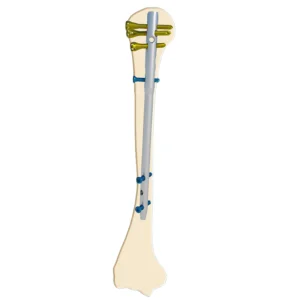
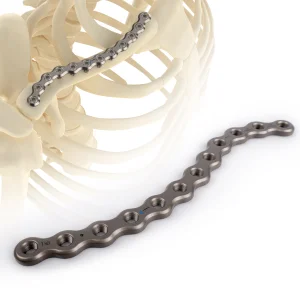
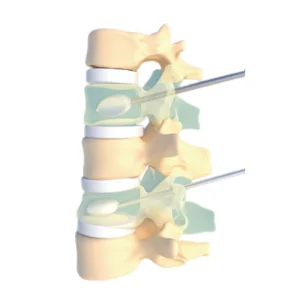
In modern traumatology, the surgical treatment of long bone fractures has evolved from rigid external plating to micro-invasive intramedullary nailing (IMN) systems. As a leading medical device designer and exporter, our systems address the core challenges of load-sharing biomechanics. Rather than bearing 100% of the mechanical weight, modern IM nails act as internal splints, transferring axial loads directly across the fracture site to promote micromotion and accelerate callus formation.
The performance of an intramedullary nail is dictated by its raw material integrity and its spatial geometry. By sourcing strictly premium titanium alloys (typically Ti-6Al-4V ELI / Grade 5 conforming to ASTM F136), we guarantee a low elastic modulus that matches native cortical bone closer than traditional stainless steel. This minimizes the risk of stress shielding and subsequent osteoporosis near the implant site.
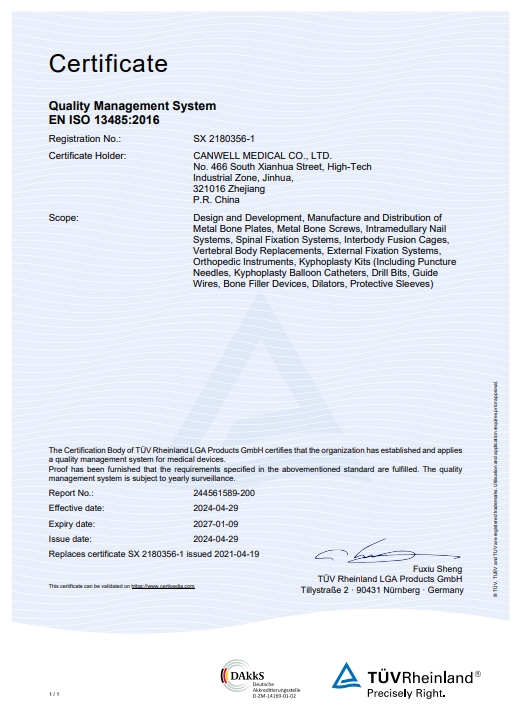
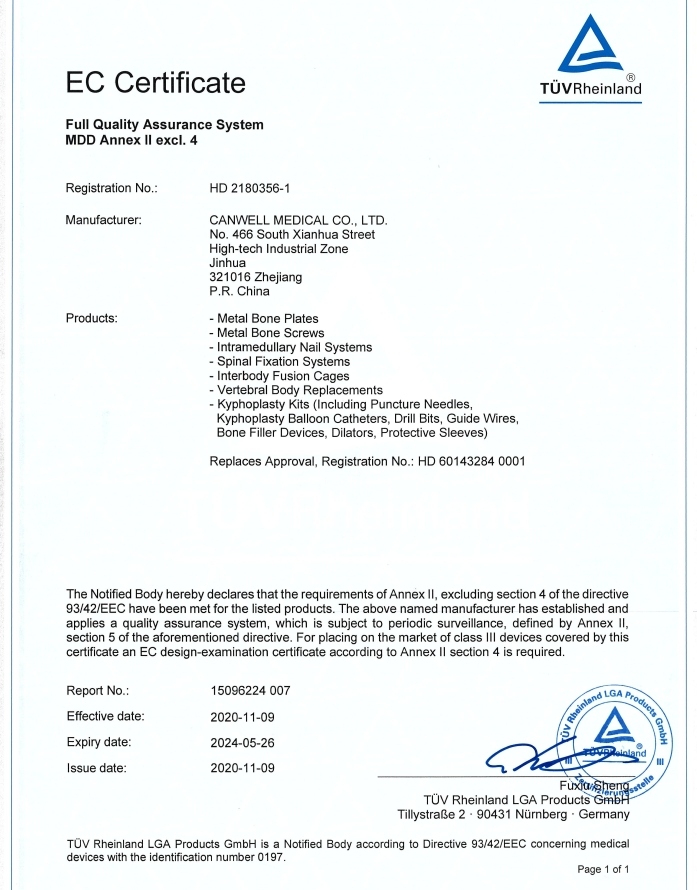
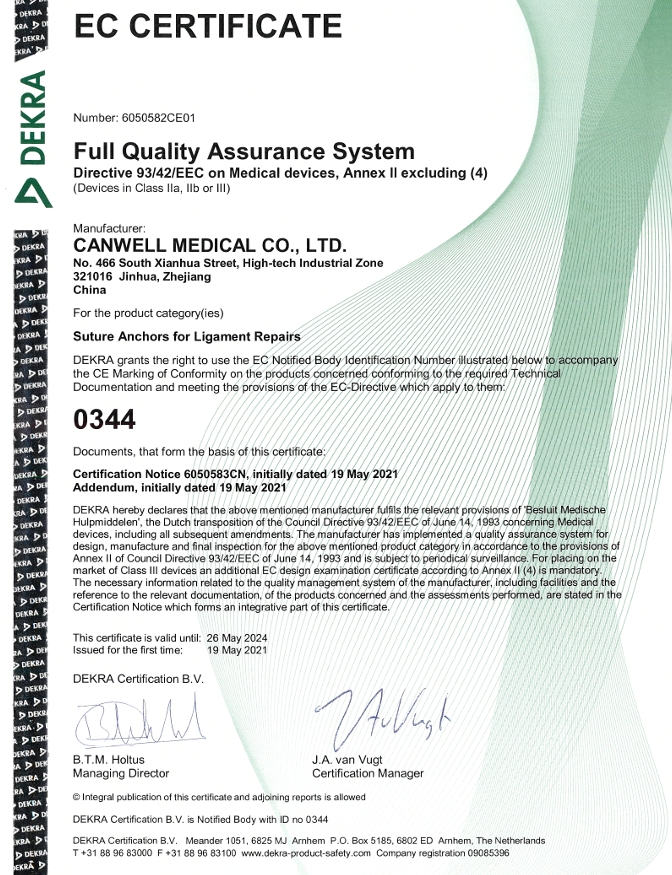
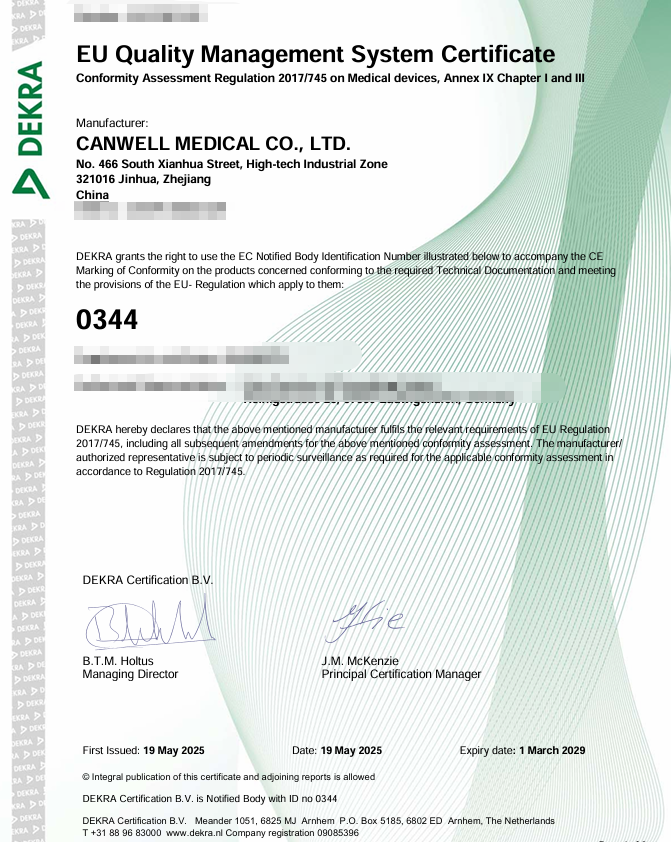
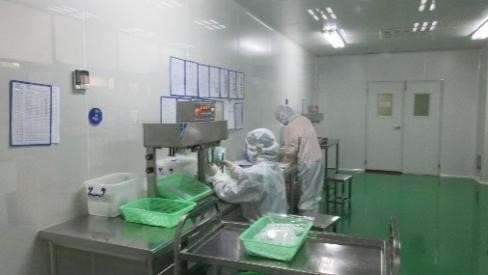
Operating a strict, traceably audited manufacturing environment conforming to European MDR, MDD, and ISO guidelines.



The demand profiles for intramedullary systems vary across geographic and clinical contexts. In mature hospital networks, procurement centers require comprehensive, autoclavable instrument sets configured for minimal surgical steps. In emergent clinical environments, such as orthopedic veterinary centers or disaster response clinics, cost-effectiveness, high material strength, and ease of assembly are paramount.
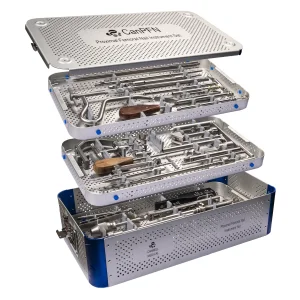
High-velocity injuries require interlocking tibial and femoral nails equipped with dynamic and static locking holes. The proximal femoral nail system (such as the CanPFN) integrates helical blades to maximize bone purchase in osteoporotic patients, resolving high-stress cut-out failures.
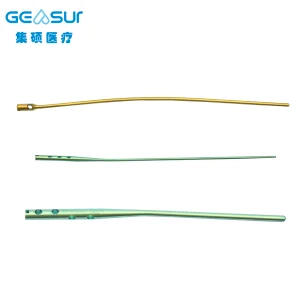
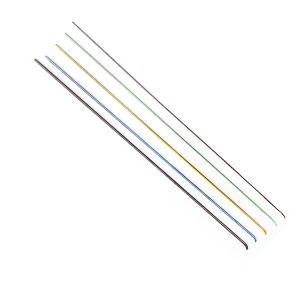
For pediatric long bone fractures, rigid IM nails are contraindicated due to the open epiphyseal (growth) plates. Here, Titanium Elastic Nails (TEN) utilize the three-point fixation principle to provide elastic stability without crossing active growth zones, minimizing longitudinal growth discrepancies.
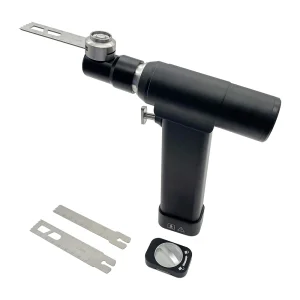
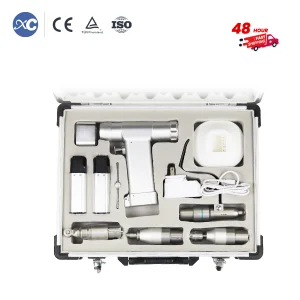
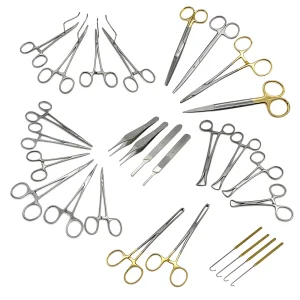
As pet ownership rises globally, specialized veterinary orthopedic surgical systems are growing rapidly. The demand spans mini titanium nails for radius/ulna fractures and specialized micro-locking systems, accompanied by robust power tools like orthopedic oscillating saws and veterinary-specific surgical instruments.
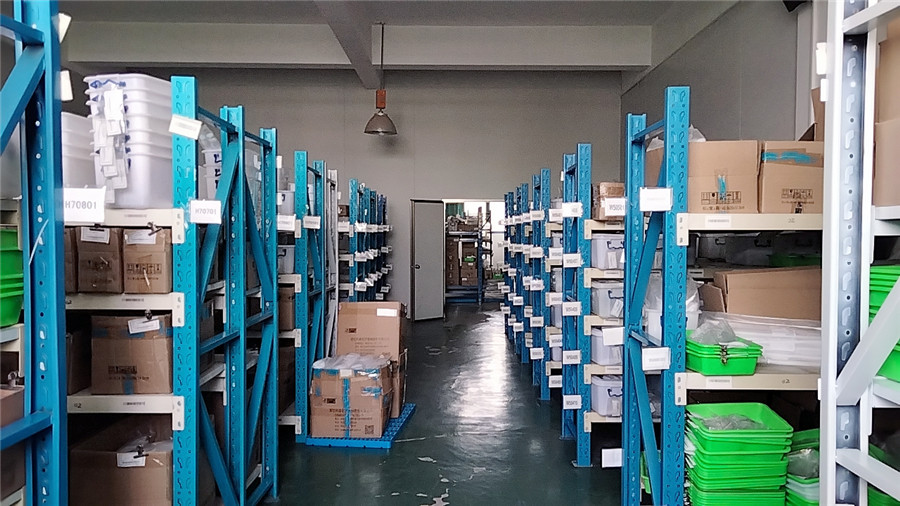
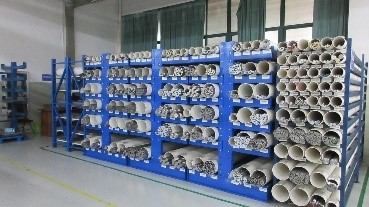
B2B procurement professionals must analyze manufacturer quality profiles. Our supply chain features complete traceability from raw titanium sponge through to individual unit laser-etched barcodes. This strict compliance reduces liability risks for medical distributors and tender bidders globally.
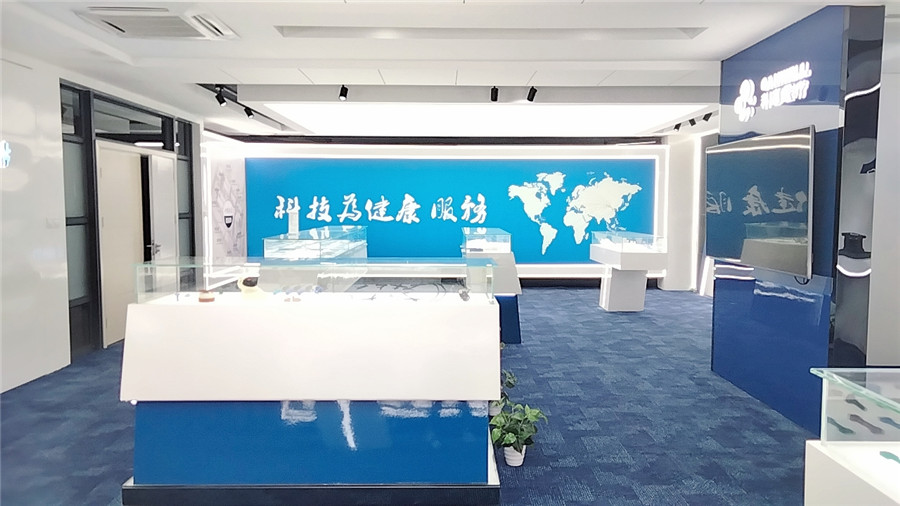
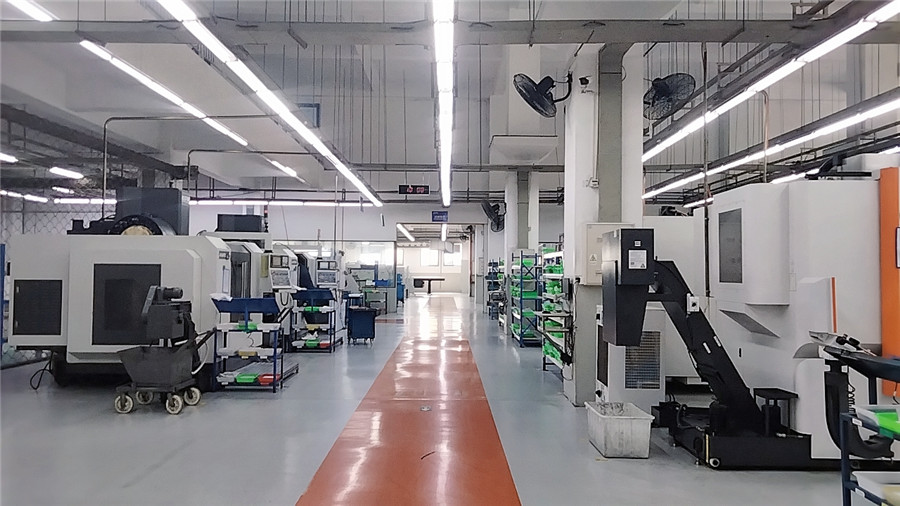
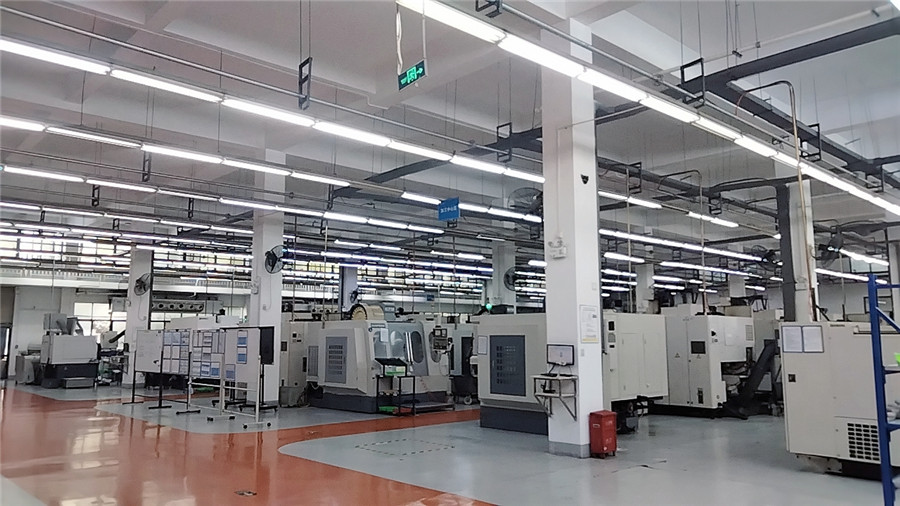
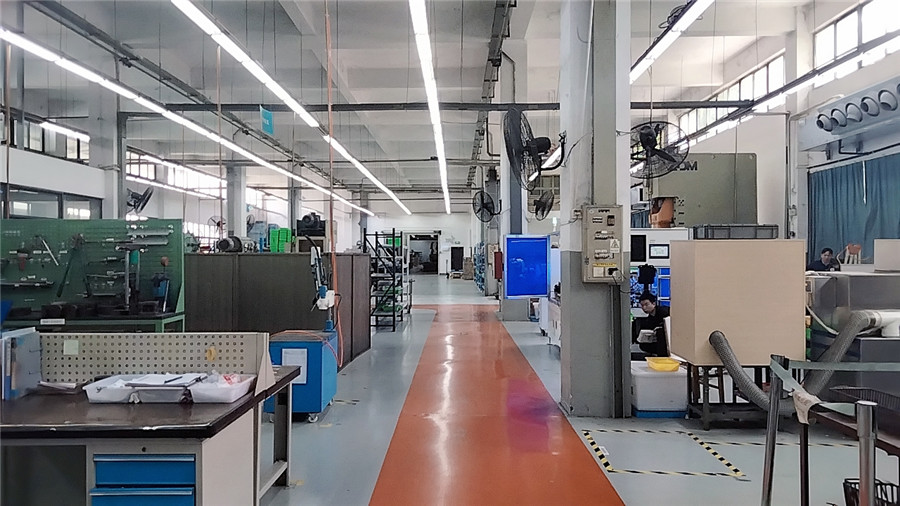
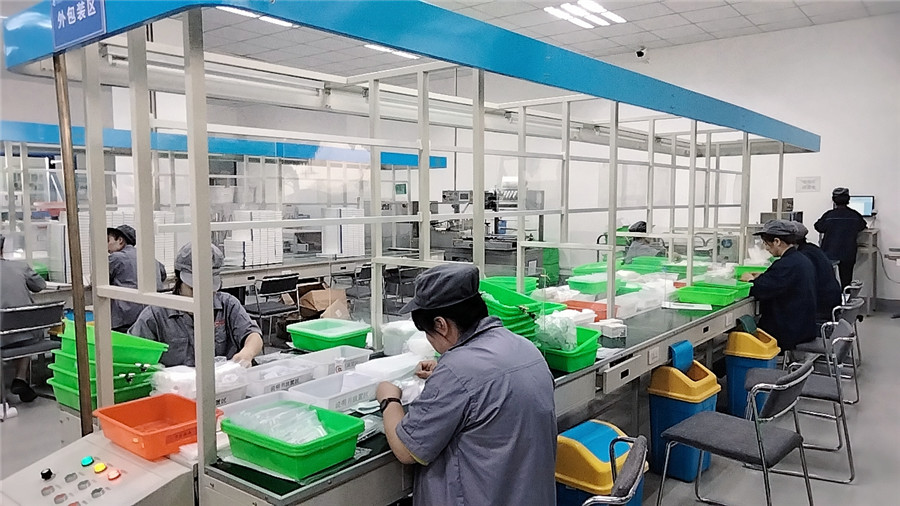
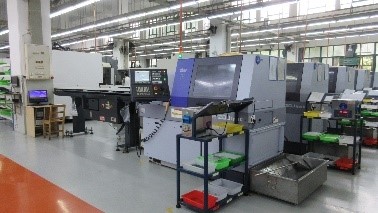
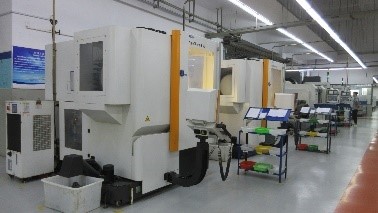
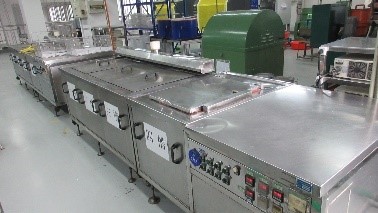
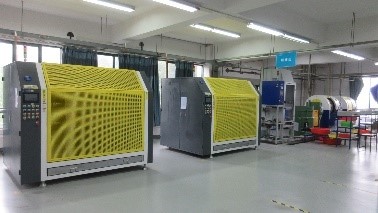
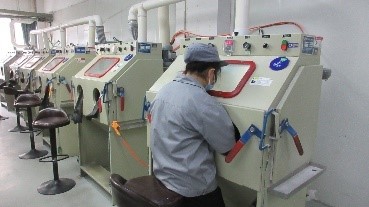
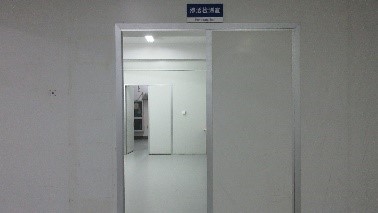
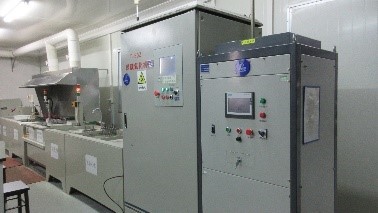
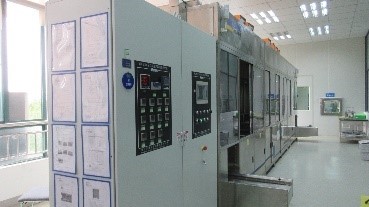
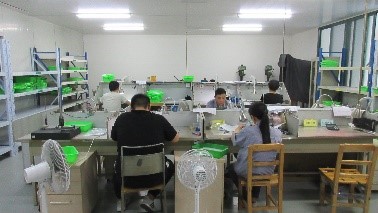
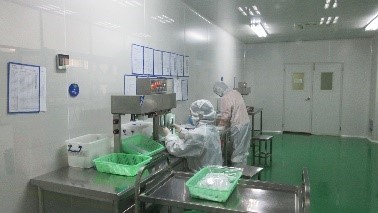
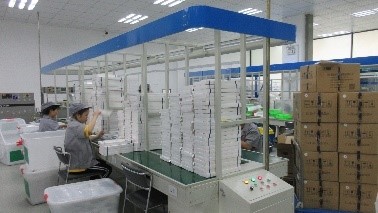
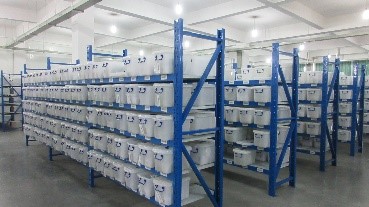
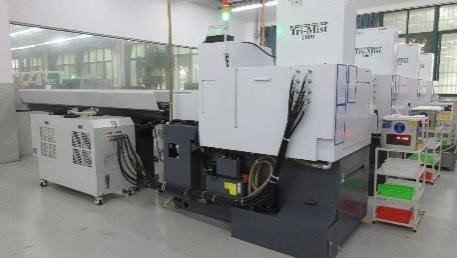
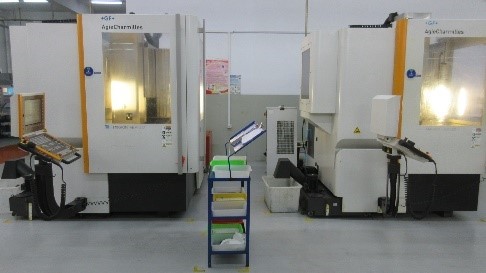
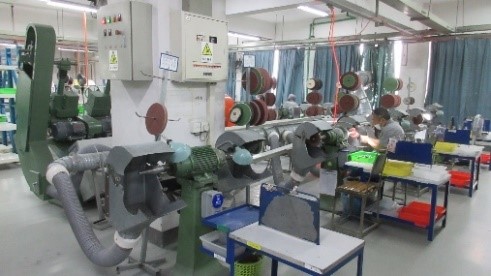
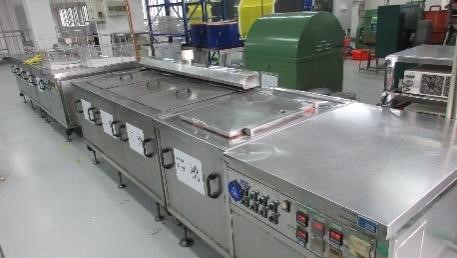
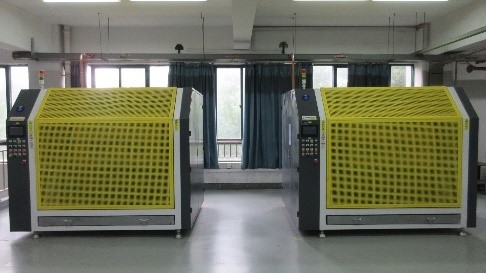
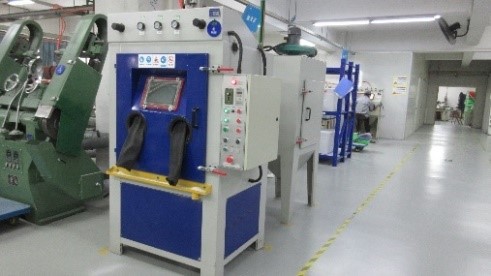
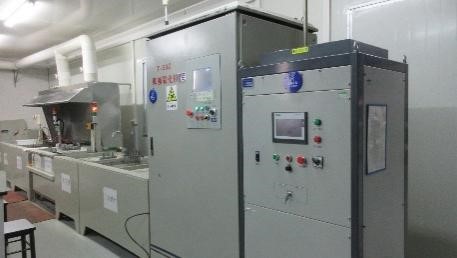
Inside KaiSo's 29,523㎡ manufacturing complex: combining precision Swiss-type lathes, class-10,000 cleanrooms, and computerized testing arrays.
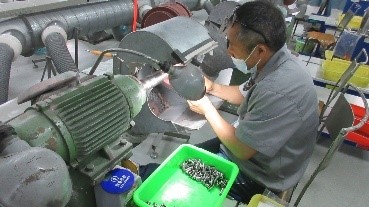
KaiSo has established a complete Quality Assurance System to continuously fulfil the requirements according to ISO9001, 13485, and CE, ranging from raw material procurement to design development and automated production processes. Our smart factory operates 24/7 CNC machining arrays that ensure micro-precision dimensional repeatability within ±0.005mm. The production lines feature automated multi-axis grinding and micro-polishing systems, ensuring that every locking nail has a super-smooth surface finish that minimizes local tissue irritation.
Furthermore, our 69 dedicated QA/QC inspectors utilize state-of-the-art CMM (Coordinate Measuring Machines), optical comparators, and mechanical testing systems to perform load-bearing and fatigue test sequences on every production batch. This guarantees zero-defect performance in the clinical theatre, offering unmatched reliability for medical staff and patients alike.
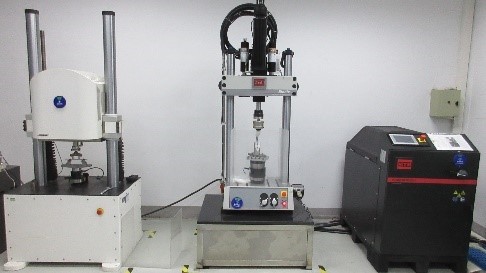
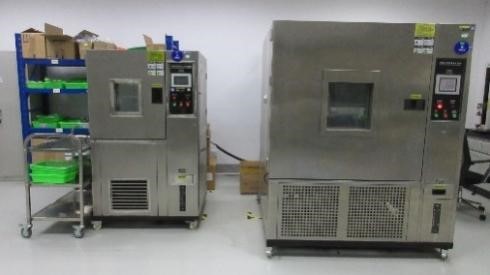
Answering high-intent questions from biomedical buyers, hospital purchasing committees, and global distributors.
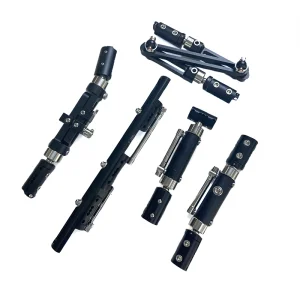
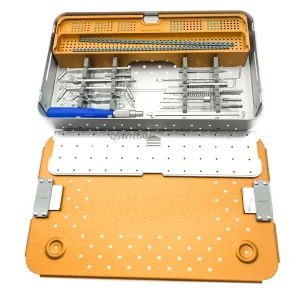
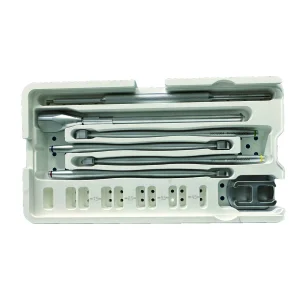
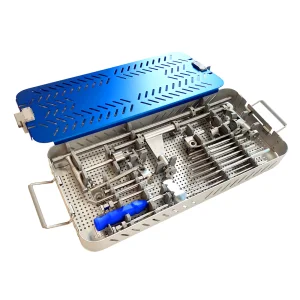
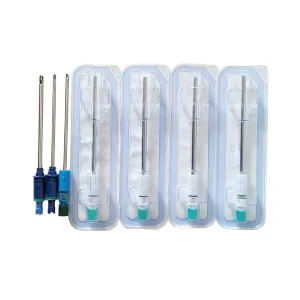
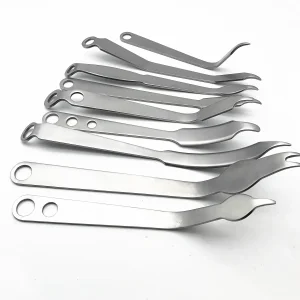
Premium auxiliary instruments and targeted fracture repair sets for specialized orthopedic clinics.
 KaiSo Medical