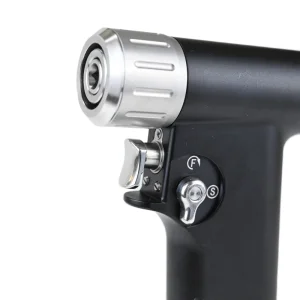
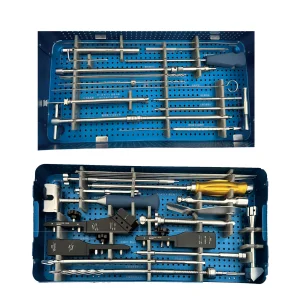
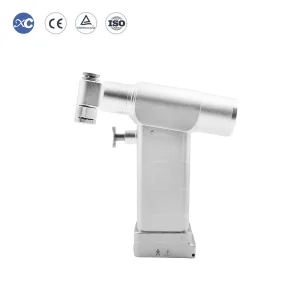
The global veterinary orthopedic implants market is witnessing a paradigm shift. Historically, veterinary surgeons relied on repurposed human orthopedic hardware. However, the modern era demands species-specific biomechanical solutions. With the increasing humanization of pets and the rise in geriatric pet populations, surgeries like TPLO (Tibial Plateau Leveling Osteotomy) and THR (Total Hip Replacement) have moved from "niche" to "standard of care."
Factories are transitioning from Stainless Steel 316L to Grade 5 Titanium (Ti6Al4V) and PEEK, offering better biocompatibility and reduced stress shielding in feline and canine patients.
Top-tier factories now utilize SLM (Selective Laser Melting) to create custom implants for complex fractures or congenital deformities, drastically improving surgical outcomes.
The implementation of stricter MDR (Medical Device Regulation) standards globally ensures that "Top 10" factories must maintain rigorous clinical data and traceability.
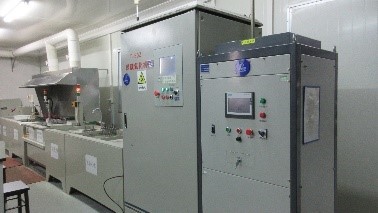
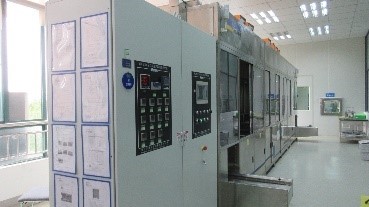
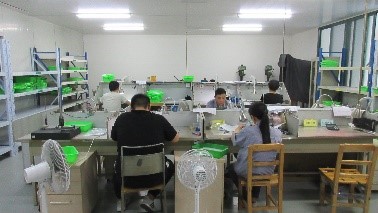
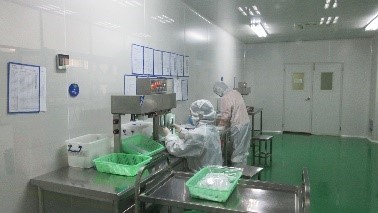
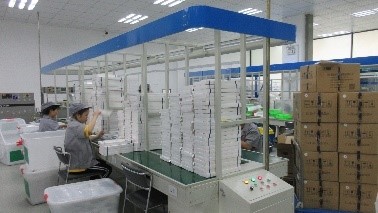
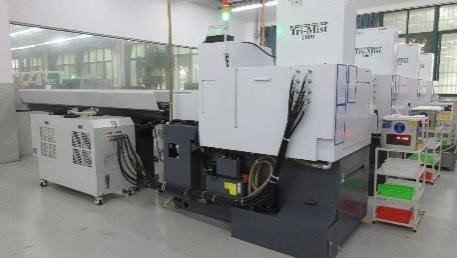
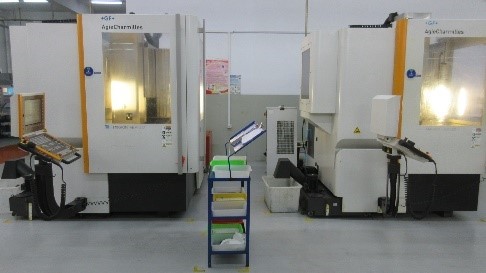
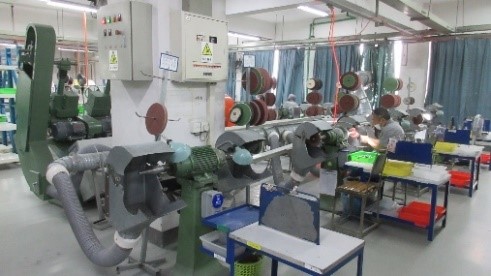
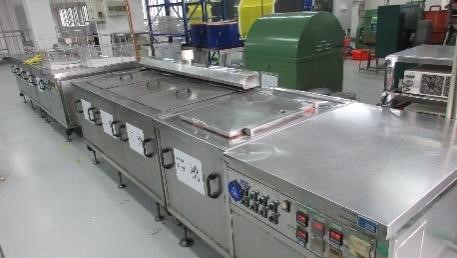
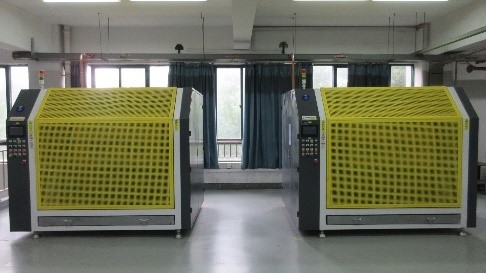
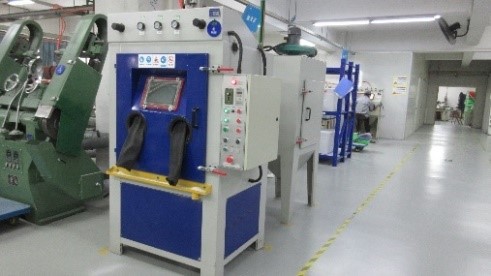
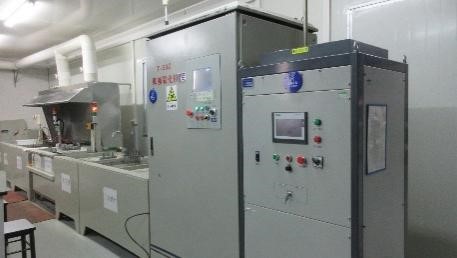
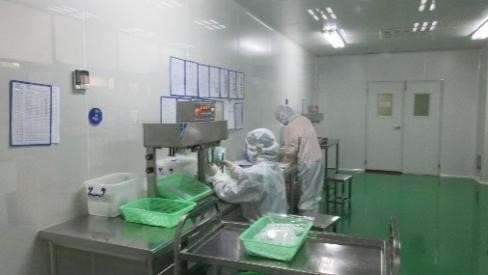
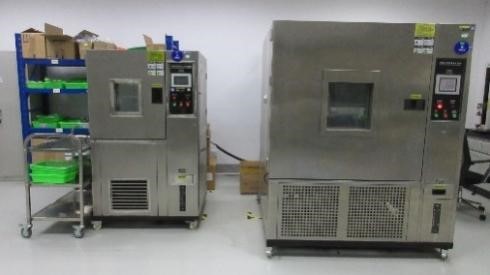
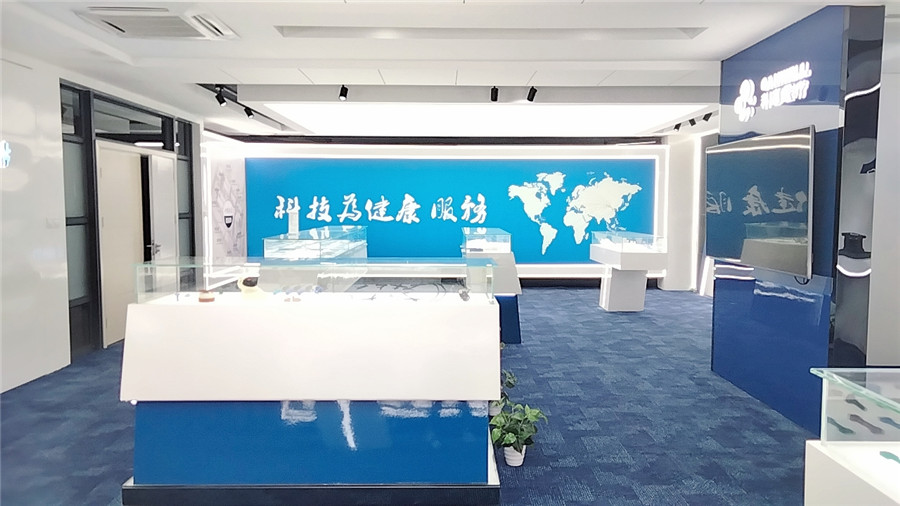
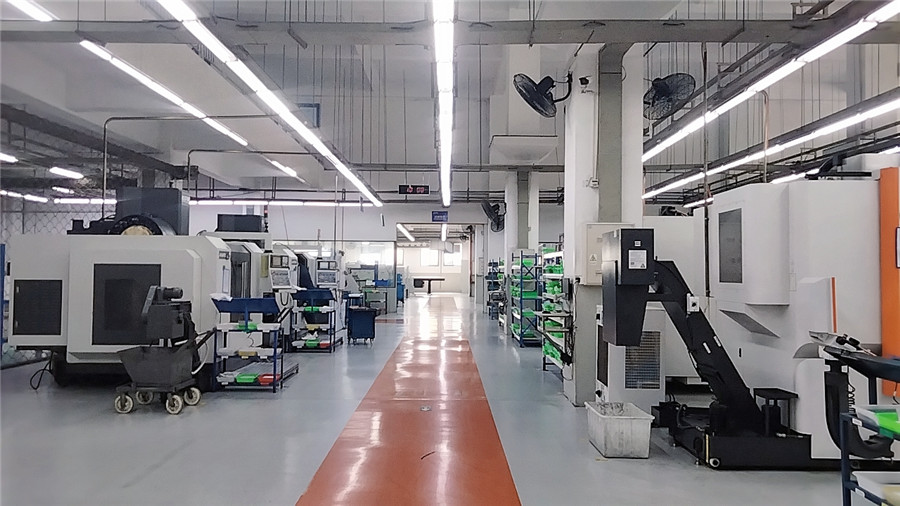
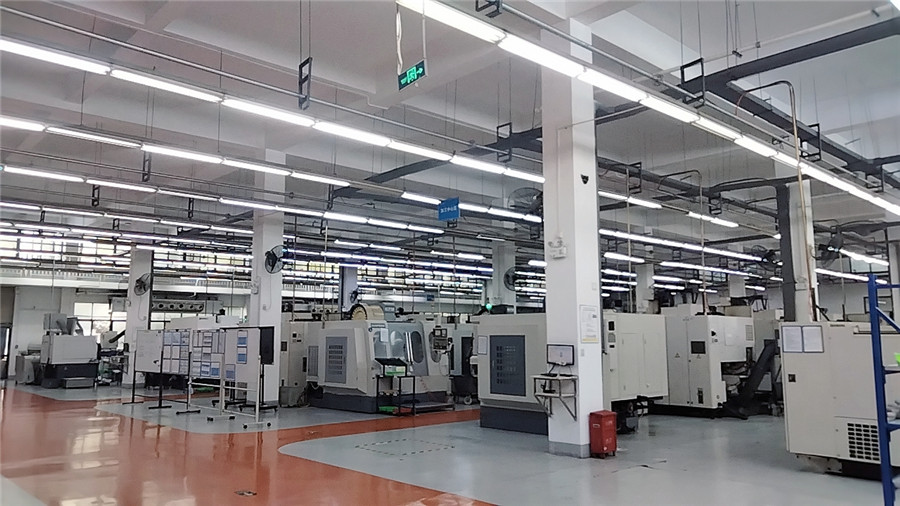
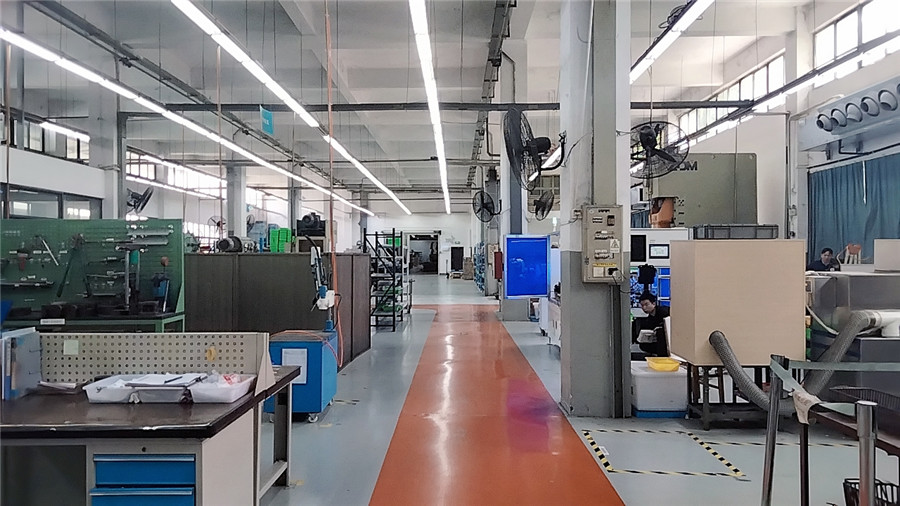
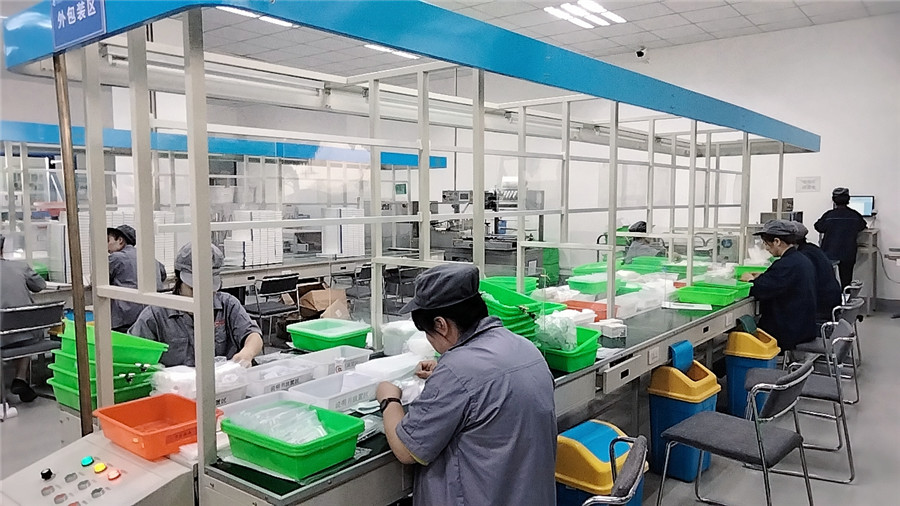
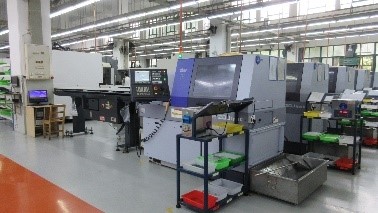
China has evolved from a low-cost manufacturing site to a global R&D powerhouse for veterinary instruments. Modern facilities like KaiSo integrate automated CNC machining with a complete Quality Assurance System. This "Factory 4.0" model ensures that every bone plate and interlocking nail meets the ISO 13485 standard, offering a unique blend of efficiency and surgical precision.
Years of Export Expertise
SQM Floor Space
QC Inspectors
R&D Engineers
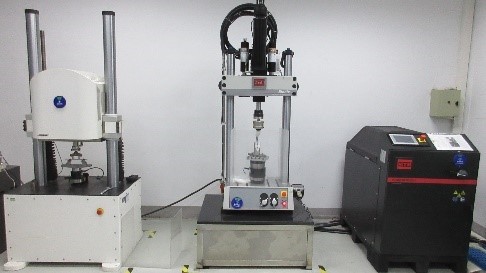
KaiSo has established a complete Quality Assurance System to continuously fulfil the requirements according to ISO9001, 13485, CE, ranging from material procurement to design development and automated production processes.
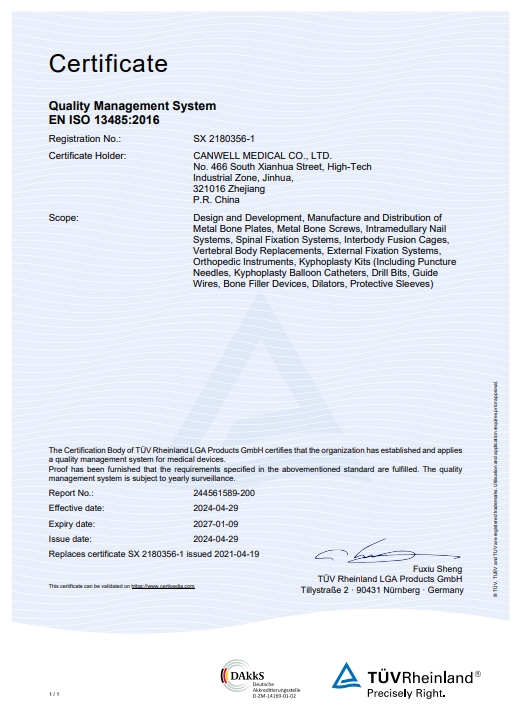

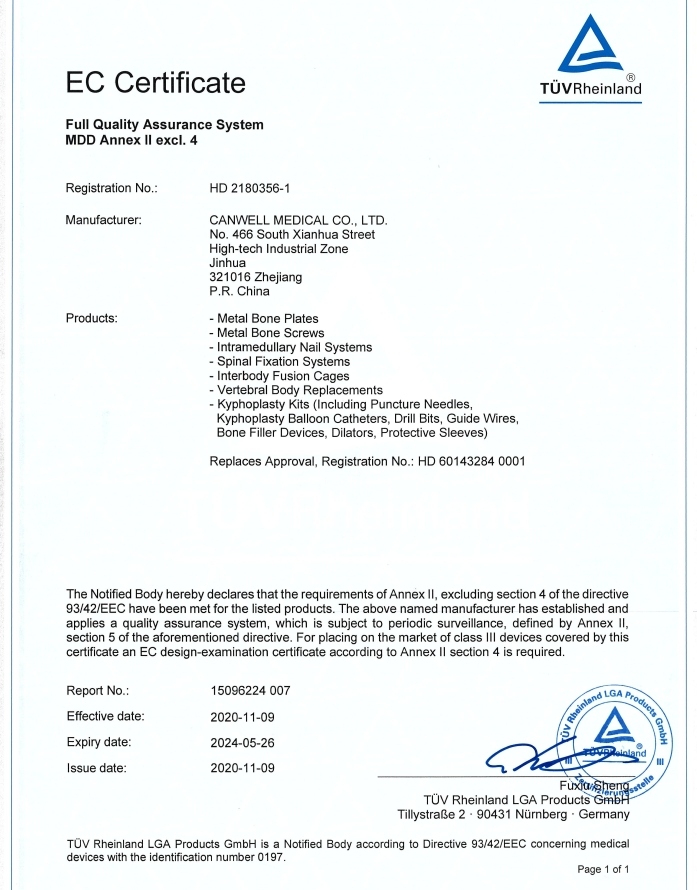
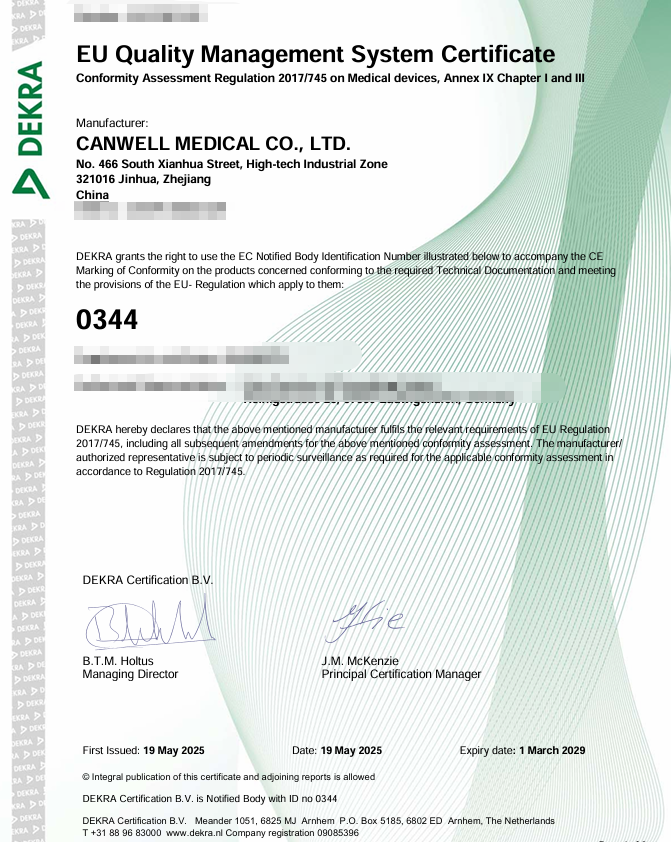
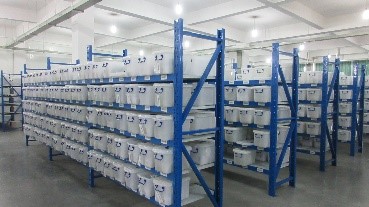
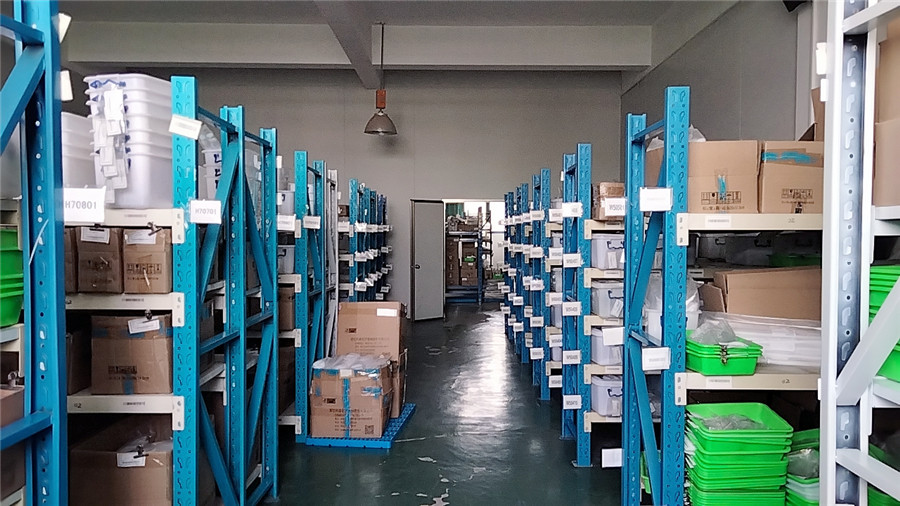
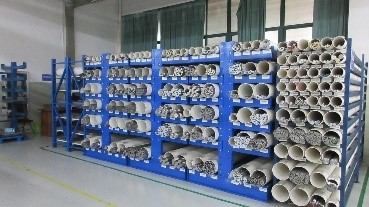
100% Raw material traceability from smelting to final sterilization. All production lines undergo strict QC protocols with 69 dedicated inspectors.
Strong presence in South America (30%), Southeast Asia (20%), and Western Europe (20%). Partnering with wholesalers, brand businesses, and medical engineers.
Supporting light customization, sample processing, and graphic processing by 59 graduate-level R&D engineers.
What defines a "Top 10" factory in the veterinary orthopedic space? For procurement officers at large animal hospitals or global distributors, the criteria go beyond unit cost. You must look for Information Gain—factors that provide a clinical edge.
A leading factory must prove the source of their titanium. Grade 5 ELI (Extra Low Interstitials) is the gold standard. High-end manufacturers provide certification for every batch, ensuring that the elasticity modulus of the implant is as close to natural bone as possible, reducing the risk of postoperative complications.
Anodization isn't just for color. It creates a protective oxide layer that enhances corrosion resistance and reduces bacterial adhesion. Factories utilizing Type II anodization provide superior locking plate systems where the screw-to-plate interface remains stable over the long term.
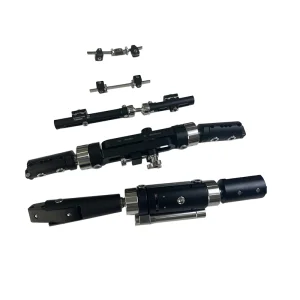
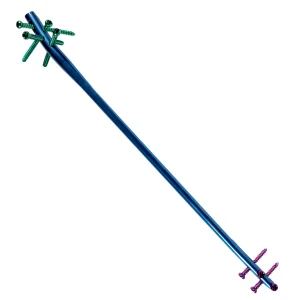
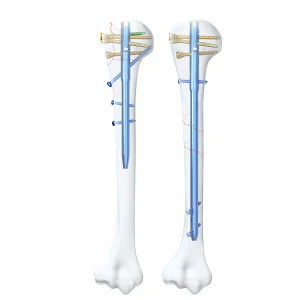
The best factories are those with a tight feedback loop with veterinary surgeons. The development of products like the Standard Intramedullary Nail or Lower Limb Lengthening Fixators requires years of intraoperative data to refine the instrumentation for ease of use in the OR.
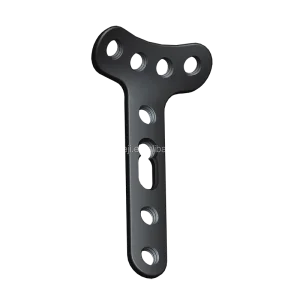
Utilizing 2.0 L Mini Trauma Anatomic Plates for feline or toy-breed canine metacarpal fractures. High-precision titanium ensures minimal soft tissue irritation.
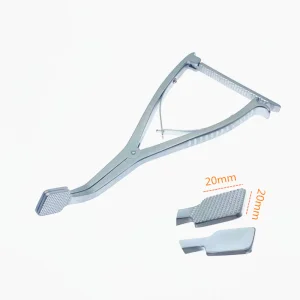
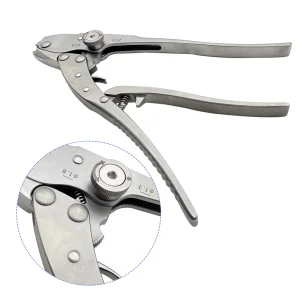
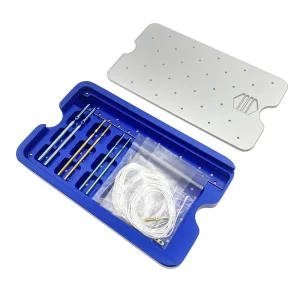
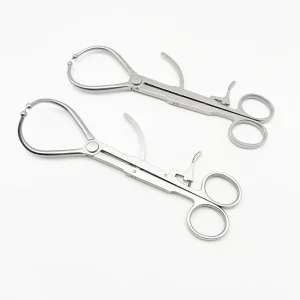
Applying Tibial Plateau Retractors and specialized Knee Joint Pliers for TPLO surgeries, the most common orthopedic procedure in active dogs.
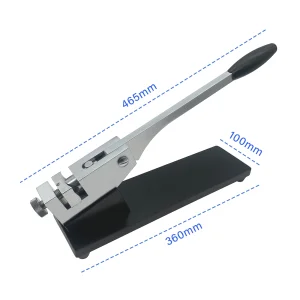
Heavy-duty external fixators and large bone plate bending machines designed for the high-impact stresses found in equine orthopedics.
Titanium offers higher biocompatibility, lower weight, and a modulus of elasticity closer to bone. It also allows for MRI compatibility and reduces the risk of infection compared to traditional 316L stainless steel.
With integrated supply chains (Factory 4.0), Chinese factories can move from R&D prototypes to mass production in weeks rather than months, allowing clinics to maintain lower inventory levels and adopt new surgical techniques faster.
Most leading Chinese factories produce implants and instruments that follow AO (Arbeitsgemeinschaft für Osteosynthesefragen) standards, ensuring high compatibility with existing surgical sets globally.
Ensure the report includes chemical composition analysis, hardness testing, dimensional accuracy (using CMM), and surface roughness metrics (Ra values).
 KaiSo Medical