The global orthopedic market is witnessing a paradigm shift in Anterior Cervical Discectomy and Fusion (ACDF) procedures. As the aging population grows and the prevalence of degenerative disc diseases increases, the demand for high-performance Cervical Interbody Cages has reached unprecedented heights. Modern surgeons are no longer satisfied with mere structural support; they demand "biological integration."
Traditionally dominated by PEEK (Polyetheretherketone) due to its radiolucency and modulus of elasticity similar to bone, the industry is now pivoting toward 3D-printed Titanium. These porous structures allow for superior osteointegration, reducing the risk of subsidence and non-union. This white paper analyzes the key players, manufacturing breakthroughs, and the critical role of the Chinese supply chain in democratizing access to these life-enhancing technologies.
When evaluating the "Top 10" in this sector, we look at market capitalization, innovation index, and manufacturing capacity. The leaders are typically divided into "Premium Brands" and "High-Efficiency Production Hubs."
The pioneer in spinal instrumentation. Their Divergence™ and Prestige™ systems set the global benchmark for ACDF clinical outcomes.
Focusing on comprehensive procedural solutions, their cervical cages are renowned for ergonomic instrumentation and material reliability.
A leader in additive manufacturing. Their Tritanium® technology is the gold standard for porous titanium cervical interbody cages.
Known for the X360™ system, NuVasive leads in minimally invasive spine surgery (MISS) integration.
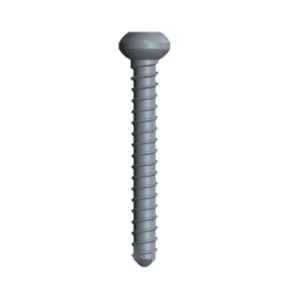
Their ROI-C® stand-alone cervical cage represents the peak of screw-stabilized interbody technology.
The representative of China Industry 4.0. Specializing in high-capacity manufacturing for global OEMs and distributors with CE/MDR certification.
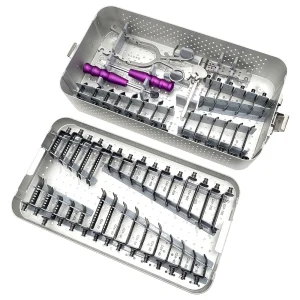
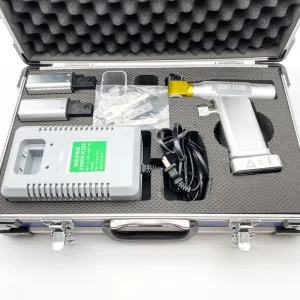
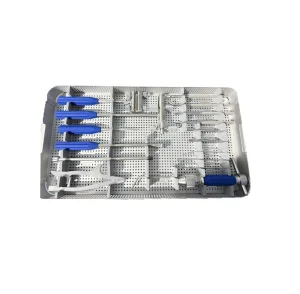
While Western brands dominate the clinical mindshare, the "Factory Tier"—led by sophisticated Chinese manufacturers like KaiSo—has become the backbone of the global supply chain. By integrating R&D, material procurement, and ISO-certified production under one roof, these factories offer a 40-60% cost advantage without compromising surgical safety.
In the post-pandemic era, "Supply Chain Resilience" is the primary concern for global hospital procurement departments. Chinese manufacturers have transitioned from simple labor-intensive production to Smart Manufacturing (Industry 4.0).
Utilization of multi-axis CNC machines and robotic finishing ensures that every cervical cage meets sub-micron tolerance levels. This consistency is vital for "press-fit" stability in spinal fusion.
The modern Chinese factory operates under a unified Quality Assurance System (ISO 13485, CE, MDR), allowing for seamless export to European and American markets.
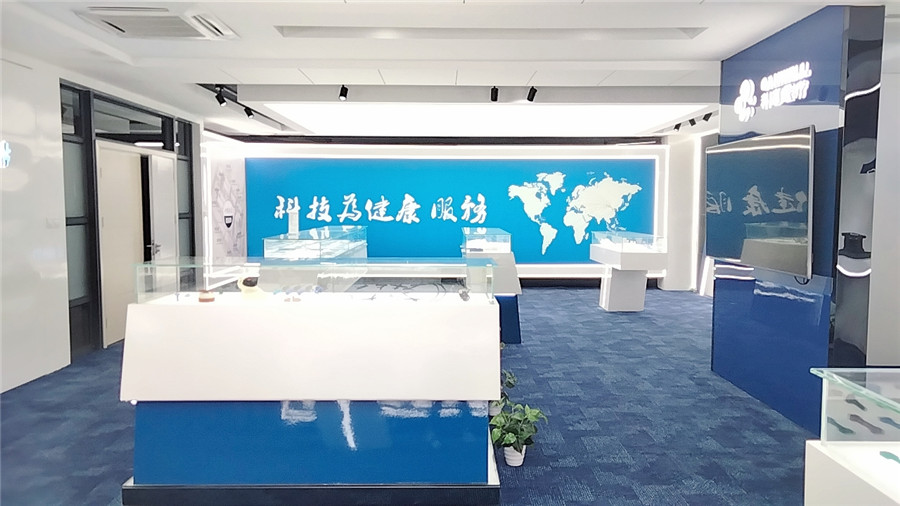
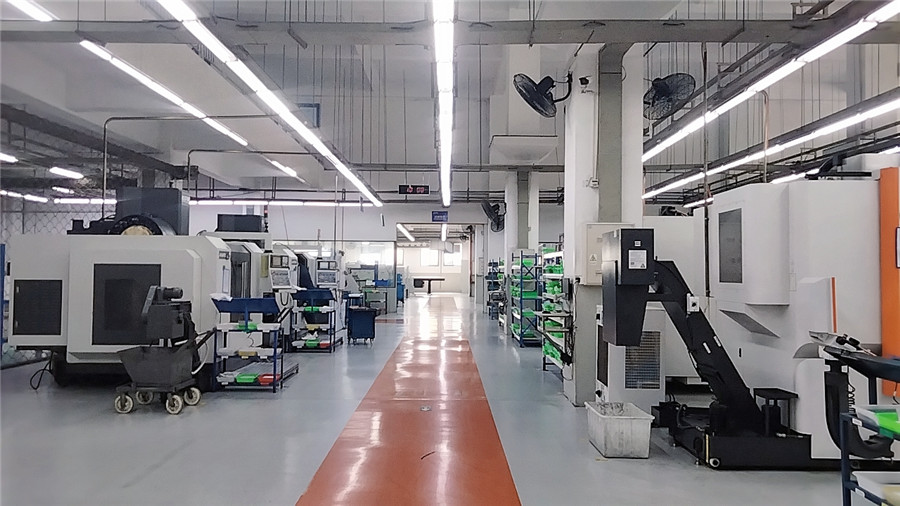
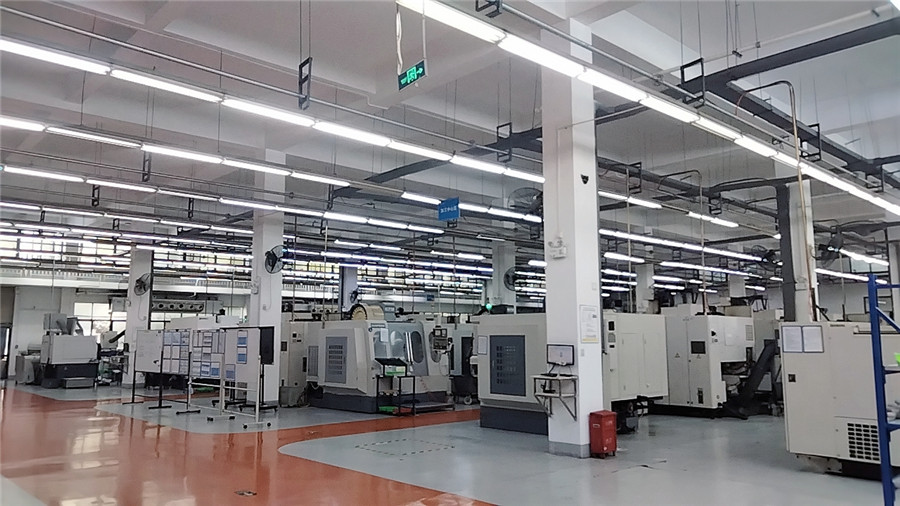
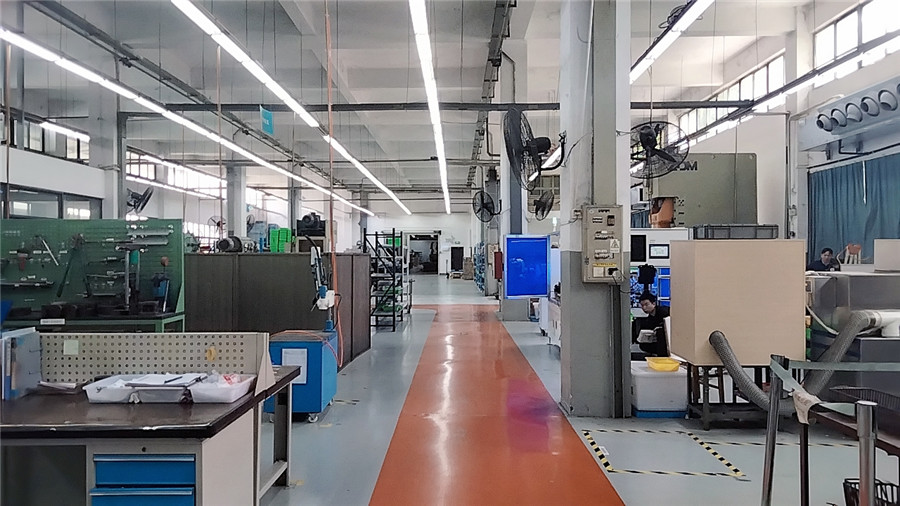
KaiSo has established a complete Quality Assurance System to continuously fulfil the requirements according to ISO9001, 13485, CE, ranging from material procurement to design development and automated production processes. With 59 graduate R&D engineers and 69 QA/QC inspectors, the factory represents the pinnacle of medical device export capability.
Shift towards Silicon Nitride and Nano-hydroxyapatite coated PEEK to improve "bone-to-implant" contact. Procurement managers are increasingly seeking "Bio-active" surfaces.
Integrated screw-fixation reduces the need for anterior plating, shortening surgical time and lowering the cost per procedure—a key metric for private hospital chains.
The rise of patient-specific 3D-printed cages based on CT-scan data, particularly for complex revision surgeries.
 KaiSo Medical