Select surgical components, instrumentation, and orthopedic trauma kits sourced from certified manufacturing lines meeting ISO 13485 & CE standards.
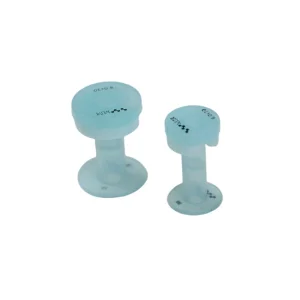
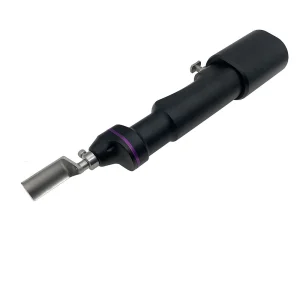
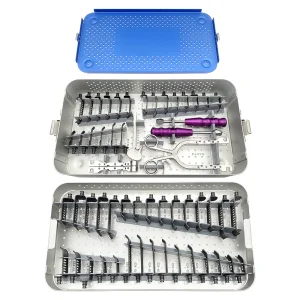
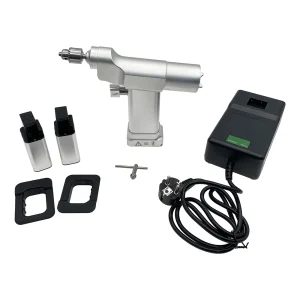
The clinical paradigm for treating severe end-stage ankle arthritis has fundamentally shifted. While arthrodesis (ankle fusion) was historically considered the gold standard, modern advancements in biomechanics have established Total Ankle Arthroplasty (TAA) as the preferred long-term solution. TAA preserves sagittal plane range of motion, normalizes gait kinetics, and significantly mitigates the development of adjacent-joint osteoarthritis.
From a commercial standpoint, the ankle implants market is growing at a CAGR of over 7.2% globally. This expansion is propelled by an aging demographic, the rising incidence of post-traumatic osteoarthritis resulting from sports-related trauma, and consistent engineering refinements. The manufacturing ecosystem is highly concentrated, requiring sub-micron machining tolerances, specialized medical-grade raw materials, and robust cleanroom facilities. Hospital procurement teams and orthopedic distributors now prioritize vertical integration and extensive validation protocols when auditing external suppliers.
Ankle joint arthroplasty demands materials that endure complex, multi-axial loading profiles. The physiological forces transmitted through the tibiotalar interface routinely exceed five times body weight during normal ambulation. To combat these forces, factories utilize advanced metallurgy and polymer chemistry.
Conforming to ASTM F136 and ISO 5832-3 standards, titanium serves as the structural base. It offers exceptional biocompatibility, modulus of elasticity near to cortical bone, and rapid osseointegration properties when textured.
Utilized primarily for articular bearing components (conforming to ISO 5832-12). Co-Cr-Mo alloys possess superior wear resistance and high hardness levels, providing an ultra-smooth gliding surface against polymeric inserts.
Infused with Vitamin E (antioxidant) to prevent long-term oxidative degradation. This bearing material dramatically reduces wear-debris generation, minimizing osteolysis and subsequent implant loosening.
When evaluating ankle implant factories, clinical procurement directors and distributors must execute a rigorous risk assessment. Medical devices intended for internal skeletal fixation must strictly conform to dynamic international directives.
A tier-one supplier must hold valid ISO 13485 (Medical Devices - Quality Management Systems) and MDR (EU Regulation 2017/745), or FDA 510(k) clearances. These certifications guarantee that design controls, risk management (ISO 14971), and post-market clinical follow-ups (PMCF) are systematized.
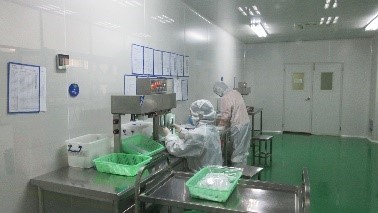
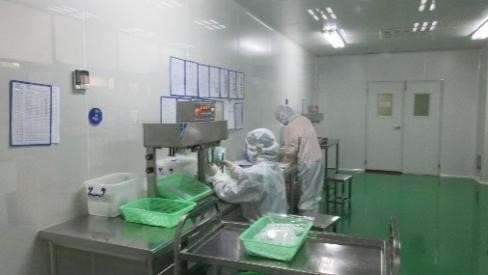
Cleanroom environments must meet ISO Class 7 or 8 limits. Minimizing bioburden, pyrogens, and particulate contamination prior to terminal packaging and sterilization (via Gamma radiation or Ethylene Oxide) is critical to preventing hospital-acquired osteomyelitis.
Every single batch must offer complete mill-to-clinic traceability. Suppliers must document raw material heat numbers, mechanical tensile test certificates, and chemical analysis sheets for every manufacturing run.
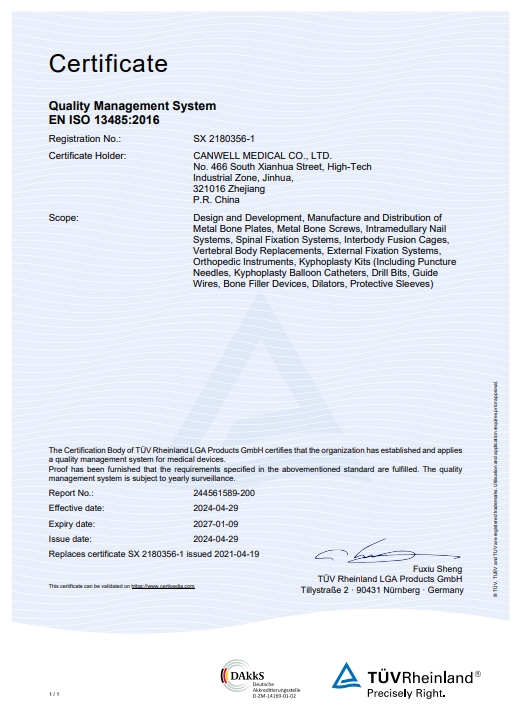
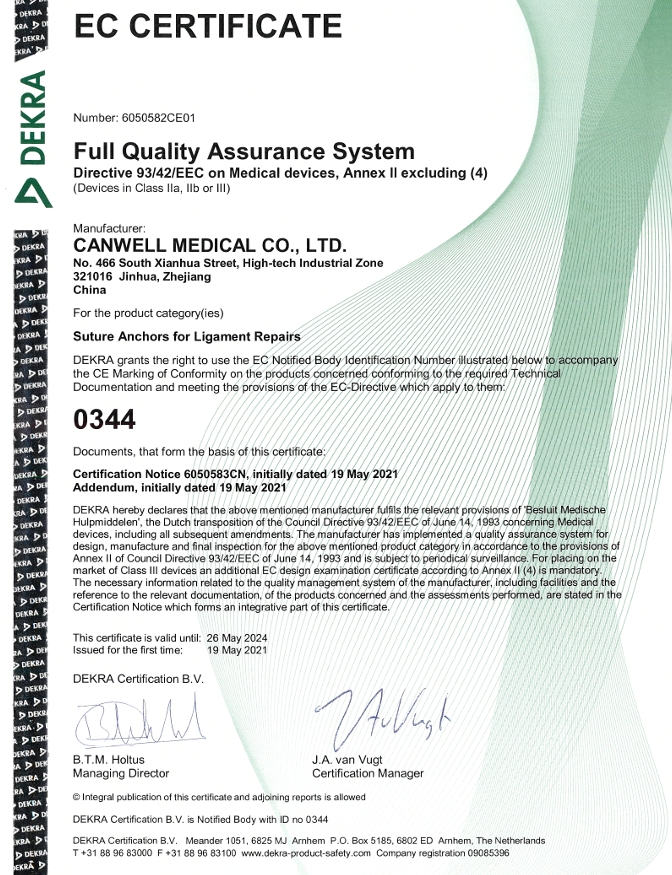
KaiSo has established a complete Quality Assurance System to continuously fulfil the requirements according to ISO9001, 13485, CE, ranging from material procurement to design development and automated production processes.
| Specification Metric | Data & Details |
|---|---|
| Registration Date | 2004-11-03 |
| Total Floor Space (㎡) | 29,523 |
| Years in Industry & Exporting | 22 Years |
| Main Export Markets | South America (30%), Southeast Asia (20%), Western Europe (20%) |
| R&D Capabilities | 59 Graduate R&D Engineers; light customization, sample, graphic and custom on-demand processing |
| Quality Inspectors & Protocols | 69 QC inspectors. Traceability verification on all lines. 100% finished product inspection. |


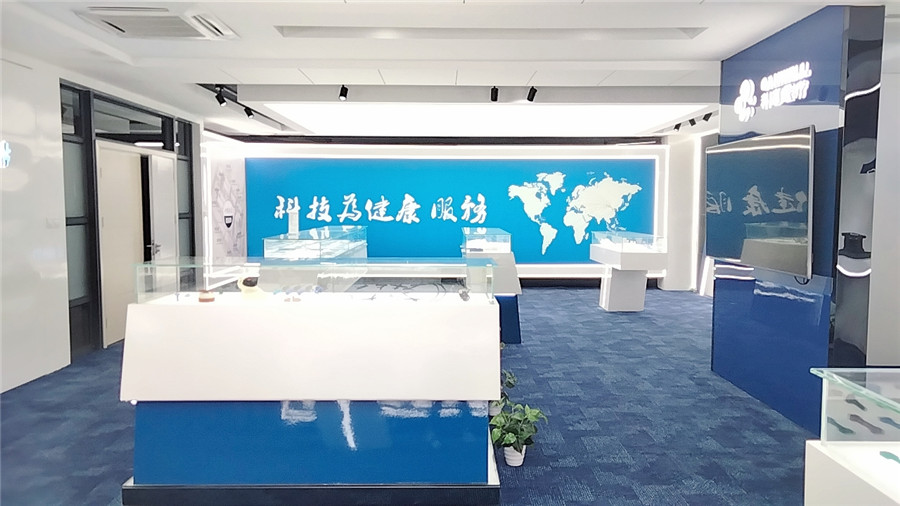
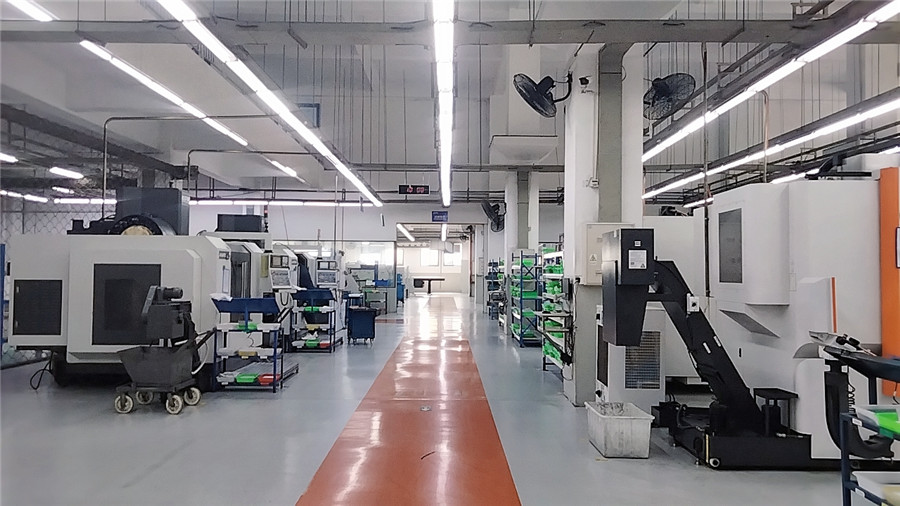
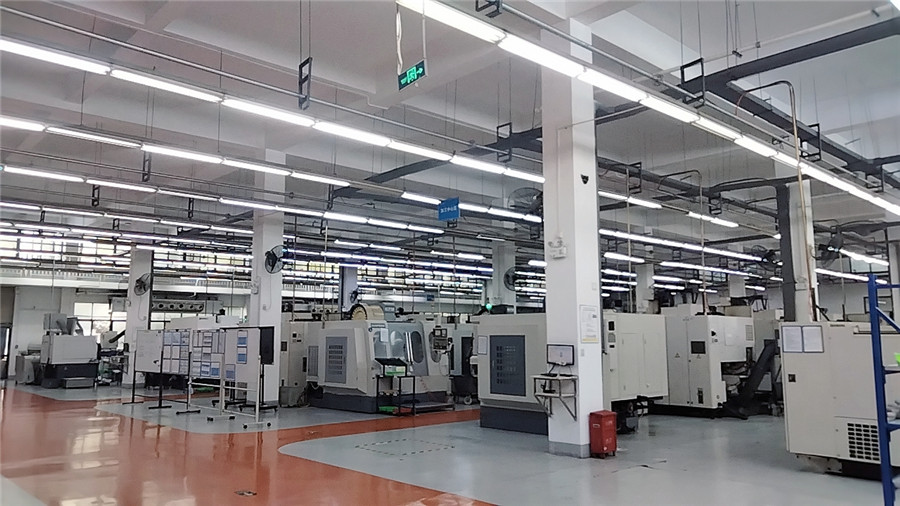
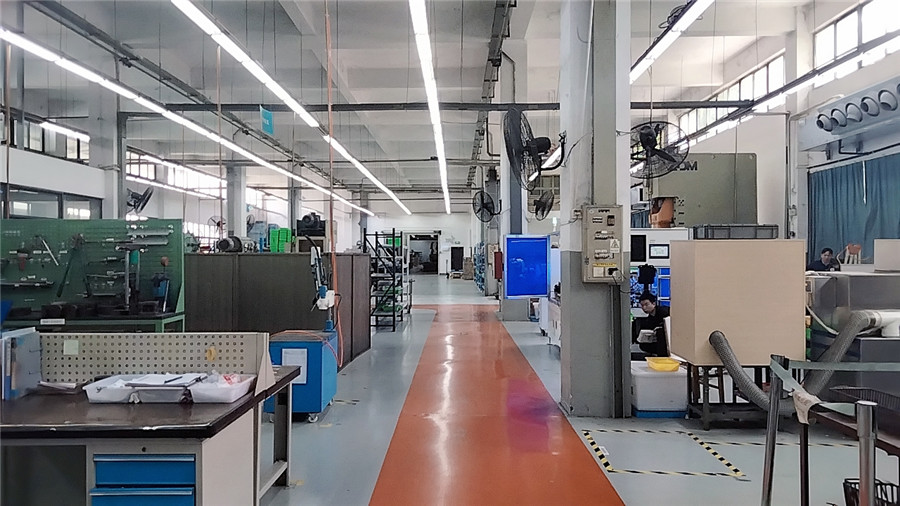
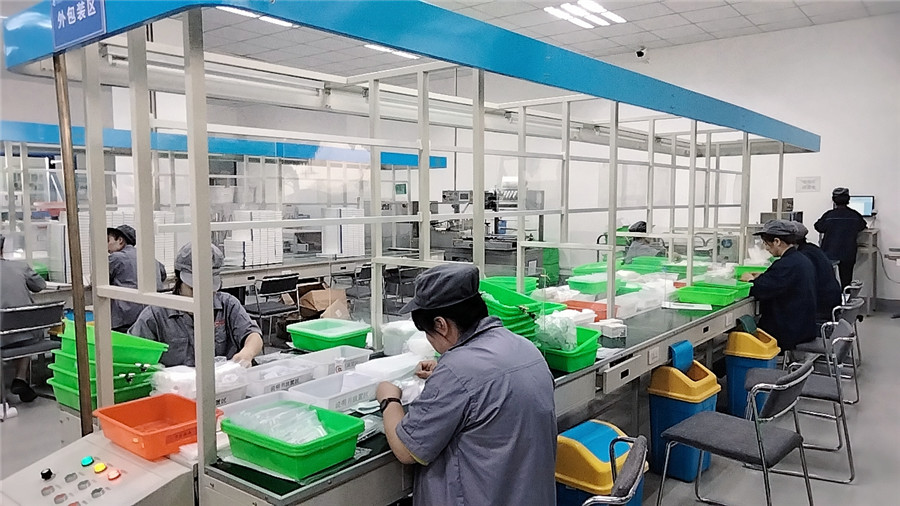
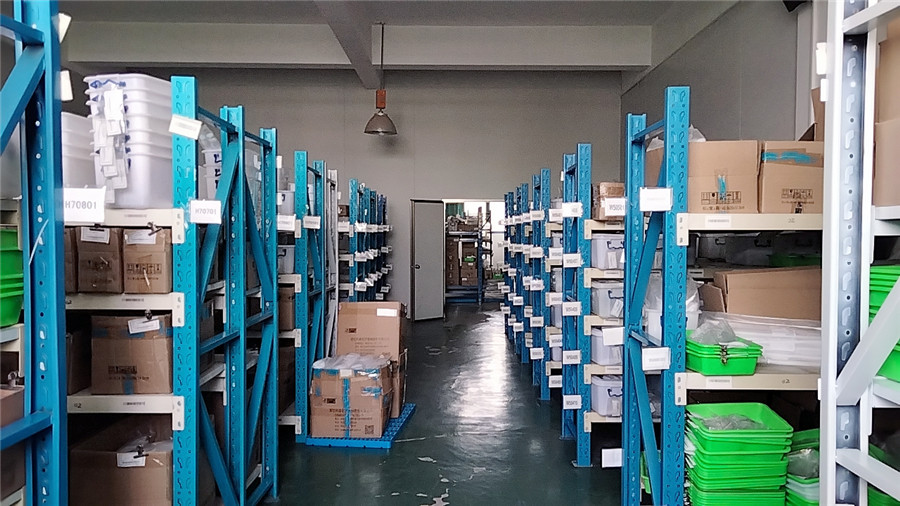
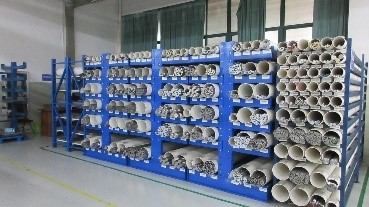
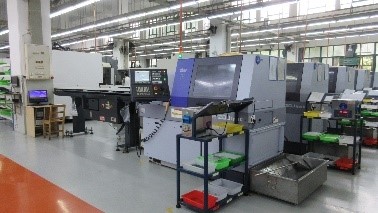
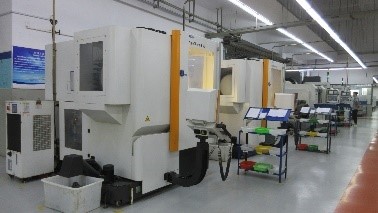
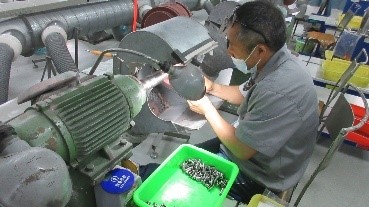
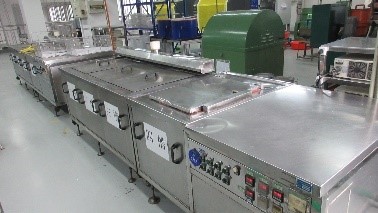
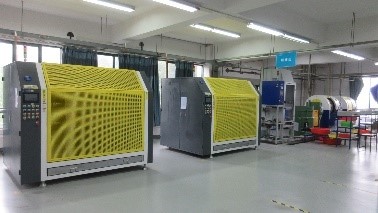
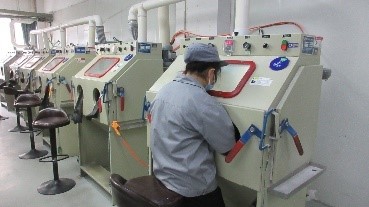
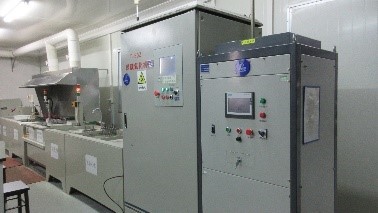
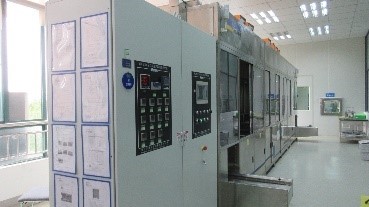
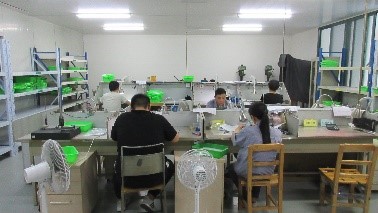
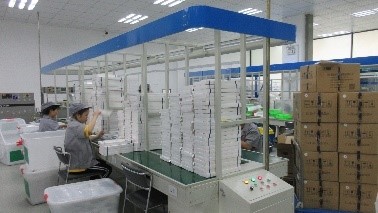
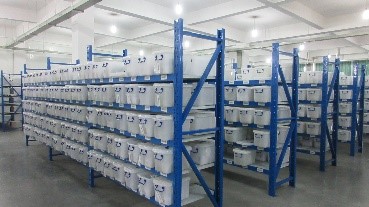
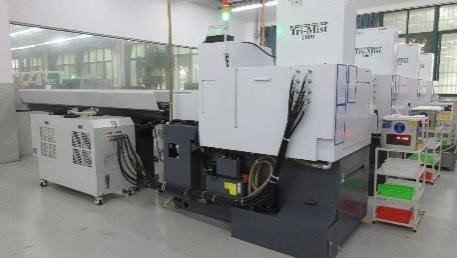
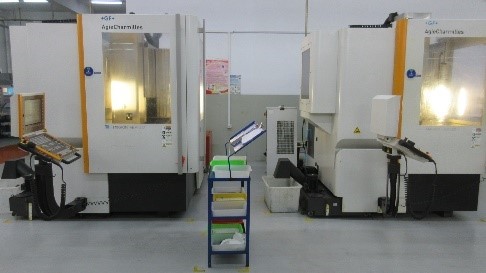
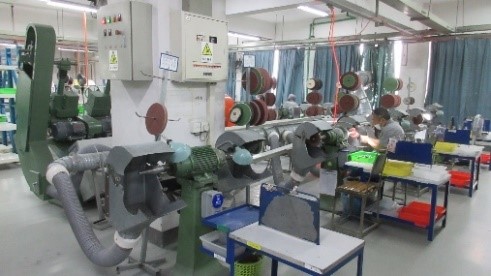
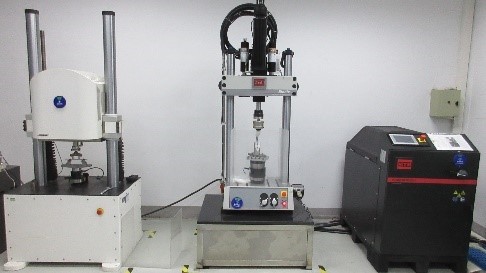
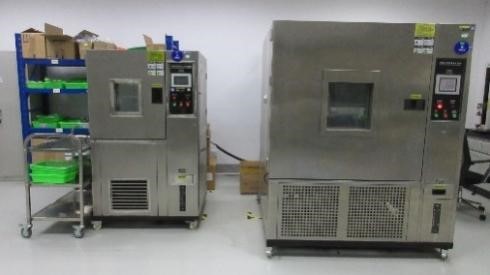
Below are verified visual documentations of KaiSo's CNC milling lines, quality testing machinery, cleaning baths, cleanroom packaging, and packaging operations.

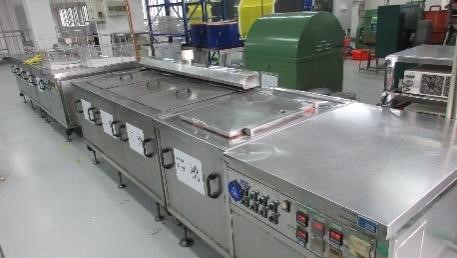
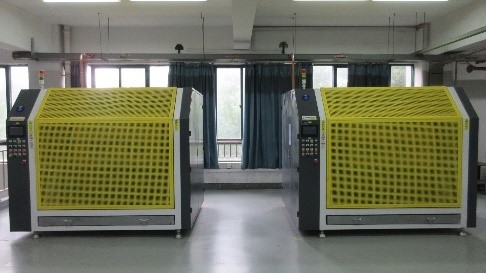
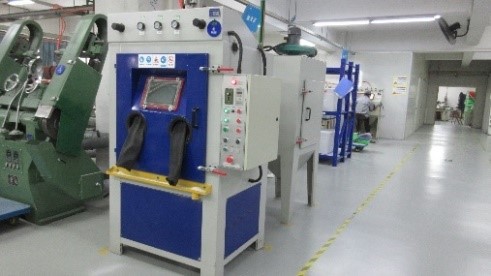
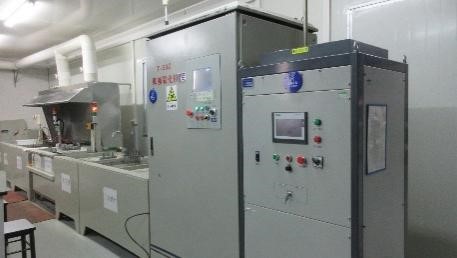

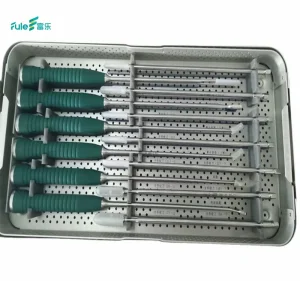
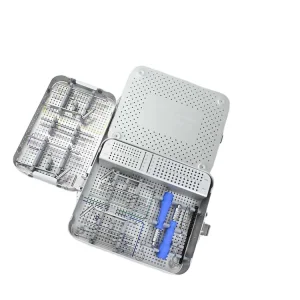
Orthopedic surgical environments require localized, specific adaptations. A clinical solution is never limited to the implant alone; it is a system comprising targeting guides, trial components, and specialized instrumentation.
Specifically utilized for human clinical programs addressing degenerative osteoarthritis, post-traumatic reconstruction, and rheumatoid arthritis. Solutions integrate tibial trays, mobile or fixed bearing inserts, and anatomical talar components to restore biomechanical kinematics.
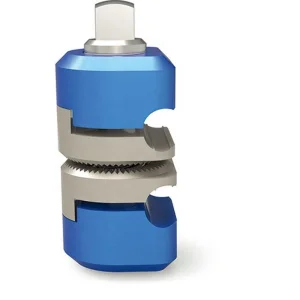
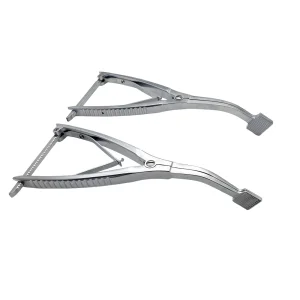
As seen in specialized orthopedic portfolios, large-fragment external ankle fixators, Hoffman clamp systems, and TPLO (Tibial Plateau Leveling Osteotomy) systems provide robust mechanical stabilization for veterinary biomechanics, accommodating intense tibial and ankle load configurations.
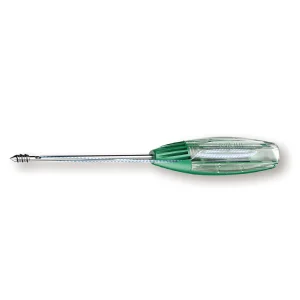
Integrating osteotendon suture repair anchors and arthroscopic cannulas. These devices provide the high pull-out strength required for lateral ankle ligament reconstruction (Brostrom procedures) and syndesmotic stabilization.
The future of ankle arthroplasty relies on bridging the gap between mechanical implants and biologic tissues. Next-generation factories are transitioning from subtractive manufacturing (CNC milling) to advanced additive techniques.
Electron Beam Melting (EBM) and Direct Metal Laser Sintering (DMLS) allow factories to build porous titanium configurations. This structure mimics human trabecular bone porosity, decreasing modulus matching stress-shielding, and maximizing bone ingrowth directly into the implant.
By utilizing preoperative CT/MRI scans, factories construct patient-specific 3D guides. These guides define precise entry vector lines and osteotomy planes, reducing intraoperative surgical decision-making errors and improving implant alignment accuracy.
Integrating bio-compatible micro-electronic strain gauges and temperature monitors. These smart components transmit telemetry on load bearing, wear rates, and early localized infection markers directly to clinical monitoring platforms.
Get expert answers regarding industrial manufacturing, regulatory pathways, and purchasing protocols for orthopedic and ankle implant lines.
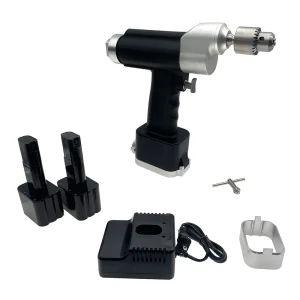
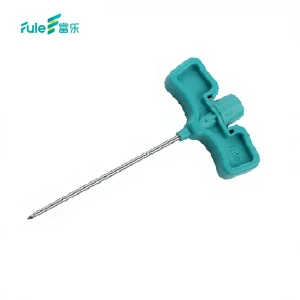
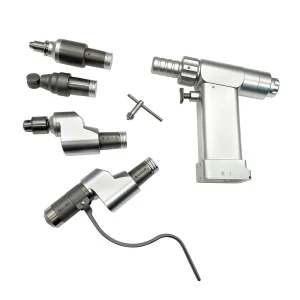
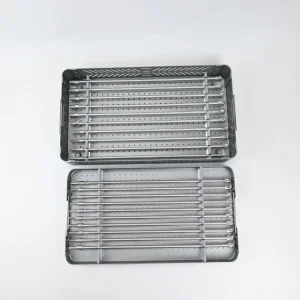
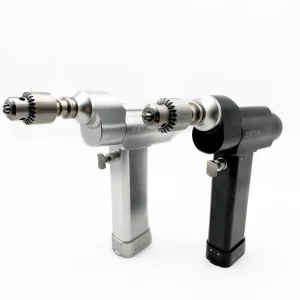
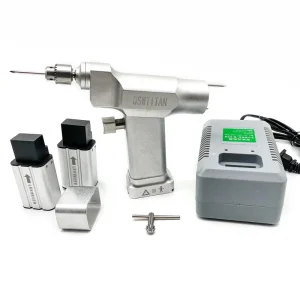
Professional surgical handpieces, drills, retractors, and micro-screw sets designed to facilitate complex orthopedic surgical interventions.
 KaiSo Medical