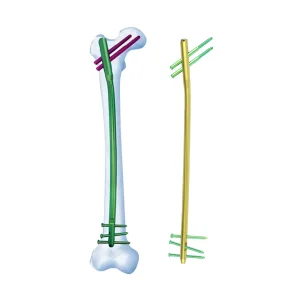
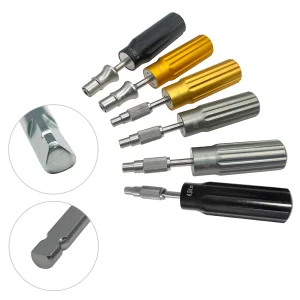
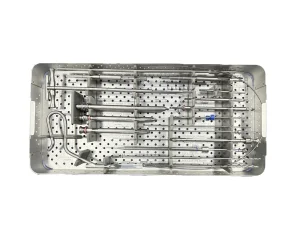
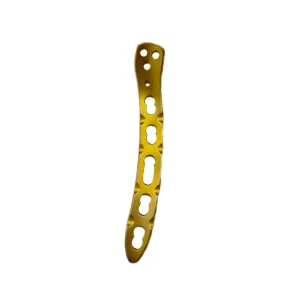
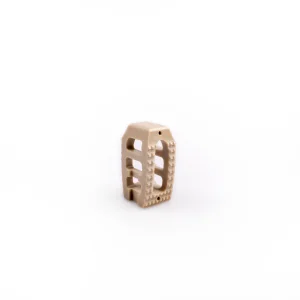
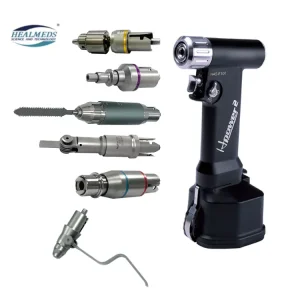
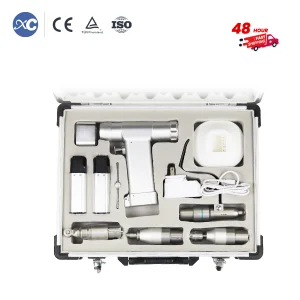
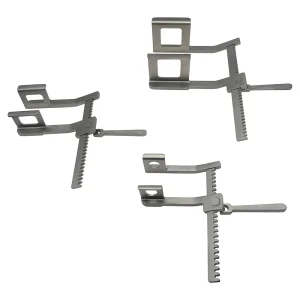
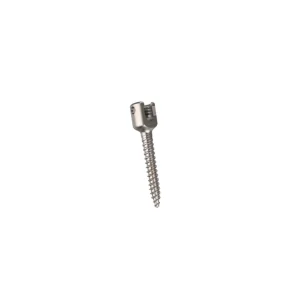
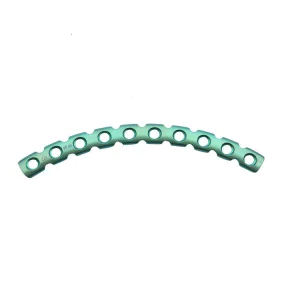
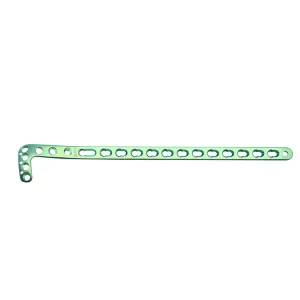
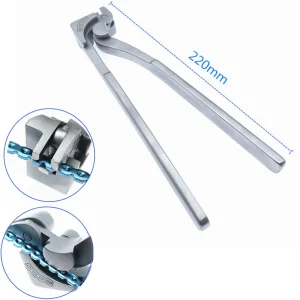
Leading-edge surgical components and instruments for knee and fracture fixation.
Understanding the Strategic Importance of Patellar Resurfacing in Modern Orthopedics
The global orthopedic implant market is witnessing an unprecedented surge, driven by an aging demographic and a rising incidence of degenerative joint diseases. Within this ecosystem, Patellar Components represent a critical subset of Total Knee Arthroplasty (TKA). As surgeons move towards more anatomical and patient-specific surgical outcomes, the demand for custom OEM patellar components has skyrocketed.
Historically, patellar resurfacing was a topic of debate; however, modern clinical data suggests that precise patellar tracking—facilitated by high-quality components—significantly reduces post-operative anterior knee pain and increases patient satisfaction scores. Today, the industry is transitioning from "one-size-fits-all" to "precision-fit" models, where OEM suppliers must provide varied geometries, including onlay and inset designs, to accommodate diverse ethnic and anatomical variations across global markets.
Years Industry Experience
R&D Specialist Engineers
Market Share in South America
CE Certified Quality
Why Tier-1 Global Brands Choose Chinese Factories for OEM Manufacturing
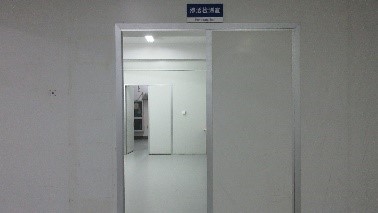
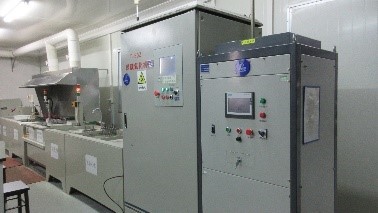
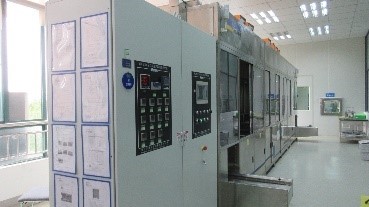
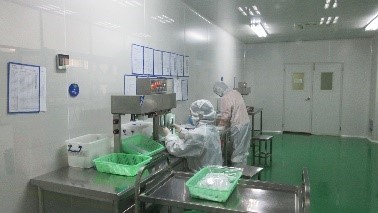
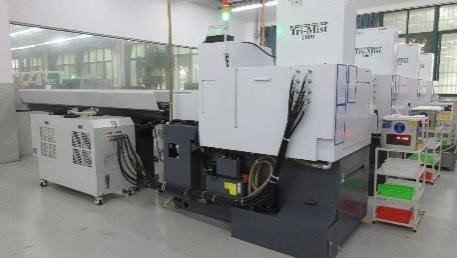
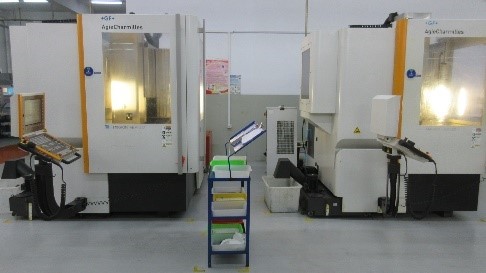
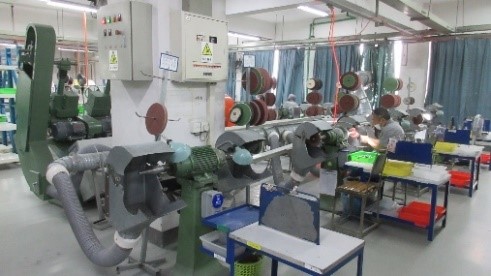
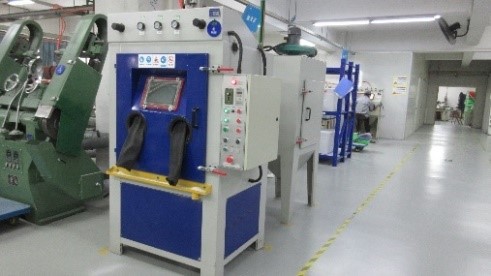
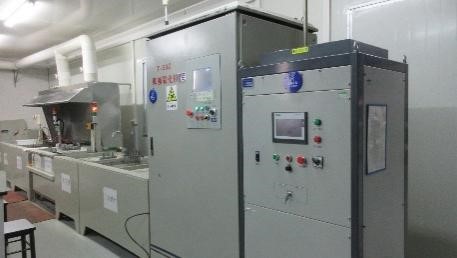
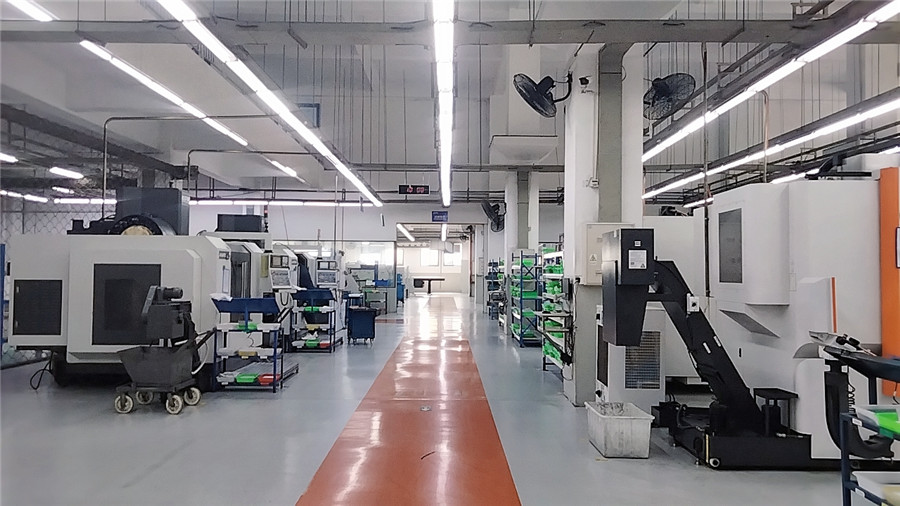
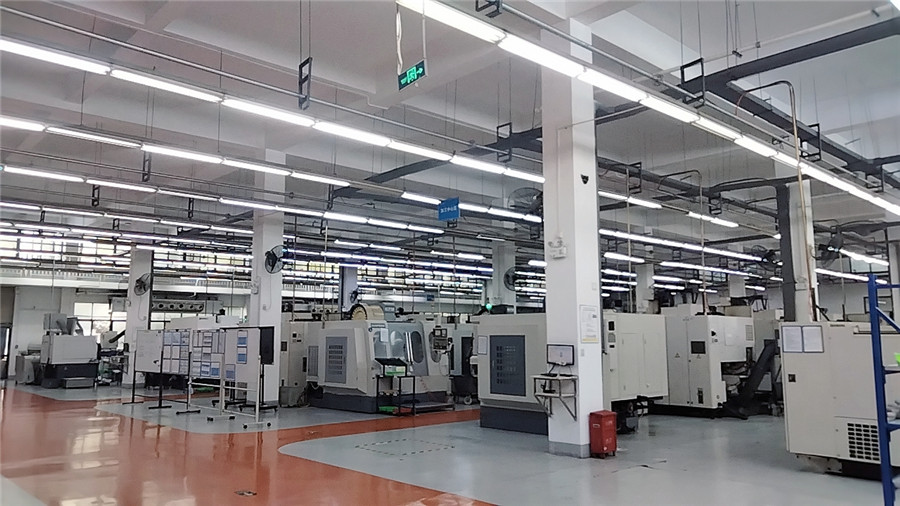
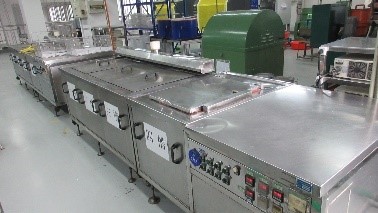
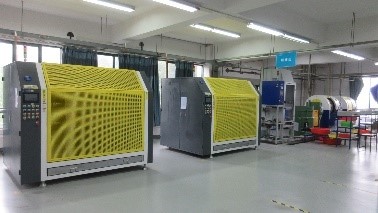
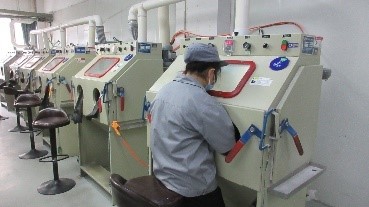
Leveraging high-precision CNC machining and automated polishing lines to ensure micron-level tolerance in every patellar button.
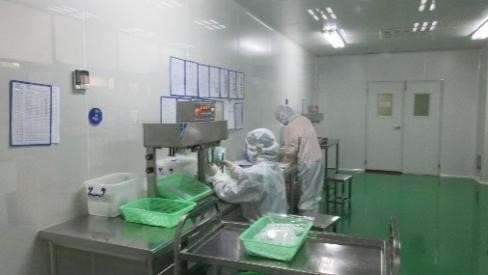
Stringent quality assurance systems that mirror European and US standards, ensuring seamless regulatory approval in target markets.
From graphic processing to physical samples in record time, allowing medical device companies to iterate faster than ever before.
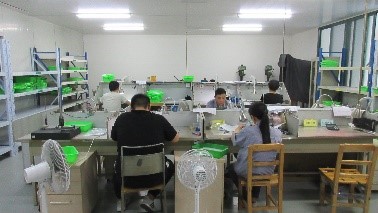
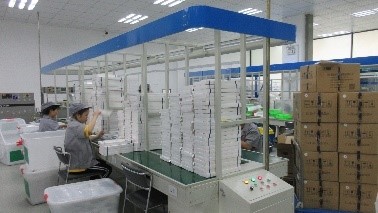
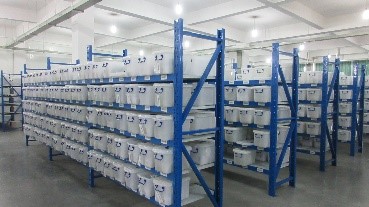
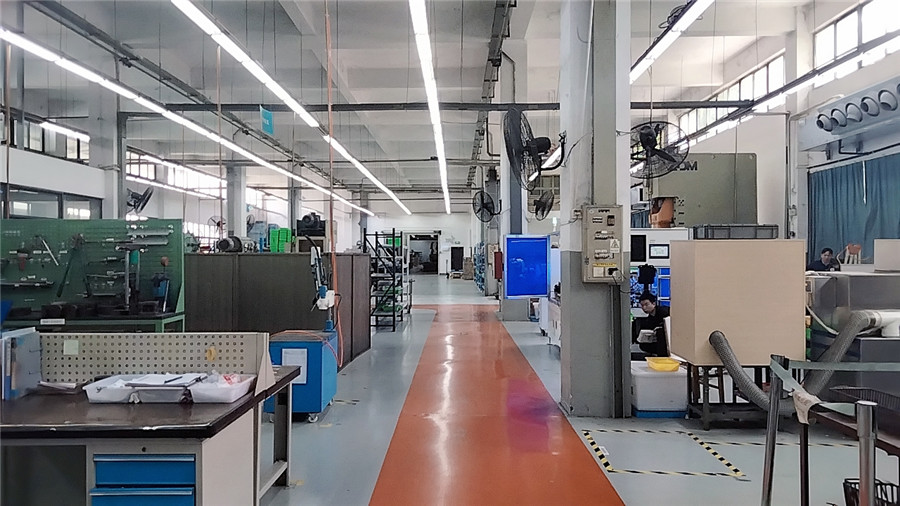
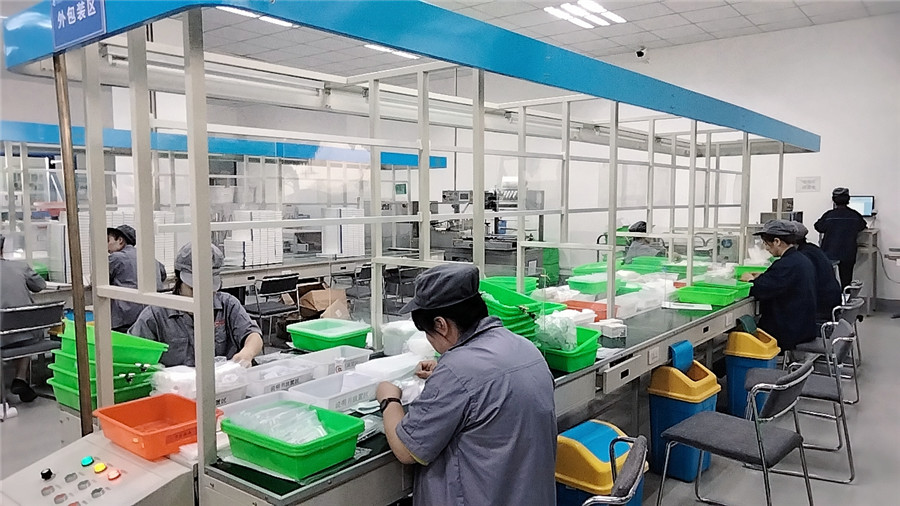
Chinese factories, particularly those like KaiSo, have evolved from simple manufacturing hubs to sophisticated R&D partners. With over 29,523㎡ of production floor space and a dedicated team of 59 graduate-level engineers, the efficiency is not just in speed but in the "Information Gain" provided during the design phase. By optimizing the material usage—such as Ultra-High Molecular Weight Polyethylene (UHMWPE) and Titanium alloys—Chinese OEM suppliers offer a cost-to-quality ratio that is currently unmatched in Western Europe or North America.
Transparency and Reliability in Medical Device Outsourcing
| Company Registration | 2004-11-03 (20 Years of Institutional Stability) |
| Floor Space | 29,523 ㎡ State-of-the-Art Facility |
| Certifications | ISO13485, CE (93/42/EEC), MDR Certified Class III Implants |
| R&D Strength | 59 Graduate Engineers specialized in Graphic & Sample Customization |
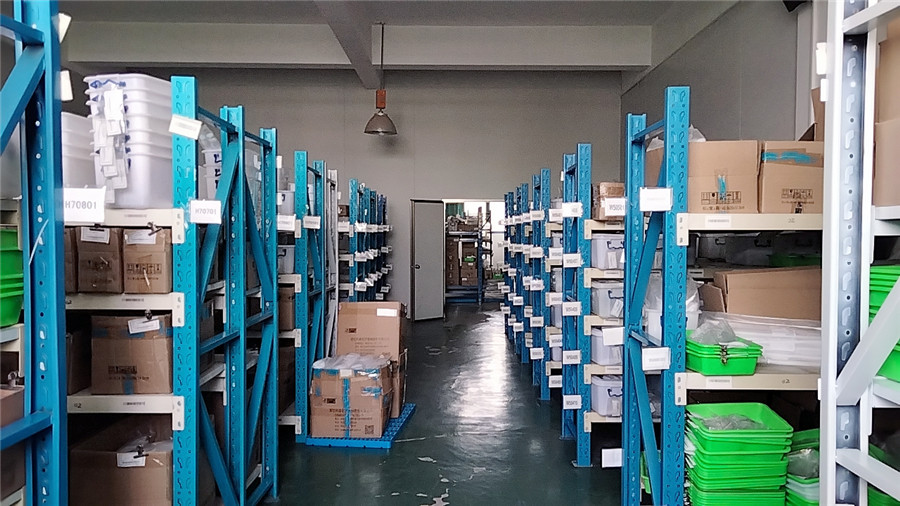
| Quality Control | 69 Dedicated QA/QC Inspectors; 100% Traceability of Raw Materials |
| Export Experience | 22 Years of Global Supply Chain Integration |
Staying Ahead with AI, 3D Printing, and Bio-active Materials
The next decade of orthopedic surgery will be defined by Smart Implants and Biological Integration. As a leading supplier, we are monitoring three key trends:
For procurement officers, choosing a supplier that invests in these technologies—evidenced by our 59 R&D engineers—is crucial for maintaining a competitive edge in local markets.
Expert Insights into Procurement and Technical Specifications
The gold standard is Ultra-High Molecular Weight Polyethylene (UHMWPE) due to its exceptional wear resistance and biocompatibility. For the metal backing, Titanium Alloy (Ti6Al4V) is preferred for its lightweight and osseointegration properties.
We employ 69 QA/QC inspectors who perform 100% inspection on critical dimensions. All raw materials are sourced from verified global suppliers with full traceability, and our facility is ISO 13485 and MDR certified.
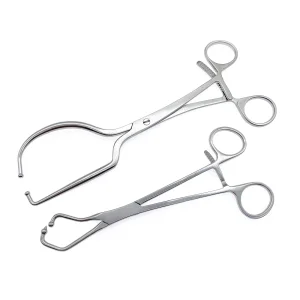
Yes. Our R&D team specializes in "light customization" and "customized on demand." We can manufacture specific torque-limiting handles, benders, or retractors to accompany your proprietary patellar system.
With 22 years of exporting experience and automated production lines, we offer flexible lead times. Sample processing typically takes 2-4 weeks, while full-scale production cycles vary based on order volume and complexity.
Exploring our full range of implants, instruments, and veterinary surgical tools.
KaiSo's commitment to continuous improvement and material excellence.
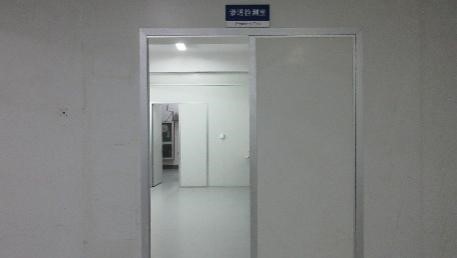
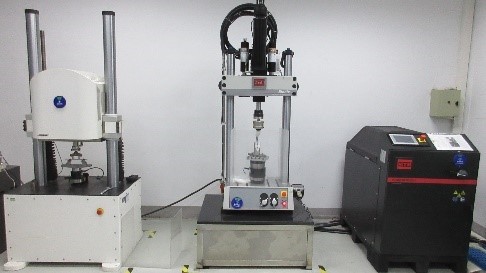
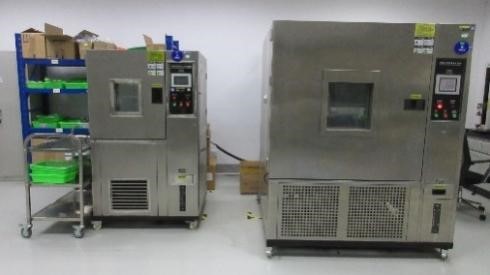
KaiSo has established a complete Quality Assurance System to continuously fulfil the requirements according to ISO9001, 13485, CE, ranging from material procurement to design development and automated production processes.
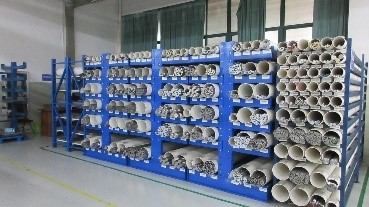
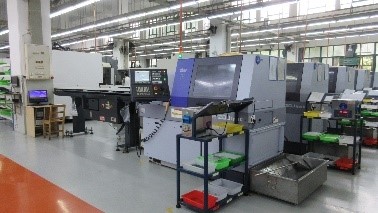
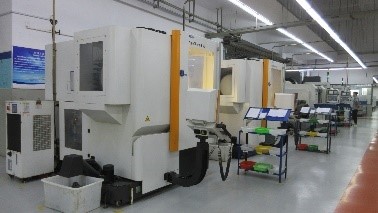
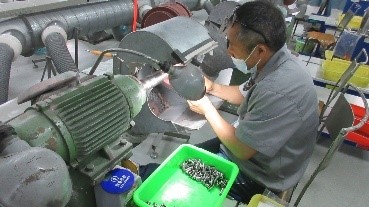
Our expansive list of certifications, including MDR 6142788CE02 and ISO13485 SX 2180356-1, reinforces our position as a trustworthy partner for global healthcare providers. We specialize in South America (30%), Southeast Asia (20%), and Western Europe (20%) markets, serving brand businesses, wholesalers, and medical engineers with unmatched precision.
 KaiSo Medical