Engineered for stability, precision, and rapid recovery.
In the landscape of modern traumatology, Small Fragment Locking Plates represent a pinnacle of biomechanical engineering. Traditionally, fractures of small bones—such as the radius, ulna, fibula, and clavicle—were managed with non-locking compression plates. However, the paradigm shift toward "Locking Technology" has revolutionized outcomes, particularly in osteoporotic bone or complex comminuted fractures.
China's role as a leading wholesale manufacturer has evolved from simple replication to sophisticated innovation. Manufacturers now utilize multi-axial locking mechanisms that allow surgeons to customize screw angles, ensuring superior pull-out resistance and maintaining the biological vascularity of the periosteum.
The global demand for orthopedic implants is rising, driven by an aging population and the expansion of veterinary orthopedic services. Chinese manufacturers, like KaiSo, have captured significant market share by offering an unparalleled "Value-to-Precision" ratio. This is achieved through:
Offers superior biocompatibility and a lower modulus of elasticity, reducing the "stress shielding" effect that can lead to bone resorption.
Preferred for its high fatigue strength and cost-effectiveness in temporary fixation scenarios, particularly in veterinary applications.
The threaded screw head locks into the plate, creating a "fixed-angle" construct that acts like an internal fixator.
Currently, the Small Fragment Locking Plate market is bifurcated into high-cost Western brands and high-efficiency Chinese manufacturers. Strategic procurement officers are increasingly looking toward China for OEM and ODM solutions. The ability to customize plate profiles to match specific anatomical curvatures (Anatomical Plates) gives Chinese factories a competitive edge in localized markets, such as South America and Southeast Asia, which account for 50% of our core export volume.
Evidence of our 22-year commitment to orthopedic excellence.
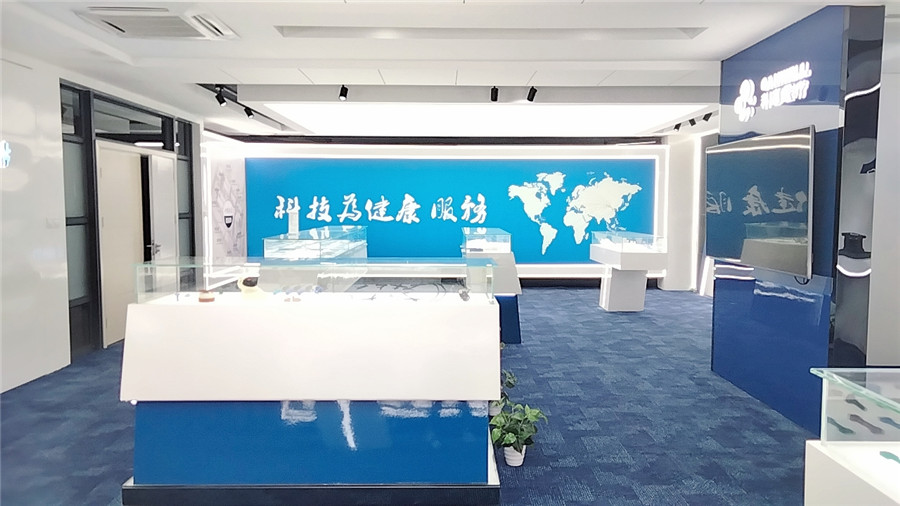
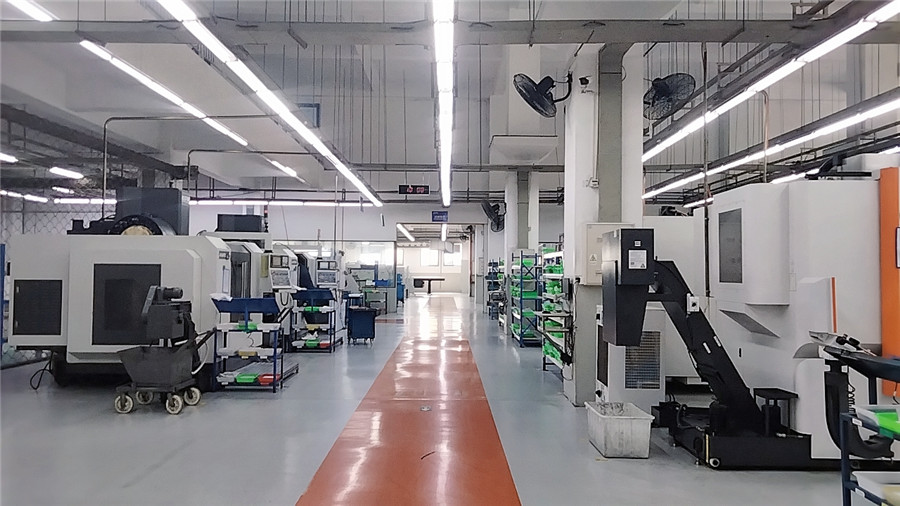
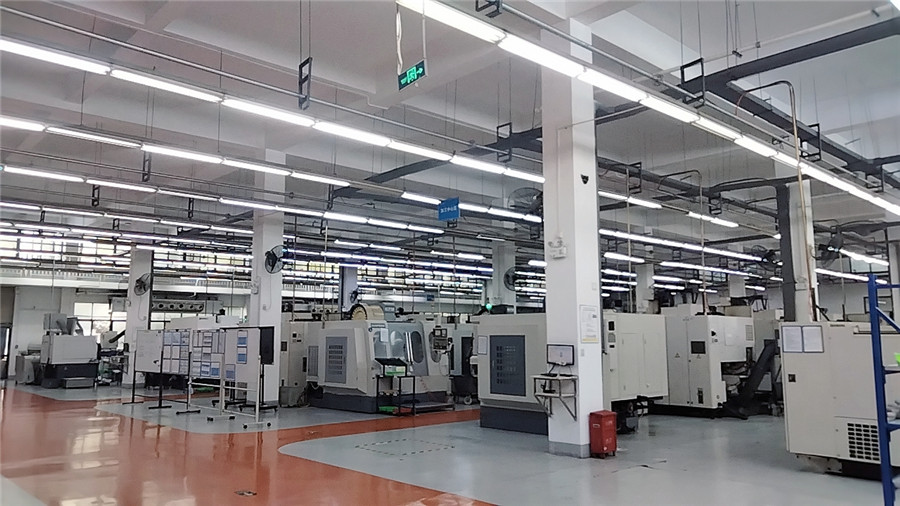
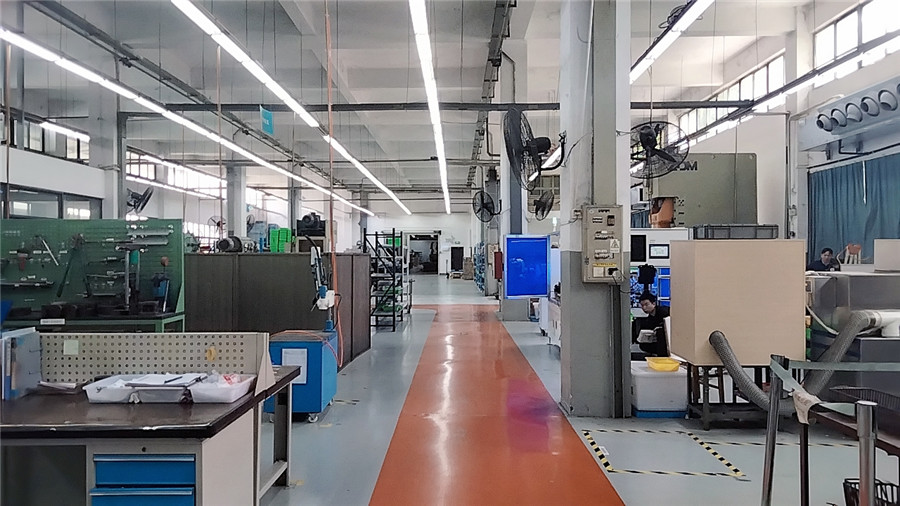
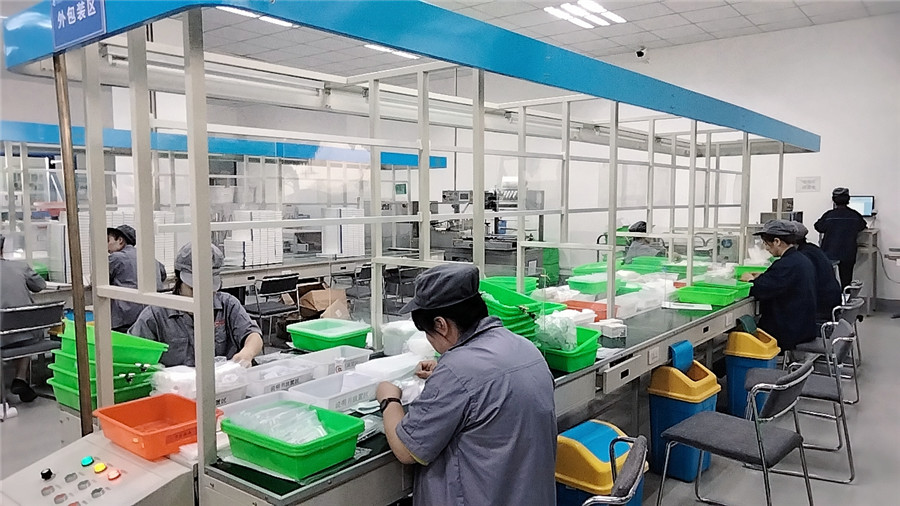
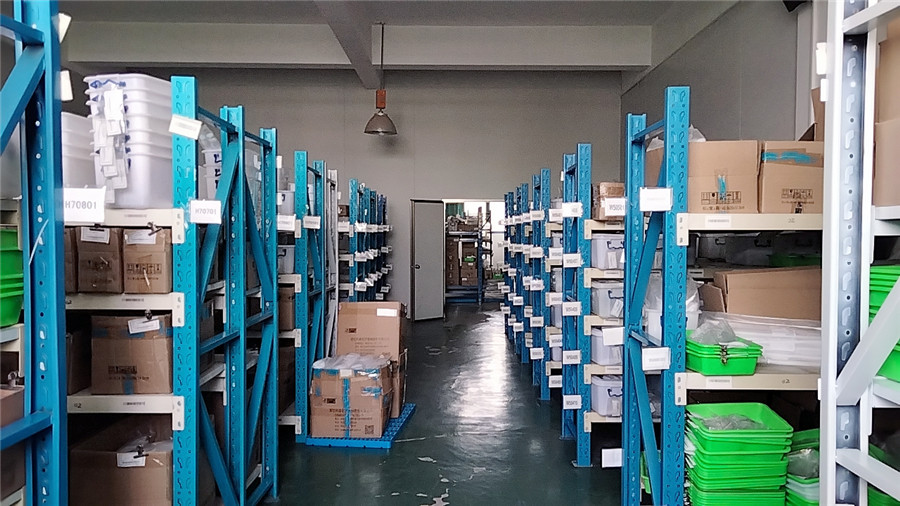
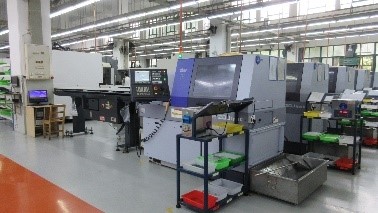
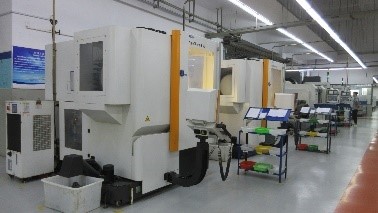
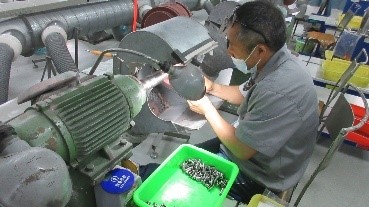
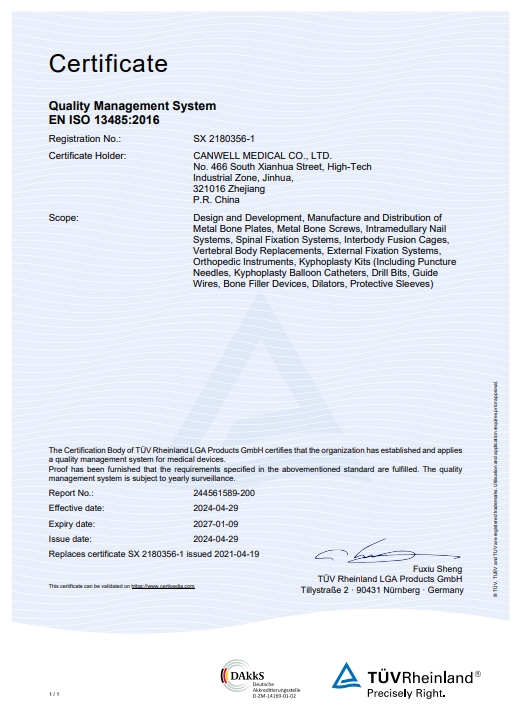
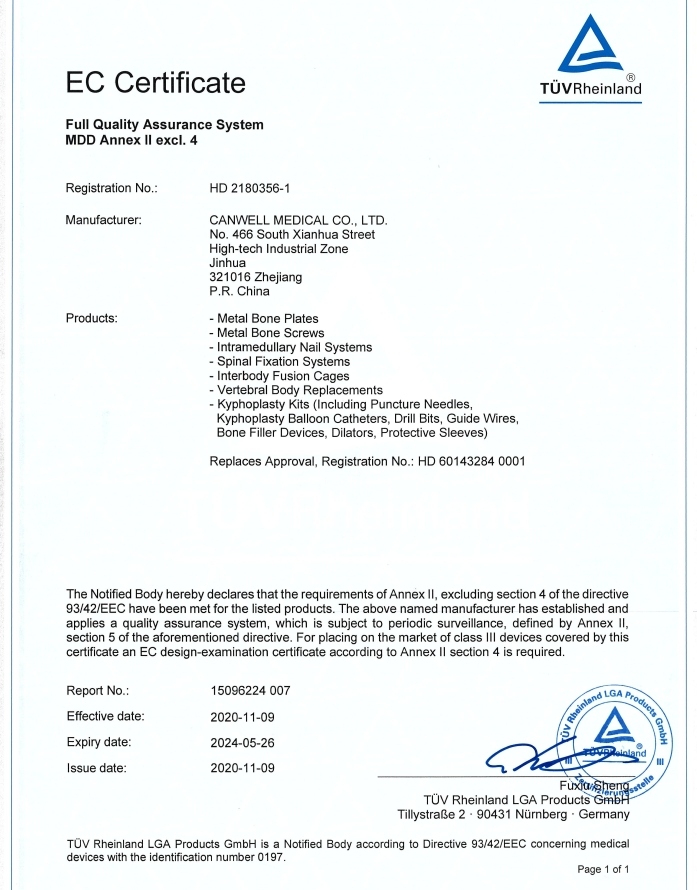
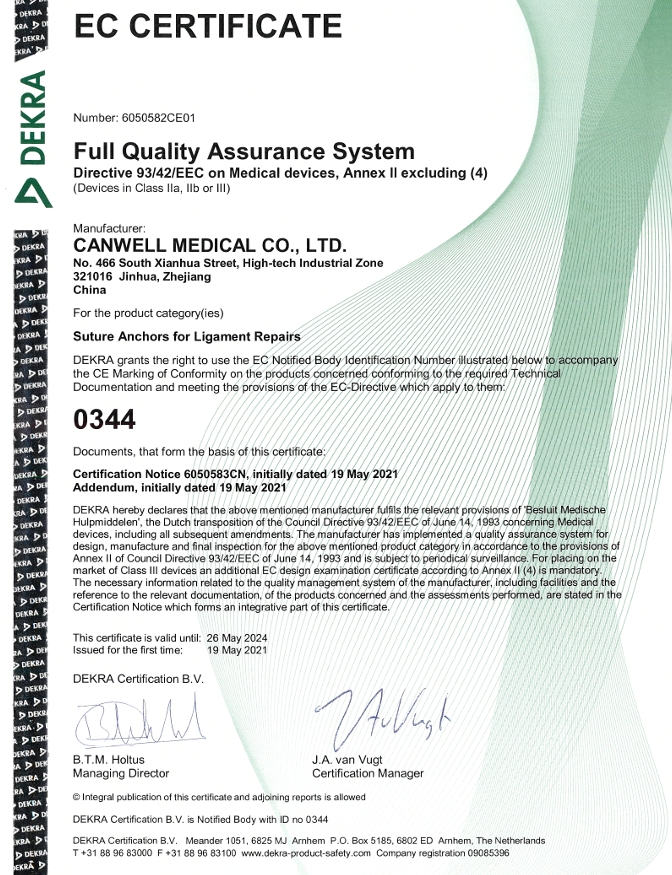
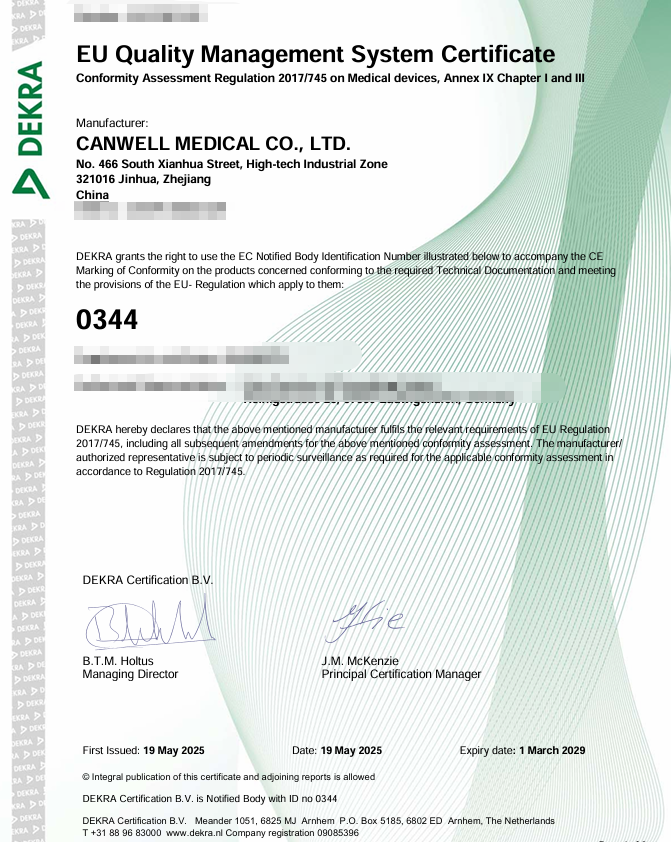
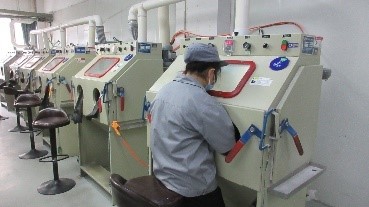
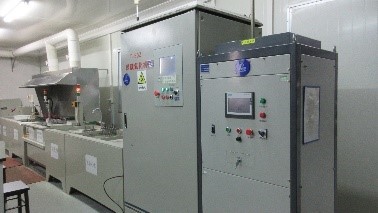
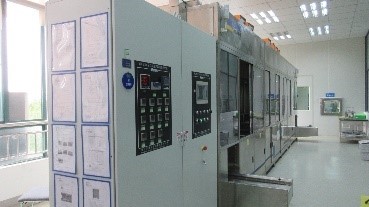
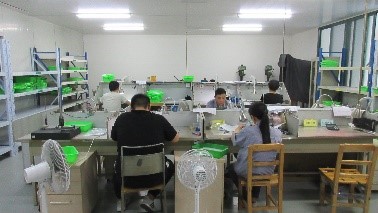
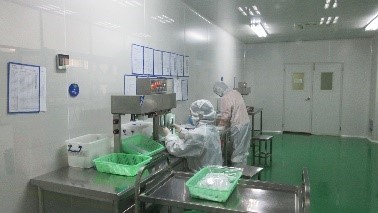
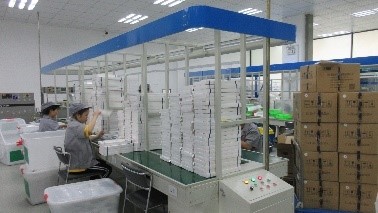
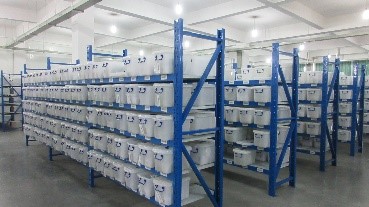
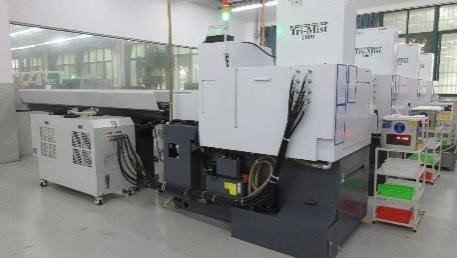
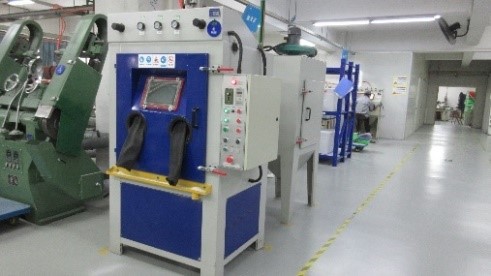
KaiSo has established a complete Quality Assurance System to continuously fulfil the requirements according to ISO9001, 13485, CE, ranging from material procurement to design development and automated production processes. Our facility spans 29,523㎡, housing 69 specialized QA/QC inspectors ensuring that every plate meets surgical standards.
The versatility of small fragment systems (typically 2.7mm and 3.5mm) extends across multiple domains:
Anatomically contoured volar locking plates allow for early mobilization, crucial for restoring wrist function in active patients.
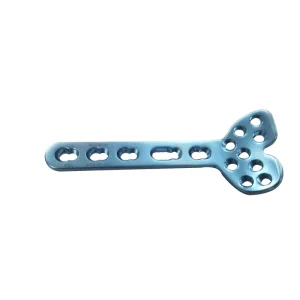
As seen in our Stainless Steel Bone Locking Tplo Plates, these are essential for Tibial Plateau Leveling Osteotomy in dogs, a high-growth sector in North America and Europe.
Used in complex foot and ankle reconstructions where space is limited but high stability is required.
The industry is moving toward Patient-Specific Implants (PSI). Leading China manufacturers are integrating AI-driven design and 3D titanium printing to create custom locking plates for non-union fractures. Additionally, the transition to biodegradable magnesium-based alloys is being explored to eliminate the need for secondary removal surgeries.
Addressing the core concerns of global medical distributors and surgeons.
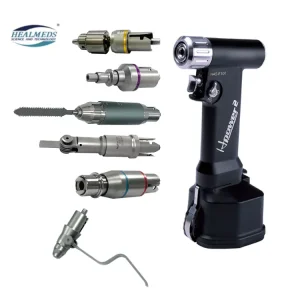
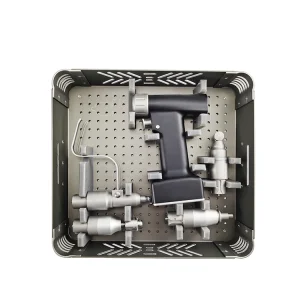
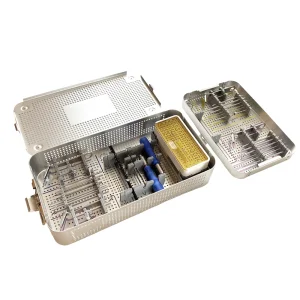
Explore our full range of orthopedic power tools and fixation systems.
Registration Date: 2004-11-03
Floor Space: 29,523 ㎡
Exporting Years: 22 Years
R&D Capacity: 59 Graduate Engineers
Our Small Fragment Locking Plates are trusted by Brand Businesses, Wholesalers, and Surgeons across the globe. We offer light customization, sample processing, and graphic processing to meet specific regional clinical needs.
 KaiSo Medical