Explore our medical-grade titanium surgical components, motor systems, and precision cranioplasty fixation hardware.
A comprehensive analysis of market drivers, material advancements, and manufacturing innovations in neurosurgical cranioplasty.
Global demand for cranial implants is experiencing unprecedented expansion driven by an increase in traumatic brain injuries (TBI), neuro-oncology resections, and decompressive craniectomies. Modern neurosurgery prioritizes structural protection alongside aesthetic restoration, driving hospital procurement toward custom anatomical matching.
The industry has migrated rapidly from traditional autologous bone grafts and polymethyl methacrylate (PMMA) acrylics to Grade 5 Titanium (Ti-6Al-4V ELI) meshes and Polyetheretherketone (PEEK). Titanium provides high tensile strength and radiolucency options, while custom 3D-printed PEEK mimics natural cortical bone elasticity.
Leveraging high-resolution thin-slice CT scan DICOM data, 3D computer-aided design (CAD), and direct metal laser sintering (DMLS), Chinese manufacturers now deliver fully customized cranial plates that reduce operating room fitting times by up to 40% and drastically lower post-operative complication rates.
Selecting the optimal substrate for cranioplasty requires evaluating biocompatibility, artifact disruption, mechanical yield, and osteo-integration capacity.
| Material Property / Parameter | Medical Titanium (Ti-6Al-4V Grade 5) | Custom PEEK (Polyetheretherketone) | PMMA / Acrylic Resins |
|---|---|---|---|
| Biocompatibility & Tissue Acceptance | Excellent; passive titanium oxide layer prevents corrosion | Exceptional; inert polymer matching human tissue response | Moderate; risk of monomer heat release during curing |
| Elastic Modulus (GPa) | 110 GPa (High structural protection) | 3.6 GPa (Close approximation to natural human bone) | 3.0 - 5.0 GPa |
| Imaging Artifacts (CT / MRI) | Minimal scattering; ultra-thin mesh designs mitigate shadow | Zero imaging artifact; 100% radiolucent for neuro-imaging | Low artifact disruption |
| Manufacturing Precision & Fit | Digital 3D Hydraulic Pressing & Laser Cut Fit (<0.2mm tolerance) | 5-Axis CNC Milling / 3D SLS Printing (<0.1mm tolerance) | Hand-molded intraoperatively or prefabricated mold |
| Thermal Conductivity | Low, but noticeable temperature variation sensitivity | Ultra-low; natural biological insulation against cold/heat | Low thermal transfer |
| Infection & Complication Rate | Historically low (<2.5% in large clinical trials) | Extremely low (<1.8% long-term follow-up) | Higher due to potential dead-space fluid collection |
How KaiSo empowers international distributors, healthcare brands, and hospital networks with customized implant manufacturing.
Clients upload high-resolution DICOM CT datasets (≤ 1.0mm slice thickness). Our 59 graduate R&D engineers utilize advanced CAD software to reconstruct 3D cranial models, mirroring the contralateral anatomy to restore exact head symmetry.
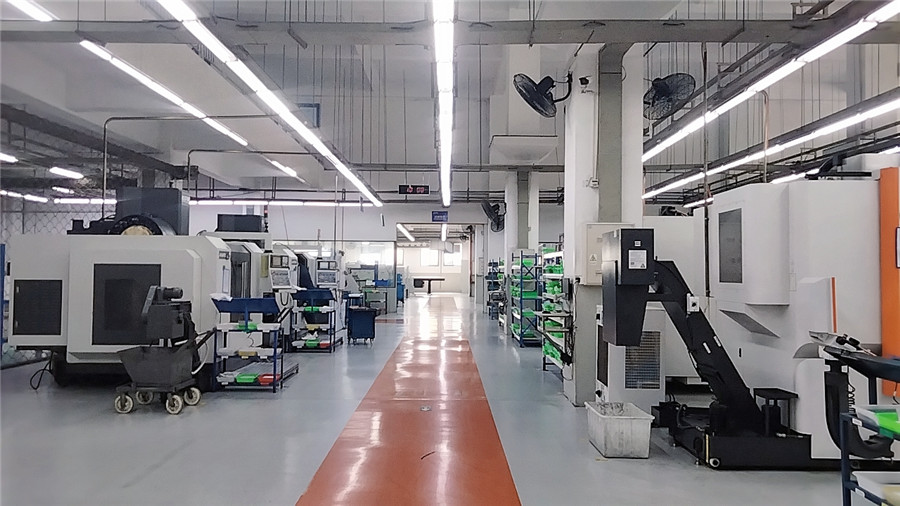
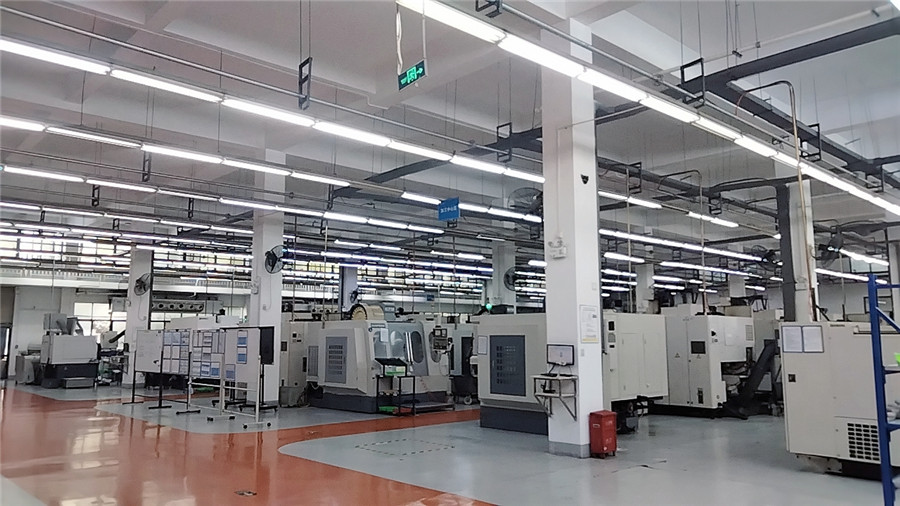
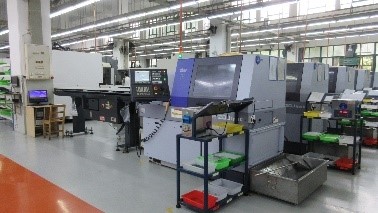
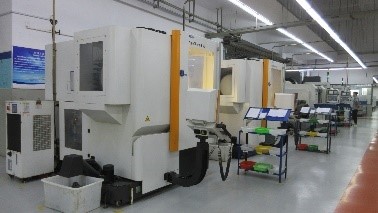
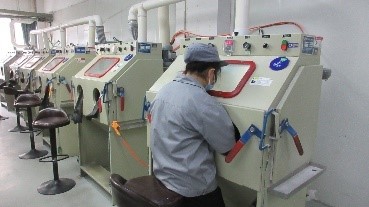
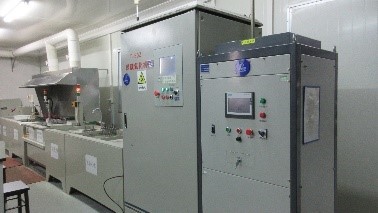
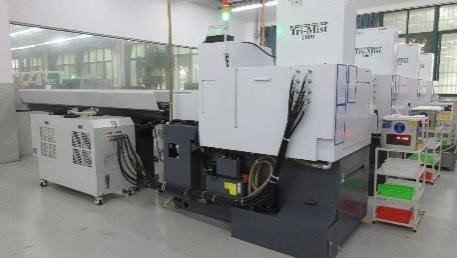
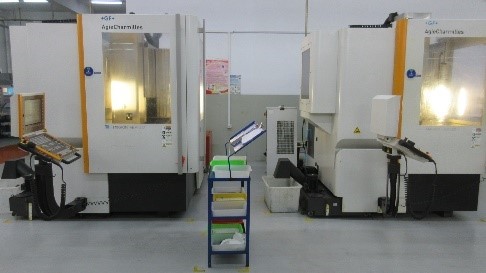
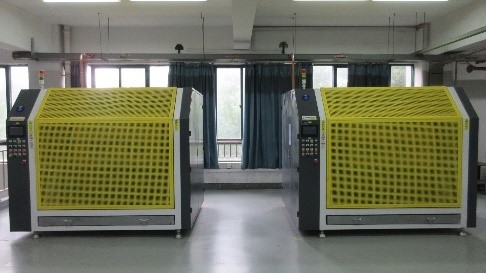
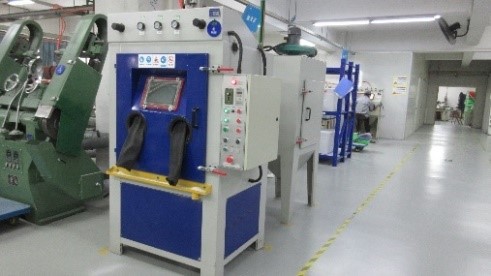
Utilizing high-end DMG MORI 5-axis machining units and cleanroom-grade laser cutting, raw materials undergo micrometer-accurate fabrication. Edge chamfering and temporal muscle fixation hole alignments are pre-programmed for seamless surgical execution.
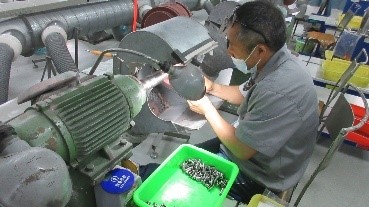
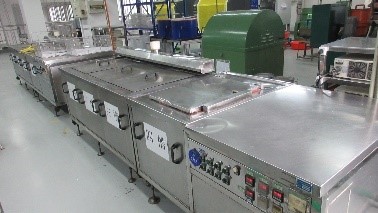
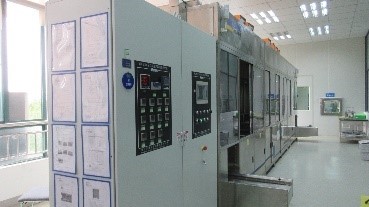
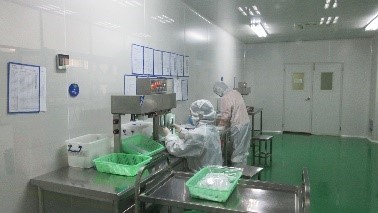
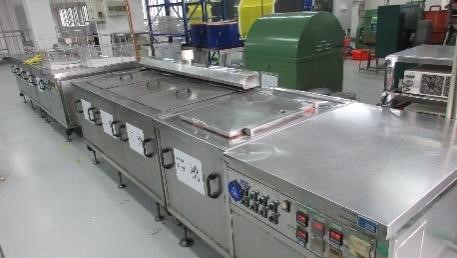
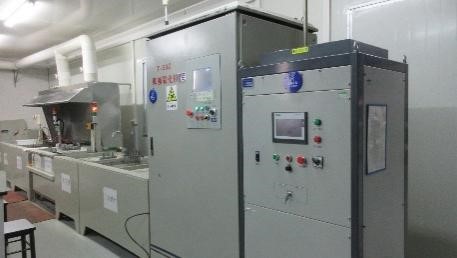
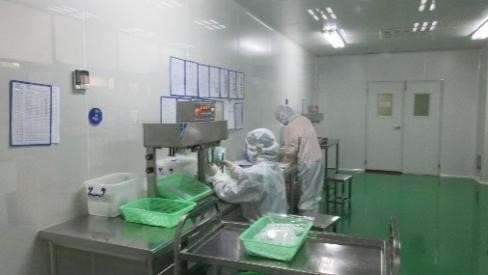
Implants pass ultrasonic cleaning, passivation, and double sterile barrier packaging. Every batch includes full raw material chemical analysis certificates, mechanical batch testing reports, and complete backward traceability.
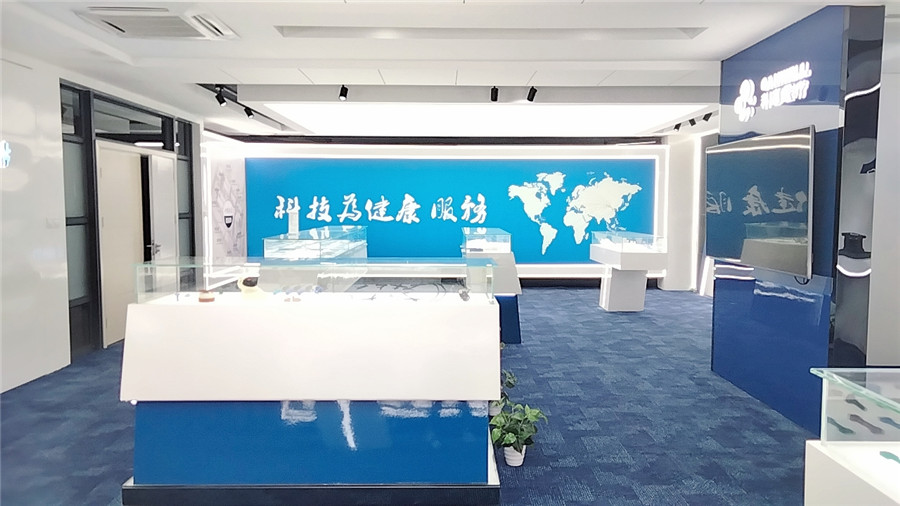
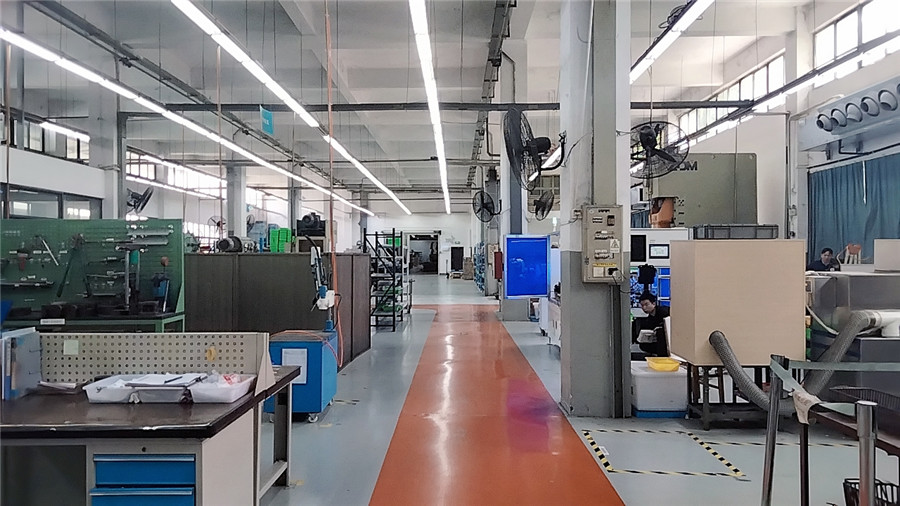
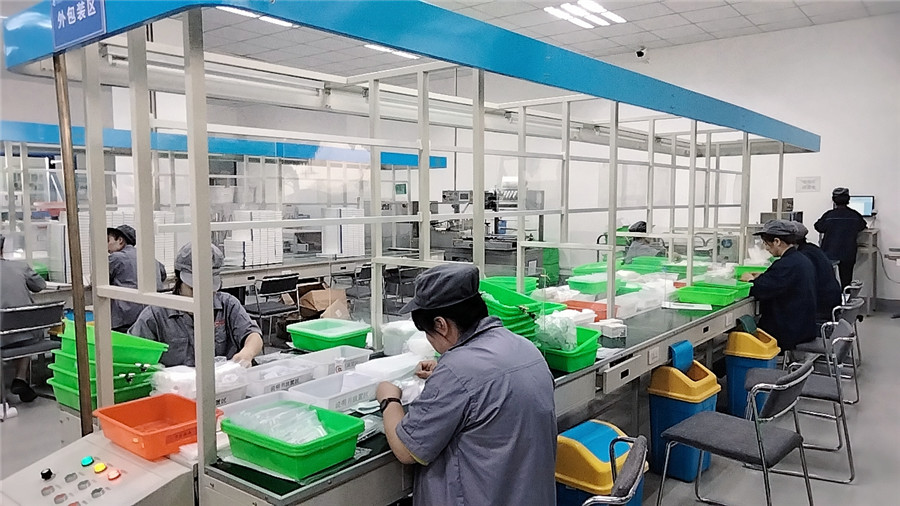
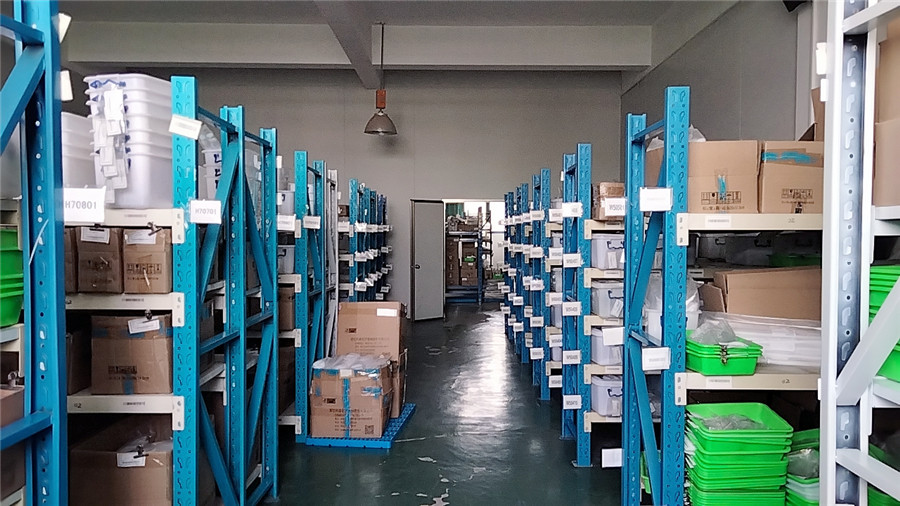
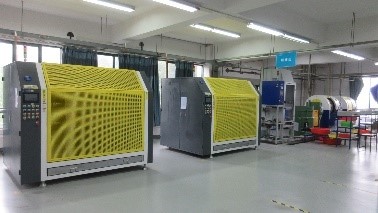
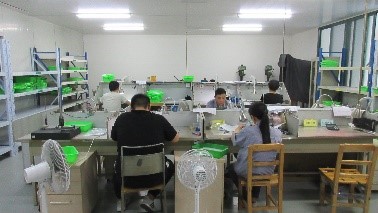
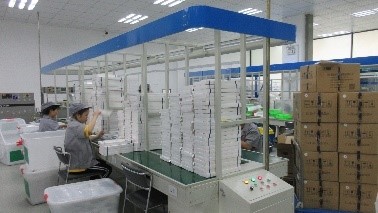
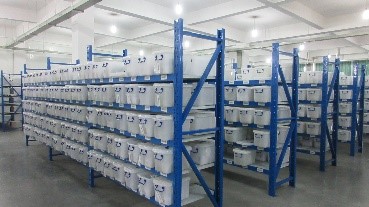
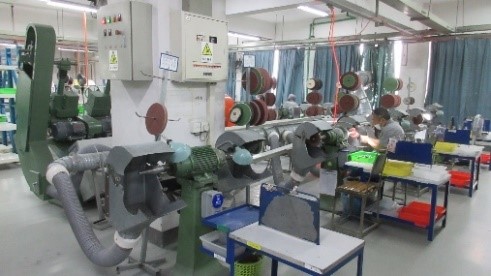
Operating since 2004 across 29,523 m² of automated manufacturing space, KaiSo maintains complete quality control from raw material to finished medical device.
| Company Registration Date | 2004-11-03 (22 Years Industry Experience) | Factory Floor Space | 29,523 m² Automated Facility |
| QA / QC Inspection Staff | 69 Certified Technicians & Engineers | R&D Engineering Team | 59 Dedicated Master/Graduate Engineers |
| Primary Global Markets | South America (30%), Southeast Asia (20%), Western Europe (20%) | Accepted Business Models | Light Customization, OEM, ODM, Sample Processing, Graphic Processing |
| Traceability Protocol | 100% Raw Material Heat-Lot & Serial Number Traceability | Quality Inspection Method | Full Production Line Inspection & Random Client Sampling |
KaiSo has established a complete Quality Assurance System to continuously fulfill requirements according to ISO 9001, ISO 13485, and CE certificates.
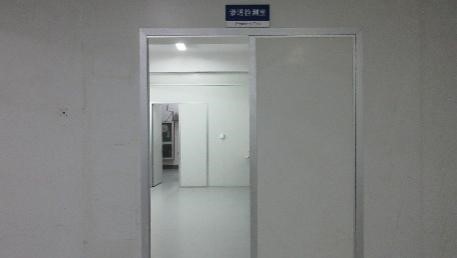
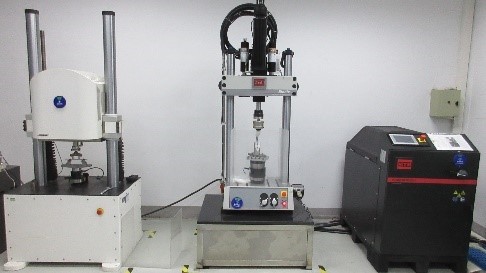
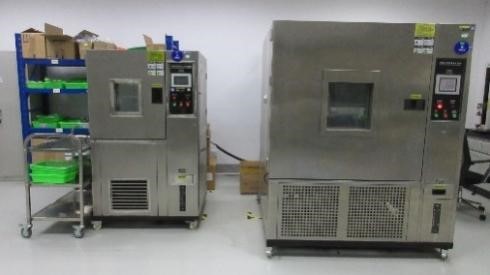
KaiSo maintains strict adherence to global medical device standards, ensuring effortless customs clearance and hospital registration.
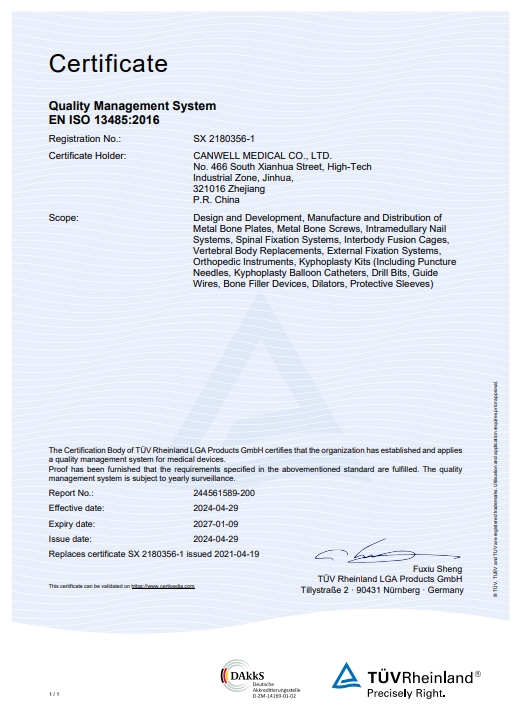
 ISO 13485
SX 2180356-1
ISO 13485
SX 2180356-1
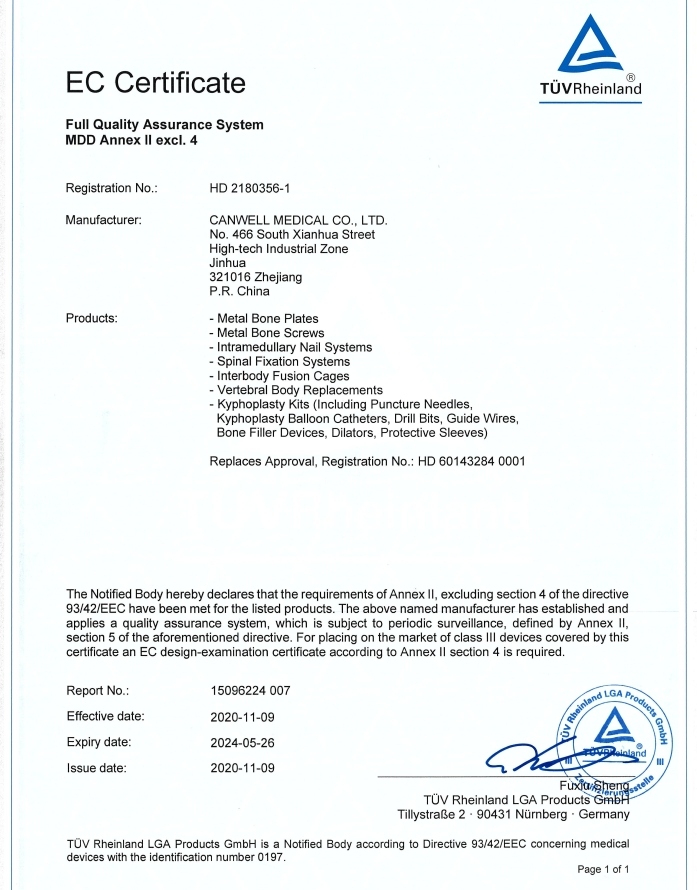
 93/42/EEC CE
HD 2180356-1
93/42/EEC CE
HD 2180356-1
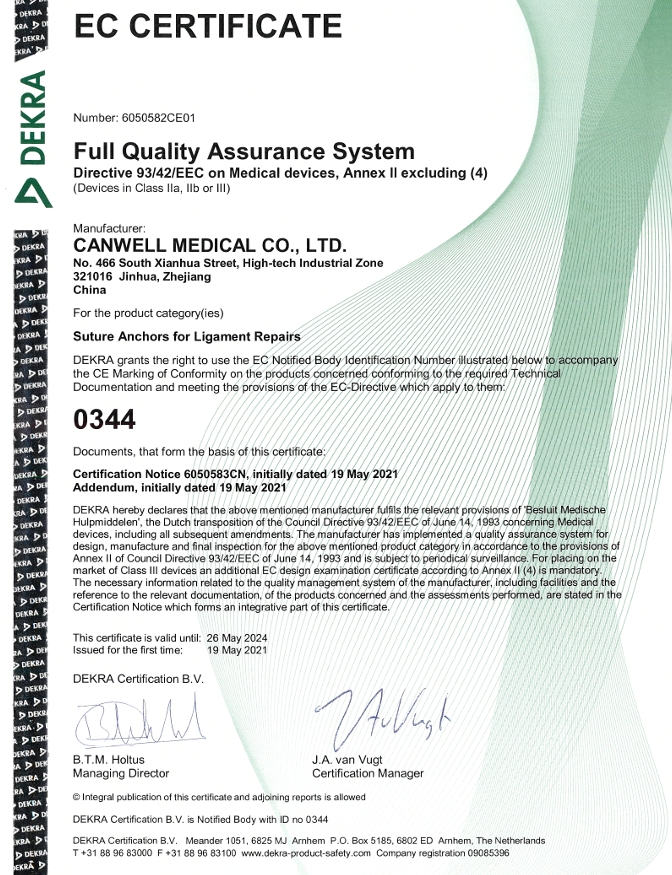 93/42/EEC CE
6050582CE01
93/42/EEC CE
6050582CE01
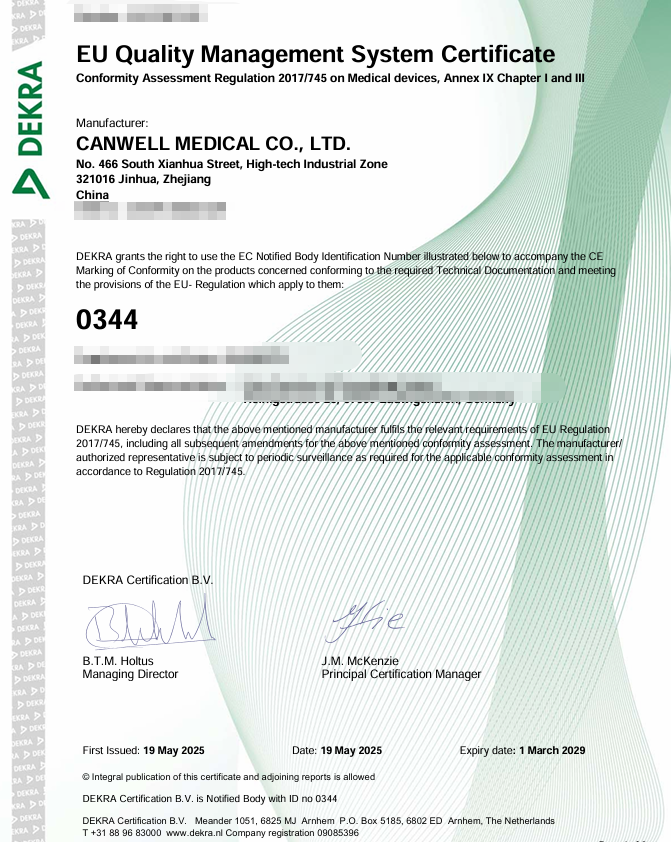
 EU MDR Certified
6142788CE02
EU MDR Certified
6142788CE02
Advancing neurosurgical outcomes through smart implants, bioactive coatings, and automated surgical planning.
Integrating deep learning algorithms to automatically reconstruct cranial symmetry from distorted CT scans within minutes, cutting pre-operative design turnarounds from days to under two hours.
Development of micro-electromechanical (MEMS) intracranial pressure (ICP) sensors integrated directly into PEEK cranial structures to provide continuous real-time wireless post-op telemetric monitoring.
Application of nanostructure hydroxyapatite (HA) and bio-resorbable porous scaffolds to encourage rapid osteoblast migration and integrated bone-implant fusion along the defect margins.
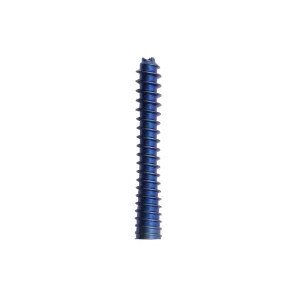
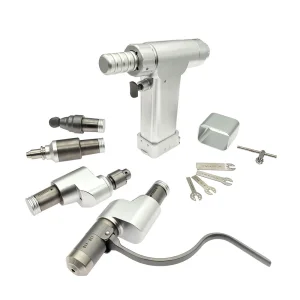
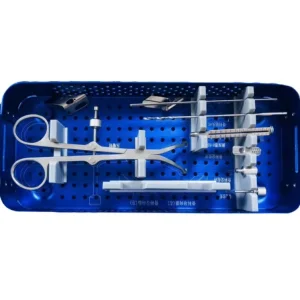
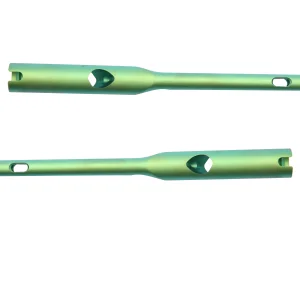
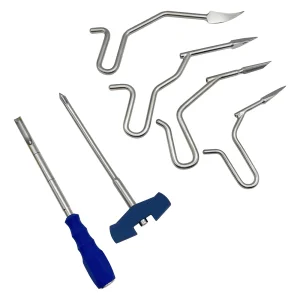
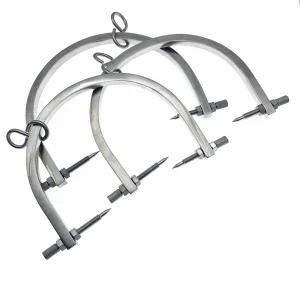
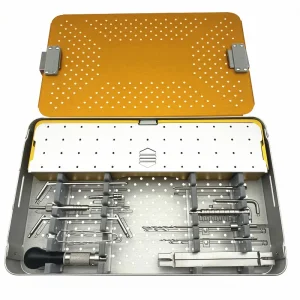
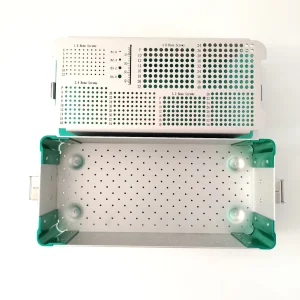
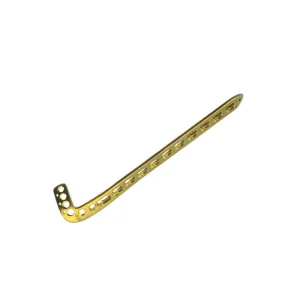
Complete surgical instrumentation sets, trauma locking plates, intramedullary hardware, and specialized tools.
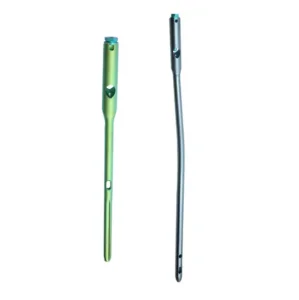
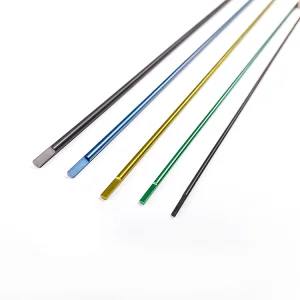
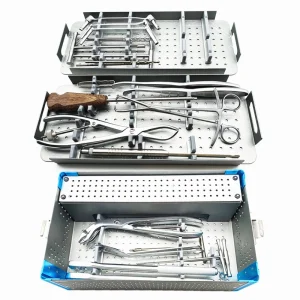
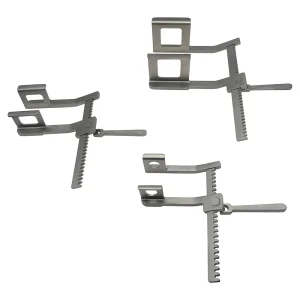
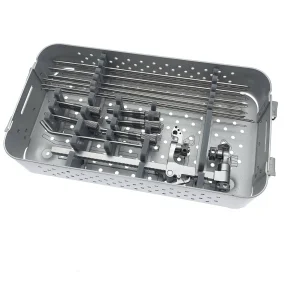
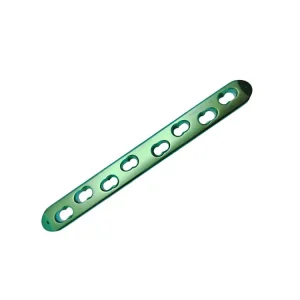
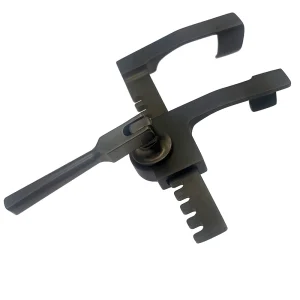
Key insights for medical device procurement managers, hospital buyers, and global orthopedic distributors.
For custom patient-specific implants (3D Titanium Mesh or PEEK), the typical workflow spans 5 to 7 business days from the receipt and verification of CT DICOM datasets to final 3D CAD design sign-off, precision CNC machining, cleanroom packaging, and dispatch. Standard catalog fixation plates and orthopedic screws ship within 48 hours.
KaiSo products are certified under ISO 13485 (Certificate SX 2180356-1), Council Directive 93/42/EEC for Medical Devices (Certificates HD 2180356-1 & 6050582CE01), and EU Medical Device Regulation (MDR) (Certificate 6142788CE02). All human implants comply with Class III medical device standards.
Yes. We offer extensive light customization, graphic processing, OEM private labeling, direct laser etching of UDI (Unique Device Identification) barcoding on implants, and specialized sterile packaging tailored to specific country registration guidelines.
We source medical-grade Grade 5 Titanium (Ti-6Al-4V ELI) and implantable-grade PEEK exclusively from certified global suppliers. Every batch undergoes optical emission spectrometry, mechanical tensile strength verification, and cytotoxicity testing. Full raw material certificates (MTR) accompany every export shipment.
To ensure sub-millimeter precision, CT scans should be performed with a axial slice thickness of ≤ 1.0 mm (ideally 0.625 mm), zero gantry tilt, high-resolution bone algorithm reconstruction, and saved in uncompressed DICOM format without patient movement artifacts.
 KaiSo Medical