High-precision orthopedic systems, power surgical tools, and veterinary instrumentation manufactured under international regulatory standards.
KaiSo / Canwell Medical Quality Assurance Framework & Global Export Profile
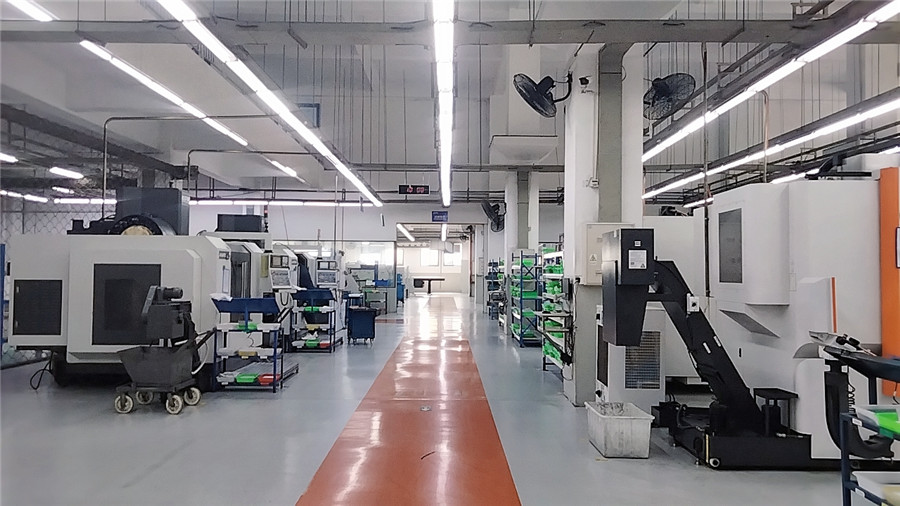
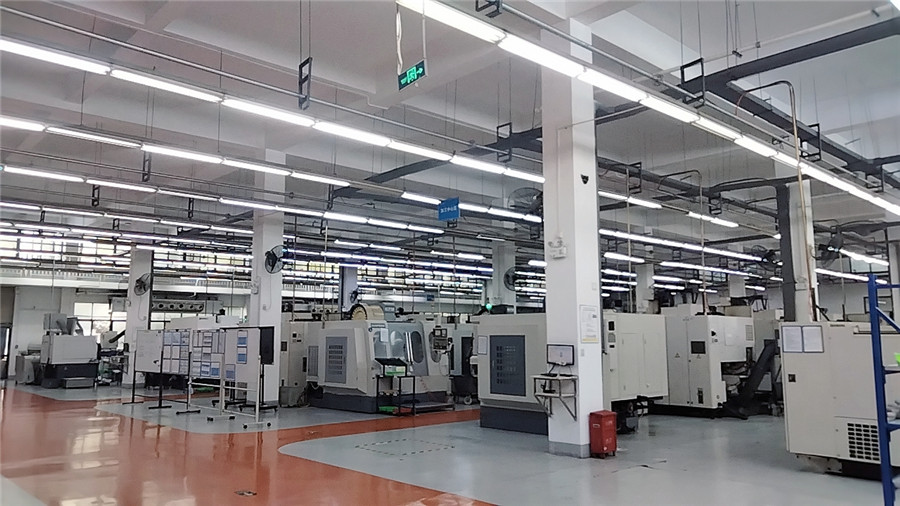
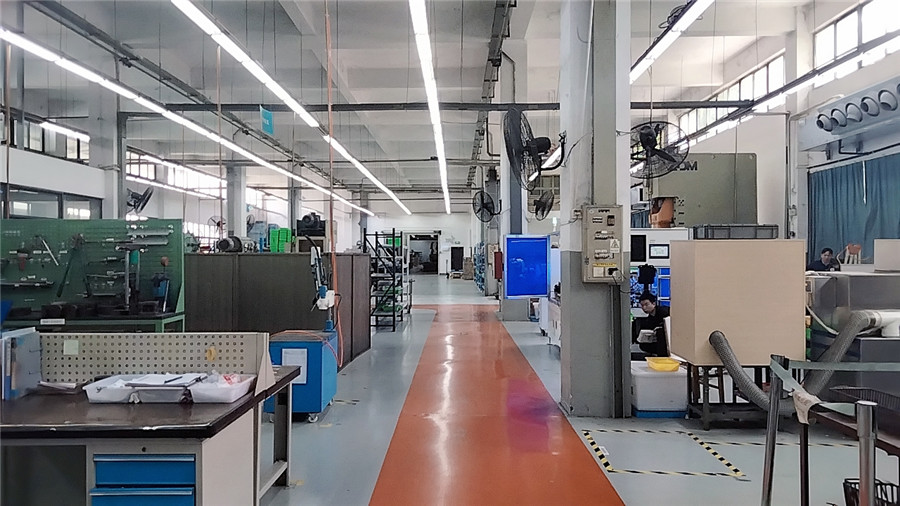
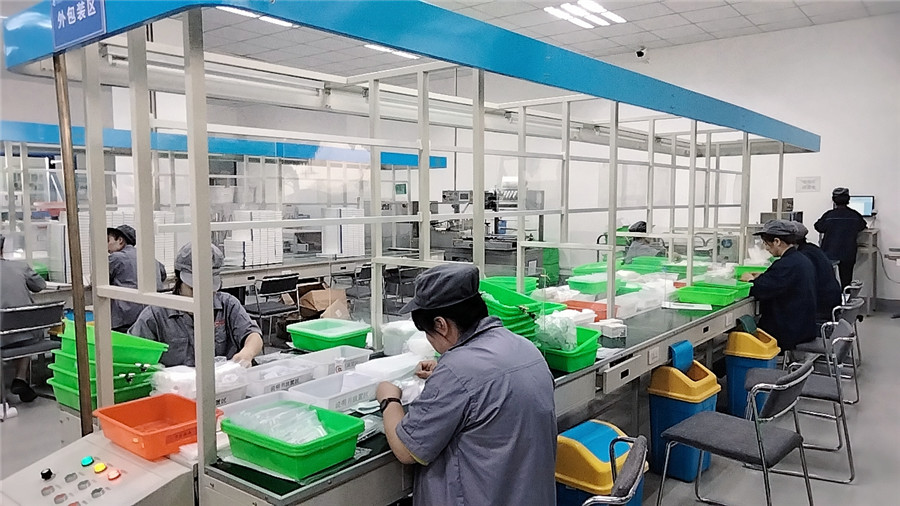
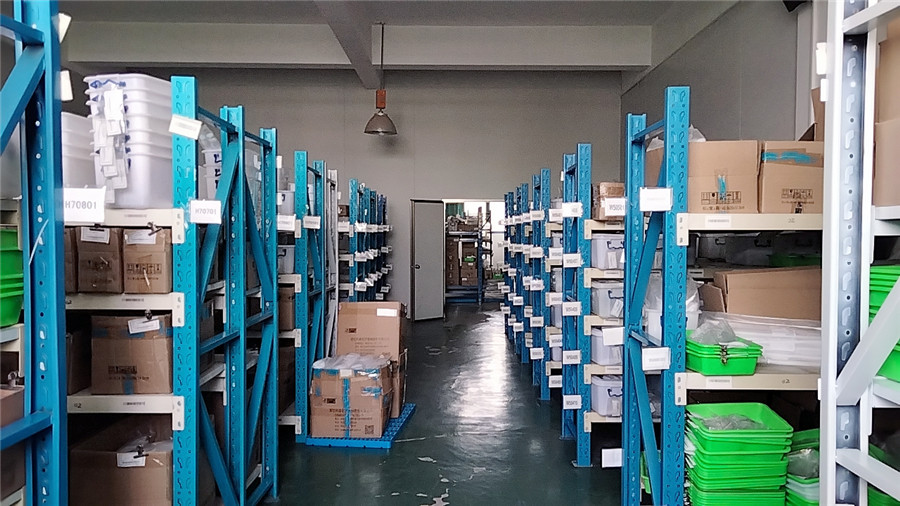
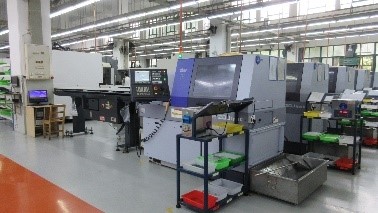
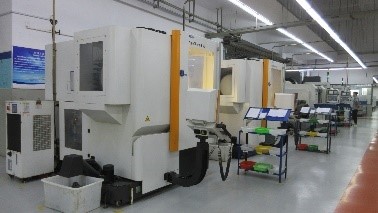
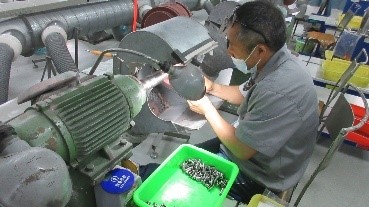
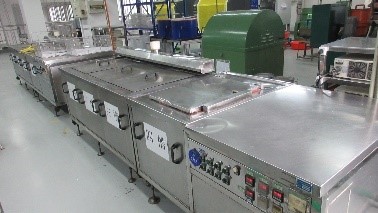
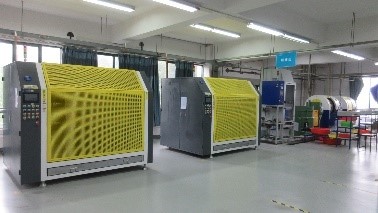
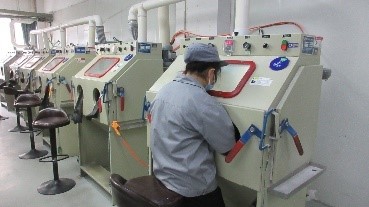
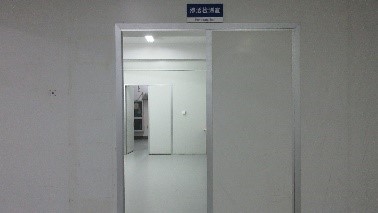
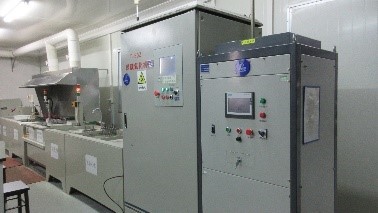
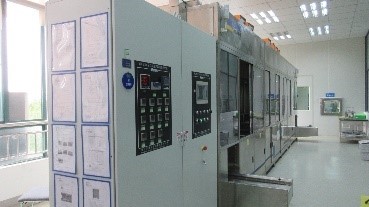
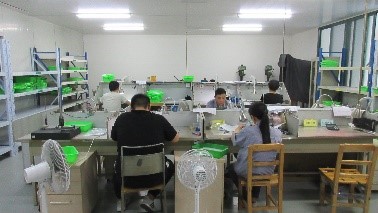
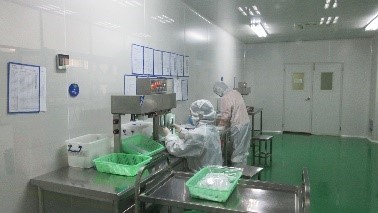
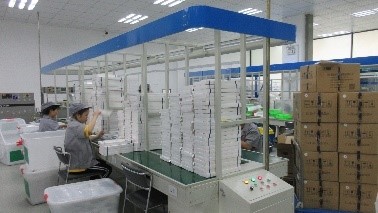
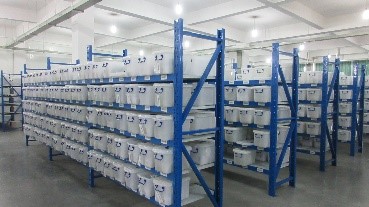
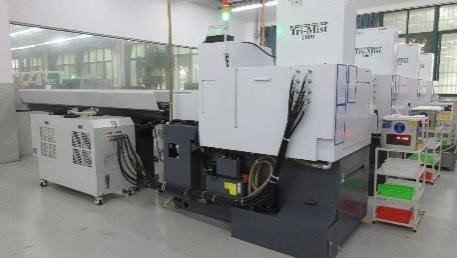
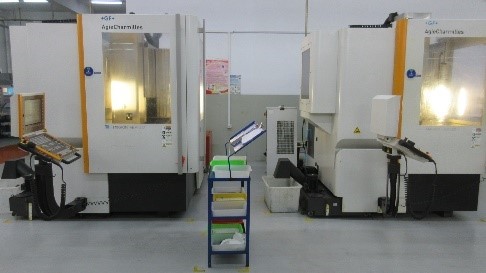
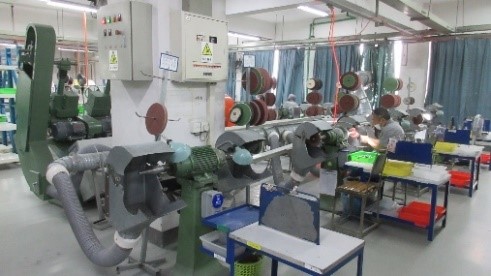
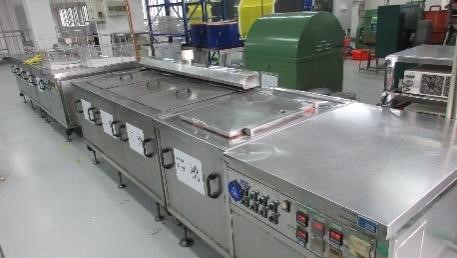
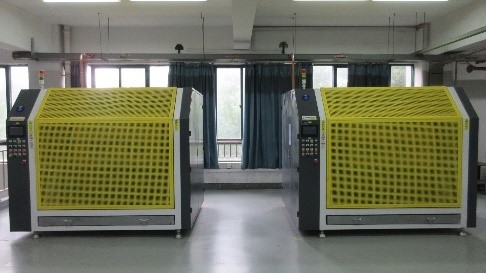
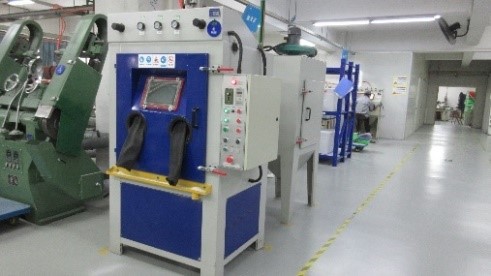
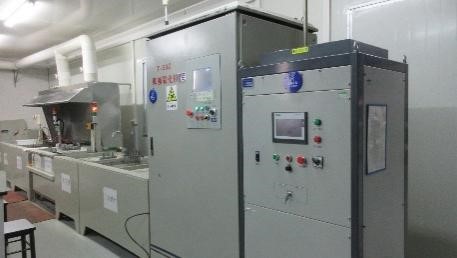
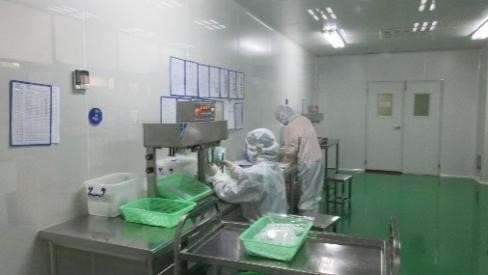
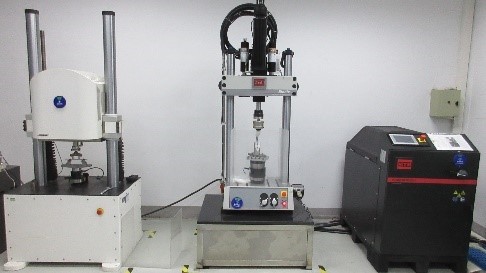
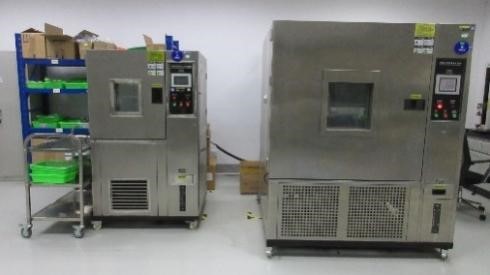
KaiSo has established a complete Quality Assurance System to continuously fulfil the requirements according to ISO9001, ISO13485, CE, and MDR regulations, ranging from material procurement to design development and automated production processes. Product inspection methods encompass full product inspection, random statistical sampling, and client-specific protocols across all production lines.
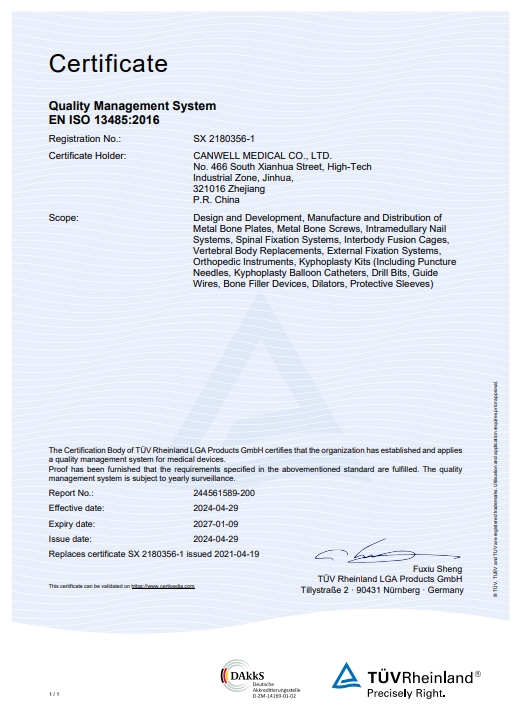
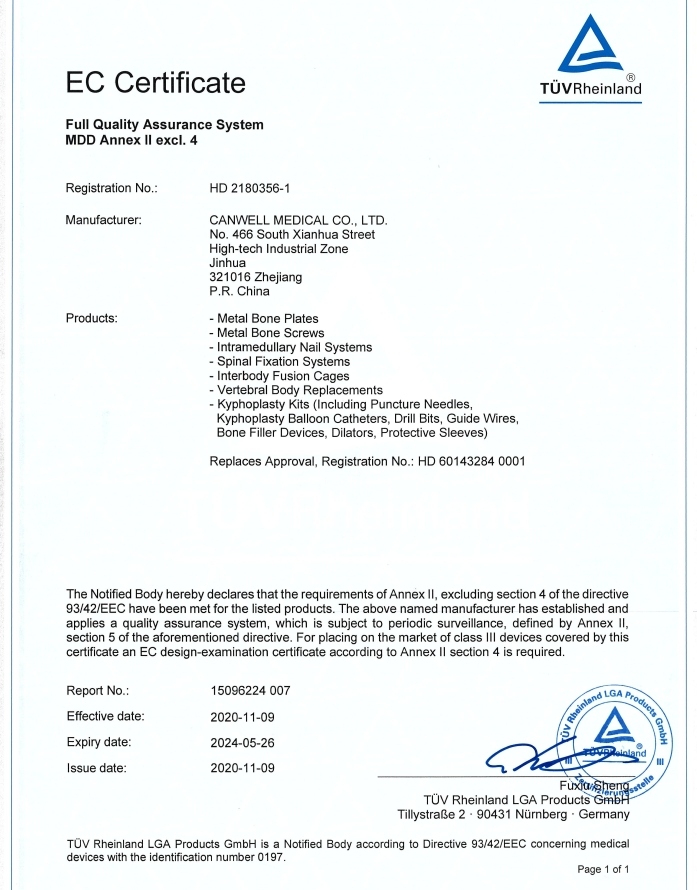
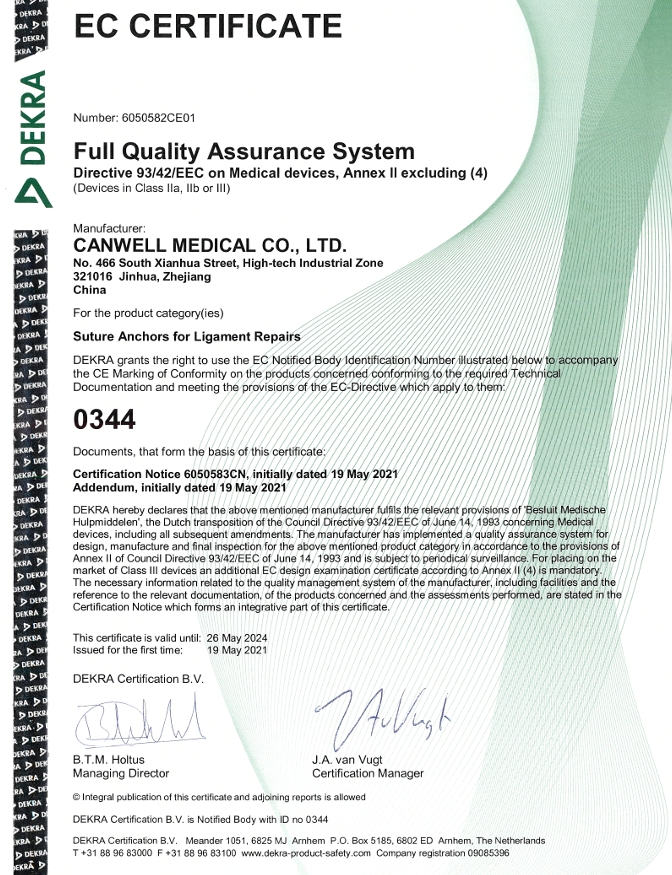
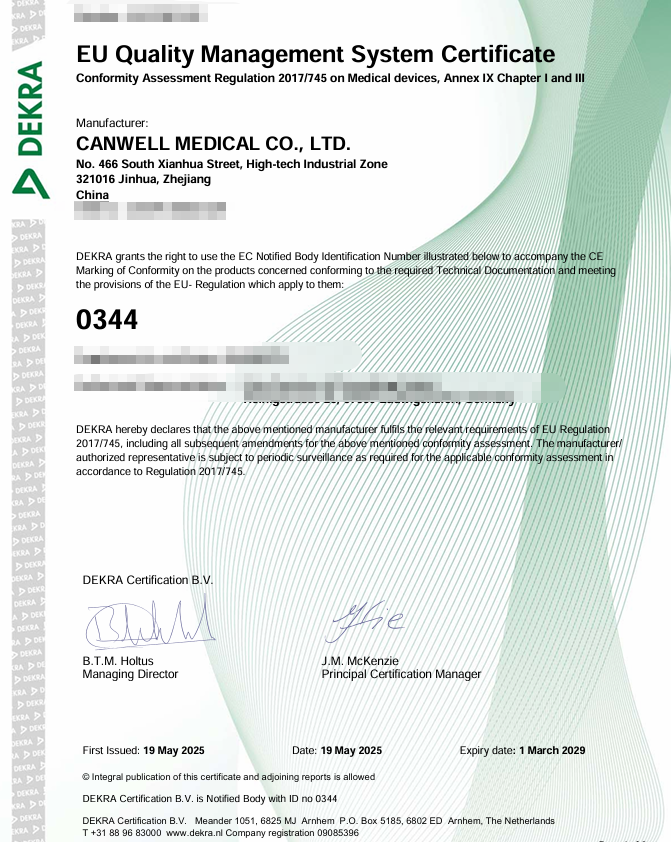
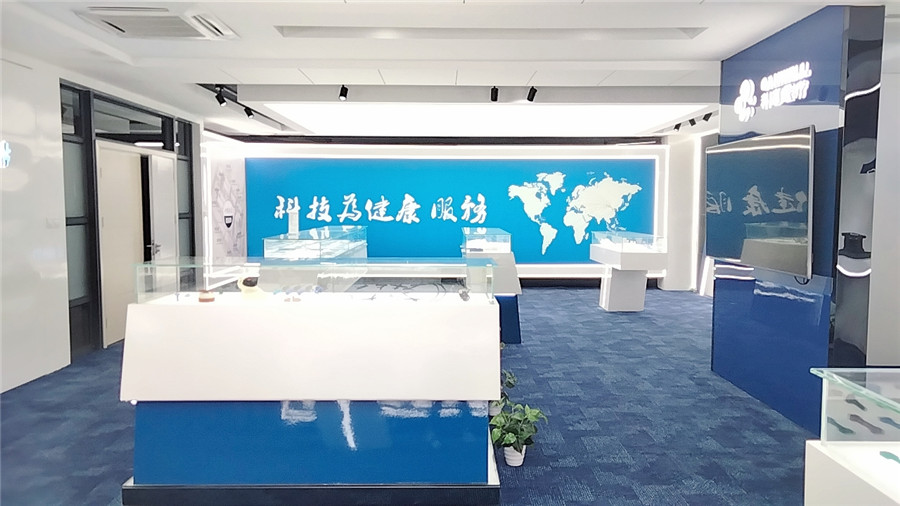
With 22 years of international trade history (established 2004-11-03), our export distribution network covers major global orthopedics hubs including South America (30%), Western Europe (20%), Southeast Asia (20%), and surrounding regions.
An authoritative analysis of Polymethyl Methacrylate (PMMA) dynamic mechanics, market penetration, and supplier selection criteria for B2B procurement.
In modern reconstructive orthopedics, bone cement serves as the primary structural grouting medium responsible for transferring mechanical loads between metallic prostheses and living human or animal bone tissue. The global orthopedic biomaterials market has experienced sustained exponential growth, driven largely by aging demographic profiles, rising incidence of joint osteoarthritis, and expanding adoption of spinal intervention protocols such as Vertebroplasty and Balloon Kyphoplasty.
Commercial medical-grade bone cements are predominantly based on self-curing Polymethyl Methacrylate (PMMA) chemistry. Unlike structural adhesive agents, PMMA bone cement does not form covalent chemical bonds with cortical or cancellous bone. Instead, it functions via mechanical interlock—filling macroscopic and microscopic voids within the trabecular bone lattice to establish uniform pressure distribution across the implant interface.
Technical Insight: The mechanical performance of PMMA bone cement is governed by its two-component formulation: a liquid monomer (Methyl Methacrylate, MMA) containing an activator (N,N-dimethyl-p-toluidine) and a stabilizer (hydroquinone), paired with a powder component comprising PMMA prepolymer beads, an initiator (Dibenzoyl Peroxide, BPO), and a radio-opacifying agent (Barium Sulfate, BaSO₄, or Zirconium Dioxide, ZrO₂).
Global B2B procurement strategies are increasingly focused on specialized formulations tailored to specific surgical modalities:
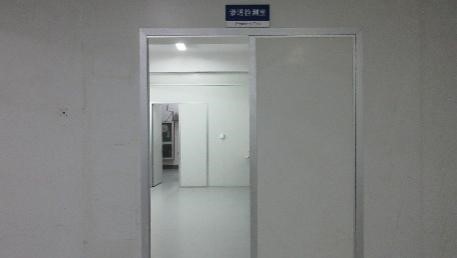
China has evolved into an essential manufacturing epicenter for global orthopedic medical devices, powered by advanced automated CNC processing, Class 100,000 (ISO Class 8) cleanroom synthesis facilities, and extensive ISO 13485 quality management systems. Leading Chinese OEM/ODM suppliers deliver full supply chain integration—offering complete sterile surgical kits that combine PMMA cement formulations with precision vacuum mixing systems, delivery guns, and complementary fixation hardware (such as titanium locking plates and pedicle screw systems).
Analyzing future trajectory: From minimally invasive spine procedures to smart drug-eluting matrices.
Modern spine surgery (Vertebroplasty/Kyphoplasty) demands ultra-high viscosity cements that prevent venous leakage and pulmonary cement embolism. Next-generation delivery devices feature hydraulic or motorized force transmission to provide precise volumetric dosing under continuous fluoroscopic visualization.
Research and clinical trial phases are focusing on hybrid cements incorporating micro-porous bioactive glass nanoparticles, hydroxyapatite (HA), and osteoinductive proteins (BMP-2). These formulations bridge the gap between permanent mechanical grout and biological tissue integration.
The exothermic free-radical polymerization of MMA monomer can reach peak temperatures of 70°C to 120°C in vitro, risking local osteocyte necrosis. Advanced additive chemistries utilize heat-sink microcapsules and modified monomer-to-polymer ratios to cap polymerization temperatures below 55°C without compromising ultimate compressive strength.
Translating biomaterials science into clinical practice across diverse surgical fields.
In primary and revision Total Knee Arthroplasty (TKA) and Total Hip Arthroplasty (THA), bone cement acts as a buffer layer accommodating stress concentrations between high-modulus metallic stems/tibial trays and lower-modulus cancellous bone.
Clinical Workflow & Modern Cementing Techniques:
Osteoporotic Vertebral Compression Fractures (VCFs) and osteolytic spinal tumors cause severe pain and spinal deformity. Percutaneous Vertebroplasty involves direct needle injection of medium-to-high viscosity radiopaque PMMA into the fractured vertebral body.
Operational Standards:
In high-energy traumatic fractures accompanied by bone loss or severe comminution (e.g., distal tibial or femoral head fractures), bone cement serves as temporary or permanent structural void filler.
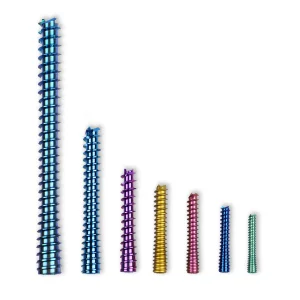
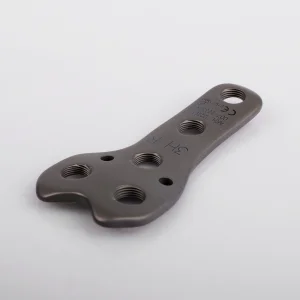
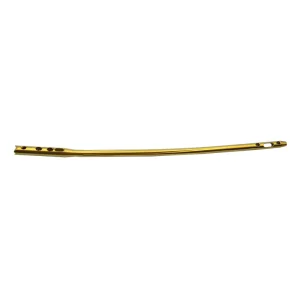
It is regularly paired with rigid internal or external fixation hardware—such as CANWELL Titanium Headless Cannulated Compression Screws, Distal Tibial Locking Plates, or Intramedullary Femoral Nails—to prevent early collapse of fragile metaphyseal segments during osteosynthesis.
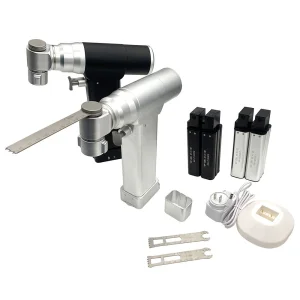
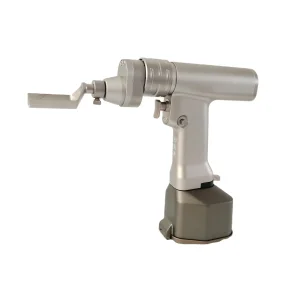
Veterinary orthopedic surgeries, including canine Tibial Plateau Leveling Osteotomy (TPLO) and complex feline fracture refixation, frequently employ targeted bone cement injection combined with specialized veterinary power tools (oscillating saws, TPLO blades) and titanium suture anchor systems.
The rapid curing characteristics of PMMA allow immediate weight-bearing in active animal patients, reducing post-operative splinting requirements.
Strategic milestones driving next-generation orthopedic fixation materials.
Overcoming regulatory barriers, quality auditing, and turn-key procurement logistics.
Navigating the European Union Medical Device Regulation (EU MDR 2017/745) and US FDA regulatory pathways requires rigorous Clinical Evaluation Reports (CER), Risk Management File updates (ISO 14971), and biocompatibility testing according to ISO 10993 guidelines (cytotoxicity, sensitization, systemic toxicity, and genotoxicity). KaiSo / Canwell provides full technical documentation support for international registration.
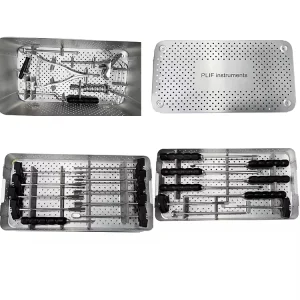
For global medical brands, healthcare groups, and regional distributors, Chinese wholesale suppliers offer fully integrated OEM solutions: customized powder-to-liquid monomer ratios, tailored radiopacifier concentrations, private-label double-sterile blister packaging, and complete co-packaged surgical kits including orthopedic power tools, saws, and titanium fixation plates.
Addressing essential technical, clinical, and procurement inquiries for orthopedic specialists and buyers.
Advanced power tools, trauma implants, MIS spine fixation, and veterinary surgical solutions.
 KaiSo Medical