High-precision orthopedic instruments and implants for advanced clinical outcomes.
The global demand for CE Certified Total Knee Implants has seen an unprecedented surge over the last decade. As the world population ages, the prevalence of osteoarthritis and degenerative joint diseases has driven technological breakthroughs in Total Knee Arthroplasty (TKA). For suppliers and exporters, providing information gain through deep technical expertise is no longer optional—it is a cornerstone of trust (E-E-A-T).
Unlike traditional mechanical alignment, KA focuses on restoring the patient's unique natural joint line, leading to higher patient satisfaction and faster recovery times.
Integration with haptic robotic systems ensures sub-millimeter precision in bone resection, significantly reducing the risk of implant malalignment.
The shift towards Highly Cross-Linked Polyethylene (HXLPE) and Vitamin E infusion has drastically lowered wear rates, extending implant life beyond 20 years.
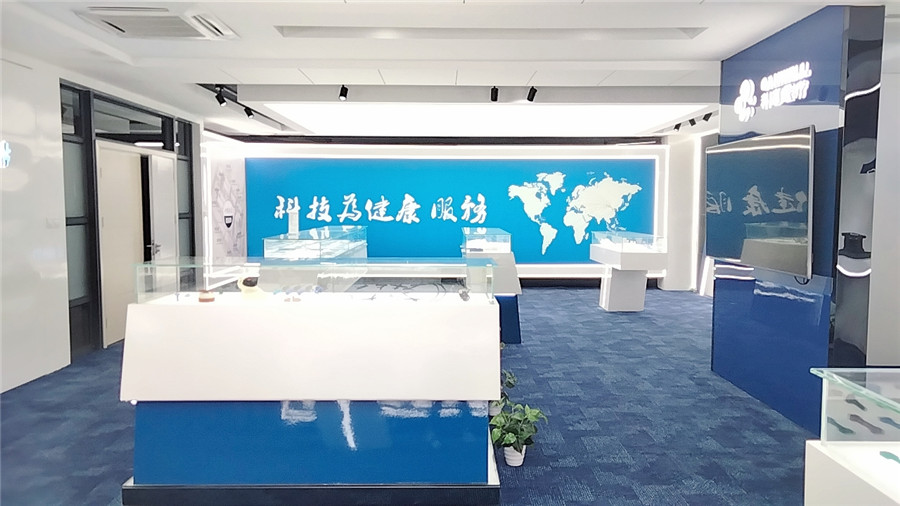
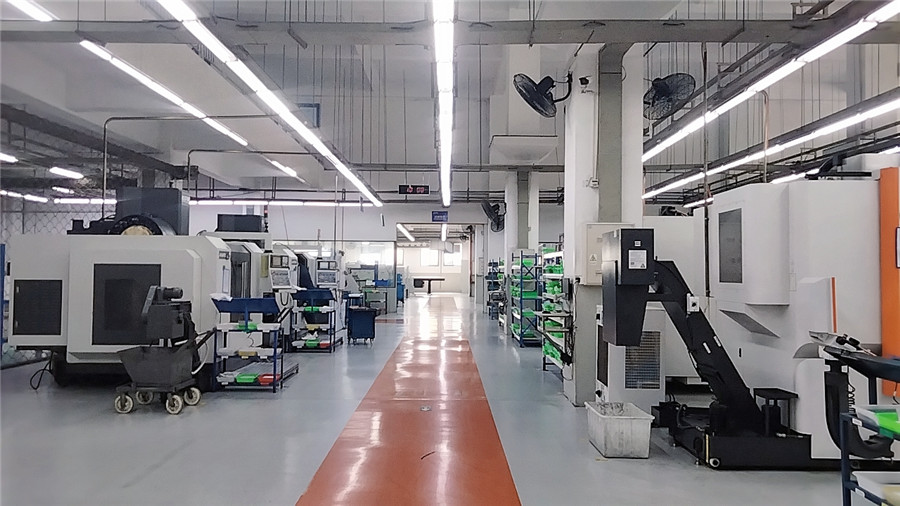
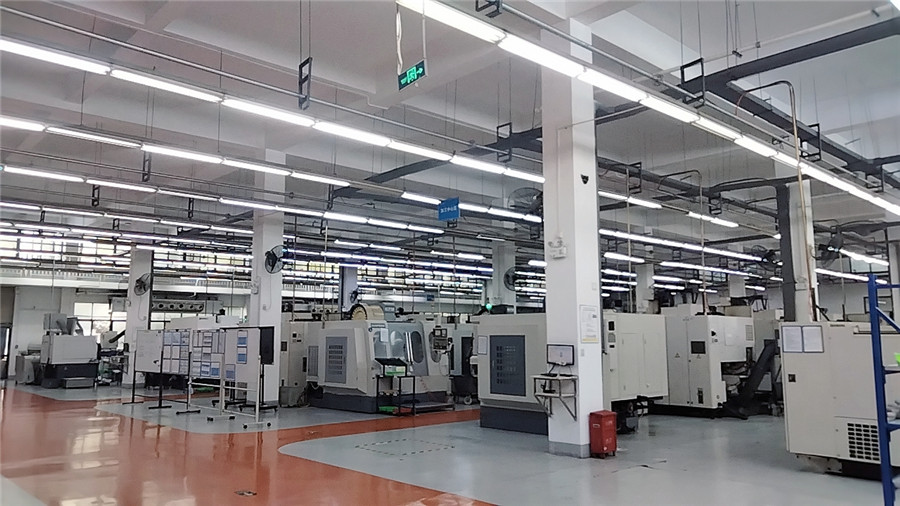
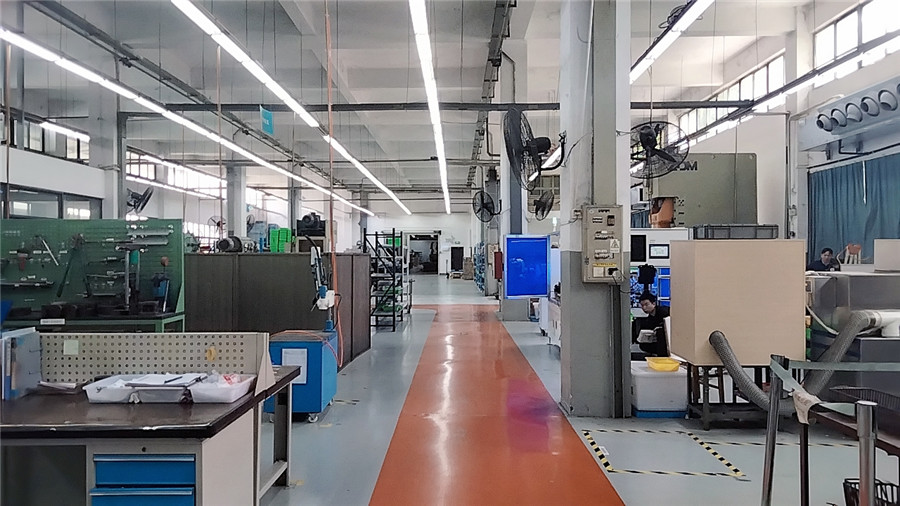
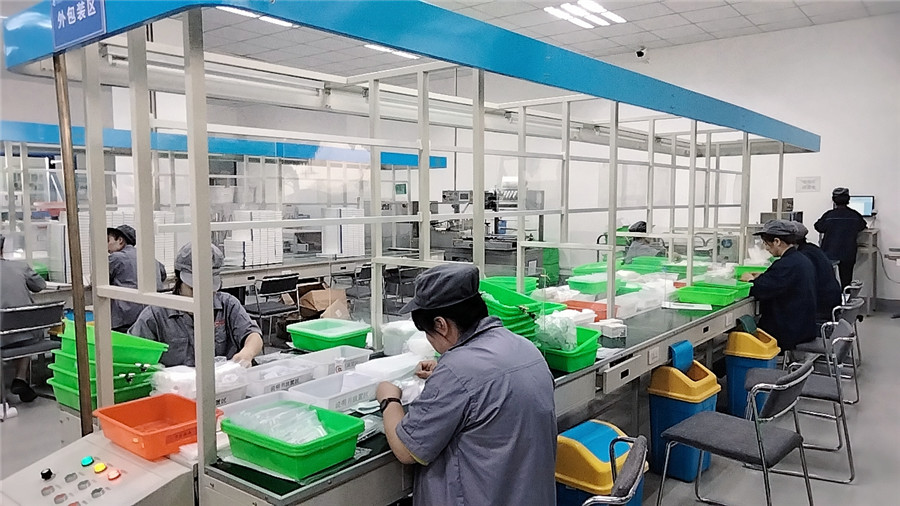
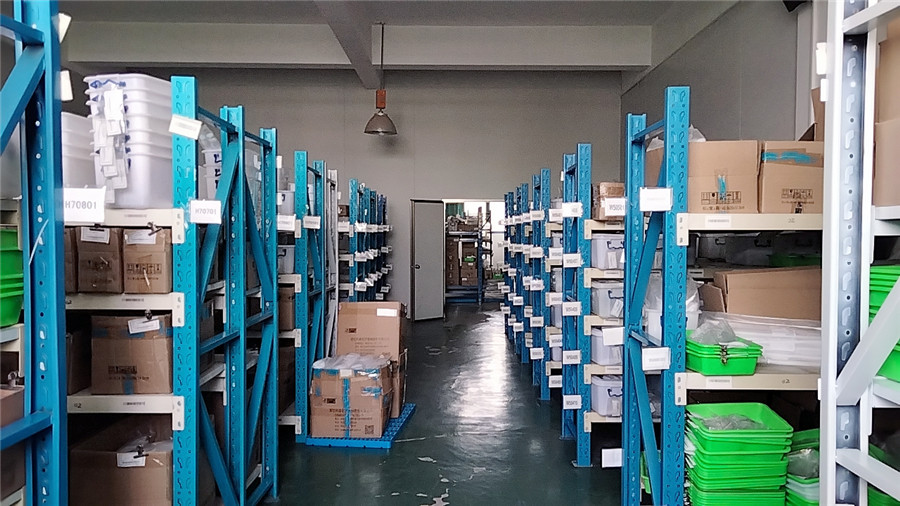
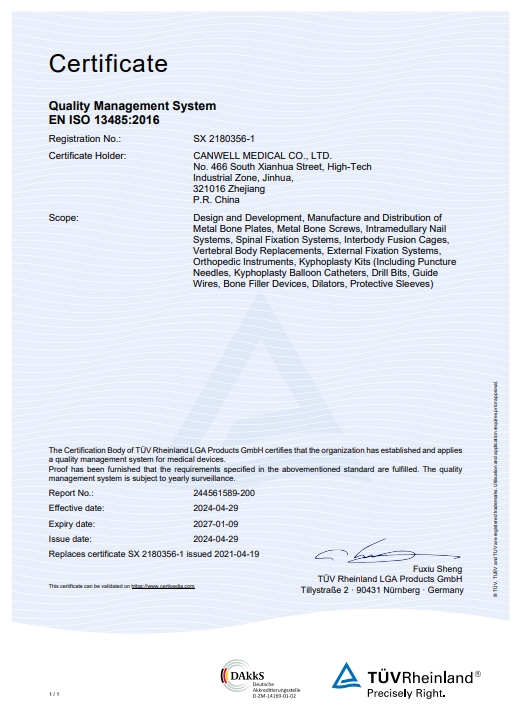
KaiSo has established a complete Quality Assurance System to continuously fulfil the requirements according to ISO9001, 13485, CE, ranging from material procurement to design development and automated production processes.
| Overview | Registration: 2004-11-03 | Exporting for 22 Years | Professional English Support |
|---|---|
| Quality Control | Inspection of all products | 69 QA/QC Inspectors | Full Raw Material Traceability |
| Main Markets | South America (30%), Southeast Asia (20%), Western Europe (20%) |
| R&D Capabilities | 59 Graduate Engineers | Light Customization | Sample & Graphic Processing |
The next frontier in knee replacement lies in Biological Integration. We are actively researching bioactive coatings such as Hydroxyapatite (HA) combined with porous titanium structures created via 3D Printing (Additive Manufacturing). These technologies promote rapid osseointegration, ensuring the implant becomes a literal extension of the patient’s skeletal system.
Furthermore, the rise of Smart Implants equipped with embedded micro-sensors will allow surgeons to monitor post-operative gait analysis and joint pressure in real-time via smartphone apps, revolutionizing rehabilitation protocols.
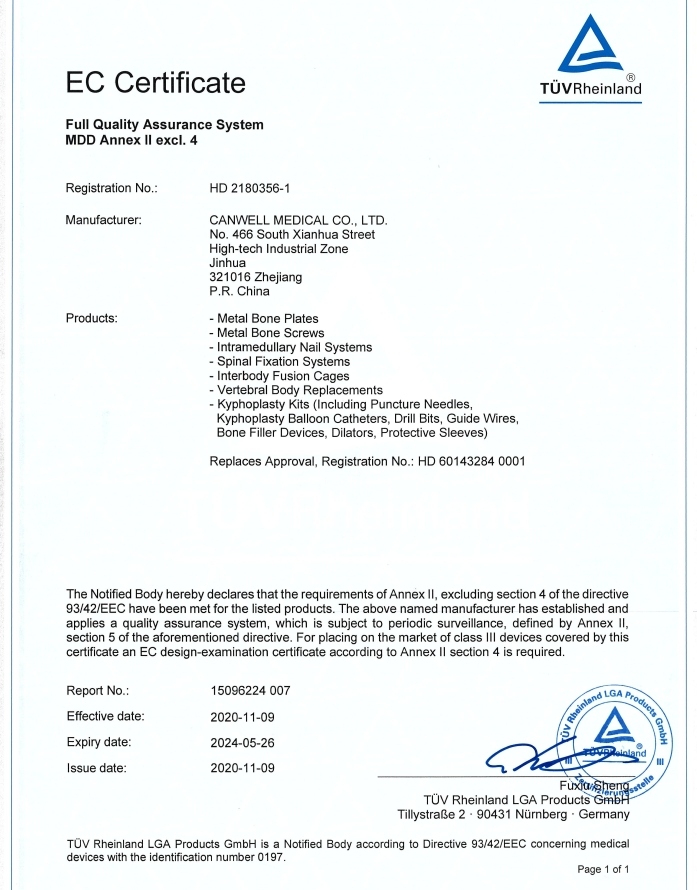
Our products strictly adhere to the Medical Device Regulation (MDR 2017/745), ensuring the highest safety standards for the European market and beyond.
Certified quality management systems specifically for medical devices, covering the entire lifecycle from design to distribution.
We provide localized regulatory support (Dossier preparation) for distributors in South America, Southeast Asia, and Europe to accelerate market entry.

Most premium implants utilize Cobalt-Chromium-Molybdenum (CoCrMo) for the femoral component and Ultra-High Molecular Weight Polyethylene (UHMWPE) for the tibial insert. Titanium alloy is often used for the tibial tray due to its superior biocompatibility and elastic modulus similar to human bone.
We use surgical-grade stainless steel and medical-grade titanium alloys. Every batch undergoes rigorous fatigue testing and corrosion resistance analysis before shipment, as evidenced by our 22-year industry track record.
Yes. With 59 R&D engineers, we specialize in "Customized on Demand" services. This includes graphic processing for unique surgical techniques and light customization of existing instrument sets to meet specific hospital procurement requirements.
Lead times vary depending on the product complexity and order volume. However, as an established exporter for over two decades, we have optimized supply chain partnerships to provide competitive delivery schedules across Western Europe and the Americas.
 KaiSo Medical