Engineered for anatomical precision, rigid post-sternotomy stability, and accelerated bone healing in high-demand surgical units in Mbarara.
Understanding the clinical demand, trauma logistics, and post-operative care needs across Western Uganda's primary medical hubs.
As the commercial and medical epicenter of Western Uganda, Mbarara serves a catchment population of over 5 million people, including referrals from Isingiro, Ntungamo, Bushenyi, and neighboring East African borders. Hospitals like Mbarara Regional Referral Hospital (MRRH) and specialized private surgical centers are expanding cardiothoracic, orthopedic, and trauma surgery capabilities, generating an increasing demand for rigid sternal closure systems.
The high volume of blunt chest trauma from the Mbarara-Masaka-Kambala highway corridor, combined with elective post-median sternotomy procedures, necessitates fixation solutions that prevent sternal dehiscence, nonunion, and mediastinitis. Traditional wire osteosynthesis often fails in high-risk patients (COPD, osteoporosis, high BMI), making rigid titanium locking plate systems the gold standard.
Healthcare procurement officers and surgical department heads in Mbarara require reliable OEM direct suppliers that guarantee continuous supply, strict ISO 13485 certification, complete material traceability, and quick customs clearance via Entebbe International Airport or the Mombasa-Kampala-Mbarara logistics channel.
Why Titanium Locking Rigid Fixation Outperforms Wire Closure in Modern Thoracic Surgery
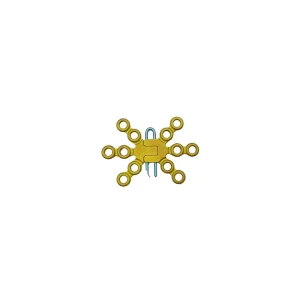
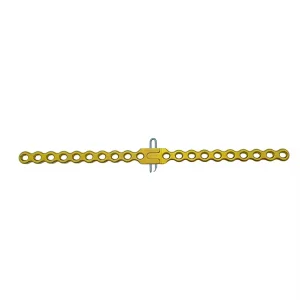
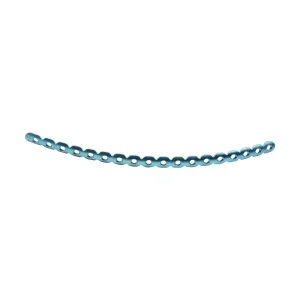
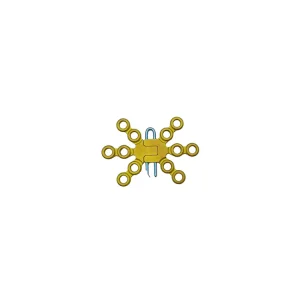
The sternum is subjected to multidirectional dynamic stress caused by respiration, coughing, and patient movement. Traditional stainless steel cerclage wires provide limited resistance to shear forces, which can lead to sternal wire cutout, bone fragmentation, chronic pain, or fatal deep sternal wound infections (DSWI). Our Sternal Fixation System utilizes anatomical low-profile Titanium Locking Plates with self-tapping multi-directional locking screws. This creates a rigid construct that transfers mechanical load across the entire sternal body and manubrium.
Furthermore, for urgent cardiac emergency re-entry, our plates incorporate rapid-release center spans or cut-out lines, allowing thoracic surgeons in Mbarara to re-open the sternum in seconds using standard wire cutters or emergency release instruments supplied with the specialized tray.
Empowering African medical device distributors with direct factory pricing, high production capacity, and uncompromised quality.
| Evaluation Parameter | Direct Chinese Factory Model (KaiSo Medical) | Traditional European / US Brands |
|---|---|---|
| Cost to Mbarara Hospitals | Factory-direct pricing; 40-60% cost reduction without quality compromise | High distributor markups, elevated royalty and brand premiums |
| Raw Material Quality | Medical-grade Titanium Alloy (Ti-6Al-4V ELI) complying with ASTM F136 | ASTM F136 / ISO 5832-3 compliant titanium alloy |
| Customization & OEM Support | Full light customization, OEM labeling, custom tray configurations for Mbarara clinics | Rigid product offerings; minimal customization flexibility |
| Lead Times & Stock Availability | Large-scale automated production; rapid airfreight dispatch within 5-7 days | Often hampered by regional hub stocking delays and long lead times |
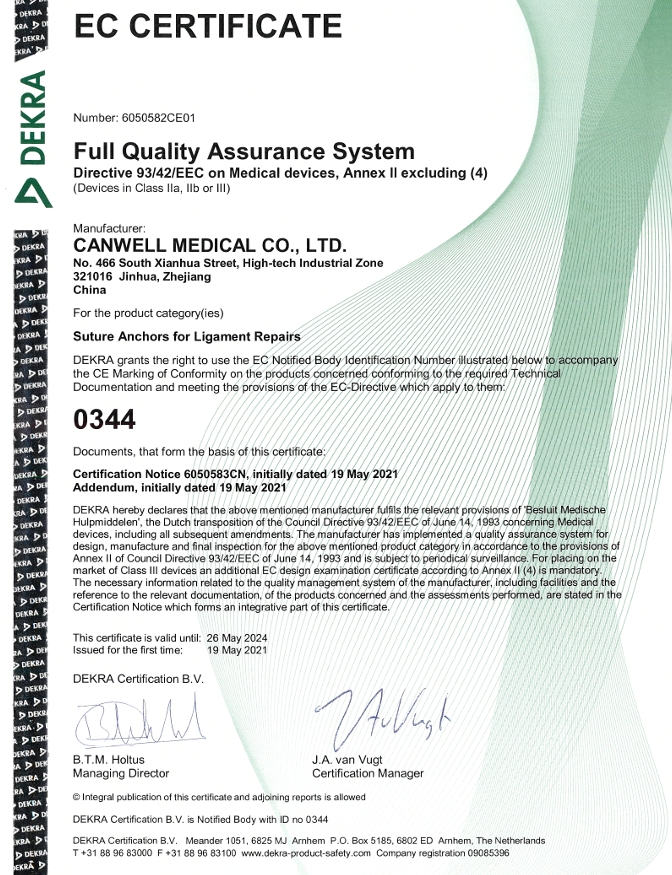
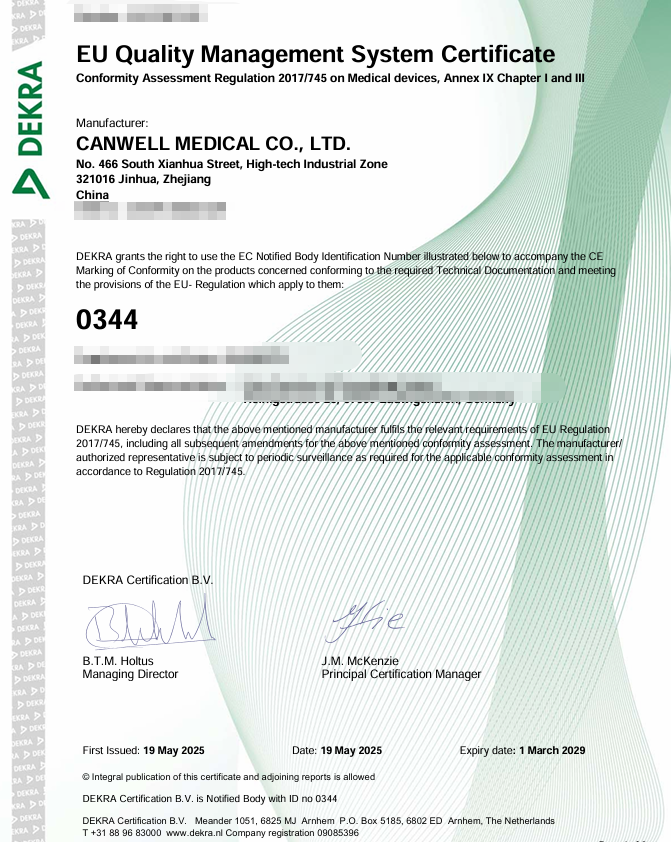
| Regulatory Approvals | Full ISO 13485:2016, EU MDD 93/42/EEC, EU MDR (2017/745) compliance | CE & US FDA certified |
Operating under rigorous international medical device quality systems with complete raw material traceability.
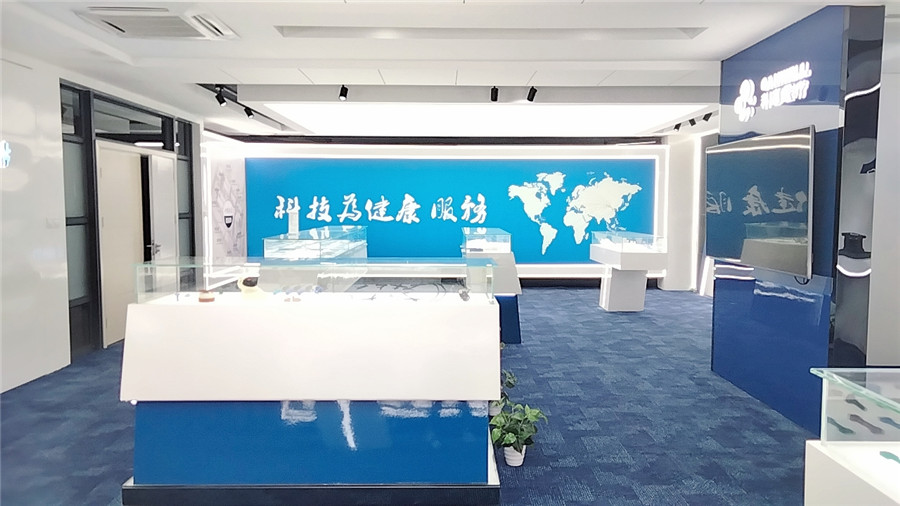
| Company Registration Date | 2004-11-03 | Total Production Footprint | 29,523 m² State-of-the-Art Facility |
| Industry & Export Experience | 22 Years of Medical Device Manufacturing | Quality Control Personnel | 69 Dedicated QA/QC Inspectors |
| R&D Engineering Team | 59 Specialized Engineers (100% Graduate level) | Raw Material Traceability | 100% Verified Batch-to-Heat Traceability |
| Global Export Footprint | South America (30%), Western Europe (20%), SE Asia (20%), Africa & East Asia (30%) | Accepted Trading Languages | English, French, Spanish |
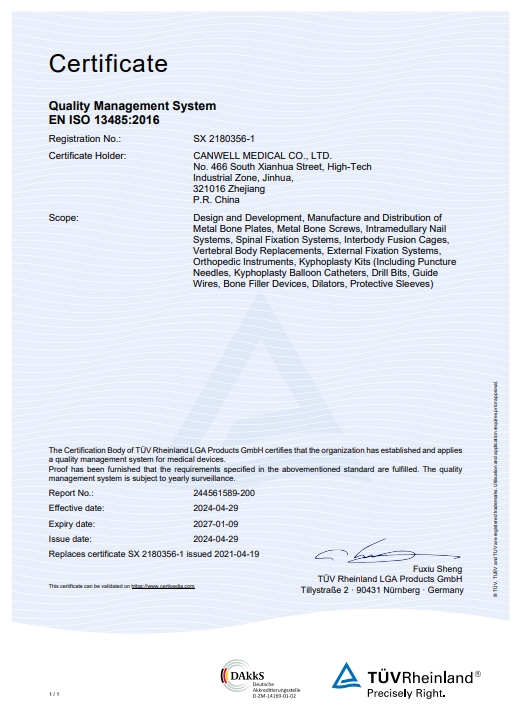

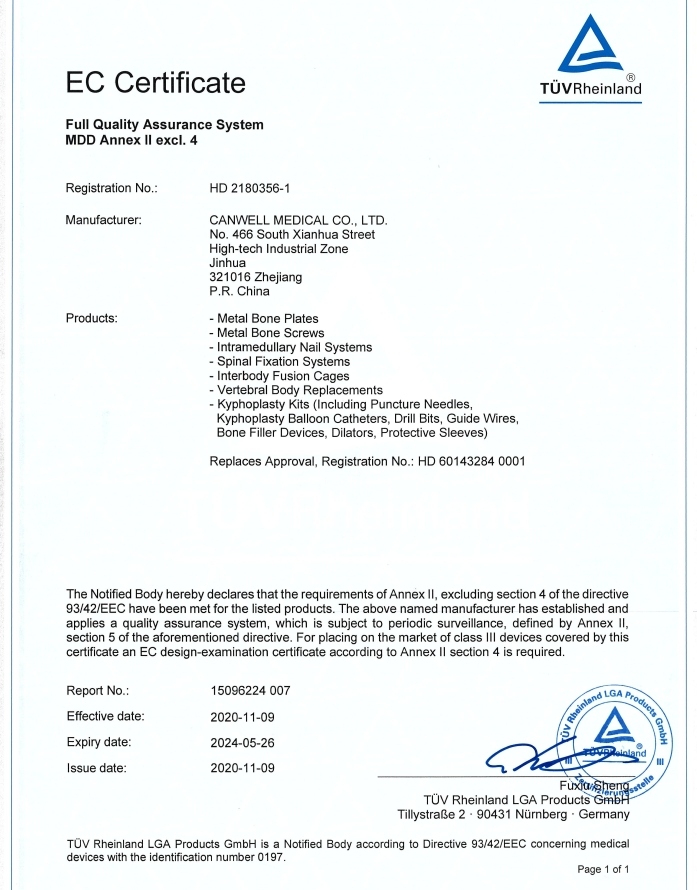


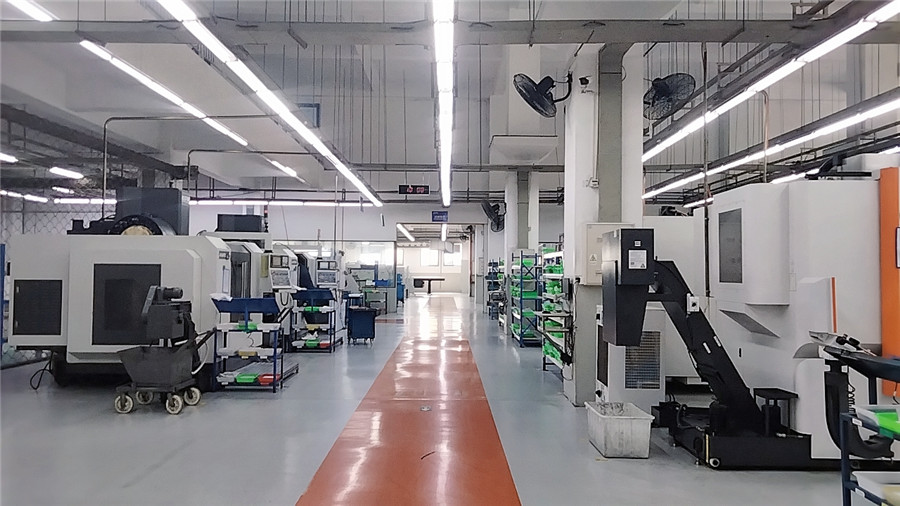
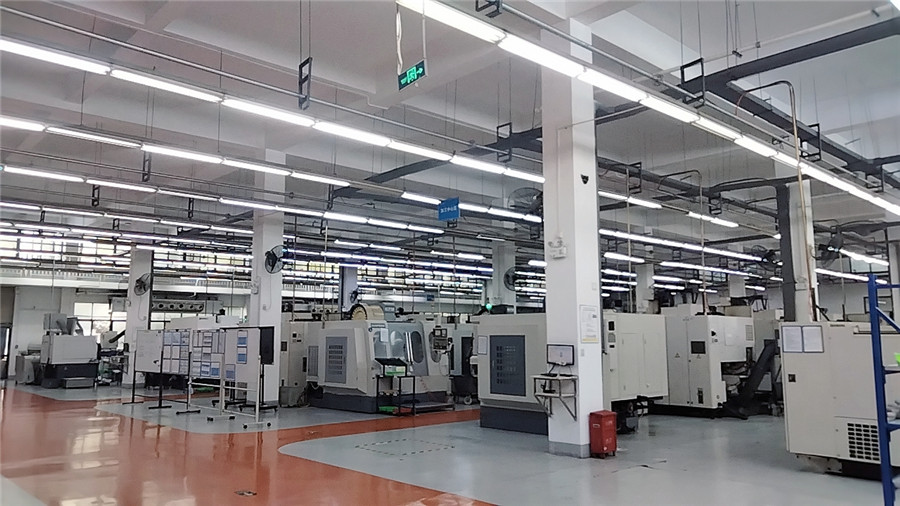
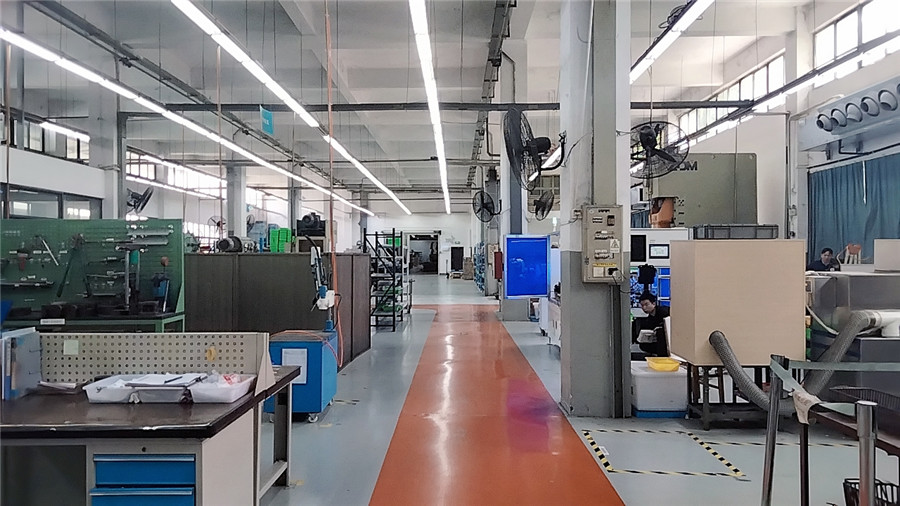
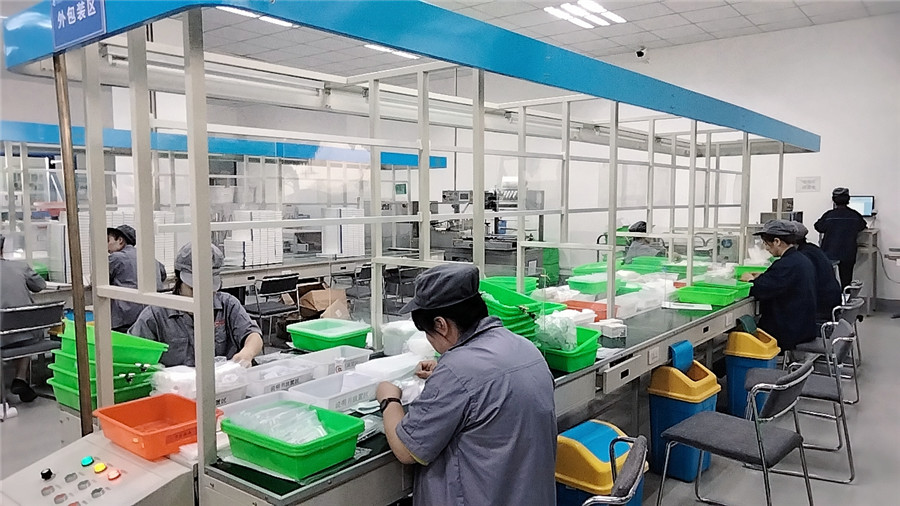
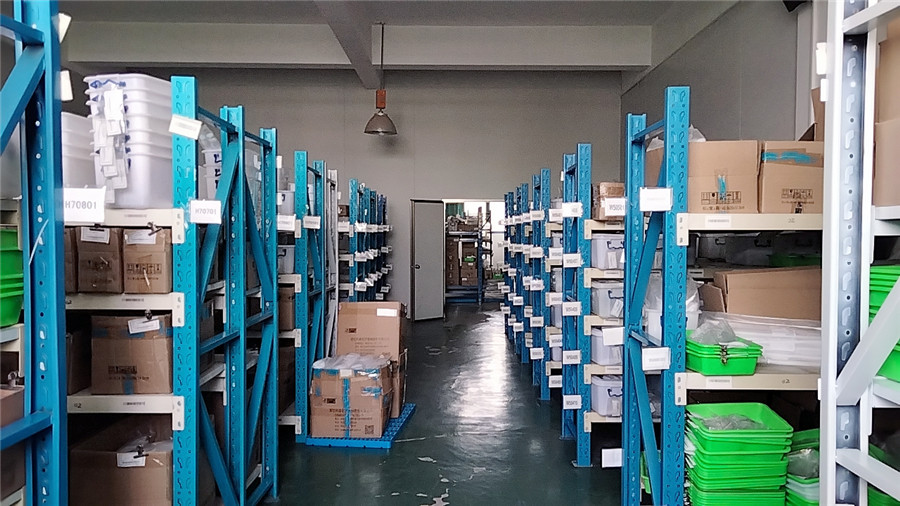
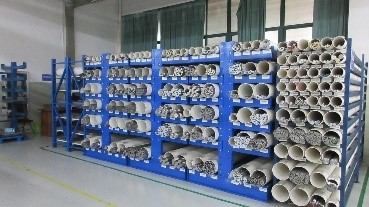
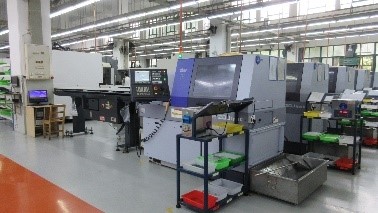
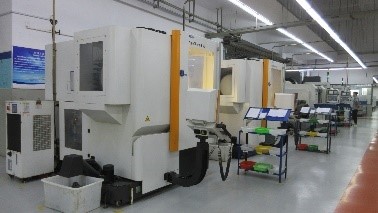
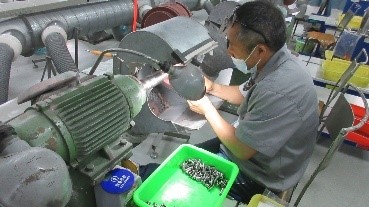
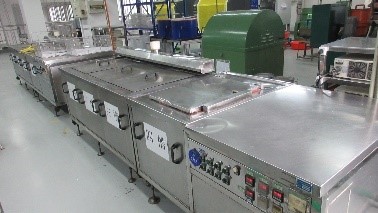
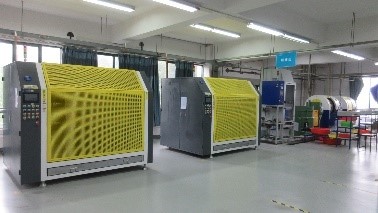
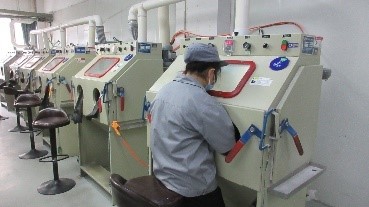
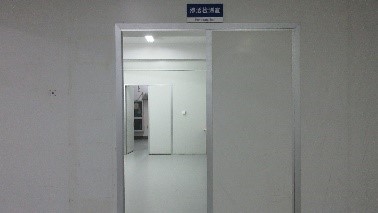
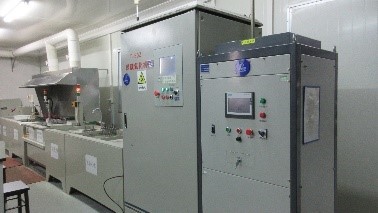
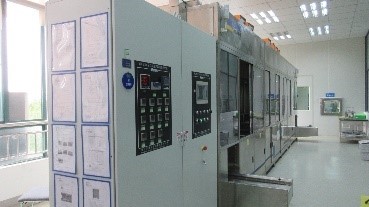
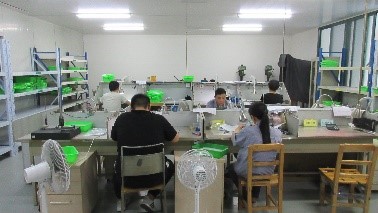
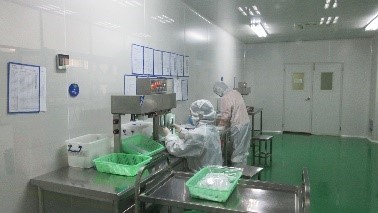
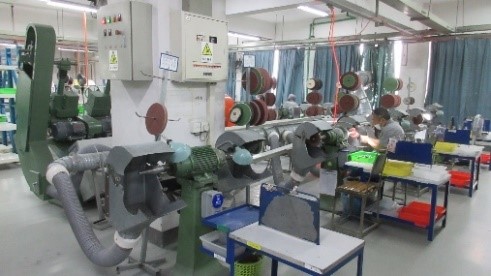
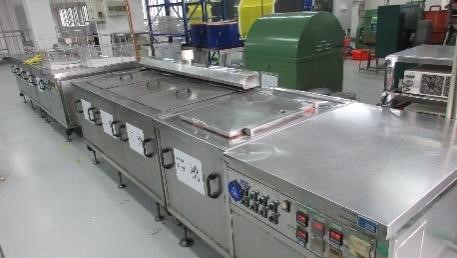
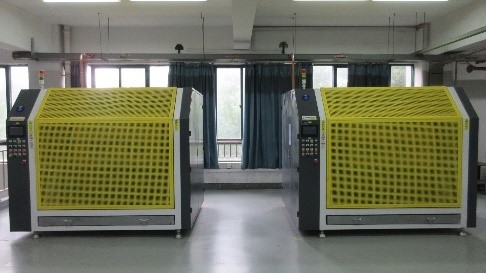
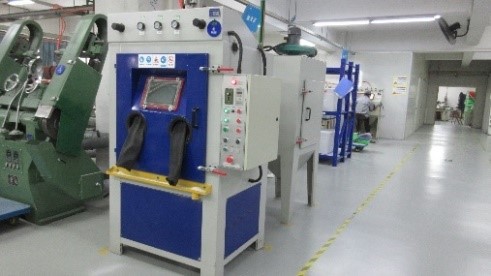
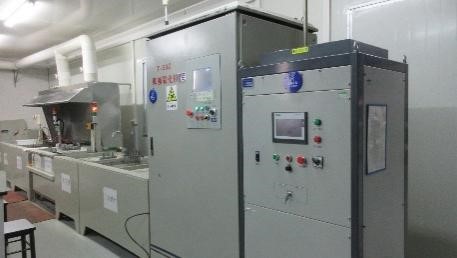
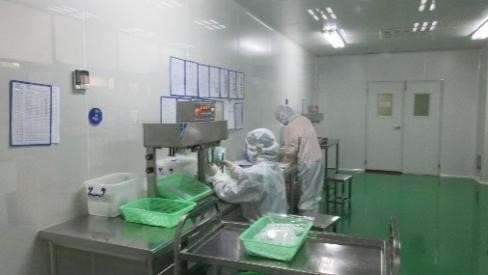
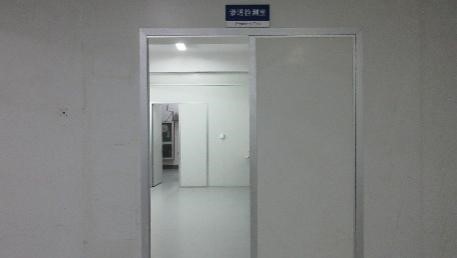
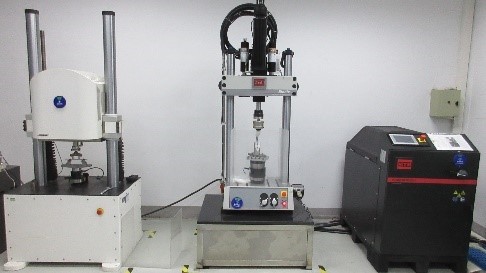
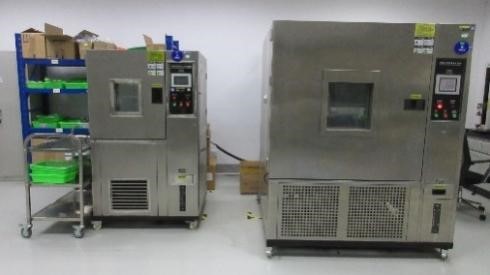
Our 29,523 m² production base is equipped with German CNC 5-axis machining centers, Japanese Citizen Swiss-type automatic lathes, automated anodization lines, and ISO Class 7 cleanrooms to guarantee immaculate implant quality for the Mbarara medical market.
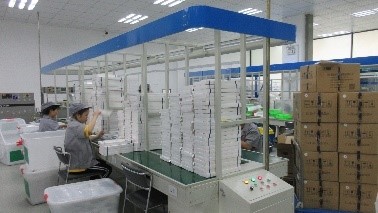
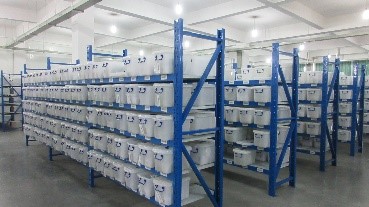
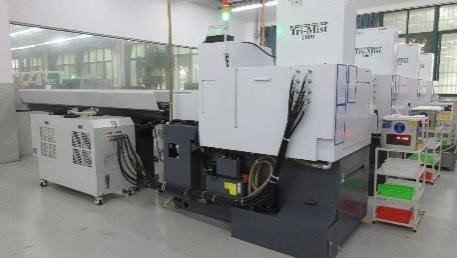
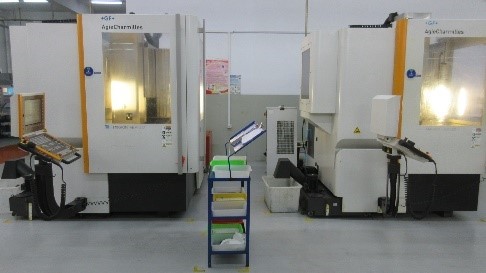
Ensuring seamless import, regulatory compliance, and surgical instrument training across Mbarara surgical centers.
We coordinate direct shipping protocols into Uganda via Entebbe International Airport (EBB) for express air shipment of urgent surgical implants, or sea-freight via Mombasa Port linked to the Northern Corridor highway directly into Mbarara hub warehouses.
All exported sternal fixation products are delivered with complete documentation required by the Uganda National Bureau of Standards (UNBS) and National Drug Authority (NDA), including Certificate of Analysis (CoA), ISO 13485 certificates, and batch sterilization records.
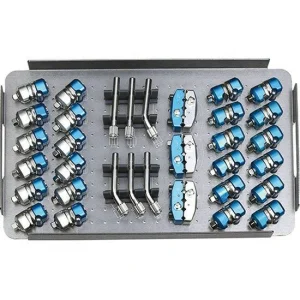
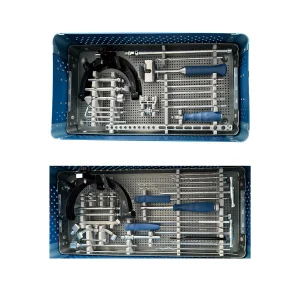
To facilitate immediate clinical adoption in Mbarara operating theaters, our sternal fixation systems are packaged in fully autoclavable graphic aluminum trays containing bending pliers, depth gauges, torque-limiting screwdrivers, and emergency cut-out instruments.
A Whitepaper Insight on the Paradigm Shift from Wire Cerclage to Rigid Sternal Osteosynthesis
Median sternotomy remains the standard surgical approach for open-heart surgery, coronary artery bypass grafting (CABG), and complex thoracic procedures worldwide. Historically, wire cerclage was favored due to low upfront costs. However, extensive clinical research over the past decade demonstrates that wire closure suffers from high complication rates in high-risk patient cohorts—such as those with diabetes mellitus, chronic obstructive pulmonary disease (COPD), renal failure, or advanced age.
The global healthcare market is rapidly transitioning toward Rigid Sternal Fixation Systems. Modern titanium locking plate constructs provide rigid multi-planar fixation that drastically reduces interfragmentary motion during coughing and physiological movement. Comparative clinical studies show that rigid plate osteosynthesis reduces sternal wound infection rates by up to 65%, lowers post-operative pain scores, shortens intensive care unit (ICU) stays, and decreases re-operation rates due to nonunion. For hospital administrators and chief surgeons in Mbarara, investing in rigid fixation represents both superior patient care and long-term healthcare cost containment.
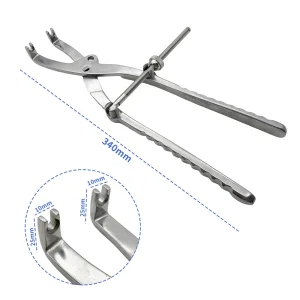
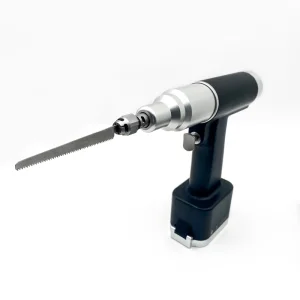
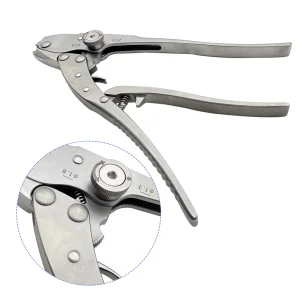
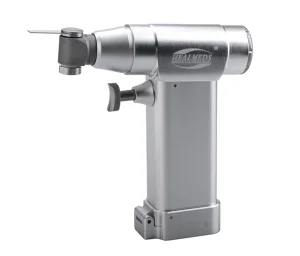
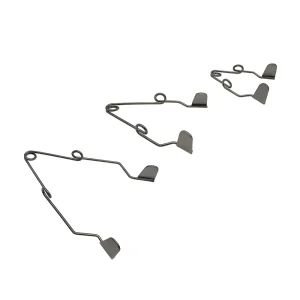
Explore our full line of orthopedic plates, neurosurgical high-speed drills, power tools, and specialized surgical instrumentation for Mbarara medical distributors.

Addressing technical, procurement, and clinical queries for hospital buyers and distributors in Mbarara.
Equip your surgical center or distribution business in Mbarara with high-precision, CE & ISO certified sternal fixation systems directly from our factory.
Send Inquiry Now KaiSo Medical