Engineered for immediate stability and anatomical alignment, suitable for public and private healthcare facilities across Eritrea.
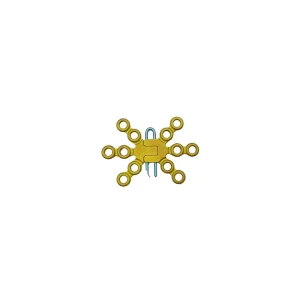
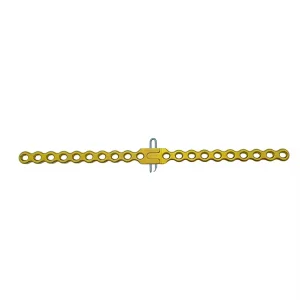
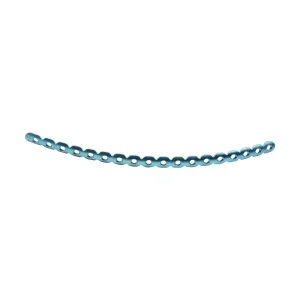
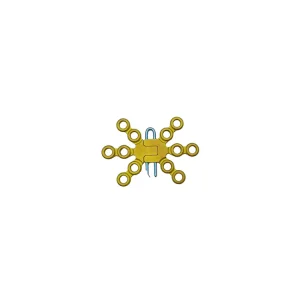
The healthcare infrastructure of Eritrea, centered primarily in major urban hubs like Asmara, Keren, and Massawa, is undergoing a phased modernization. Clinical institutions such as the Halibet National Referral Hospital and the Orotta National Referral Hospital are continuously upgrading their surgical offerings to handle complex cardiothoracic interventions and severe orthopedic trauma. Crucial to this effort is the acquisition of certified, biocompatible Sternal Fixation Systems.
Historically, sternal closures post-sternotomy relied on stainless steel wire cerclage. However, clinical studies indicate that rigid plate fixation offers superior biomechanical stability. In Eritrea's diverse climatic conditions—ranging from high-altitude arid regions like Asmara to warm coastal climates near Massawa—surgical implants must resist corrosion while maintaining absolute structural integrity. KaiSo’s pure titanium and titanium-alloy fixation plates provide high fatigue resistance, significantly reducing the risks of sternal dehiscence, mediastinitis, and postoperative chest pain.
Local distributors and institutional procurement directors in East Africa face challenges including long transit cycles and complex regulatory verification. Meeting this demand requires direct partnerships with manufacturers capable of providing complete material traceability, international certifications (CE, ISO 13485), and reliable logistics support.
Traditional wire cerclage can cut through soft osteoporotic bone under physical strain, leading to micro-motion and delayed healing. KaiSo's rigid lock plate systems distribute functional load across a broader bone surface area, enabling:
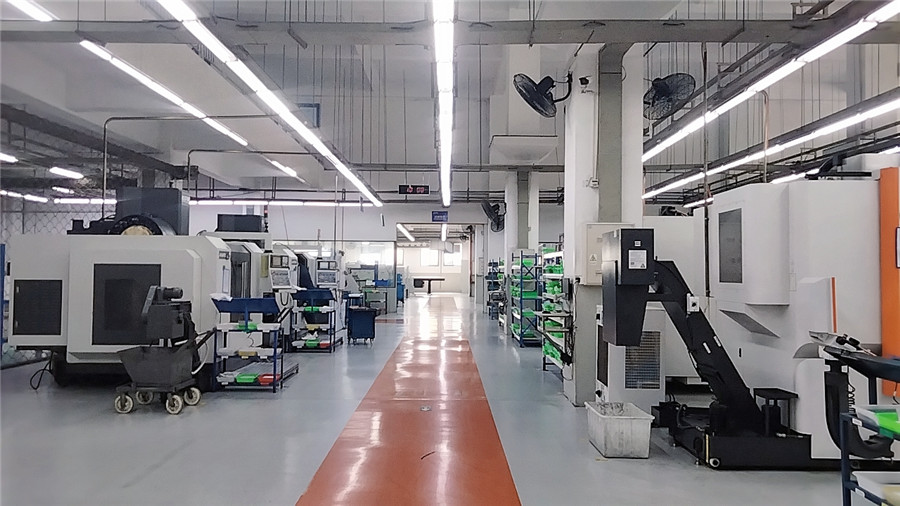
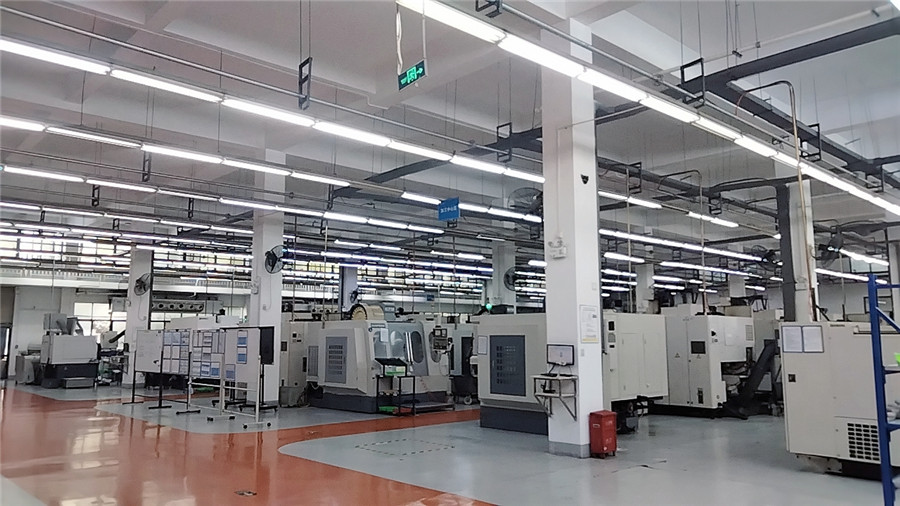
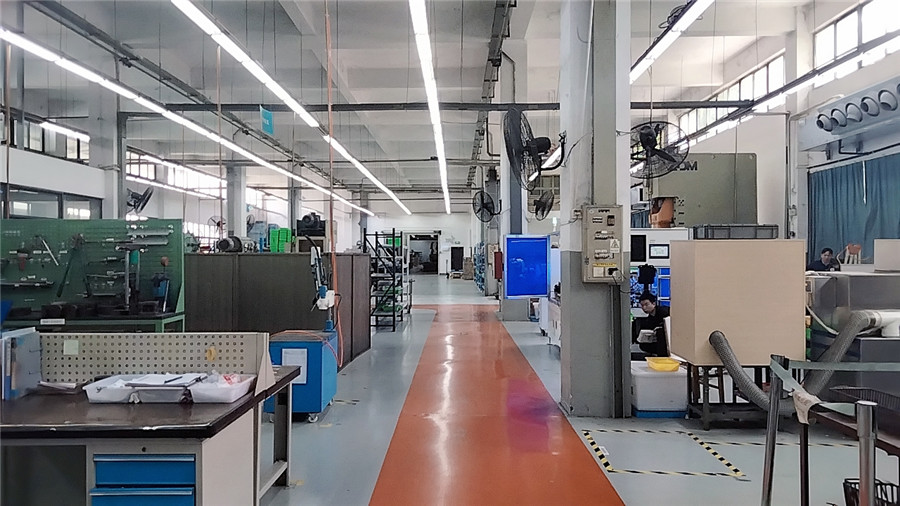
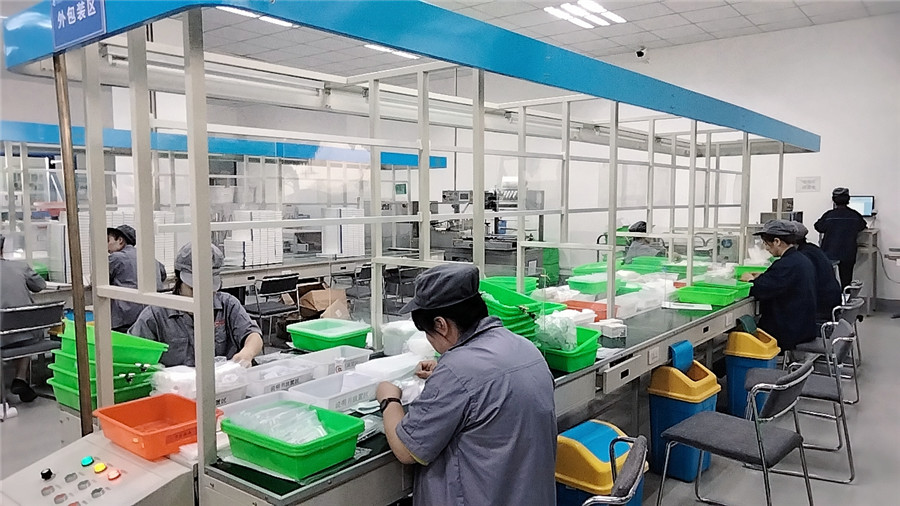
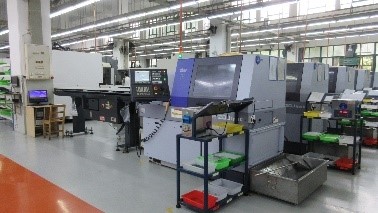
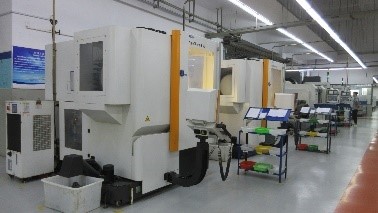
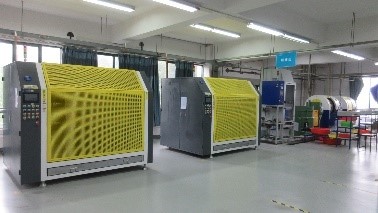
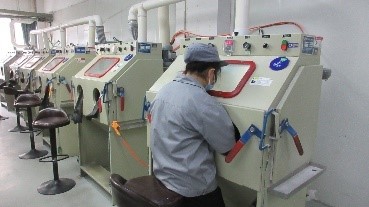
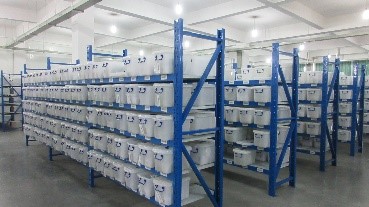
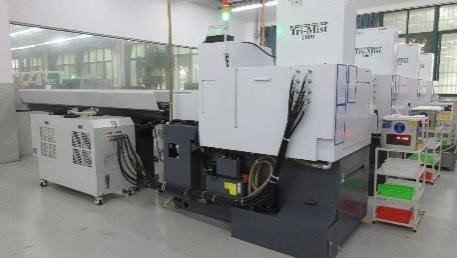
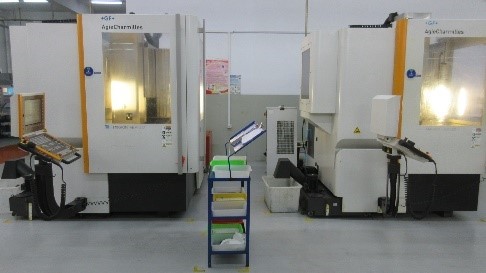
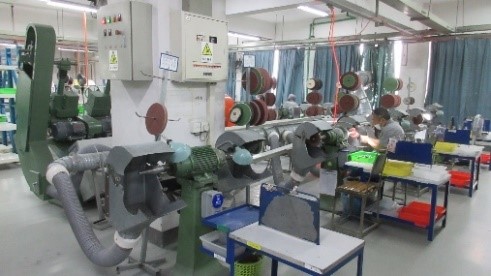
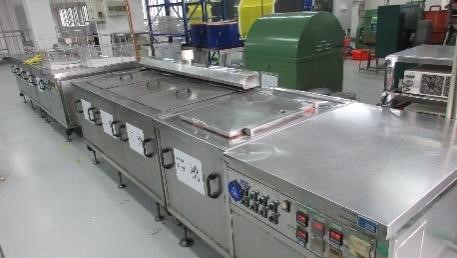
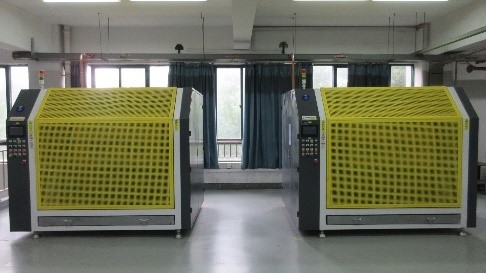
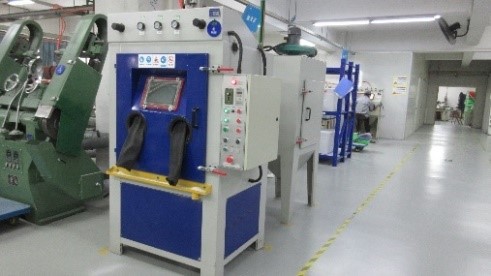
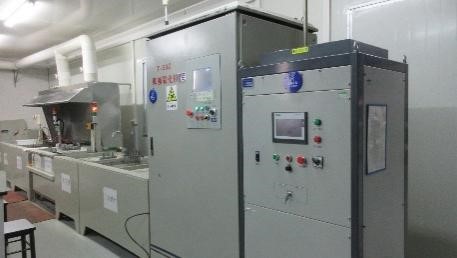
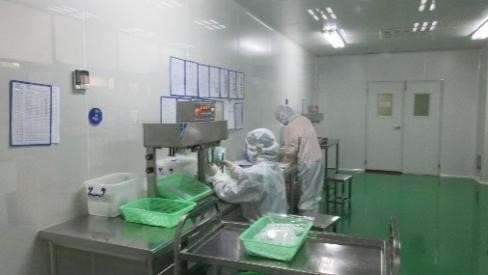
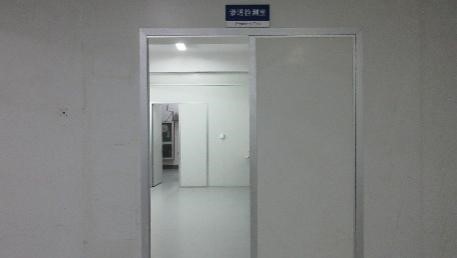
KaiSo operates a state-of-the-art 29,523 m² manufacturing facility, using high-precision CNC machinery and automated quality control protocols to ensure compliance with global healthcare standards.
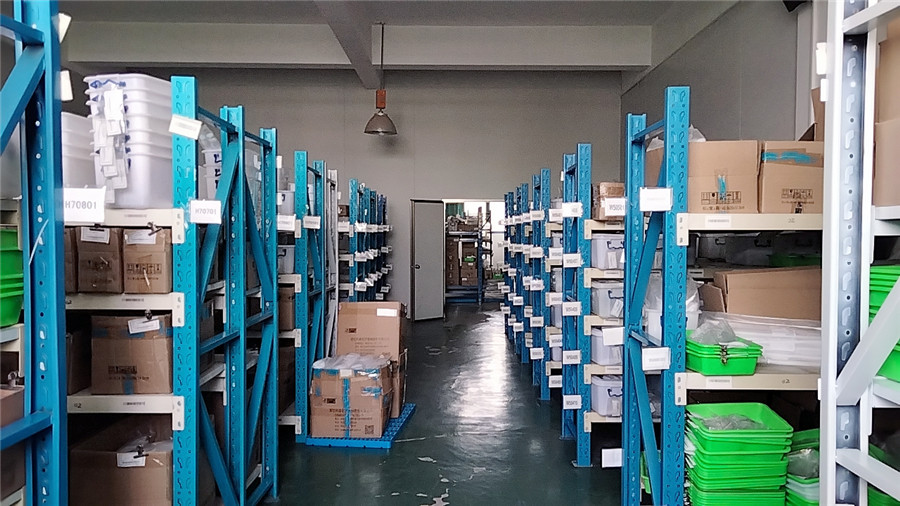
We source medical-grade titanium (Gr. 3, Gr. 4, and Ti-6Al-4V) with comprehensive chemical composition certifications, matching the standards of leading trauma centers worldwide.
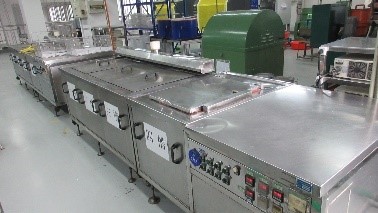
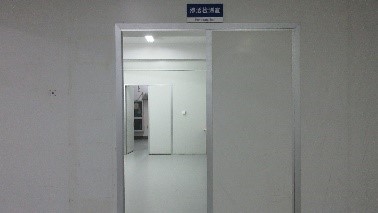
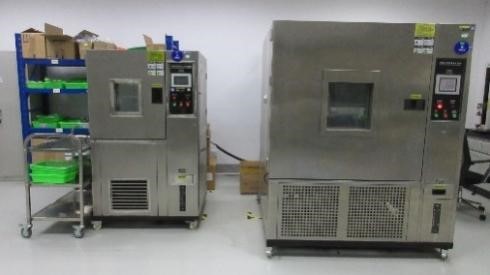
With 69 dedicated QA/QC inspectors, we perform raw material testing, in-line visual and dimensional audits, and post-anodizing checks for full traceability.
Our modern CNC milling centers produce low-profile plates that conform to anatomical curves, minimizing tactile sensation for the patient.
Expanding clinical capabilities with high-durability instrument sets and specialty bone plates designed for complex trauma surgeries.
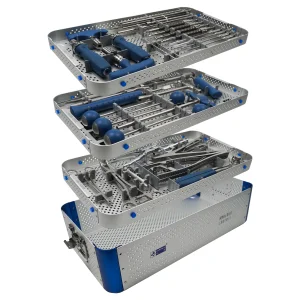
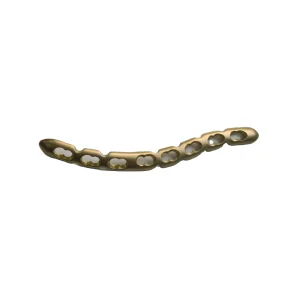
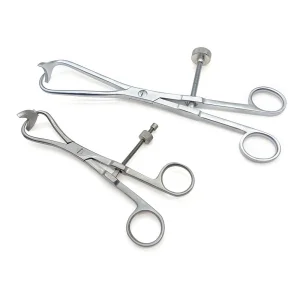
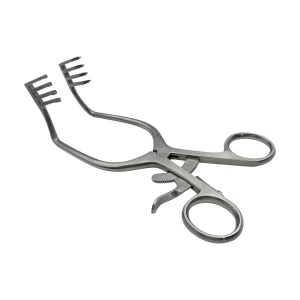
Procuring high-value surgical implants in the Horn of Africa requires balancing cost-efficiency with high product standards and dependable shipping lanes.
Shipping medical cargo to Eritrea involves navigating specific regional customs rules. We maintain partnerships with cargo carriers to coordinate customs clearance at Massawa Port and Asmara International Airport (ASM).
For B2B wholesalers and public tender representatives, regulatory approval is critical. The Ministry of Health of Eritrea maintains strict standards for bone-anchored foreign implants. Choosing KaiSo means purchasing products backed by internationally recognized credentials.
 ISO 13485 Certified
 93/42/EEC CE Mark
 MDR Compliant
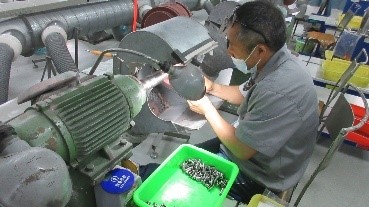
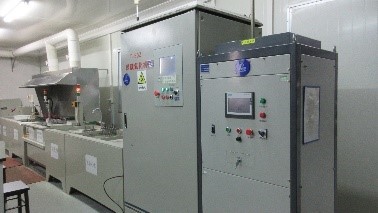
Our quality control systems track chemical and metallurgical properties from the raw ingot to final polishing, ensuring the stability and performance of every implant.
KaiSo has established a complete Quality Assurance System to continuously fulfill the requirements according to ISO9001, 13485, CE, ranging from material procurement to design development and automated production processes. Below is our formal registry details and manufacturing framework.
| Profile Specification | Operational Status & Capacity |
|---|---|
| Company Registration Date | 2004-11-03 |
| Floor Space (㎡) | 29,523 square meters |
| Accepted Communication Languages | English |
| Years in Industry & Exporting | 22 Years |
| Quality Control Protocol | Full raw material traceability, 100% inspection line, random validation, client-specified protocols |
| Primary Export Regions | South America (30%), Southeast Asia (20%), Western Europe (20%), Middle East & Africa (expanding) |
| R&D Capabilities | 59 Graduate engineers providing light customization, drawing processing, and custom prototype modeling |
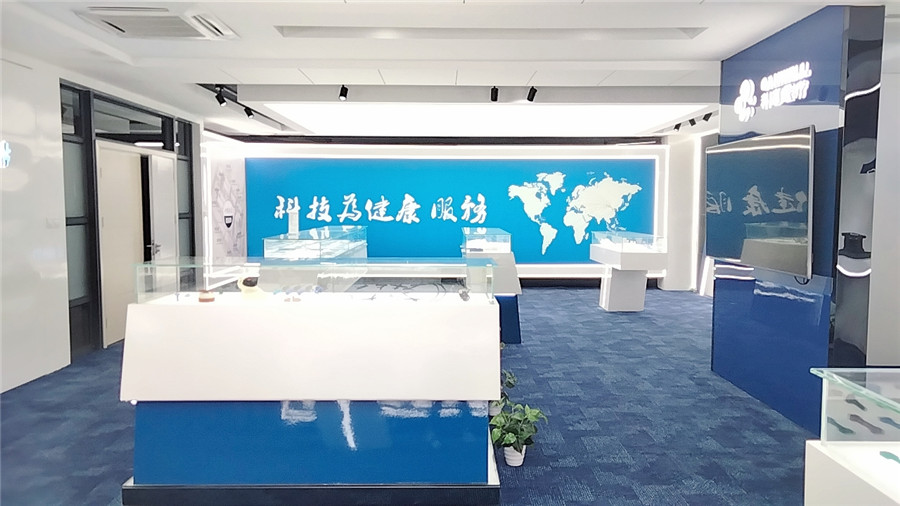
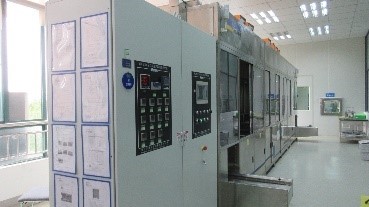
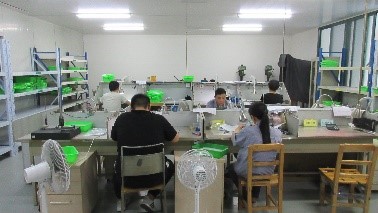
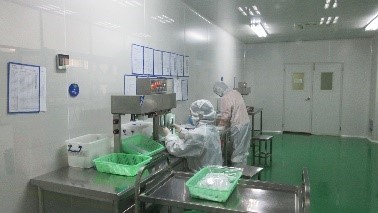
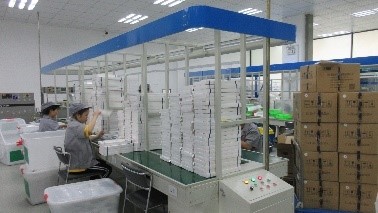
Explore our core implant profiles, structural trauma plates, and specialized manual retractors constructed for long-term physiological stability.
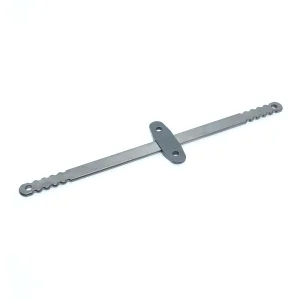
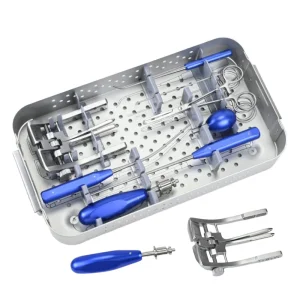
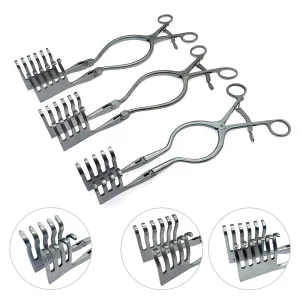
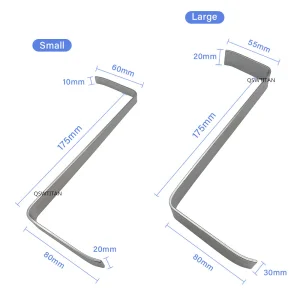
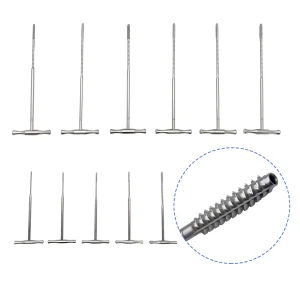
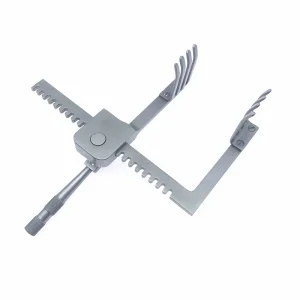
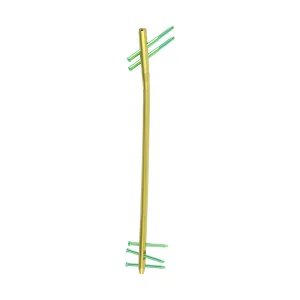
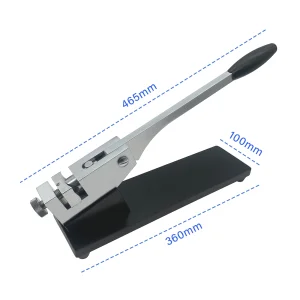
Sternal stability is essential for minimizing complications after a median sternotomy. When patients cough, sneeze, or change positions, they subject the healing sternum to lateral, shear, and rotational forces. Wire cerclages can cause point-contact stress concentration, which may lead to bone cutting or structural failure under high dynamic loads.
KaiSo Sternal Plates use a locking screw mechanism to convert dynamic loads into compressive forces across the bone surface. This design helps prevent localized bone resorption and helps secure the implant against translational and rotational displacement.
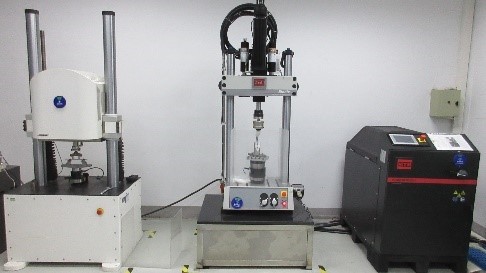
Our titanium implants undergo fatigue cycle testing (up to 100,000 cycles at dynamic load limits) to simulate the physiological chest movements of healing patients. The low-profile profile design of our sternal plates (typically 1.5mm to 2.0mm thickness) balance structural stiffness with thin configurations to limit hardware awareness in thin or asthenic individuals.
Our titanium implants are anodized to form a stable titanium dioxide layer. This bio-inert layer prevents chemical reactions with body fluids, minimizes ion release, and provides a surface structure that supports bone cell attachment. As a result, the implants provide reliable long-term support for patients undergoing complex thoracic wall reconstructions.
Technical details and support information for healthcare institutions, orthopedic distributors, and surgical clinics in Eritrea.
Yes. KaiSo Sternal Plates and instruments are made from medical-grade titanium and stainless steel. They are compatible with conventional steam autoclaving (134°C) and Ethylene Oxide (EO) sterilization cycles used in referral hospitals in Eritrea.
For standard catalog items, production takes 15 to 30 days depending on volume. Air freight to Asmara International Airport takes 7 to 10 days, while ocean shipping to Massawa Port takes 30 to 45 days. We coordinate documentation to assist with import customs clearance.
Yes, we offer customization services. Backed by 59 R&D engineers, we can produce plates based on your dimensions, custom drawings, or patient-specific surgical requirements.
Every batch of raw titanium is tested for chemical composition. Finished products are marked with unique lot and batch numbers, allowing tracing from raw ingot to final chemical anodizing and sterilization packaging.
Get in touch with our technical sales engineers for bulk pricing, product brochures, or custom manufacturing options for the Eritrean market.
Send Inquiry Now KaiSo Medical