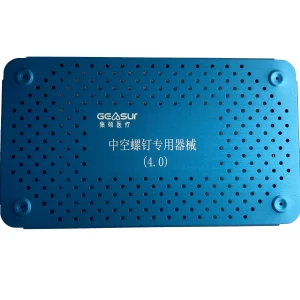
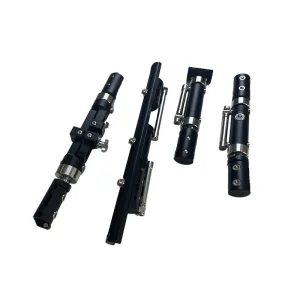
Direct access to our clinically validated orthopedic medical tools, precision bone fasteners, and anatomical reduction configurations designed for operating theater reliability.
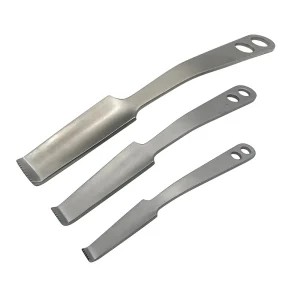
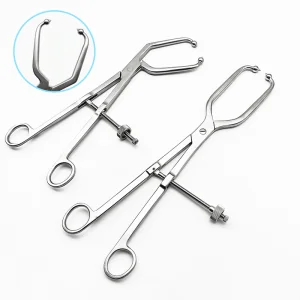
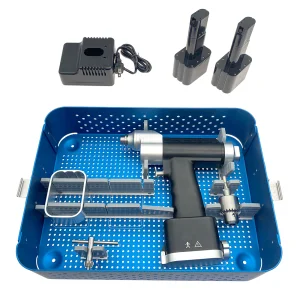
A macroeconomic perspective on strategic sourcing in orthopedic hardware: balancing cost efficiencies, raw material compliance, and absolute mechanical safety.
Modern clinical systems and global healthcare networks face an escalating need to reconcile volume purchasing budgets with uncompromising patient safety constraints. Choosing a primary surgical implants supplier and exporter involves structural evaluations far beyond standard unit pricing comparisons. Procurement executives at tier-one healthcare facilities, governmental procurement agencies, and private distributors demand comprehensive material verification protocols and traceable validation lifecycles.
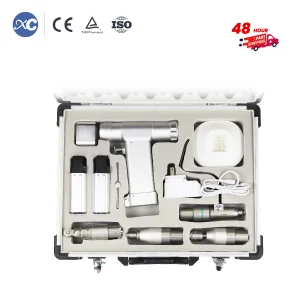
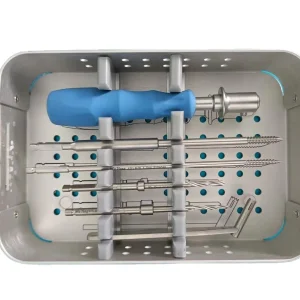
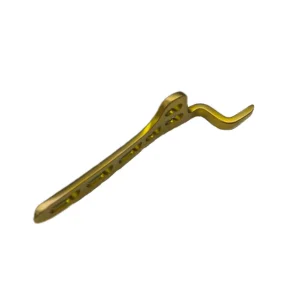
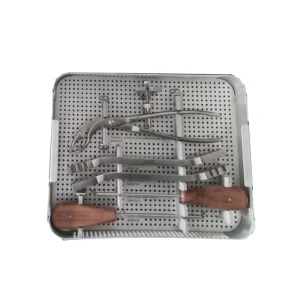
Whether deploying low-profile trauma systems like our Geasure Micro Plate Clavicula Locking Plate or high-load configurations like our External Fixation Lower Limb Instrument Set, modern orthopedic implants require materials that minimize bio-rejection risks and resist dynamic stress fatigue inside the body over decades.
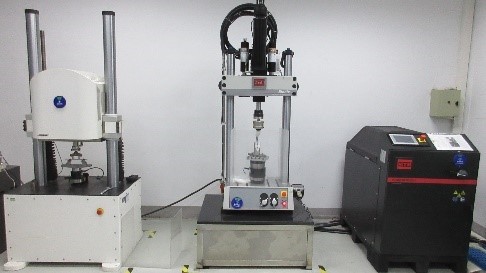
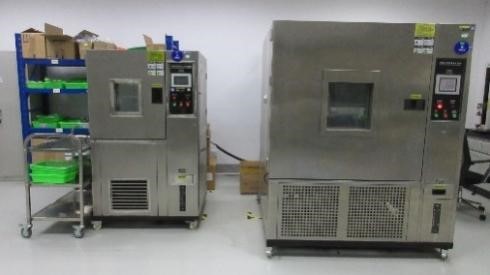
Global procurement metrics currently target five strategic anchors when qualifying implant manufacturers: structural raw material verification (such as Ti-6Al-4V ELI or medical-grade stainless steel conformant with ASTM F136), mechanical fatigue testing data, continuous batch traceability (raw ingot to sterile packaged implant), consistent precision machining tolerancing, and dynamic regulatory support capable of adapting to varying regional registrations. By securing strict controls at each phase of our automated production line, KaiSo helps global medical networks mitigate clinical failure risks and build resilient supplier redundancy.
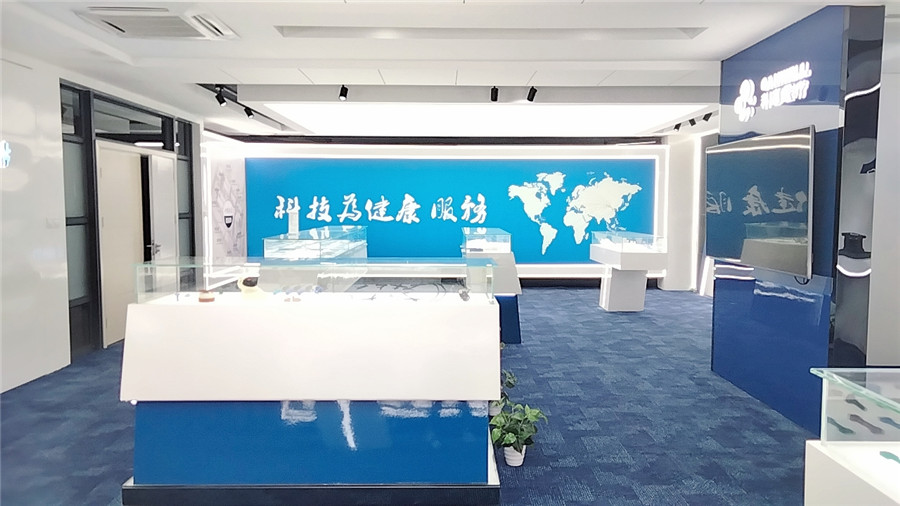
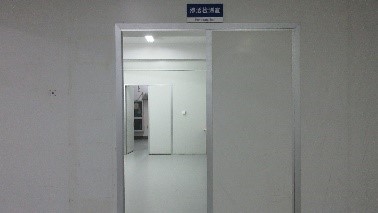
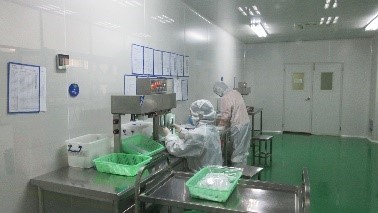
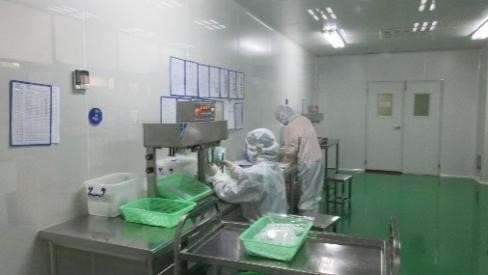
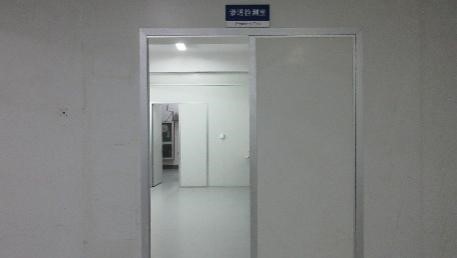
Established in 2004, KaiSo has developed a globally recognized infrastructure focused on design optimization, sterile production environments, and regulatory compliance.
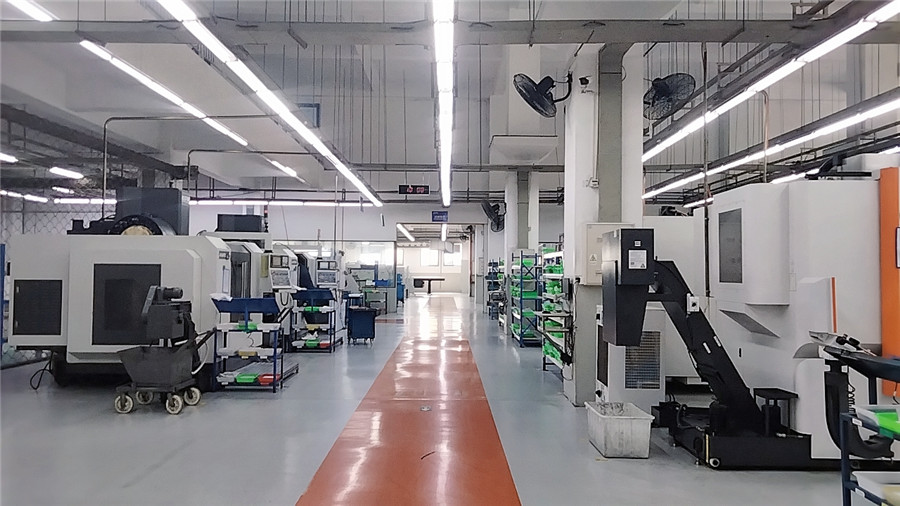
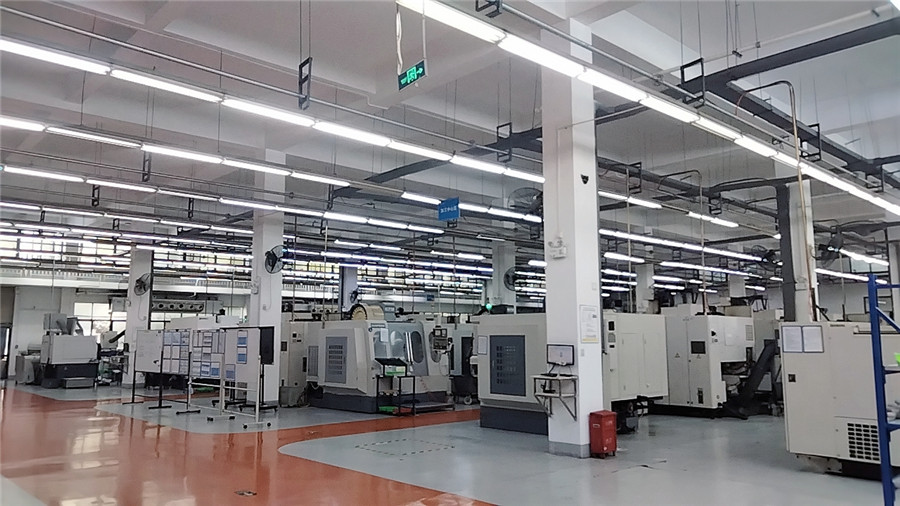
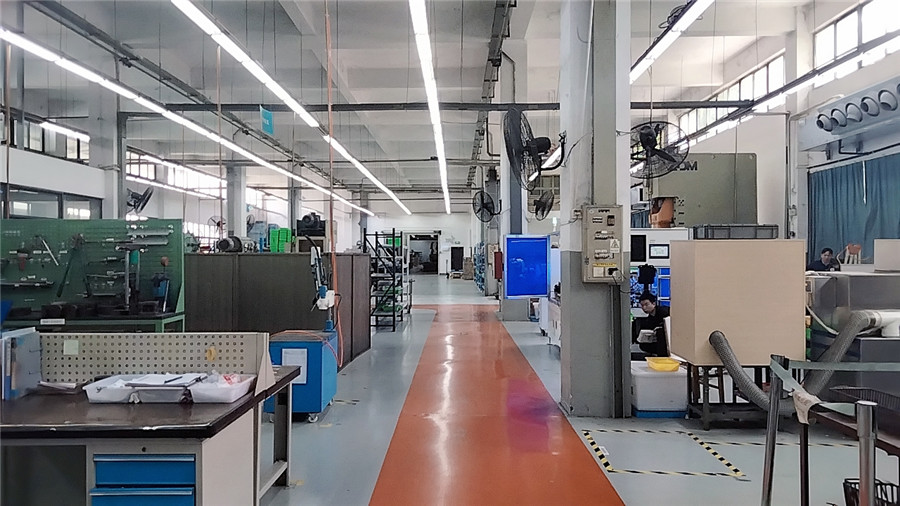
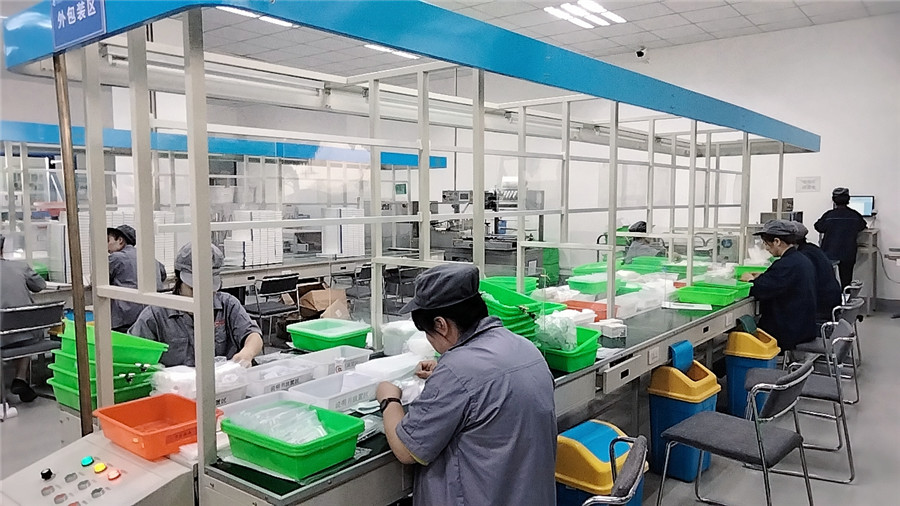
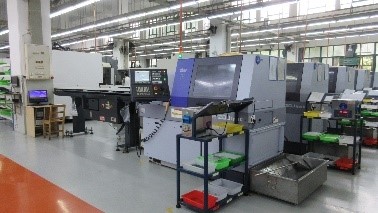
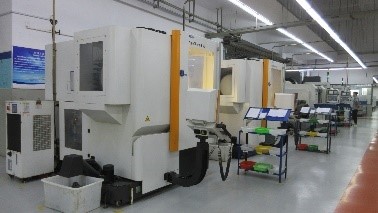
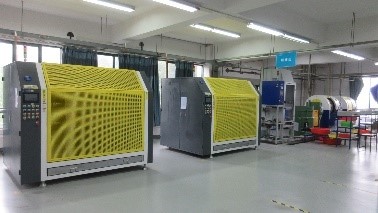
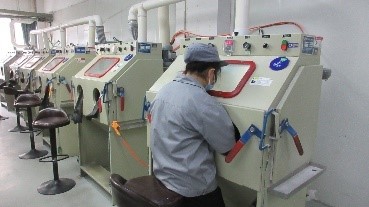
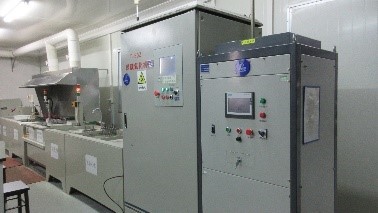
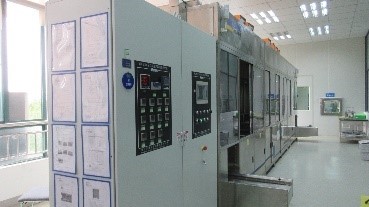
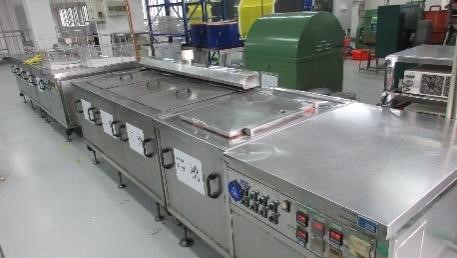
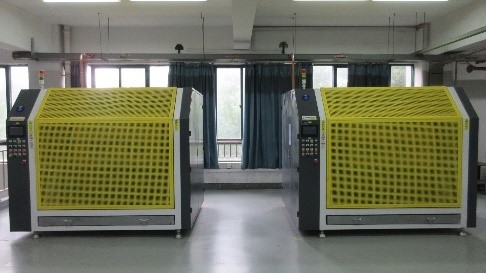
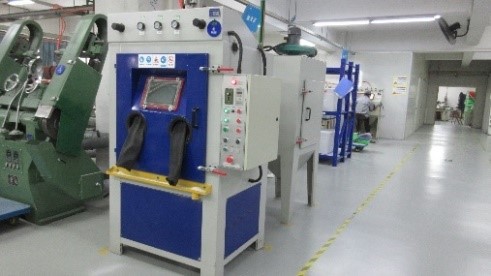
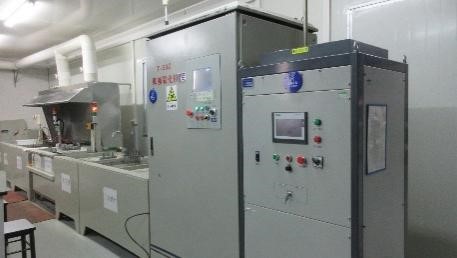
KaiSo has established a complete Quality Assurance System to continuously fulfill the requirements according to ISO9001, 13485, CE, ranging from material procurement to design development and automated production processes. Our 29,523-square-meter facility houses precision Swiss CNC machines, multi-axis machining centers, and automated coordinate measuring devices designed to maintain microscopic tolerances across high-volume production cycles.
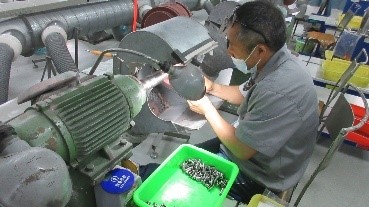
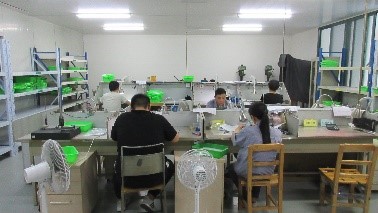
Every production batch undergoes a structured, multi-point verification protocol overseen by our 69 quality controllers to secure absolute consistency.
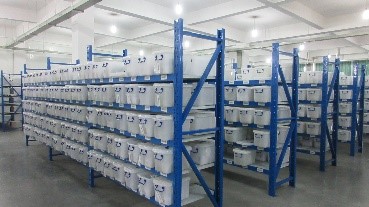
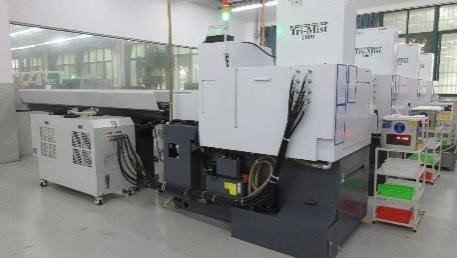
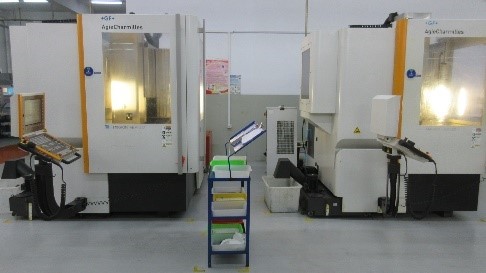
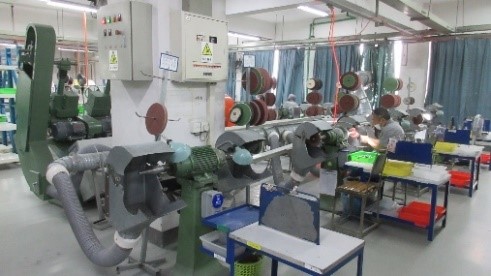
How integrated surgical implant systems and trauma instruments address real-world challenges in healthcare facilities worldwide.
Modern surgical pathways demand more than just isolated bone plates or standard fasteners. They require a complete system that includes both the implants and the tools to insert them safely. This integrated approach minimizes surgical duration, lowers hospital readmission rates, and reduces post-operative complications.
KaiSo provides custom-engineered internal fixation setups designed for structural integrity. Our clavicular hook bone locking systems and lower limb external fixators support rapid anatomical reconstruction following severe bone impact. The high precision of our lock configurations maintains structural compression without damaging nearby soft tissue. This balance helps accelerate natural bone healing.
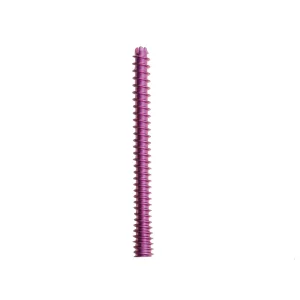
With the growth of veterinary orthopedics, hospitals require durable implant designs scaled to animal biomechanics. KaiSo offers mini-power tools, custom veterinary drill sleeves, and targeted headless hollow screw sets (3.0mm to 5.0mm) to address the needs of animal hospitals and research universities. This helps veterinarians perform safe, minimally invasive procedures on domestic and exotic animals.
Through our comprehensive R&D pipeline (staffed by 59 graduate engineers), we support customization options including light customization, sample processing, and custom engineering. This allows our distributors to scale their brand portfolios with systems tuned to specific surgical techniques and regulatory markets.
Strategic integration of manufacturing, high-precision machining, and raw material sourcing controls.
The global medical device market faces rising resource costs, shipping challenges, and raw material scarcity. Operating from our specialized industrial facility in China, KaiSo leverage local material integration to secure stable, long-term procurement pricing for international distributors.
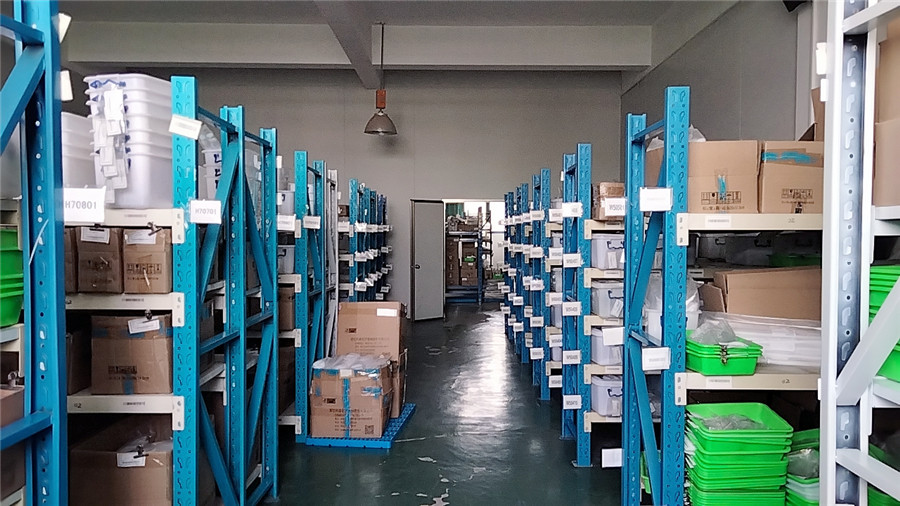
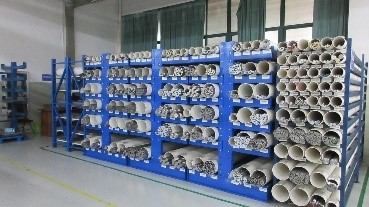
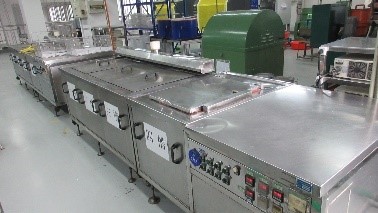
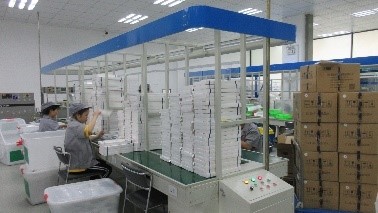
Our Factory 4.0 framework blends automated CNC machining with a meticulous quality control loop. With 69 dedicated QA/QC inspectors on site, we track every stage of production from raw titanium ingots to finished, sterilized medical packages. This reduces structural errors to near-zero levels. By maintaining full traceability for our raw materials, we assure hospitals and regulators that our orthopedic implants can withstand the mechanical loads of long-term implantation.
Furthermore, our streamlined manufacturing systems shorten typical OEM/ODM development timelines. This efficiency enables us to quickly design, prototype, and manufacture custom tools and implant hardware for global distributors without compromising on quality or regulatory compliance.
Ensuring patient safety through comprehensive compliance certificates and rigorous international standard validations.
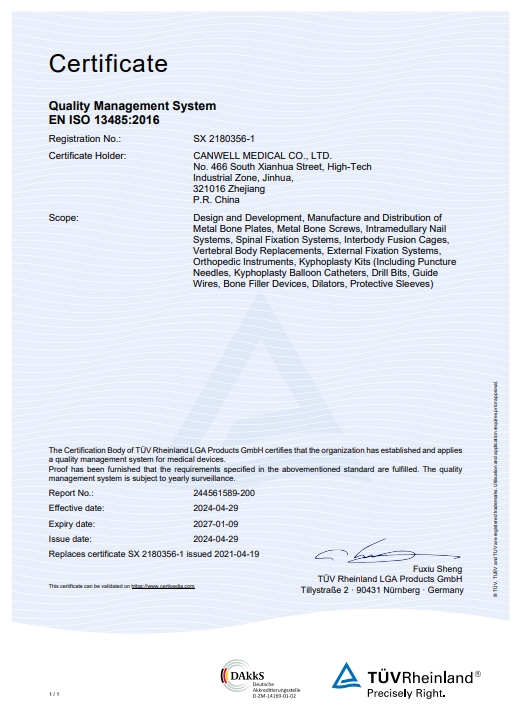
 ISO 13485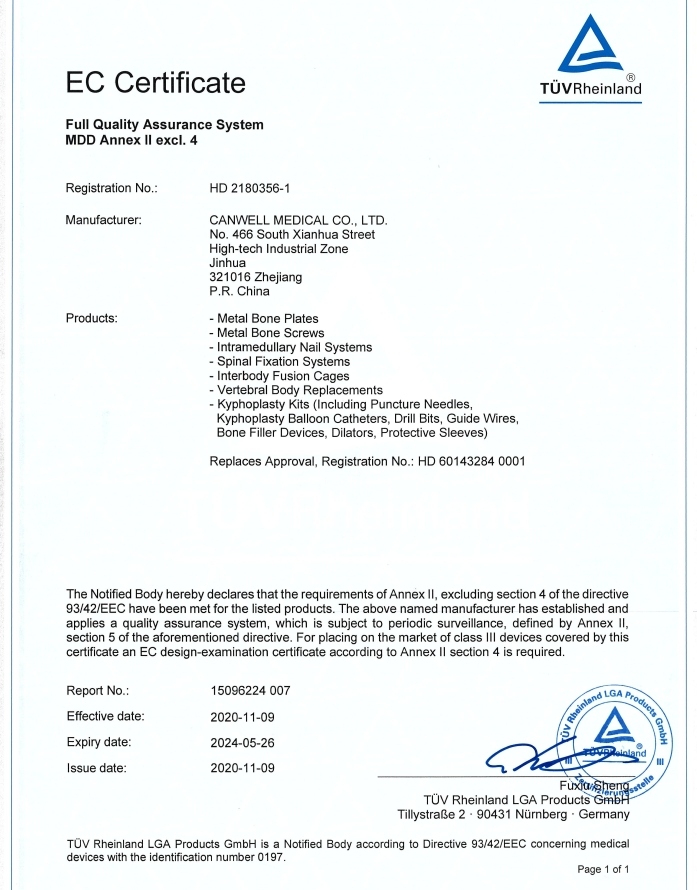
 93/42/EEC
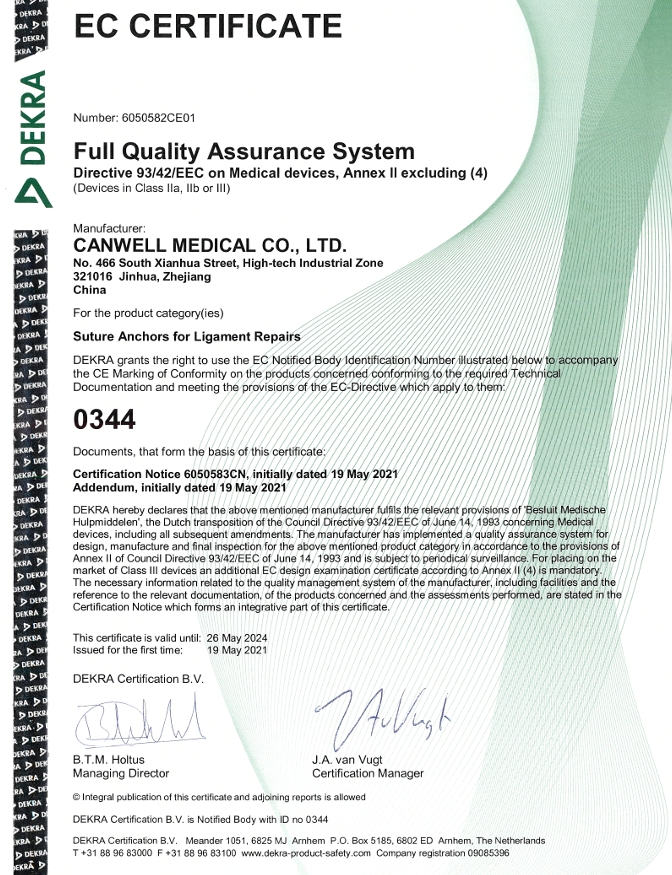 93/42/EEC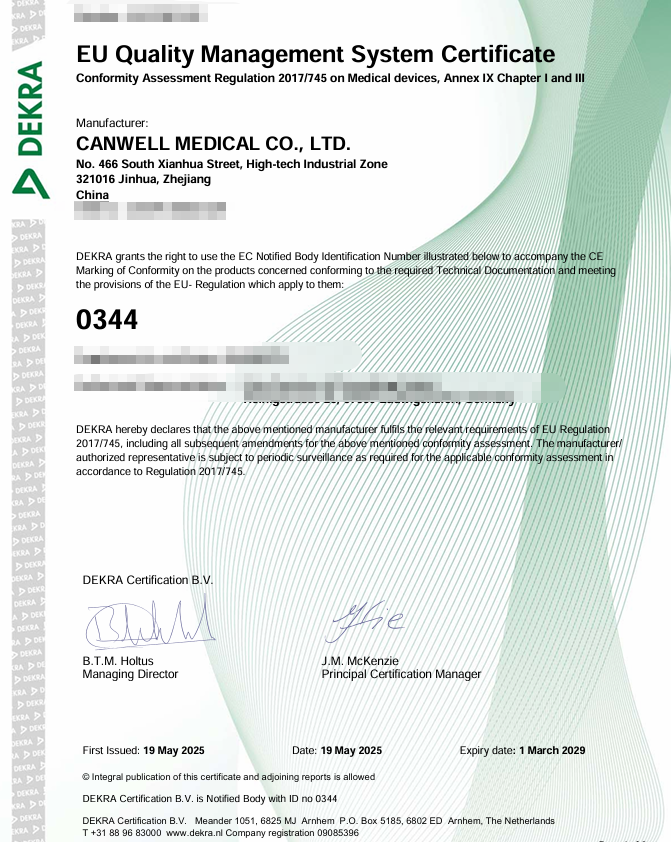
 MDR
MDROur regulatory certifications support clean custom clearance, localized hospital registration, and procurement audits across Western Europe, South America (30%), Southeast Asia (20%), and other regions.
Exploring future clinical trends, smart implants, additive manufacturing, and advanced bioactive coatings.
The orthopedic implants market is transitioning from simple fixation hardware toward smart, biologically active structures. This technological shifts aims to optimize bone fusion, lower infection rates, and track patient healing in real-time.
Next-generation implant systems use additive manufacturing to replicate the natural, porous design of trabecular bone. These 3D-printed titanium implants encourage bone cells to grow directly into the structure, creating a stronger bond than traditional smooth implants. This approach helps prevent implant loosening and increases structural stability over the long term.
Post-surgical infections remain a concern in orthopedic surgery. The future roadmap includes surface coatings that release antimicrobial ions (like silver or copper) or integrate bioactive elements (such as hydroxyapatite). These coatings help prevent bacteria from adhering to the implant surface and encourage faster osseointegration, reducing recovery times for patients.
Micro-electronic diagnostic integration is another key trend in orthopedics. Future smart implants will incorporate tiny, biocompatible sensors to monitor load distribution, local temperature shifts, and micro-motion within the joint. This data can be transmitted wirelessly to clinicians, allowing them to track patient healing and detect potential implant failure before clinical symptoms arise.
Ensuring global regulatory compliance, seamless logistics, and localized engineering support.
Navigating the complex regulations of different regional markets is a major challenge for medical device importers. KaiSo supports clients through every stage of registration and local clearance to ensure compliance with local healthcare authorities.
Our compliance support includes providing complete product dossiers, material validation certificates, and biological safety evaluations. We keep our technical files updated to match evolving international standards, helping to speed up approval times and prevent border delays.
We also offer localized logistics support, tailored packaging, and flexible production volumes. This helps distributors manage inventory efficiently while keeping product quality consistent across different markets.
Addressing key technical, regulatory, and logistics questions from hospital procurement networks and medical device distributors.
Direct access to our clinically validated orthopedic medical tools, precision bone fasteners, and anatomical reduction configurations designed for operating theater reliability.
 KaiSo Medical