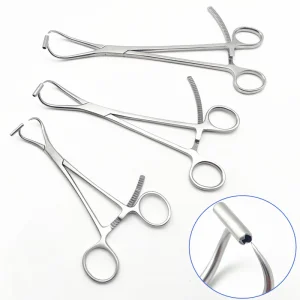
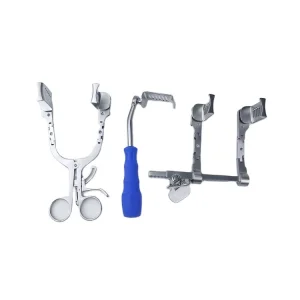
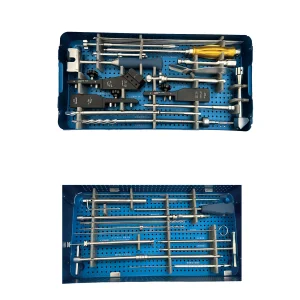
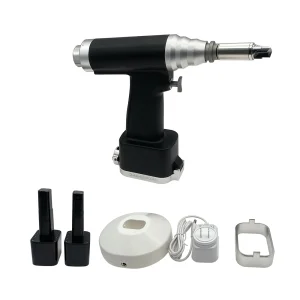
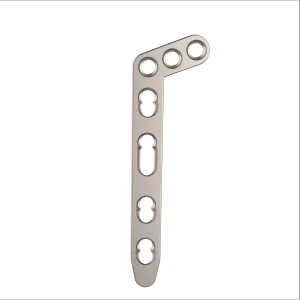
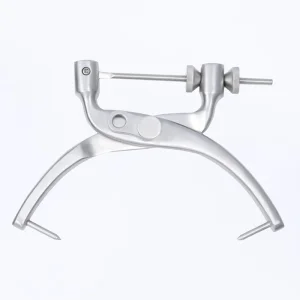
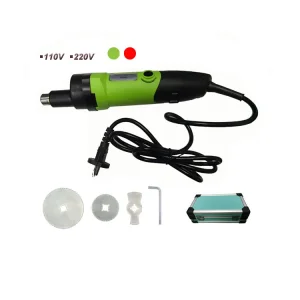
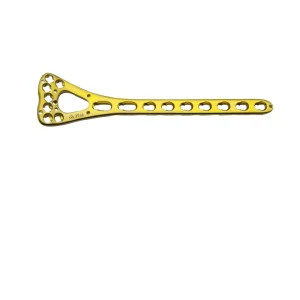
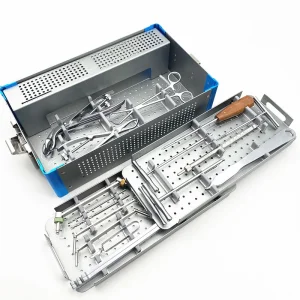
In the landscape of modern traumatology, Large Fragment Locking Plates represent the pinnacle of internal fixation for complex fractures of the femur, tibia, and humerus. As a leading manufacturer with over 22 years of industry depth, we recognize that the "locking" mechanism—where the screw head threads into the plate—creates a fixed-angle construct. This is not merely an incremental improvement; it is a paradigm shift in biomechanical stability, particularly for osteoporotic bone where traditional compression plates often fail.
By leveraging Titanium Grade 5 (Ti-6Al-4V ELI) and medical-grade stainless steel, our manufacturing process ensures maximum biocompatibility and fatigue resistance. This whitepaper explores the technical nuances, supply chain advantages, and future trajectories of large fragment fixation systems in a globalized healthcare economy.
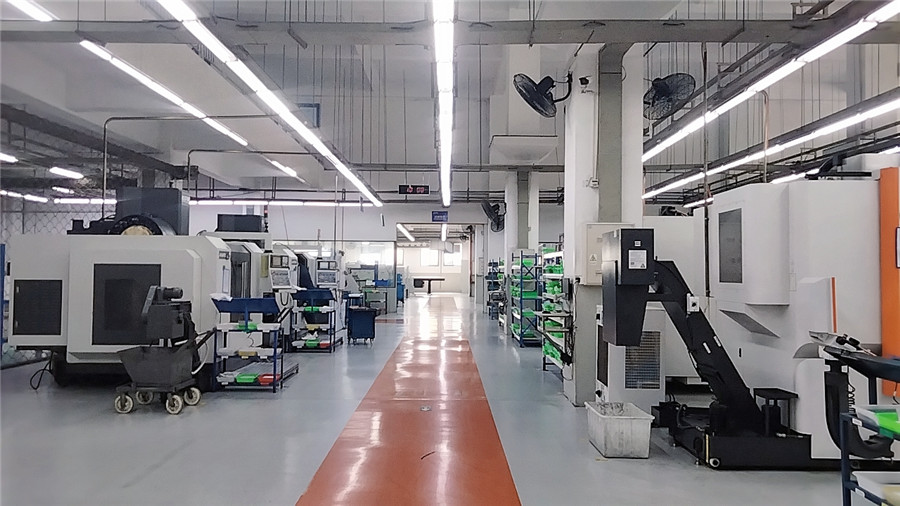
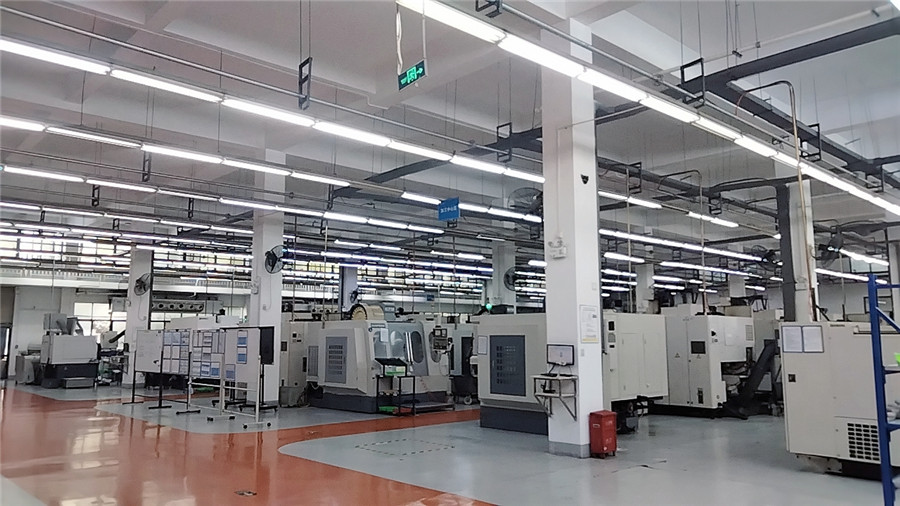
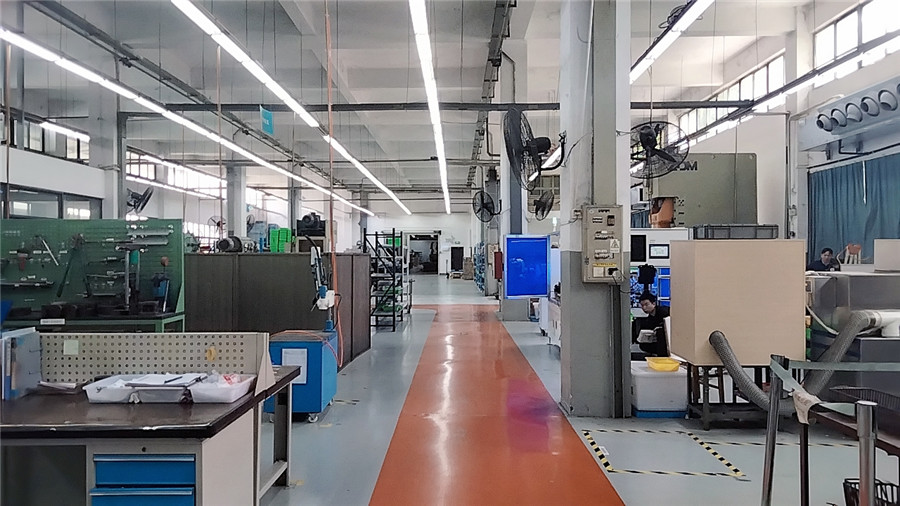
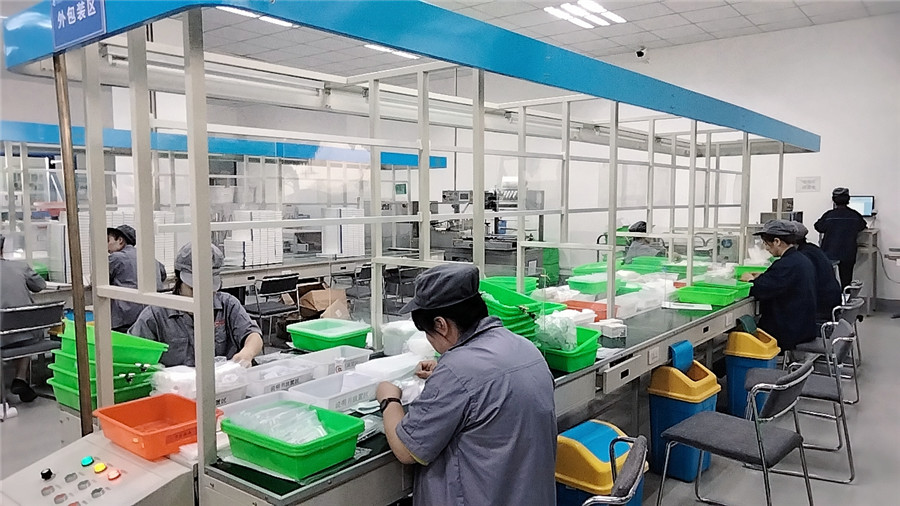
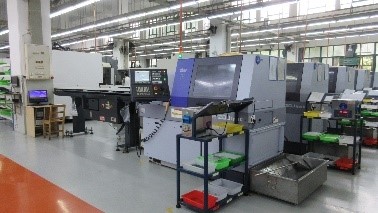
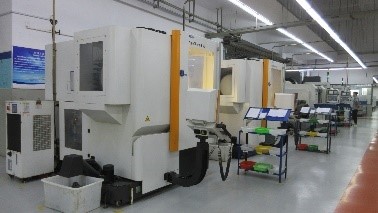
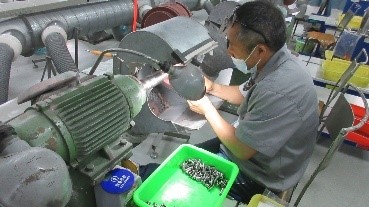
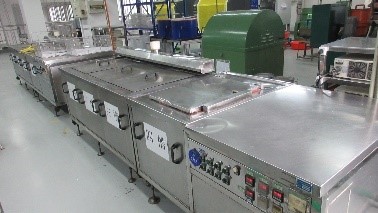
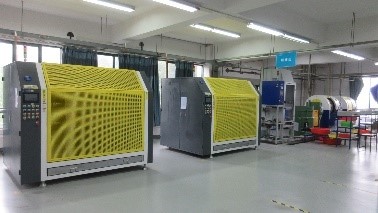
Utilizing high-precision CNC multi-axis milling and automated surface treatments, we achieve tolerances within microns. Our production lines are optimized for both high-volume standardized plates and bespoke "light customization" orders.
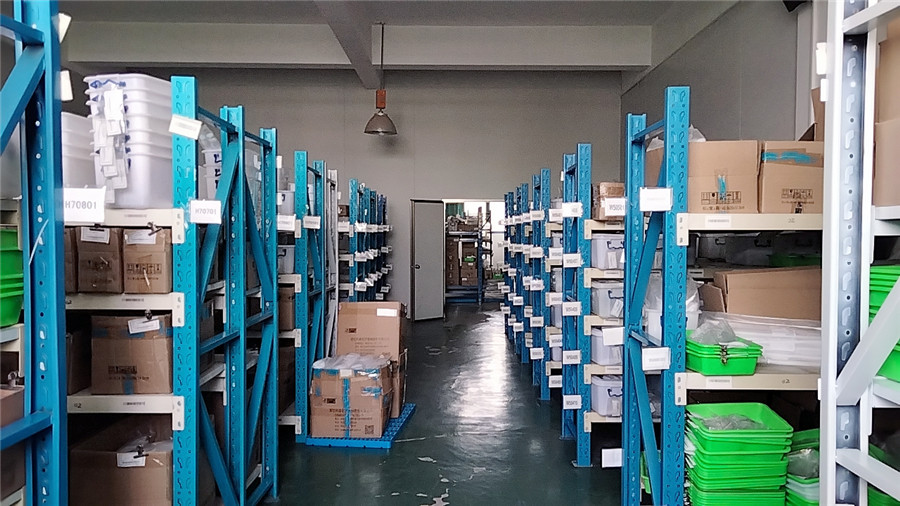
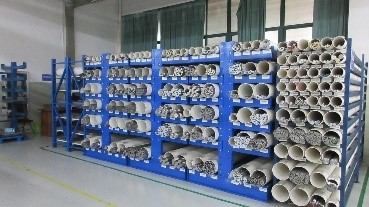
The "China Advantage" lies in the complete ecosystem. From raw titanium ingot procurement to sterilization-ready packaging, every step is integrated within a 50km radius, reducing lead times by 40% compared to Western counterparts.
With 59 graduate-level engineers, our focus is on "Information Gain"—developing anatomically contoured plates that reduce the need for intraoperative bending, thereby preserving the structural integrity of the metal.
The future of Large Fragment Locking Plates is moving toward Smart Implants and Additive Manufacturing (3D Printing). Our roadmap includes:
In high-velocity accident scenarios, our Large Fragment systems provide the immediate rigid fixation required for early mobilization and reduced hospital stay.
Designed specifically for low-density bone, the locking technology prevents "windshield wiper" loosening, a common failure in traditional osteoporotic fixation.
Extending human-grade technology to the veterinary sector, our TPLO plates and large fragment sets are the gold standard for canine orthopedic surgeries.
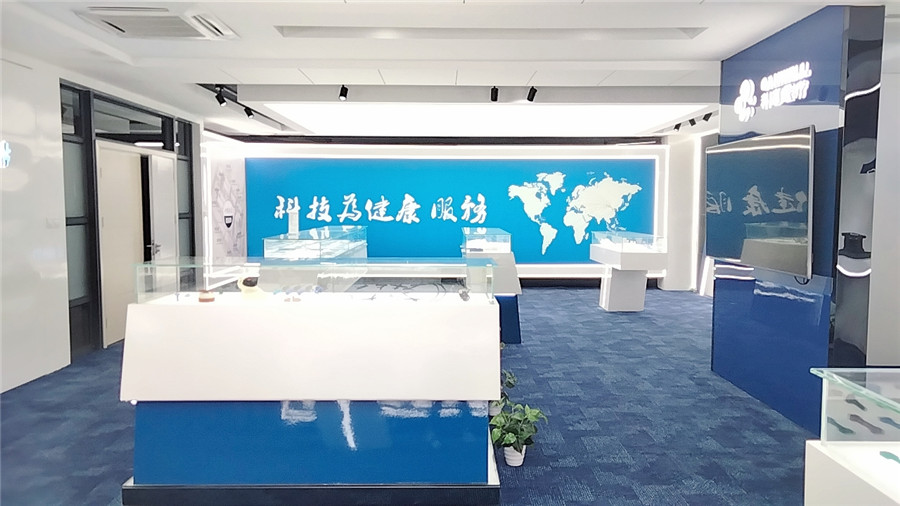
KaiSo has established a complete Quality Assurance System to continuously fulfil the requirements according to ISO9001, 13485, CE, ranging from material procurement to design development and automated production processes. Our 69 QA/QC inspectors conduct 100% inspection on critical production lines.
 KaiSo Medical