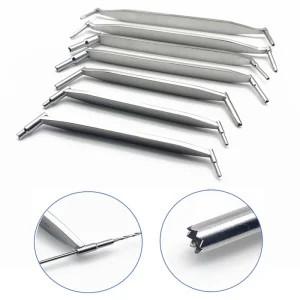
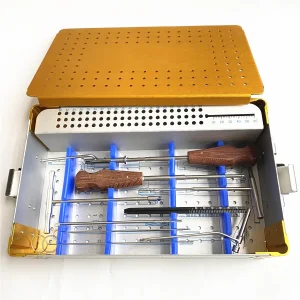
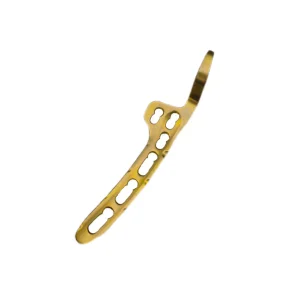
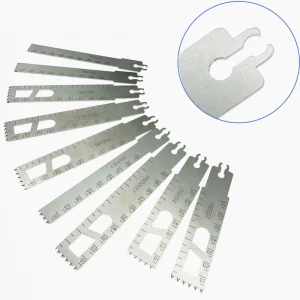
In the rapidly evolving sector of orthopedic surgery, Titanium Locking Plates have emerged as the gold standard for fracture fixation. By combining the biomechanical advantages of internal fixators with the anatomical precision of traditional plating, these devices provide superior stability, especially in osteoporotic bone and complex comminuted fractures. This white paper serves as a strategic guide for global procurement officers, surgical distributors, and hospital administrators to identify the top-tier manufacturers and exporters who are defining the future of trauma care.
The transition from traditional compression plates to locking systems represents a paradigm shift in osteosynthesis. Modern locking plates act as "internal fixators," where the screw-to-plate interface creates a fixed-angle construct. This minimizes the pressure on the periosteum, preserving vital blood supply and accelerating the biological healing process. As we look towards 2025, the industry focus is shifting from basic mechanical stability to biological integration and smart manufacturing.
The next generation of titanium locking plates will feature bioactive coatings such as Hydroxyapatite (HA) or antimicrobial silver-ion layers. These coatings are designed to reduce the risk of implant-associated infections (IAI) and promote faster osseointegration, particularly in elderly patients with compromised bone density.
Additive manufacturing (3D printing) is revolutionizing the production of patient-specific implants (PSI). Top exporters are now integrating 3D modeling from CT scans to create anatomical plates that fit the unique bone contours of individual patients, reducing surgical time and improving clinical outcomes.
While titanium remains dominant, R&D is heavily invested in magnesium-based biodegradable alloys. The vision is to provide temporary stability that eventually resorbs into the body, eliminating the need for a secondary removal surgery—a major trend in pediatric orthopedics.
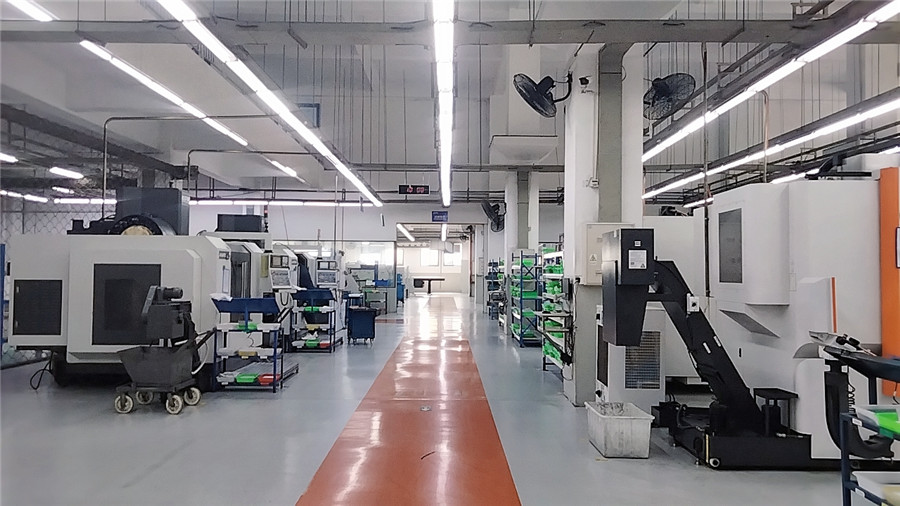
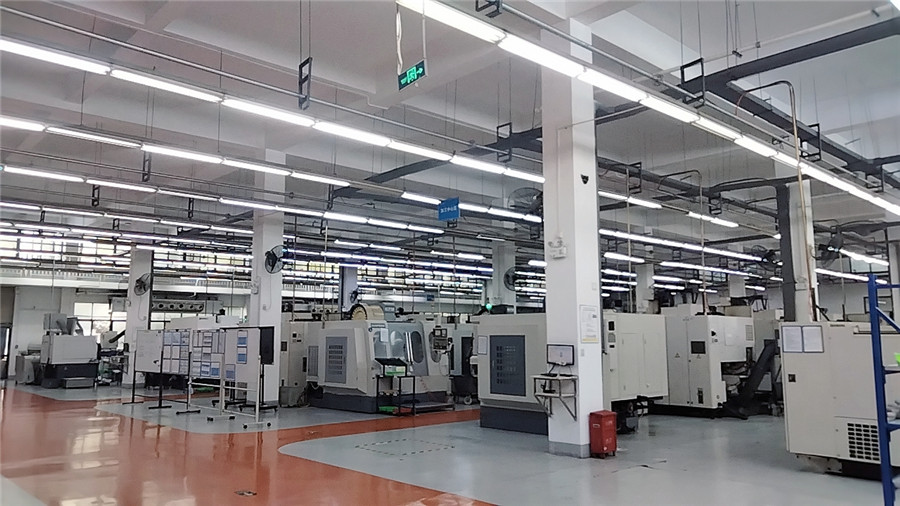
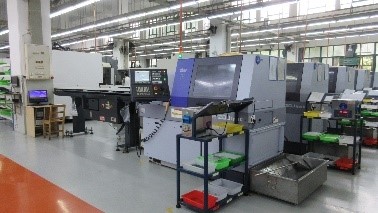
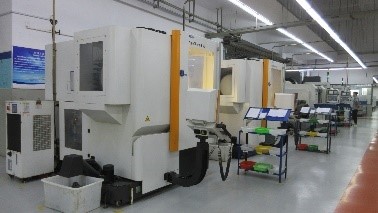
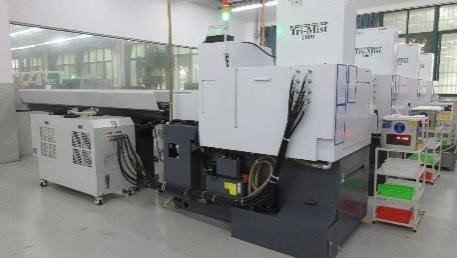
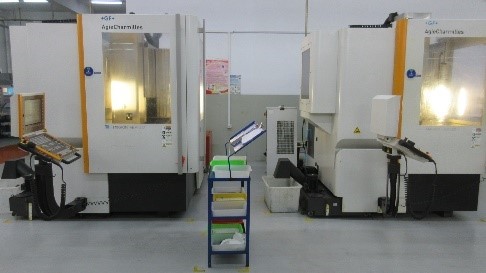
China has solidified its position as the global hub for medical device manufacturing through the adoption of Industry 4.0 principles. Leading factories, such as KaiSo, have integrated automated CNC machining centers with real-time AI quality monitoring. This digital transformation ensures that every titanium plate meets sub-micron tolerances, a level of precision that was previously unattainable through manual labor.
The resilience of the Chinese supply chain is not just about volume; it is about the "Cluster Effect." From raw titanium sponge procurement to sterile packaging and global logistics, the entire value chain is optimized for speed and cost-efficiency. For global enterprises, this means shorter lead times, scalable production, and uncompromising quality standards that rival or exceed European and American counterparts.
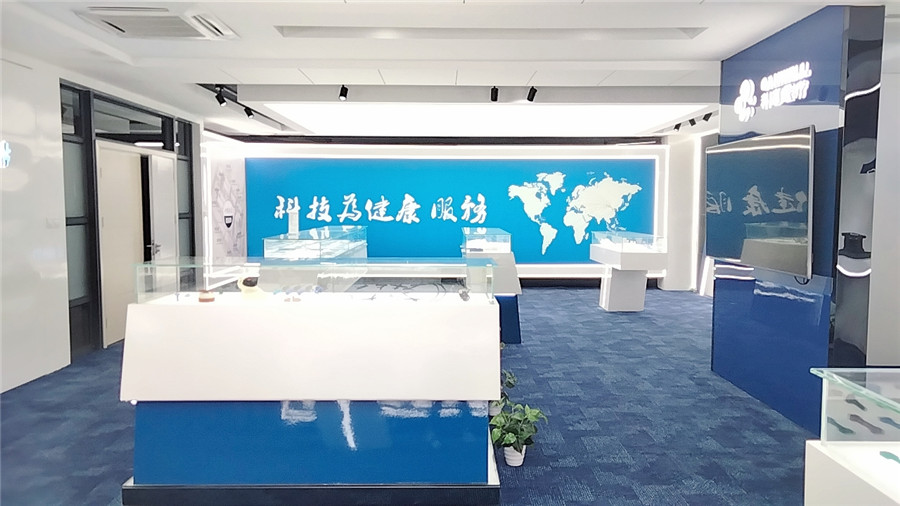
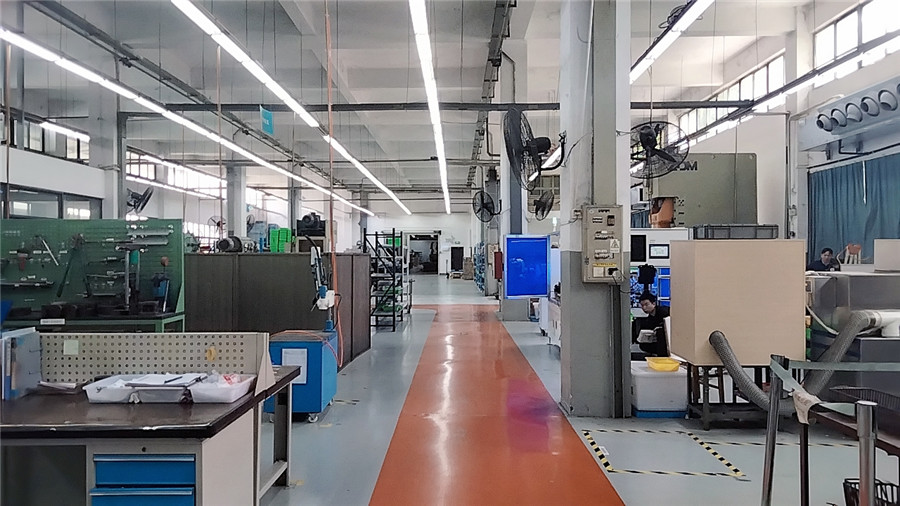
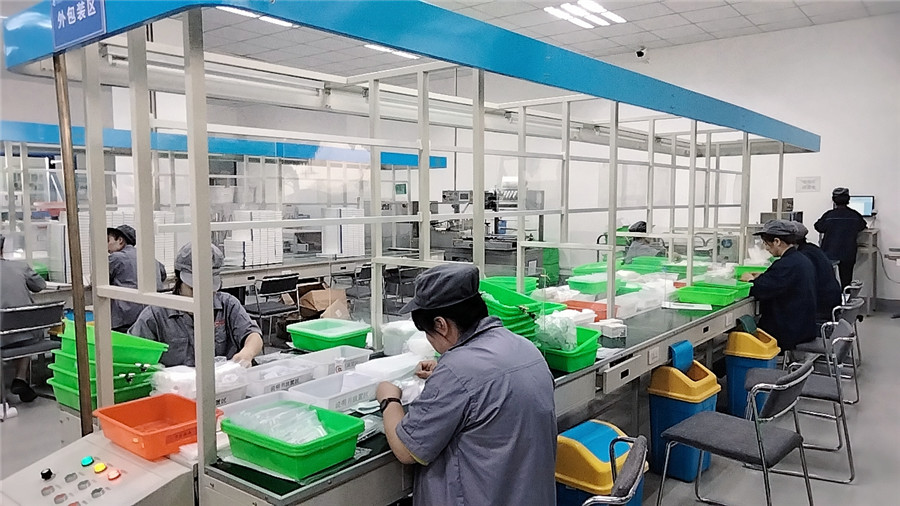
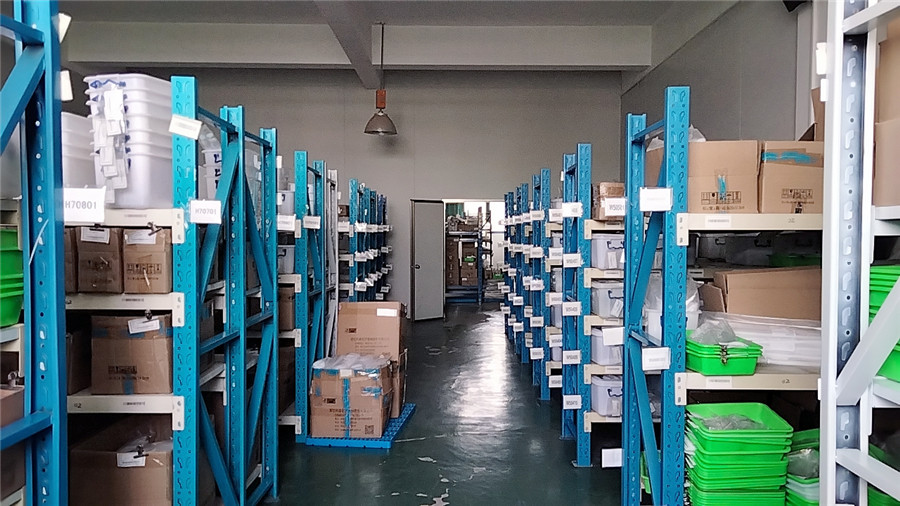
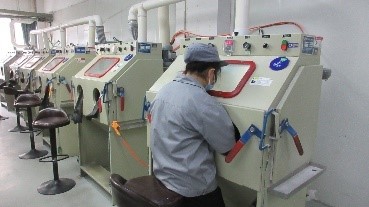
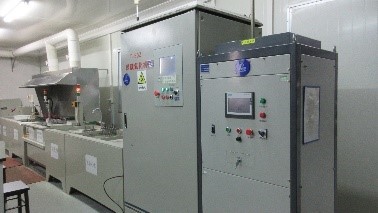
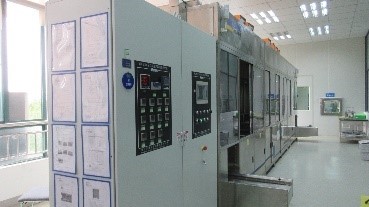
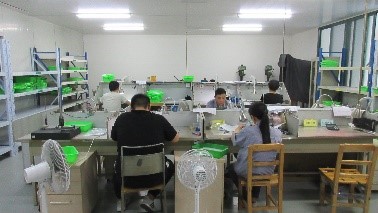
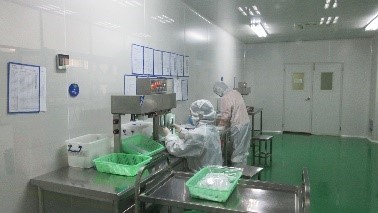
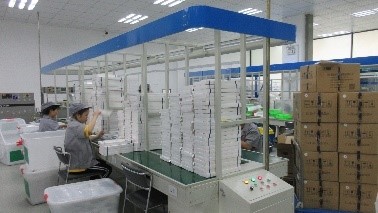
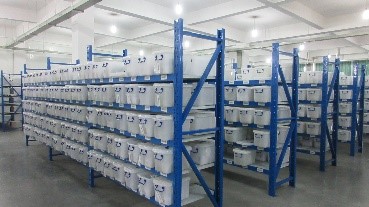
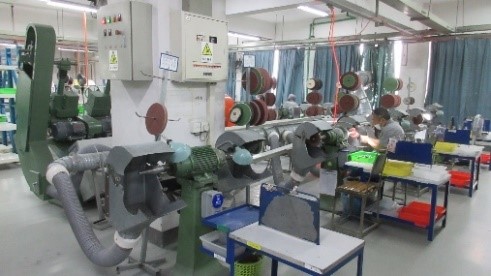
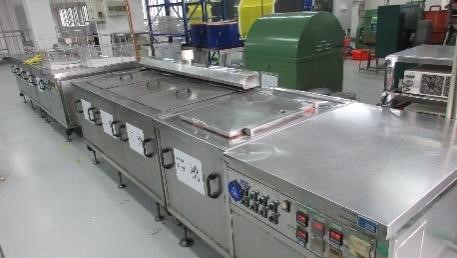
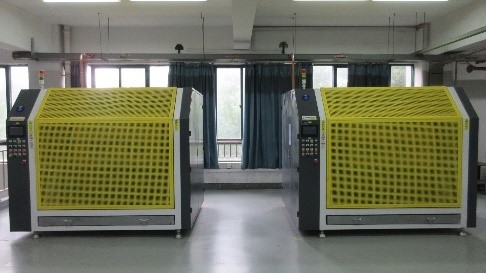
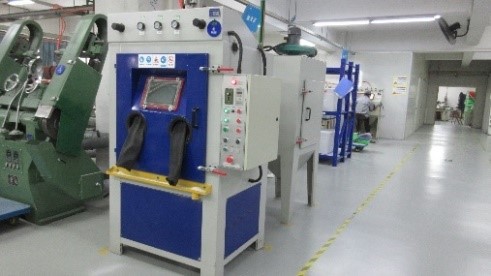
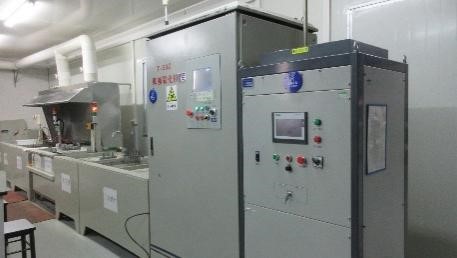
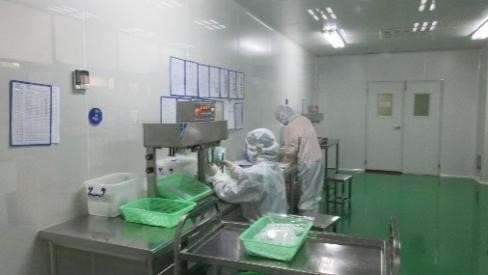
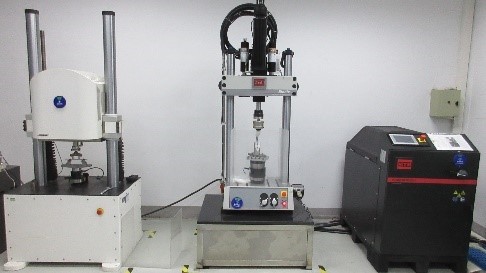
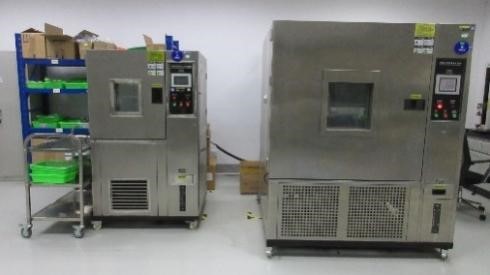
KaiSo Quality Assurance System & Production Facilities
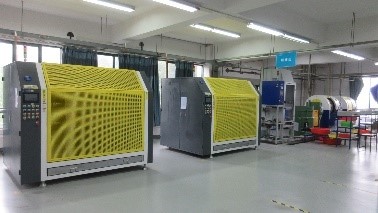
KaiSo has established a complete Quality Assurance System to continuously fulfil the requirements according to ISO9001, 13485, CE, ranging from material procurement to design development and automated production processes.
With rising healthcare costs globally, hospitals are seeking high-quality implants that offer clinical equivalence to premium brands at a sustainable price point. Chinese manufacturers provide a strategic solution by reducing the "Total Cost of Care" without compromising patient safety.
Navigating the transition from MDD to Medical Device Regulation (MDR) in Europe is a significant barrier. Top exporters provide comprehensive technical documentation, clinical evaluation reports (CER), and post-market surveillance (PMS) data to ensure seamless market entry for their partners.
The demand for titanium locking plates has surged in the veterinary sector. Manufacturers are now offering specialized "Mini-locking" systems for feline and canine surgeries, alongside sports medicine solutions for ligament repairs using suture anchors and interference screws.
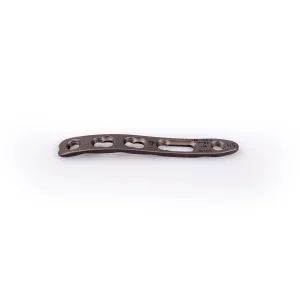
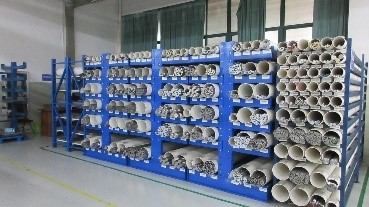
The manufacturing of Titanium Locking Plates begins with the selection of medical-grade titanium (Grade 5 or ELI). Unlike common industrial titanium, medical grades must adhere to strict ASTM F136 standards to ensure zero impurities. The manufacturing process involves multi-axis CNC milling, where the intricate "Combi-holes" are machined. These holes are a marvel of engineering, designed to accept both locking screws and standard compression screws, giving surgeons intraoperative flexibility.
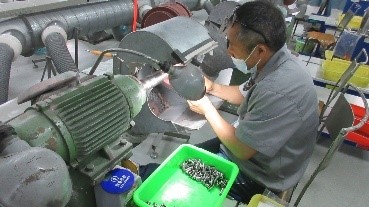
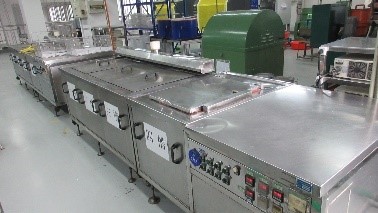
Surface treatment is the final critical step. Through Type II Anodization, the surface of the plate is hardened and color-coded for easy size identification in the OR. This process also creates a passive oxide layer that further enhances biocompatibility. For exporters, the ability to provide detailed metallurgical reports and fatigue test data is what separates a world-class factory from a standard workshop. As the global population ages, the demand for these high-precision instruments will only increase, making the choice of a manufacturing partner a critical decision for healthcare providers.
Furthermore, the integration of Digital Surgery and Navigational Templates is the next frontier. Forward-thinking factories are now developing surgical guides that work in tandem with their locking plates, allowing for minimally invasive plate osteosynthesis (MIPO). This technique reduces surgical trauma, minimizes scarring, and leads to faster patient mobilization. By choosing a partner that invests in these future-looking technologies, distributors ensure their portfolio remains competitive in a market that increasingly values clinical efficiency and patient safety.
End of White Paper - Professional Technical Content for Global Procurement Strategy.


 KaiSo Medical