The global orthopedic locking plates market has transitioned from traditional dynamic compression plates (DCP) to high-precision Locking Compression Plates (LCP). This evolution is driven by the clinical need for biological internal fixation, which preserves periosteal blood supply and facilitates faster fracture healing. As of 2024, the "Top 10 Orthopedic Locking Plates Factory" list is no longer just about manufacturing volume; it is defined by Information Gain in material science and digital integration.
Integration of sensors into locking plates to monitor healing progress and mechanical load in real-time.
Usage of Type IV and V Titanium alloys with bioactive coatings to enhance osseointegration and reduce infection.
Customized locking plates designed from patient CT scans for complex pelvic and acetabular reconstructions.
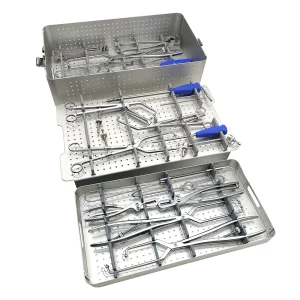
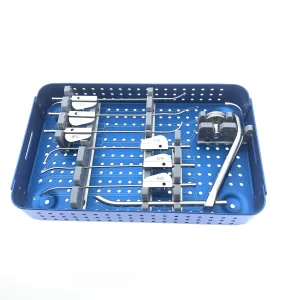
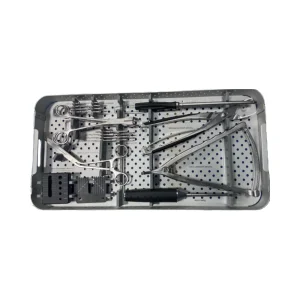
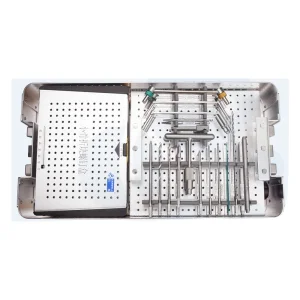
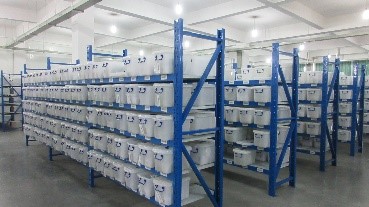
Global healthcare providers are moving toward "Value-Based Healthcare." For a factory to be a top exporter, they must provide more than hardware; they must offer comprehensive trauma solutions. This includes universal instrument sets that reduce OR time and inventory management systems (SPD) that track implant usage via RFID.
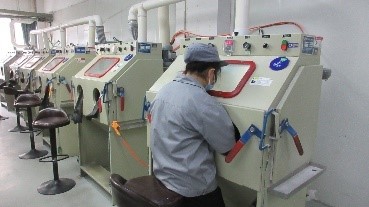
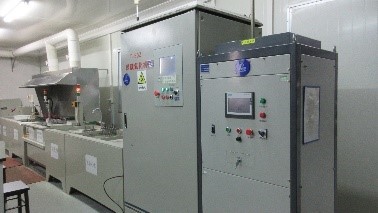
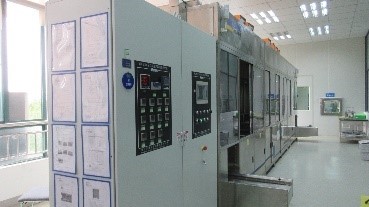
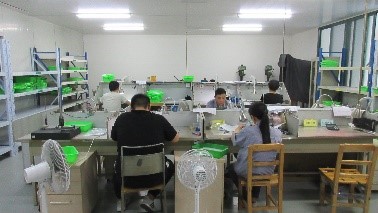
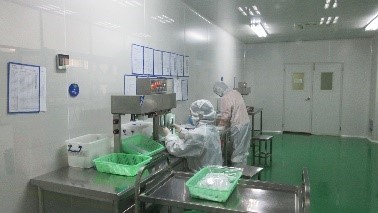
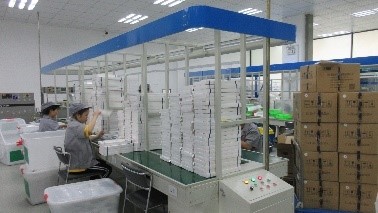
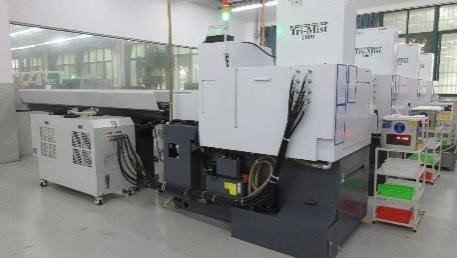
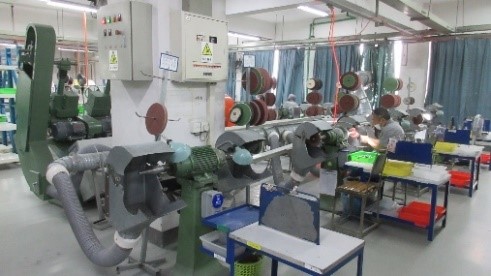
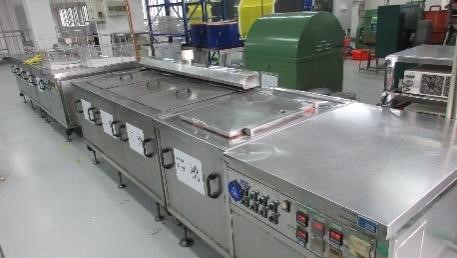
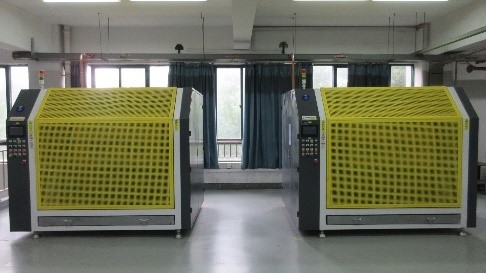
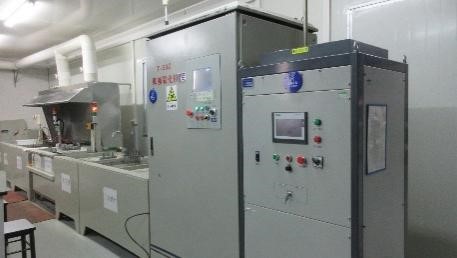
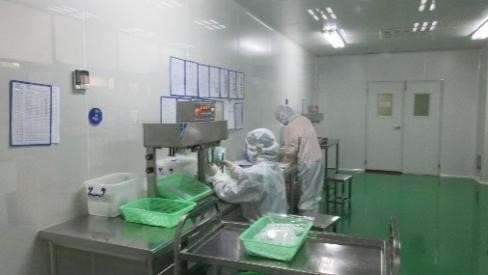
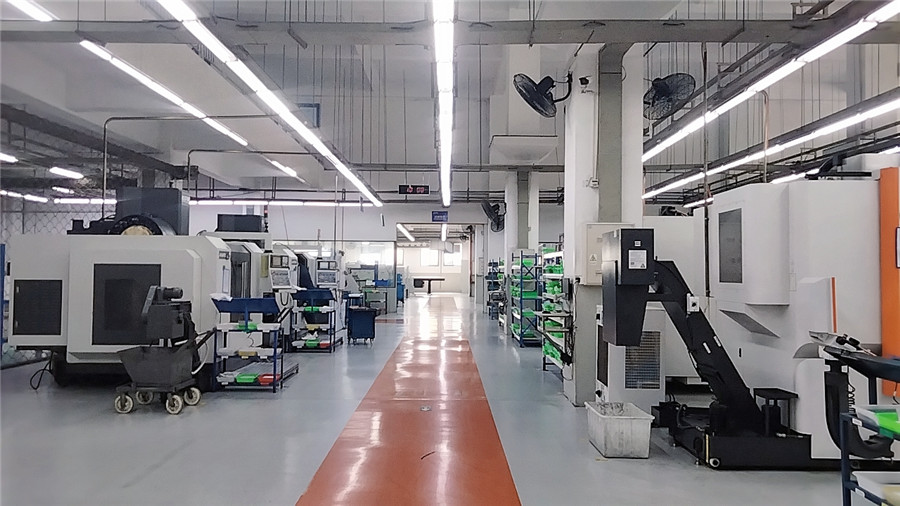
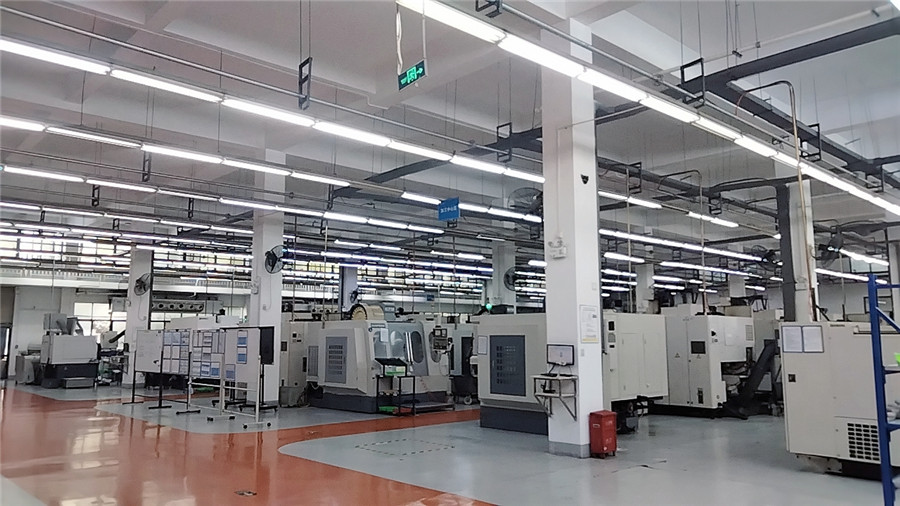
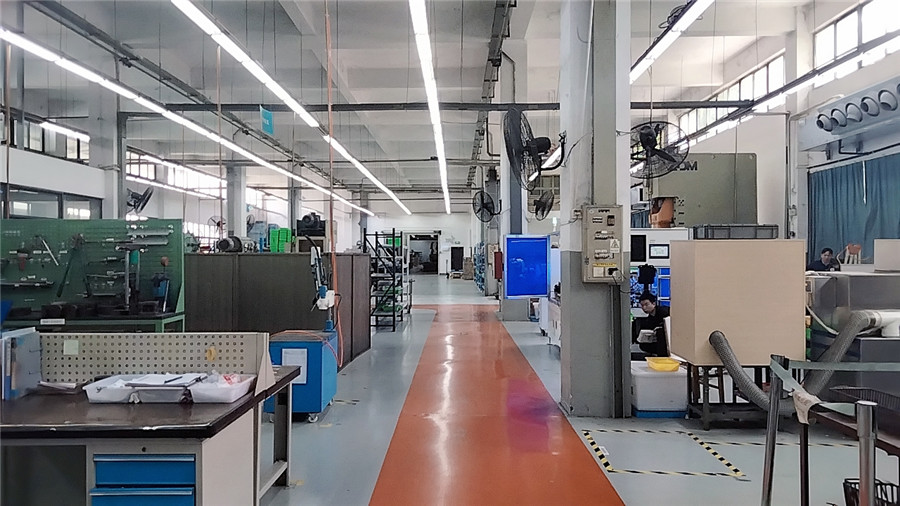
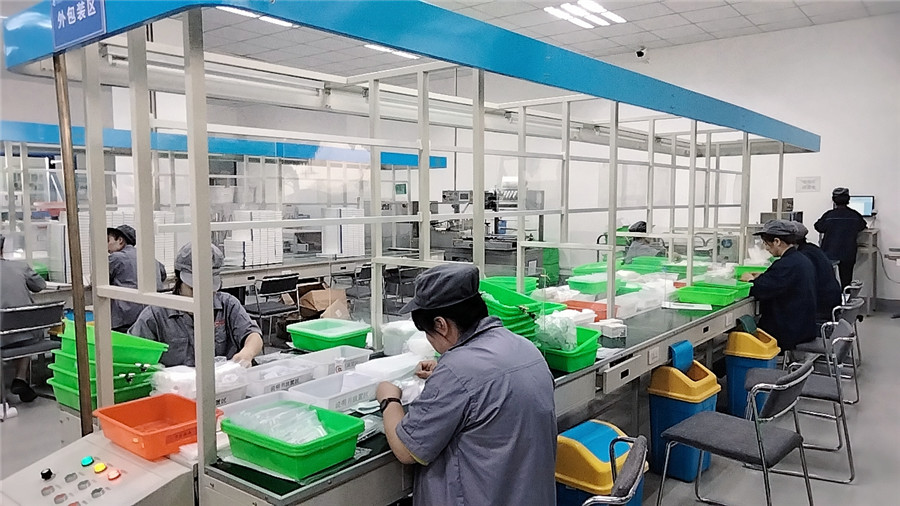
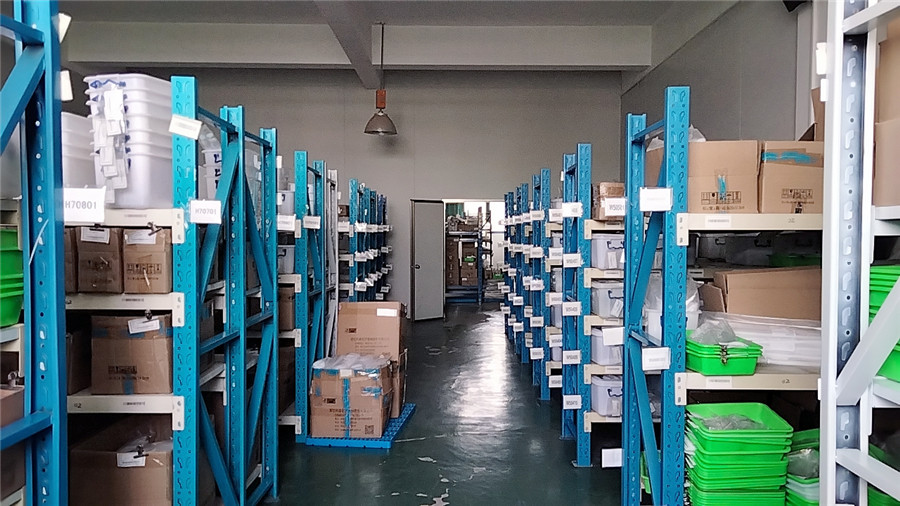
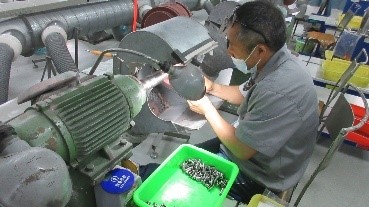
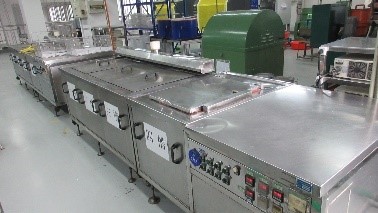
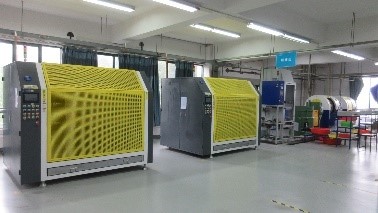
Founded in 2004, KaiSo has established a complete Quality Assurance System to continuously fulfil the requirements according to ISO9001, 13485, and CE (MDR). From material procurement to automated CNC production, our processes ensure 100% traceability—a critical requirement for high-risk surgical implants.
The EU Medical Device Regulation (MDR) ensures much stricter clinical evidence and post-market surveillance. KaiSo's compliance with MDR 2017/745 guarantees that our locking plates meet the highest safety standards for the European market and beyond.
With 30% market share in South America and 20% in Western Europe, we understand regional logistical challenges. We offer DDP shipping and local registration support to ensure seamless customs clearance.

ISO13485 Quality Standard

93/42/EEC & MDR Compliance

Next-Gen Regulatory Approval
The next decade of orthopedic fixation focuses on "Bio-Interactive" implants. Our R&D department, consisting of 59 graduate-level engineers, is currently prototyping:
We primarily use TC4 Titanium Alloy and 316LVM Medical Grade Stainless Steel. Titanium is preferred for its biocompatibility and lower modulus of elasticity, reducing stress shielding.
Yes, we offer light customization, sample processing, and graphic processing. Our R&D team can adapt existing designs to meet specific clinical requirements or regional preferences.
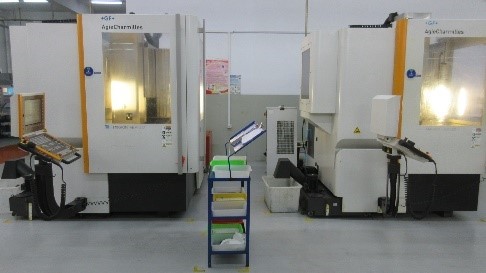
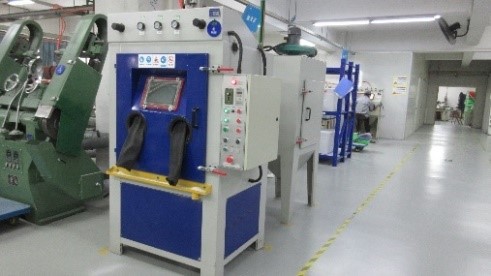
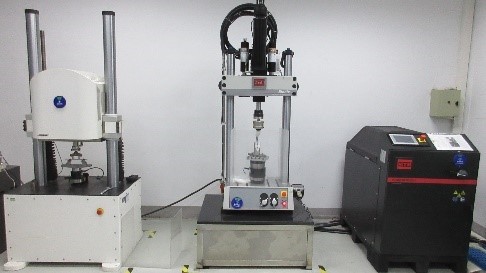
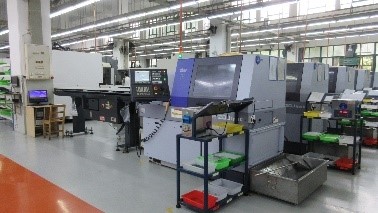
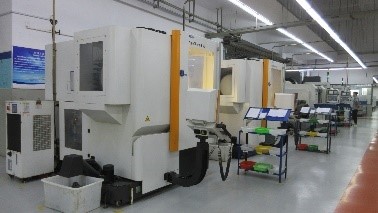
We utilize imported 5-axis CNC machining centers. Every plate undergoes thread gauge testing to ensure the locking screw engages perfectly at the designed torque.
For standard inventory items, we ship within 7 days. For customized bulk orders, the lead time is typically 30-45 days, depending on the complexity and certification requirements.
 KaiSo Medical