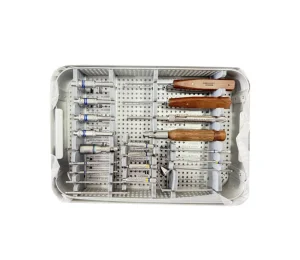
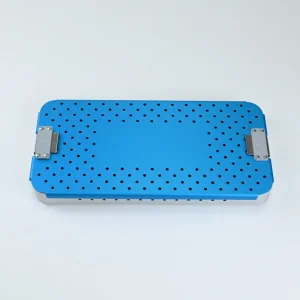
The global orthopedic surgery landscape is undergoing a paradigm shift. With an aging global population and the rising incidence of musculoskeletal disorders, the demand for precision-engineered orthopedic instrument trays has transcended mere storage. Today, these systems are critical components of the surgical workflow, ensuring sterility, organization, and rapid instrument deployment in high-pressure Operating Room (OR) environments.
As a leading exporter, we recognize that the "Top 10" status in this industry is defined by more than just manufacturing volume. It is defined by EEAT (Experience, Expertise, Authoritativeness, and Trustworthiness). Modern orthopedic trays must now integrate biocompatible materials, withstand rigorous autoclaving cycles, and increasingly, support digital tracking technologies like RFID for inventory management.
Moving from basic stainless steel boxes to modular, high-performance polymer systems that reduce weight and improve steam penetration for 100% sterilization efficacy.
Utilization of Medical Grade 5 Titanium and Radel® PPSU polymers to ensure longevity over 1,000+ sterilization cycles without structural degradation.
Implementation of UDI (Unique Device Identification) and laser-etched matrix codes to facilitate global regulatory compliance and hospital asset tracking.
The roadmap for orthopedic instrument manufacturing is pivoting toward Personalized Surgical Solutions and Smart Manufacturing. By leveraging AI-driven design optimization, manufacturers can now create trays that are 30% lighter while maintaining superior impact resistance.
Focus on "Universal Trays" that can be reconfigured by OR staff for different procedures (Trauma, Spine, or Joint Replacement) using interchangeable silicone inserts.
Integration of 3D-printed titanium components within trays to provide bespoke support for patient-specific implants and complex instrument geometries.
Trays designed with embedded sensors that communicate with robotic sterilization units to verify decontamination at a molecular level.
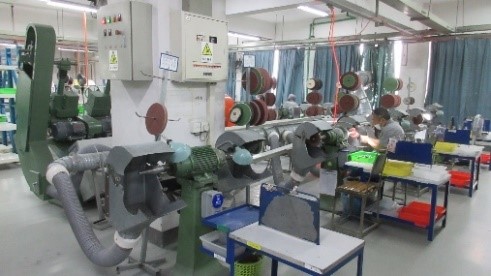
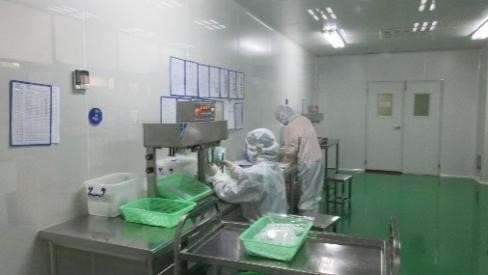
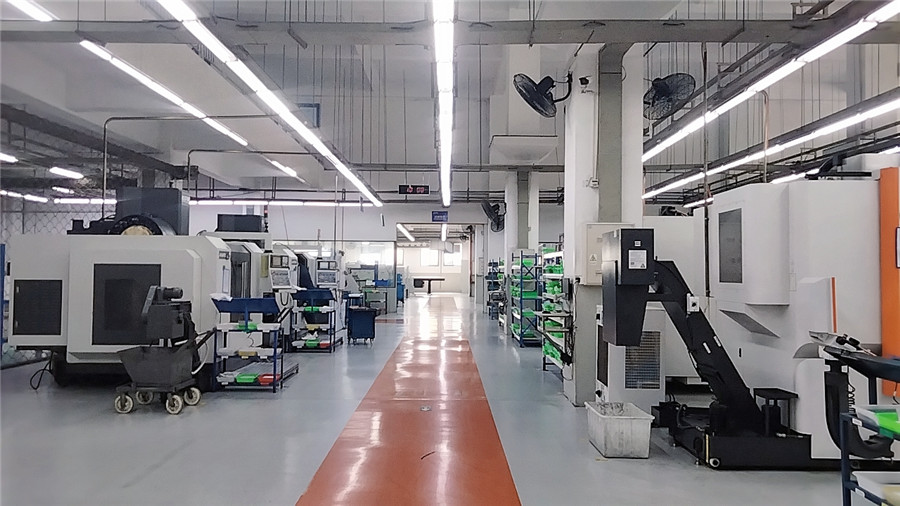
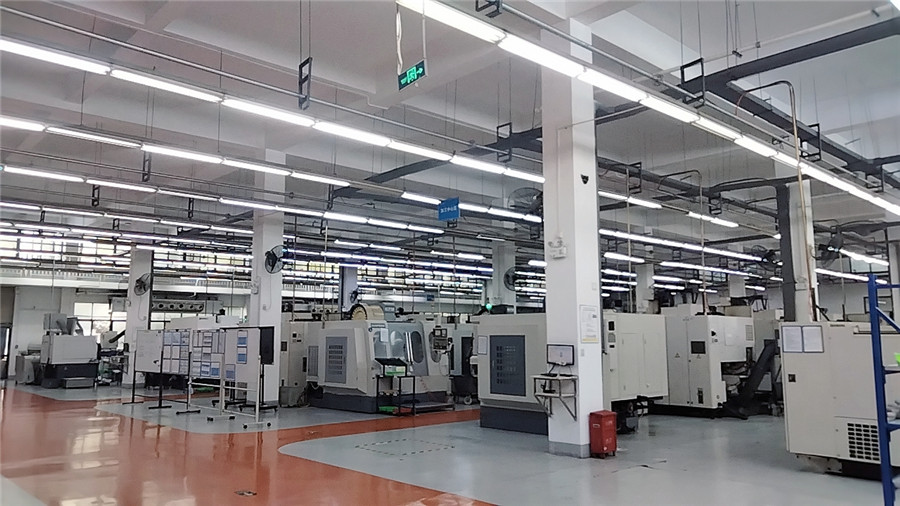
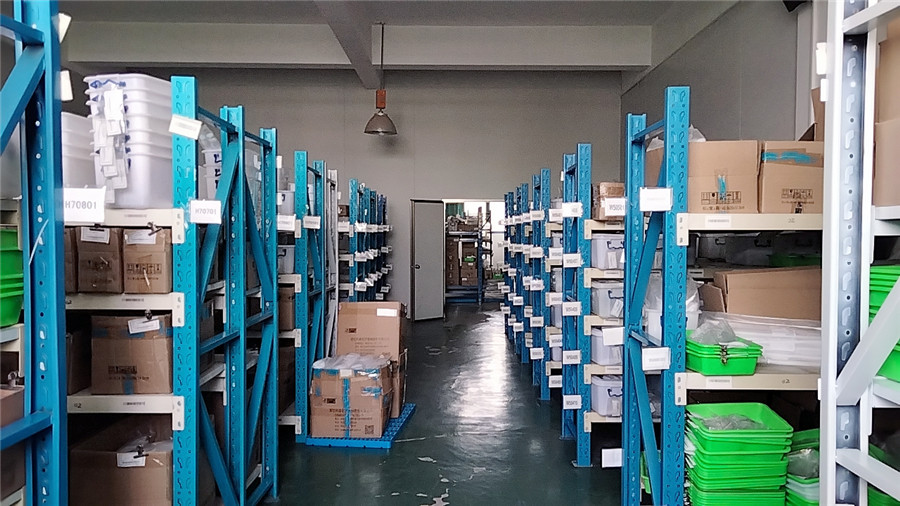
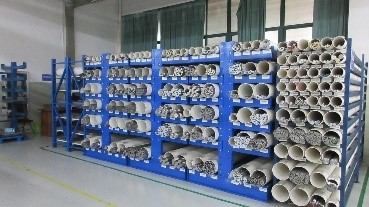
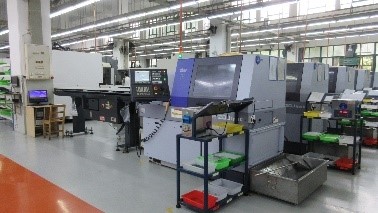
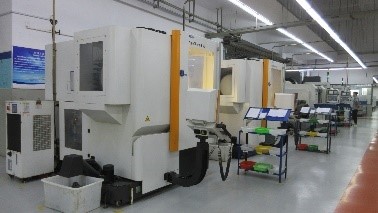
China has solidified its position as the world's orthopedic manufacturing hub, not just through cost-efficiency, but through Vertical Supply Chain Integration. From raw titanium sourcing to advanced CNC machining and final sterile packaging, the proximity of the entire ecosystem ensures unmatched lead times.
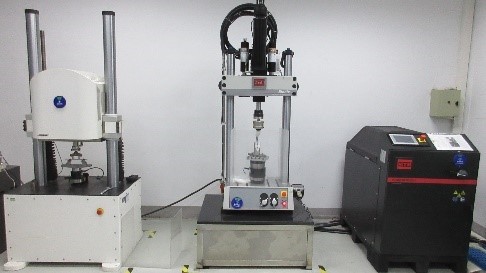
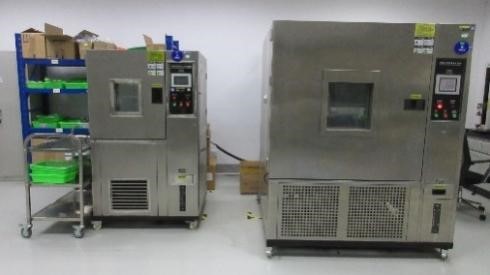
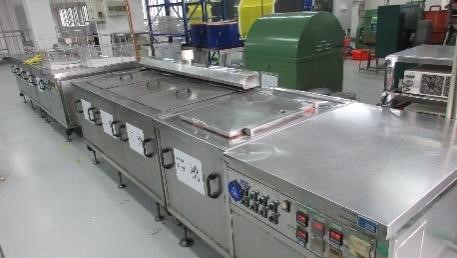
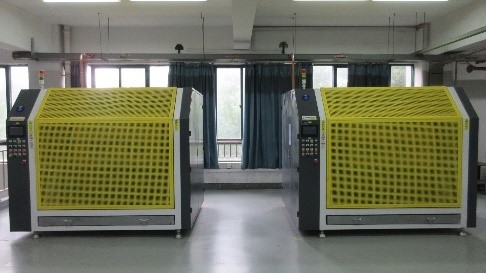
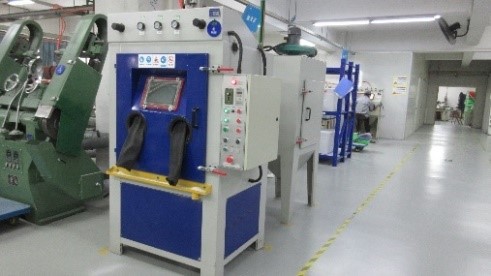
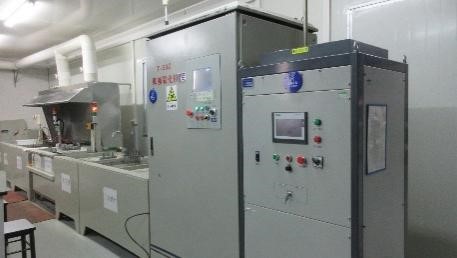
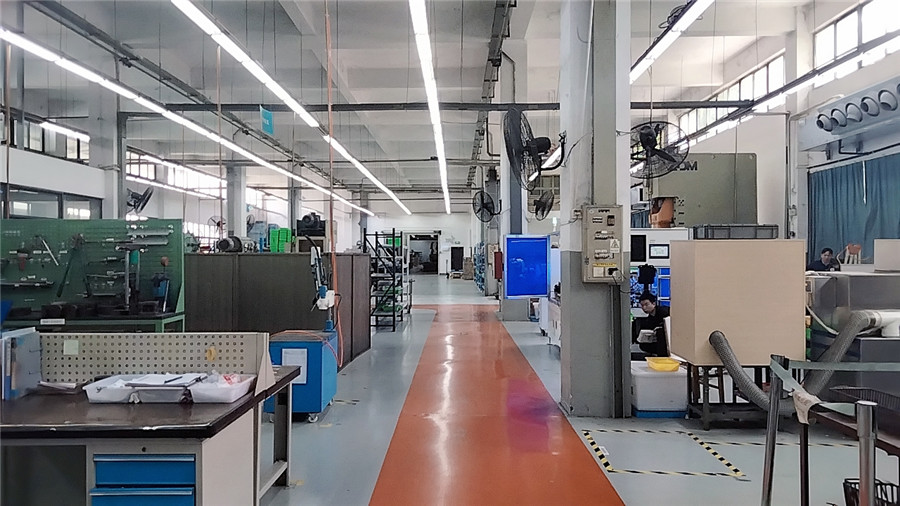
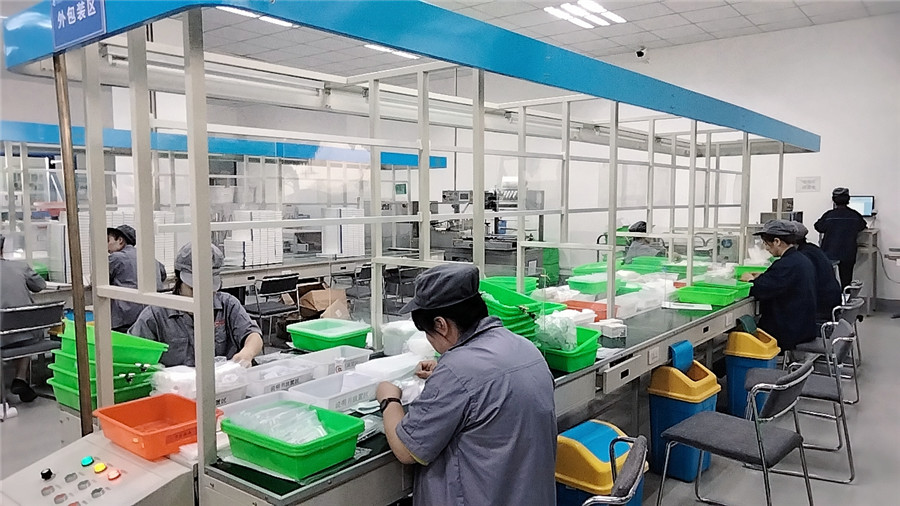
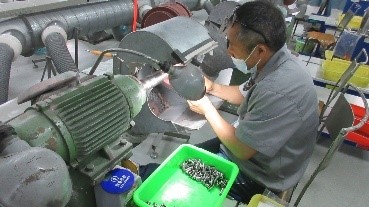
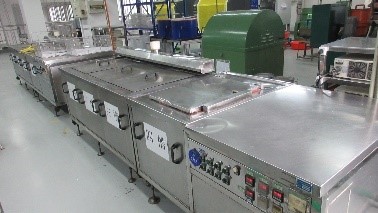
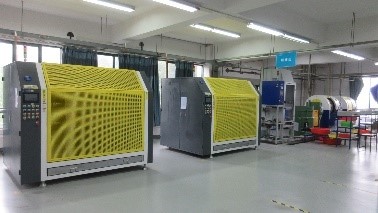
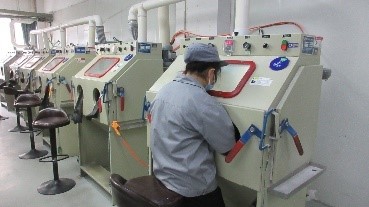
Our facility in China leverages automated production lines to maintain ISO13485 and CE standards. This allows us to offer Information Gain to our partners—providing not just a product, but a data-backed assurance of quality and regulatory readiness for MDR and FDA submissions.
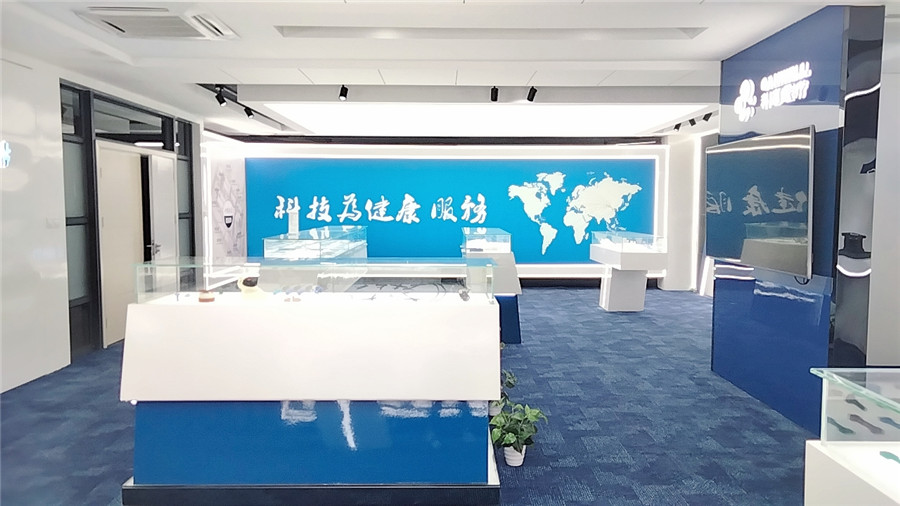
KaiSo has established a complete Quality Assurance System to continuously fulfil the requirements according to ISO9001, 13485, CE, ranging from material procurement to design development and automated production processes.
 ISO13485: SX 2180356-1
 93/42/EEC: HD 2180356-1
 MDR: 6142788CE02
R&D Capabilities: 59 Graduate-level engineers providing light customization, sample processing, and graphic processing on demand.
Main Markets: South America (30%), Southeast Asia (20%), Western Europe (20%).
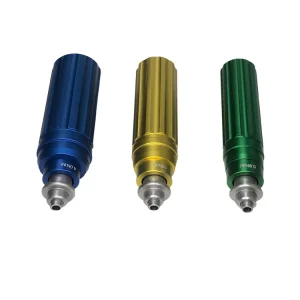
We understand that a bone screw driver kit or a spine instrument set used in Western Europe has different regulatory and ergonomic expectations than those in Southeast Asia. Our localized support ensures:
Full adherence to EU MDR 2017/745, ensuring that all instrument trays meet the stringent safety and clinical performance criteria for the European Economic Area.
Trays designed to fit standard US autoclave dimensions and FDA requirements for Class II medical devices, featuring enhanced drainage for rapid drying cycles.
Cost-optimized, high-durability solutions for hospitals in South America and Asia, where instrument longevity and ease of manual cleaning are paramount.
 KaiSo Medical