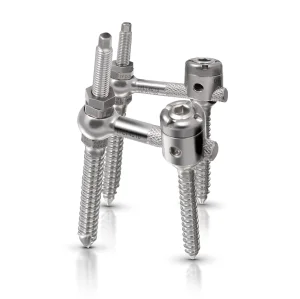
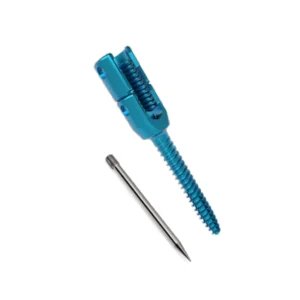
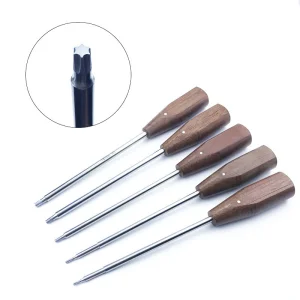
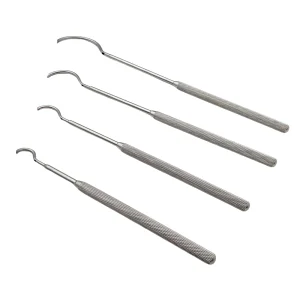
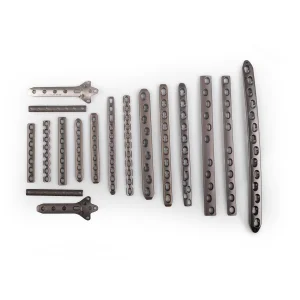
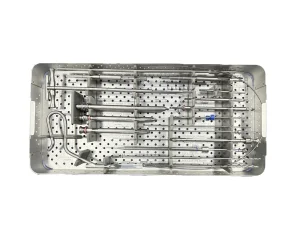
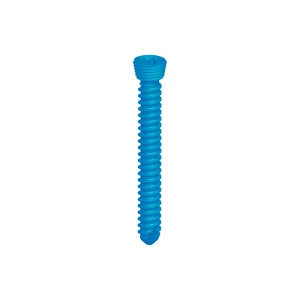
In the evolving field of spinal surgery, the Monoaxial Pedicle Screw remains a cornerstone of rigid internal fixation. While polyaxial screws offer intraoperative flexibility, monoaxial designs are unparalleled in providing the mechanical leverage necessary for complex deformity corrections, such as adolescent idiopathic scoliosis (AIS). Global demand for these high-precision components is surging, driven by an aging population and advancements in minimally invasive surgery (MIS).
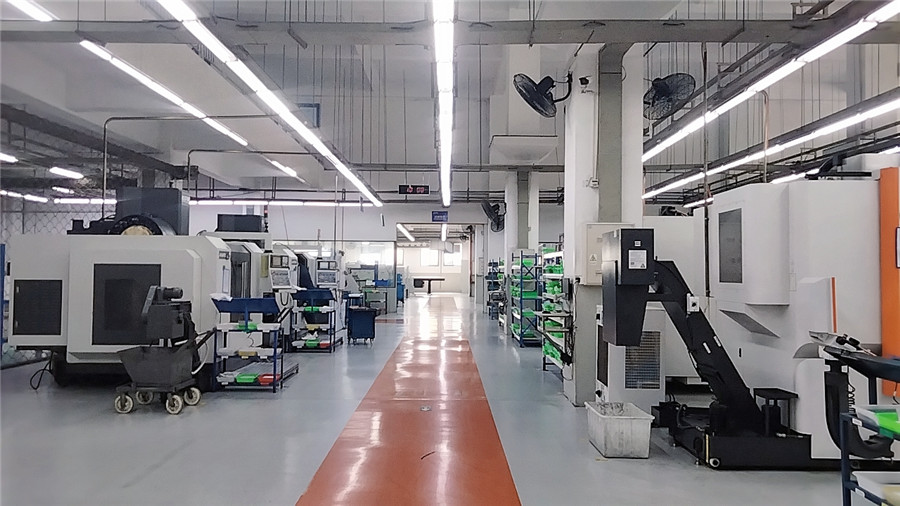
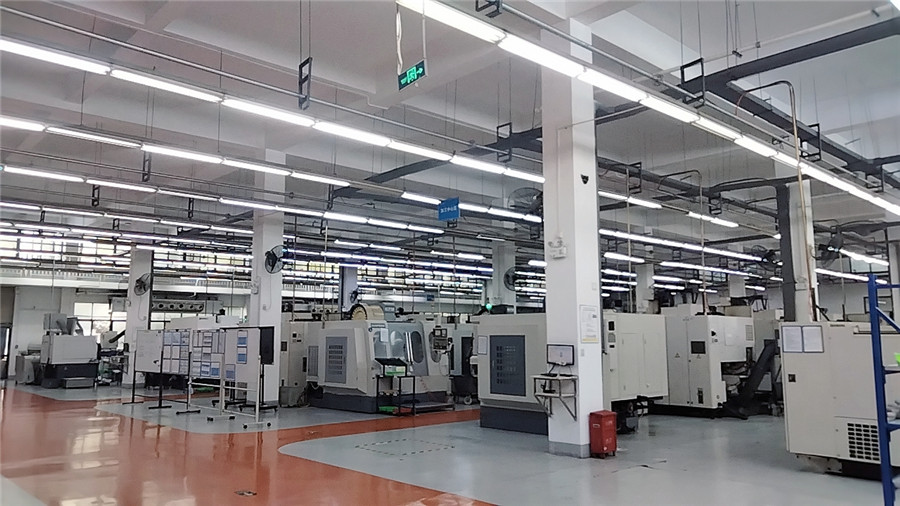
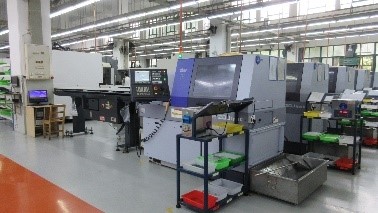
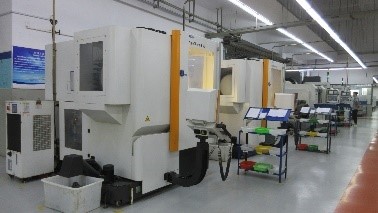
Modern factories utilize multi-axis CNC Swiss-turning centers to ensure sub-micron tolerances, essential for screw-thread integration and rod-locking security.
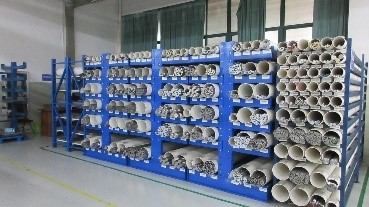
The industry has shifted predominantly to Titanium Alloy (Ti-6Al-4V ELI) and Cobalt-Chrome (CoCr) to ensure biocompatibility and fatigue resistance under physiological loads.
Adherence to EU MDR (2017/745) and US FDA 510(k) is no longer optional. Top factories are defined by their ability to provide full clinical data and traceability.
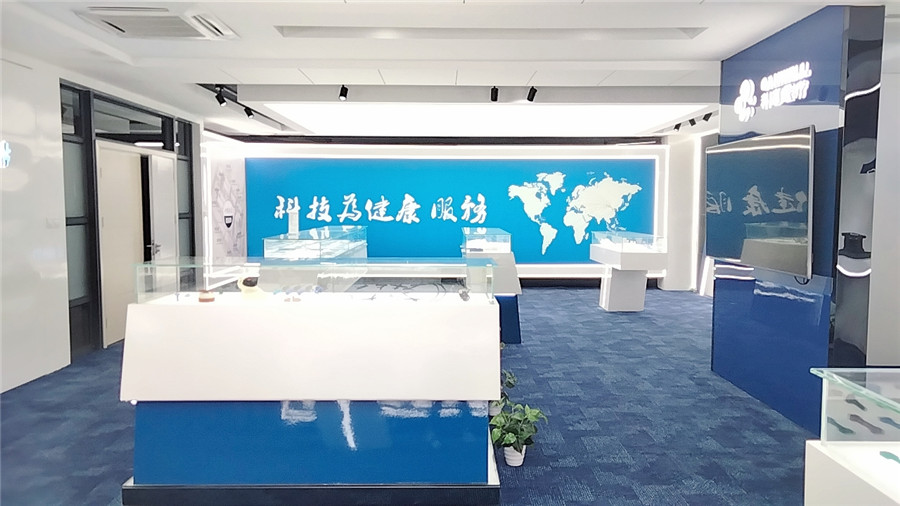
China has transitioned from a high-volume manufacturer to a high-tech innovation hub for orthopedic implants. Factories like KaiSo represent this shift, combining massive floor space (nearly 30,000 m²) with sophisticated R&D teams.
The competitive edge of Chinese pedicle screw factories lies in Vertical Integration. From in-house anodic oxidation (for color-coding screws) to advanced mechanical testing labs (ASTM F1717 / F1798), the turnaround time for a custom-designed monoaxial screw system has dropped by 40% compared to Western counterparts. This efficiency is critical for hospitals managing procurement costs without sacrificing patient safety.
| Feature | Details & Capabilities |
|---|---|
| Registration & Experience | Founded in 2004; 22 Years in Spinal & Trauma Industry |
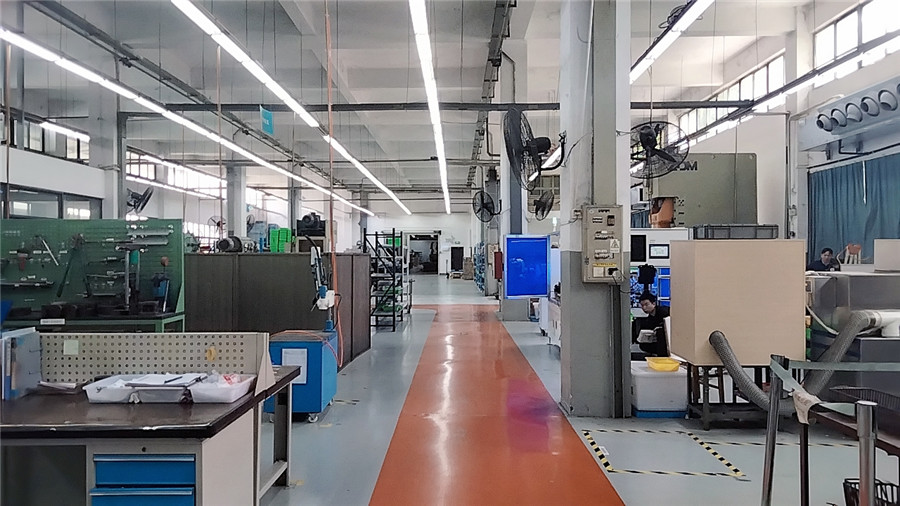
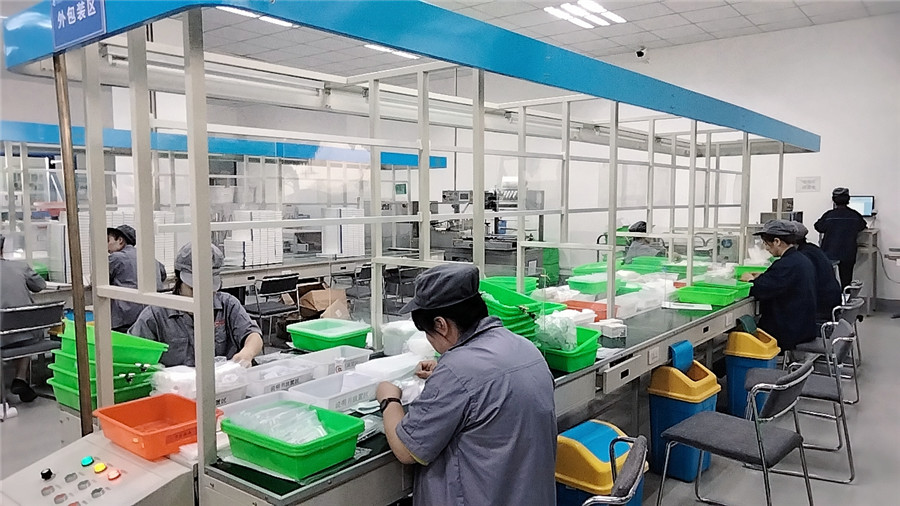
| Infrastructure | 29,523 m² Manufacturing Facility with Automated Production |
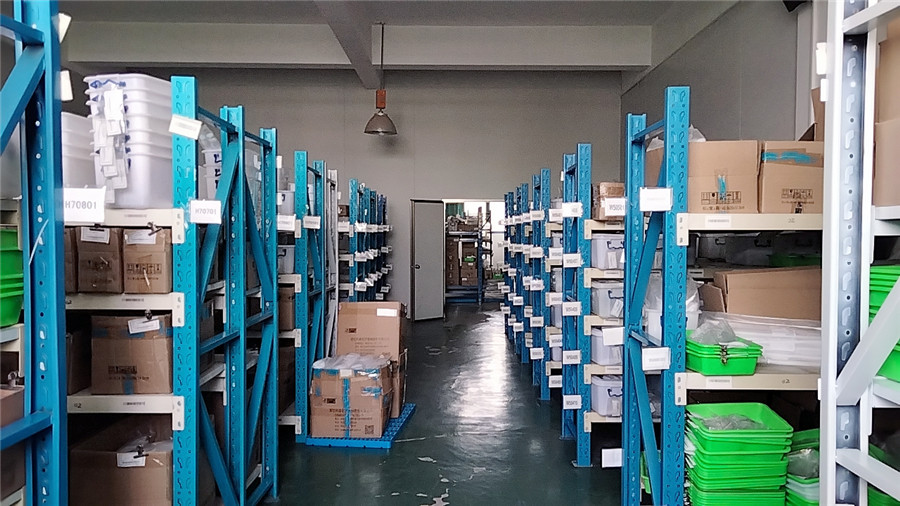
| Quality Assurance | 69 QC Inspectors; Inspection of all products; Traceability of raw materials |
| R&D Strength | 59 Graduate-level Engineers; Light customization & Graphic processing |
| Certifications | ISO 13485 CE (93/42/EEC) MDR Certified |
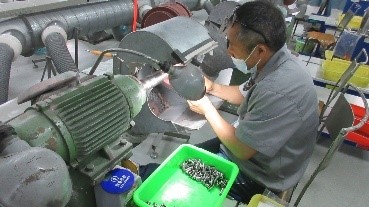
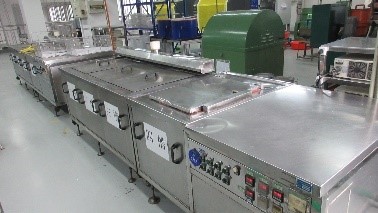
The production of monoaxial pedicle screws involves a stringent 12-step process, starting from titanium bar selection to ultrasonic cleaning and sterile packaging. KaiSo has established a complete Quality Assurance System to continuously fulfill requirements from material procurement to design development.
As we look toward 2025-2030, the monoaxial pedicle screw market is focusing on three key "Information Gain" areas:
Different markets have varying requirements for spinal implants:
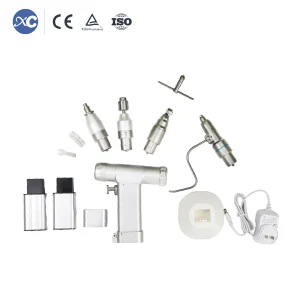
Focus on cost-effective, high-durability trauma systems and multi-functional surgical drills.
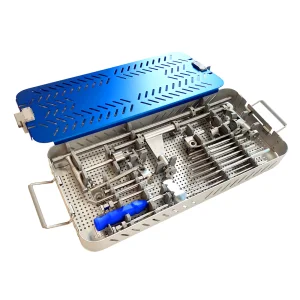
High demand for pediatric-sized implants and minimally invasive spinal stabilization kits.
Strict focus on MDR compliance and high-grade titanium locking plate systems.
 KaiSo Medical