Advanced Surgical Grade Instruments & Fixation Systems
The femoral stem is the cornerstone of Total Hip Arthroplasty (THA). As global population demographics shift toward an aging society, the demand for high-durability, biocompatible femoral implants has reached unprecedented levels. The global orthopedic implants market, specifically the hip replacement segment, is projected to grow at a CAGR of 5.8% through 2030.
Modern femoral stems have evolved from simple monoblock designs to complex modular systems utilizing Titanium-6Aluminum-4V (Ti6Al4V) and Cobalt-Chromium (CoCr) alloys. Industry leaders are now focusing on bioactive coatings (such as Hydroxyapatite) and 3D-printed porous structures that facilitate superior osseointegration, significantly reducing the risk of aseptic loosening—the leading cause of implant failure.
North America and Europe currently lead in consumption, but the Asia-Pacific region is the fastest-growing hub for manufacturing and supply chain optimization.
Shift from cemented fixation to cementless "press-fit" designs, utilizing plasma-sprayed surfaces for long-term stability.
Integration of AI-driven CNC machining and laser sintering (SLM) for patient-specific anatomical matching.
Transition from MDD to MDR (EU 2017/745) has raised the bar for clinical evidence and post-market surveillance for all suppliers.
Efficiency, Precision, and Scalability in Orthopedic Supply Chains
China has transformed from a high-volume producer to a high-precision innovator in the medical device sector. Leading Chinese manufacturers like KaiSo and Beijing Fule integrate vertical supply chains that provide significant Information Gain for global buyers through clinical data transparency and manufacturing agility.
| Feature | Chinese Excellence (e.g., KaiSo) | Global Industry Standard |
|---|---|---|
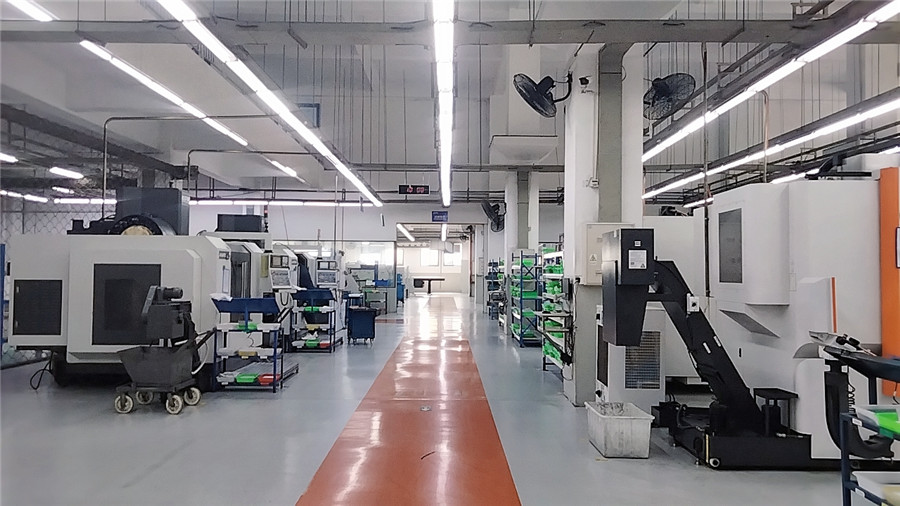
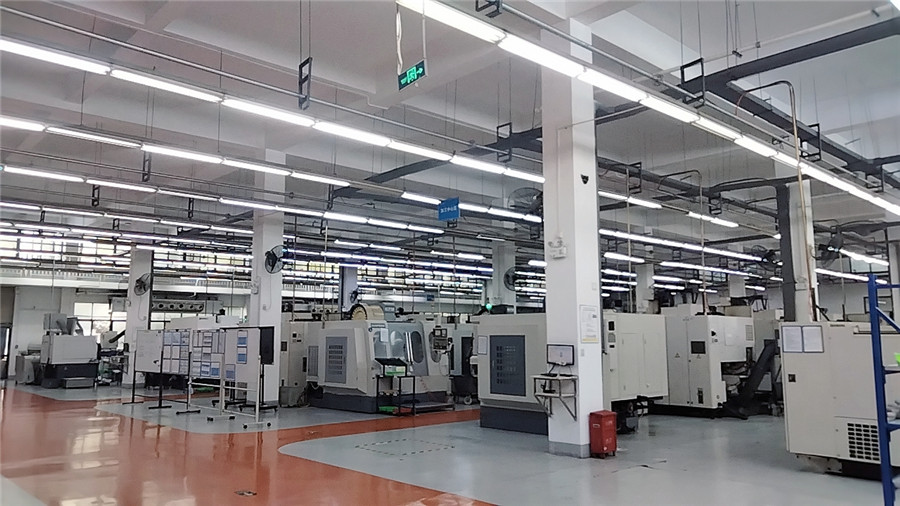
| Production Efficiency | Fully automated CNC lines with 24/7 operation | Segmented batches with longer lead times |
| R&D Flexibility | Rapid prototyping & sample processing in < 2 weeks | Standard cycles of 4-8 weeks |
| Cost-to-Quality Ratio | 30-50% more efficient due to cluster supply chains | High overhead costs in Western markets |
| Regulatory Compliance | Dual CE (MDR) & ISO 13485 alignment | Region-specific certification |
Solving Surgical Challenges with Design Variants
Designed for patients with good bone stock. Focus on Tapered Wedge designs that provide immediate rotational stability and "fit-and-fill" proximal fixation.
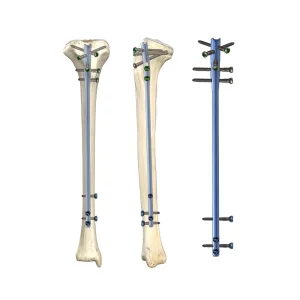
Modular femoral stems are utilized to address bone loss (Paprosky classification). Distal fixation options with interlocking screws ensure stability in compromised femurs.
Cemented femoral stems are often preferred here to allow early weight-bearing and minimize the risk of periprosthetic fractures in osteoporotic bone.
KaiSo has established a complete Quality Assurance System to continuously fulfil the requirements according to ISO9001, 13485, CE, ranging from material procurement to design development and automated production processes.
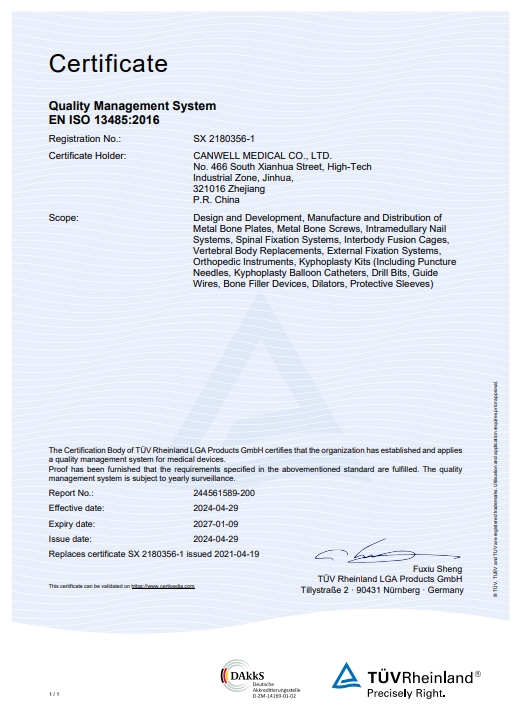 ISO13485 Certified Facility
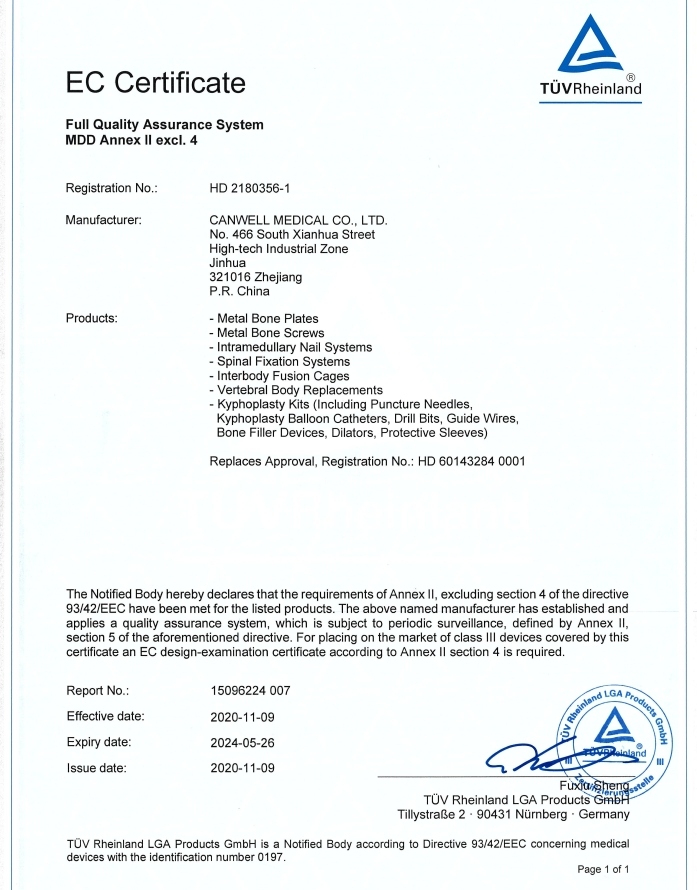 93/42/EEC CE Compliance
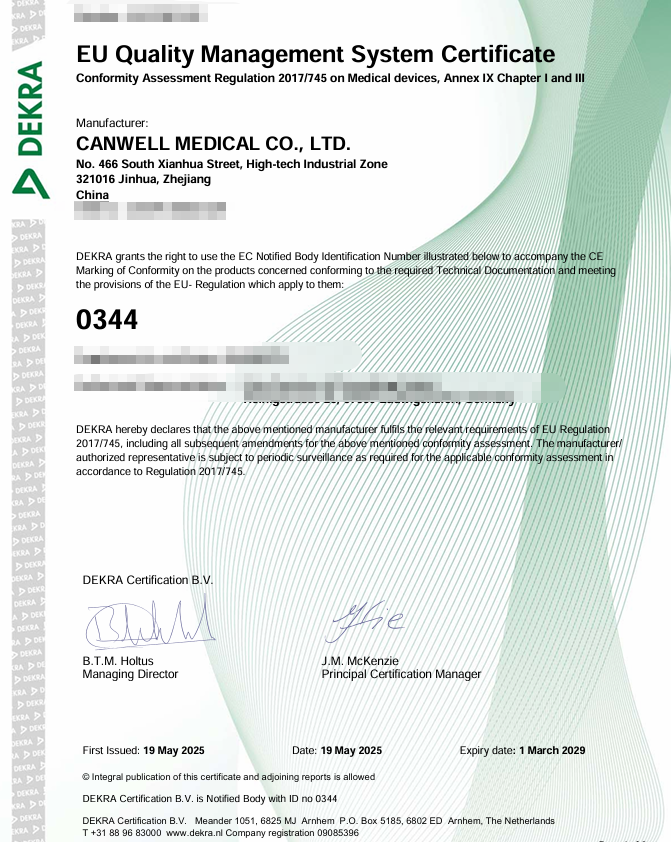 MDR (Medical Device Regulation) Ready
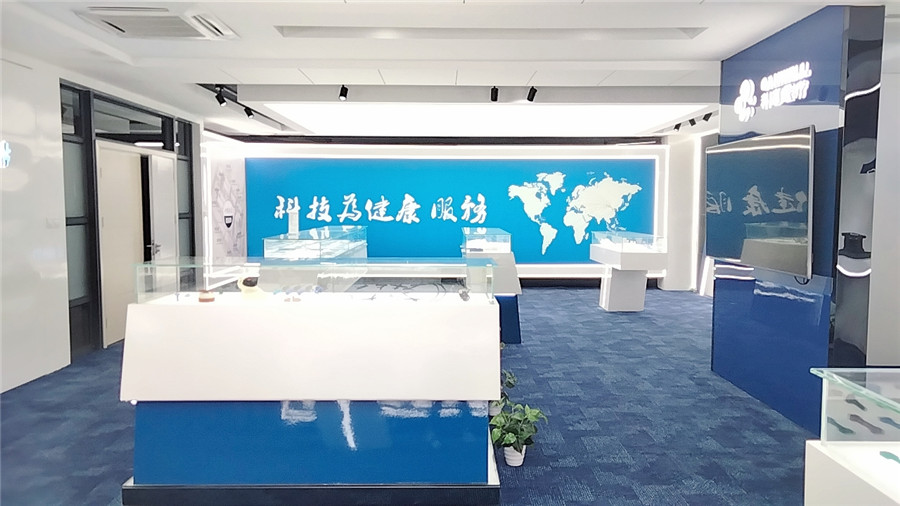
The industry is moving away from "one size fits all." Advanced manufacturers are using CT-scan data to create femoral stems that match the exact intramedullary canal geometry of the patient, reducing "stress shielding" and improving longevity.
Global procurement heads are now prioritizing partners with ESG (Environmental, Social, and Governance) commitments. Efficient Chinese factories are reducing carbon footprints by optimizing heat treatment processes and material recycling.
Surgical navigation and robotic-assisted surgery (RAS) require femoral stems with precise markers and digital twins for pre-operative planning. Manufacturers are now providing CAD/CAM integration for hospital surgical suites.
Expert answers for B2B buyers and surgical consultants
Precision Instruments for Spinal, Trauma, and Joint Reconstruction
 KaiSo Medical