Explore our highly integrated surgical-grade implants and micro-machined power tools designed for clinical safety and anatomical longevity.
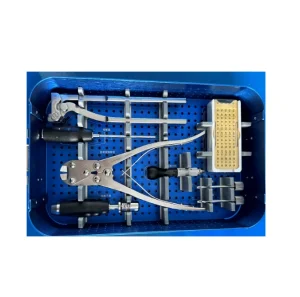
Good Quality Orthopedic Titanium Rib Bone Plate Rib Bone Fracture Orthopedic Instrument Set
Request Specifications →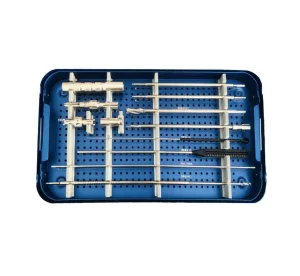
Orthopedic Plate Titanium Orthopedic Implant Bone Implant Orthopedic Instrument for Femoral Neck Surgery
Request Specifications →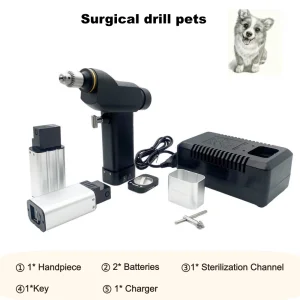
Orthopedic Cannulated Drill Micro Electric Bone Drill for Trauma Surgery Bone Drill Orthopedic Pet Surgical Instruments
Request Specifications →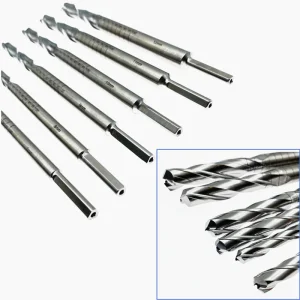
Orthopedic Tibia Cannulated Drill Bit Cortex Cannulated Reamer Hole Expand Hollow Drill Bit Intramedullary Nail Reaming Drill
Request Specifications →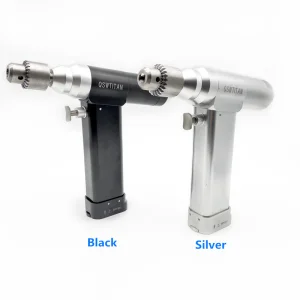
Orthopedic Drill for Trauma Surgery Bone Drill Veterinary Orthopedic Medical Surgical Instruments
Request Specifications →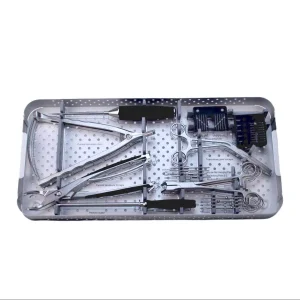
Geasure Surgical Instruments Set Stainless Steel 5.5mm Pedicle Screw Spine Instrument Set for Spinal Implant
Request Specifications →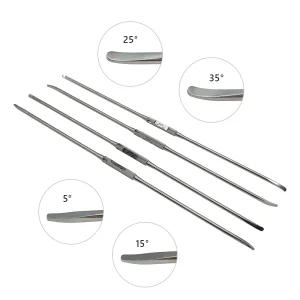
Stainless Steel UBE Double Ended Nerve Hook Spinal Periosteal Stripper Dual Head Stripper Orthopedic Instrument
Request Specifications →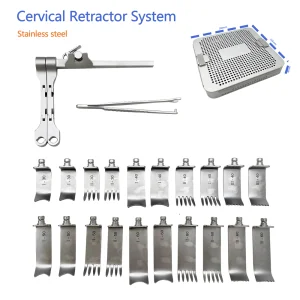
Spine Retractor Distractor System Cervical Retraction Instrument with Sterilization Box Orthopedic Spinal Surgical Instrument
Request Specifications →The global orthopedics market is undergoing a historic structural shift. Driven by an aging worldwide population, rising clinical preferences for early arthroplasty, and active lifestyles among seniors, the demand for joint replacement components (hip, knee, shoulder, and spinal constructs) is growing at a compound annual rate exceeding 6%. However, medical device original equipment manufacturers (OEMs) and brand owners face severe macroeconomic pressures. These include fluctuating material costs for titanium and cobalt alloys, complex regulatory environments under the EU MDR and US FDA 510(k), and the necessity of minimizing manufacturing errors to zero to ensure clinical safety.
In this challenging commercial landscape, OEMs are increasingly moving away from pure in-house manufacturing. Instead, they rely on highly specialized contract manufacturing organizations (CMOs) that can offer both scale and advanced precision. The modern sourcing strategy prioritizes vendors that do not just act as simple casting houses, but serve as collaborative technological partners. These partners must offer full traceabilities, extensive validation runs (IQ/OQ/PQ), and the ability to process demanding materials into finished, sterile-ready products.
Historically, total joint arthroplasty (TJA) implants relied solely on subtractive machining from forged billets. Today, the market demands hybrid production methodologies. Manufacturers must couple CNC milling with laser-sintered additive manufacturing (Direct Metal Laser Sintering - DMLS) to construct highly porous surface structures that promote rapid osteointegration. This technological evolution has significantly raised the barrier to entry for components factories. Sourcing departments now actively inspect facilities for multi-axis grinding machines, cleanrooms class ISO 7 or 8, and automated visual measurement machines to secure high-yield production runs.
China's medical instrument and orthopedic implant manufacturing sectors have transformed from basic component replication centers to advanced engineering hubs. KaiSo, founded on November 3, 2004, represents this development. Operating from a modern 29,523-square-meter facility with over 22 years of export and design experience, we combine high manufacturing efficiency with strict quality control.
The efficiency of Chinese medical manufacturing is rooted in complete industrial clusters. Raw materials, high-precision tooling, thermal treatments, surface finishings, and physical testing are located in close geographical proximity. This concentration of capabilities reduces lead times, cuts logistical costs, and allows for rapid prototyping cycles. For global procurement managers, this setup enables short paths from CAD designs to physical prototypes, often within a few weeks, compared to several months in traditional Western supply chains.
| Implant/Material Parameter | Standard Specification Details | KaiSo Capabilities & Manufacturing Tolerances |
|---|---|---|
| Primary Materials Used | Titanium Alloy (Ti6Al4V ELI - ASTM F136), CoCrMo, Surgical SS (316LVM) | 100% traceably sourced with mill certificates; chemical composition verified per batch. |
| Machining Precision Limits | ISO Class IT6 / IT7 Tolerances | Multi-axis CNC Swiss-turning up to ±0.005 mm; surface roughness Ra ≤ 0.05 μm for articular joints. |
| Quality Verification Protocols | ISO 13485:2016, CE 93/42/EEC, MDR Compliance | 69-member QC division conducting coordinate metrology, visual laser scan, and fatigue test. |
| Customization Level | Light customization to complete custom-on-demand designs | Customized product development via 59 graduate R&D engineers utilizing advanced CAD/CAM. |
In the medical device supply chain, regulatory alignment is the primary criteria for reliability. Compliance is not optional when human health and surgical outcomes are at stake. KaiSo operates under a verified Quality Assurance System, holding certifications for ISO 13485, CE (93/42/EEC), and the transitioning European Medical Device Regulation (MDR). This guarantees that every step of material procurement, design development, automated machining, cleanroom cleaning, and final shipment is documented, traceable, and ready for regulatory audit.
High-performance joint replacement components require precise material science and mechanical processing. Implants are subjected to dynamic loading inside the human body, undergoing millions of load-bearing cycles. To avoid stress corrosion, premature wear, and aseptic loosening, specific design and production standards must be met.
We source medical-grade titanium (Ti6Al4V ELI) conformant to ASTM F136 and implant-grade stainless steel (316LVM) conformant to ASTM F138. All incoming bar stocks and forgings undergo ultrasonic flaw detection to ensure zero internal voids or inclusions.
Complex anatomical geometries, such as femoral heads, condyle plates, and tibial trays, are machined using high-end five-axis milling centers. This enables single-setup machining to maintain geometric tolerances and prevent axis misalignment.
Our polishing processes achieve a mirror finish (roughness Ra ≤ 0.05 μm) on articular surfaces. This low roughness reduces friction against polymer liners (such as UHMWPE), minimizing wear debris and extending the lifespan of the implant.
Our manufacturing scope covers diverse clinical indications, reflecting our adaptive OEM/ODM capabilities:
Visual evidence of our manufacturing footprint. Inside our manufacturing lines, cleanrooms, and testing facilities.
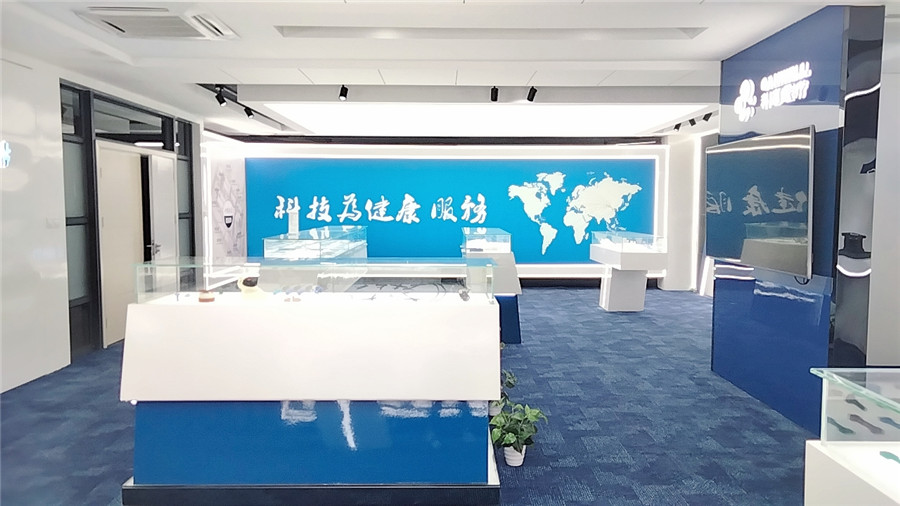
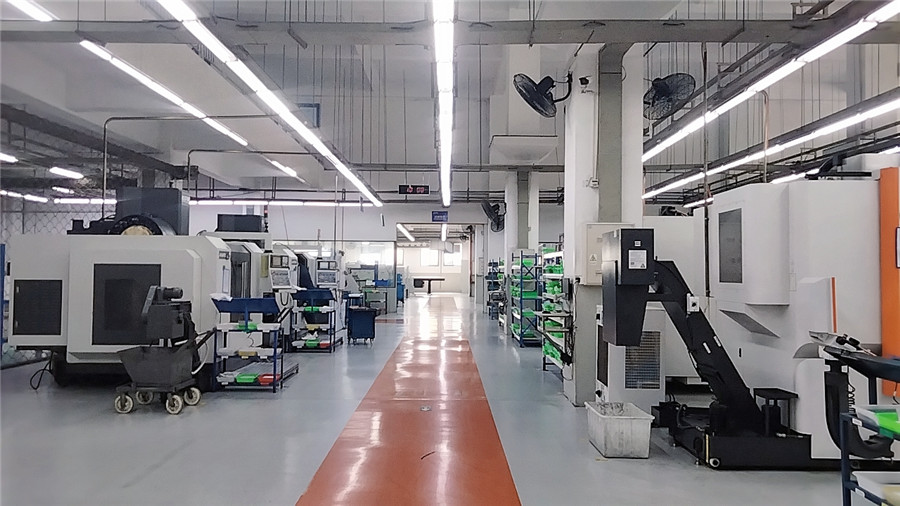
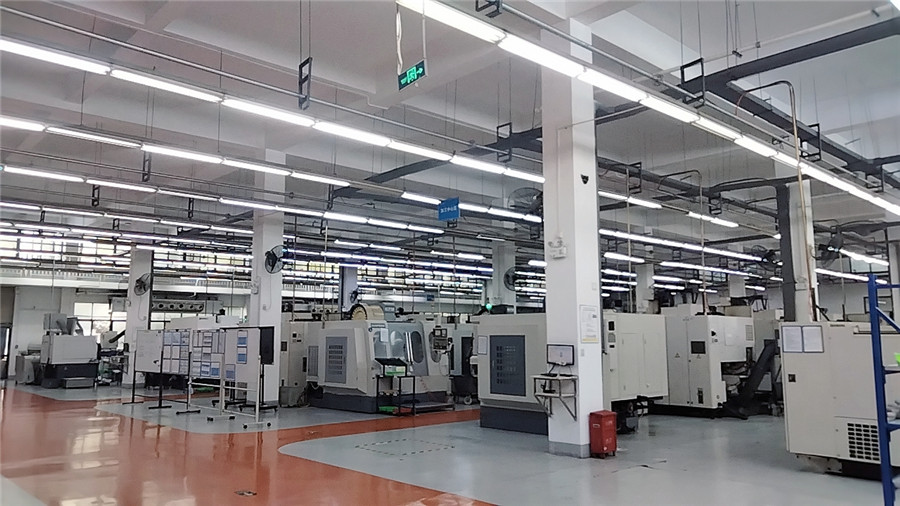
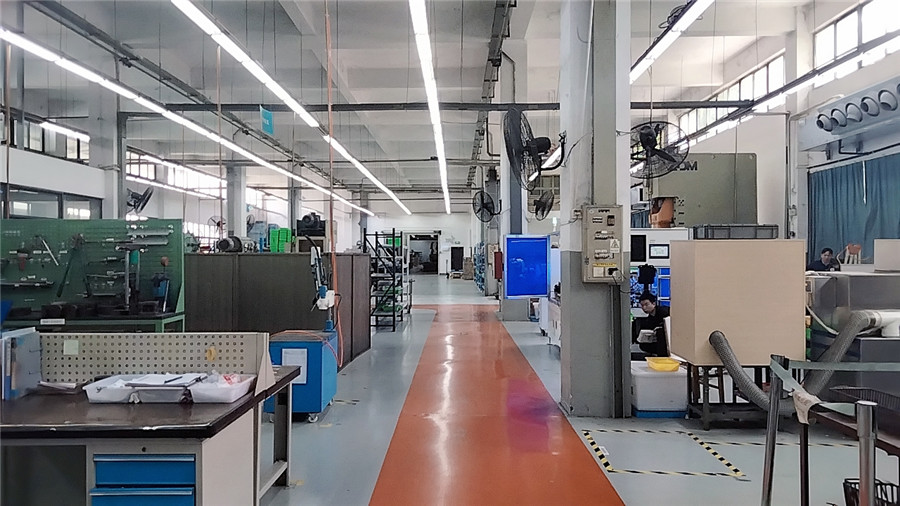
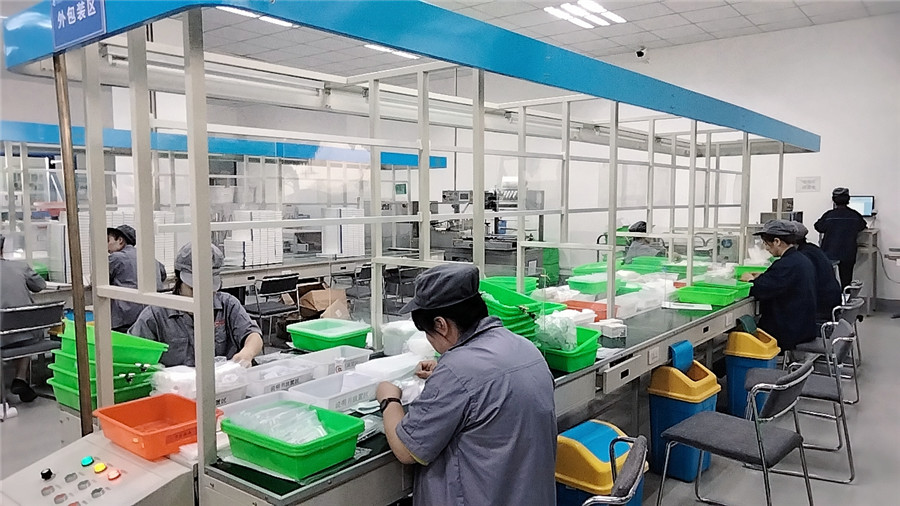
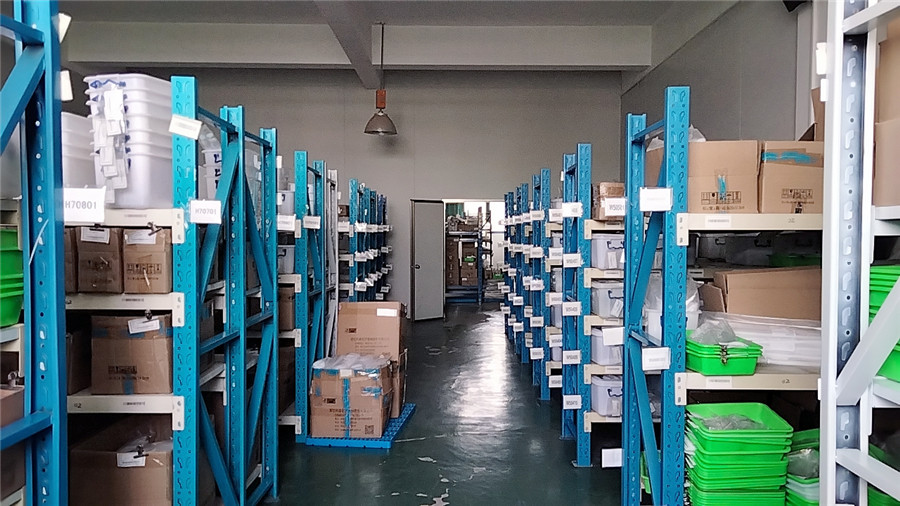
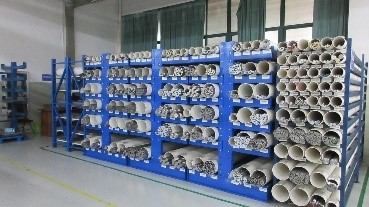
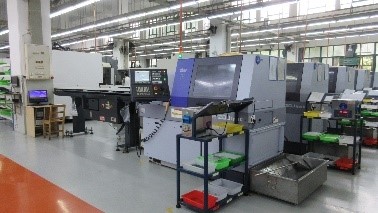
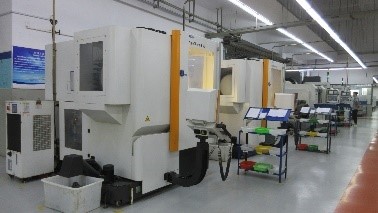
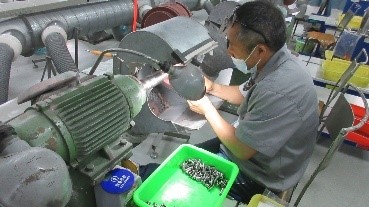
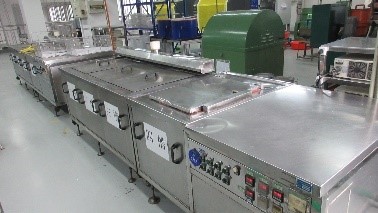
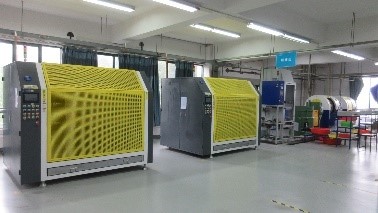
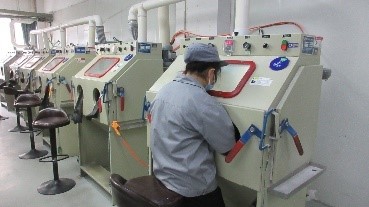
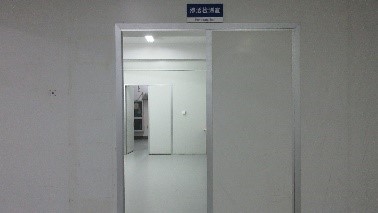
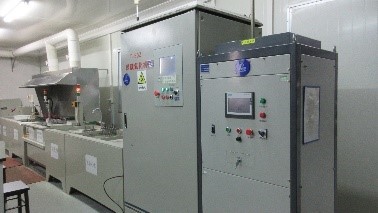
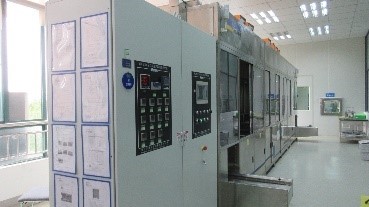
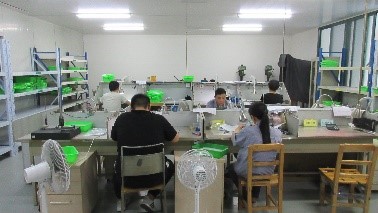
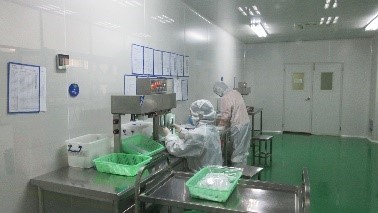
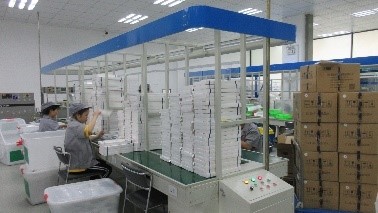
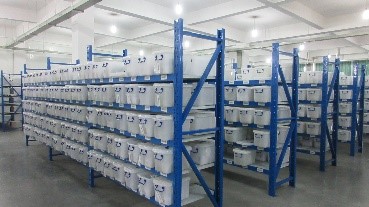
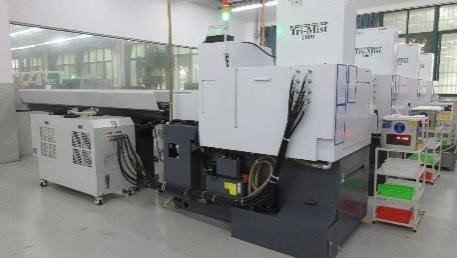
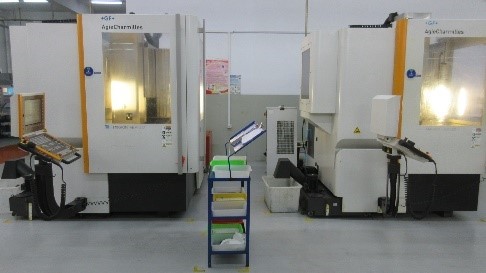
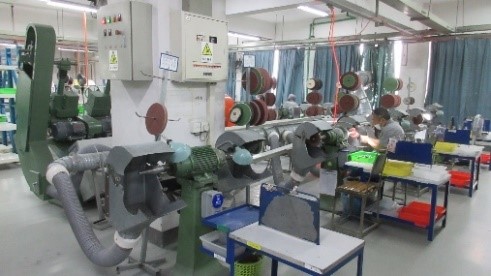
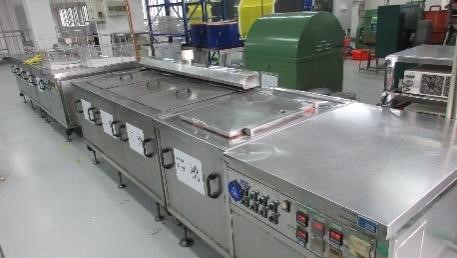
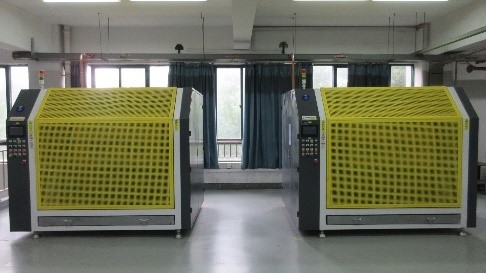
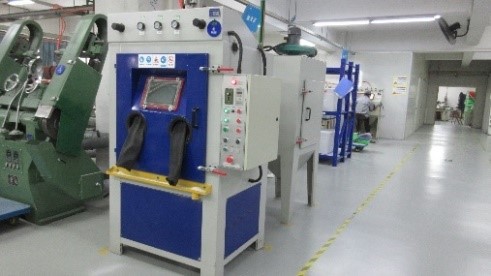
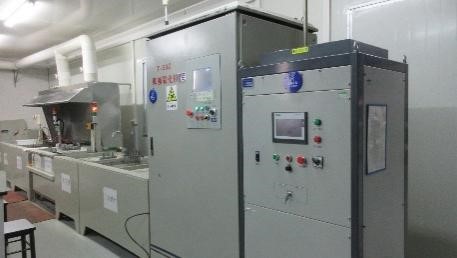
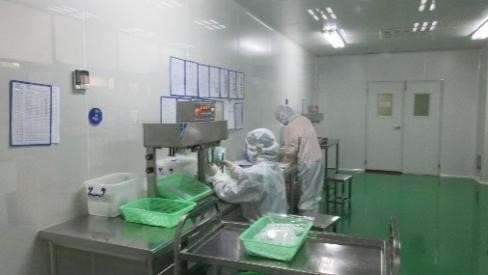
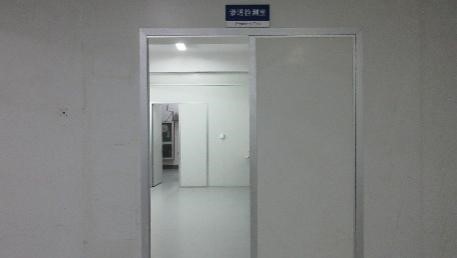
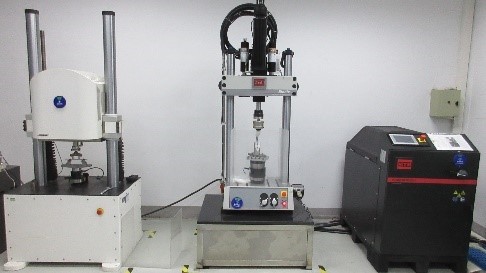
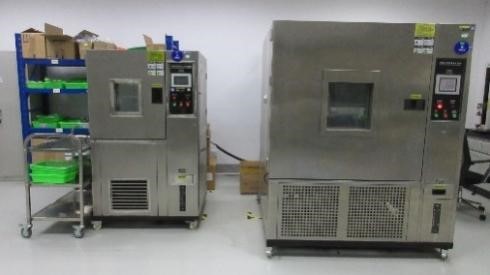
The orthopedic industry is adopting new manufacturing processes to meet changing surgical demands. Five key trends are shaping the future of global component sourcing:
Verified capabilities and international certifications for medical device production.
 ISO13485 (Cert. SX 2180356-1)
 93/42/EEC (Cert. HD 2180356-1)
 MDR Compliance (Cert. 6142788CE02)
Critical engineering and sourcing answers for medical device managers and quality directors.
We primarily use implant-grade Titanium Alloy (Ti6Al4V ELI conforming to ASTM F136 / ISO 5832-3), Cobalt-Chromium-Molybdenum alloys (CoCrMo conforming to ISO 5832-12), and Surgical Stainless Steel (316LVM conforming to ASTM F138 / ISO 5832-1). Material batches are delivered with mill test certificates and undergo chemical verification prior to production.
We operate a clean quality management system certified under ISO 13485:2016. Our products are CE certified under Directive 93/42/EEC and comply with the transitioning Medical Device Regulation (MDR 2017/745) standards. This documentation system supports our partners' regulatory filings in Europe, South America, and Asia.
MOQs are determined based on the complexity of the part geometry and the setup costs. For light customizations of existing trauma plates or surgical screws, we offer flexible production runs. For entirely new components requiring custom tooling and validation protocols, MOQs are negotiated case-by-case.
Yes. We design and manufacture both implants and their corresponding surgical instruments (such as drill guides, compression forceps, retractors, and micro bone drills). This allows brands to source complete, compatible implant and instrument kits from a single supplier.
We offer anodization (Type II and Type III) for color-coded titanium, passivation for stainless steel, glass-bead blasting, chemical etching for porous osseointegration textures, and high-precision mirror polishing (Ra ≤ 0.05 μm) for articulation zones.
Our 59 graduate R&D engineers collaborate closely with client designers. We accept CAD models, develop CNC toolpaths, and machine small prototype runs for mechanical verification and mechanical fatigue testing under laboratory standards.
Secondary selection of precision trauma instruments, spinal fixation assemblies, and advanced veterinary equipment.
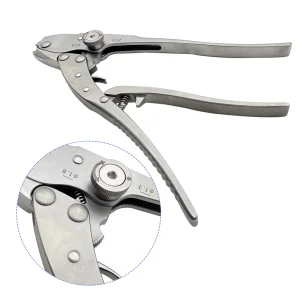
Stainless Steel Cable Locking Autoclaveable Compression Forceps Locking Pliers Bone Forceps Animal Orthopedic Instruments
Request Specifications →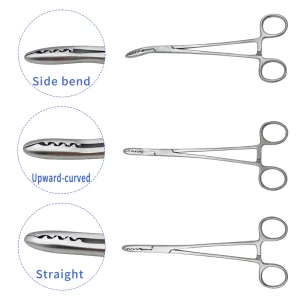
205mm Soft Tissue Forceps Straight Curved Tissue Grasp Forceps With Teeth Pet Orthopedics Instruments Autoclaveable
Request Specifications →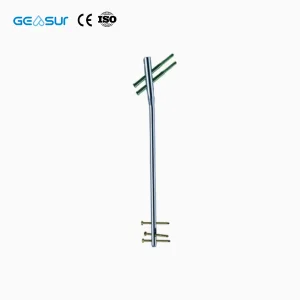
Geasure CE ISO Certified Advanced Trochanteric Femoral Intramedullary Nail Class III Orthopedic Implant 1 Year Warranty Jiangsu
Request Specifications →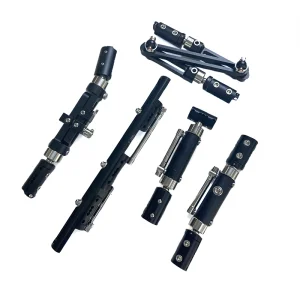
Factory Sale Good Price Surgical Instruments Set Basis of Bone Lengthening External Fixator
Request Specifications →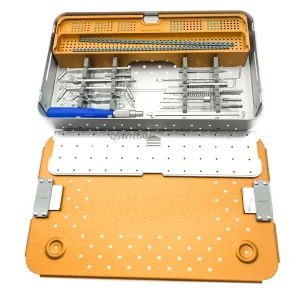
Orthopedic Set Pet Titanium Locking Plate System Orthopedic Veterinary Instruments
Request Specifications →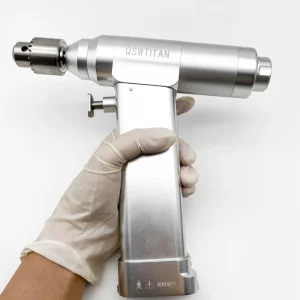
Orthopedic Bone Drill Medical Surgical Bone Drill Orthopedic Trauma Drill
Request Specifications →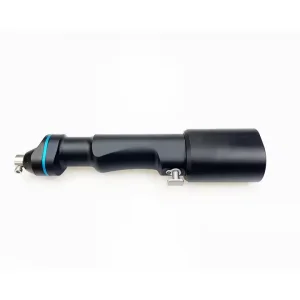
Veterinary Instrument Electric TPLO Saw
Request Specifications →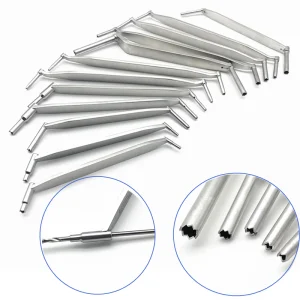
Orthopedic Instrument Bone Drill Bits Guider Sleeve Orthopedic Drill Sleeve Pointed Drill Guide Double
Request Specifications → KaiSo Medical