Precision manufactured instruments and surgical implants engineered to the highest tolerances for clinical and veterinary settings.
An established manufacturing footprint, rigorous inspection infrastructure, and international compliance pathways define our operational capabilities.
The global cervical implants market represents a crucial subset of the orthopedic and spine-surgery industries. Rapid market growth is propelled by key factors such as an aging worldwide demographic, the rising incidence of degenerative disc disease (DDD), and advancements in outpatient surgical procedures. Medical device brands are seeking strategic collaborations with advanced OEM/ODM facilities. Partnering with specialized contract manufacturers allows brands to shorten development cycles, reduce capital expenditures, and maintain robust supply chains.
OEM/ODM partners enable medical brands to focus on clinical validation and marketing. Contracting out raw material processing, multi-axis CNC milling, and Class 10,000 cleanroom packaging allows companies to convert fixed manufacturing costs into variable operating expenses.
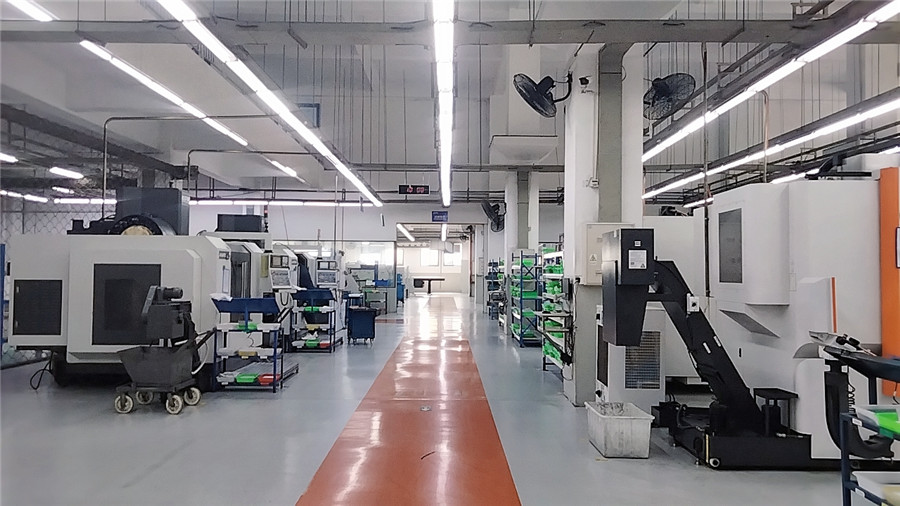
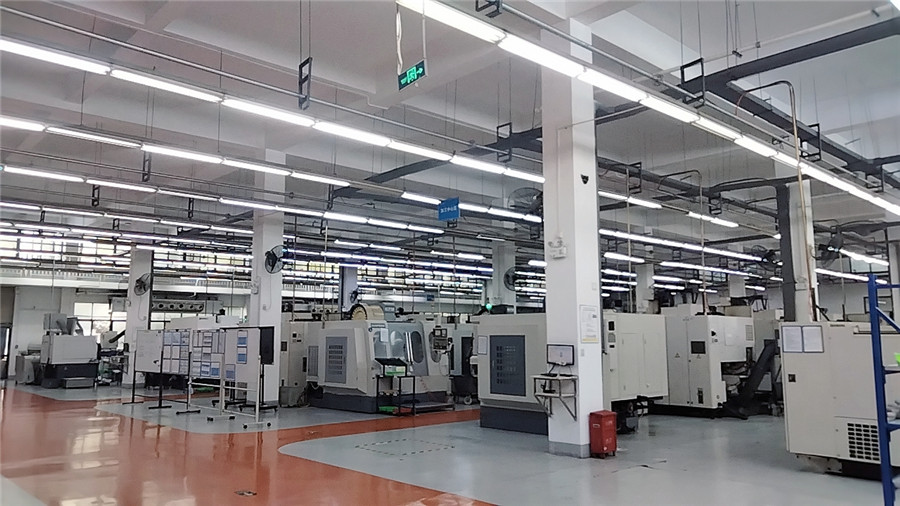
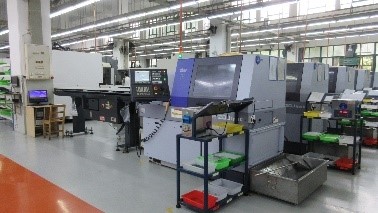
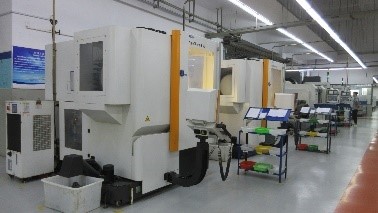
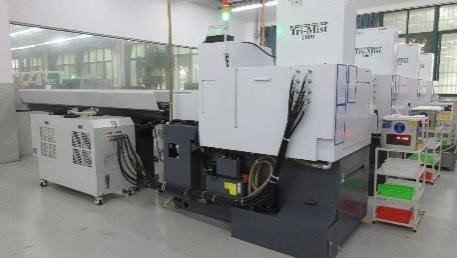
Modern manufacturing requires significant capital investment. Leading factories operate advanced facilities with imported Swiss longitudinal lathe machines, high-speed vertical machining centers, and automated optical scanners to guarantee sub-micron precision for every cervical plate and cage.
Securing market access relies on comprehensive regulatory compliance. Quality-centric contract manufacturers maintain full ISO 13485 certification, hold European MDR compliance, and support clients in preparing FDA 510(k) and NMPA registration files.
The spine care field is shifting away from static structural fusions toward dynamic, patient-matched, and minimally invasive alternatives. Key technological shifts include:
Different surgical environments impose distinct performance and regulatory requirements on cervical implant portfolios:
| Geographic / Clinical Sector | Predominant Implant Solution | Critical Engineering Focus | Regulatory and Packaging Needs |
|---|---|---|---|
| North American ASCs | Zero-Profile ACDF Spacer & Integrated Screw Systems | Simple dynamic locking, low profile, single-use sterile kits | FDA 510(k), cleanroom sterilization validation |
| European Public Hospitals | Hybrid Systems (Cervical Cage + Integrated Anterior Plates) | Exceptional mechanical fatigue life, detailed imaging options | MDR CE Mark, Post-Market Clinical Follow-up (PMCF) |
| Asia-Pacific Multi-Center Systems | Modular Cervical Fixation Plates & Peek Cages | Adaptability to varied anatomical sizes, competitive cost structures | NMPA/PMDA compliance, comprehensive biocompatibility data |
| Global Veterinary Orthopedics | Specialized Micro-Cervical Plates & Mini-Screws | Compact dimensions for feline and canine anatomy, specialized angles | Custom veterinary profiles, rapid prototyping capabilities |
We are expanding our manufacturing capabilities toward smart implant systems and advanced surface modifications. The roadmap below outlines our engineering priorities:
Integrating bone morphogenetic proteins (BMP) and antimicrobial coatings into the surface texture of implants. This technology helps reduce post-surgical infection rates and accelerates bone union.
Developing next-generation implants with built-in micro-sensors to monitor regional load-bearing forces and fusion progress. This data can be transmitted wirelessly to provide real-time patient recovery insights.
Researching magnesium-based and zinc-based bio-resorbable alloys. These alloys provide temporary mechanical support and dissolve after bone fusion, eliminating the need for implant removal surgeries.
KaiSo offers comprehensive, clinical-grade development services that guide clients through raw material validation, process engineering, cleanroom packaging, and international certification.
We use only certified medical materials, such as Titanium Grade 5 (Ti-6Al-4V ELI) and PEEK-OPTIMA. Every batch is traceable from melt source to the finished implant.
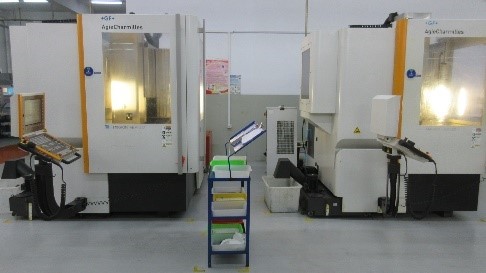
We utilize advanced 5-axis CNC machining centers to shape complex geometries. This setup allows us to fabricate intricate features, sharp threads, and anatomically curved profiles in a single setup.
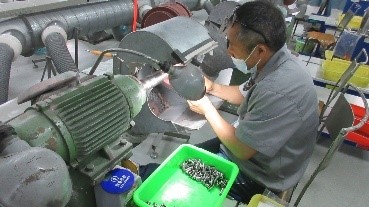
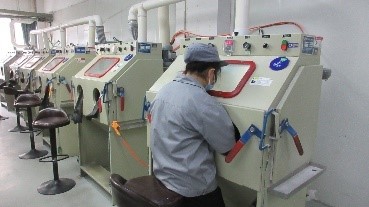
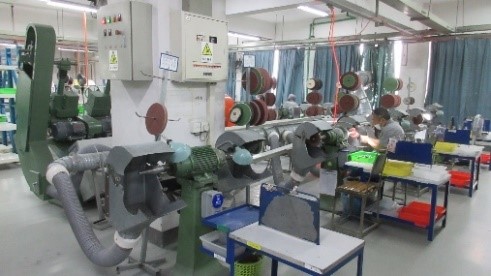
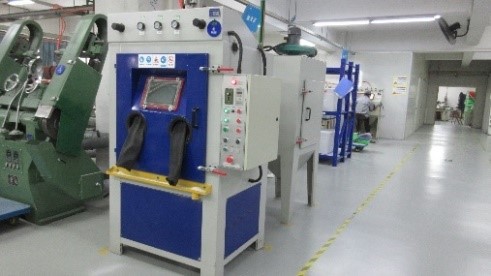
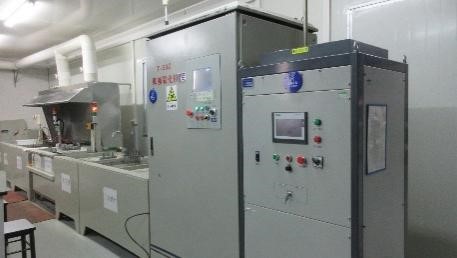
Our finishing techniques include type II anodization, acid etching, sandblasting, and chemical vapor deposition (CVD). These processes help create optimal micro-textures on implant surfaces.
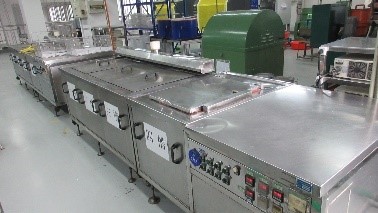
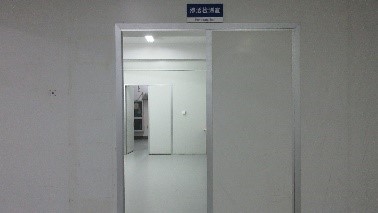
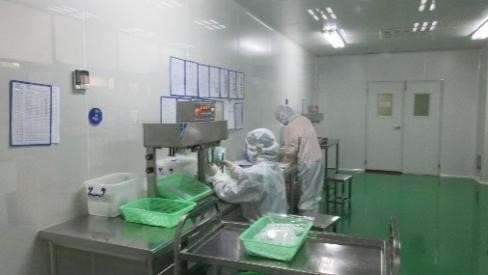
All final cleaning, assembly, and packaging processes occur within certified cleanrooms. We provide double-sterile blister packaging for direct use in sterile surgical theaters.
KaiSo has established a complete Quality Assurance System to continuously fulfill the requirements according to ISO9001, 13485, and CE, spanning from material procurement and design development to automated production processes.
| KaiSo Manufacturing Corporation Profile | |
|---|---|
| Company Registration Date | 2004-11-03 |
| Manufacturing Floor Space | 29,523 ㎡ |
| Years of Exporting Experience | 22 Years |
| Certified QA/QC Inspectors | 69 Specialists (Full product trace control, random inspections, customer request audits) |
| Active R&D Engineers | 59 Graduate Engineers offering full light customization, OEM sample processing, and custom-on-demand services |
| Key Markets | South America (30%), Southeast Asia (20%), Western Europe (20%) |
| Regulatory Standards | ISO13485 (SX 2180356-1), CE 93/42/EEC (HD 2180356-1 & 6050582CE01), MDR Compliance (6142788CE02) |
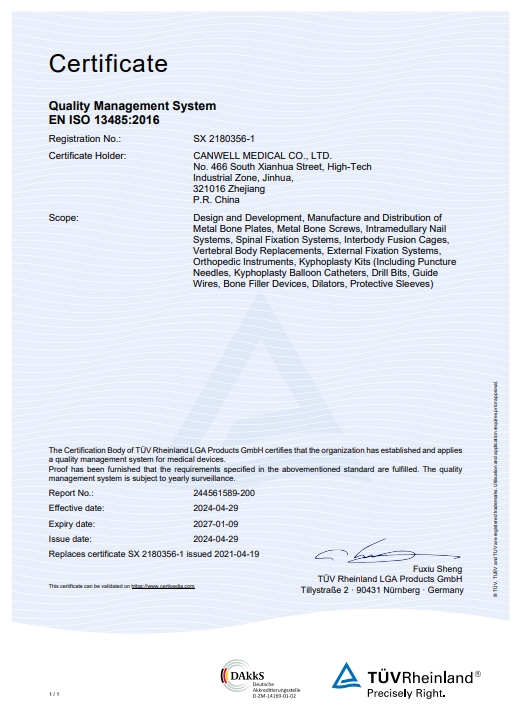

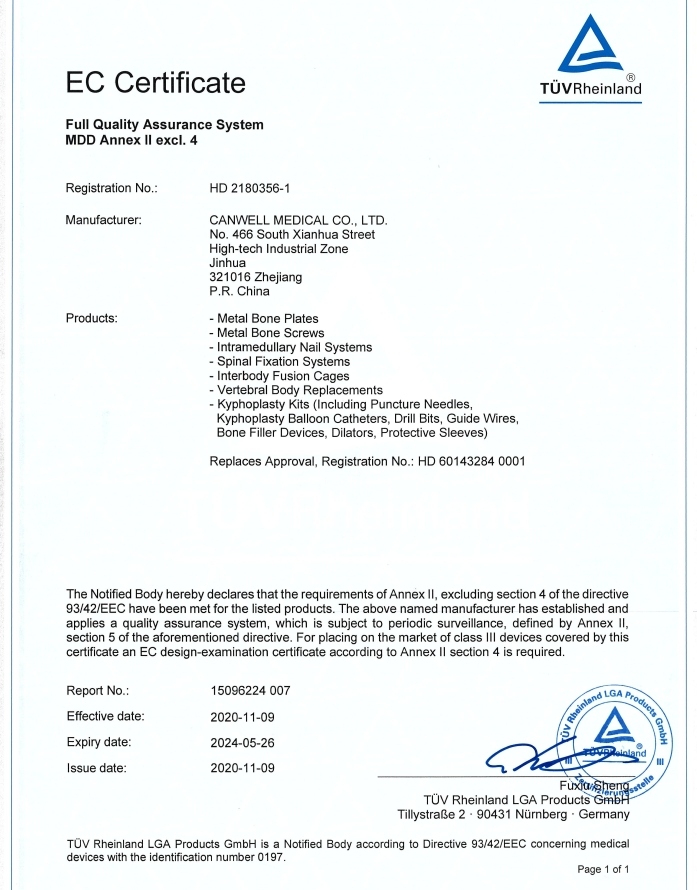

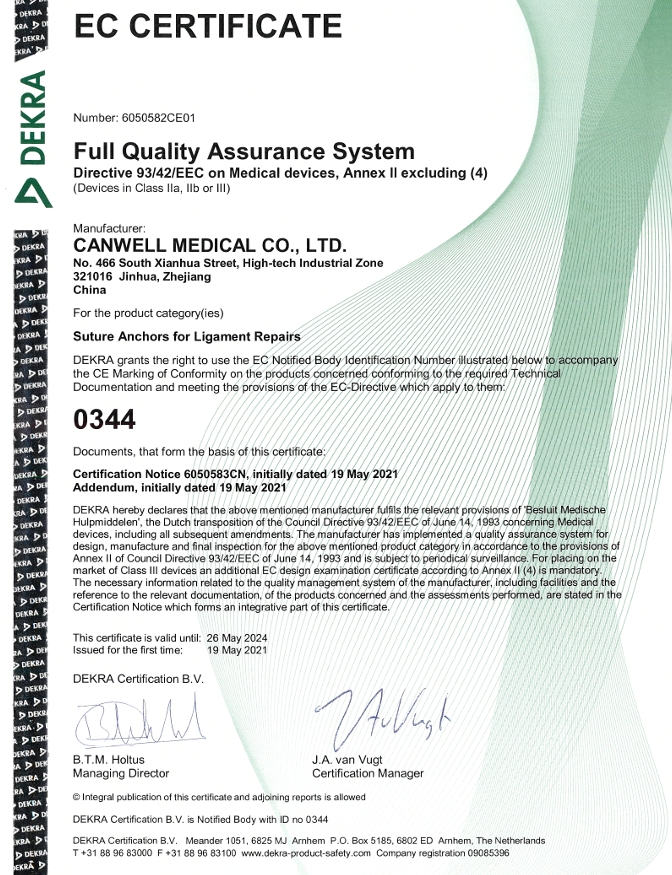
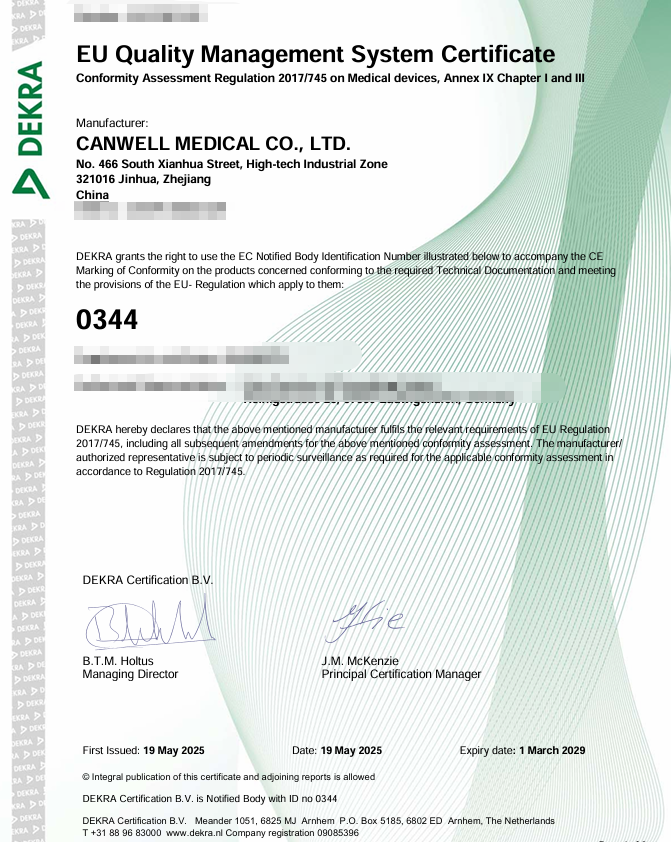
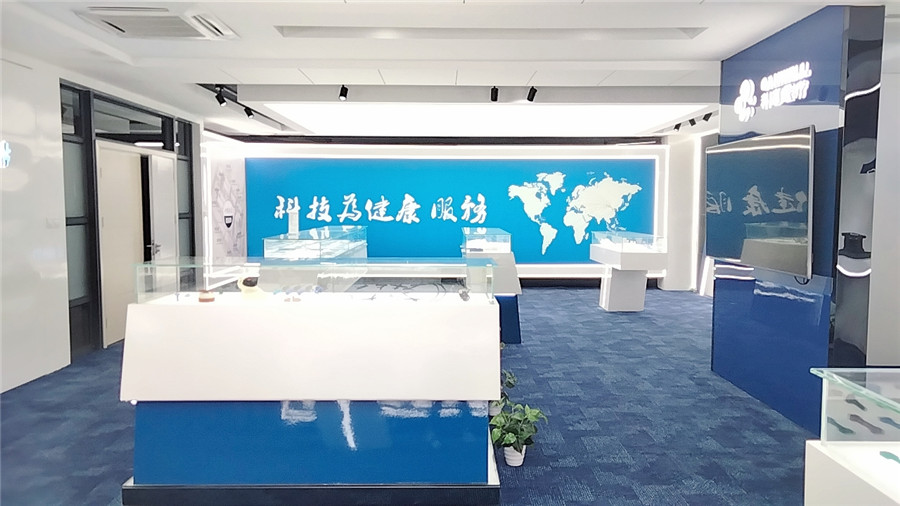
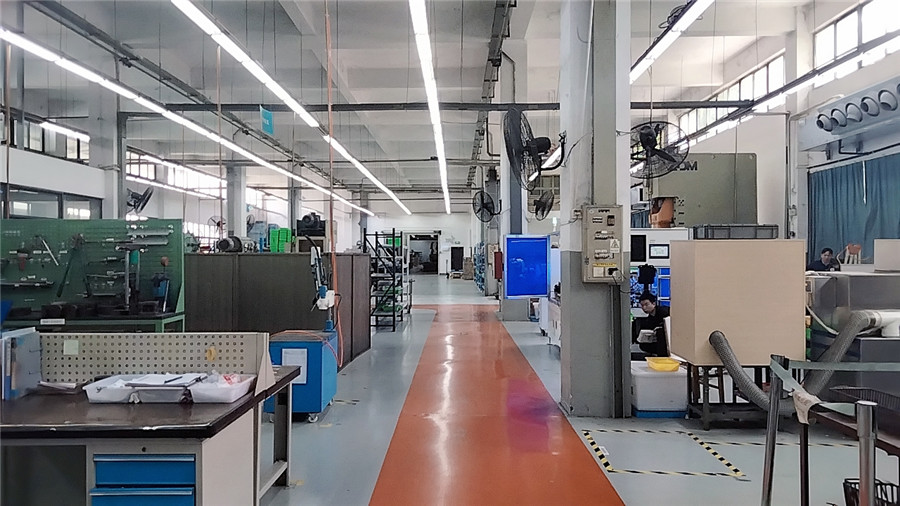
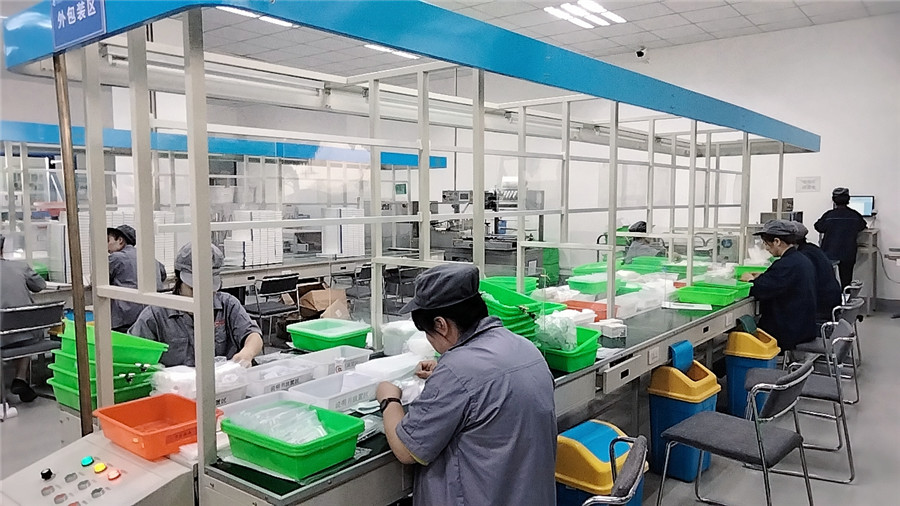
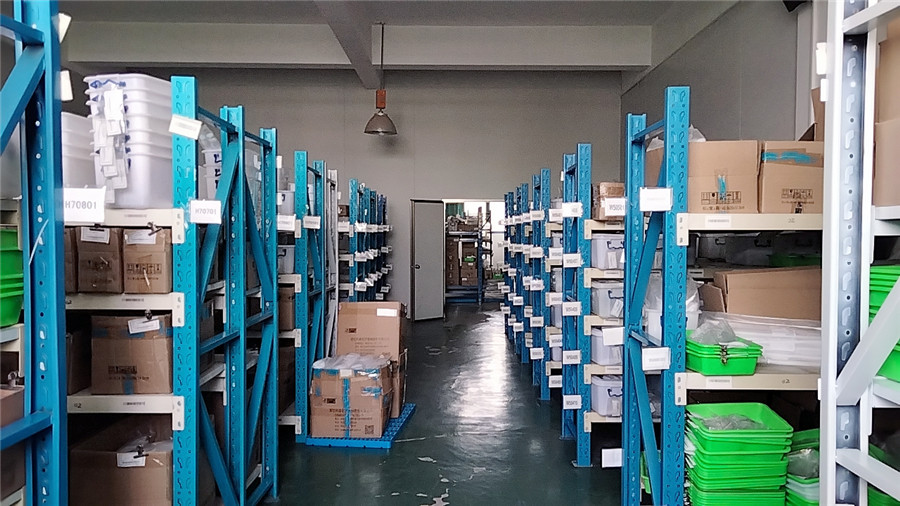
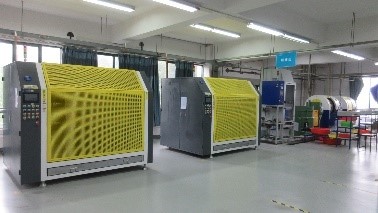
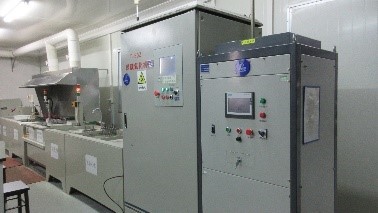
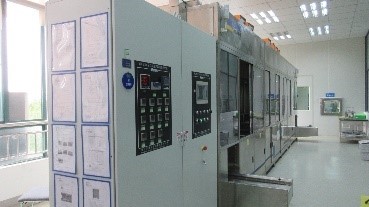
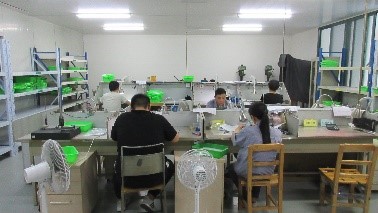
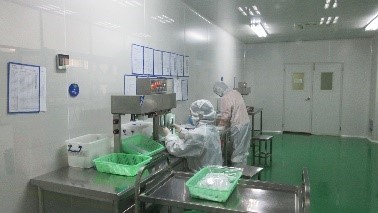
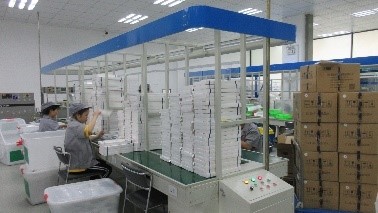
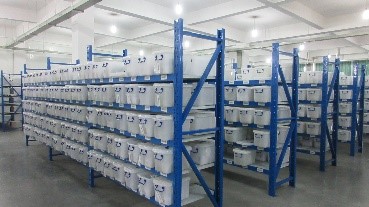
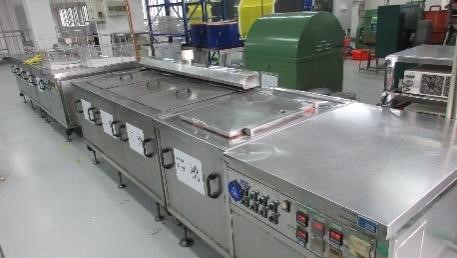
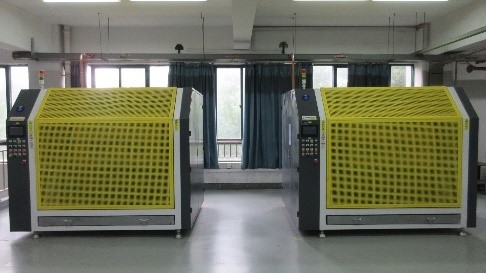
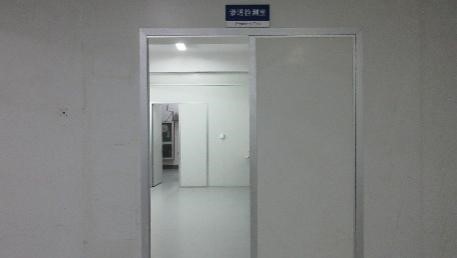
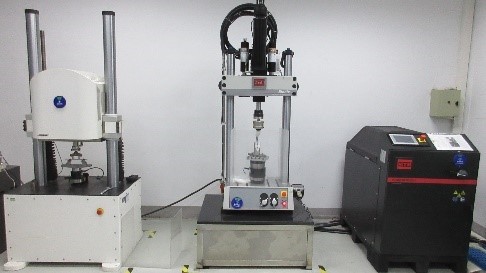
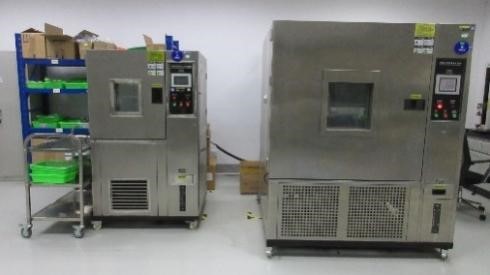
Explore our precision machining shop, QA inspection department, class 100,000 packing spaces, and mechanical testing centers:
Answering the most critical technical and business inquiries regarding regulatory compliance, customization, and logistics.
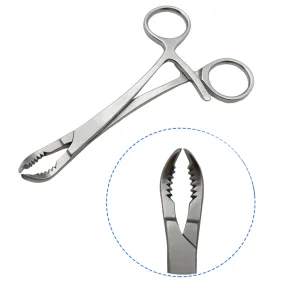
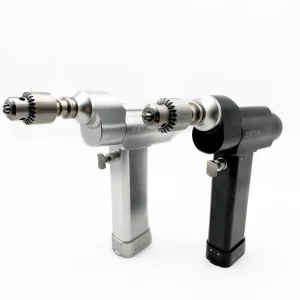
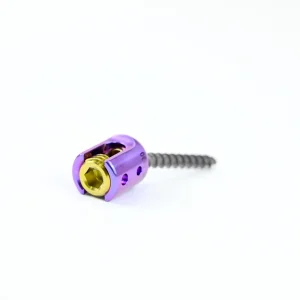
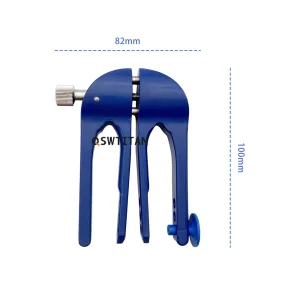
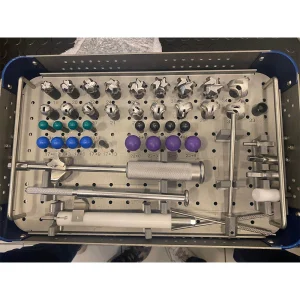
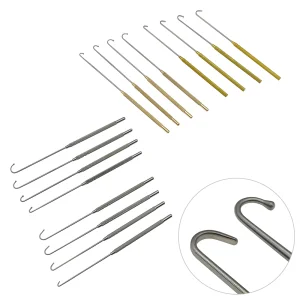
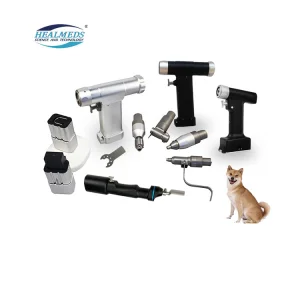
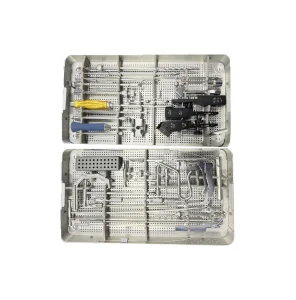
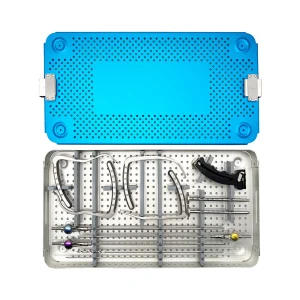
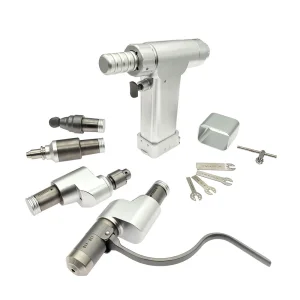
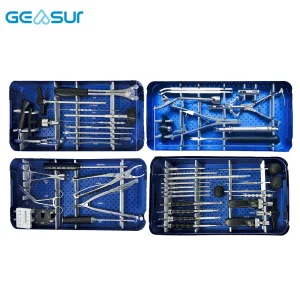
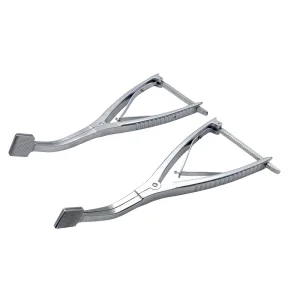
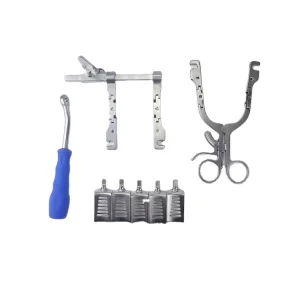
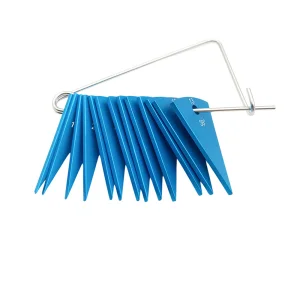
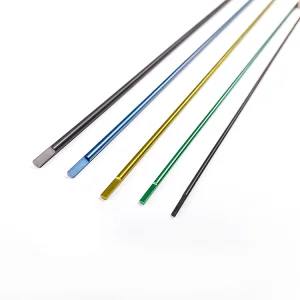
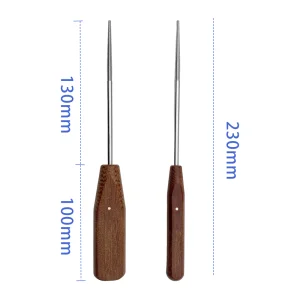
Explore our precision spinal implant sets, veterinary instrumentation, and retractor systems engineered for complex procedures.
 KaiSo Medical